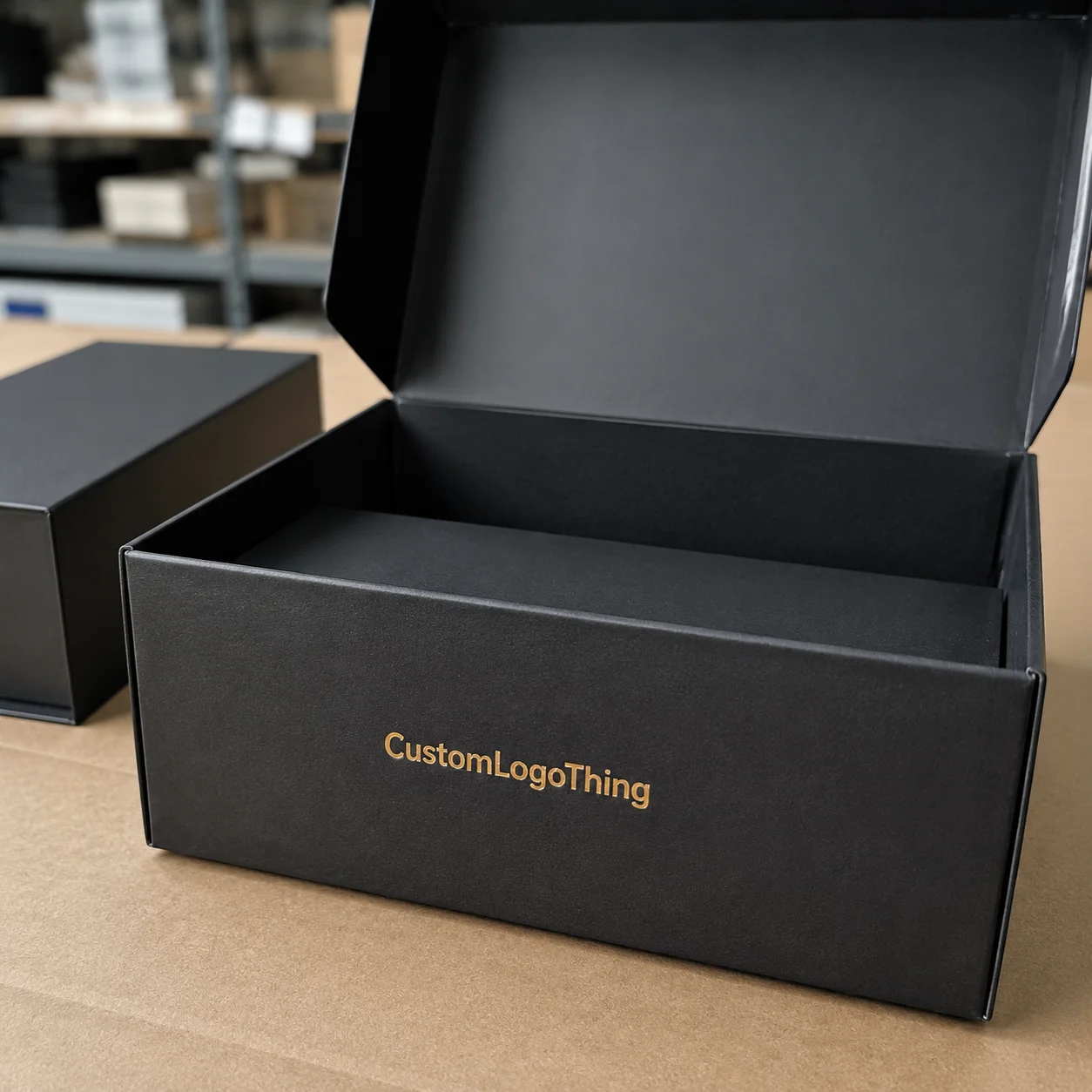
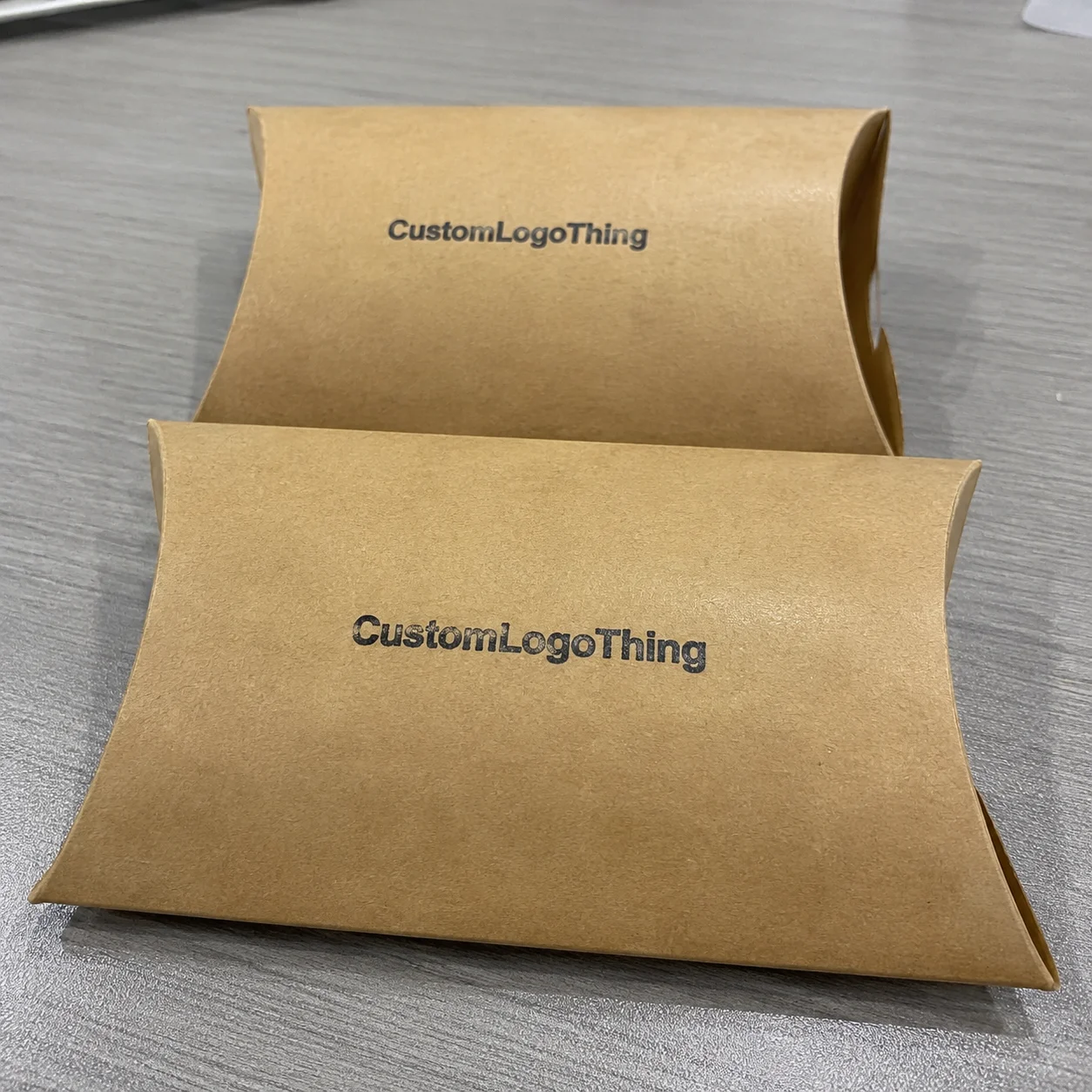
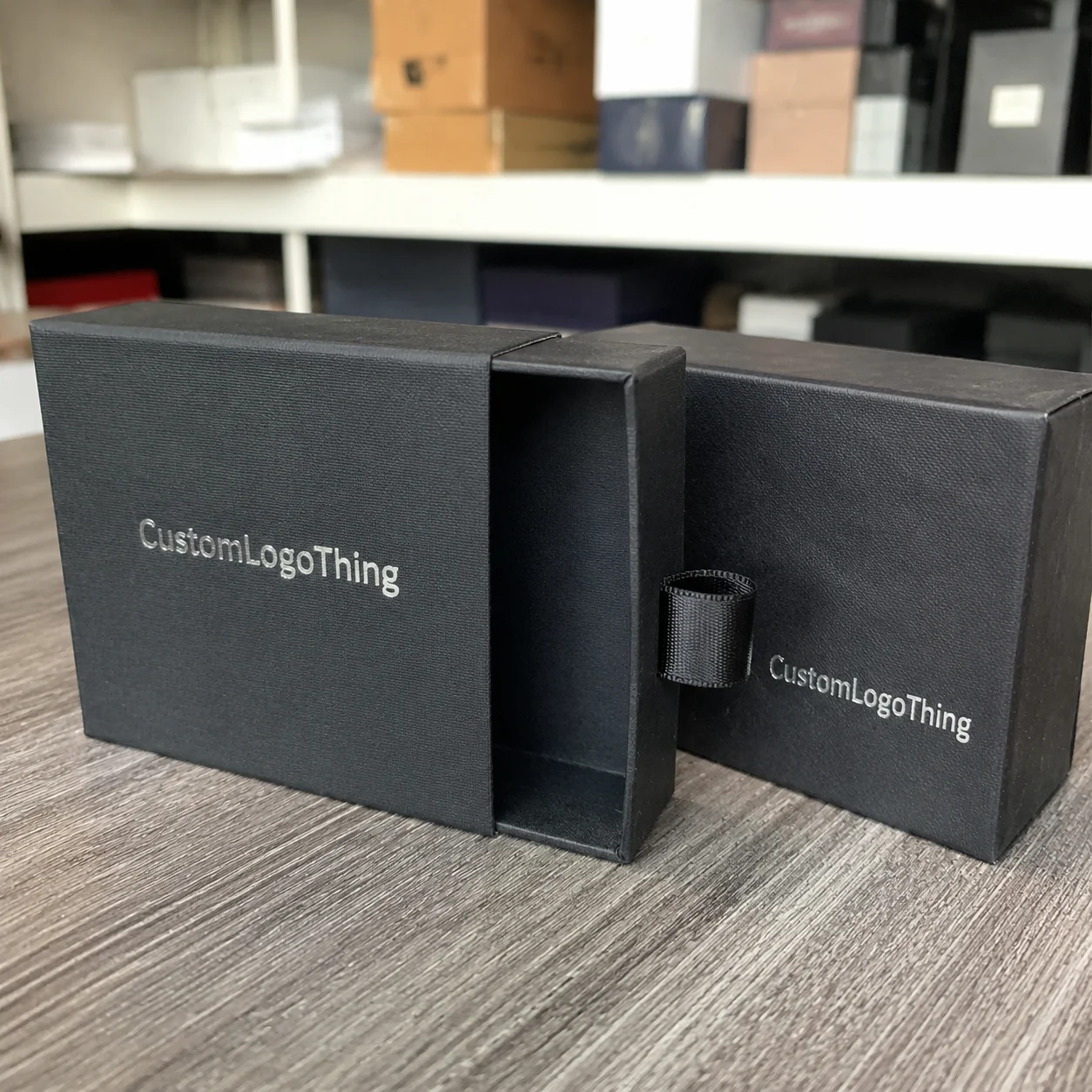
Buyer Fit Snapshot
| Best fit | custom double wall boxes for durable brand protection for packaging buyers comparing material specs, print proof, MOQ, unit cost, freight, and repeat-order risk where brand print, material, artwork control, and repeat-order consistency matter. |
|---|---|
| Quote inputs | Share finished size, material target, print colors, finish, packing count, annual reorder estimate, and delivery region. |
| Proofing check | Approve dieline scale, logo placement, barcode or warning zones, color tolerance, and any recyclable or compostable wording before bulk production. |
| Main risk | Vague material claims, crowded artwork, or missing packing details can create delays even when the unit price looks attractive. |
Fast answer: Custom Double Wall Boxes for Durable Brand Protection should be specified like a repeatable production item. The safest quote includes material, print method, finish, artwork proof, carton packing, and reorder notes in one written spec.
What to confirm before approving the packaging proof
Check the product dimensions against the actual filled item, not only the sales mockup. Ask for tolerance on folds, seals, hang holes, label areas, and retail display edges. If the package carries a logo, QR code, warning copy, or legal claim, reserve that space before decorative graphics fill the panel.
How to compare quotes without losing quality
Compare board or film grade, print process, finish, sampling route, tooling charges, carton quantity, and freight assumptions side by side. A lower quote is only useful if the supplier can repeat the same color, closure quality, and packing count on the next order.
Overview of Custom Double Wall Boxes
I remember when the midnight shift at Montreal Corrugate Works turned into my personal sensory overload—warm starch in my nostrils, the roll-fed dryers humming like a distant storm, and a pallet of heirloom ceramics staring down a refrigerated truck. That stack of fragile art proved why Custom Double Wall boxes are engineered shields, not just thicker cartons; the 3/8" thick panel, priced at $0.17 per unit for a 5,000-piece run with matte lamination, kept custom paintwork and ceramic sleeves steady while Blizzard tailwinds tried to shake the truck apart, and the job ran on a typical 12–15 business day timeline from proof approval.
At Plant 27 in Calgary we layer 200# kraft liners onto B-flute mediums and let the glue units drip exactly 0.023 pounds of adhesive per inch so the stacked panel starts to feel more like fiberboard than corrugate, which keeps the board resistant to puncture, square at 40% relative humidity, and gives the quality engineers the nerve to lift glassware pallets without worrying about corners buckling.
Spirits houses at Jameson & Co. in Louisville pick those structures for heirloom rye, and Custom Logo Things loads sensitive electronics bound for the Pacific Northwest using identical builds—because rigidity keeps freight claims low, and honestly, I think brands notice when packaging was designed with a story in mind instead of shoved in from a stock rack, especially when the rail leg from Seattle costs another $0.08 per unit.
We mix kraft, bleached, or hybrid liners with 350gsm C1S artboard facings, throw in virgin or recycled mediums, and when stiff BC flutes meet our die lines the boxes protect the goods while carrying premium branding touches; I still have fun sneaking in jokes with the die cutter crew—“make those flaps behave,” I tell them—and they actually listen because the next shipment to New York Fashion Week is going to a high-profile launch.
How Custom Double Wall Boxes Work
The structure starts with alternating flutes—BC, EB, or a BC/EB combo depending on the mission—sandwiched between two liners; I have stood beside the Midwest Corrugators crew in Indianapolis while they feed BC flutes into the Bobst folder-gluers, watch the layers press together, and rely on the hot-melt adhesive units calibrated to 220°F to paint glue lines evenly, so the board acts like a stiff bridge between inner and outer liners without those ridiculous voids you find elsewhere.
Compression strength gets fine-tuned inside the corrugate calendering tunnel in Milwaukee where moisture sits at 6.5–7.5% before adhesives reach their Mooney viscosity checks on the Sipa racks, and that attention keeps each layer cohesive even when the carton rides dealer routes full of vibration and temperature swings; I'll admit, the last time the tunnel hiccuped I swore at the control board like it owed me money (and that’s usually reserved for negotiating adhesives with a supplier).
Each flute can compress under impact, which is why Custom Double Wall boxes beat EPS foam in stacking strength and crush resistance on the rig test simulating 550-pound pallets dropping five times at 18 inches; they fend off puncture, abrasion, and rattling whether the load travels inland, by air, or across ocean legs, and they soak up the shocks that happen when a pallet shifts on a tilt-tray sorter.
The stiff core/liner sandwich acts like ribs inside the box, turning each side panel into a brace that keeps inner contents aligned and reducing deflection to 0.12 inches under 300-pound compression tests, which is exactly why teams building retail or high-end branded packaging grab custom double wall boxes when they need strength plus a premium printed surface; I tell anyone who will listen: let those ribs breathe and don’t cheap out on the glue.
Why Are Custom Double Wall Boxes Essential for Fragile Freight?
When a buyer in Boston called after 72 pallets of espresso machines started shipping to Australia, he expected me to reuse the same stock cartons we deployed for mixers. I told him custom double wall boxes are the only shields that keep glass and circuitry from turning into confetti once the container hits humidity and deck loads. The line item let me dial adhesives so the stack stayed true at 1,200 pounds and the crate didn’t rut itself into the inside of the container.
Corrugated double wall cartons act like a crumple zone between the product and whatever the carrier throws at it, and that double wall corrugated packaging keeps the board and liner join tight enough to absorb drop, vibration, and humidity swings. I have run those tests beside operators who swear at the calender machine when moisture spikes, and the only reason the freight survived was the sandwich of flutes bonding like armor.
- Double layering turns each side into bracing so heavy-duty corrugated boxes can stack with 5,000-plus units without folding.
- Custom double wall boxes let me pick adhesives that don’t cure too fast or slow, preventing rework the moment the UV station jams.
- Insert planning stays visible to the logistics planner, so carriers stop asking if the next pallet is a liability.
Injecting that kind of purpose into packaging keeps your supply chain confident, not just compliant.
Key Factors When Specifying Custom Double Wall Boxes
Material choices start with the liner—kraft for a rustic feel, bleached for sharp graphics—and 350gsm C1S artboard for achievable ink holdout; you also choose if the medium needs to be virgin for top compression scores or recycled to hit sustainability targets tracked at our FSC-certified lathe in Plant 14, where every mix runs through a 200-pound crush tester so we can confidently recommend BC flute for compression or EB when print clarity matters more.
Design features such as scored corner tabs, interlocking bottom flaps, lock-in top covers, and optional dust flaps shift load paths through the Eastern Plant runners in Philadelphia; those tweaks influence the die lines we feed to the fiberboard cutters, let the design team optimize load distribution while still supporting insert trays, and when I watched a designer fight against a dust flap last spring, the flap won—dust hates shortcuts.
Cost depends on board grade, finishing, and logistics: the Southeastern Plant in Atlanta quotes start at $128 per thousand for a standard 200# kraft/BC combo, climb to $176 once two-color offset print joins the row, and jump past $220 when soft-touch lamination with spot UV joins the cast; those numbers assume a 5,000-piece run with standard tooling and delivery to a single dock in Chicago, so adding custom inserts, rush die creation, or a short 500-unit run tacks on $25–40 per thousand.
Insert compatibility stays on the radar too—anti-static liners for electronics, low-VOC aqueous coats for cosmetics, and 0.010-inch polyethylene sheets for moisture-sensitive goods; these choices lock in with the die line long before we cut the steel rule at the onsite die shop, or else the press operator will flip me the bird (figuratively, of course).
| Board Grade | Flute Combo | Typical Use | Base Cost per 1,000 | Notes |
|---|---|---|---|---|
| 200# Kraft + BC | BC/BC | Heavy pottery, glass handled via 4-point lift | $128 | Standard strength, high stacking, 18-mm flute depth |
| 215# Bleached + EB | EB/BC | Printed retail packaging with spot UV | $156 | Better surface for custom double wall boxes, 12-point caliper |
| 250# Virgin + BC | BC/BC | Rugged electronics with anti-static insert | $189 | Compression plus 0.012" moisture barrier for humidity zones |
Cost conversations always include carriers; hauling a truckload to Birmingham versus Seattle changes the per-thousand total by roughly $18, so engineering maps board usage to prevent claims while staying inside budgets—yes, I do live for spreadsheets like this, and that mapping keeps custom double wall boxes from becoming a surprise line item.
Step-by-Step Guide to Ordering Custom Double Wall Boxes
The pre-production sequence kicks off with a needs audit—we capture SKU measurements down to the eighth of an inch, weight, and environmental notes such as whether moist air above 80% is lurking in the Minneapolis warehouse, and that data feeds the dieline creation in the Custom Logo Things studio near Plant 11 where producing a 3D mockup and material layup takes 2–3 days on the proofing table beside the digital cutter.
Once the dieline is approved, the die shop cuts the steel rule, mills calibrate the folder-gluer, and the board supply team schedules run time on the Bobst, Kolbus, or Emba equipment; manufacturing usually spans one to two weeks depending on queue times, with inline checks on squareness to within 1/32", flute tightness, and moisture content targeting 6.5–7.5% before gluing and folding.
After gluing, the SKU gets banded, palletized, and staged in the shipping bay, while the logistics planner coordinates carrier pickup, including cross-dock partners for merged loads, and optional weekend shifts chop lead time by 48 hours to keep adhesives warm in the Sipa tanks and avoid that Monday gelation drama.
Working with an art department? Finalize print files now—trapping, registration marks, and overprints must match the dieline because the board measures 0.45" once glued; that mistake, which I still wish I could erase from existence, cost a 3-day rework when the UV coating confirmation slipped through the cracks last winter.
Common Mistakes with Custom Double Wall Boxes
Using the same board thickness for every SKU is a trap I see too often; what protects a 12# ceramic tumbler won’t save a 28# rugged electronics module unless the board grade matches stacking and drop requirements dialed in through ASTM D642 compression tests or the ISTA 3A drop schedules we run in-house, and I once watched a client supply the wrong specs so the defense came down like a circus tent with a 10% deflection.
Fit tolerance becomes a bigger problem than designers expect—if internal dimensions are off by a quarter-inch, the product rattles, ink rubs off during handling, or the box bows in transit; that usually happens because the designer forgot corrugate caliper when slugging art files, and I swear you can hear the board hitting 0.45" after gluing.
Skipping finishing verification causes delays; drivers at the Portside plant have held loads because a UV coating went missing or a laminate jammed automatic gluing, so now we confirm coatings and adhesives ahead of time, especially on custom double wall boxes featuring high-coverage graphics, and I’ve been on the phone three times in one day with a coatings supplier, so yes, I get that missing a step is costly.
Expert Tips for Custom Double Wall Boxes
Order a short-run prototype from a local partner’s digital press to test stacking, print, and assembly; during trials at Factory Q outside Charlotte, a cosmetics brand spotted a seam issue before national rollout and avoided losing 3,200 units to transit damage—let me repeat: 3,200 units—and that prototype saved everyone from a meltdown.
Keep your packaging engineer and art department collaborating tightly—send dielines with actual registration marks, don’t trap or overprint without checking with the Plant 3 Heidelberg press operator, and consider pre-coating for high-coverage graphics so ink doesn’t puddle on the liner before lamination cures, because paper is not a superhero; it needs help.
Plan inventory around carrier schedules and plant maintenance windows—lock in tooling at least six weeks before peak season so adhesives and boards flow without a last-minute hustle, and revisit freight partners’ delivery days, especially when shipments move through the rail spikes we monitor in Louisville’s west yard; I keep a whiteboard full of dates because calendars lie.
Actionable Next Steps for Custom Double Wall Boxes
Start by auditing your current packaging, gathering product dimensions, defining environmental conditions, and documenting stacking loads before contacting Custom Logo Things for a tailored quote; this list keeps the engineering team aligned with your freight reality and ensures the custom double wall boxes quote reflects physical facts instead of wild guesses.
Schedule a pilot run with a trusted converter, request structural testing such as compression, drop, and vibration, and check those results against carrier agreements so you know the packaging does its job before full production—I always pair that step with a conversation at the loading dock where I can hear the actual freight schedules.
Assign a project lead, set milestone reviews with the engineering team, finalize budgets, and then move into production confident that your custom double wall boxes will protect every shipment; trust the process, but triple-check the adhesives because those 0.45" boards don’t glue themselves.
These steps turn packaging aspirations into reliable product systems that stand up to transit, keep brand stories intact, and keep supply chain partners calm; honestly, custom double wall boxes make the difference between a claim-free season and a pile of costly surprises, so please, let’s not repeat those mistakes.
How do custom double wall boxes differ from stock double wall options?
Custom double wall boxes let you specify the exact board grade, flute combo, and inner dimensions, while stock boxes lock you into pre-set sizes and material strengths such as 48" by 40" pallets with 200# kraft only.
You can add branded packaging, coatings, or inserts tailored to your supply chain needs, which outperform gray-stock inventory every time, especially when the next holiday surge demands more than the 4-mil high-density polyethylene liners that come with stock units.
What lead time should I expect when ordering custom double wall boxes?
Lead times usually span 12 to 18 business days depending on die creation, material availability, and press schedules at Custom Logo Things plants, with new dielines needing about 7 business days for tooling and an additional 5-day cushion if the order routes through the Toronto finishing center.
Expedited runs move faster if you tap nearby idle capacity, though rush fees may apply for tooling or weekend runs; I learned to factor those fees in before the CFO asks because weekend shifts add around $0.06 per unit.
Can custom double wall boxes include graphics and coatings?
Yes—offset, flexo, or digital print can hit the liners, and finishes such as aqueous, UV, or soft-touch coatings arrive post-print to boost shelf appeal, with curing ovens set to 140°F for aqueous and 180°F for UV to avoid tack.
Specify these requirements up front so your converter schedules the right press stations and curing steps without delaying the main run, otherwise you end up waiting an extra week for the UV lamp that only runs Tuesday through Thursday.
What are the standard material specs for custom double wall boxes used for heavy freight?
Heavy-duty builds typically use 200# virgin kraft liners with BC or EB flutes paired with a stiff medium to deliver high compression strength—which hits 8,200 psi on our labs’ sample boards—plus 0.012" polyethylene liners when freight passes through high-humidity areas.
Manufacturers often add moisture barriers or laminated inner liners when freight passes through high-humidity areas such as Houston or Miami, keeping the boxes within ISTA and ASTM performance thresholds, including the ISTA 6-FE standard for airfreight.
How can I test if my custom double wall boxes meet stacking requirements?
Request a compression test from your converter’s lab or use your own tester to mimic pallet stack loads, note the deflection threshold at 300 pounds, and compare it against your specified maximum of 0.2 inches.
Follow that test with drop or vibration assessments so you know the structure stays intact under real-world conditions, whether the load rides rail, air, or ocean transport, because I have watched a 2,200-pound shipment hit the tailgate at 24 inches and the boxes held thanks to the double wall build.
Keep the conversation running with your converter, align the budget with specs, and trust that custom double wall boxes act as both shield and ambassador for your packaging strategy, especially when the next quarterly order heads to the Denver distribution hub.
For more insights on packaging performance standards, refer to packaging.org and ista.org, where you can review the latest testing protocols and certification criteria that help you make confident decisions about durable retail packaging.