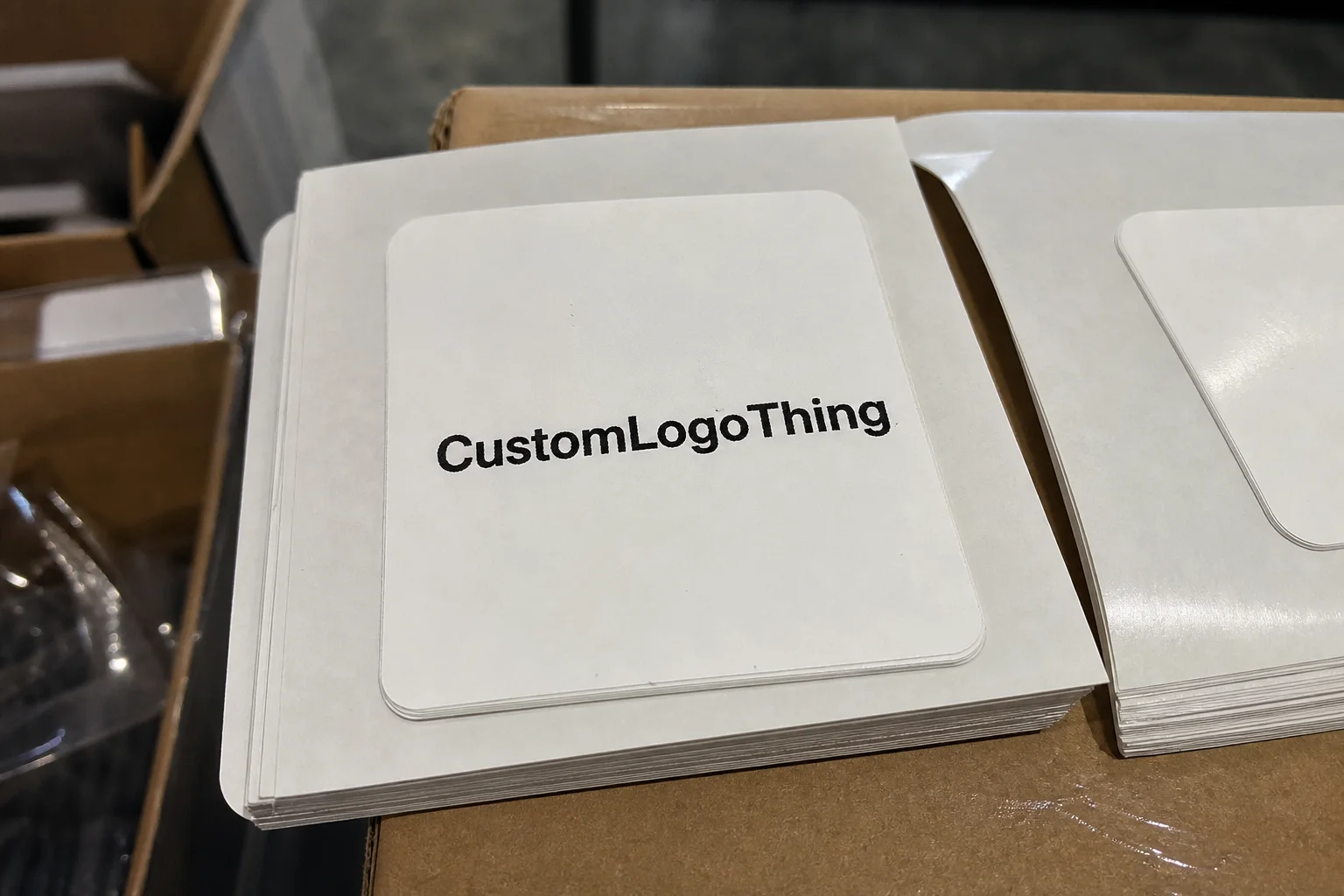
Frosted pouches already signal a premium product. The risk is that weak custom frosted pouch labels Buyers Guide to Ordering content, or weak label decisions, can make the package look improvised if the label wrinkles, peels, or fights the film instead of working with it.
This custom frosted pouch labels buyers guide to ordering focuses on the decisions that affect adhesion, print clarity, and final cost. The label has to do more than carry a logo. It may need ingredients, barcodes, lot codes, directions, or compliance copy while staying readable on a flexible surface.
For snacks, supplements, cosmetics, and sample sizes, the packaging has to perform in transit, on shelf, and during handling. If you are building a broader packaging set, see Custom Printed Boxes and the label proofing checklist before you approve artwork. That reduces rework later in the custom frosted pouch labels buyers guide to ordering process.
The buyer questions are usually the same: will it stick, what will it cost, how fast can it ship, and what spec gives the best balance of durability and appearance?
Why Frosted Pouches Need Labels That Actually Read
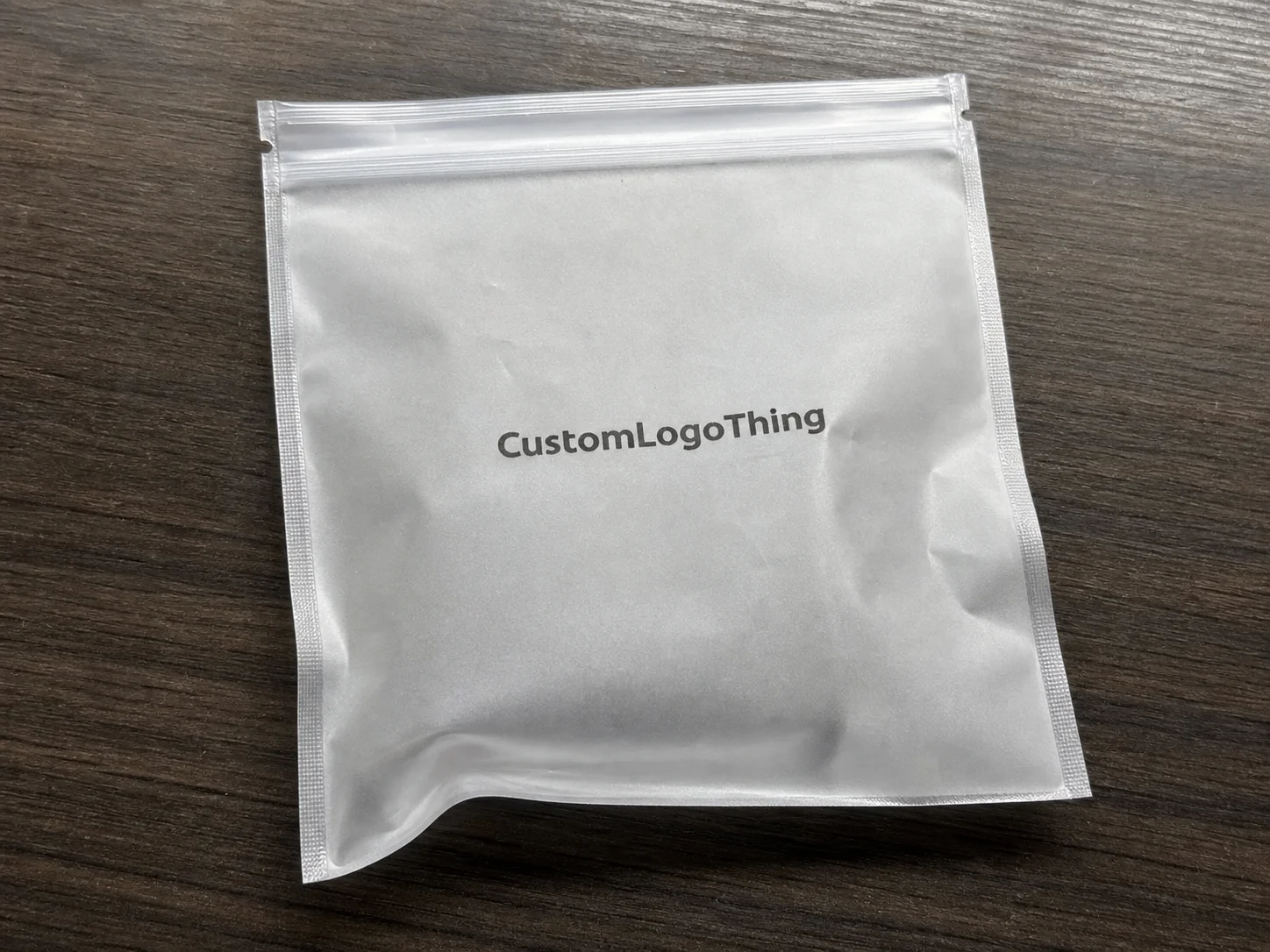
Frosted film has a muted, semi-opaque look that can be elegant, but it also lowers contrast. A label that looks sharp in a mockup can become hard to read once the pouch is filled, curved, stacked, or handled. That is why a custom frosted pouch labels buyers guide to ordering has to start with legibility, not decoration.
Pressure-sensitive labels are the common solution for this type of flexible packaging. They rely on adhesive bond rather than heat and need enough tack to stay put on a surface that flexes after filling and shipping. On frosted pouches, the adhesive and the print face both matter because the surface can look smooth in a sample and behave differently once it is packed.
These labels are often used when the pouch itself does not carry all the required information. That includes food and beverage powders, beauty samples, nutraceuticals, herbal products, and personal care items.
- They identify the SKU.
- They support traceability and batch tracking.
- They carry barcodes, QR codes, or promotional copy.
- They can provide required regulatory details when the pouch is not preprinted.
The core buying question is not which label is cheapest. It is which construction will survive handling and still look deliberate on the actual pouch. In a custom frosted pouch labels buyers guide to ordering, that tradeoff matters more than a small unit-price difference.
A label that saves a little on paper but peels in transit usually costs more in rework.
How Custom Frosted Pouch Labels Adhere and Print
Frosted packaging changes the label spec because the surface is not as forgiving as a rigid carton or smooth plastic. Texture, low gloss, and pouch flex all affect adhesion and legibility. A custom frosted pouch labels buyers guide to ordering should treat the pouch surface as part of the print system, not as a neutral background.
Most labels for this use a pressure-sensitive adhesive. On flexible packaging, the adhesive needs quick tack at application and enough hold to resist edge lift after the pouch is filled, stacked, or refrigerated. Curves and gussets increase the risk of failure, especially if the label is oversized or placed too close to a seam.
Print construction matters just as much. White underprint improves contrast on translucent stock. CMYK handles full-color art. Spot colors are useful when a brand color has to stay consistent across multiple packaging formats. Clear stock can work, but light artwork often disappears against frosted film.
Always test on the actual pouch, not a similar sample. Surface energy, coating, fill level, and seal geometry all change how a label behaves. An empty demo pouch can hide problems that show up later on a filled product, which is why a custom frosted pouch labels buyers guide to ordering should include a hands-on proof step.
| Label Option | Best For | Tradeoff |
|---|---|---|
| Opaque white label stock | High contrast and dense information | Less of the frosted pouch shows through |
| Clear label stock | Minimal branding and visual blending | Lower contrast if the artwork is light |
| White ink underprint | Rich color on translucent surfaces | Raises print complexity and cost |
| Matte finish | Soft premium appearance | Less visual punch under bright retail lighting |
| Gloss finish | Sharper color contrast and more shelf shine | Can feel loud if the layout is already busy |
The practical rule is simple: match the label construction to the pouch and the use case, not to a render.
For broader sourcing context, the Packaging Machinery Manufacturers Institute and similar packaging industry resources are useful for understanding application limits and production constraints.
Cost, MOQ, and Unit Pricing for Frosted Pouch Labels
Pricing depends on more than size. Quantity, die-cut shape, print colors, adhesive type, finish, and any special treatment all affect the quote. White ink, metallic effects, and variable data raise cost quickly, so a custom frosted pouch labels buyers guide to ordering should compare more than one spec before locking the order.
MOQ is usually driven by setup economics. If a supplier has to prep a die, calibrate color, run finishing, and inspect output, those fixed costs get spread across the order. Smaller runs are possible, but the unit cost will usually be higher.
Typical ranges for standard pressure-sensitive labels often look like this:
- 500 to 1,000 labels: useful for prototypes or launch tests, but highest unit cost
- 2,500 to 5,000 labels: common for small brands balancing price and inventory risk
- 10,000+ labels: better unit pricing if demand is stable
Ask for quotes at multiple quantities. That shows where the unit price drops and whether buying more than you need actually makes sense. In a custom frosted pouch labels buyers guide to ordering, the best quote is not always the lowest total quote if it leaves you with slow-moving inventory.
| Quantity | Typical Use Case | What To Watch |
|---|---|---|
| 500 to 1,000 | Testing, samples, short launches | Highest unit price, limited economies of scale |
| 2,500 to 5,000 | Small-batch retail packaging | Balance between inventory risk and unit cost |
| 10,000+ | Recurring SKUs, established demand | Storage, artwork stability, and forecast accuracy |
There are practical ways to reduce cost without weakening the label.
- Use a standard rectangle or rounded rectangle instead of a custom silhouette.
- Reserve specialty finishes for SKUs where they affect shelf performance.
- Keep label sizes consistent across related products.
- Minimize print variants if only a small data field changes.
If the packaging line also includes cartons, inserts, or mailers, compare those pieces together rather than treating each one as a separate project.
2026 Trends That Affect Ordering
In 2026, the biggest shift in a custom frosted pouch labels buyers guide to ordering is the move toward shorter runs and faster SKU changes. Brands are launching seasonal flavors, limited drops, and regional test products more often, which makes large label inventories harder to justify.
Digital printing has become the default for many short runs because it supports faster turnarounds and easier artwork changes. That has helped lower the entry barrier for smaller brands, but the premium still rises when you add white ink, metallic accents, soft-touch coatings, or complex die cuts. The new buying pattern is simple: standard constructions are more accessible, while decorative constructions still carry a clear price step.
Another 2026 change is the demand for labels that support both retail shelf appeal and fulfillment speed. Buyers now ask whether a label can be hand-applied during launch, then moved to a roll format for machine application if the SKU takes off. That makes roll direction, core size, and gap spacing part of the buying decision earlier than before.
Sustainability claims are also affecting the spec. More brands want recycled facestocks, responsibly sourced paper, or label constructions that align with broader packaging goals. A custom frosted pouch labels buyers guide to ordering should therefore ask the supplier to define the exact material and adhesive, not just the visual finish.
That market shift is visible in how quotes are written. In recent 2026 supplier quotes, the difference between a basic matte label and a premium label with white ink or tactile finishing is more obvious than it was a few years ago. That makes spec discipline more valuable, not less.
Process and Lead Time: From Quote to Shipment
The production path is usually straightforward: Request a Quote, confirm artwork specs, review a proof, approve the file, print, finish, inspect, and ship. Delays usually come from incomplete information or last-minute changes, so a custom frosted pouch labels buyers guide to ordering should treat artwork approval as a gate, not a formality.
For a standard order, many buyers should plan on roughly 10 to 15 business days after proof approval. Special finishes, white ink, unusual shapes, or testing requirements can add time. Rush work may be available, but it usually costs more and leaves less room for error.
Complete specs keep the process moving.
- Pouch dimensions and usable label area
- Label placement preference
- Pouch material type
- Print quantity by SKU
- Finish choice: matte, gloss, or specialty
- Application method: hand-applied or machine-applied
- Shipping destination and target receipt date
Copy changes are the usual schedule killer. A small text edit can trigger a new proof and push the print date. If the label carries regulated content, that information should be reviewed by the brand or compliance team before prepress.
Shipping conditions matter too. ISTA protocols are useful if the product will face parcel shipping, stacking, vibration, or temperature swings.
Choosing the Right Label Specs for Film, Size, and Finish
The right spec depends on how the pouch will be used. A cosmetic sample, a chilled food pouch, and a shelf-stable supplement pouch do not need the same label construction. A custom frosted pouch labels buyers guide to ordering works best when it starts from the use case and moves backward to the spec.
Start with the basics: size, adhesive strength, corner radius, roll direction, and whether the labels need to feed through a dispenser. Label size should match the usable flat area, not the space that appears available on an empty mockup.
Pouches look larger when empty and smaller when filled. A 3" x 4" label may fit on a flat sample but feel oversized once the pouch curves. Rounded corners help reduce lift on flexible packaging.
Finish changes how the label reads on shelf. Matte gives a softer premium look. Gloss increases contrast and color pop. Specialty finishes such as soft-touch or metallic accents can help when they support the brand, but they should not make the layout harder to read.
Legibility matters more than decoration. Barcodes need quiet space around them. Small type must stay readable after printing on the actual pouch. On frosted film, contrast is function, not a style choice.
Material choice also has to fit the handling environment. For refrigerated or moisture-prone products, the stock and adhesive should resist condensation and edge lift. For machine application, roll direction, gap spacing, and core size must match the applicator. Ignoring those details leads to jams, skew, and waste.
For brands using Custom Printed Boxes, pouches, and inserts together, color consistency matters. A warm, muted label beside a cooler carton can make the line feel disconnected. If your product line includes multiple SKUs, a custom frosted pouch labels buyers guide to ordering should also cover how the system scales across variants.
If sustainability claims matter, the FSC framework is a useful reference when certified materials are part of the program.
Common Mistakes That Make Labels Peel or Look Cheap
The first mistake is choosing a label stock because it looks good in a file. The second is assuming every pouch behaves the same way. A textured matte pouch, a frosted pouch, and a soft-touch pouch can each need a different adhesive approach. A custom frosted pouch labels buyers guide to ordering should call out that surface differences matter more than many buyers expect.
Overdesign causes another kind of failure. Too much copy, too many colors, and tiny type make a label feel crowded. On frosted film, clutter gets worse because the surface already softens contrast.
Skipping a real test is the mistake that usually costs the most later. The label should be checked on the actual packaging for moisture resistance, refrigeration, handling, and shipping abrasion. In review after review, the labels that fail most often are the ones that were never tested on a filled pouch.
- Wrong adhesive for the pouch surface
- Poor placement near seams or bends
- Insufficient contrast on frosted film
- Text too small to read after application
- Inconsistent manual placement across units
If you are planning multiple SKUs, standardize the variables that do not need to change. Keeping the same shape, finish, and placement position where possible reduces both shelf inconsistency and production error.
Expert Tips and Next Steps Before You Order
If the pouch material is new, request a sample before committing to a full run. Apply the label to a filled pouch, not just an empty one. That catches glare, contrast issues, and edge lift that often do not show up in a proof. This is the most reliable step in a custom frosted pouch labels buyers guide to ordering because it reveals the real-world result, not the mockup.
The ordering sequence should stay simple. Lock the dimensions first. Then choose the finish. Then confirm quantity. Finalize artwork only after the production spec is fixed.
Get quotes at two or three quantity levels so you can compare the unit price against inventory risk. For smaller brands, overbuying labels can trap working capital in stock that may sit unused for months.
Before approving production, verify these items:
- Label size and exact placement on the pouch
- Material and adhesive spec in writing
- Proof accuracy, including barcodes and small type
- Lead time from proof approval to shipment
- Any test results for moisture, cold storage, or handling
For a broader packaging program, it helps to evaluate labels and cartons together. If the pouch, insert, and box speak the same visual language, the shelf presentation feels intentional rather than assembled in pieces.
In short, the best result usually comes from a conservative spec, a real pouch test, and artwork that respects contrast. That is the shortest path through a custom frosted pouch labels buyers guide to ordering that actually holds up in production.
Do custom frosted pouch labels stick to matte or textured pouches?
Yes, but the adhesive has to match the pouch surface and how the package will be handled. Test on the actual pouch stock first. A label that holds on a smooth sample can fail on a matte or textured pouch. If the pouch is curved, filled, chilled, or handled often, a stronger pressure-sensitive adhesive is usually safer.
What is the minimum order for frosted pouch labels?
MOQ depends on label size, shape, print method, and finishing requirements. Smaller runs usually cost more per label because setup costs are spread across fewer units. Ask for pricing at multiple quantities so you can see where the unit cost drops and whether the inventory makes sense.
Are frosted pouch labels waterproof or fridge-safe?
They can be, but only if the label stock, ink, and adhesive are built for moisture and temperature changes. Refrigerated products need testing for condensation and edge lift, not just a clean proof. If the pouch will face water or oil, ask for the exact material and adhesive spec in writing.
Should I use clear, white, or metallic labels on frosted pouches?
White labels usually give the strongest contrast and the easiest readability. Clear labels can look cleaner, but they need careful design because the frosted film will show through. Metallic labels work best when the goal is shelf impact rather than subtlety.
How long does it take to get custom frosted pouch labels printed?
Lead time depends on proof approval, artwork readiness, finish complexity, and shipping distance. Simple orders move faster; custom shapes, special inks, and testing usually add time. Ask for the timeline in stages so you know where delays are likely to happen.