Custom Smell Proof Ziplock Bags: What Actually Works, What Fails, and How to Spec Them Correctly
Custom smell proof ziplock bags are only as good as the full structure behind them. The film, the zipper, the seal quality, and the fill level all affect whether odor stays contained or starts drifting out through the first weak point it finds.
That is why these bags deserve more attention than a quick sample approval and a logo placement. A pouch can look clean on the outside and still perform poorly once it is filled, handled, shipped, and reopened a few times. For buyers, the practical goal is not a perfect marketing claim. It is packaging that holds up under use without causing complaints later.
These bags are used across supplements, coffee, herbal goods, grooming samples, discreet retail items, and scent-sensitive kits. The exact product changes the spec, which changes the price, the closure style, and the kind of testing that matters. If you are planning a broader packaging rollout, keep the bag spec aligned with the rest of your Custom Packaging Products so the brand system feels deliberate instead of assembled one piece at a time.
Custom Smell Proof Ziplock Bags: What They Are and Why Odor Still Escapes
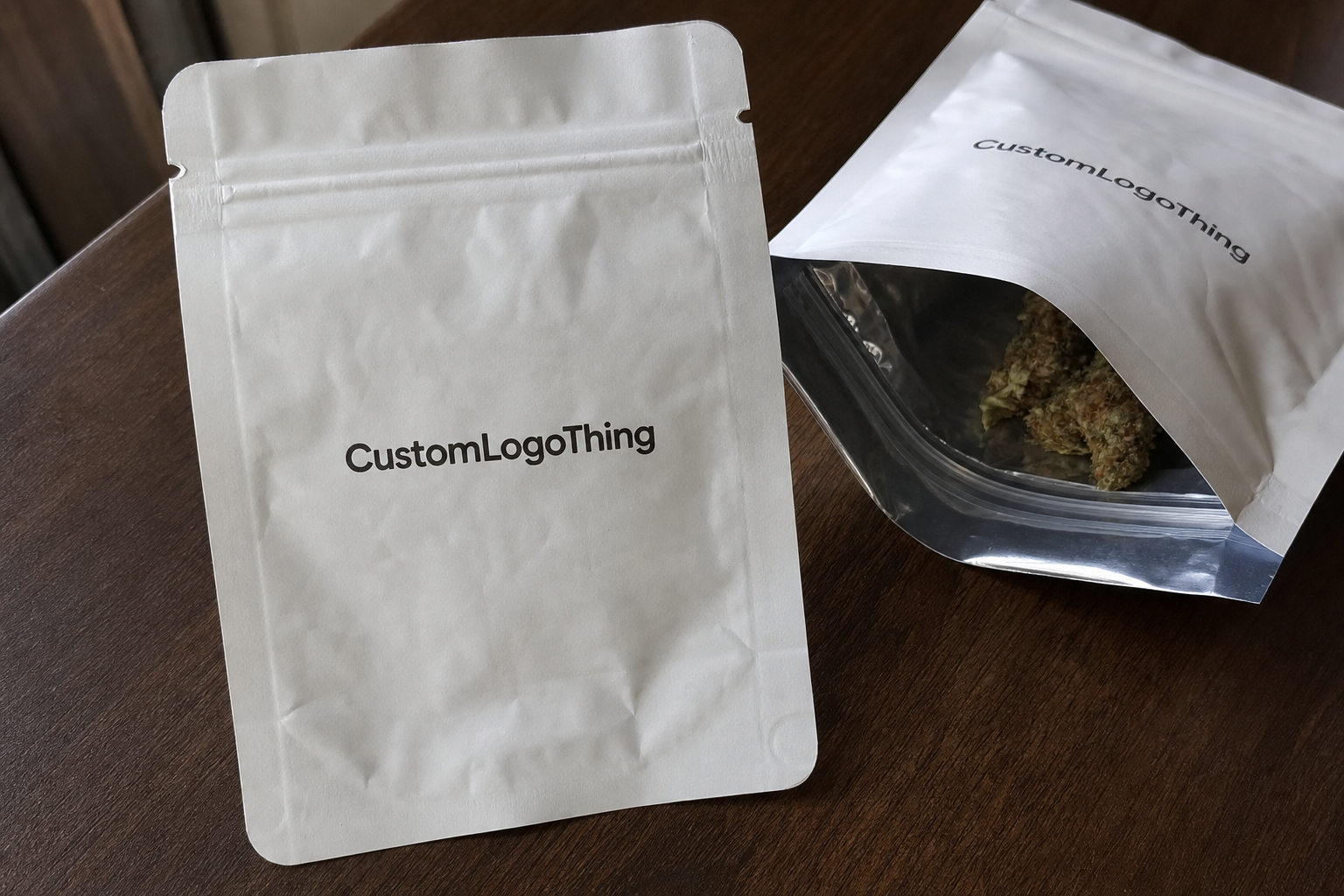
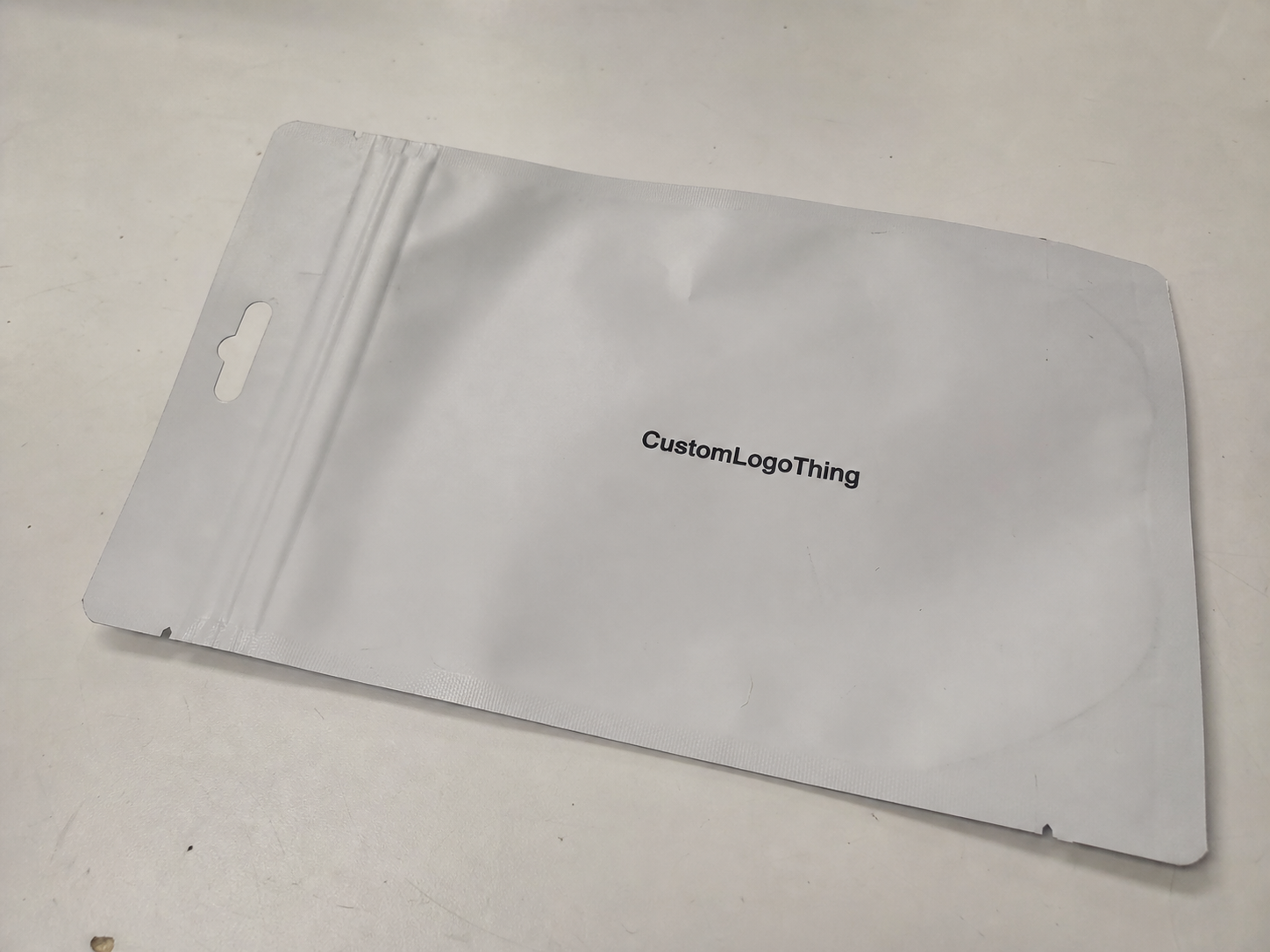
At the simplest level, these are resealable pouches built with odor-barrier film and a closure that can be opened and closed repeatedly without falling apart. That is the starting point, not the finish line. A good bag has to do two jobs at once: contain scent and present the product in a way that looks intentional on a shelf or in transit.
The mistake many buyers make is treating odor control as a single-material decision. It is not. Odor escapes through tiny gaps, stressed folds, weak seal areas, and zippers that feel tight until the bag is used a few times. Overfilling makes the problem worse because it pushes pressure into the top seal and prevents the zipper from closing flat.
The structure matters more than the label on the spec sheet. A well-made pouch with a modest barrier film and a clean seal can outperform a heavier bag that was laminated poorly or closed with inconsistent pressure. In packaging, feel is not the same thing as function. A bag that seems more substantial in the hand may still perform worse in real use.
There is also a limit to what the phrase “smell proof” can honestly promise. It is a useful shorthand, but it is not a guarantee of zero odor under every temperature, fill, or storage condition. A better buying mindset is to treat the bag as odor-barrier packaging and then verify how well it holds up with the actual product inside. That is a more accurate standard and a safer one for production decisions.
For branded packaging, the pouch also has to print cleanly. Low-contrast artwork, weak surface finish, and sloppy registration can make a technically decent bag look inexpensive. The best custom bags handle both the barrier requirement and the visual requirement without forcing one to compensate for the other.
How Barrier Layers, Zippers, and Heat Seals Work
Barrier performance starts with the film stack. Basic PE zip bags are useful for storage, but they are not built for meaningful odor retention. Once a pouch uses a multilayer laminate, a metallized layer, or a foil barrier, it becomes much better at slowing odor migration. The inner seal layer still has to bond correctly, though, or the bag leaks at the edge regardless of how good the face material looks.
The closure and the seal do different jobs. The zipper is the daily-use component. It has to open smoothly, close consistently, and stay aligned after repeated use. The heat seal or tamper seal is the protective layer that keeps the bag closed during shipping and storage. If either one is weak, the entire package suffers.
Common structures include PET/AL/PE, PET/metallized PE, and other multilayer laminates paired with a resealable zipper. Foil usually gives the strongest barrier, while metallized film often balances cost, flexibility, and print quality better. Neither one is automatically right for every product. A strong barrier with a crooked seal is still a bad bag.
A practical buyer should watch for the failure points that do not show up in a clean mockup:
- Pinholes or thin spots created during lamination or handling
- Wrinkled top seals that leave small leak paths
- Gusset shapes that prevent the zipper from closing evenly
- Zippers that hold on the first cycle but weaken after repeated use
- Headspace that is too small, which puts pressure directly on the closure
The real test is not an empty pouch held up to someone’s nose. It is the bag under actual conditions, with the real product, the real fill weight, and enough time for odor to move if the structure is weak. If the bags will travel through parcel networks or distribution centers, ask for testing that reflects transit conditions instead of a polished tabletop demo. The International Safe Transit Association is a useful reference point because packaging that passes a simple sniff test can still fail once vibration, compression, and temperature changes are involved.
Specs That Actually Change Performance
Price comparisons are only useful if the specs are truly the same. A 4 mil metallized pouch with a standard zipper is not the same product as a 6 mil foil laminate with tamper evidence, even if the artwork looks similar in the mockup. A low quote often means the supplier is quoting a different build, not a better deal.
The specifications that matter most are straightforward:
- Film structure - foil, metallized film, or multilayer laminate
- Thickness - useful as a reference, but not a complete measure of barrier quality
- Zipper profile - standard press-to-close, specialty, or child-resistant
- Bag format - flat pouch or gusseted pouch, depending on product shape and display needs
- Size - enough room for clean closure without crowding the top edge
Thicker is not automatically better. A heavier pouch with a weak zipper can perform worse than a slightly lighter construction with a cleaner seal and more stable laminate. Buyers often dislike that answer because the thicker sample feels more premium in the hand. The trouble is that tactile weight does not tell you how well the bag will hold odor after repeat use.
Print finish also changes the result. Matte lamination hides scuffs better and tends to look more restrained, while gloss can make colors pop under retail lighting. Clear windows can be useful when the product itself needs to be seen, but they reduce the continuous barrier surface, so they should be added for a real merchandising reason, not just because the artwork looked better with one.
Additional features need the same discipline. Tear notches, hang holes, tamper-evident features, and child-resistant closures each add cost and complexity. Some are worth it. Some are only useful if the product, channel, or regulation actually requires them. If you are printing recyclable claims, verify the material stack first and check current guidance from the EPA recycling resources before putting that claim on the bag. FSC certification may apply to paper inserts or cartons, but it does not convert a film pouch into a paper-based package.
Cost, MOQ, and Unit Price Drivers
Pricing for custom smell proof ziplock bags usually depends on size, film structure, print coverage, zipper type, and any extra compliance or convenience features. Every one of those choices affects setup, material usage, or production complexity. Change two or three at once and the unit price moves fast.
MOQ matters because setup costs have to be spread across the run. A smaller order usually raises the per-piece cost. A larger order lowers it, but only if the spec stays stable. If the artwork changes, the dimensions change, or the closure changes, the pricing shifts again. That is normal. It is also where many quote comparisons go wrong.
For context, these are rough ranges at around 5,000 pieces for a standard custom print job, not a premium or regulated build:
| Build | Typical MOQ | Rough Unit Price | Best For | Notes |
|---|---|---|---|---|
| Metallized zipper pouch | 3,000-5,000 | $0.16-$0.28 | Simple retail packaging and samples | Good balance of cost and odor control |
| Foil laminate with matte finish | 5,000+ | $0.22-$0.38 | Premium branded packaging | Stronger barrier and a more polished shelf appearance |
| Child-resistant with tamper evidence | 10,000+ | $0.35-$0.75 | Regulated or higher-risk products | Needs verification, not just a claim |
| Clear window barrier pouch | 5,000+ | $0.24-$0.42 | Retail display and visual products | Window reduces the barrier area |
Ask suppliers to quote the same way every time: unit price, plate or tooling fees, sampling fees, packaging, freight, and taxes. If one quote folds freight into the number and another does not, the comparison is useless. The same is true if the dimensions, material stack, zipper style, or print coverage are not identical. Apples to apples is the only comparison that helps.
The cheapest quote is often the one that quietly removed a layer, downgraded the zipper, or assumed a lighter test standard.
That is why packaging buyers who already manage custom printed boxes usually recognize the pattern quickly. Sticker price is only the first number. Rework, late delivery, weak odor retention, and customer complaints cost more than a proper build, even if the spreadsheet does not show it on day one.
Process, Timeline, and Turnaround From Quote to Ship
The best order process is the one that feels boring. A clean run usually moves through briefing, quote, spec confirmation, artwork proof, sample or prototype approval, production, quality control, packing, and shipping. If any of those steps are vague, the schedule starts slipping almost immediately.
The delays are usually predictable. Unclear dimensions. Artwork revisions after proof approval. A late decision on matte versus gloss. Waiting on someone to approve a sample while the final zipper style is still being debated. Production moves as fast as the slowest decision in the chain, and that is usually not the factory’s fault.
For a straightforward custom order, production often lands in the 12-18 business day range after proof approval. More complex structures, child-resistant closures, or extra testing can push the run closer to 20-30 business days. Freight is separate. Depending on the lane and mode, transit can add another 5-15 business days. If timing matters, ask for manufacturing time and shipping time as two different figures.
The other habit that saves time is freezing the spec before approval. If the size, closure, or material changes after the proof is signed off, the original lead time no longer means much. Iteration is fine, but it should happen before production starts. That is especially true if the bags are tied to a broader product launch and need to land with cartons, labels, or other Custom Packaging Products on the same schedule.
Step-by-Step Way to Order the Right Spec
Start with the product, not the pouch. Is the contents a loose powder, a finished retail item, an oily blend, or something with a strong natural aroma? The answer affects everything else. Bag size, barrier level, zipper type, and fill allowance all flow from the product itself.
- Define the contents - size, scent strength, shape, and fill weight.
- Choose the structure - barrier layer, zipper type, and whether heat sealing or tamper evidence is needed.
- Set the dimensions - use a real fill sample rather than a guessed drawing.
- Request comparable quotes - every supplier should receive the same spec sheet and print instructions.
- Approve artwork and sample - do not move to full production until the physical sample matches the approved proof.
- Inspect the first cartons - verify the first run against the sample, not against expectations.
Dimensioning is where many projects go off track. If the bag is too tight, the product looks crowded and the zipper has to fight the contents. If it is too loose, the pouch feels sloppy even when the print is good. The right fit makes the packaging feel intentional, and it reduces stress on the top closure.
Get the material stack, the zipper sample, the spec sheet, and the print proof in writing. It is not glamorous work, but it prevents the kind of misunderstanding that becomes expensive once thousands of units are already in motion. When several packaging items are being coordinated, keep one version-controlled file for each spec so the order does not drift through email threads and casual “same as last time, but smaller” messages.
If you are coordinating bags with cartons or other brand packaging, keep those decisions aligned with your other Custom Packaging Products so the full order reads as one system. Consistency usually saves time, cuts confusion, and gives the final package a cleaner identity.
Common Mistakes Buyers Make With Smell-Proof Bags
A few mistakes come up over and over, and all of them are avoidable.
- Judging performance by thickness alone. A thicker bag with a weak zipper still leaks odor.
- Comparing different specs as if they were equivalent. They are not equivalent, even if the size and artwork look similar.
- Overfilling the pouch. Headspace matters for closure alignment and seal integrity.
- Skipping real product testing. The actual contents should be used, especially if the product is oily, aromatic, or irregularly shaped.
- Assuming every supplier means the same thing by “smell proof.” Some mean odor-barrier film, some mean a decent zipper, and some mean whatever gets the order approved.
Another common error is trusting a single sample too much. A sample can look great and still fail after repeated opening, temperature swings, or shipping stress. The gap between sample approval and production consistency matters. You are not buying one pouch. You are buying a repeatable result.
Branding mistakes show up here too. If the pouch will sit in retail, the design has to read from a distance, not only in a proof file. Thin fonts, low contrast, and cluttered layouts can make the package feel cheaper than it is. Good package design has to handle the visual side and the technical side at the same time.
Claims also need proof. Child-resistant packaging should be backed by the right testing standard, and recyclable claims should match the actual material structure and local collection rules. Otherwise the print becomes a promise the package cannot support.
Expert Tips and the Next Decisions to Make
If the order is important, start with a pilot run. A smaller quantity gives you a real look at odor retention, fill behavior, print quality, zipper feel, and carton handling before the full spend is committed. That is the cheapest stage to find a problem.
Ask for three things in writing: the exact material stack, the zipper sample, and the final print proof. If any of those are vague, the order is already less stable than it should be. Clear suppliers usually stay clear because it saves time for everyone involved.
Do not test the bag empty and call it complete. That does not reveal much. Use the actual product, seal it the way a customer would, and leave it long enough for odor to matter. Coffee, herbal goods, grooming oils, and other aromatic products all behave differently, so the real contents should decide whether the spec is good enough.
If cost control matters most, standardize the sizes and keep the print system simple. One or two repeatable pouch formats are easier to manage than chasing a different variation for every run. That is true for this category and for most product packaging programs. Repetition is not exciting, but it is efficient.
If the pouch has to work alongside cartons, labels, or another set of branded materials, keep the whole package system aligned. That is one of the easiest ways to reduce production friction and keep the launch from getting messy. The goal is a package that performs quietly, ships cleanly, and does not force extra work onto the operations side.
For buyers who care about practical details, the sequence is straightforward: define the structure, approve the sample, confirm the timeline, then place the order. When those steps are handled carefully, custom smell proof ziplock bags can do their job without creating avoidable problems later.
Frequently Asked Questions
How do custom smell proof ziplock bags actually block odor?
They combine odor-barrier film layers with a close-fitting zipper and clean seals, so smell has fewer paths to escape. Performance depends on the full system: film, closure, seam quality, and fill level. A proper test uses the actual product, not an empty pouch.
What material is best for custom smell proof ziplock bags?
Multilayer laminate structures usually outperform basic single-layer plastic for odor control. Foil and metallized layers often improve barrier performance, but the closure still has to be strong. The right structure depends on product type, shelf life, print needs, and any special features you require.
What is the usual MOQ for custom smell proof ziplock bags?
MOQ changes with bag size, material stack, print complexity, and closure type. Simpler designs usually allow lower minimums than highly customized builds. Ask suppliers to quote the exact same spec so the MOQ and unit price are actually comparable.
How long does production take for custom smell proof ziplock bags?
Timeline depends on artwork approval, sampling, tooling, and the production queue. Standard jobs move faster than custom structures with special closures or compliance requirements. Shipping time is separate from manufacturing time, so get both numbers before you commit.
Can custom smell proof ziplock bags be child-resistant or recyclable?
Yes, but those features affect structure, closure design, and sometimes cost. Child-resistant options need proper verification, not just a claim on the proof. Recyclable claims depend on the exact material stack and local recycling rules, so confirm before printing them on the bag.