Custom Dye Cut Stickers: Order Durable Brand Labels
What Custom Dye Cut Stickers Actually Are
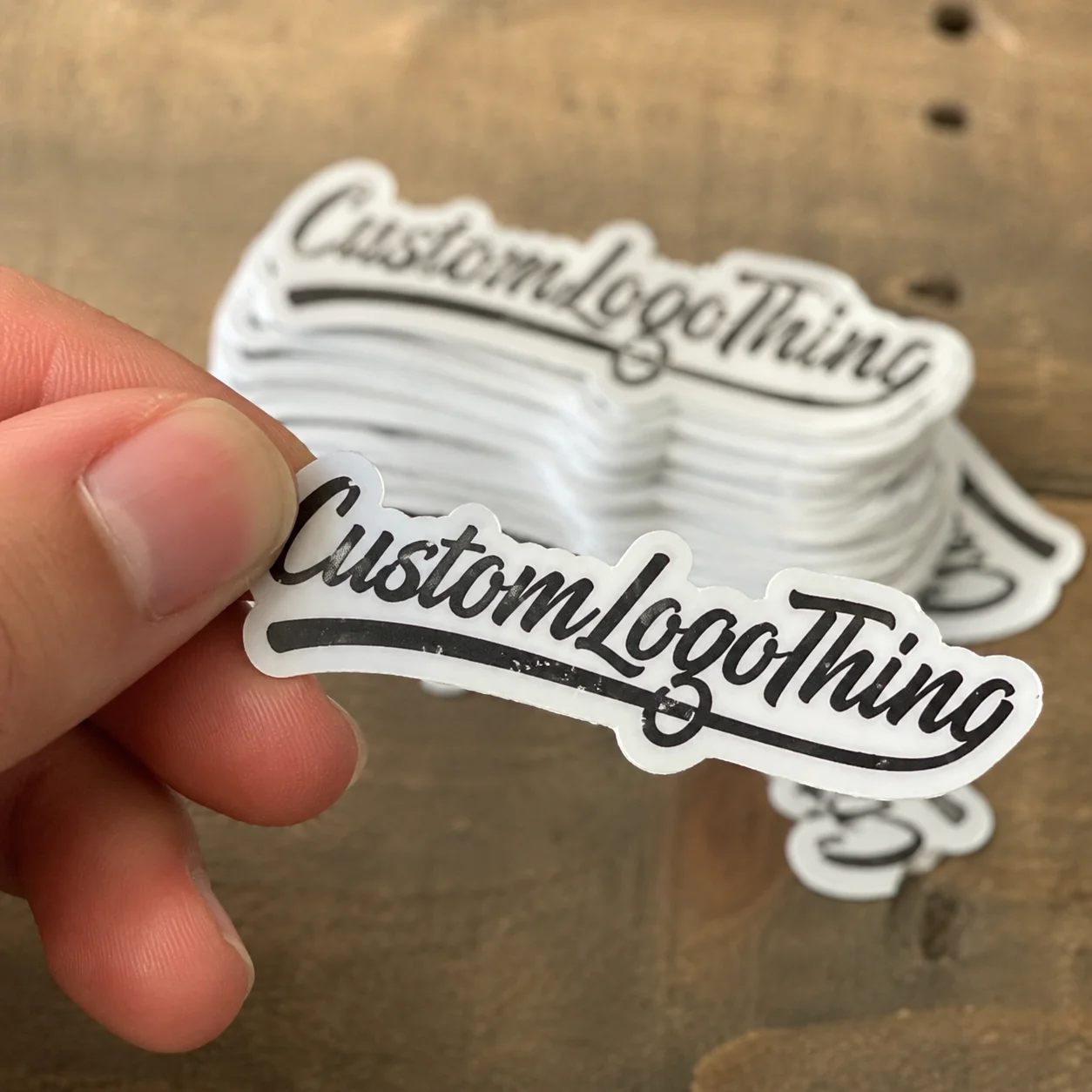
A sticker can be the cheapest brand touchpoint in a package. It can also be the tiny mistake that makes a premium box feel careless. Custom dye cut stickers are stickers cut to a specific shape around artwork, a logo, a product silhouette, a seal design, or a label edge instead of being trimmed as a standard square, circle, or rectangle.
There is one spelling wrinkle buyers run into constantly. Many people search for “dye cut” because that is how the phrase sounds, but the production term is usually die cut. The “die” refers to the tool, blade, or digital cutting path used to create the shape. A packaging supplier will almost always understand either phrase, but files, proofs, and production notes usually use “die cut.”
The next distinction matters more than spelling: die cut versus kiss cut. A die cut sticker is cut through both the sticker material and the backing liner, so the whole piece follows the outer shape. A kiss cut sticker cuts only the sticker layer and leaves a larger backing sheet around it. That extra backing makes small shapes easier to peel, which matters when a packing team is applying hundreds or thousands by hand.
Packaging buyers use shaped stickers in practical places: product seals, subscription box inserts, jar labels, pouch decals, retail giveaways, branded shipping materials, barcode overlays, and low-volume product packaging tests. They are especially useful when a full printed box run is not justified. A $0.18 sticker on a plain mailer can carry a campaign message without changing the carton specification.
They are not just decoration. Shape, adhesive, finish, material, and order quantity all affect cost, durability, and how polished the final sticker feels. Treat the sticker like a packaging component, not a last-minute file upload.
How Shape, Material, and Adhesive Work Together
A sticker is not artwork with a cut line slapped on top. It is a small engineered stack: face stock, adhesive, release liner, ink, and sometimes laminate or coating. One weak layer can spoil the result. The print may look sharp, yet the edge lifts. The adhesive may grab well, yet the ink scuffs in transit.
Common face stocks fall into a few practical categories. Paper works for indoor, short-term labeling, box seals, and inserts where moisture is unlikely. White vinyl is stronger for water bottles, shipping cases, and handled surfaces. Clear film creates a transparent-label effect, though it needs careful color planning because some designs require white ink beneath the printed color. Holographic stock has promotional impact. Textured papers can support boutique retail packaging for candles, cosmetics, tea, stationery, or small-batch food products.
Adhesive choice deserves equal attention. Permanent adhesive is the default for product labels and brand seals. Removable adhesive works for temporary promotions, sample packs, limited-time offers, or surfaces that should not be damaged. Freezer-grade adhesive is designed for cold storage where condensation and temperature swings punish ordinary labels. Aggressive adhesive helps on rough corrugate, curved plastic, powder-coated metal, or low-energy surfaces, but it can be harder to reposition and may leave more residue.
Shape affects performance more than many buyers expect. Narrow points, thin tails, and tiny interior cuts create vulnerable edges. They lift faster, tear more easily during peeling, and collect dust or fibers on the adhesive line. Rounded corners look plain only until they survive handling better than a sharp starburst.
| Use Case | Better Material Choice | Adhesive Direction | Finish to Consider |
|---|---|---|---|
| Candle box seal | Paper or textured stock | Permanent, medium tack | Matte or soft-touch |
| Water bottle decal | White vinyl or clear film | Water-resistant permanent | Gloss laminate |
| Outdoor equipment case | Laminated vinyl | Aggressive adhesive | UV-resistant laminate |
| Subscription box insert | Coated paper or vinyl | Permanent or removable | Gloss, matte, or holographic |
Finish changes both protection and perception. Gloss makes colors pop and improves wipeability. Matte reduces glare and looks more restrained. Soft-touch adds a premium hand feel, though dark soft-touch surfaces can show fingerprints. UV coating and lamination improve scuff resistance, especially for branded packaging moving through warehouses, trucks, retail shelves, and customer hands.
Thickness is another quiet variable. A thin paper sticker may be perfect for a disposable box seal. A heavier laminated vinyl sticker feels more substantial as a giveaway but can be less flexible around tight curves. On a small jar lid or a squeezable pouch, stiffness can work against adhesion. The best specification is not always the thickest one.
Process and Timeline: From Artwork to Finished Stickers
The production path is predictable: artwork review, dieline setup, proofing, material selection, printing, cutting, quality check, packing, and shipping. The problems usually start when buyers assume the supplier can “just cut around the logo.” Sometimes yes. Often, no.
A dieline is the technical cut path that tells the cutter where the sticker edge should be. It is usually built as a separate vector line around the design, often in a spot color named “CutContour” or a similar production-only name. That line needs enough offset from text and borders to allow for small production movement. A common safety margin is about 1/16 inch to 1/8 inch, depending on sticker size, material, equipment, and how tight the design looks near the edge.
Proof approval is the quiet bottleneck. Missing bleed, low-resolution artwork, unclear cut paths, unoutlined fonts, embedded screenshots, and late copy changes can turn a simple order into a week of emails. For logos, vector files such as AI, EPS, SVG, or print-ready PDF are usually the cleanest. Raster images should be high resolution at final print size, often 300 dpi for standard print work.
Simple digital sticker runs can move faster than specialty jobs. A straightforward vinyl order with a clean dieline may often be produced in several business days after proof approval, depending on queue and quantity. Large volumes, layered finishes, custom tooling, metallic effects, roll formatting, or specialty adhesives can add time. That is not a supplier excuse. It is the reality of material sourcing, drying or curing windows, cutting setup, packing labor, and quality checks.
There are two common cutting approaches. Digital cutting follows a programmed path and is flexible for short runs, multiple designs, and fast design changes. Physical die tooling uses a manufactured die and can be efficient for repeat high-volume orders where the same shape runs again and again. Tooling may add an upfront cost, but it can make sense if a brand repeats the same label every month.
Quality control should include more than counting pieces. A practical inspection checks print registration, cut alignment, edge cleanliness, missing laminate, scuffed ink, backing cuts, roll direction, and whether the stickers peel without tearing. For roll labels, unwind direction matters if the stickers will go through a dispenser or labeling machine. A beautiful roll wound the wrong way can stop a packing line cold.
Production reality: plan backward from launch dates, trade shows, subscription box packing days, and retail delivery windows. A sticker delayed by three days can hold up a full product packaging run if it is the seal, barcode label, or compliance mark.
If your shipment must pass through a formal distribution environment, look at broader packaging performance too. Organizations such as ISTA publish transport testing standards that help brands think beyond the label and evaluate how packaging behaves under vibration, compression, and handling.
Pricing, MOQ, and Unit Cost Factors Buyers Miss
Sticker pricing is rarely based on size alone. A 2-inch circle on paper and a 2-inch jagged badge on laminated vinyl do not cost the same to produce. Material, print coverage, finish, cut complexity, quantity, proofing, packing format, and shipping all move the number.
Minimum order quantity, or MOQ, is where buyers make good and bad decisions quickly. Low minimums help test a design before a campaign or retail rollout. Higher quantities usually lower the unit cost because setup, proofing, material handling, and machine time are spread across more pieces. For buyer-side planning, simple indoor paper stickers at several thousand pieces may land in the lower cents-per-piece range, while durable laminated vinyl shapes, specialty films, or roll-formatted labels can cost noticeably more. Exact pricing depends on the specification, not the artwork alone.
Shape complexity adds cost because it slows cutting and weeding. A rounded logo with a clean outer edge is efficient. An intricate badge with tiny points, multiple internal curves, and small negative spaces is slower to cut and more likely to produce waste. The cutter may be accurate, but physics still gets a vote.
Format matters too. Individual die cut pieces feel premium for giveaways and event handouts. Sheets can work well for small-batch application at a packing table. Rolls are usually better for speed if stickers are applied in volume, especially with dispensers or labeling equipment. Ordering the wrong format can burn labor. Ten seconds of extra peeling time across 8,000 units is more than 22 hours of handling.
Before requesting quotes for custom dye cut stickers, prepare the useful variables: size, quantity, material preference, finish, intended surface, indoor or outdoor use, roll or sheet format, deadline, and whether the sticker touches food packaging indirectly or sits near moisture, oil, heat, or cold.
The cheapest quote deserves scrutiny. It may hide a weak adhesive, thin face stock, dull print, slow turnaround, or a packing format that makes application harder. If sustainability claims matter to your brand, ask for documentation rather than broad language. The Forest Stewardship Council is one recognized source for paper-based material certification, though availability depends on the exact stock and supplier.
Freight can also distort the real cost. Individually cut pieces packed in bags or cartons may ship differently from rolls on cores. Heavier liners, rigid backing, and protective packing add weight. For large orders, ask whether the quote includes shipping, split shipments, overrun and underrun policy, and replacement terms for defects discovered during receiving.
Step-by-Step Ordering Guide for Better Results
Start with the job the sticker must do. Is it decorating packaging, sealing a box, labeling a product, surviving refrigeration, acting as a giveaway, or supporting a promotional campaign? A sticker used as a tamper-style seal on a carton has a different performance target than one tucked inside custom printed boxes as a bonus item.
- Measure the application area. Include curved surfaces, seams, lids, corners, recessed panels, and areas touched often by customers or warehouse staff.
- Prepare print-ready artwork. Use vector logos when possible, high-resolution images, outlined fonts, correct color settings, bleed, and a separate cut line.
- Choose the format. Pick individual pieces for handouts, sheets for small batches, or rolls for faster application.
- Request a digital proof. Check the cut path, spelling, colors, spacing, bleed, barcode readability, and backing shape.
- Test the real use case. If possible, request material samples or a small run before scaling to a production quantity.
For buyers building a wider packaging system, stickers should sit beside cartons, inserts, sleeves, hang tags, and labels in the planning file. Custom Logo Things offers related Custom Labels & Tags for brands that need coordinated product labeling, and broader Custom Packaging Products for campaigns where the sticker is only one part of the presentation.
The proof is not a formality. Zoom in on borders. Check the distance between the dieline and the logo. Make sure small text remains readable after cutting. If the sticker includes a barcode or QR code, print a test at actual size and scan it with more than one phone. A code that works on a bright monitor can fail once printed small on textured, glossy, or reflective stock.
Review color with realistic expectations. Digital proofs show layout, not exact ink behavior. Kraft paper warms colors. Clear film changes opacity. Holographic material adds movement but can reduce contrast. Matte laminate can mute saturation slightly. If the sticker carries a brand color, compliance mark, allergen statement, or scannable code, ask for a physical sample or a controlled proof before committing to the full run.
Approving custom dye cut stickers should happen after reviewing the real surface, not just the screen view. Kraft paper, coated pouches, glass, plastic jars, and metal tins all change the way color and adhesion behave. A quick sample check can save a full reorder.
Common Mistakes That Make Shaped Stickers Fail
The most common artwork mistake is placing important text, borders, or logos too close to the cut edge. Normal production movement can make a perfectly centered digital file look slightly uneven in hand. If the design has a thin border following the entire shape, that border will reveal every tiny shift.
Tiny details are risky. Thin strokes, sharp points, small negative spaces, and delicate script fonts may not cut cleanly at small sizes. A 4-inch design can look impressive on screen, then become fragile at 1.25 inches. Scale changes the engineering.
Material mistakes are just as common. A beautiful paper sticker can wrinkle on a chilled bottle. An unlaminated sticker may scuff inside a mailer. A clear film label may look premium on glass but lose contrast on a dark product unless white ink is printed underneath. The surface matters more than the mockup.
Surface mismatch creates some of the strangest failures. Textured cardboard reduces adhesive contact. Oily plastic can reject the bond. Coated pouches flex and wrinkle. Glass is smooth but often exposed to moisture. Metal tins can have coatings that behave differently from bare metal. For difficult surfaces, ask about adhesive testing or a higher-tack option.
Color expectations cause another round of disappointment. Screens use light; print uses ink. Neon colors, metallic effects, holographic stock, transparent materials, and exact brand colors require closer control. If brand matching is critical, ask about Pantone references, drawdowns, or physical samples. Not every short-run digital process will hit every brand color perfectly.
One operational mistake is painfully simple: ordering individual stickers when rolls or sheets would save hours. For fulfillment teams applying labels to 2,000 pouches, peel speed is not a minor detail. It is labor cost.
Storage gets overlooked too. Adhesives age. Heat can soften glue. Cold can make some materials less flexible. Dust on exposed edges can reduce tack before the sticker ever reaches the package. Keep finished stickers sealed, flat, and away from direct sun or extreme temperature swings, especially if they will sit in inventory for months.
Expert Tips Before You Request a Quote
Create a simple sticker brief before ordering. It does not need polish. Include the use case, application surface, size, quantity, artwork status, finish preference, durability needs, packing format, and deadline. Add one photo of the surface with a ruler in frame. That photo can prevent a surprising number of quote revisions.
Round extreme corners where the design allows. Simplify fragile details. Give the adhesive enough surface area to work. A sticker with more continuous contact will usually peel better, apply faster, and stay down longer than a design with long skinny projections.
Test under real conditions. Refrigeration, condensation, sunlight, shipping vibration, repeated customer contact, and warehouse dust all expose different weaknesses. If the sticker will be used on Product Packaging That ships through parcel networks, test it on the actual package, not on a clean office sample. ASTM and ISTA-style thinking both point to the same lesson: packaging components should be evaluated as part of the whole system, not as isolated decorations.
Compare samples, not only PDF proofs. Material thickness, adhesive tack, laminate feel, opacity, and peel behavior are hard to judge on a screen. A matte laminated vinyl sticker and a matte paper sticker can both look “premium” in a rendering, yet behave very differently during packing and customer use.
- Gather the final artwork or the cleanest logo file available.
- Photograph the application surface in natural light.
- Measure the available space and note any curves, seams, or lids.
- Choose two material options to compare, such as paper versus laminated vinyl.
- Ask for both a test quantity and a scaled production quantity.
The best custom dye cut stickers are not just attractive shapes. They are small packaging components built from connected decisions: shape, material, adhesive, finish, timeline, and application method. Get those aligned early, and the sticker does what good package branding should do: look intentional, feel reliable, and make the product easier to remember.
FAQ
Are custom die cut stickers the same as custom dye cut stickers?
Most buyers use both phrases to mean shaped stickers cut around a custom design. The technical term is usually “die cut” because the sticker is cut with a die, blade, or digital cut path. If you request custom dye cut stickers from a packaging supplier, they will typically understand you mean custom-shaped stickers.
What file type is best for ordering custom shaped stickers?
Vector files such as AI, EPS, SVG, or print-ready PDF are usually best for logos, text, and clean cut lines. High-resolution PNG or TIFF files may work for image-based artwork if the resolution is strong enough at final print size. The cut line should be clearly marked as a separate path so production can follow the intended sticker shape.
How much do custom die cut stickers cost?
Cost depends on size, quantity, material, finish, adhesive, cut complexity, and whether the stickers are supplied individually, on sheets, or on rolls. Higher quantities usually lower the unit cost because setup and proofing are spread across more pieces. For an accurate quote, provide the sticker dimensions, order quantity, artwork, surface type, finish preference, and deadline.
How long does it take to produce custom cut stickers?
Timeline depends on artwork readiness, proof approval speed, material availability, order size, finish, and shipping method. Simple digital sticker orders are generally faster than large runs, specialty materials, or orders requiring extra finishing. Build in buffer time for proof revisions, especially if the stickers are tied to a product launch, retail shipment, or event.
Should I choose die cut or kiss cut stickers for packaging?
Choose die cut stickers when you want a premium standalone shape for inserts, giveaways, or visible brand moments. Choose kiss cut stickers when easy peeling matters, especially for small designs, delicate shapes, or hand application by fulfillment teams. For production efficiency, ask whether sheets or rolls would be faster than individually cut pieces.