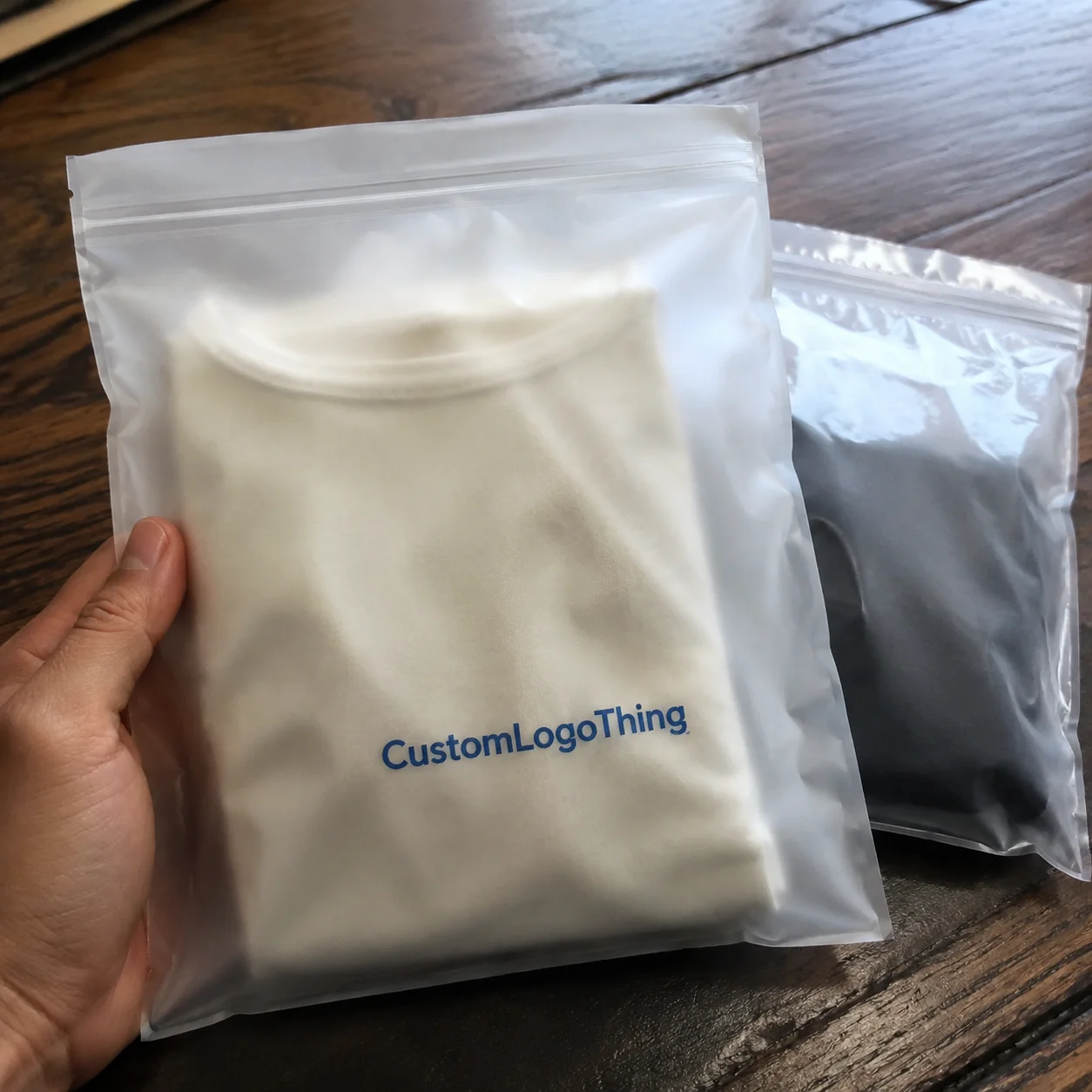
A custom eco bag gets judged quickly. Before the product inside matters, people notice the handle, the print, the stiffness, and whether the bag carries cleanly. That first impression affects how the brand is read, which is why the bag deserves the same attention as the packaging around it.
For a packaging buyer, the real question is not whether the bag looks good in a mockup. It is whether the spec holds up in production, stays inside budget after setup and freight, and matches the intended sustainability claim. This guide focuses on the choices that affect performance, price, MOQ, lead time, decoration, and inspection.
Why a custom eco bag gets noticed before the product does
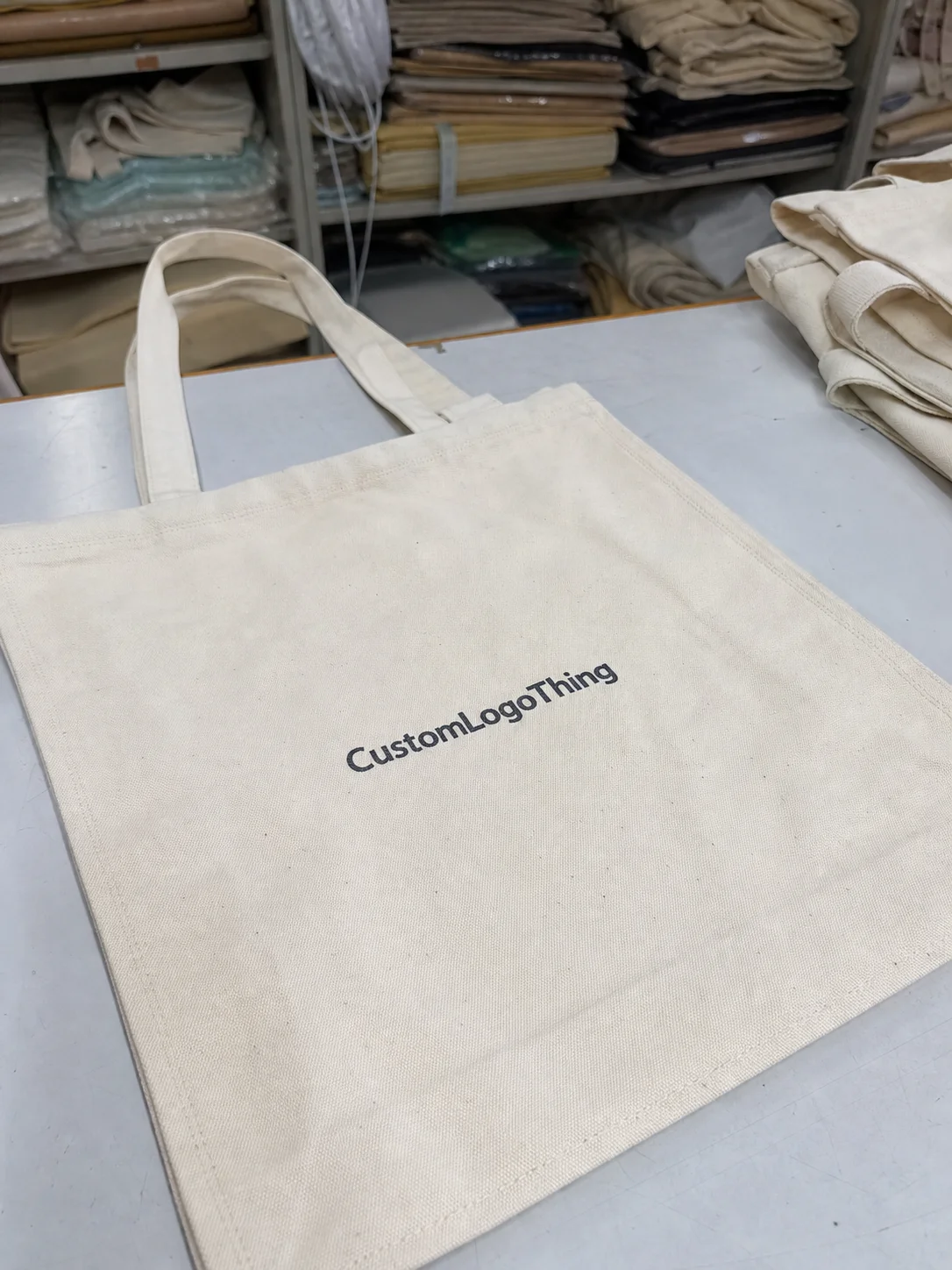
The bag is often the first thing people touch, carry, and reuse. If it tears, wrinkles badly, or prints unevenly, the brand takes the hit immediately. Customers rarely separate the bag from the product experience. They remember that the packaging felt careless.
That visibility matters. A custom eco bag leaves the store, the office, the transit line, and the event floor. It shows up in photos, on desks, and in storage drawers. A well-made bag can create repeated brand exposure. A weak one becomes a mobile complaint.
Buyers need to balance three things at once:
- Presentation - the bag should support the brand image.
- Durability - seams, handles, and film thickness need to handle real use.
- Budget - upgrades can move the quote fast if they are not controlled.
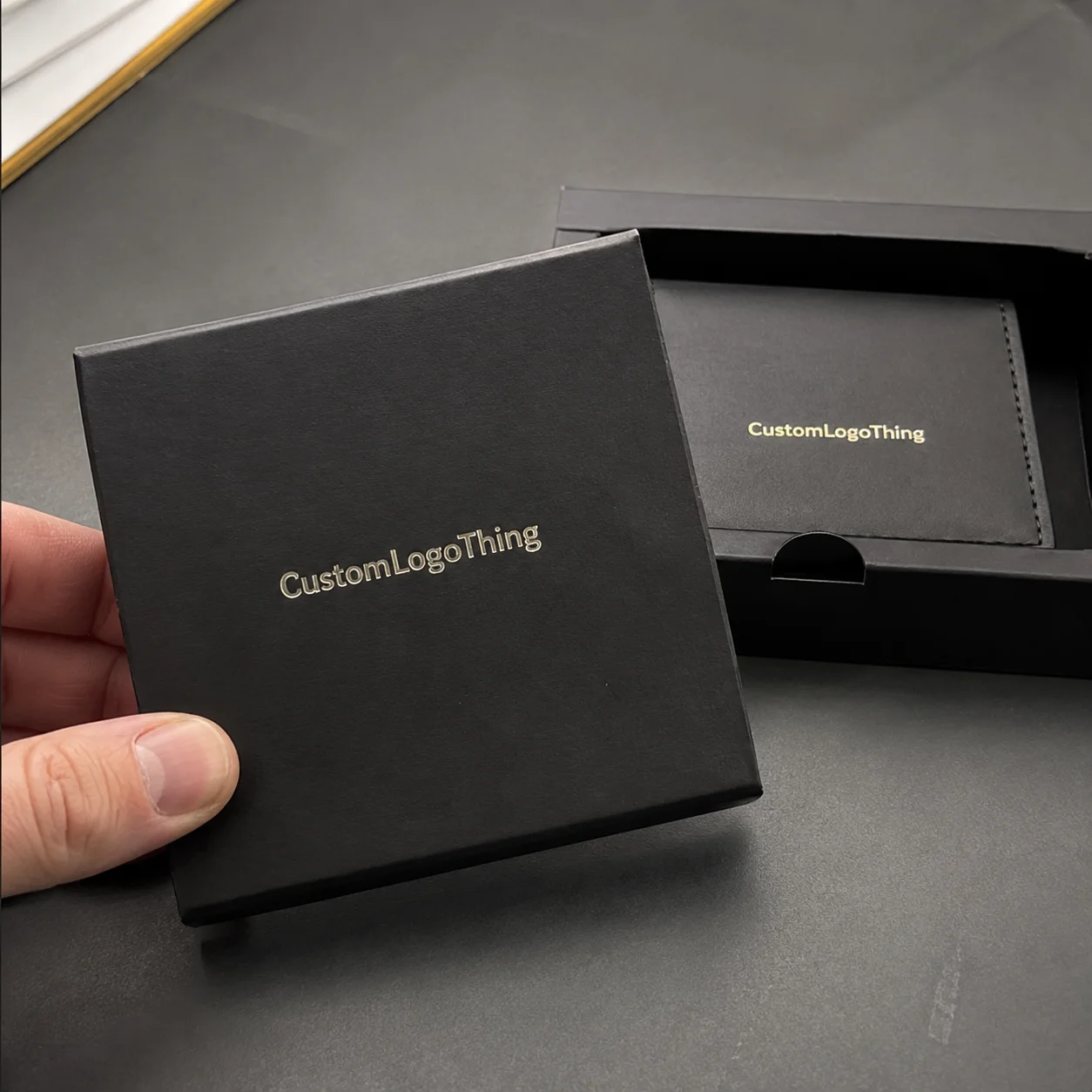
If the bag sits inside a larger launch program, it should match the rest of the retail packaging system. A clean bag, a sensible insert, and a well-made box usually perform better together than one expensive item surrounded by weak details.
If sustainability is part of the brief, the claim has to match the actual construction. Eco is not a free label. A bag can be recycled content, recyclable, or compostable, but those claims mean different things. If you plan to describe the bag as recyclable, check local collection rules and practical guidance from the EPA's recycling resources.
Materials and build details that decide durability
Most buyers start with material choice, then get stuck in broad language. For a custom eco bag, the main options are recycled PE, recyclable PE, compostable blends, and reusable plastic-based constructions. The right one depends on product weight, expected reuse, and how strict the sustainability claim needs to be.
Thickness matters as much as material type. A 1.5- to 2-mil film can work for light apparel or small gift items. Move to 2.5 to 4 mil if you are packing heavier boxes, bottles, or mixed goods. Thicker film costs more, but it improves load capacity and changes the feel in hand. Thin film often saves a little money and makes the bag feel cheap.
Construction details matter too. A reinforced die-cut handle, stronger side seals, and a wider gusset usually improve performance more than an extra print color. For reusable bags, check stitch pattern, edge reinforcement, and handle attachment. A deep gusset helps only if the bottom seal can actually carry the load.
The simplest way to compare material choices is this:
- Recycled PE - useful for value-focused orders that still need a responsible story.
- Recyclable PE - a familiar option when the brand wants a straightforward end-of-life claim.
- Compostable blends - better for brands with a real composting pathway and a stricter sustainability brief.
- Reusable constructions - better for heavier retail items and bags expected to stay in circulation longer.
If the bag is meant to be compostable, the claim should line up with recognized standards such as ASTM D6400 or ASTM D6868, depending on the build. Otherwise the marketing story gets shaky. A bag can sound eco-friendly and still fail the expectation behind that word.
It is also worth comparing the bag with paper-based options before defaulting to plastic because that is familiar. FSC-certified stock may fit some brand stories better than film. The FSC certification guidance is useful if you need a reference point for chain of custody and certified fiber. Not every program should use paper, but the use case should drive the choice.
Cost, pricing, and MOQ: what drives the quote
Pricing is predictable once the spec is fixed. The main drivers are bag size, film thickness, material type, print colors, finish, handle construction, and whether the order is a stock shape or a fully custom build. A supplier can make the quote look low up front and recover margin later through artwork fees, sample charges, or freight.
For a typical custom eco bag order, buyers usually see these ranges at medium volume, often around 5,000 pieces:
| Option | Typical MOQ | Unit Price Range | Best Fit |
|---|---|---|---|
| Recycled PE, one-color print | 3,000-5,000 pcs | $0.12-$0.22 | Light retail items, promos, simple branded packaging |
| Recyclable PE, two-color print, gusset | 3,000-5,000 pcs | $0.15-$0.28 | Apparel, gift sets, better shelf presentation |
| Compostable blend | 5,000 pcs+ | $0.22-$0.40 | Brands with a verified compostable claim |
| Reusable heavy-duty build | 2,000-3,000 pcs | $0.35-$0.75 | Heavier loads, premium retail packaging, repeat use |
Volume usually lowers the per-bag cost because setup and plate charges are spread across more units. Small orders can still make sense, but they rarely look cheap on a unit basis. That is normal manufacturing math, not a trick.
Hidden costs matter just as much. Artwork cleanup may be free or charged. Plate charges for flexographic printing often land in the $25-$90 per color range. Samples can run $40-$120 depending on complexity. Freight can change the total enough to make the lowest unit price irrelevant.
Ask every supplier for the same dimensions, film thickness, print coverage, quantity, and delivery terms. If those inputs are different, the quotes are not comparable. They are different products with similar names.
A quote is only useful if the spec is useful. If one supplier prices a 2-mil bag and another prices a 3-mil bag, you do not have a comparison.
If the bag is part of a broader rollout, it can make sense to request pricing alongside other items in the same program, including Custom Packaging Products or matching custom printed boxes. Bundling can simplify purchasing, but only if each spec stays separate and clear.
Process and turnaround: from artwork approval to delivery
The production flow is straightforward when the brief is clean. It usually moves through inquiry, spec confirmation, artwork review, proof approval, production, inspection, packing, and shipping. Delays usually come from late changes, not from the process itself.
Artwork is where problems start first. Files that are low resolution, missing bleed, or built in the wrong color mode create back-and-forth that burns time. If the logo goes onto a glossy film, small type can disappear faster than expected. Vector files are best, and clean spot colors are the next best option.
Lead time should be split into three clocks:
- Sample or proof time - often 3 to 10 business days, depending on material and print setup.
- Production time - commonly 12 to 20 business days after proof approval.
- Freight time - a few days for air, or several weeks for ocean freight.
“Two weeks” is not a useful answer unless someone defines which part of the process it covers. A buyer can approve artwork quickly and still miss a launch date because freight was never discussed.
Inspection should also be specific. Ask what gets checked before shipment: seal integrity, print registration, color consistency, handle attachment, and carton count. If the bags need to survive a rough route or ship with other goods, ask whether the packout has been tested against ISTA-style transit conditions. The standards at ISTA help because they force people to think beyond the factory floor.
Lock the spec early. Every late change forces a reset somewhere: a new proof, a new plate, a new count, a new packing plan, or a new freight booking. None of those are free in time or money.
Size, print method, and finish: choosing the right spec mix
Size should be based on the actual product, not an idealized version of it. Oversized bags waste material and can make a premium item feel undersold. Undersized bags create awkward packing and complaints from the team on the line. Measure the item, leave room for clean insertion, then decide whether a gusset is needed.
A slim apparel item usually needs less structure than a boxed item. A light shirt bag may work at 9 x 12 inches with a small gusset. A boxed skincare set or thicker retail bundle may need 10 x 14 inches or more, plus extra depth so the product sits flat instead of bulging.
Print method matters too. A simple one-color logo often works well with flexographic printing on larger runs. If you need finer detail, more color, or a premium face, ask how the supplier handles registration and whether the artwork will hold up on the chosen film. More colors usually mean more setup, more inspection, and more cost.
Finish choices should have a purpose. Matte film usually feels more restrained and modern. Gloss can make color pop, but it shows scuffs more easily. Reinforced seams, die-cut handles, zipper closures, and soft-touch surfaces all change perception and cost. Finish is not a final flourish; it affects performance and how customers read the brand.
Use this filter: does the spec support the shelf, the handfeel, and the unit price at the same time? If the answer is no, the bag is overbuilt in one place and underbuilt in another.
- Bag dimensions match the packed item with room for clean insertion.
- Thickness supports the loaded weight without sagging or splitting.
- Print style fits the artwork instead of forcing the artwork to fit the bag.
- Finish and handle choice match the brand tier and use case.
Common mistakes that make the bag look cheap or fail early
The biggest mistake is designing for the mockup instead of the finished bag. A logo that looks balanced on a flat render can end up too low, too small, or too crowded once the gusset and seam are real. The bag is a three-dimensional object, so the layout needs to be checked in that form.
Another common problem is under-specifying thickness and seam strength. This shows up fast with heavier goods, bottle sets, and dense boxed items. If the bag fails in front of a customer, the brand takes the hit immediately. A lower unit price is not a win if it leads to replacements or refunds.
Artwork problems are just as expensive. Missing bleed, low-resolution files, thin text, and unapproved color references slow production. They can also make the finished print look off even when the job is technically complete. Clean files save money because they reduce proof rounds and the risk of disputes.
Comparing only unit price is another trap. The cheapest quote can become the most expensive order once freight, sampling, and defect risk are included. A supplier that is slow to answer or vague on materials also adds hidden cost.
If the bag is meant to protect the product and represent the brand, a vague spec is the wrong place to save time.
Sustainability language needs the same discipline. A bag can be called eco-friendly in marketing terms and still be hard to recycle locally, or it can be compostable but unsupported by the facility network where the customer lives. Honest claims are better than convenient ones.
Next steps: request samples, compare quotes, and place the order
Before requesting pricing, define the basics: product weight, target quantity, material preference, print coverage, finish, and the delivery date you actually need. If those inputs are fuzzy, the quotes will be fuzzy too.
Then ask for samples or at least a proof. Check the feel, seam strength, print clarity, and handle comfort with the product inside, not just in isolation. A sample that looks good but feels weak is a warning, not a success.
Comparing two or three suppliers on the same spec sheet is usually enough to expose the real differences. Look at unit price, turnaround, communication quality, and how clearly each vendor explains the construction. If one quote seems cheaper but the details are thin, assume the missing information will return later as a surprise charge.
Use a simple decision rule: choose the option that meets the spec, stays inside budget, and can hit the timeline after sample sign-off. If you are coordinating the bag with other launch materials, keep the order aligned with your broader Custom Packaging Products plan so the branding feels consistent across the shelf, the shipper, and the handoff.
A well-chosen custom eco bag does not need extra noise to work. It needs the right material, a realistic price, and a timeline that matches the launch.
What materials are used for a custom eco bag?
Common options include recycled PE, recyclable PE, compostable blends, and reusable constructions depending on the claim you want to make. The right material depends on product weight, expected reuse, and whether the bag needs a premium or budget-friendly finish. The material should also match the disposal path you are actually claiming.
How much does a custom eco bag usually cost?
Pricing depends on bag size, thickness, print colors, finish, handle style, and order quantity. Smaller orders pay more per unit because setup costs are spread across fewer bags, while larger runs usually lower the unit price. Freight, plate charges, and sampling can change the final number, so they should be treated as part of the real budget.
What is the typical lead time for a custom eco bag order?
Lead time usually includes proofing, production, quality checks, and shipping. A normal order often takes 12 to 20 business days after proof approval, and freight can add several days or several weeks depending on the shipping method. If artwork is not ready, the schedule stretches.
Which print method is best for a custom eco bag?
Simple logos and one-color branding usually work well with flexographic printing. More detailed artwork or a premium presentation may need a method that holds sharper detail without pushing the quote too high. The best choice depends on run size, artwork complexity, and the film surface you are printing on.
What should I check before approving a custom eco bag sample?
Check size, feel, seam strength, print clarity, and handle comfort with the actual product packed inside. If the sample looks good but feels weak or the artwork reads poorly, fix it before full production starts. A sample is useful only if it reflects real use.