Buyer Fit Snapshot
| Best fit | custom fabric drawstring bags for packaging buyers comparing material specs, print proof, MOQ, unit cost, freight, and repeat-order risk where brand print, material, artwork control, and repeat-order consistency matter. |
|---|---|
| Quote inputs | Share finished size, material target, print colors, finish, packing count, annual reorder estimate, and delivery region. |
| Proofing check | Approve dieline scale, logo placement, barcode or warning zones, color tolerance, and any recyclable or compostable wording before bulk production. |
| Main risk | Vague material claims, crowded artwork, or missing packing details can create delays even when the unit price looks attractive. |
Fast answer: Custom Fabric Drawstring Bags: Materials, Costs, and Uses should be specified like a repeatable production item. The safest quote includes material, print method, finish, artwork proof, carton packing, and reorder notes in one written spec.
What to confirm before approving the packaging proof
Check the product dimensions against the actual filled item, not only the sales mockup. Ask for tolerance on folds, seals, hang holes, label areas, and retail display edges. If the package carries a logo, QR code, warning copy, or legal claim, reserve that space before decorative graphics fill the panel.
How to compare quotes without losing quality
Compare board or film grade, print process, finish, sampling route, tooling charges, carton quantity, and freight assumptions side by side. A lower quote is only useful if the supplier can repeat the same color, closure quality, and packing count on the next order.
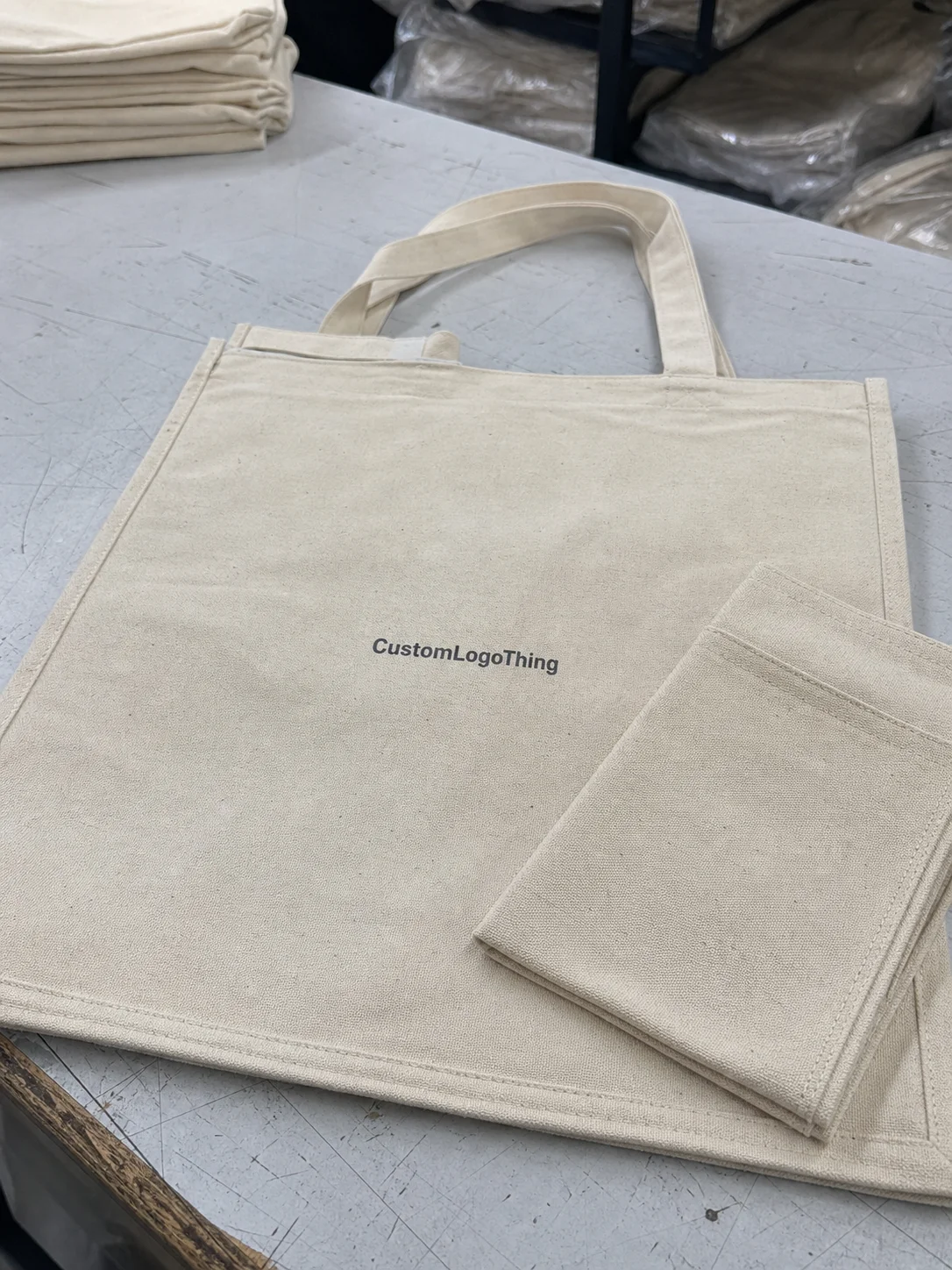
The first time I stood on a sewing floor in Dongguan, a buyer pointed at a stack of Custom Fabric Drawstring Bags and said, “These are just cheap pouches, right?” I nearly laughed. The bag was a 12 oz natural canvas piece with a double drawcord, woven label, and screen print on both sides. That “cheap pouch” had more brand value than half the boxes in the room, and it was coming off a line that could sew about 8,000 units a day when the order was running cleanly.
That’s the trap. People see custom fabric drawstring bags and assume the only decision is size. Nope. Fabric weight, closure style, print method, seam strength, and even the cord-end finish can swing the product from bargain-bin to premium gift packaging. If you’ve ever wondered why one quote lands at $0.42 and another comes in at $1.18 for what looks like the same 5,000-piece order, that’s why. I’ve watched buyers stare at two samples that look almost identical and pick the wrong one because the cheaper bag “felt fine” in a conference room. Then the real shipment arrives in Chicago or Rotterdam, and suddenly everyone develops opinions.
I’ve spent enough time negotiating with mills in Jiangsu and bag factories in Guangdong to know this category inside out. Custom fabric drawstring bags can be practical, giftable, and very brand-friendly, but only if you match the material and construction to the real use case. Otherwise you end up paying for “pretty” and getting “fragile.” Honestly, that’s a terrible trade, especially when a $0.08 seam upgrade would have solved the problem.
What Custom Fabric Drawstring Bags Actually Are
Custom fabric drawstring bags are reusable bags made from soft goods materials like cotton, muslin, canvas, linen, polyester, or blended fabrics, then closed with cords, ribbons, or rope-style ties. The drawstring closure is the whole point. It lets the bag open wide for packing, then cinch closed for transport or presentation. Simple idea. Lots of variation. And yes, the “simple” part is usually where the problems hide, especially when the spec sheet is only half a page long.
In practical terms, these bags show up everywhere: retail Packaging for Candles, cosmetics, jewelry, apparel, and subscription kits; event giveaways for conferences and weddings; and promotional merch for brands that want something customers keep instead of toss. I’ve seen custom fabric drawstring bags used for artisan soap, hotel welcome kits, tea sachet sets, and even premium hardware samples in Shenzhen showrooms. That last one surprised a client, but it worked because the bags felt more valuable than a folding carton would have, and the unit cost was still only $0.32 at 3,000 pieces.
Brands choose custom fabric drawstring bags over paper or plastic for a few simple reasons. They feel reusable. They photograph better. They make product packaging feel like a gift instead of a shipping container. And yes, they help with package branding, especially if your product sits in the premium or eco-conscious space. A paper sleeve can be nice, but a cotton bag with a woven label says “we thought about this,” and consumers notice that in retail aisles from Austin to Amsterdam.
Here’s the part people miss: budget bags and premium bags can look similar in a product photo, but they behave very differently in real life. A thin muslin pouch with single-needle stitching and a knot-tied cord will cost much less than a heavy canvas bag with reinforced seams, cotton rope, and custom printed artwork on both sides. Same category. Totally different experience. One survives a trade show. The other survives one lunch break.
On one client visit, I watched a buyer reject a bag because the fabric “felt too soft.” That sounded silly until she placed a glass candle jar inside it and the fabric collapsed like a cheap T-shirt. She wasn’t buying a bag. She was buying perceived value. That’s the game with custom fabric drawstring bags. And yes, I’ve had to explain that more times than I care to admit, usually while standing next to a sample rack in a factory office in Ningbo.
How Custom Fabric Drawstring Bags Are Made
The production process for custom fabric drawstring bags is straightforward, but the details matter. First, the factory cuts the fabric panels based on the approved dimensions. Then the edges are hemmed, the side seams are sewn, and the bag body is built. After that, the factory adds the drawcord channel, threads the cord through, and finishes the ends with knots, heat-sealed tips, metal aglets, or ribbon knots depending on the spec. A decent factory in Dongguan or Xiamen can usually keep the sewing line moving once the pattern is locked.
Decoration comes in after or during construction depending on the method. Screen printing is common for simple logos and solid colors. Heat transfer can work for smaller runs or more detailed graphics. Embroidery adds texture and a more premium feel, but it raises labor cost by roughly $0.20 to $0.60 per unit on many small orders. Woven labels are a nice middle ground when the logo has too much detail for a direct print. Sublimation is useful on polyester fabric when you need full-color coverage, but it is not the answer for every bag. I’ve had more than one buyer assume sublimation could magically work on cotton. It can’t. Fabric chemistry still exists, no matter how excited the sales rep sounds.
Closure options change the function more than most people realize. A single drawcord is basic and economical. A double drawcord distributes tension better and looks more finished. Cotton rope feels natural and sturdy. Satin ribbon feels gift-like but can be less durable in heavy use. Metal tips cost more, usually about $0.03 to $0.08 per bag depending on volume, but they stop fraying and give the bag a cleaner finish. Knotted ends are cheaper, though they can look unfinished if your brand sits above bargain-tier retail packaging in places like Los Angeles or Singapore.
Here’s a typical production flow I’ve seen work well with factories in Shenzhen, Ningbo, and Quanzhou:
- Artwork review — confirm logo format, Pantone colors, and print placement.
- Sampling — produce a physical sample or pre-production proof.
- Revision — adjust size, cord length, print density, or label placement.
- Bulk sewing — cut, stitch, print, and finish the full run.
- QC inspection — check seam strength, print alignment, and cord function.
- Packing — bundle, carton-pack, and prepare for freight.
That sample stage matters. A lot. In one factory meeting, a client tried to skip sampling to save $65. The bags arrived with a drawstring channel 0.75 inch too narrow, which made the cord bunch and twist. Fixing that mistake cost more than the entire original run. Cute little shortcut. Expensive consequence. The factory manager gave me that look like, “I warned them,” and honestly, he had. On a 10,000-piece run, that mistake would have burned an extra $900 to $1,400 in rework and freight.
Factory minimums and tooling needs also vary by decoration method. Screen printing may need a screen setup fee of $25 to $75 per color. Embroidery may require digitizing for $30 to $120 depending on stitch density. Woven labels need loom setup, often $45 to $150. If you want custom fabric drawstring bags done correctly, You Need to Know those setup costs before you compare quotes. Otherwise the quote looks cheap until the “extras” show up like unwanted guests carrying a clipboard.
For buyers who already handle Custom Packaging Products, this category behaves a lot like custom printed boxes in one respect: the structure drives the brand experience. The difference is that fabric gives you a softer tactile feel, while boxes give you hard-surface presentation. Both are product packaging. They just tell different stories, and a 350gsm C1S artboard box tells a much firmer one than a 10 oz cotton pouch does.
Key Factors That Change Cost and Quality
The biggest cost driver for custom fabric drawstring bags is fabric type and weight. Muslin is usually the budget-friendly choice. It’s light, breathable, and good for simple brand use. Cotton canvas costs more because it uses more material and feels sturdier. Linen sits higher still, especially if you want a cleaner weave and a more upscale finish. Polyester and blended fabrics land in a wide range depending on finish, opacity, and print compatibility. A 4 oz muslin bag from a factory in Hebei is a different animal than a 12 oz canvas bag sewn in Guangzhou.
Weight matters too. A 4 oz muslin bag is not the same product as a 12 oz canvas bag. The heavier bag uses more yarn, more labor, and more freight space. That’s basic math, but I still get asked why a larger cotton bag is more expensive than a smaller polyester one. Because fabric is not magic. It’s grams, stitches, and time. A 5,000-piece order of 12 oz canvas can easily add 80 to 120 kilograms more freight weight than a lighter muslin order of the same count.
Size drives cost in a very literal way. Bigger bags need more fabric and more sewing time. A 4 x 6 inch jewelry pouch is faster to sew than a 12 x 16 inch retail bag with a wide opening and reinforced top hem. If your product is a rigid item, the bag also needs extra room so it doesn’t look stuffed or strained. That extra room can increase both fabric usage and freight costs, sometimes by $0.06 to $0.14 per unit on a mid-size run.
Printing complexity changes price fast. One-color logos are usually the easiest. Two-color prints require more setup and alignment. Full-coverage patterns, edge-to-edge art, or metallic inks add labor and risk. I once watched a buyer insist on a tiny gradient logo printed on textured linen. It looked great on the monitor. On fabric, it looked like a smudge. Textures absorb detail. That’s just how the material works. The buyer sighed, I sighed, and the sample bin got one more tragic resident. In Guangzhou, that sample probably got reused as a dust cover by lunch.
Quantity is another major lever. Small runs usually cost more per bag because setup fees are spread across fewer units. Larger orders spread those costs better. That’s why 300 bags might land at $1.40 each while 5,000 bags could drop near $0.38 depending on specs. Not always the case, but common enough that I build my pricing expectations around it. I’ve literally seen a factory quote a 500-piece run at $1.12 and the same exact spec at 5,000 pieces at $0.31, because the sewing line stopped wasting time on setup resets.
Finishing details raise quality and cost at the same time. Think lined interiors, reinforced seams, gussets, custom woven labels, and premium cord ends. If you want custom fabric drawstring bags to sit beside premium candles or skincare, these details matter. They change how the bag hangs, folds, and presents itself on a shelf. A double-stitched seam can add $0.04 to $0.09 per unit, which sounds tiny until you have 20,000 units and a very loud finance team.
Here’s a practical range I’ve seen from factory quotes and distributor pricing:
- Simple muslin bags: around $0.18 to $0.45 per unit at larger quantities, with setup and shipping separate.
- Midweight cotton canvas bags: often $0.45 to $1.10 per unit depending on size and print.
- Premium linen or lined bags: frequently $0.90 to $2.50 per unit for smaller runs with custom decoration.
Those numbers move around with order size, but they’re realistic enough to keep you grounded. If someone quotes you 500 branded canvas bags at $0.22 each with embroidery, lining, and custom cord tips, I’d ask what they left out. Probably something inconvenient. Or everything inconvenient, which is worse. The real quote usually shows up after the supplier adds the missing lining at $0.18 and the woven label at $0.07.
Custom Fabric Drawstring Bags Cost and Pricing Breakdown
Suppliers usually quote custom fabric drawstring bags in layers. First is the base bag price. Then comes decoration. Then sampling. Then packaging. Then freight. That’s the whole stack. If you only look at unit price, you can easily get fooled by a low number that hides setup fees or inflated shipping. I’ve seen “cheap” quotes become expensive the moment the invoice arrived, especially on a 2,000-piece order moving from Shenzhen to Dallas by air.
A clean quote should separate these items:
| Cost Component | What It Covers | Typical Range |
|---|---|---|
| Base bag | Fabric, cutting, sewing, drawcord insertion | $0.15-$1.20/unit |
| Decoration | Screen print, embroidery, label, heat transfer | $0.05-$0.80/unit |
| Setup/sample | Artwork prep, screens, digitizing, prototype | $35-$180 total |
| Packing | Polybags, cartons, bundle counts | $0.01-$0.12/unit |
| Freight and duties | Air or ocean shipping, customs, delivery | Varies by lane and weight |
That table matters because landed cost is the real cost. Not factory price. Not “FOB only.” Landed cost includes freight, duties, customs clearance, and domestic handling. A quote from a supplier in Guangzhou may look lower than a domestic distributor like Uline or Papermart, but once ocean freight and customs are included, the difference shrinks fast. A 5,000-piece order at $0.38 FOB can become $0.57 landed after ocean freight, port fees, and inland delivery to a warehouse in New Jersey.
For comparison shopping, I’ve told clients to ask for itemized quotes from suppliers like EcoEnclose, Papermart, and Uline, then compare them against direct factory pricing. That way you’re not comparing a domestic delivered price to an overseas ex-factory quote, which is basically apples versus a forklift. A very annoying forklift. In Chicago, I once had a buyer discover that a domestic quote at $0.88 all-in was actually cheaper than an overseas quote that looked like $0.41 until freight turned it into $0.93.
Here’s a simple scenario for custom fabric drawstring bags:
- 500 units: a midweight cotton bag with one-color print may land around $0.95 to $1.75 each, plus setup and shipping.
- 1,000 units: the same spec might drop to $0.68 to $1.20 each because setup gets spread out.
- 5,000 units: you may see $0.34 to $0.78 each if the fabric and decoration are simple.
If you add lining, a gusset, woven labels, or premium ribbon cords, those numbers climb. If you simplify artwork or move from embroidery to one-color screen printing, they fall. That’s why I always ask brands what the bag is supposed to do. Packaging for a $12 candle is not the same as packaging for a $120 skincare set. The product packaging should match the price point. Anything else feels off, like putting a satin bow on a hardware sample kit.
Three real supplier names I often compare in the sourcing phase are EcoEnclose for eco-forward domestic options, Papermart for broad packaging catalogs, and Uline for quick availability on standard packaging SKUs. For direct manufacturing, I usually want a factory quote that shows fabric gsm, stitch count, cord type, and decoration method. Without that, the quote is just a number pretending to be a spec. A proper quote should say something like 12 oz cotton canvas, 2 mm cotton cord, double-needle seam, and one-color screen print, not “nice bag, good price.”
How do you order custom fabric drawstring bags without wasting time?
Before you request quotes for custom fabric drawstring bags, define the use case. Are these for retail packaging, event swag, cosmetics, jewelry, subscription kits, or hospitality welcome sets? The answer changes the size, fabric, and closure. A 7 x 9 inch muslin pouch works for a candle sample. It won’t work for a boxed candle with a lid and insert. I know. People still try, usually right before a launch in Miami or London.
Prepare the specs before you email suppliers. I want dimensions, fabric choice, color, logo file type, closure style, quantity, and delivery deadline. If you give me “bag for candles, maybe beige, maybe 1,000, maybe next month,” I know immediately that the quote will be messy. Vague in, vague out. That’s supply chain law, and factories in Foshan will quote accordingly.
A typical timeline for custom fabric drawstring bags looks like this:
- Quote stage: 1-3 business days if specs are clear.
- Sampling: 5-12 business days, depending on print complexity and factory workload.
- Revisions and approval: 1-4 business days.
- Bulk production: 10-25 business days for most small to mid-size runs.
- Quality inspection and packing: 1-3 business days.
- Shipping: 3-7 days domestically, 20-40 days by ocean freight from overseas suppliers, sometimes less or more depending on lane.
That’s the clean version. Real life gets uglier. Holiday bottlenecks can add a week or two. Artwork changes after approval can restart the clock. Freight delays are still freight delays, because containers don’t care about your launch date. A typical overseas run often takes 12-15 business days from proof approval to completion, and then another 25-35 days for ocean transit if you’re shipping to the U.S. East Coast or northern Europe.
I remember one cosmetics client who wanted bags for a trade show and sent final art three days before Golden Week. The factory could sew them. No problem. But the print screens weren’t ready, and the production window got squeezed so hard the sample never had a fair chance. We fixed it, but it cost rush fees of $180 and a few unnecessary gray hairs. My coffee intake also entered a regrettable phase, which is how I learned exactly how many hours one person can spend on WeChat before becoming unreasonable.
Domestic suppliers can move faster for short runs. Overseas factories often win on price for larger quantities. That tradeoff is normal. If you need 200 bags by Friday, go local. If you need 10,000 custom fabric drawstring bags with a woven label and Pantone-matched print, overseas may be smarter, as long as you plan ahead and accept the lead time. A factory in Dongguan can usually turn a straightforward bag sample in 4-7 business days; a complex embroidered version can take 10-14.
Use this checklist before ordering:
- Measure the product plus closure space.
- Decide if the bag needs to hold a rigid item or a soft item.
- Choose fabric based on brand position, not just price.
- Confirm whether the logo can be screen printed, embroidered, or woven.
- Ask for sample photos and a physical sample if the run is large.
- Build in extra time for freight and inspection.
If your business already uses branded packaging like rigid boxes, mailers, or custom printed boxes, think of the bag as part of the same packaging design system. It should match your colors, logo style, and overall package branding. A linen pouch beside a matte black box can look fantastic. A flimsy pouch beside a luxury box can make the whole set feel cheap. Packaging is rude like that. One weak piece drags the rest down, whether the outer carton is made from 350gsm C1S artboard or a plain kraft mailer.
One more practical note: if the supplier mentions testing for seam strength, colorfastness, or transit durability, that’s a good sign. For transport and packaging performance, some teams reference ASTM checks, and for shipping abuse scenarios, ISTA protocols can be useful. You can read more about transport testing standards at ISTA. If your bag is part of a broader sustainability story, the EPA has useful packaging waste resources at EPA. I’ve had factories in Jiangsu run simple drop tests on bundled bags before loading cartons, and it saved one client from a 4% damage claim.
Common Mistakes People Make With Custom Fabric Drawstring Bags
The first mistake is choosing the wrong fabric for the product weight or brand position. A featherweight muslin bag may be fine for jewelry. It looks silly for a heavy candle jar. A thick canvas bag can feel wonderful for premium retail packaging, but it’s overkill for a low-cost promo giveaway. Match the material to the item and the price point. If the item weighs 18 oz and the pouch is 3 oz muslin, that mismatch will show up immediately on the shelf.
The second mistake is measuring only the product, not the product plus closure space. I’ve seen bags ordered for a 4 x 4 x 2 inch box, then the box barely fits because nobody allowed room for fingers, cord pull, or the natural bunching that happens at the top. Add margin. A little extra size is cheaper than a re-run, and a 0.5 inch width increase usually costs less than $0.02 per unit in fabric on a medium run.
The third mistake is using tiny artwork on textured fabric. A 10 mm logo may look fine on screen and disappear on linen weave. On custom fabric drawstring bags, print legibility matters more than people think. If the logo is too detailed, use a woven label, inside print, or a small debossed tag instead of forcing the artwork into a bad format. I’ve seen brands in Seattle spend $140 on setup just to discover the logo needed to be 20% larger to read at arm’s length.
The fourth mistake is ignoring seam strength and cord quality. Cheap thread breaks. Weak seams split at the top hem. Rough cords fray after a few uses. That turns a reusable bag into a one-time bag, which defeats the whole point. If you’re giving away custom fabric drawstring bags as promotional merch, those failures show up fast in customer comments and return rates. A double-stitched top seam adds pennies and saves complaints.
The fifth mistake is skipping real product testing. Put the actual item inside the bag. Tie it. Shake it. Drop it on a table. Pull the cord ten times. If the bag is for cosmetics, test with the bottle cap in place and the outer carton if there is one. If it’s for candles, test with the glass jar and any inserts. A prototype is cheaper than an entire production mistake, especially when the run is 8,000 pieces and the shipping container is already booked out of Yantian.
The sixth mistake is trying to save $50 by skipping samples. I’ve watched people do it with custom fabric drawstring bags, custom printed boxes, folding cartons, and every other packaging category you can name. They always pay later. Usually with interest. Funny how the “small saving” always turns into a bigger invoice. One skipped sample can turn into $600 to $1,200 in rework depending on the size and the freight route.
“We thought the sample was optional. Then the final bags came in two inches too narrow and the logo sat under the cord seam. That $50 ‘saved’ us about $900 in rework and freight.”
That was a real client quote from a beauty brand I helped several years back. Painful. Honest. Memorable. The bags were sewn in Fujian, the brand was based in California, and nobody enjoyed the extra round trip.
Expert Tips for Better Custom Fabric Drawstring Bags
If you want better custom fabric drawstring bags, start by sizing up slightly. Not dramatically. Just enough to make the product insert cleanly and still close well. A bag that fits with 0.25 inch to spare is usually too tight. I prefer enough room that the product slides in without scraping, then cinches closed without forcing the top seam. On a 6 x 8 inch insert, I often tell buyers to test 6.5 x 9 inches first.
When the logo is too detailed for direct print, go with a woven label, inside print, or a debossed tag. That’s especially helpful for premium retail packaging where the bag is part of the gift experience. I’ve seen brands spend $1.50 per bag on embroidery when a $0.12 woven label would have looked cleaner and aged better. Pretty doesn’t always mean expensive. Sometimes it just means someone chose the wrong decoration method because they liked a sample board in Shanghai.
Ask for fabric swatches before approving the order. Swatches let you judge drape, hand feel, opacity, and wrinkle behavior. A fabric can look smooth in a photo and feel like a dish towel in person. That matters if the bag will sit next to candles, skincare, tea, or jewelry on a shelf. Your customer will notice the difference, even if they can’t explain it. I’ve had buyers approve a 9 oz cotton twill only to switch to 10 oz after the swatch test because the first one wrinkled too much in transit.
If the run is large or the brand is premium, request a production sample rather than relying only on a pre-production mockup. Production samples show the real thread, the real stitch density, and the real print result. That’s the version that tells you whether your custom fabric drawstring bags will hold up or embarrass you. A mockup can hide a 0.2 inch seam drift. A production sample won’t.
Think about the unboxing experience too. A bag can do more than hold the product. It can create a second layer of branded packaging inside a box. I’ve used tissue, inserts, and care cards with custom fabric drawstring bags to turn a simple mailer into something that felt considered. That’s where package branding gets smart instead of decorative. The bag becomes part of the story, not just a container. A plain white mailer plus a black cotton pouch feels deliberate in a way a random sleeve never will.
And yes, ask for pricing at multiple quantities. 500, 1,000, 3,000, 5,000. The breakpoints reveal how labor and setup are being spread across the order. Also compare labor-inclusive quotes, not just fabric specs. Two factories can both say “cotton canvas,” but one may include lining, double stitching, and label insertion while the other charges separately for every extra step. One quote is honest. The other is optimistic in a very expensive way, usually by $0.11 to $0.27 per unit once everything is added.
I’ll leave you with one factory-floor memory. I once stood beside a cutter in Fujian while he measured a linen run for a hotel chain. He stopped mid-stack, looked at the buyer’s spec sheet, and said, “This size is for a pillow, not a bottle.” He was right. We added half an inch of width, and the whole order improved. That’s why experienced suppliers matter. They catch the stuff spreadsheets miss, especially when the spreadsheet was built at 11:40 p.m. and nobody wants to admit it.
If you treat custom fabric drawstring bags like a real packaging format instead of a throwaway pouch, they can elevate retail packaging, improve product presentation, and support the rest of your branded packaging system. That’s the part people forget. The bag isn’t just a bag. It’s a brand touchpoint that can carry a 5,000-unit order from average to actually memorable.
FAQ
What size should custom fabric drawstring bags be for retail products?
Measure the product first, then add room for easy insertion and the cord channel. For rigid items, I usually leave extra space so the bag doesn’t look overstretched or cheap. A little breathing room makes custom fabric drawstring bags easier to use and better to look at. For example, a 4 x 6 inch candle sample often fits better in a 5 x 7 inch pouch once you account for the top seam and the drawcord channel.
Which fabric is best for custom fabric drawstring bags?
Cotton and muslin are common when you want a soft, natural look. Canvas or linen works better if you want a heavier, more premium feel. The best fabric for custom fabric drawstring bags depends on product weight, brand position, and whether the bag needs to feel gift-like or utility-first. A 6 oz muslin bag is fine for jewelry, while a 10 oz canvas bag makes more sense for candles or skincare sets.
How much do custom fabric drawstring bags usually cost?
Price depends on size, fabric, print method, quantity, and finishing details. Small runs can cost much more per unit because setup costs are spread across fewer bags. For custom fabric drawstring bags, a simple order might start under a dollar each at higher volumes, while premium or small-batch versions can run several dollars per unit. I’ve seen 5,000-piece orders land at $0.34 per unit for plain muslin and 500-piece embroidered runs hit $1.80 or more.
How long does production take for custom fabric drawstring bags?
Timeline usually includes quote approval, sampling, revisions, bulk production, quality checks, and shipping. Faster delivery is possible for simple designs and domestic suppliers, but custom fabric drawstring bags with embroidery, lining, or special cords need more lead time. I usually tell buyers to expect 12-15 business days from proof approval for the bag run itself, then add shipping time based on the lane and mode. Freight delays and artwork changes love to show up uninvited.
Can custom fabric drawstring bags be reused and washed?
Many fabric drawstring bags are reusable, but washability depends on the fabric, print method, and construction. Ask the supplier for care guidance before choosing custom fabric drawstring bags for food, cosmetics, or high-touch retail use. If the bag is meant to be washed often, that needs to be part of the spec from day one, including thread type and print method. A cotton bag with screen print may tolerate gentle washing; metallic ink or some heat transfers may not.
If you want custom fabric drawstring bags that actually fit your product, protect your brand image, and make sense on landed cost, start with the material and construction details instead of chasing the lowest quote. That’s the difference between a bag that disappears after unboxing and one that keeps representing your brand long after the product is gone. And if the quote doesn’t mention gsm, stitch count, cord type, and delivery from proof approval, keep walking. Choose the spec first, then negotiate the price. That’s the order that saves money, and a whole lot of headaches.