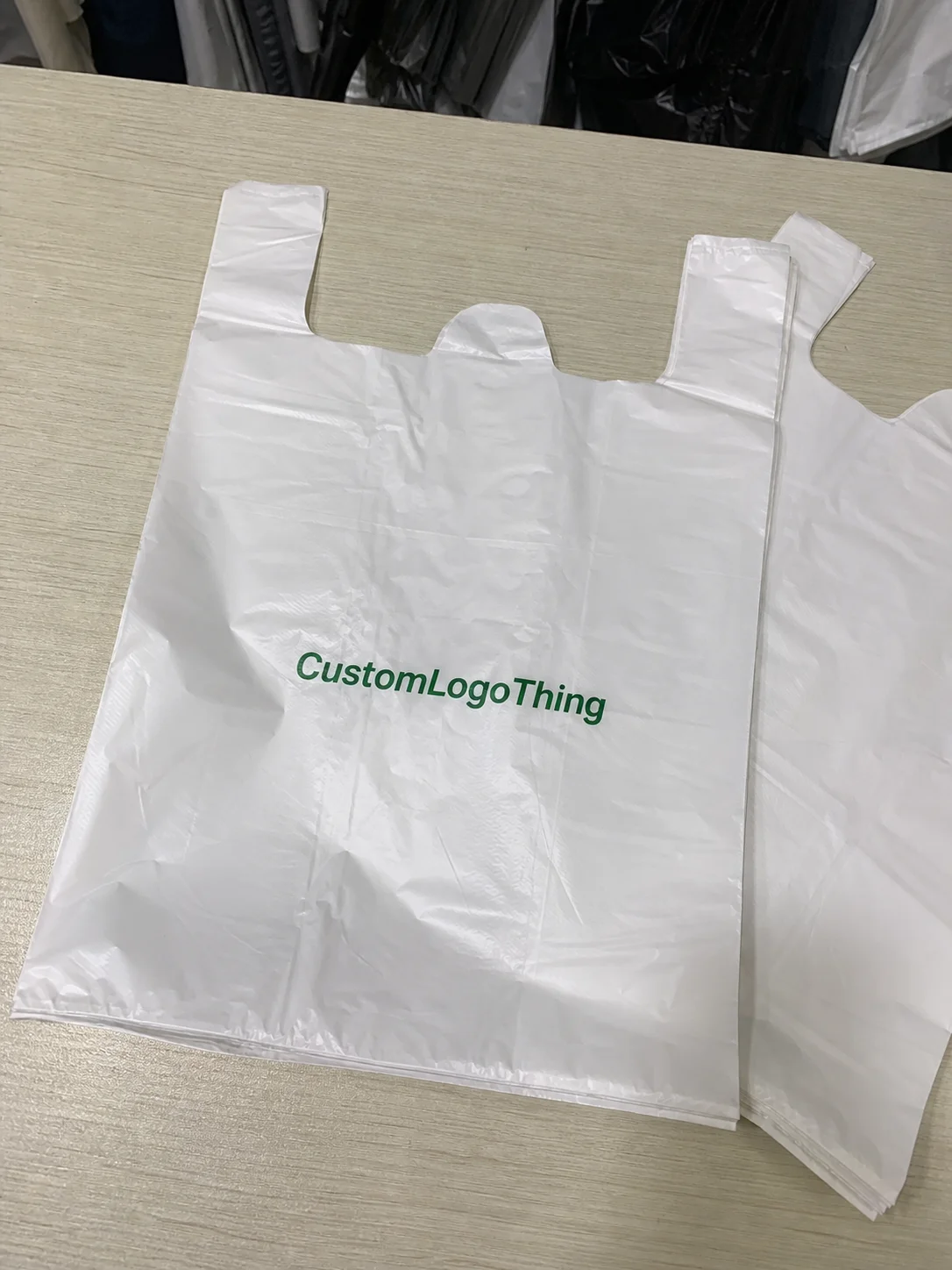
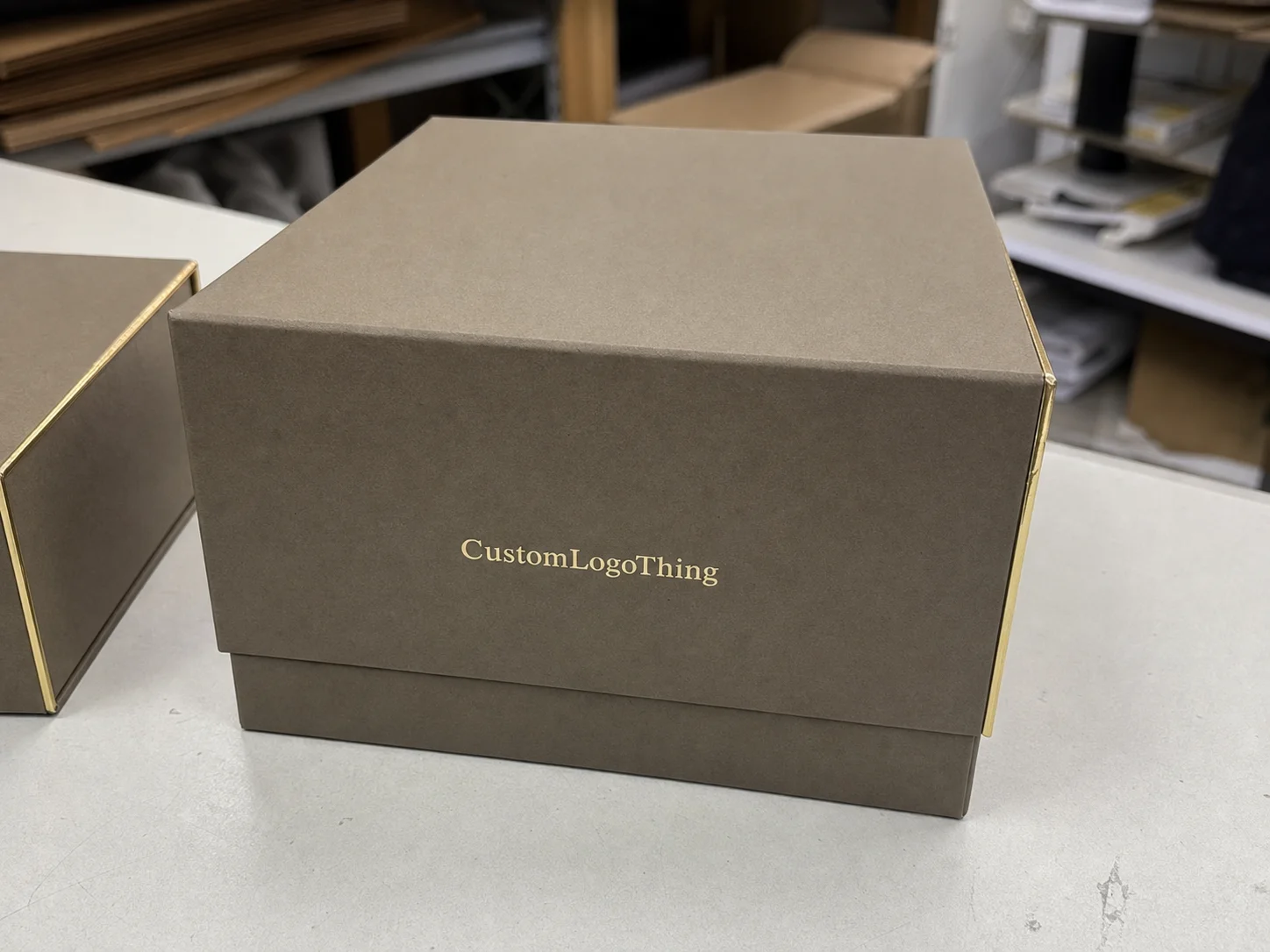
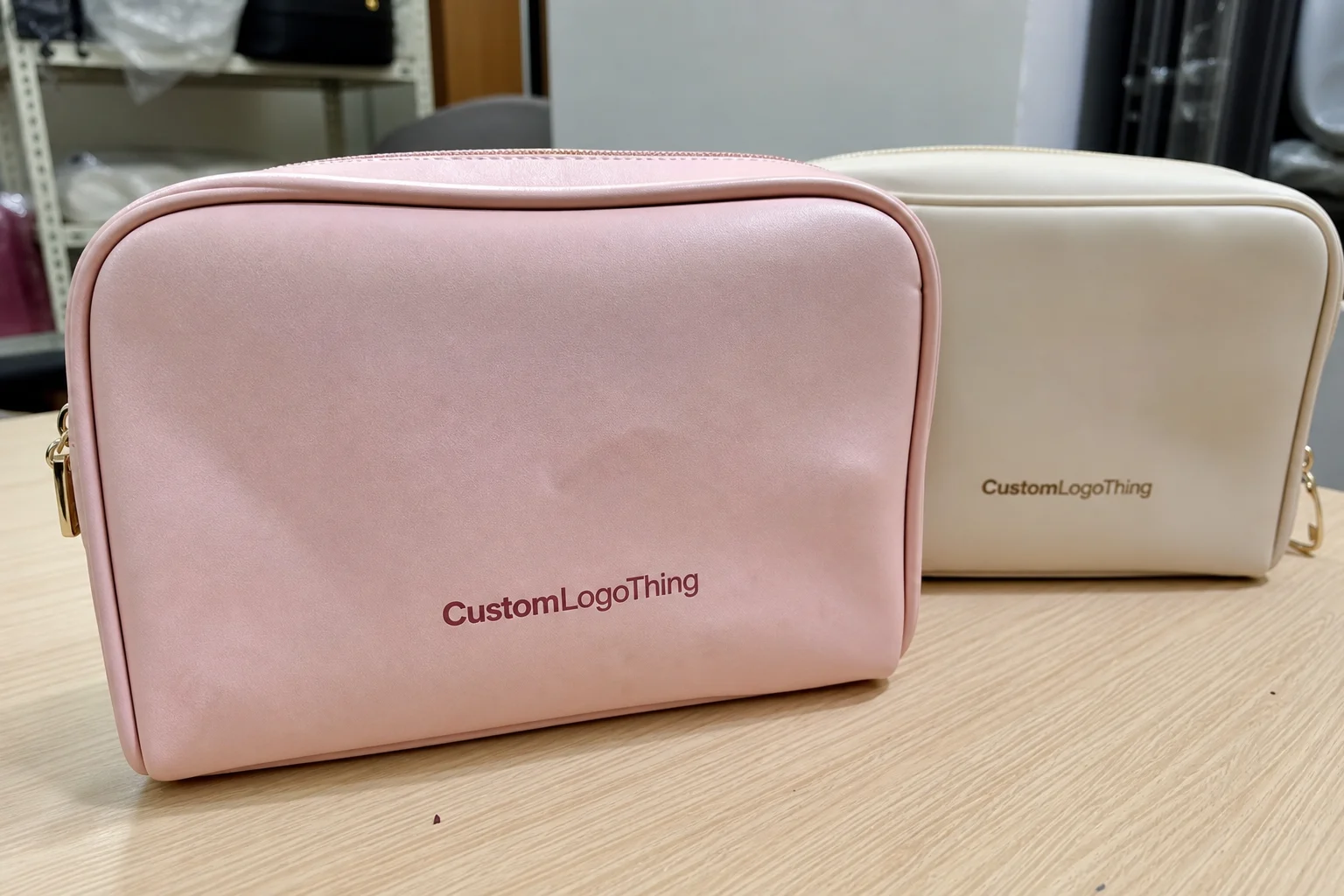
Personalized cloth bags are one of the few packaging items that keep working after the sale is over. A box gets opened and tossed. A mailer gets ripped. A cloth bag gets reused, loaned out, stuffed into a car, and dragged through daily life until the print or the stitching gives up.
That is why buyers keep coming back to them. They are not just a vessel for products. They are part packaging, part merch, part moving billboard. If the bag feels sturdy and looks intentional, people notice. If it feels flimsy, they notice that too. Fast.
The buying job sounds simple until the quote arrives and the details start multiplying. Fabric weight changes the price. Print method changes the price. Handle style changes the price. Then someone asks whether the bag needs a gusset, and suddenly the project is no longer “just a tote.”
The cheapest bag is usually the one that costs more later.
Why cloth bags work harder than they look
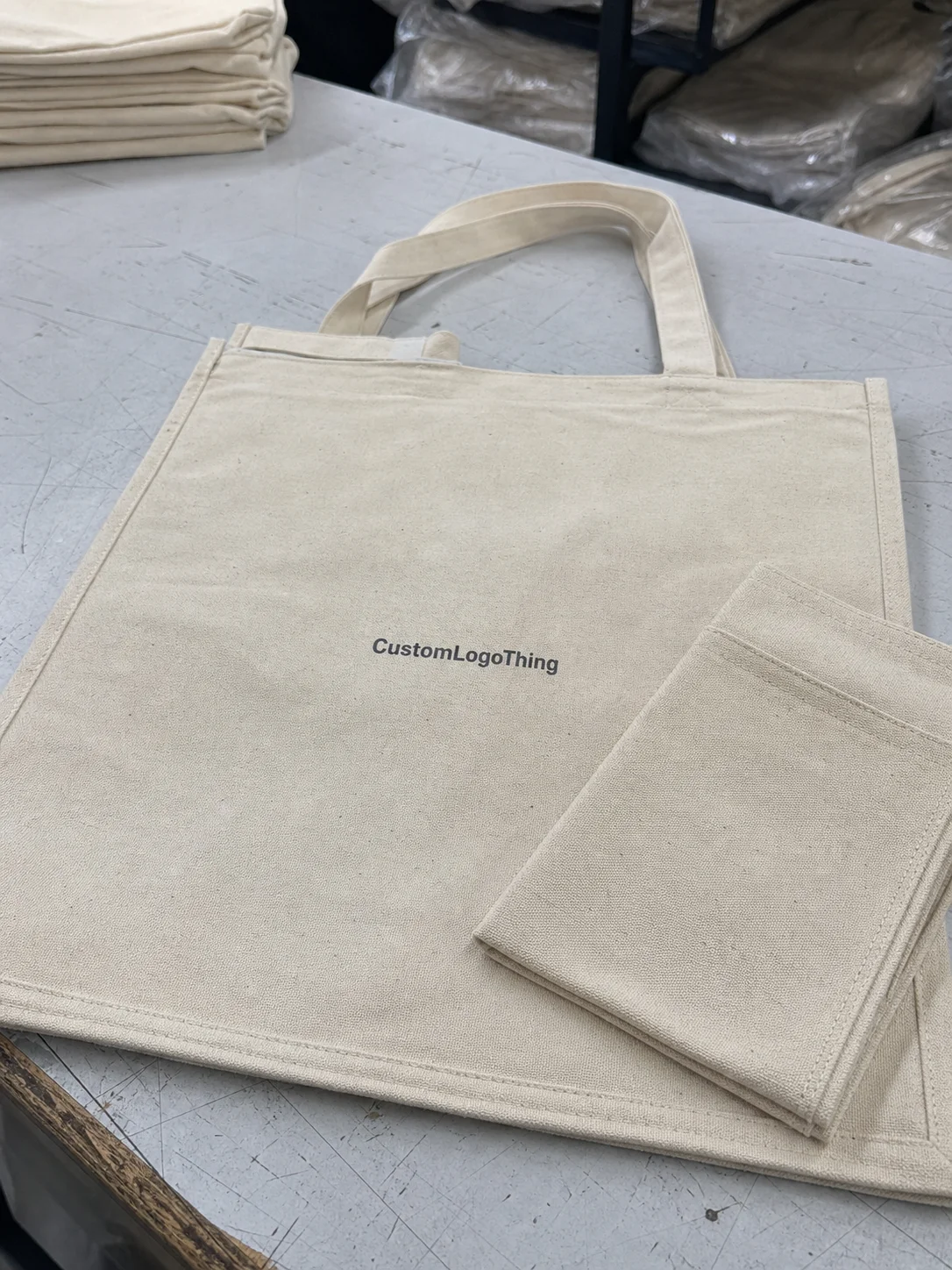
Cloth bags get handled in public, which makes them unforgiving. A weak seam, a crooked logo, or a handle that digs into the hand does not stay hidden. That is different from a sleeve or insert that disappears the moment the product is unpacked. Personalized cloth bags have to look good and survive repeated use. That is a higher bar than most buyers expect.
They also serve different roles depending on the order. In retail, the bag may become part of the brand experience. At events, it has to carry papers, samples, and random objects people pick up on the floor. In gift kits, it needs to feel premium without becoming expensive theater. One item, several jobs. Great for utility. Terrible for vague specs.
The best-performing bags usually share a few traits:
- They match the actual load, not an imagined one.
- The print area is sized to the material, not forced onto it.
- The handles are reinforced where people grip them.
- The fabric weight is high enough to hold shape after packing.
If the bag is supposed to be reused, the structure matters as much as the logo. A tote with a nice design and poor stitching feels cheap after one or two uses. A simpler bag with better fabric and cleaner construction usually performs better in the real world. Brands tend to underestimate that. Customers do not.
How the customization process works
The production path is predictable. Choose the material, size, handle style, print method, quantity, and destination. Send artwork. Review a proof. Approve it. Then production starts. The process itself is not complicated. The quality of the decisions is what separates a usable bag from an expensive mistake.
Artwork is usually the first place orders slow down. Vector files like AI, EPS, or a clean PDF are the safest starting point because they scale without losing edge quality. If the logo only exists as a screenshot or a low-resolution JPG, someone has to rebuild it. That is not always a problem, but it adds time and can introduce errors if the source file is messy.
Proofs help, but they do not solve everything. A digital proof can confirm size, placement, orientation, and approximate color. It cannot show how ink sits on rough canvas or how a dark shade will look in warehouse lighting. If the bag needs to match a strict brand standard, ask for a physical sample or at least a swatch before committing to the full run.
Expect revisions in a few predictable places:
- Artwork cleanup and file conversion.
- Color matching against Pantone references or brand samples.
- Placement adjustments on gusseted or oversized bags.
- Changes to print method, especially if the design is detailed.
Buyers should approve real specs, not loose ideas. Confirm the dimensions, handle drop, print area, gusset depth, seam type, and whether the bag needs reinforcement at stress points. If you are comparing personalized cloth bags from multiple suppliers, compare the same specifications. Otherwise the pricing is basically fiction dressed up as a quote.
For orders that will be boxed and shipped to multiple locations, ask about carton packing and transit protection. Some suppliers test packed goods against recognized methods such as ISTA procedures. That does not tell you whether the bag will survive daily abuse, but it does reduce unpleasant surprises in transport.
Material, print, and construction choices that change the result
Material choice does more than affect price. It changes feel, print quality, durability, and the kind of customer impression the bag makes. Cotton is soft and familiar. Canvas has more body and usually feels more substantial. Nonwoven fabric is light and economical, which is why it shows up in events and high-volume giveaways. Jute gives a natural look, but its coarse texture can make fine text harder to read. Recycled blends can work well if the fiber content is documented clearly and the sustainability claim is actually supportable.
Fabric weight matters just as much as fiber type. A thin nonwoven tote in the 80 to 100 gsm range can work for light handouts, but it will not feel like something people want to reuse for long. Heavier cotton canvas, often around 10 oz and up, usually holds its shape better and gives the print a cleaner surface. Go too light and the bag starts wrinkling, sagging, and looking tired before the promotion is even over.
For personalized cloth bags, the print method should match the material and the artwork. Screen printing is still the most practical choice for simple logos and solid spot colors. Heat transfer works better for detailed art in smaller runs. Embroidery looks sharp on thicker cloth, but it adds cost and can distort tiny text. Digital printing handles complex graphics and gradients well, although the result depends heavily on the fabric surface and color of the base material.
| Option | Typical Use | Approx. Unit Range | Tradeoff |
|---|---|---|---|
| Nonwoven tote, 1-color print | Events, giveaways, light product carry | $0.35-$0.90 | Lowest cost, lowest perceived value |
| Cotton canvas tote, 1-2 color screen print | Retail, promos, reusable packaging | $1.20-$2.80 | Better feel and repeat use, moderate setup |
| Heavy canvas or jute with embroidery or full-color print | Premium retail, gifts, brand kits | $2.75-$6.50+ | Higher impact, higher minimums and longer lead time |
Construction is where buyers often save the wrong dollar. Reinforced handles matter if the bag carries bottles, boxes, or anything with weight. Bottom width matters if products need to sit upright. Stitching quality matters if the bag will be reused enough times to reveal weak points. Even handle length matters more than most mockups suggest. A bag can look perfect flat on a screen and still feel awkward on a shoulder if the drop is off by an inch or two.
On sustainability, keep the claims specific. Ask what the fabric actually is, whether recycled content is documented, and whether any paper components carry FSC certification. FSC is useful for paper-based components, but it does not replace material records for the bag itself. If a supplier gets vague at this stage, treat that as information, not a misunderstanding.
Cost, pricing, and MOQ basics
Pricing for personalized cloth bags usually comes down to a short list: material, size, print colors, construction, quantity, and shipping. Add embroidery, foil, custom shapes, or rush timing, and the number moves quickly. The number you see on a landing page is often not the number you actually pay once setup, freight, and finish options are included.
MOQ means minimum order quantity. It exists because production has fixed setup labor, artwork prep, and machine time. Spread those costs across 300 bags and the unit price will be higher than if the same setup is spread across 5,000. That is not a trick. It is simple manufacturing math.
A practical way to think about pricing is by tier:
- Economy: simple fabrics, basic print, low hand-feel expectations.
- Mid-range: better fabric weight, cleaner print, more usable for repeat carry.
- Premium: heavier cloth, stronger stitching, better trim, stronger brand impact.
Ask for quotes that break out the cost clearly. Unit price, setup fee, freight, and any rush surcharge should be listed separately. If a supplier only gives one number, you cannot tell whether the bag is cheap or the shipping is doing the damage. If one quote includes artwork cleanup and another does not, the comparison is already distorted.
For small runs, expect a higher per-unit cost because setup is spread over fewer pieces. For larger runs, the unit price usually falls, but only if the spec stays consistent. Switching from screen print to embroidery, or from stock cotton to a custom-dyed fabric, can erase the savings fast. Buyers often chase the lowest unit price and end up paying more for the details they forgot to ask about.
If the bags will be handed out once and disappear, keep the spec simple. If they will be sold, reused, or packed into a premium kit, spend on what people touch first: fabric, handles, stitching, and print clarity. Fancy naming does not rescue weak construction.
Production steps and turnaround expectations
Most orders move through the same stages: quote approval, artwork review, proof signoff, production, finishing, packing, and shipping. Standard turnaround is often 12 to 20 business days after proof approval, though that can stretch if the material has to be sourced first or if the order uses a more complex print method. Large or highly customized runs can take longer. That is normal.
Four things drive timing more than anything else: order size, print complexity, fabric availability, and seasonality. A single-color run of stock cotton totes is usually quicker than a custom jute bag with embroidery and special packing instructions. The delay is not mysterious. Common materials and simple finishes move faster than special requests.
Rush production is possible in some cases, but it narrows the options. Faster schedules can limit fabric choices, finish options, and print methods. Sometimes the only way to hit the date is to simplify the artwork or accept a stock color instead of a custom one. That is a reasonable trade if the deadline is real. It is a bad trade if the deadline was set casually and the order was never scoped correctly.
Before approving the job, confirm these milestones:
- Production start date.
- Estimated ship date.
- Transit time to your location.
- Deadline for proof approval.
Delays often come from the buyer side. Slow approvals, missing Pantone references, and last-minute design changes can add days very quickly. If the bags are tied to a launch, event, or store opening, leave buffer time. Panic shipping is expensive. It also tends to arrive just in time to ruin the margin.
Common mistakes buyers make with reusable bags
The most common mistake is choosing the bag size before deciding what the bag needs to carry. That is backward. Start with the item, the box, or the handout set. Then add space for loading and carry comfort. A tote that looks elegant in a mockup can fail the moment someone tries to fit a bottle, a brochure, and a boxed product inside the same opening.
Artwork is the next failure point. Buyers try to cram too much detail into too little space, especially on textured cloth. Fine lines, tiny type, and busy layouts usually lose clarity on canvas or jute. A simpler mark often prints better and looks more expensive because it reads cleanly from a distance. The bag is not a billboard. Treating it like one usually makes the design worse.
Another trap is cheap fabric. Thin material folds badly, distorts the print, and wears out before the brand gets any value from repeat use. If the bag is supposed to be reused, test how it behaves when loaded, folded, and carried. A flat sample on a desk rarely tells the full story.
Handle length gets ignored until someone has to carry the bag for real. Then it is too short, too long, or positioned awkwardly for the load. That affects whether the bag gets reused. It is a small detail with a large effect.
Personalized cloth bags should be checked the same way any other branded product is checked. Confirm the size. Confirm the fabric. Confirm the print method. Confirm the proof. Skipping one of those steps often means paying twice: once for the original run, again for the reorder that should have been avoided.
Expert tips for getting a better bag without overspending
Spend where the customer can feel it. Fabric weight, print clarity, and stitching usually matter more than decorative extras. A slightly heavier cloth or a better-finished handle changes the experience immediately. Extra color layers and decorative flourishes usually do less than buyers hope.
Match the artwork to the material. If the surface is rough, simplify the logo. If the print area is small, remove tiny text. If the design needs fine detail, choose a smoother fabric or a different print method. The best bags are designed around the material instead of pretending the material can be something else.
A strong one-color mark often beats a crowded multi-color layout. That is especially true on jute, natural cotton, and nonwoven fabric, where texture can chew up detail. If the logo already has a clear shape and good contrast, there is no prize for overcomplicating it.
Physical samples are worth it for bags that will be sold, given in premium kits, or loaded with heavier items. Yes, a sample adds cost. So does discovering the straps cut into the hand or the base collapses once product goes inside. That kind of lesson gets expensive quickly.
Neutral base colors usually print more cleanly and age better. Natural, black, navy, and off-white are popular for a reason. They hide handling marks better than pale custom shades and usually make the logo do the work. If the brand color is loud, let the print carry it instead of forcing the whole bag to compete for attention.
Pick the bag for real use, not the one that only looks cheapest in a spreadsheet.
Next steps before you place an order
Before requesting quotes, lock in five things: bag style, material, print method, quantity, and target delivery date. That is the minimum useful spec set. Without it, every supplier is estimating a different version of the job and the quotes are close to useless.
Gather the artwork files, brand colors, and rough size requirements before you start talking to vendors. If the bag has to carry a specific product, include the product dimensions too. A tote for folded apparel is not the same as a tote for boxed candles or event kits. Obvious, but routinely ignored.
Compare at least two quotes using the same specifications. Same fabric weight. Same print method. Same quantity. Same destination. If any of those change, the pricing comparison stops being meaningful.
Confirm the MOQ, setup fees, proofing process, and turnaround before approving the order. If this is the first run, a sample or physical proof is usually worth it. Personalized cloth bags get judged quickly in retail and event settings, and buyers remember the feel of the bag long after they forget the unit price.
FAQ
What are personalized cloth bags usually made from?
Most are made from cotton, canvas, nonwoven fabric, jute, or blended reusable materials. The right choice depends on durability, print method, and how premium the bag needs to feel. Heavier fabrics generally hold shape better and print more cleanly than thin, floppy material.
How much do personalized cloth bags cost per unit?
Unit price depends on material, size, print colors, quantity, and finishing options like embroidery or specialty inks. Small runs usually cost more per bag because setup and labor are spread across fewer pieces. Ask for a quote that separates unit cost, setup fees, freight, and rush charges so you can compare properly.
What affects the turnaround time for custom cloth bags?
Lead time depends on artwork approval, print method, fabric availability, order quantity, and shipping distance. Simple single-color orders usually move faster than full-color or specialty-finish projects. Slow proof approval is one of the most common reasons orders slip.
What file do I need for the logo on personalized cloth bags?
Vector files such as AI, EPS, or PDF are usually preferred because they scale cleanly. If the logo is only available as a low-resolution file, the supplier may need to redraw it before production. Clear brand colors and placement notes reduce proofing mistakes.
How do I choose the right size for personalized cloth bags?
Start with what the bag needs to carry, then measure the product plus a little room for packing and carry comfort. Consider handle length, gusset depth, and whether the bag needs to sit flat or stand upright. Choosing size from actual use is more reliable than guessing from the mockup.