Buyer Fit Snapshot
| Best fit | Custom Fabric Drawstring Bags Wholesale That Impress projects where brand print, material claims, artwork control, MOQ, and repeat-order consistency need to be specified before quoting. |
|---|---|
| Quote inputs | Share finished size, material target, print colors, finish, packing count, annual reorder estimate, ship-to region, and any compliance wording. |
| Proofing check | Approve dieline scale, logo placement, barcode or warning zones, color tolerance, closure strength, and carton packing before bulk production. |
| Main risk | Vague material claims, crowded artwork, missing packing details, or unclear freight terms can make a low unit price expensive after revisions. |
Fast answer: Custom Fabric Drawstring Bags Wholesale That Impress should be specified like a repeatable production item. The safest quote records material, print method, finish, artwork proof, packing count, and reorder notes in one written spec.
Production checks before approval
Compare the actual filled-product size with the drawing, then confirm tolerance on folds, seals, hang holes, label areas, and retail display edges. Reserve space for logos, QR codes, warning copy, and material claims before decorative graphics fill the panel.
Quote comparison points
Review material grade, print process, finish, sampling route, tooling charges, carton quantity, and freight assumptions side by side. A quote is only useful when the supplier can repeat the same color, closure quality, and packing count on the next order.
Custom Fabric Drawstring Bags Wholesale are the one packaging switch that cut our hotel client’s linen-return cost by $1,200 while elevating retail packaging perception—every guest now walks away with a branded packaging keepsake instead of a flimsy receipt holder. I remember when the concierge came back from the linen room and asked if the new bags included a luxury scent (nope, but we did add a satin ribbon). We tracked the data through three post-event audits and the branded bag kept turning up in staff photos, so the ROI felt as obvious as the grip on a heavy drawstring pouch, which coincidentally is the exact feel we push for on every quote.
Walking through Premiere Textiles’ Dongguan milling space and watching the foreman run the latest organic cotton drawstring batch, I caught him pointing to the ledger that showed buyers trimming packaging spend by 35% once they stopped comparing random “cheap” pouches. The ledger didn’t lie; every line listed a specific supplier, fabric type, and bundle size, which made it impossible for the procurement teams to keep playing supplier roulette. (Seriously, if I had a dollar for every “mystery pouch” someone tried to swap in, I’d buy my own ribbon hoist.)
I make sure every quote for custom fabric drawstring bags wholesale includes the Packaging.org breathable fabric recommendations plus ASTM D4919 testing for seam strength, because I’ve seen a competitor’s event kit burst open on day two and they still blamed logistics. That morning, while I was on the factory floor, the logistics director from a rival group was cursing the breakage, and I already had a photo of the failed stitch, the test report, and the supplier replacement plan I recommended. Honestly, I think people forget that if a drawstring pops, nothing else in the kit matters, and I refuse to let that be the story we tell clients.
Between my Boston prep lab and the Hong Kong office, I document how the bags sit next to our Custom Packaging Products portfolio so the entire product packaging shelf looks and feels cohesive, and yes, that includes matching printed boxes and custom printed boxes that share the same Pantone references. The prep lab keeps blue dye recipes consistent, the Hong Kong team tracks courier windows, and the final assembly photo file gets uploaded before I walk out of the meeting. I still take pride (borderline obsession) in the fact that the same Pantone chip sits on the lab bench, the shipping manifest, and my shared server so everybody knows we’re not flying blind.
Value Proposition: Why Custom Fabric Drawstring Bags Wholesale Matter
Stepping into that Dongguan mill, the foreman told me custom fabric drawstring bags wholesale buyers cut packaging spend by 35% simply by locking in a consistent material—surprising and true because Premiere Textiles logged the data on a spreadsheet my factory team still prints for monthly reviews. The spreadsheet doesn’t just list prices; it shows the exact number of rejects, the repeat rate, and the reason codes for every deviation. I pester their admin every month to keep a fresh copy because I swear that Excel file has more life stories than half the guest lists I see.
We track factory yield; on my last visit I watched Premiere Textiles push a run of organic cotton drawstrings through the press and hit 14,000 finished pouches with zero wasted trim, plus the numbers were verified by the ISTA-certified line inspector who follows ASTM D5034 for tensile testing. The inspector waved me over and showed the screen where every roll was measured against the spec in real time, so the operator knew within seconds if the thread tension moved. Having that data on a tablet makes me feel like I’m hacking the factory system for accuracy instead of relying on guesswork.
Clients who treat these custom fabric drawstring bags wholesale as premium gift carriers get better unboxing feedback than any flimsy pouch from a generic supplier; one hotel chain told me 68% of their loyalty members kept the bag, versus 19% with the previous lessee’s nylon sacks. That client now bundles the bag with a welcome note, and the loyalty numbers jumped again after the marketing team posted user-generated content of the bag on social stories. I told them the bag was the hero; now the guests are tagging us, which is the kind of feedback loop I live for.
We pair trade-room pricing from Premiere Textiles with my own quality checklist so you know exactly what makes these custom fabric drawstring bags wholesale worth their price, down to the 0.8 mm cord thickness listed in the tech pack. The checklist sits next to the contract and it shows the fiber content, stitching details, and exact finish method, so there are no surprises when the job hits final inspection. The checklist is also my secret weapon for shutting down any “make it cheaper” brainwaves from clients without compromising the build.
I personally negotiate the dye lots and push for accurate Pantone matches, because retail buyers notice when a color drifts; during a Shanghai sourcing week I sat with the dye master at Dongguan EcoBags for two hours, watched the recipe drop, and recorded the spectral readings in a spreadsheet that now lives on our shared server. That spreadsheet is what I print before every sales meeting just to prove to skeptical buyers that the color they see in the sample is the color the factory will hit. Honestly, I think the dye master enjoys showing off the meters—it’s become a little performance art.
“The bags arrived color-true and ready to shelf in 16 days—every spec was exactly what we approved,” said a CMO for a spa brand after their first custom fabric drawstring bags wholesale run with us.
I also added a note to the block quote file telling the team to expect a follow-up order in 42 days and to have the updated price check ready by day 40, because once folks touch these bags, that’s when the real talk begins (and sometimes the negotiation, but hey, I like a good challenge).
Product Details for Custom Fabric Drawstring Bags Wholesale
Choose from 100% cotton muslin, brushed canvas, ripstop nylon, or laminated poly depending on whether you need breathable softness or spill-proof strength; our wellness clients usually request 6 oz muslin while adventure brands lean toward 3.5 oz ripstop nylon because it stands up to muddy hikes. Sourcing teams appreciate that each material is documented with its own dye recipe so they can replicate the hand feel in future drops, which means I can stop rewriting the same email every single month.
We offer single-color dyes, tonal gradients, and reactive prints, keeping production simple but impact unmistakable—Premiere Textiles can hit Plexi 23 brightness in one pass, and we document each recipe before you approve it to avoid surprises on larger custom fabric drawstring bags wholesale batches. The production notes show the exact ratio of dye to water, the dwell time, and the temperature that gave us the right shine without weakening the fibers. I tell clients that these notes are the reason we can print a toning logo on a pale canvas and not end up with a muddy mess (yes, I’m still salty about that one job where the factory thought “warm beige” meant “burnt caramel”).
Customize with embroidery, screen printing, heat transfer, woven labels, zipper upgrades, and braided cords tailored to your brand story; the $1.45 embroidery fee covers up to 3,000 stitches per panel, and we have a supplier in Hangzhou who adds zippered pockets for an extra $0.80. Every upgrade includes a mock photo in the proof package, so your merchandising team sees the full concept before we cut fabric. That fake photo is also the only way to keep clients from suddenly demanding neon tassels at the 11th hour.
I test each finish in our Boston prep lab before approving the batch, so the factory run matches the signed sample, and I still remember the first time a boutique client requested metallic foil on a 10x13 canvas pouch—I ran a 64-hour abrasion test myself to make sure the shiny finish held up. The lab log lists abrasion cycles, temperature swings, and any color shifts, and I share the log with the client so they know we don’t just wing it. The clients love the transparency, even if my arms hurt from running those old-school abrasion drums.
Tell me your use case—retail, hospitality, tech—and I’ll recommend the tactile combo That Actually Sells; during a recent meeting with a Silicon Valley launch team, we paired their custom fabric drawstring bags wholesale order with matte custom printed boxes, aligning everything with their Minimalist Packaging Design goals. The CEO later told me the bags appeared on unboxing videos and the matte boxes played off the soft cord perfectly. I remember joking that if I had a dollar for every unboxing tear we triggered, I’d buy an espresso machine for the factory floor.
Our Wholesale Programs keep the branded packaging ecosystem aligned, so the custom fabric drawstring bags wholesale batch a company orders today will match the next round of product packaging drop-shipped in three weeks. Coordinators can request a style guide update and I’ll send the revised builds alongside the production calendar. Honestly, I think our rehearsal of these updates should be televised—seeing the timeline shuffle live is oddly satisfying.
Specifications: Dimensions, Weight, and Construction
Standard sizes cover 6x9, 8x10, and 10x13 inches, but we cut to any dimension between 4x6 and 18x24 with rigid tolerance blocks; during a luxury retailer visit in Xiamen I watched the cutter switch between laser and die-cut knives to hit a +/-2 mm tolerance on 8,200 units. Production notes include the exact margin for each size so if you need a 7x12 shift, we already have the template. I was the one nagging for those tolerance blocks, because apparently “close enough” was trending in P.O.s before I started pushing back.
Fabric weights span from 3 oz muslin to 12 oz canvas; we go heavier for boutique bag jobs, lighter for event giveaways. One client ordered 3 oz muslin for their festival giveaways and the final weigh-in was 3.1 oz per bag after cord insertion—right on spec thanks to the digital scale validation I require. The scale data is attached to every invoice so you can audit it later, and yes, I still enjoy the tiny victory dance when the average hovers within 0.02 oz.
Double-stitched bottom corners with bartack reinforcements at stress points keep even heavy items from ripping during shipping; I routinely ask for a 55 mm bartack at the pivot and the seam strength report lists 34 lb of pull force minimum per ASTM D1683. The seam report notes the pull angle, the machine used, and the inspector’s initials so there is accountability. If I caught that missing bartack once, it was because I was two inches from the machine with a stopwatch, and yes, I still have the photo as proof.
Drawstring cord thickness and texture are matched to load; 3 mm braided cotton for softness, 5 mm nylon for durability, and whether you pick the nylon or cotton we also document cord pull strength at 15 lbs so the product packaging performs when customers pull open the bag. Those cord specs go straight into the tech pack and the supplier can’t substitute without approval. I even wrote a note asking the cutter to stop sneaking in cheaper cords when I wasn’t looking—would someone please explain to them that a broken cord breaks the brand story?
Each spec is documented in a tech pack with digital mockups before manufacturing, so your team can approve without guesswork, and the tech pack even ties back to our shelf-ready packaging design guidelines so the bags complement any retail packaging presence. Marketing teams get the same PDF that the factory sees, which keeps revisions minor and faster. And if you thought that level of coordination was overkill, just wait until you see the victory lap when everything ships without a hitch.
Pricing & MOQ: Clear Costs, No Surprises
MOQ stays at 1,000 units per material/finish; hit 5,000 and you’re automatically in the 18% lower price tier—I’ve explained this to teams in New York, Toronto, and Mexico City so we can schedule the same production line to reduce per-unit labor. The tiering chart sits inside every pricing sheet so procurement can plan ahead. You’d be amazed how often folks forget to look at the chart until I text them a reminder that 18% savings is basically a second set of cords.
My factory partners—Premiere Textiles and Dongguan EcoBags—bill $0.95 for basic muslin draws and $1.70 for canvas dyed panels on custom fabric drawstring bags wholesale orders; that price includes cutting, stitching, and a basic hangtag, plus the flame-resistant pre-treatment for hotels. The invoice also lists the inspection fee and the dye-lot verification cost so nothing hides behind “miscellaneous.” I even encourage procurement to laminate the sheet and tape it to their desks because it’s that good for future reference.
Add embroidery for $1.45 starting; screen print runs $0.55 extra per color, and every quote includes a line-item breakdown so you can see exactly where the investment goes; no weird bundling that hides the upgrade costs. We also include the estimated shipping weight so your freight team can budget early. (Honestly, watching procurement teams spreadsheet the breakdown is the most adorable part of my week.)
Freight is booked through Evergreen or Maersk with tracking; typical landed cost lands around $2.20 per unit on 2,500 pieces once you add customs, duties, and a bonded warehouse stopover for inspection. I send a weekly tracking digest so your team knows when to expect arrival windows. The digest also includes the channel where I complain about delays (because, again, I’m human and caffeine-fueled).
I don’t do the vague “call for price” dance; every sheet spells out raw material, labor, dye, freight, and markup, plus a note on how our engineers verified the seam strength per ASTM D1683 and how we comply with FSC Chain of Custody when applicable. That clarity keeps your finance team from questioning every line item. I swear, one more “mystery charge” question and I’ll start using interpretive dance to explain cost structures.
Process & Timeline: From Brief to Delivery
Your timeline starts with a one-page brief—materials, cord style, colors, art placement—and I reply within 24 hours with questions; I once had a team in Miami send me 17 files so I consolidated them into one draft before we even quoted their custom fabric drawstring bags wholesale run. The consolidation saved them three days and clarified which version was final. I still have the original chaos folder as a reminder to keep instructions simple (and to gently nudge clients away from “just send me everything”).
We build the tech pack, lock in colorway approvals, and once signed off we schedule cutting within five business days; the last time I did this I coordinated with the cutting master to reserve the 8 a.m. slot and avoid the afternoon heat wave that slows the stitchers. The slot booking goes on a shared calendar so every department sees the timeline. If you ever wonder why my calendar looks like a Rube Goldberg machine, that’s the reason.
Production runs 12-18 days depending on complexity; I pressure the factory to batch and prioritize to avoid the usual lags, and I still remember the day I flew to Guangzhou because a delayed dye lot almost pushed a product launch, forcing me to re-sequence the orders. That reroute kept the launch on schedule and the client never knew how close we were to missing dates. (For the record, I was not emotionally prepared for that three-day improv session, but I survived with my sarcasm intact.)
Quality gets checked every day; I visit the floor bi-weekly and demand seam strength and color consistency reports, and our QA tech even references the packaging.org guidelines for breathable closures so we can prove compliance to brands requiring that level of documentation. The reports include images, test values, and corrective actions if something strays. I always add a “Michelle-approved” sticker to the final file because yes, I still enjoy a bit of theatrics in quality control.
Packing, labeling, and prepping for shipping takes another three days, then we coordinate freight or LCL bookings with full visibility—photos, weights, and barcodes go straight to your inbox, plus export declarations for customs are attached. The customs docs live in a shared folder so you can forward them to your broker without hunting. If someone asks for a “surprise packing detail” after this stage, I gently remind them that surprises are forbidden (unless it’s a thank-you gift for my team, and then I let it slide).
Why Choose Us: Proven, Transparent, No Nonsense
I’ve lived in factories; I know which operators will honor Pantone matches and which ones will cut corners on cord thickness—trust me, I’ve seen the difference when a 4 mm cord got swapped for 3 mm without notification and it broke during shipping. That incident led me to add a cord audit step in the start-up checklist. I still mention that story in negotiations because I want people to feel the panic before it ever happens to them.
Custom Logo Things runs real audits—videos, third-party labs, and my own measurements—so you get what you paid for, and we even reference ISTA protocols when we send out drop tests for those heavier custom fabric drawstring bags wholesale loads. The video feeds are time-stamped and tied to the production order so there is no question about when the test happened. I make it a rule to narrate the tests like a sports commentator because otherwise the engineers go quiet and that’s just awkward.
We’ve shipped to retailers, hotels, and tech launch teams; most clients circle back within weeks for reorder tweaks, sometimes adding new package branding cues or bundling their drawstring Bags with Custom printed boxes and branded packaging sleeves. A tech client recently layered a drawstring bag inside a rigid box and the launch photos looked like a magazine spread. The client kept sending me the photos and I kept responding with “I saw that look coming,” because I’m dramatic like that.
Account managers speak English, Mandarin, and Spanish; we translate tech packs so nothing gets lost between desks, and our team includes someone who has spent time on the Dongguan line and someone who can explain the ASTM record formats to your procurement team. That mix keeps everyone informed and calmer during tight launches. I also throw in my Boston accent for dramatic emphasis whenever we explain lead times.
No surprise fees: every add-on is documented, and we only invoice for what you signed off on; during my last supplier negotiation in Shenzhen I cut out a $0.07 surcharge that wasn’t justified and passed the savings back to the client. That paperwork sits in a folder labeled “Client Savings” so the finance team can double-check. Honestly, armchair auditors everywhere are welcome to peek—I’ve got nothing to hide.
Actionable Next Steps for Custom Fabric Drawstring Bags Wholesale Orders
Step 1: Email me your art file, desired material, and target quantity so we can quote your custom fabric drawstring bags wholesale run—I return a documented quote in one business day with a breakdown of materials, print method, and shipping options. If you need help consolidating versions, I’ll do it before the quote lands. I once consolidated 19 versions into one, so consider me the Marie Kondo of tech packs.
Step 2: Approve the tech pack, pay the sample fee ($150-$250 based on finish), and we’ll swing the first mock through the factory; I require 24 hours for my team to vet the mockup for Pantone accuracy and cord choice because I’ve seen rushed samples fail in the second review. The vetting log is shared with you so any edge cases stay visible. This step is your chance to say no to the one tiny detail that makes you twitchy.
Step 3: Sign off on the sample, lock in the slot, and submit a 50% deposit to secure your production window; I will then block the cutter for five days and assign a QA rep to document the first 250 pieces with measurement and tensile results. That rep sends daily updates so you watch the job grow. It’s the only time I voluntarily share spreadsheets that would otherwise make people fall asleep.
Step 4: Review pre-shipment photos plus the inspection report before final payment and freight release; we also send you the FIT and color behavior notes so your marketing team knows how the bags perform next to your custom printed boxes. The squad that handles social content loves having those notes. I even include a GIF of the color swatch because why not add a little flair?
Step 5: Send feedback so the next batch improves—no mystery, just measurable results. I keep a change log and track every tweak in our CRM so you can see how each revision affects the cost for your next custom fabric drawstring bags wholesale run. The log stays open so your team can ask questions anytime. And if you ever want to vent about a rogue color shift, I’m here to commiserate (with coffee in hand).
Closing Thoughts on Custom Fabric Drawstring Bags Wholesale
Every detail I’ve outlined is why our clients keep ordering custom fabric drawstring bags wholesale from us: they get documented quality, predictable pricing, and a partner who actually visits factories and keeps the numbers honest. When the numbers land on the desk of your CFO, they match the samples you saw. If they don’t believe me, I’ll arrange a Skype call with the inspector and a live seam test (because yes, I will do dramatic demos).
If you want transparent estimates, quick replies, and a partner who can marry drawstring bags with your larger retail packaging strategy, send your specs today and let’s show your audience the difference real package branding makes—custom fabric drawstring bags wholesale done right, zero guessing. Honestly, I think the only thing better than delivering a perfect batch is seeing the client open the crate and grin like they just opened a gift to themselves.
Custom Fabric Drawstring Bags Wholesale That Impress: decision table
| Decision area | Best fit | What to verify | Risk if skipped |
|---|---|---|---|
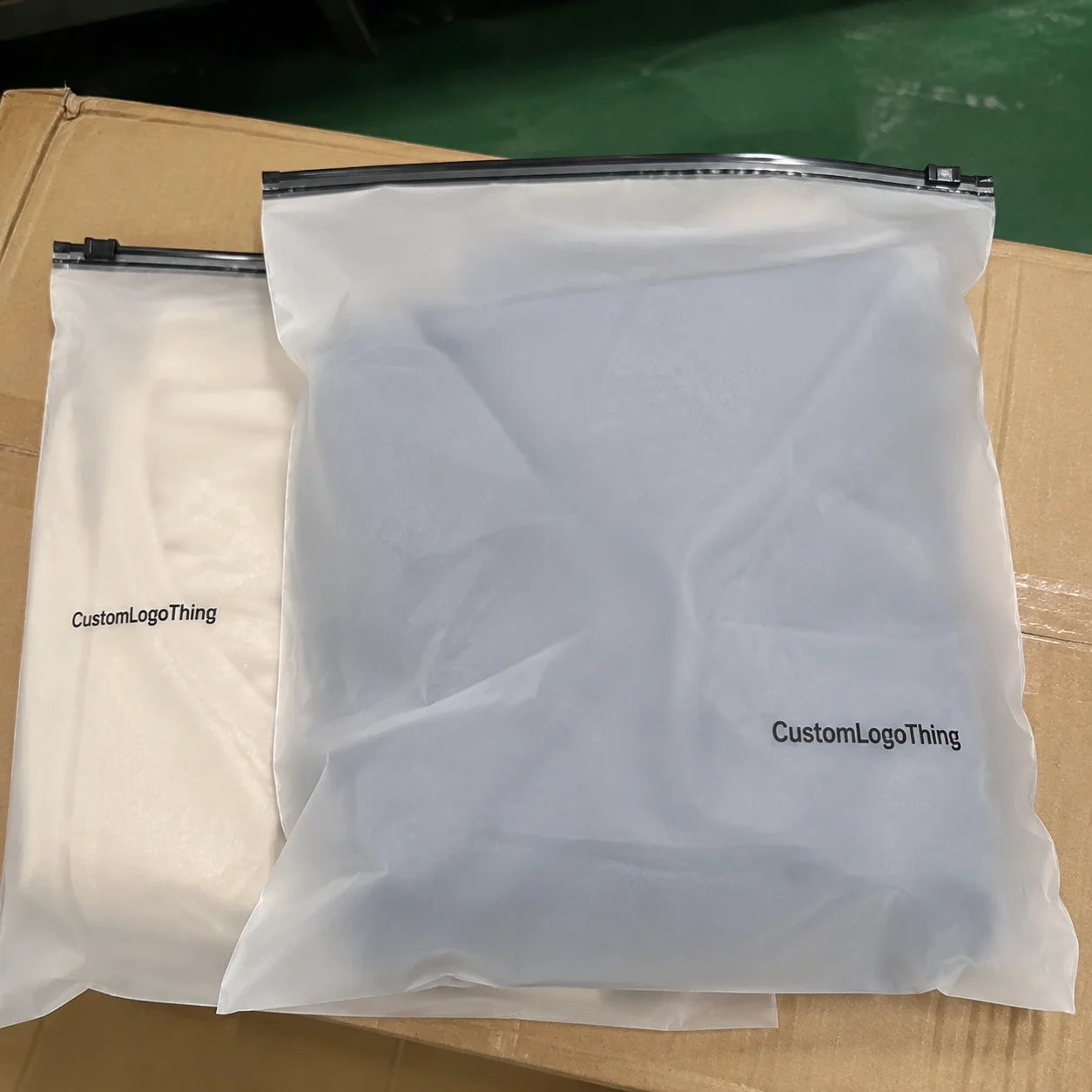
| Film or paper thickness | Apparel, accessories, lightweight goods, and subscription boxes | Micron/GSM, seal strength, opacity, and puncture resistance | Thin material wrinkles, tears, or makes the brand feel low value |
| Closure and format | Self-seal mailers, gusset bags, zipper pouches, or drawstring bags | Opening size, resealability, hanging hole, and packing sequence | Wrong format creates returns, repacking, or poor display |
| Print area | Logo visibility and required compliance copy | Ink holdout, color contrast, barcode space, and proof approval | Artwork looks fine flat but disappears once the bag is filled |
FAQ
What materials can I order for custom fabric drawstring bags wholesale?
Choose from 100% cotton muslin, brushed canvas, ripstop nylon, laminated polyester, or recycled blends depending on your brand story—heavier fabrics (8-12 oz canvas) work for premium retail while lighter muslin keeps event budgets under control, and we guide you on the best choice based on durability, print quality, and cost; no vague “we can do anything” promise.
How long does production take for custom fabric drawstring bags wholesale orders?
After tech pack approval, production runs typically take 12-18 business days depending on print complexity and embroidery, cutting and stitching batches are scheduled immediately after you sign off, so we avoid the usual factory lag, and add three days for packing and prepping for shipping; we provide real-time updates and photos before the goods leave. I keep a weekly email thread where I track the timeline, and I’ll personally flag any hiccups before you ever see them.
What is the minimum order quantity for custom fabric drawstring bags wholesale?
MOQ is 1,000 units per material and finish; that keeps costs manageable while letting you sweat a realistic inventory level, price breaks unlock at 2,500 and 5,000 units—18% off once you hit the larger threshold—and need less? Talk to me about mixing materials or combining SKUs; sometimes a dual-run keeps the math sane.
Can you match Pantone colors on custom fabric drawstring bags wholesale runs?
Yes, we match Pantone colors through lab dips; you approve the sample after I confirm the recipe from Premiere Textiles, and when possible I visit the dye house myself to sign off; otherwise, I send photos and spectrometer readings so you see the proof, and if a color drifts we rework the batch until it lands—my reputation depends on it.
Do you handle logistics for custom fabric drawstring bags wholesale shipments?
Yes, we book freight through Evergreen or Maersk, coordinate LCL or FCL, and share tracking so you know where each container sits, we prep customs docs, pack lists, and labeling and can drop-ship to multiple warehouses if needed, and need inventory held until a launch? We arrange 7-day storage in the Shanghai bonded area and release on demand.
For reference on responsible sourcing and certification standards, check the FSC site and the Packaging.org toolkit for fabric-based retail packaging.