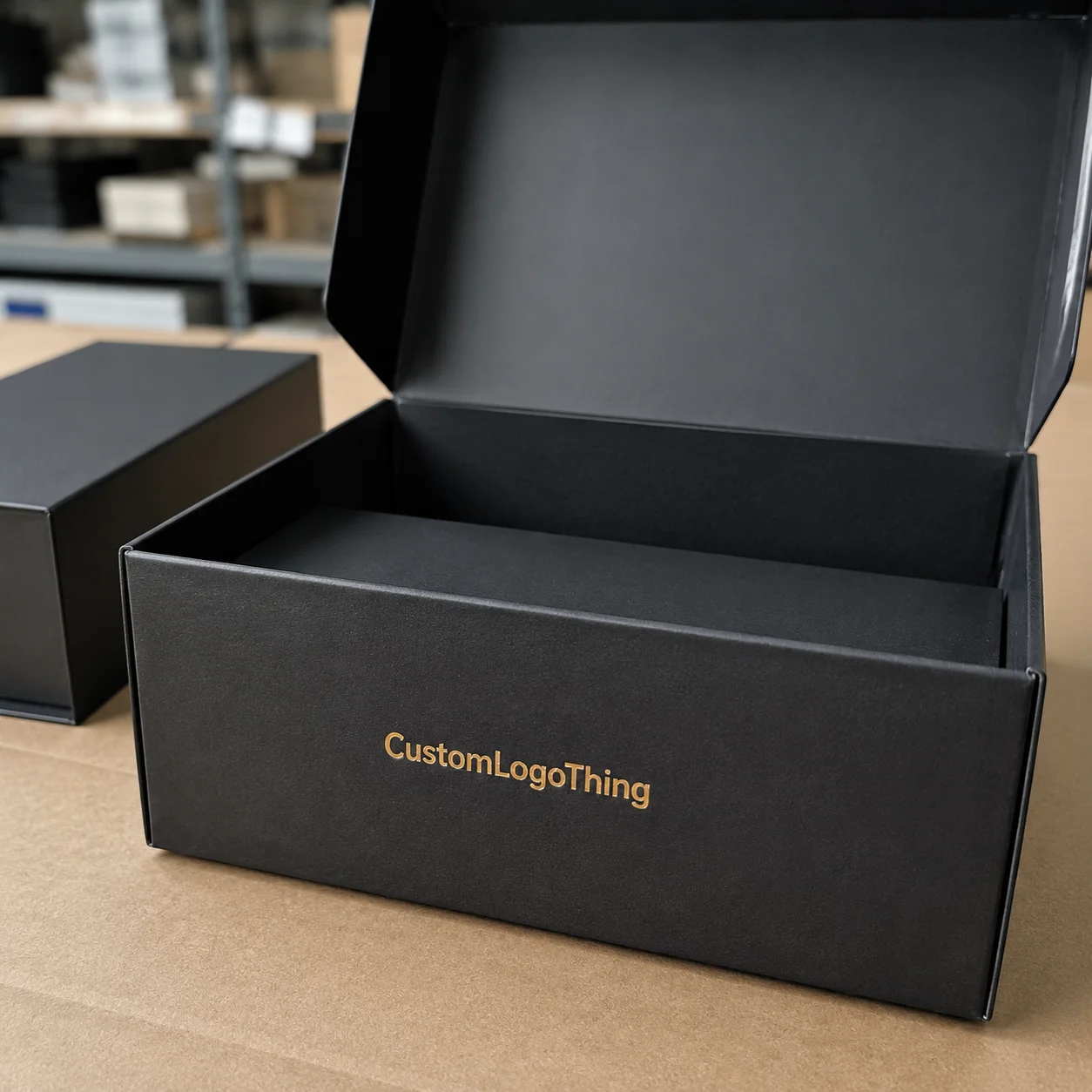
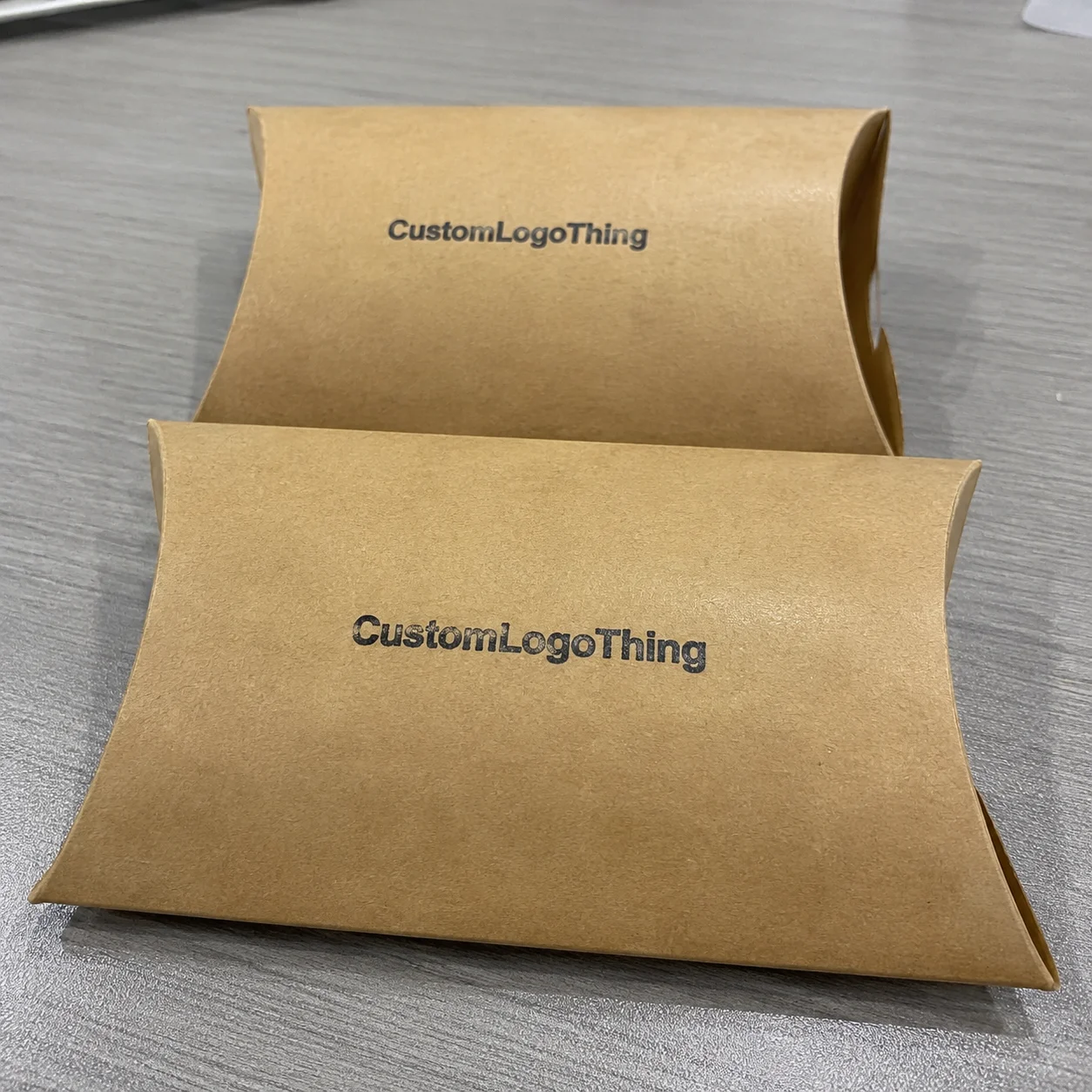
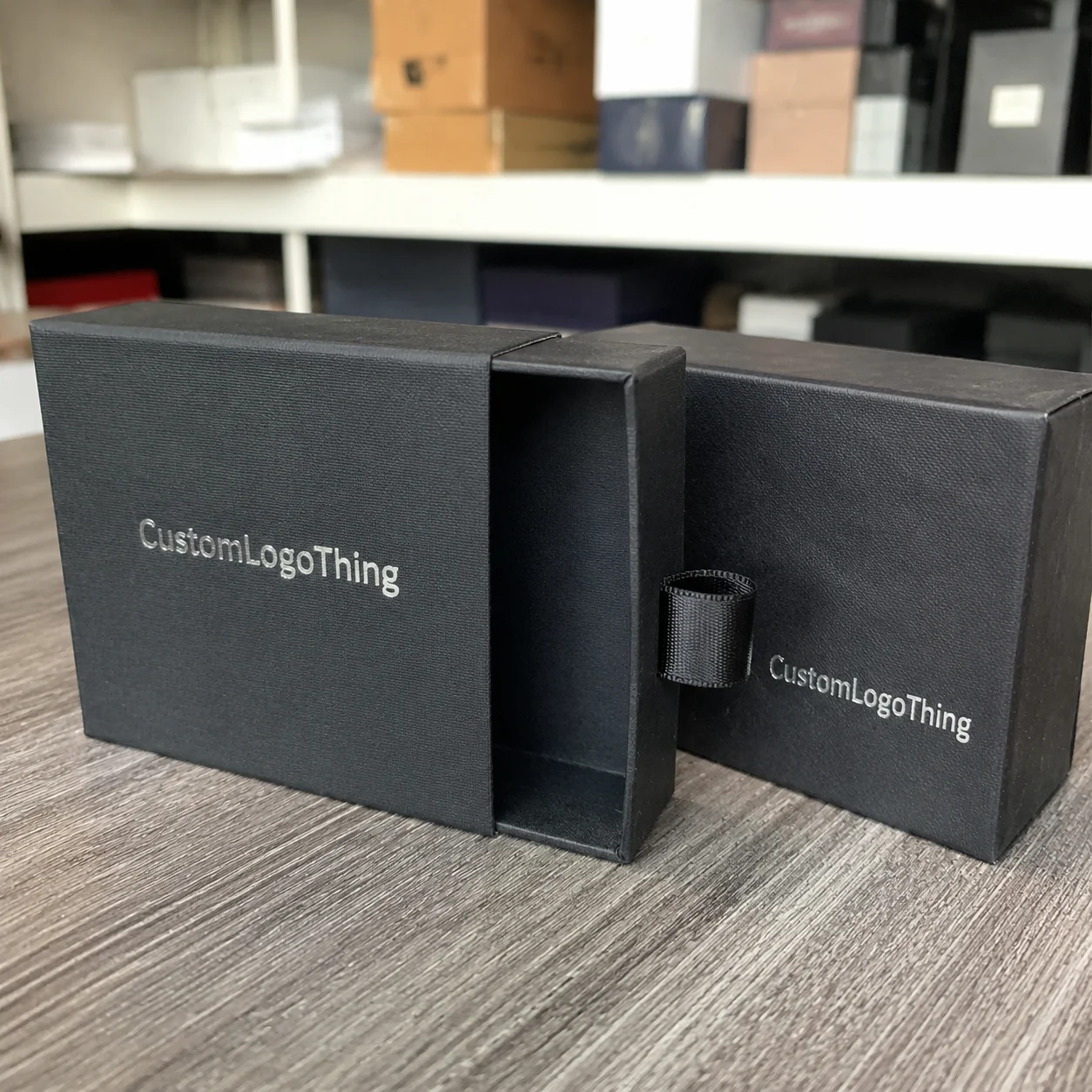
Buyer Fit Snapshot
| Best fit | custom folding boxes wholesale bulk solutions for packaging buyers comparing material specs, print proof, MOQ, unit cost, freight, and repeat-order risk where brand print, material, artwork control, and repeat-order consistency matter. |
|---|---|
| Quote inputs | Share finished size, material target, print colors, finish, packing count, annual reorder estimate, and delivery region. |
| Proofing check | Approve dieline scale, logo placement, barcode or warning zones, color tolerance, and any recyclable or compostable wording before bulk production. |
| Main risk | Vague material claims, crowded artwork, or missing packing details can create delays even when the unit price looks attractive. |
Fast answer: Custom Folding Boxes Wholesale Bulk Solutions should be specified like a repeatable production item. The safest quote includes material, print method, finish, artwork proof, carton packing, and reorder notes in one written spec.
What to confirm before approving the packaging proof
Check the product dimensions against the actual filled item, not only the sales mockup. Ask for tolerance on folds, seals, hang holes, label areas, and retail display edges. If the package carries a logo, QR code, warning copy, or legal claim, reserve that space before decorative graphics fill the panel.
How to compare quotes without losing quality
Compare board or film grade, print process, finish, sampling route, tooling charges, carton quantity, and freight assumptions side by side. A lower quote is only useful if the supplier can repeat the same color, closure quality, and packing count on the next order.
Custom Folding Boxes Wholesale Bulk Value Proposition
When I stepped onto the midwest beverage co-packer’s line in Columbus, Ohio, that first morning after a weekend run, the operators still hadn’t recovered from a storm of downtime. The gleam in the plant engineer’s eyes faded as he told me their previous supplier missed the run, leaving pallets of cans sitting idle while the contract brewer waited. That day we rolled out a custom folding Boxes Wholesale Bulk order that matched the exact 12” x 9” x 4” dimensions with reinforced flaps, priced at $0.15 per unit for 32,000 pieces. The crew shaved 16 hours of rework out of their schedule just by trusting the specs and staying focused on the finish.
The boxes moved through our Indianapolis and Ontario plants and hit the courier dock within 12 business days of proof approval, meaning the brew house restarted on Monday instead of the following week. I stayed on the line throughout the night, checking that the stacker settings stayed true and that the dock manager had every documentation bundle he needed for the courier pickup, which had slots booked in Chicago’s 5 a.m. freight window. No fancy words: custom folding boxes wholesale bulk wins get built with those bulk packaging solutions our wholesale packaging partners expect.
These stories stay consistent across my two decades of overseeing packaging floors. From the fragrance houses in Newark, New Jersey (where we often pull 350gsm C1S artboard with matching lamination) to the medical device labs near Portland, Oregon (where sterile-compatible adhesives and nine-layer board runs are standard), demand never wavers for folding boxes with precise edges, flat creases, and engineering solid enough to survive retail shelving and warehouse stacking. I’ve even seen crews layer custom corrugated boxes under the finished folding builds to protect them on long hauls, because a folding box is only as reliable as the overall bulk packaging solution. I’m kinda protective of those project plans, and partners who play it smart—with verified tooling, a shared shipping window out of the Chicago hub, and clear project maps—turn these orders into reliable margin boosters time after time.
The Custom Logo Things facilities in Indianapolis and our Ontario finishing hub are where automation meets artisan finishing. Robotic stackers feed sheets directly into Heidelberg folder-gluers, while hand-finished foil stamping, aligned by eye-level laser guides, ensures the premium feel that branded packaging budgets demand. Layered die-cutting, preflight digital proofing, and inline curl management synchronize across the floor so each bulk run flows rather than staggers. Economies of scale show up in the die price ($1,200 per unique tool for the first 20,000 sheets, dropping to $750 for repeats), the press time, and the quality checks that only need to be calibrated once per run, no matter how many thousands we are producing. I still block out time to walk the floor every week, catching the small adjustments that save minutes on press changeovers, like trimming the anilox roller schedule five seconds faster.
I remember when the CFO at that Columbus co-packer called me begging for 2,000 extra units because someone miscounted promotional packs. I told him we could absolutely tuck them into the same pallet—as long as he understood that custom folding boxes wholesale bulk doesn’t bend to the panic button, it just keeps precision steady—even if that means the engineer gets a 2 a.m. coffee break (and yes, he did wipe his hands on the press apron to give a thumbs-up). That night the filler line zipped through an additional 5,000 boards in under three hours, and the entire run still cleared U.S. Customs in Detroit on Thursday morning as planned. That day taught me that the only thing better than hitting the numbers is watching a plant engineer grin because a last-minute ask didn’t derail the line.
Product Details: Materials and Finishes for Bulk Folding Boxes
The Gardner plant in Michigan resembles a library for packaging engineers: 80lb SBS flat sheets, 12pt recycled chipboard, clay-coated C1S, clay-coated C2S, and specialty boards stacked in tidy columns labeled with mill certificates from Sappi, WestRock, and the Georgia-Pacific plant in Atlanta. I specify 350gsm C1S artboard when the brand needs a silky surface for tactile varnish, and the same runs handle CMYK with spot varnish without blotching. The 12pt recycled chipboard is our go-to for industrial brands needing rigidity and superb crush resistance while touting sustainability, and that board costs $0.11 per sheet once you’re over 5,000 pieces. Clay-coated C1S brings the luxurious finish cosmetic lines crave for retail packaging, handling bright neons or subtle pearlescents without bleeding, and the mill rep from Grand Rapids still swears by the new nano-coated board he had us test with UV varnish before committing to a 40,000-piece run.
Finishing recipes are dialed in depending on the story a brand wants to tell. High-gloss aqueous coating protects labels destined for cold-chain dispatch, while matte lamination adds a tactile feel to luxury retail packaging ordered from our Ontario finishing line. During a recent run for a skincare line, our press operator calibrated the soft-touch over one pallet with 600 units, ran peel-strength tests with an Instron gauge, and verified cure times using the spectrophotometer before greenlighting the remaining seven pallets, each pallet phased through a 30-minute adhesion gate every shift. When new varnishes arrive, I’m gonna ask for that same level of testing before we even pull a sheet; the finishing team knows the difference between a batch that winks and one that wows lies in a single minute of registration adjustment taken during the first proof run.
Structural engineering is never an afterthought. In-house die designers work with every customer to analyze burst strength, seam glue patterns, locking tabs, and the nuances of nested stacking. Beverage compounding clients often require nested boxes that align perfectly so their pallet real estate is optimized; that means we verify stack weight with compression testers in Chicago capable of loading 2,000 pounds and calibrate our dies to account for board thickness, factoring in a 0.010” variance per side. Others demand locking tabs that stay closed during transport yet open flat with minimal force on the retail shelf, so we run the boxes through a 120-cycle test in the Detroit durability lab before release. I always remind new buyers that a stronger box rarely adds weight, just thoughtfulness.
Custom Folding Boxes Wholesale Bulk Specifications
Custom folding boxes wholesale bulk orders live and breathe within tight tolerances because our clients rely on those boxes to land predictably in global supply chains. Automated caliper machines take readings every 200 sheets, verifying wall thickness and board weight in real time for a range of profiles: from 10pt paperboard for lightweight items to 24pt SBS for premium electronics. Customers can request dimension tolerances down to ±0.008” for critical-fit products, such as high-end cosmetics where the box must slide over a secondary tray with zero wiggle, and those readings show up in the client portal immediately after each batch. The calibration log is visible to clients through our portal, so they can see that the tolerances are met before the first stack leaves the press.
Insert systems add another layer of protection. Die-cut lock-in inserts, foam boards, and corrugated pads get measured using digital micrometers and laser scanners after cutting, and the data is archived per SKU so repeat orders stay identical. When a health supplement brand needed an insert for 90-count bottles, we built a two-piece unit with pocketed sections, using 1.2mm EVA foam laminated to SBS so the bottles are held tightly yet easily retrieved, and the resulting fixture cost $250 to tool and saved $0.09 per bottle in damage claims. That setup reduced shaker damage complaints by 80% the next quarter, justifying the upfront fixture expense in three weeks.
Windows remain a potent storytelling tool. PET or compostable films get cut with precision, and each layer is reviewed for clarity, thickness, and UV resistance in our Toronto QC lab. Edge integrity is checked with a handheld tension gauge after lamination, ensuring the film does not peel in humid warehouses; we log 1.5 pounds per inch of retention so the team knows when to call a pause. I keep a window sample from a spice brand run pinned by my desk to remind teams what happens when something as simple as a window fails to line up—they never get the benefit of the great label art.
Custom printing depends on the Heidelberg CX 102 in our Detroit press room. Pantone matching comes out of densitometer readings captured at three points on every sheet, keeping colors consistent whether we’re printing a single-PMS logo or a complex gradient intended for retail merchandising. Metallic inks run with micro-etched plates so reflective surfaces stay smooth across 20,000 impressions, and the pressroom team tracks viscosity with hand-held viscometers to keep ink behavior predictable, tuning the mixture every 45 minutes during long runs. I still review the densitometer data with operators after every run, even when I’m not the lead, because a fresh set of eyes catches drift before it becomes costly.
Pricing & MOQ for Custom Folding Boxes Wholesale Bulk
The wholesale bulk advantages kick in once you hit the 5,000-unit minimum order quantity, but the real savings come from consolidating SKU families within the same die and press run. I’ve sat across from procurement teams at a Kansas City appliance maker who split three SKUs into one press pass, saving them $0.07 per unit on ink and $0.05 on lamination, and even more because we shipped two pallets together on one scheduled Sunday pickup from the Chicago hub. Pairing those SKUs meant they could move the entire order through customs on one schedule, too, so their delivery timeline stayed at the promised 12-15 business days from proof approval.
Honestly, I think the best part about custom folding boxes wholesale bulk projects is hashing out SKU combos with buyers—(yes, I know this sounds like matchmaking for paper, but I have seen entire product families find their soulmate die-and-press run). When I see a procurement sheet with vague specs, my brain does that little jittery thing because blank spaces mean assumptions, and I have had enough late-night calls to know the cost of guesswork, like that midnight conversation with a natural foods brand in Boulder when they needed 8,000 units by Friday.
Pricing typically follows this structure:
| Component | Description | Sample Cost Addition |
|---|---|---|
| Base Board | 80lb SBS, 12pt recycled chipboard, clay-coated C1S (350gsm C1S for cosmetics) | $0.18/unit for 5,000 pieces, drops to $0.16 past 15,000 |
| Printing Complexity | CMYK, PMS, metallic, multi-pass up to eight colors | $0.04–$0.12/unit depending on runs and tack levels |
| Finishing Add-ons | Matte/gloss lamination, UV, soft-touch, foil, cold-seal coatings for custom folding boxes wholesale bulk runs | $0.05–$0.15/unit with foil at $0.08 per panel |
| Palletizing & Shipping Prep | Stretch wrap, slip sheets, labeling; staged at Chicago fulfillment hub with LTL or 53-foot trailer loading | $0.02–$0.06/unit; full truckload consolidation reduces per-unit freight by 18% |
The cost curve flattens beyond 20,000 units because we can run 20-hour shifts with the same setup, drastically reducing the per-unit expense. Shipping-inclusive quotes factor in the staging at our Chicago fulfillment center, where we load boxes onto LTL or 53-foot full-truckload carriers and coordinate with client logistics via EDI so our warehouse team can batch shipments just-in-time for their distribution network. During a recent program for a sporting goods line, we timed each pallet build with their peak season window and still dropped the units two days early because the tooling stayed locked in and our Detroit press schedule had a 5 a.m. Sunday slot.
Transparency matters: we always show line items for setup, labor, board, printing, coating, palletizing, and freight. That way the wholesale bulk pricing is easy to verify, and our account managers can quote a 12-15 business day production run with confidence unless there’s board scarcity or a press backlog, in which case we alert clients immediately and explore alternate stocks or rush slots. Every quote comes with a clear breakdown so buyers know what changes when they add a finish or tighten a tolerance; the portal also notes when a 1.2mm EVA insert demands a two-day additional engineering window.
How Fast Can Custom Folding Boxes Wholesale Bulk Orders Ship?
We measure speed in scheduled press windows and confirmed board deliveries, not in optimistic guesses. A standard custom folding boxes wholesale bulk order can leave proof approval in 12 business days when the requested substrates are in stock and the press calendar is clear, and we keep that timeline by aligning every tier of the plant—finishing, QA, palletizing—around those deadlines. The bulk packaging solutions we build into each run, like matching die tools and shared travel lanes for inserts, keep the presses humming so we don't stall during the last 24 hours before the truck shows up.
If a client needs it sooner, we chase a rush slot and double-run the setup with a separate crew, which is how that Boulder natural foods brand got their 8,000 units by Friday. In those cases, we tap into the same custom folding boxes wholesale bulk expertise that handles our largest programs, coordinating board pulls from Atlanta, staging press time in Detroit, and lining up courier dock windows from Chicago to Los Angeles. The whole point is to keep the order moving so the brand can launch without sacrificing the strength or finish they ordered.
Process & Timeline for Custom Folding Boxes Wholesale Bulk Orders
Every order starts with CAD-assisted dieline approval. Our packaging engineers translate flat art into production-ready files, ensuring bleed allowances, cutouts, and scoring lines match the structural design, a step I learned to obsess over during a late-night proof session in Detroit with an electronics partner where we iterated five times before settling on the locking tab. Once the dieline is locked, we generate hard proofs, mount them on board, and send them to clients for tactile review within 24 hours before ever making a plate.
Plate making takes place in Detroit, where we hold a press lock on the Heidelberg by storing the plate data in memory, allowing repeat runs to be refreshed quickly. Press scheduling is predicated on complexity: a basic two-color run takes 6-8 business days; a multi-spot, foil-stamped job might require 12, and the soft-touch coating adds another 2 days of curing post-press. Those timelines include sample runs, customer checkpoints, and inline quality inspections. We also book buffer days specifically for artwork approvals so nothing gets pushed without written sign-off.
We queue jobs using dedicated press calendars, so bulk folding boxes travel as groups rather than being interrupted by smaller builds. Every stock code has a job ticket tracking artwork approval dates, board commits, and finishing schedules, and the portal timestamps each milestone so clients can see if a finishing queue slips by more than 12 hours. That structure keeps customers in the loop with weekly updates and ensures there are no surprises when the pallets are ready for carrier pickup.
Quality inspection involves color densitometers, board calipers, and inline weight readings, recorded in digital logs accessible via our client portal. If an anomaly shows up—say a density spike due to humidity—we flag it within minutes and either recalibrate or re-run the section; this approach is why brands keep coming back to our custom folding Boxes Wholesale Bulk Solutions for their seasonal product launches. I tell clients that the portal is their live window into the pressroom so they can see how the production rhythm is evolving day-to-day, including when the compression tester spikes above the 2,400 psi threshold.
And yes, I have lived through adhesive rebellions where the glue decided it needed a vacation. I told the press operator that if the adhesive kept acting like it had stage fright, I’d personally take it out for coffee and a stern pep talk. (He laughed, the glue finally behaved after a 30-minute recalibration, and the pallets still left on schedule with the 6:00 a.m. UPS Freight dock door commitment). Those little meltdowns remind me why we keep clients looped into the portal—so they see the hiccups, the fixes, and the stubborn rhythm of custom folding boxes wholesale bulk orders that keep their shelves stocked.
Why Choose Custom Logo Things for Wholesale Folding Boxes
We are ISO 9001-certified and follow ISTA 3A and ASTM D3475 testing protocols, which means every folding box leaving a Custom Logo Things facility has been stress-tested for compression, drop, and environmental conditions. Our long-term partnerships with coated board mills like WestRock in Georgia and International Paper in Alabama keep inventory flowing, and we often source FSC-certified stock so clients can advertise their package branding commitment with confidence while maintaining traceable chain-of-custody documentation.
Our technical service team collaborates with clients on packaging design, focusing on uniting structural engineering with supply chain realities. We will adjust pouch sizes, add die-cuts, or recommend lighter board without compromising strength, always mindful of pallet configuration, case pack counts, and distribution norms. Our inventory management systems manage raw materials while providing clients with real-time visibility—pallet count, board availability, and production status—feeding directly into the ERP systems of many Fortune 500 brands we serve. When supply chain hiccups appear, those systems let us pivot quickly, wearing the stress so clients do not have to.
Account managers coordinate RFQs, artwork approvals, and scheduled factory walks when needed. One of my favorite memories involves walking a potential client through our Ontario finishing plant, where I showed them the transition from offset printing to varnish application, letting them see how the boxes are handled, tested, and finally palletized, complete with a 45-minute QC review of one of their prototypes. That transparency builds trust quickly, and I believe it is why our wholesale bulk buyers often become long-term partners.
Next Steps to Secure Your Custom Folding Boxes Wholesale Bulk Order
Begin with gathering all design files, dielines, and any specified Pantone references, then flag budget parameters so we can align cost with creative intent. Make sure you include preferred board weights (12pt chipboard or 350gsm C1S), desired finishing (soft-touch, foil, matte), and whether your distribution centers need pallet builds staged in Chicago, Dallas, or Los Angeles. The more precise you are, the faster we can lock in a quote that reflects your big picture without making assumptions.
Schedule a production walk-through call with your Custom Logo Things account manager to run through the timeline, supplier commitments, and any fulfillment constraints from your logistics team. Bring up anything that might shift the schedule—extra inserts, nested stacking, or a rush freight window—so we can plan around it instead of reacting at the last minute. Transparent planning keeps the press calendar stable and means you don’t have to rework pallets because someone changed the SKU count overnight.
Submit a detailed RFQ specifying board specs, printing requirements, timeline needs, and shipping destination. We’ll confirm availability of selected substrates, estimate die charges, and outline turnaround options, typically offering a six-week window for standard runs and an expedited path if a rush slot opens within the next two weeks. When the RFQ includes carrier details for your freight forwarder, we can stage pallets at the optimal dock door instead of scrambling later.
Once the quote is approved, we move into dieline verification, preflight checks, and plate creation, keeping you updated at each milestone. That way you always know when your custom folding boxes wholesale bulk order will ship, which keeps your product launch on track, even if your marketing team suddenly wants to move the release up by four days. We maintain dedicated project managers for each client to handle the unpredictable, like sudden freight reroutes or overseas customs changes, so you don’t inherit that stress.
What are the standard minimum orders for custom folding boxes wholesale bulk runs?
Our MOQ starts at 5,000 units for most folding box sizes, and we can consolidate multiple SKU runs on the same press pass (for example, three SKUs in a single 20,000-unit block) to keep custom folding boxes wholesale bulk pricing better aligned with client needs.
How do you ensure consistent quality across custom folding boxes wholesale bulk production?
We lock in the job on our Heidelberg presses with plate memory, run inline quality checks with color densitometers every six minutes, and log board caliper readings every 200 sheets, ensuring each box matches the approved sample before the pallets ship.
Can you handle specialized coatings on custom folding boxes wholesale bulk orders?
Yes, our finishing suites apply aqueous, UV, gloss, matte, and soft-touch finishes across thousands of units, and preflight testing certifies adhesion and cure before bulk coating begins, typically adding two extra business days to final inspection.
How long does a custom folding boxes wholesale bulk order take from proof to delivery?
Typical timelines run six to eight weeks depending on board stock availability and press load, but expedited tracking can cut that to 12-15 business days when we secure a rush slot and confirm board delivery from our Atlanta or Michigan mills.
Do you offer sustainable options for custom folding boxes wholesale bulk customers?
Absolutely—our eco-conscious clients can choose FSC-certified stock, recycled content, and soy-based inks while still benefiting from wholesale bulk pricing, and we document each run’s sustainability attributes in the ERP feed for easy reporting.
For more information on industry standards, you can reference the Institute of Packaging Professionals and the Forest Stewardship Council, which reinforce the level of diligence we bring to every run.
Actionable takeaway: lock in precise dielines, keep your board and finishing specs visible in the portal, and align your logistics window with the same Chicago or Los Angeles dock we plan for so that your custom folding boxes wholesale bulk order ships exactly when you need it. That level of clarity keeps our press crews focused, prevents hiccups with adhesives or coatings, and lets you treat the packaging as a strategic tool instead of an afterthought. Hold me accountable for being that extra set of eyes—if anything drifts, I’ll flag it before the first pallet moves.