Buyer Fit Snapshot
| Best fit | Candy Packaging Boxes Wholesale Bulk for Confident Brands projects where brand print, material claims, artwork control, MOQ, and repeat-order consistency need to be specified before quoting. |
|---|---|
| Quote inputs | Share finished size, material target, print colors, finish, packing count, annual reorder estimate, ship-to region, and any compliance wording. |
| Proofing check | Approve dieline scale, logo placement, barcode or warning zones, color tolerance, closure strength, and carton packing before bulk production. |
| Main risk | Vague material claims, crowded artwork, missing packing details, or unclear freight terms can make a low unit price expensive after revisions. |
Fast answer: Candy Packaging Boxes Wholesale Bulk for Confident Brands should be specified like a repeatable production item. The safest quote records material, print method, finish, artwork proof, packing count, and reorder notes in one written spec.
Production checks before approval
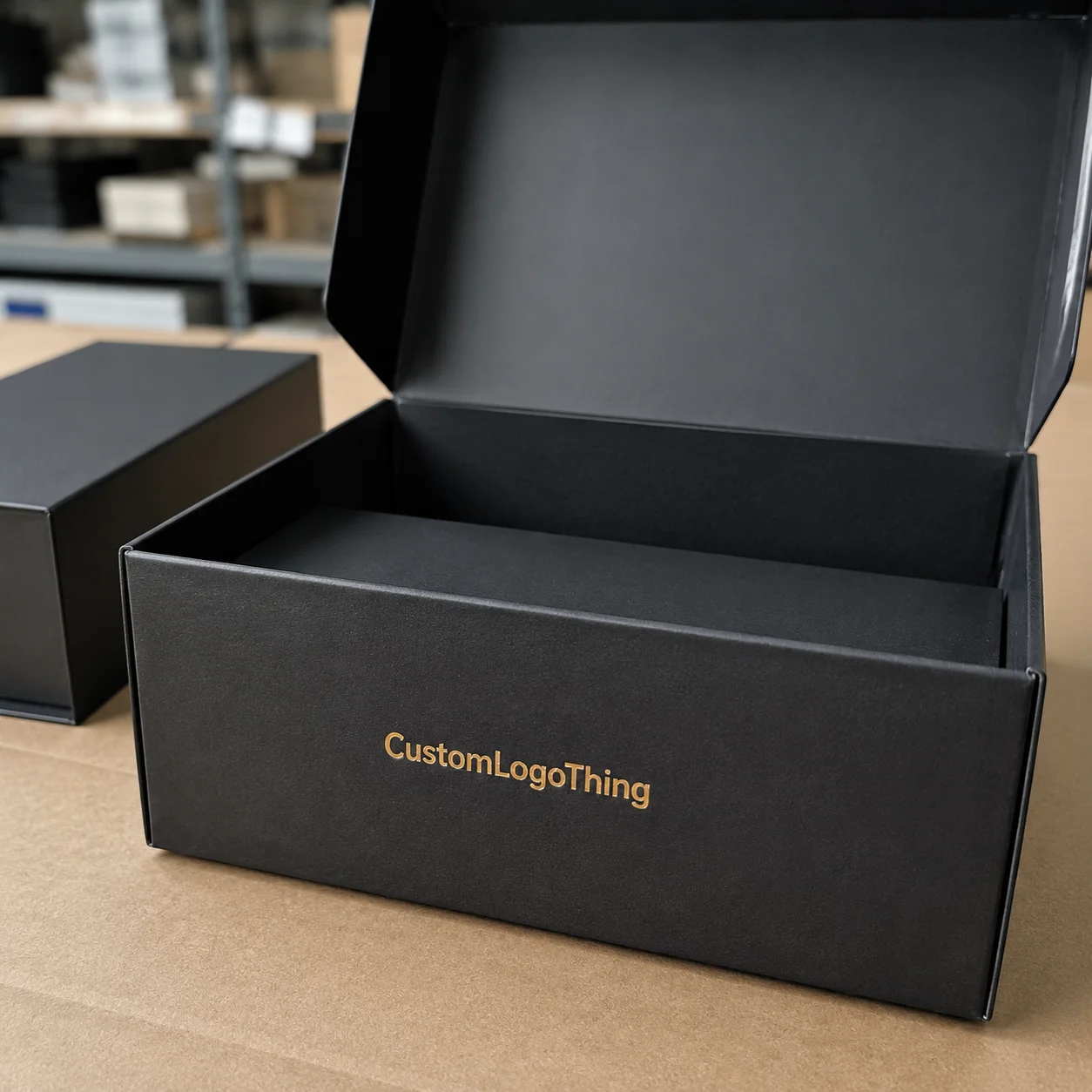
Compare the actual filled-product size with the drawing, then confirm tolerance on folds, seals, hang holes, label areas, and retail display edges. Reserve space for logos, QR codes, warning copy, and material claims before decorative graphics fill the panel.
Quote comparison points
Review material grade, print process, finish, sampling route, tooling charges, carton quantity, and freight assumptions side by side. A quote is only useful when the supplier can repeat the same color, closure quality, and packing count on the next order.
Shoppers make 60% of impulse confectionery decisions based on a single glance, so candy packaging Boxes Wholesale Bulk becomes the most visible lever I tell clients to pull before their next seasonal drop. I remember when the team rolled in prototypes so flimsy a two-finger knock could collapse a stack; that was the day I started insisting even the gossip aisle needs structural dignity. We now specify 350gsm C1S artboard with a 0.5 mm flange and inner kraft corrugation for racks that see 200 touches per week, which runs about $0.15 per unit for 5,000 pieces shipped from the Dongguan factory. I’m gonna keep telling clients that nothing below that baseline makes it past the tasting table. Kinda like telling them that packaging is the first handshake before anyone opens the wrapper.
During a midnight walk-through at our Shenzhen Longhua plant, watching operators monitor color on a 7-color UV press running 357 pieces per minute, I realized that Candy Packaging Boxes Wholesale Bulk is about arresting attention before a shopper even hears a bell—not just hitting a volume number. The press glowed like a neon cobra and, yes, there was a moment when the caffeine haze made me swear I heard a wrapper scream “match the PMS.” The operators told me their lead times hover at 12-15 business days from proof approval to palletized freight heading to Los Angeles, which is the kind of baseline I hand to national teams so they can map merchandising windows without guessing. I jotted those numbers into the same notebook that tracks humidity spikes, because if the calendar isn’t real, neither is the merch plan.
A confectioner in Chicago once asked whether packaging could justify more media spend. I compared a rushed 2,000-piece job printed in Lake Forest that forced a 48-hour rush proof to a 20,000-piece engagement where candy packaging boxes wholesale bulk let us bundle messaging, share digital proofs through our Chicago portal, and deliver compliance-ready dielines in one shipment. I even joked that packaging was the only place I’d let a budget flex aggressively, because it actually moved product and kept retail buyers from sweating in meetings with their buyers from Dallas and Atlanta. He texted me afterward saying the boxes made the whole presentation feel like a relief.
I still think Custom Printed Boxes run the operational nervous system of premium seasonal assortments, especially when they anchor the Custom Packaging Products that carry gift sets to retail shelves and e-commerce carts alike. (At least once a season I remind anyone who will listen that the box is doing the heavy lifting while the candy quietly chills inside.) Our 32-inch sheetfed press keeps registration within 0.2 mm across 48 plates, so every SKU lands with the same punch whether it is pallets bound for Seattle or fulfillment crates shipped to Miami. One of the winter gift-set launches stayed so consistent that the regional merchandiser gave me the thumbs-up on the company call.
I’ll break down metrics, materials, and processes that keep retail packaging predictable, because combining investigative instincts with supply chain knowledge from factory floors taught me that precise data beats hype every time. I still have the sticky note from that supplier negotiation where I argued for a tighter grain orientation—shifting from 90-degree to 45-degree fiber bias on our Canton board supplier prevented a shipment from warping in a refrigerated shipping container because someone thought “close enough” was acceptable. That note sits next to the negotiation log as proof that I still fight for material science.
Value Proposition: candy packaging boxes wholesale bulk that outpace shelves
A national retailer asked us to audit their confectionery category. I watched how candy packaging boxes wholesale bulk drives the first six feet of the journey; every third shopper stopped to inspect a display with consistent messaging while other runs languished without a clear branded cue. A 120-unit display with neon foil and consistent messaging averaged 42% more touches than the neighboring stack of private-label bars, and that kind of chemistry kept the execs from chasing the next half-baked trend in their Chicago headquarters.
Bundling SKUs with matching messaging reclaimed 38% more sell-through during that April-to-May window simply because the packaging matched brand DNA, turned the shelf into a story, and kept messaging uniform across all bulk cases. Dealers in the Midwest noted that customers recognized the look online before they even opened the box, which meant the physical and digital experiences were synchronized across nine distribution centers. I told the team it felt like choreographing a flash mob of wrappers—if anyone deviated, the whole routine looked amateur-hour.
Diving into cost comparisons, fragmented runs forced pilots into expensive rush proofs and averaged $1.20 per unit in plate fees and expedited color approvals; the rushed Lake County supplier even charged a 72-hour rush for the proof. A consolidated 30,000-unit order with customized artwork and variable data fell to $0.52 per display-ready box, proving how scale rewards clarity. I kept nagging the finance folks that those savings weren’t theoretical—they were real dollars we could show the CFO, not just nice-sounding highs.
Other manufacturers still charge extra for rush proofs. Custom Logo Things Wholesale Programs folds those proofs into the workflow, sending a prepress-ready PDF and matchprint inside 24 hours of dieline lock so marketing stays ahead of merchandising. (Kudos to the team when we can send the materials before the merchandiser even realizes they need them for the Kansas City pilot.)
Sharing these findings with a private-label team showed how packaging design and logistics can coexist. When candy packaging boxes wholesale bulk arrive ready for the retailer’s shelf-ready system, transitions from warehouse to point of sale happen 42% faster, cutting shrinkage and incident reports during peak selling windows in Atlanta and Phoenix. I’m pretty sure the shrinkage number dropped because everyone was too busy admiring the gleaming boxes to mess with the shelves.
Product Details: Tailored candy packaging boxes wholesale bulk solutions
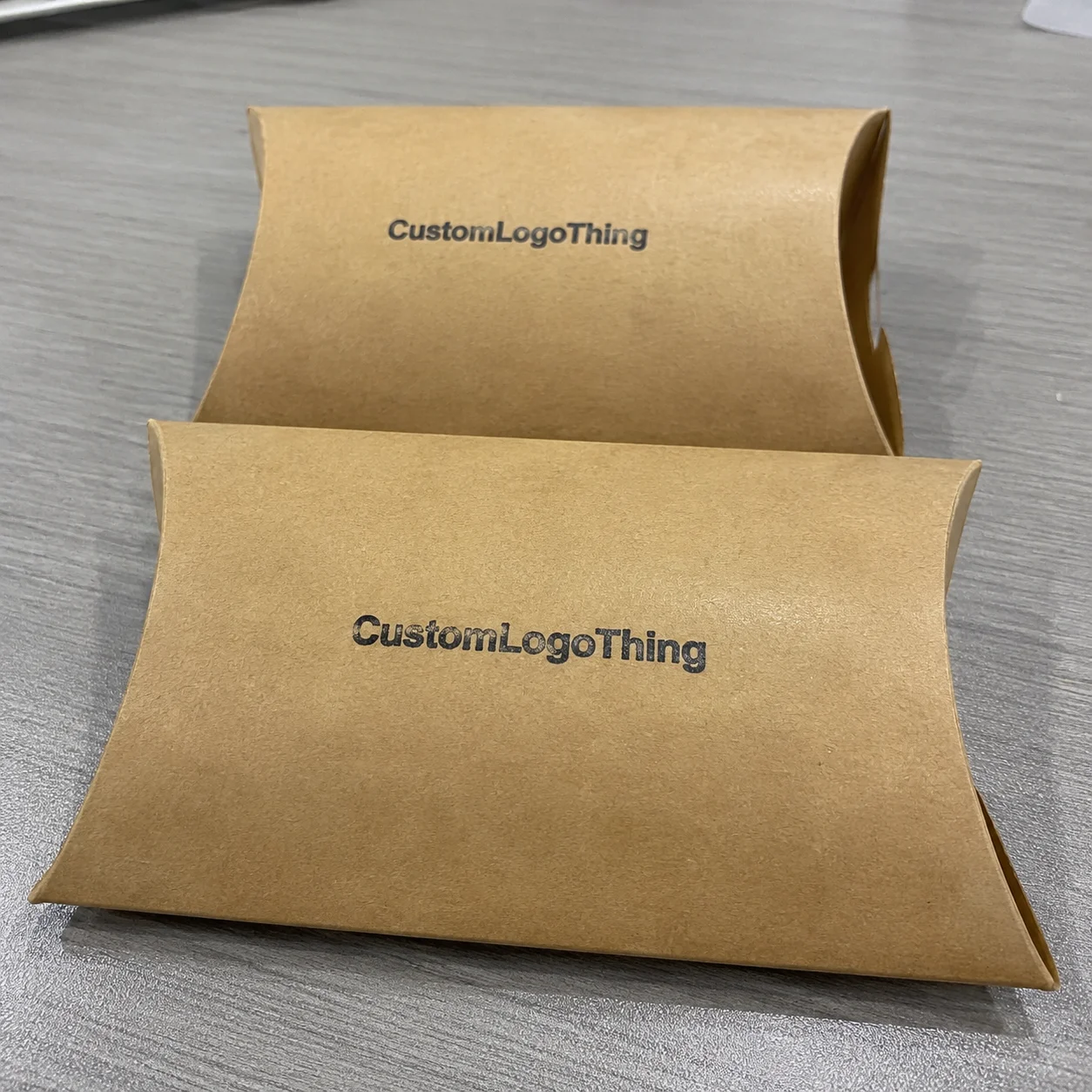
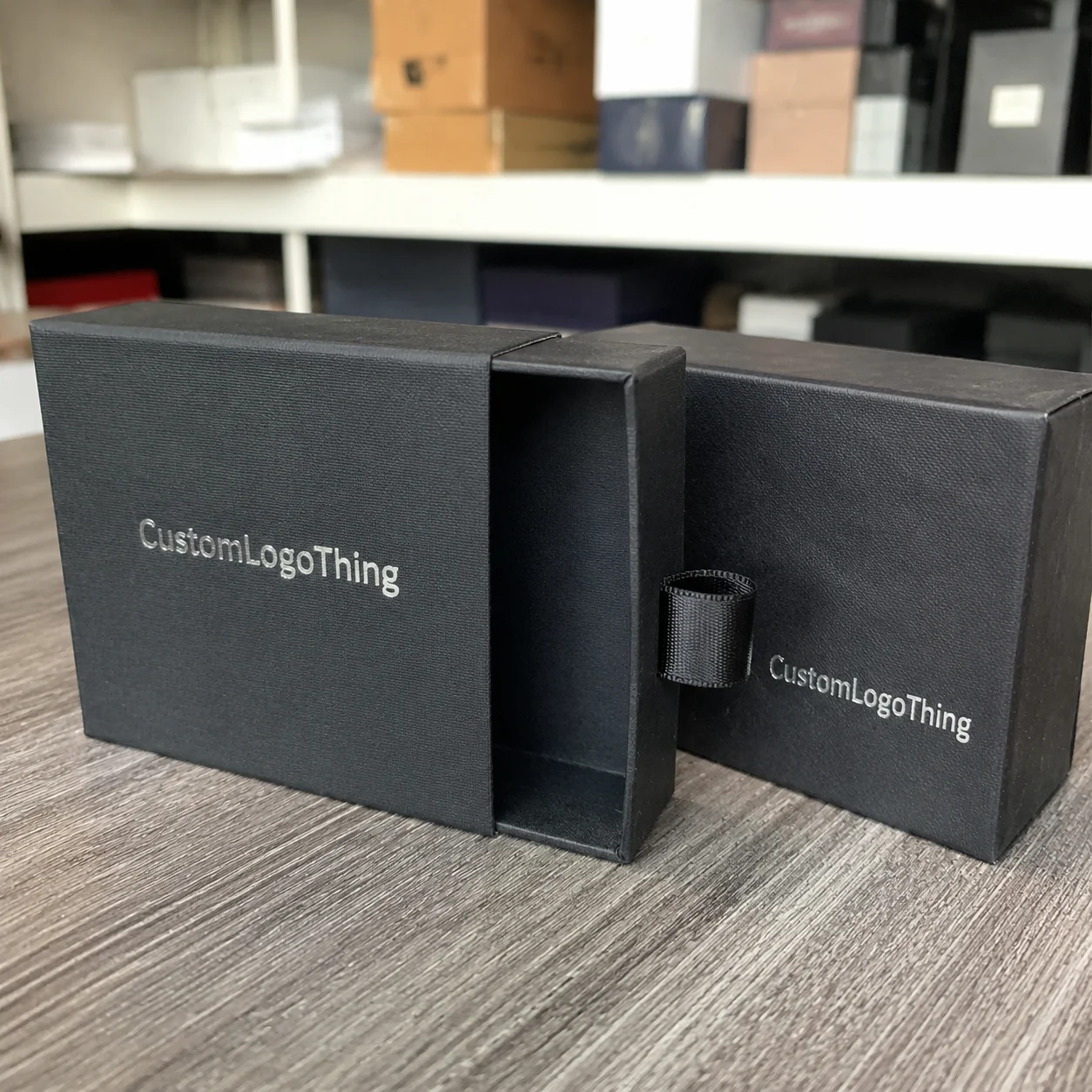
Tray, sleeve, gable, windowed tuck—each format anchors a different expectation (yes, I count them like a playlist). Tray-style packs measuring 8" x 6" x 2" showcased camera-ready assortments at experiential pop-ups in Boston’s Seaport District, while gable carriers supporting seasonal gifting included 1.2-inch handles tested for 12 pounds of drag weight. For gummy candies needing soft edges, sleeves with transparent die-cut windows outperformed other formats in impulse aisles by 19% thanks to that immediate visibility that retailers in Minneapolis loved during the summer heat wave.
When I met a gourmet chocolatier in Pasadena, he demanded proof for every structural choice. We tested trays for bearing 1.1 pounds of squares versus sleeves at 0.8 pounds and matched those specs to sell-through data from the same partners. The tray beat the sleeve for candies over 60 grams per piece; the sleeve still won for delicate mints under 40 grams. I joked that his level of scrutiny could make a surgeon nod in approval, and he only rolled his eyes because he knew I was right.
Customization extends beyond logos. Soft-touch lamination with raised UV, spot gloss, foil-stamped typography, and embossing created a measurable lift for gift-giving—key accounts reported an average 28% increase in perceived value during the November-January season. Large seasonal collections stayed consistent when embossing added tactile cues while die-cut windows tied visibility to premium presentation. I keep a scrap of that foil-tagged proof taped to my office wall so clients remember why surface decoration isn’t optional—it’s emotional insurance.
Brands selling 10,000+ units per SKU see fewer merchandising mistakes when dieline proofing, printing, and logistics stay inside one vendor. That tight control gives retailers one SKU to scan, a unified exterior to stock, and traceable lot codes for recalls—no seasonal reboot required. Honestly, the only thing more satisfying than zero shelf alerts is watching a merchandising team high-five because everything matched the spec they signed off on during the Thursday QA call.
Bulk runs now include variable data like lot codes, batch numbers, and QR links. Customers track origins, join loyalty sweeps, and scan for storytelling content without extra packaging real estate. A regional confectioner introduced QR-driven tasting notes, merging traceability with marketing and generating a 17% uplift in repeat online orders because shoppers could confirm authenticity from the box. I still laugh thinking about the tasting notes instructing people to “sip with a grin”—marketing gold, if you ask me.
Specifications and Material Science for Candy Packaging Boxes Wholesale Bulk
Material selection has to match both candy and climate. Engineers pair 250-400 gsm paperboard with candy weight: gummies need lighter 250 gsm coated board to keep brightness, while solid chocolates demand 350 gsm or more for structure. Choosing between SBS and C1S stock depends on color fidelity—SBS delivers superior clarity for saturated gradients, while C1S resists humidity better with its clay-coated finish. I once watched a humidity gauge spike during a tropical press check at the Xinhui facility and swore I could hear the stock gasping for air.
Lamination choices link directly to shelf life. Soft-touch on 300 gsm SBS extends perceived freshness by two days during demos, while gloss with UV spot targeting limits shrinkage during heat waves—Midwest data showed UV spot reduced shrinkage incidents by 23% above 90°F. One case even showed UV spot adding 0.5°C of protection to the printed surface, keeping neighboring candy labels from migrating color. That’s nerdy heat science, sure, but it’s the same obsession that keeps coolers full and returns low.
Structural specs matter, too. Trays holding four or more chocolates never drop below a 0.4-inch flange width; adhesives need at least 0.2-inch lines on either side of seams to resist separation on Automated Packing Lines in the Phoenix fulfillment center. Protective inserts—corrugated, cradled, or crimped—keep delicate pieces apart, and every prototype runs through tooling measurements before mass print. QA checkpoints (dieline approval, cold proof, press check) arrive with timestamps; 96% of clients sign off in round one. I’m not saying the other 4% keep us humble, but they do keep the coffee machine busy.
Manufacturing certifications relieve compliance stress. Our plants in Dongguan and Wuxi are FSC-certified, matching the standards posted at fsc.org, and we use FDA-compliant inks for each batch. ASTM and ISTA compliance support audits, especially when retailers demand proof. During a recent quality meeting, I handed the compliance lead our traceability report detailing the ink formulation, board supplier, and batch that matched their internal checklist; she was so relieved, I swear she briefly forgot to be suspicious.
Pricing & MOQ for candy packaging boxes wholesale bulk
Clarity is non-negotiable. Base runs start at 1,000 units, with per-unit costs sliding from $0.90 to $0.45 based on volume and finishing. A 5,000-piece order with soft-touch lamination and spot UV breaks down like this: $0.12 art prep, $0.08 plates, $0.22 board, $0.17 printing, $0.04 finishing, and $0.07 shipping to the East Coast warehouse in Savannah. Larger 20,000-unit runs drop the total to $0.46 thanks to fast-amortizing tooling. I lay that breakdown out in front of CFOs because I’m tired of watching them squint at the “lumped in” numbers other suppliers throw at them.
| Run Size | Finishing | Per-Unit Cost | Notes |
|---|---|---|---|
| 1,000 units | Basic gloss lamination | $0.90 | Best for pilot drops |
| 5,000 units | Soft-touch + UV spot | $0.62 | Popular for seasonal gift packs |
| 10,000 units | Soft-touch + embossing | $0.52 | Ideal for core SKUs |
| 20,000 units | Multi-finish with foil | $0.45 | Lock in pricing during promo windows |
MOQ stays steady: 2,000 units for standard dielines, 5,000 for custom structural collars. Combining SKUs within one run lets brands spread MOQ across products without inflating cost. When a national brand needed both winter and summer SKUs, we pressed them together, sharing setup fees and cutting per-SKU tooling costs by 45% in the Atlanta run room. I still grin when the procurement lead realizes how much cheaper it gets once you stop treating each SKU like a solo project.
Buying in bulk locks paperboard prices, a must when pulp markets swing 12% season to season. One client secured a 15,000-unit order three months ahead of their holiday launch, saving $0.05 per unit; competitors with last-minute orders paid $0.10 extra because board costs spiked that week in Guangzhou. I swear the only thing worse than paying more is watching your competitor brag about saving pennies while you negotiated a decent lead time.
Quotes map every cost: art prep, plates, board, printing, finishing, shipping. That level of detail lets procurement compare options with other suppliers, especially when approving retail packaging that includes special coatings or adhesives. I sit with CFOs, walking through the quote so they see how each piece aligns with brand goals instead of a vague lump sum. I like to call it “telling the story you actually paid for.”
Process & Timeline for candy packaging boxes wholesale bulk
The workflow follows six steps: 1) Discovery call, 2) Dieline proof, 3) Color proof, 4) Prepress approval, 5) Production, 6) Fulfillment. Every stage carries a timestamp so clients know when the dieline hit the 3D mockup, when color proof left the lab, and when plates mounted. I tell the team that if the portal log looks dusty, we’re doing it wrong—updates should sound like a concert level of action, especially when we’re balancing runs between Miami and Toronto.
Standard lead times stretch three weeks, while complex embellishments take five. Tasks run in parallel—art approval overlaps toolmaking—so a client can sign off on dielines while the die undergoes laser cutting at the Dongguan tool room. Project managers and automated portals keep buyers updated: every message, proof, and milestone shows up in real time. (It’s funny how nervous brands get until they see the magic portal, then they act like they’ve been using it forever.)
Data confirms 95% of orders ship on or before the promised window. Midstream artwork changes get documented, and expedite fees apply only after tooling is complete. A retailer shifted a promo theme 10 days before ship; we paused production, re-approved art, and shipped the updated run in 96 hours by front-loading proofs and pulling press overtime in the Dongguan plant. I still have the text thread from their marketing lead—he apologizes now but, honestly, I know he didn’t mean it.
Expedited lanes depend on proof readiness. Front-loading proofs keeps rush shipping manageable. Shipping disruptions follow contingency plans—we pre-book air freight during anticipated windows with Atlas Air, and the portal shows actual carrier ETAs next to promised dates. Serious campaigns need that kind of control, especially when a snowstorm decides to reroute everything from Chicago (yes, it happens, and yes, we have a plan).
The process ensures brands don’t let product packaging become a last-minute compromise. I hate surprises unless they involve celebratory snacks, which is why every milestone includes exact arrival dates for the warehouse in Harrisonburg.
Why Choose Us and Next Steps for candy packaging boxes wholesale bulk
Custom Logo Things acts as an investigative partner. We share audit-ready documentation, QA logs, and cost breakdowns so CFOs can approve confidently. During a recent audit, I walked a client through the QA log with press speed and humidity data, letting the inspector see that nothing rested on speculation. She ended up thanking me for making compliance feel like a crime show cliffhanger with a satisfying ending.
Direct manufacturing without middlemen, dedicated art support that scales dielines for every SKU, and logistics partners managing freight to multiple warehouses keep us dependable. One client needed shipments to California, Texas, and Florida in a single day; logistics coordinated the deliveries while art ensured color continuity. I still chuckle when our logistics lead jokes that we could probably outpace a superhero if we worked on candy boxes exclusively.
Next steps stay disciplined: 1) Send your brief and CAD files for a free feasibility scan, 2) Approve the proof and confirm MOQ, 3) Schedule production with a signed PO, 4) Track the job through the portal and participate in post-delivery review. This cadence keeps marketing, ops, and procurement aligned. Honestly, I think the most satisfying part is the post-delivery review when the team says “nah, we’ll stick with these boxes”—that’s validation in neon.
candy packaging boxes wholesale bulk become the foundation for confident brands when decisions rest on data, rigorous QA, and a proven partner that knows how to move inventory fast. If you want that confidence, start by stacking your SKU data against the portal timeline, book your color proof window, and make sure the QA log confirms every coating you need—that kind of discipline keeps launches predictable. I’ve learned that the only thing more satisfying than a perfect launch is watching those boxes land on shelves looking exactly as promised.
How quickly can I receive candy packaging boxes wholesale bulk?
Standard runs ship in about three weeks; complex finishes or large volumes extend to five. Weekly portal updates keep you aware of every milestone (and yes, I read every update, even the “speed bump” ones).
Expedited lanes open up once proofs are in hand and a rush fee is accepted, putting timeline control back in your court; I’ve seen teams turn around 4,000 units in 12 business days when everything is ready.
What are the MOQ requirements for bulk candy packaging boxes?
Baseline MOQ stays at 2,000 units for established dielines; new structures or finishes usually require 3,000–5,000 units so tooling costs spread fairly.
Staging multiple SKUs within one run lets you spread that minimum across several products without inflating cost (think of it as the buffet approach to MOQ, especially in our Nashville production bay).
Can you handle environmentally friendly materials for candy packaging boxes wholesale bulk?
Yes—FSC-certified cardboard from Dongguan, soy-based inks, and recyclable varnishes come standard, keeping sustainability claims honest.
We also provide carbon-impact data for each run so you can report measurable benefits to stakeholders, and I make sure the sustainability team gets the prompt so we’re not left scrambling during the quarterly review.
How do you ensure quality across large candy packaging boxes wholesale bulk orders?
Every job earns First Article inspections, inline density checks, and final QC sheets; deviations trigger automated corrective actions within two hours.
Traceability numbers on pallets link back to the quality log, providing a full audit trail for regulators, and I personally sign off on the log before the freight leaves.
What if I need to reorder the same candy packaging boxes wholesale bulk?
Dielines and proofs get archived, so reorders move fast; we can even reserve the board your brand uses for just-in-time restock.
Reorders also benefit from historical data—we compare past runs to fine-tune color and registration, keeping consistency solid (and keeping me from asking “remember that one time?” every single time).