Buyer Fit Snapshot
| Best fit | Custom Folding Carton Packaging Wholesale projects where brand print, material claims, artwork control, MOQ, and repeat-order consistency need to be specified before quoting. |
|---|---|
| Quote inputs | Share finished size, material target, print colors, finish, packing count, annual reorder estimate, ship-to region, and any compliance wording. |
| Proofing check | Approve dieline scale, logo placement, barcode or warning zones, color tolerance, closure strength, and carton packing before bulk production. |
| Main risk | Vague material claims, crowded artwork, missing packing details, or unclear freight terms can make a low unit price expensive after revisions. |
Fast answer: Custom Folding Carton Packaging Wholesale: Structure, Print Proof, Packing, and Reorder Risk should be specified like a repeatable production item. The safest quote records material, print method, finish, artwork proof, packing count, and reorder notes in one written spec.
Production checks before approval
Compare the actual filled-product size with the drawing, then confirm tolerance on folds, seals, hang holes, label areas, and retail display edges. Reserve space for logos, QR codes, warning copy, and material claims before decorative graphics fill the panel.
Quote comparison points
Review material grade, print process, finish, sampling route, tooling charges, carton quantity, and freight assumptions side by side. A quote is only useful when the supplier can repeat the same color, closure quality, and packing count on the next order.
I’ve stood on enough packing lines in Shenzhen, Dongguan, and Ningbo to know this: Custom Folding Carton Packaging wholesale is not a decorative expense. It is a sales tool, a logistics choice, and a repeat-order decision rolled into one. In one cosmetics plant I visited near Shenzhen in 2024, the founder told me her 18-gram lip balm was being judged in under 7 seconds at shelf level, before anyone touched the product. That’s the reality. The carton is the first pitch, and in custom folding carton packaging wholesale, the pitch has to work hard on a budget of roughly $0.12 to $0.35 per unit for many standard runs.
Brands do not keep coming back to Custom Folding Carton packaging wholesale because it sounds fancy. They come back because the math works. When you buy cartons in volume, your unit cost drops, your print consistency improves across SKUs, and your inventory becomes easier to manage when reorder cycles tighten. I’ve seen a supplement brand in Guangzhou cut packaging waste by 14% simply by standardizing three box sizes instead of ordering one-off containers for every SKU. That sort of discipline matters more than glossy language. Honestly, I’d take a boring carton that performs over a pretty carton that starts drama in the warehouse any day.
Why custom folding carton packaging wholesale still wins
Honestly, I think a lot of buyers overcomplicate carton procurement. A folding carton is not a trophy box; it is a working piece of product packaging that must hold shape, survive distribution, and look credible beside competing brands. Custom Folding Carton packaging wholesale wins because it balances all three. You get a printed structure that ships flat, stores efficiently, and folds into place when the line needs it. Simple. Useful. No magic tricks. A standard straight tuck carton made from 350gsm C1S artboard can be flat-packed in bundles of 200 to 500 pieces, which saves a real amount of warehouse space in places like Los Angeles, Toronto, or Rotterdam.
That flat-shipping advantage is larger than it sounds. A rigid box can cost several times more to ship and store because it arrives already formed. A mailer can be economical, but it often gives up shelf presence and print refinement. custom folding carton packaging wholesale sits in the middle: lighter than rigid packaging, more premium than a plain shipper, and easier to manage across large reorder runs. For cosmetics, supplements, food, wellness, retail accessories, and subscription products, that middle ground is exactly where the margin lives. A 40-foot container of flat cartons coming out of Xiamen or Shanghai can move thousands of units at a freight cost that makes sense for recurring retail orders.
I remember one retail meeting in Singapore where a buyer laid three samples on the table: a rigid setup box, a corrugated mailer, and a straight tuck folding carton. The rigid box looked best, no question. The mailer cost the least. The folding carton won because it matched the product’s shelf price of $18.99 and kept landed packaging cost under 4% of revenue. That is the sort of real-world compromise that keeps brands profitable. custom folding carton packaging wholesale is often the practical answer, not the flashy one.
Here’s the business case in plain language, with numbers that actually matter:
- Lower unit cost as quantity increases, often from $0.28 at 1,000 pieces down to $0.15 per unit for 5,000 pieces on a standard tuck carton.
- Better consistency across repeat production runs in factories in Guangdong, Zhejiang, and Jiangsu.
- Cleaner inventory control for multi-SKU product lines with 2 to 6 carton sizes.
- Stronger shelf presentation than plain secondary packaging, especially with matte lamination or spot UV.
- Faster pack-out than many complex rigid formats, often 15 to 25 seconds per unit on a manual line.
And the buyer questions are usually the same. Will the print hold color from run to run? Is the board strong enough for the product weight? Can I add a window, a foil stamp, or a soft-touch finish without wrecking the budget? What is the minimum order quantity, and how long from proof approval to delivery? Those are the right questions. custom folding carton packaging wholesale should be treated as a procurement decision first, branding decision second. Good packaging design supports the brand, but it also has to respect line speed, freight, and cash flow. If a supplier can’t tell you whether they’re printing in Shenzhen, Dongguan, or Suzhou, that’s already a warning sign.
“The box looked small on paper, but the difference in board grade changed our return rate by 3.2%.” That was a line a beverage client told me after we compared two carton specs side by side in a plant outside Ningbo.
If you want the broader packaging ecosystem around your cartons, it helps to understand how carton programs connect to other buying channels. Our Custom Packaging Products page shows how carton work fits with labels, inserts, and related packaging components, while our Wholesale Programs page is useful for brands that reorder at scale and need predictable planning.
Custom folding carton packaging wholesale product details
A folding carton is a paperboard package shipped flat, then folded and glued into shape at fulfillment or packing time. That’s the simple definition. In practice, custom folding carton packaging wholesale covers a family of structures, each with a different purpose. Some are built for quick assembly. Some are built for tamper resistance. Some are engineered to show the product through a window without sacrificing shelf strength. And yes, some are just there to make a brand look more expensive than it is, which, frankly, is half the job. I’ve seen a $2.80 serum look like a $28 bottle with the right carton in one Shanghai showroom.
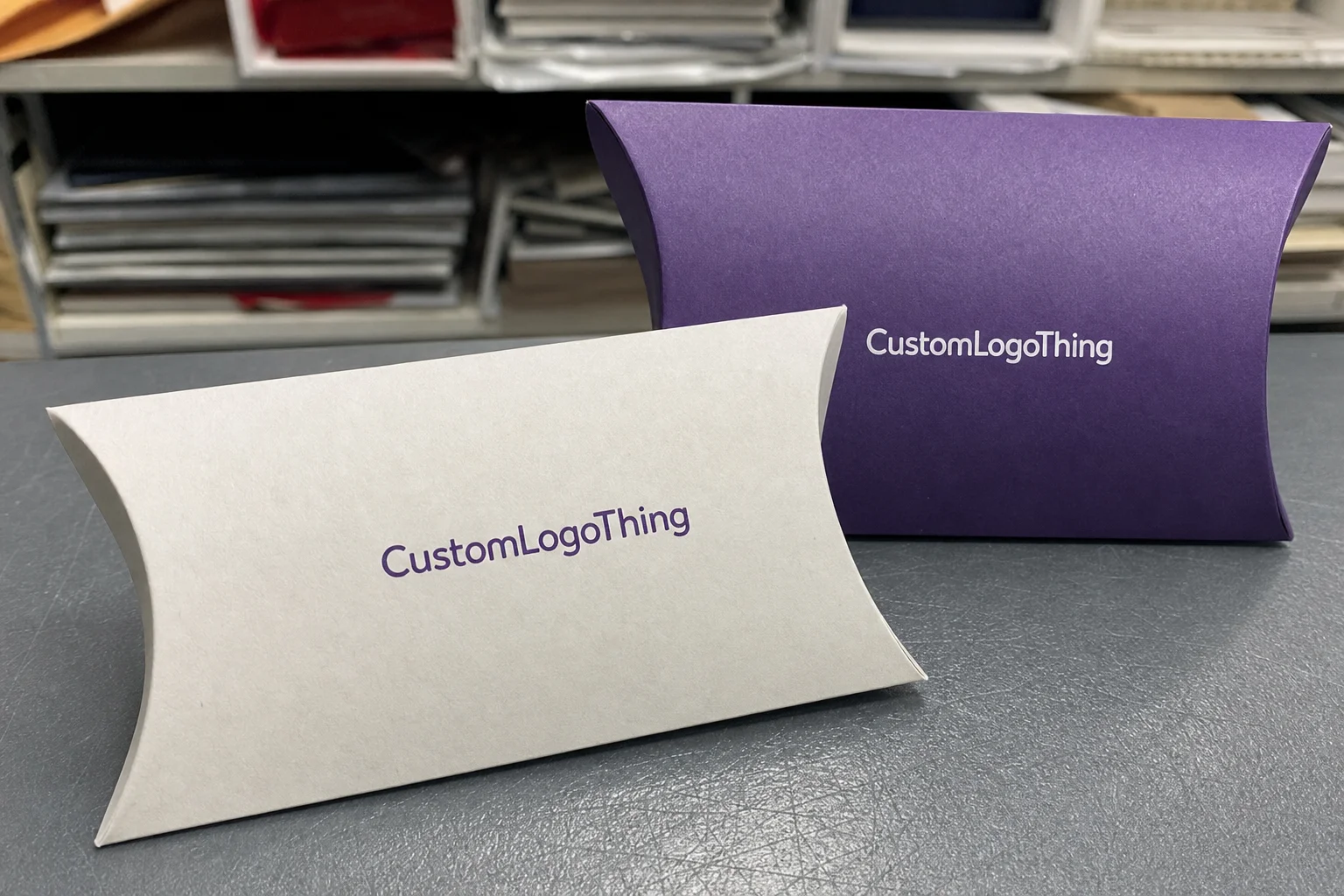
The most common styles I see in custom folding carton packaging wholesale are straight tuck end, reverse tuck end, auto-lock bottom, crash-lock bottom, sleeve, and window carton formats. Straight tuck is common for cosmetics and lightweight consumer goods because it opens cleanly and looks tidy. Reverse tuck is often preferred when line assembly speed matters. Auto-lock and crash-lock bottoms are better for heavier fill weights, typically 150g to 500g, because the base stands up to more handling. Sleeve cartons work well when the product itself needs partial visibility or when a separate inner tray does the real protection.
Print capability is where brands often underestimate what they can do. Offset printing still gives the best color control for larger runs, especially when PMS matching matters. Digital printing can make sense for shorter runs, sample launches, and fast-turn pilots. A good custom folding carton packaging wholesale supplier should be able to handle CMYK, spot colors, inside/outside printing, and finish combinations like embossing, debossing, foil stamping, soft-touch lamination, matte varnish, gloss varnish, and spot UV. If a supplier cannot explain how their line handles registration on foil and UV together, I would be cautious. I’ve been on that call before, and it’s always the same weird confidence followed by a lot of “let me check with production.” Usually that production line is in Dongguan or Foshan, where the real answer lives.
Board selection is another place where experience matters more than sales copy. SBS, or solid bleached sulfate, is the usual choice for premium print because the surface is smooth and bright. CCNB, coated duplex board, can be a smarter buy when budget matters and the carton does not need the same premium surface as SBS. Kraft board gives a natural, earthy look that works well for wellness and eco-positioned brands. Recycled content boards are worth considering if your sustainability claims need to be aligned with material use, but you still have to check print performance and crease behavior. custom folding carton packaging wholesale should match the board to the product, not the mood board. I mean, I’ve seen a “minimalist luxury” concept collapse the second someone tried to fold it in the warehouse in Ho Chi Minh City.
I saw this firsthand during a supplier negotiation for a nutraceutical client in Guangzhou. They wanted a recycled look, but the first sample board cracked at the folds after only three compression tests. We switched to a different recycled-content stock with a better fold memory and a 16pt equivalent caliper, and suddenly the carton passed warehouse handling far more cleanly. That’s the kind of adjustment that saves a launch, especially when the reorder target is 20,000 units and the launch window is only 14 business days away.
Protection options matter too. Many custom folding carton packaging wholesale programs include paperboard inserts, molded pulp trays, foam alternatives, or die-cut internal cutouts. Inserts are not just about cushioning. They can stop rattling, improve presentation, and keep a product centered inside the box. For a candle with a glass jar, I usually recommend a paperboard cradle or molded pulp rather than leaving the jar to knock around in transit. For retail, the insertion system should also support unboxing and barcode visibility. A 72mm x 72mm insert cutout can be the difference between a clean shelf look and a returned shipment.
Compatibility with retail and e-commerce should be planned at the same time. A carton can be beautiful and still fail if the barcode lands on a curved flap or the panel space is too tight for regulatory copy. For custom folding carton packaging wholesale, this means designing with shelf presentation, carton durability, and warehousing logic in one file. The best cartons I’ve seen always had a realistic barcode zone, a clear ingredient panel or usage panel where needed, and enough structural integrity to handle pallet movement. A carton sized at 120mm x 45mm x 185mm is not just a number; it determines whether the product scans cleanly in a warehouse in Sydney or Chicago.
For brands checking industry standards, two references matter often: ISTA for transit testing frameworks and FSC for responsible sourcing claims. Not every carton needs every certification, but a serious custom folding carton packaging wholesale program should know whether the carton will be tested, certified, or simply specified for a retail environment.
Custom folding carton packaging wholesale specifications
Specifications are where deals are won or lost. If the buyer gives vague dimensions and the printer guesses, the carton can arrive 2 mm short and create a packing problem that never shows up in the artwork proof. In custom folding carton packaging wholesale, the minimum spec set should include exact internal dimensions, product weight, closure style, board thickness, coating, print coverage, and finishing requirements. A proper quote from a factory in Shenzhen or Ningbo should also state whether the measurement is internal or external, because mixing those up is a classic way to waste one production cycle.
Size accuracy is especially important because even a small deviation can affect fit, shelf alignment, and shipping configuration. I once reviewed a carton for a skincare serum bottle that was only 1.5 mm too tall. That sounds minor. It was not. The neck of the bottle pressed into the inside top panel, which slowed the packing line and caused visible scuffing on the matte varnish. The reprint cost more than the original carton delta would have. That’s why custom folding carton packaging wholesale should start with a verified sample or a measured product spec sheet, not a rough estimate. A measured sample in the 150g to 200g product range is worth more than three pages of opinions.
A clean spec checklist should include:
- Exact internal dimensions in millimeters.
- Product weight and fill orientation.
- Board caliper or GSM target, such as 350gsm C1S artboard or 300gsm CCNB.
- Closure type and glue area requirements.
- Print sides needed, including inside print if used.
- Finish type such as matte, gloss, soft-touch, or UV.
- Window size, insert requirements, or hang-tab details.
- Barcode and legal copy placement.
- Carton tolerances and dieline version control.
Tolerances sound technical, but they are not optional. A good custom folding carton packaging wholesale supplier will discuss dielines, pre-production proofs, and folding tolerances before production begins. If they do not, the buyer ends up doing quality control after the fact. That is backward. The better process is to approve a structural proof, then a printed proof, then a final production signoff. If the product is fragile or the carton has unusual geometry, ask for a physical prototype before the full run. That extra sample usually takes 2 to 4 business days in a factory around Dongguan, and it can save an entire batch.
Some specs are functional, not decorative. FDA-compliant materials may matter for direct food contact applications. Barcode legibility is essential for warehouse scanning. Supplement labeling space has to accommodate claim copy, lot coding, and sometimes a directions panel. Fragrance packaging may need more room for warnings. For custom folding carton packaging wholesale, the carton has to satisfy the product, the retailer, and the shipping team at the same time. That is a stricter brief than many buyers realize, especially when the compliance copy alone can take up 25% of one panel.
Structural testing should also be part of the conversation. Compression strength, crease integrity, and repeated folding performance affect whether the carton survives the real world, not just the mockup table. I have watched cartons pass a visual approval and then fail after three fold-unfold cycles on a packing bench. The issue was a weak score line. The fix was simple: adjust the rule depth and refine the board direction. Small change, big difference. That is why custom folding carton packaging wholesale procurement deserves more than a price-only review.
For brands building a spec packet, I recommend these supporting files before requesting a quote:
- A measured sample of the product or a CAD drawing.
- Artwork in editable format, ideally PDF with fonts outlined.
- A list of mandatory compliance statements.
- Photos of any current packaging issues.
- A target annual volume estimate, even if it is a range.
That last item matters. Suppliers can quote better when they know whether your custom folding carton packaging wholesale order is a one-time 5,000-piece launch or a recurring 80,000-piece program with quarterly replenishment. A 5,000-piece order in Bangkok is a different production conversation than a 60,000-piece annual program in Atlanta.
Custom folding carton packaging wholesale pricing and MOQ
Price is where most conversations start, but it should not be where they end. custom folding carton packaging wholesale pricing is driven by quantity, board grade, print method, number of colors, finish complexity, inserts, and shipping distance. If one quote is far cheaper than another, the first question should be: what spec did they leave out? I’ve seen quotes from factories in Shenzhen, Xiamen, and Ningbo differ by 30% because one included coating and the other quietly did not.
In real terms, a 5,000-piece run of a basic tuck-end carton might come in around $0.15 per unit for 5000 pieces on a standard 350gsm C1S artboard build with one-color outside print and no special finish. Add foil, embossing, or a custom insert and the number can move quickly into the $0.40 to $0.75 range. A premium carton with multiple finish layers and complex die cutting can go higher. Those are not universal prices; they are reference points. custom folding carton packaging wholesale always depends on the exact build, the destination city, and whether the cartons are shipping to one warehouse in Dallas or split across three distribution centers in Europe.
Volume matters because setup costs are spread across more units. Plates, dies, color calibration, and setup labor do not disappear when the run gets larger. What changes is the per-box cost. That is why a 25,000-piece order often produces a noticeably better unit price than a 5,000-piece order, even if the carton looks identical. If a brand sells through reliably, volume is one of the cleanest ways to improve packaging margin in custom folding carton packaging wholesale. In practical terms, moving from 5,000 to 20,000 pieces can cut unit cost by 18% to 35% depending on the finish stack.
MOQ is the other side of the equation. Small businesses often need lower minimums to test a concept, especially for seasonal retail packaging or a limited product launch. Established brands with stable reorder patterns can usually accept higher minimums in exchange for lower unit cost. The right MOQ is not the highest one a supplier offers. It is the level that matches your sell-through and storage reality. I’ve seen brands order 30,000 cartons for a product that only moved 4,000 units in six months. That is inventory, not savings. It’s also how people end up stacking boxes in hallways and pretending it’s “temporary.”
Here is a practical comparison that buyers can use when reviewing custom folding carton packaging wholesale quotes:
| Option | Typical Use | Price Range Per Unit | MOQ Pattern | Best Fit |
|---|---|---|---|---|
| Basic digital tuck carton | Short runs, launches, testing | $0.28–$0.60 | Lower minimums, often 1,000 to 3,000 pieces | Startups, seasonal SKUs |
| Standard offset carton | Core retail packaging | $0.12–$0.30 | Moderate to higher minimums, often 5,000 pieces and up | Repeat orders, steady demand |
| Premium carton with foil and soft-touch | Luxury presentation | $0.35–$0.85 | Higher minimums, often 5,000 to 10,000 pieces | Cosmetics, gifting, premium retail |
| Carton with insert or window | Protection and display | $0.22–$0.70 | Varies by tooling and insert complexity | Fragile goods, visible products |
Hidden costs can surprise buyers. Tooling for a new die, sample charges, artwork revisions, freight, import handling, and special packaging for delivery all change the final landed cost. If you are comparing custom folding carton packaging wholesale suppliers, compare like-for-like specs. A quote for 350gsm SBS with matte lamination is not comparable to a quote for 300gsm CCNB without lamination. That sounds obvious, but I still see buyers line up those numbers and call it cost analysis. A proper landed-cost comparison should include freight from the factory city, whether that is Shenzhen, Suzhou, or Ningbo, to your receiving dock.
Sometimes the more expensive carton is the better buy. If a premium finish improves retail sell-through, reduces scuffing, or supports a price point of $29.99 instead of $24.99, the packaging cost can pay back fast. I watched a wellness brand move from a plain kraft carton to a subtly embossed SBS carton with spot UV on the logo. Their unit cost rose by roughly 9 cents. Their shelf conversion, according to the buyer, improved enough to justify the switch in one quarter. custom folding carton packaging wholesale is not always about the lowest quote. It is about the strongest total value.
For contextual benchmarking and packaging sustainability discussions, the EPA is a useful reference point for material and waste management guidance, especially when a brand is reviewing recycling claims or upstream material efficiency.
How long does custom folding carton packaging wholesale take?
The path from idea to cartons in hand should be clear. In a well-run custom folding carton packaging wholesale project, the workflow usually starts with discovery, moves through sizing and spec confirmation, then dieline creation, artwork setup, sampling, approval, production, and shipping. Each stage has its own failure points, and most delays happen earlier than people expect. A factory in Dongguan can print quickly, but only if the specs are locked and the artwork is clean.
Missing measurements are a classic delay. Late artwork changes are another. Approval bottlenecks can add several days if no one has final signoff authority. I’ve seen a launch stall for 11 business days because marketing, regulatory, and operations all believed someone else was approving the proof. That cost the client a retail window. For custom folding carton packaging wholesale, the fastest projects are usually the ones where one person owns the final decision and the spec sheet is complete before the quote is issued.
Timelines vary by method and complexity. Simple digital runs can move much faster than custom offset jobs with foil, embossing, windows, or intricate inserts. A straightforward carton might take 12 to 15 business days from proof approval to shipment. A more complex premium run may take 18 to 28 business days, and freight can add more depending on origin and destination. Those ranges are useful, but they are not guarantees. The exact schedule always depends on material availability, proof turnaround, and the number of finishes in play. If the cartons are shipping from Shenzhen to Los Angeles by sea freight, add another 18 to 24 days; air freight is faster, but the bill will make your eyebrows rise.
Sampling should happen in layers. First, the structural sample confirms fit and fold. Then the printed proof checks color and layout. Only after both are approved should full production begin. If the product is fragile, odd-shaped, or retail-critical, ask for a third check: a packed-unit sample with the product inside. That is especially helpful in custom folding carton packaging wholesale because the line operator experience matters just as much as the design file. A 90-second sample check can save 9,000 units of regret.
Here is the planning rule I give clients: lock your carton specs backward from launch, not forward from the purchase order date. If your shelf date is fixed, work back from retail delivery, then freight, then production, then proof approval, then sampling. That approach prevents the common mistake of approving artwork first and discovering too late that the board thickness causes fit issues. If the retail ship date is June 10, I want the proof signed off by May 1, not May 28. That extra cushion matters.
For repeat programs, reorder planning is a hidden advantage. Once a carton is dialed in, future runs move faster because the dieline, board spec, and print setup already exist. That is one reason custom folding carton packaging wholesale is so effective for brands with steady demand. Reorders are where process discipline turns into real savings, especially for brands shipping quarterly pallets to warehouses in Dallas, Chicago, or Frankfurt.
Why choose us for custom folding carton packaging wholesale
The short answer is manufacturing discipline. The longer answer is that a strong custom folding carton packaging wholesale partner does not just quote a box; it helps prevent expensive packaging mistakes. I’ve seen the difference on the factory floor in Shenzhen and Foshan. One supplier would send a clean price and little else. Another would flag a weak flap design, recommend a board change, and catch a color mismatch before printing 20,000 units. The second supplier saved the client both time and money. The first one? Honestly, they were basically selling hope in a spreadsheet.
At Custom Logo Things, the value is in repeatable execution. That means accurate dielines, consistent color control, and packaging that holds up on reorder. It also means helping buyers match carton style to product weight, retail channel, and budget. A 50-gram accessory does not need the same carton architecture as a 420-gram vitamin bottle. If a supplier treats every brief the same, the buyer usually pays for it later. A carton spec for a skincare ampoule in Seoul should not look identical to a heavy supplement box shipping into Texas.
Good custom folding carton packaging wholesale support should include material recommendations, proofing guidance, and clear communication about what is and is not included in the quote. That sounds basic. It is not. A surprising number of packaging headaches come from assumptions. Did the quote include coating on both sides? Does the insert cost extra? Is the dieline revision limited to one round? A partner should answer those questions before the PO is signed. I also like it when a supplier says, “No, that’s not the best board for this job.” That little bit of pushback is usually a sign they know what they’re doing.
Supply-chain reliability matters too. Predictable ordering, documented reorder specs, and realistic lead times are part of what makes a packaging partner worth keeping. During one client meeting in Chicago, a brand manager told me she would rather pay 5% more for a supplier who actually answers the phone than save 3 cents and lose a week every quarter chasing updates. I agree with her. In custom folding carton packaging wholesale, communication is a production asset.
There is also a clear difference between a vendor and a partner. A vendor sells cartons. A partner helps you avoid the kinds of packaging decisions that trigger damage claims, shelf inconsistencies, or compliance trouble. That distinction is especially valuable for brands building branded packaging across multiple SKUs, because the look has to be consistent while each carton still fits a different product profile. If you are coordinating packaging across Shanghai, New York, and London, consistency is not optional.
If you are comparing suppliers, use a simple checklist:
- Do they provide dieline support?
- Can they explain board grades in plain language?
- Will they send a structural sample before print?
- Do they quote freight separately and clearly?
- Can they support reorders without redoing the entire setup?
That is where the real value sits in custom folding carton packaging wholesale. Not in buzzwords. In fewer surprises. And fewer surprise charges from a factory in Ningbo on a Friday afternoon.
Next steps for ordering custom folding carton packaging wholesale
If you are ready to request a quote for custom folding carton packaging wholesale, prepare five things before you send anything out: product dimensions, target quantity, artwork files, finish preferences, and any compliance requirements. If you can add a measured sample or product photo, even better. The more precise the brief, the more useful the quote. A factory in Guangdong can give you a meaningful number in 24 to 48 hours if the information is complete.
I recommend asking for two or three spec options side by side. For example, compare 350gsm SBS with matte lamination against 300gsm CCNB with gloss varnish, or compare a standard tuck carton against a version with an insert. That way you can evaluate price, durability, and presentation without guessing. Buyers make better decisions when they can compare line items instead of abstract promises. That is one of the most practical habits in custom folding carton packaging wholesale. If one option is $0.19 per unit and another is $0.27, the 8-cent gap is easy to discuss when the specs are sitting next to each other.
If the product is fragile, unusually shaped, or meant for a demanding retail shelf, request a structural sample before final approval. That extra step can save an entire run. I’ve seen this pay off on candle cartons, supplement bottles, and electronics accessories where the first mockup looked fine but the fit was off by a few millimeters. In packaging, millimeters are not small. They’re the difference between “nice” and “why is this rubbing?” A 3 mm cushion gap can keep a glass jar from chipping in transit from Shenzhen to Seattle.
Plan the timeline backward from your launch date. Do not wait for the order to be placed before you calculate proofing, sampling, and freight. The launch date does not care when the PO was issued. It only cares whether the cartons arrive on time. For custom folding carton packaging wholesale, this is the habit that separates calm launches from expensive ones. If your launch is August 15, you should already know whether your factory in Dongguan needs 12 business days or 25.
Before production starts, confirm the final dieline, print proof, and reorder expectations. Ask who owns future revisions, how the carton will be stored for repeat runs, and whether the supplier can preserve color standards across batches. Those questions are boring only until a reorder goes wrong. Then they become essential. If your goal is a packaging system that scales, not a one-off box purchase, custom folding carton packaging wholesale is the right place to start.
And if you need a broader packaging mix around your cartons, the team at Custom Logo Things can help connect the dots between carton structure, presentation, and production planning. That is the real job: getting the box to work in the warehouse, on the shelf, and in the customer’s hands. When those three things line up, custom folding carton packaging wholesale stops being a line item and becomes a reliable part of the brand’s operating system.
FAQ
What is custom folding carton packaging wholesale best used for?
It is best for lightweight to medium-weight products that need printed presentation and efficient shipping. Common applications include cosmetics, supplements, food items, candles, electronics accessories, and retail gift items. It works especially well when brands need repeat orders and consistent shelf presentation across multiple SKUs, such as a 12-count product range sold through retail chains in the U.S., Canada, or Australia.
How do I choose the right board for custom folding carton packaging wholesale?
Choose SBS for premium print quality and a smooth, bright surface. Use kraft for natural branding and a more organic look. Select CCNB or another cost-conscious board when budget matters more than a luxury finish, but confirm fold performance and print expectations before final approval. For many standard cartons, 300gsm to 350gsm is the practical range, depending on product weight and finish.
What affects the price of custom folding carton packaging wholesale the most?
Quantity, board type, number of print colors, coatings, and specialty finishes have the biggest impact. Custom inserts, unique die cuts, and artwork revisions can raise cost. Freight and packaging complexity also influence the final landed price, so compare like-for-like specs rather than unit price alone. A quote for 5,000 pieces in Shenzhen is not the same as a quote delivered to Chicago or Munich.
What is the usual MOQ for custom folding carton packaging wholesale?
MOQ depends on the printer, structure, and printing method used. Digital printing often supports lower minimums than offset printing. Higher-volume runs typically reduce unit cost, so MOQ should be balanced against reorder needs, storage capacity, and your expected sell-through rate. For example, a digital launch may start at 1,000 pieces, while an offset program may begin at 5,000 pieces or more.
How long does custom folding carton packaging wholesale take from approval to delivery?
Timing depends on sampling, artwork approval, finish complexity, and order quantity. Simple jobs move faster than cartons with specialty coatings or custom inserts. A practical planning window is often 12 to 15 business days for straightforward production after approval, with longer schedules for more complex builds. If sea freight is involved from China to North America, add roughly 18 to 24 days depending on the port pair.
For brands that want reliable presentation, controlled cost, and repeatable reorder quality, custom folding carton packaging wholesale remains one of the smartest packaging buys on the table. The right spec, the right board, and the right production partner will do more for your shelf performance than a dozen marketing adjectives. That is why I keep coming back to custom folding carton packaging wholesale as a practical, measurable choice for modern retail packaging and premium package branding, whether the cartons are produced in Shenzhen, Dongguan, Ningbo, or Suzhou.