A cooler full of plain bottles disappears fast. Add custom gatorade bottle labels, and the package starts doing brand work before anyone takes a sip. That matters more than most buyers expect, because the label is usually the first surface people read in a gym bag, on a sideline cart, or on a sponsor table where attention is measured in seconds, not minutes.
From a packaging buyer’s point of view, these labels sit at the intersection of packaging design and practical use. They can support team hydration, event giveaways, corporate wellness programs, tournament branding, or private-label beverage launches. They also carry real responsibility: fit the bottle, hold up in cold conditions, keep text readable, and make the product look intentional rather than improvised.
A label is not just decoration. On a sports drink bottle, it is often the fastest way to communicate flavor, event messaging, sponsor identity, and quality.
What custom sports drink labels actually do at the shelf and sideline
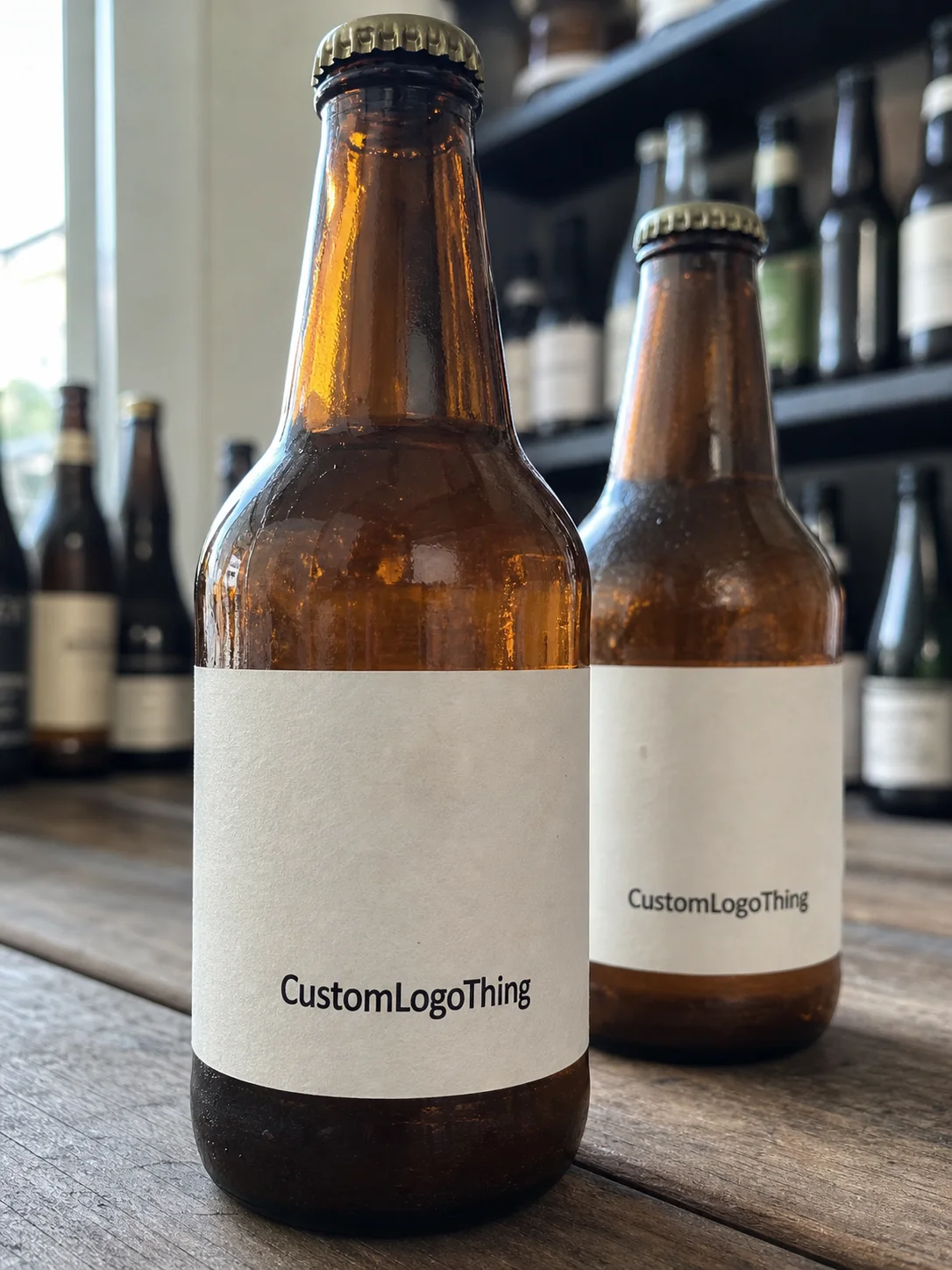
Custom sports drink labels are pressure-sensitive or removable labels designed to wrap around beverage bottles for branding, event use, giveaways, or private-label programs. In practice, they do two jobs at once. They identify the drink, and they sell the moment around the drink. That could mean a team logo, a race name, a sponsor mark, or a flavor cue that helps one bottle stand apart from the next one in a cooler.
The first impression is often stronger than the bottle itself. Most plastic sports bottles are structurally similar, so the label becomes the visual differentiator. On a packed sideline, that distinction is valuable. In a retail or hospitality setting, it can be the difference between a generic product and one that feels like part of a coordinated branded packaging system.
Buyers usually choose these labels for a few practical reasons:
- Team hydration and training camps
- Corporate wellness events and brand activations
- Tournaments, races, and fan giveaways
- Private-label or co-packed beverage programs
- Short-run seasonal promotions where full bottle printing would be too expensive
There is also a functional side that gets overlooked. The label can highlight ingredients, flavor, dietary claims, sponsor messaging, or a QR code for event signups. That is a lot of work for one small piece of material. Compared with broader Custom Labels & Tags, bottle labels have a tougher assignment because the surface is curved, the container may be cold, and handling is rarely gentle.
For buyers who manage wider product packaging programs, these labels can sit alongside Custom Packaging Products as a practical way to control presentation without committing to a full custom bottle mold or a high-minimum retail packaging program.
How the label design and application process works
The process usually starts with artwork, but the real starting point is the bottle itself. A mockup can look perfect on screen and still fail on a real container if the radius is wrong, the seam is awkward, or the label panel is too tall. Bottle dimensions matter more than many first-time buyers expect, especially when the bottle curves sharply near the shoulder or base.
Most orders follow a simple path: send artwork, review a proof, approve layout, print, finish, and apply. The proof stage is where most preventable problems are caught. A digital proof can flag spelling errors, barcode placement, and margin issues. It cannot always show whether a design will wrinkle around a tight curve. For unusual bottle shapes, a physical sample or test application is worth the extra step.
Print method also matters. Digital printing is usually the most flexible for short runs and multiple versions. Flexographic printing makes sense when the order is larger and color consistency is critical. Either way, the goal is the same: stable color, readable type at small sizes, and a label that looks intentional under bright gym lights or in a cooler filled with condensation.
Application method changes the workflow too. Small runs are often hand-applied. Larger volumes may use label applicators or semi-automated equipment. Adhesive selection affects how well the label sets, whether it can be repositioned, and how it behaves on cold bottles. If the bottle comes straight from refrigeration, a low-temperature adhesive can make a noticeable difference.
One practical comparison helps:
| Option | Best For | Typical Strength | Tradeoff |
|---|---|---|---|
| Digital print | Short runs, multi-version orders, fast approvals | Good color control and quick setup | Higher unit cost at larger quantities |
| Flexographic print | Higher volumes, repeat programs, stable branding | Lower cost at scale | More setup time and less flexibility for changes |
| Hand application | Small events, pilot batches, local activations | Simple and low equipment cost | Slower and more labor dependent |
| Machine application | Bulk runs, co-packing, repeat production | More consistent placement | Requires tighter spec control |
Key specs that affect fit, durability, and brand impact
The first spec to get right is size. Measure the actual bottle circumference and the height of the usable label panel, not just the manufacturer’s spec sheet. A label that is 3.5 inches tall on paper may be too tall once it meets a tapered shoulder or a recessed grip area. For a wrap label, many buyers leave a small gap or overlap depending on the application method and the bottle’s curve.
Material choice is the second major decision. Paper can work for dry, short-duration use, but film-based stocks are usually the safer bet for sports bottles. BOPP is common because it resists moisture better than paper and handles condensation well. Matte and gloss finishes change the visual tone immediately. Gloss tends to read more energetic and vivid. Matte feels quieter, more premium, and sometimes easier to photograph without glare.
For outdoor events, ice buckets, or sweaty hands, durability becomes the real test. The label needs to resist scuffing, edge lift, and water spotting. If the order must survive repeated handling, ask about adhesive performance in cold and damp conditions. For transport-related scuff and handling concerns, packaging standards from groups like ISTA are useful references, even if the final label is not undergoing formal certification.
Copy placement matters more on curved packaging than it does on flat cartons. Keep critical text away from seams, corners, and extreme edges where distortion usually shows up first. That applies to ingredient lines, event dates, sponsor marks, and any barcode. If you are coordinating labels with broader retail packaging or custom printed boxes, the same rule applies: the most important information should not live in the most vulnerable visual space.
One more point on material sourcing. If the label stock is paper-based, buyers sometimes ask about responsible sourcing. For that, FSC-certified paper can be a valid request depending on the program and budget. The standard is easy to verify through the FSC framework.
Finish also changes perception. A bright gloss can make a sports drink look active and high-energy. A soft matte can make the same bottle feel more controlled and premium. That is not cosmetic trivia. It is package branding in action, and it shapes how people read the bottle before they read a single ingredient callout.
custom gatorade bottle labels pricing: what changes the quote
Pricing is usually a combination of size, material, print coverage, finishing, quantity, and whether the label needs a custom die-cut. A simple, one-color or two-color event label is priced very differently from a full-bleed design with metallic effects, variable data, or unusual contours. The bigger the coverage, the more Material and Print time you consume.
For planning, buyers often see something like $0.18 to $0.28 per label at around 5,000 pieces for a straightforward film label, with the final number moving up or down based on size, finish, and print complexity. Smaller runs can land much higher per unit because setup and proofing costs are spread over fewer labels. That is why a 250-piece event order can feel disproportionately expensive compared with a recurring 10,000-piece production run.
Short-run pricing and bulk pricing follow different logic. Short runs are useful for testing, one-off events, and proof-of-concept launches. Bulk orders are better for repeat team programs, seasonal sponsorships, or any use case where the artwork will stay stable for months. The cheapest label is not always the lowest-risk label. A small mistake on a low-cost order can still become a costly reprint if the fit is wrong.
Here is a practical view of what tends to move the quote:
| Cost Driver | What It Changes | Typical Effect |
|---|---|---|
| Label size | Material usage and print area | Larger labels cost more per unit |
| Material | Durability and moisture resistance | Film costs more than paper, but usually performs better |
| Finish | Look and scuff resistance | Gloss and specialty coatings can raise the price |
| Quantity | Setup cost spread | Higher volume lowers unit cost |
| Artwork changes | Prepress time and revisions | Extra rounds can add fees and delay production |
| Rush service | Scheduling priority | Faster turnaround usually costs more |
There are also hidden budget items. Multiple SKUs, versioned flavors, and last-minute copy changes can add time and money. If the project involves a one-day event, the budget should assume higher unit cost but lower waste. If it is a repeatable program, the math shifts toward better tooling, cleaner artwork, and more consistent production planning.
Process and timeline: from artwork approval to delivery
A realistic schedule starts with a quote request, not with production. The buyer sends bottle dimensions, quantity, artwork, and timing. The supplier builds a proof or dieline. The client reviews it. That sounds simple, but delays usually happen in the review stage, not the print stage.
Slow approvals are the biggest culprit. Missing dielines, low-resolution logos, and late wording changes can push the schedule by days. If the artwork is ready and the decision-maker is available, a standard label order can move quickly. If the bottle shape is custom or the label uses specialty finishing, the timeline stretches. A typical run often lands somewhere around 12 to 15 business days from proof approval, though the actual window depends on order size and finish.
Proofing should be treated as a decision point, not a formality. Digital proofs catch alignment errors and text issues, but a test print is better when the bottle has unusual curvature or when the label needs to survive condensation. A sample batch can add time up front, but it reduces the odds of rework after the full order is already in motion.
For teams and event planners, buffer time matters. If labels are tied to a race packet, a seasonal sponsorship, or a sponsor launch, build in extra time for internal approvals and shipping delays. The schedule should leave room for filling, staging, and application, not just print completion. Packaging professionals know this from other categories too, whether they are handling retail packaging, product packaging, or promotional items tied to branded packaging campaigns.
Common mistakes buyers make with bottle label orders
The first mistake is basic but common: measuring the wrong thing. Buyers often measure a similar bottle, an old spec sheet, or the visible front panel only. What matters is the actual bottle in hand. Small changes in diameter or taper can affect fit enough to create wrinkles, lift, or overlap issues.
Second, text is often too small. On a flat screen, a 5-point line can look acceptable. On a curved bottle, it becomes harder to read, especially after the label is wrapped and the bottle is chilled. If the bottle is meant for a sideline or gym setting, readability beats decorative density every time.
Third, the adhesive and finish are sometimes chosen for appearance, not environment. A matte paper label may look clean in a mockup and fail in an ice bucket. A glossy stock can hold up better, but may show glare in photos. The environment should drive the spec, not the other way around.
Fourth, many buyers wait too long. They assume overnight production can cover a delayed approval cycle. Usually, it cannot. The job may print quickly, but the project is only as fast as the slowest email.
Fifth, the design can try to do too much. If the logo, flavor name, sponsor logos, event date, QR code, and three taglines all compete for space, the bottle loses its focal point. Strong packaging design usually has one clear message and a supporting cast, not a shouting match.
Expert tips for cleaner branding and a smoother launch
Start with one dominant visual. That might be the logo, the flavor, or the event name. Everything else should support that choice. On a bottle label, hierarchy matters more than decoration. If a viewer can understand the message from three feet away, you are already ahead of most rushed event graphics.
Use real bottle photos, not just mockups on white backgrounds. Curvature changes the way text behaves. A safe design on a flat template can become crowded once it meets the actual container. If possible, request a short sample run before the full batch. That is especially useful for first-time orders or for labels meant to work in high-humidity environments.
Keep critical copy away from seams and edges. That includes flavor names, legal text, and sponsor marks. The seam area is the one most likely to create visual disruption during application. The edge areas are also where lift begins if the adhesive is under stress.
Match finish to use case. Outdoor activations and sports tournaments usually benefit from a tougher, moisture-resistant film. Premium gifting can justify a softer matte. Retail-oriented presentations may need something that photographs well under store lighting. If the program resembles retail packaging more than a one-time handout, treat the label like a brand asset, not just a sticker.
Finally, build a reusable system if you expect multiple events. A master dieline, a stable file structure, and a clear naming convention for flavors or event versions save time later. That matters even more if the bottle program sits beside other packaging assets such as custom printed boxes or seasonal inserts. Consistency lowers friction.
Next steps: how to move from concept to production with confidence
Start by measuring the bottle you will actually use. Then decide whether the labels are for a one-day event, a short promotional run, or a recurring production program. That one decision affects every other choice: material, finish, quantity, and timeline.
Next, gather the essentials before requesting a quote. Send bottle dimensions, artwork files, quantity, finish preference, and delivery date. A complete brief usually gets a cleaner quote the first time. It also avoids the slow back-and-forth that turns a simple order into a scheduling problem.
Ask for a proof, and ask for a sample or material recommendation if the bottle shape is unusual. If you are comparing suppliers, request side-by-side quotes using the same specs. Otherwise, one vendor may look cheaper only because the quote excludes a critical detail such as adhesive grade, finishing, or proofing.
Before final approval, run a short checklist:
- Label size matches the actual bottle
- Spelling, dates, and sponsor names are correct
- Adhesive suits cold or wet conditions
- Finish matches the intended setting
- Delivery date leaves time for application
That kind of review sounds basic, but it prevents expensive mistakes. If the project is tied to a race, team season, or sponsored activation, the safest path is the one that gets the label right before print, not after. For buyers comparing custom gatorade bottle labels against other branded packaging options, the best outcome is a Label That Fits cleanly, survives the environment, and makes the bottle look like it was planned, not improvised.
What size should custom gatorade bottle labels be?
Measure the actual bottle circumference and the usable label height before ordering. A wrap label needs enough room to accommodate the curve, and a small gap or overlap may be necessary depending on the application method. Ask for a dieline or template so the artwork is built to the exact container dimensions.
Are custom gatorade bottle labels waterproof?
They can be, if they are printed on film-based materials like BOPP or another moisture-resistant stock. Water resistance also depends on adhesive and finish, especially in iced coolers or sweaty sports settings. Paper labels are usually less durable in wet conditions.
How much do custom gatorade bottle labels cost per label?
Unit cost depends on quantity, size, material, finish, and print setup. Higher quantities usually reduce the per-label price, while short runs carry more setup cost. Special cuts, rush service, and multiple design versions can raise the quote.
How long does it take to produce custom gatorade bottle labels?
Typical timelines include proofing, approval, production, finishing, and shipping. Turnaround depends on label complexity, order size, and whether artwork is ready to print. The fastest orders are usually the ones that arrive with complete files and fast approvals.
Can I order custom gatorade bottle labels for a small event?
Yes, short-run orders are common for team events, fundraisers, tournaments, and corporate activations. Small quantities may cost more per label, but they reduce waste and make testing easier. A sample or pilot batch is smart if you are unsure about fit or finish.