Custom Hang Tag labels do more than carry a logo and a price. They shape the first physical impression a customer gets from the product, and that impression starts before anyone reads the copy on the box or opens the carton. In retail, small decisions compound fast. A tag that feels sturdy, reads clearly, and matches the rest of the packaging system signals a brand that knows what it is doing.
That is why these pieces sit at the intersection of packaging design, product packaging, and package branding. A well-built tag can support compliance, simplify merchandising, and lift perceived value without requiring a dramatic redesign of the product itself. The same logic applies across coordinated packaging systems, whether the line includes Custom Labels & Tags or a broader set of Custom Packaging Products.
A good tag is not decoration. It is a compact brand system attached to the product.
What Custom Hang Tag Labels Actually Do
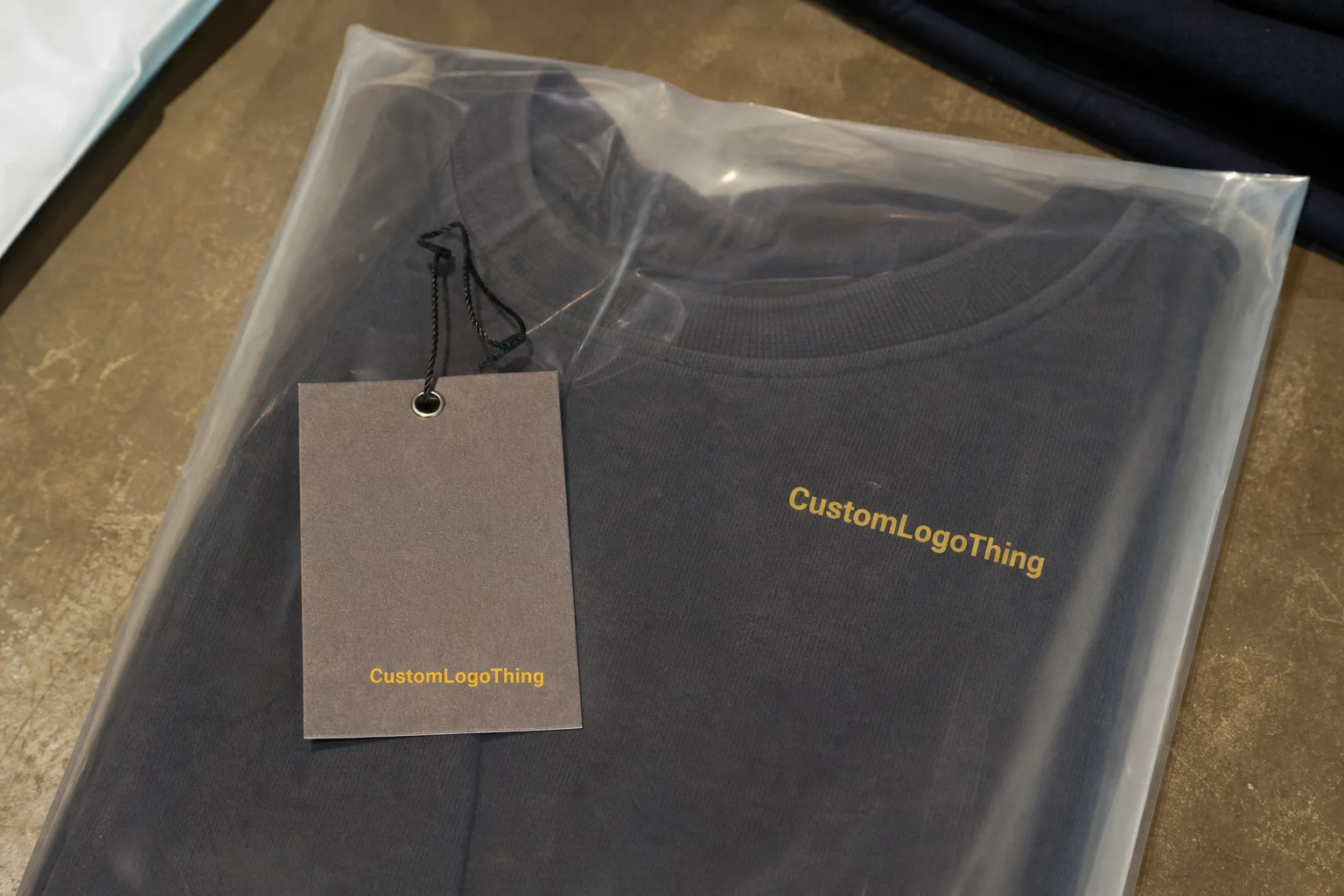
In practice, custom hang tag labels are printed pieces attached to apparel, accessories, gift items, and other retail goods so they can identify the product, display pricing, carry care or compliance text, or simply make the brand feel more deliberate. Buyers often use the term loosely, but the formats are not interchangeable. A hang tag is removable and usually attached with string, fastener, or staple. A label sticker is adhesive-backed. A sewn-in label becomes part of the product construction.
That distinction matters because each format solves a different problem. A hang tag is a better fit for temporary branding, product storytelling, and retail presentation. A sewn-in label is the right place for fiber content and wash instructions. A sticker works for short-run identification or packaging marks, but it is a poor substitute for a tag if the goal is shelf presence. Mixing those up wastes money and, more importantly, creates friction for the buyer, the assembler, and the retailer.
For brands already using custom printed boxes, the tag should feel like part of the same system. The typography, color palette, and finish need to agree with the outer packaging. Shoppers read that consistency as competence. They may not describe it that way, but they respond to it.
There is another practical side to this. A tag has to survive handling, sit correctly on the product, and stay legible in transit and on the shelf. If the hole is too close to the edge, if the stock curls, or if the text is too small to scan quickly, the piece stops doing its job. These are not minor design issues. They are production issues.
From a buyer’s point of view, the decision usually comes down to a short list:
- Material: paperboard, coated stock, kraft, recycled paper, or synthetic stock.
- Finish: matte, gloss, soft-touch, foil, embossing, debossing, or spot UV.
- Attachment: string, fastener, staple, adhesive back, or fold.
- Complexity: color count, die-cut shape, variable data, and special effects.
- Quantity: enough volume to spread setup cost without creating excess inventory.
The useful question is not whether the tag looks attractive in isolation. It is whether the tag supports the product, the shelf, and the budget at the same time.
How the Tag and Label Production Process Works
The production path is straightforward, but the details matter. A quote usually begins with the spec: dimensions, stock, quantity, finish, attachment method, and delivery location. A supplier then maps the design to the correct print method, which may include digital print, offset print, foil stamping, embossing, die cutting, lamination, or a combination of those steps. After that comes proofing, approval, production, and finishing.
Proofing is the point where many problems can still be fixed cheaply. A proper proof should show trim size, bleed, hole placement, fold lines, finish placement, and any variable data. If the tag carries a barcode, SKU, or compliance text, that content should be checked on the proof, not after production starts. A proof that skips those details is not ready.
Different attachment methods solve different use cases:
- String and fastener: common for apparel and accessories because the tag can hang freely.
- Staple: useful for simple low-cost applications, folded tags, or retail inserts.
- Adhesive back: useful for flat surfaces, rigid cartons, or products that do not take a hang loop cleanly.
- Scored fold: useful when the tag needs to wrap, stand, or carry more information without growing too large.
Production engineering is where the job gets real. A layout can look polished on screen and still fail in production if the stock is too thin, the cut is too close to the print, or the fold lands through an important element. A 14pt C1S card may be sufficient for lighter applications. For a tag that needs more body, 18pt or 24pt stock often performs better because it resists curl and feels more deliberate in hand. That is not a luxury detail. It affects durability, hanging behavior, and shelf presentation.
If you are comparing the process to other packaging work, the same discipline applies: define the structure, define the print, define the finish, and only then lock the order. For shipping-related checks, ista.org is a solid reference point. For paper sourcing and chain-of-custody language, fsc.org is the cleaner sustainability benchmark if a retailer or buyer asks for certification details.
One issue comes up repeatedly in procurement: teams order tags as if they were simple inserts. They are not. A supplier should review artwork against the production method, not just send it to press. That check catches hole placement issues, finish conflicts, and legibility problems before they turn into reprints. It is the difference between a tidy packaging asset and a stack of soft, curling paper that never quite behaves on the product.
Material, Size, and Finish Factors That Change the Result
Material choice affects more than cost. It changes the feel, the print result, the color range, and how the tag holds up once it is handled. Standard options include coated cardstock, uncoated paperboard, kraft stock, recycled paper, synthetic stock for moisture resistance, and textured specialty papers for a more premium look. Each one pushes the product in a different direction. A kraft tag can read grounded and understated. A coated card usually gives cleaner color and sharper type. Synthetic stock is the safer choice if humidity, condensation, or rough handling are part of the environment.
Size has a similar effect. Small tags, such as 1.5 x 2.5 inches or 2 x 3 inches, are efficient and restrained. Larger tags create more room for branding, pricing, barcodes, QR codes, or care instructions. They also have more visual presence on the rack. The tradeoff is cost and handling. Bigger tags cost more to print, and on smaller products they can look oversized or awkward.
Finish is where perceived value changes quickly. Matte reads controlled and modern. Gloss increases contrast and saturation. Soft-touch adds a velvety surface that many buyers associate with premium packaging. Foil stamping creates a metallic accent that can elevate a logo without crowding the layout. Spot UV can highlight a specific area without converting the whole surface into a reflective field. Embossing and debossing work best on layouts that are simple enough to let texture do the work.
Shape matters as well. Rectangles are efficient because the die line is simple and the layout is easy to repeat across orders. Rounded corners soften the profile. Custom die-cut shapes can signal a season, a category, or a particular brand personality, but they add tooling cost and usually extend lead time. If the tag must carry a barcode or legal copy, unusual shapes need extra review so text does not drift too close to the edge.
For custom hang tag labels, the most effective spec is rarely the most decorated one. A restrained tag on the right stock usually feels more expensive than a crowded design with several effects competing for attention. The product category should drive the material choice. A luxury candle line may justify a softer finish. A workwear accessory line usually needs durability first. A gift item can tolerate a more decorative shape. The product decides more than the trend cycle does.
Cost, Pricing, and MOQ: What Buyers Should Budget For
Pricing usually comes down to five variables: material, print method, number of colors, finishing, and quantity. Assembly also matters if the tags need stringing, stapling, or kitting. The more complex the spec, the more setup and labor show up in the early part of the quote. As volume rises, the unit price normally falls because those fixed costs are spread across more pieces.
MOQ, or minimum order quantity, is where the tradeoff becomes visible. Lower minimums are useful for launches, seasonal collections, and trial runs. They cost more per piece, but they reduce risk. Higher volumes are cheaper per unit, but only if the design will be reused or the line is stable enough to justify inventory.
| Tag Type | Typical MOQ | Indicative Unit Cost | Best Use |
|---|---|---|---|
| Simple kraft tag, one color | 1,000-5,000 | $0.12-$0.22 | Natural brands, basic retail packaging, fast turns |
| Full-color coated stock | 2,000-5,000 | $0.18-$0.35 | Brand-heavy packaging with stronger graphics and clearer hierarchy |
| Foil or emboss detail | 2,500-10,000 | $0.28-$0.60 | Premium goods, gift lines, and higher-margin products |
| Die-cut, laminated, assembled tag | 5,000+ | $0.35-$0.80 | Launch programs, luxury positioning, coordinated retail systems |
These ranges are directional, not universal. Artwork complexity, finish stack, whether stringing is included, and shipping method can move the number materially. A supplier may quote low on the print line and make it back through setup, assembly, or freight. That is why buyers should compare total landed cost rather than only the unit print price.
There is a useful comparison here. A plain tag can feel cheap if the stock is too light, while a more expensive tag can feel justified if it supports the retail story and the rest of the packaging. In a crowded category, one well-chosen upgrade often matters more than three small effects layered together. That is especially true for custom hang tag labels used on apparel, accessories, and curated gift items, where tactile quality has a visible impact on how the product is judged.
Before approving a quote, check whether setup, die cutting, stringing, and freight are included. The lowest line item is not always the lowest total. Buyers who skip that comparison often discover the real cost only after the order is already moving.
Process and Timeline: From Quote to Delivery
A realistic timeline starts with clean information. Quotes move faster when the buyer sends final dimensions, stock preference, quantity, finish requirements, attachment method, and delivery destination in one pass. If the artwork is still changing, the schedule stretches. If the proof needs two revisions, it stretches again.
For simple runs, production often falls in the 7-12 business day range after proof approval. More complex jobs that include foil, embossing, custom die cutting, lamination, or manual assembly can move into the 12-18 business day range. Shipping is separate, and peak season can add more time than buyers expect. If the tags are tied to a launch date, build backward and leave room for approval, transit, and one round of correction.
The usual bottlenecks are predictable:
- Missing bleed or incorrect trim size.
- Low-resolution logos that do not hold up in print.
- Unconfirmed Pantone colors.
- Late-stage changes to the hole position or fold line.
- Missing SKU, barcode, or regulatory copy.
The production proof is the control point. It should confirm scale, type placement, finish placement, and any variable content. If the order is part of a wider retail packaging program, use the same checklist for hang tags, inserts, and other packaging items. That consistency reduces avoidable errors and keeps the whole system aligned.
Seasonal orders need earlier planning than most teams allow. Custom finishing and manual assembly do not scale like plain print. A buyer can still make a deadline with a rushed order, but usually at higher cost and with less flexibility. For custom hang tag labels, the cleanest operating habit is simple: quote early, approve quickly, and keep the spec stable once the proof is right.
Common Ordering Mistakes That Create Delays or Waste
The first mistake is choosing the wrong stock for the environment. Uncoated paper can look elegant, but if the tag will be handled frequently or exposed to moisture, it can wear quickly. A synthetic stock can solve that problem, but on a soft gift item it may feel too technical. The material should match the product use, not just the mood board.
The second mistake is overloading the tag with information. Buyers often want the logo, price, barcode, care instructions, legal text, origin text, and a brand story line on a single surface. That can work if the hierarchy is disciplined. If everything competes at the same level, the customer has to work too hard to understand it.
The third mistake is ignoring attachment mechanics. Hole placement too close to the edge can tear. A string that is too short can make the product feel cramped. An adhesive back on the wrong surface can fail in transit. Those are physical problems, not design preferences.
Another common issue is inconsistency across the packaging system. If the tag, label, insert card, and carton all use different colors or typography, the line feels patched together. That weakens package branding and can make a mid-market item read cheaper than it should. The same problem shows up when SKUs are handled differently across versions of the same product family.
Proofreading errors are expensive because they are easy to avoid. Wrong measurements, mismatched barcodes, missing care copy, and stale SKU numbers can all force a reprint. Underordering creates its own problems as well. A second run usually costs more than ordering a little extra the first time, because setup is repeated and the first run is already in motion.
If your brand uses custom hang tag labels as part of a broader retail packaging rollout, treat them like a production item rather than a marketing afterthought. That single shift in mindset eliminates a large share of delays.
Expert Ways to Improve Perceived Value Without Overspending
The cleanest way to improve perceived value is to spend where the eye and hand actually notice it. One strong material upgrade usually beats three minor embellishments. A better stock, a cleaner die cut, or one foil accent can change the whole read of the piece.
Layout hierarchy matters just as much. The brand name should win first. Secondary details should support it, not compete with it. When a tag is crowded, the customer has to decode it, and that rarely reads as premium.
Use finishing with restraint. A small foil logo on matte stock can look more considered than a full-surface gloss treatment. A soft-touch laminate on a simple layout often feels more expensive than a highly decorated design with no visual discipline. Moderation can carry more authority than noise.
Prototype before scaling if the tag will be handled a lot. Folded apparel, moving accessories, and gift items that get packed and unpacked repeatedly are good candidates for a sample run. Touch changes judgment. That is a routine buying-room reality, not a theory.
Consistency across tag, insert card, outer carton, and retail display often produces a stronger result than any one upgraded piece alone. That is where branded packaging earns its keep. A connected system feels expensive because it looks planned.
The strongest tag is usually not the one with the most effects. It is the one that matches the product, the channel, and the customer’s expectation.
If the format can be reused across multiple SKUs, future costs drop too. Modular copy blocks, stable dimensions, and a reusable die line make reorders easier and faster. That quiet efficiency matters more than most teams realize.
Next Steps for a Better Spec Sheet
Before requesting quotes, assemble a clean internal brief. Keep it short, but complete. Include quantity, dimensions, stock, finish, attachment method, delivery date, and whether the order needs assembly or kitting. Add the product category and the channel if the supplier needs context for durability or presentation.
Collect three assets at the same time: final artwork, logo files, and a reference image or sample that shows the finish level and visual tone you want. That one habit saves time because the supplier can evaluate the job without guessing at the target. If the product line also uses custom printed boxes or other packaging components, include those files too. The full system should feel connected.
Compare quotes on identical terms. One supplier may include setup, another may not. One may quote the tag only, another may include stringing and freight. Those differences hide the real cost if they are not laid out clearly. Buyers make better decisions when the comparison is structured.
Ask for a production proof and check the essentials: color, trim size, hole position, finish placement, and any variable content. If the order will be repeated, leave a reorder note now so future runs stay stable and spec drift does not creep in.
If the product line is likely to change often, keep the tag spec modular. A stable base format with seasonal copy changes is easier to reorder and easier to budget. That is how custom hang tag labels become part of a durable packaging system instead of a one-off project that has to be rebuilt every time.
Frequently Asked Questions
What should I ask before ordering custom hang tag labels?
Confirm stock, size, finish, attachment method, quantity, and turnaround before approving a quote. Ask whether setup, die cutting, stringing, and shipping are included so you can compare suppliers on the same basis. Request a proof and verify every SKU, barcode, and care instruction before production starts.
How do custom hang tag labels affect perceived product value?
A well-made tag can make a product feel more deliberate and giftable even when the item itself has not changed. Material weight, finish, and print quality influence whether the brand reads as budget, mid-market, or premium. Consistency with the rest of the packaging strengthens the effect.
What is the best material for custom hang tag labels?
Cardstock or paperboard works for most retail applications because it balances cost, print quality, and rigidity. Coated or specialty stocks make sense when the design needs stronger color or a more elevated texture. Synthetic stock is best reserved for moisture resistance or heavy handling.
How long does production usually take for custom hang tag labels?
Lead time depends on artwork readiness, proof approval, finishing complexity, and shipping method. Simple runs move faster than projects with foil, embossing, die cutting, or assembly. The fastest path is to submit final specs and approve proofs quickly.
How can I lower unit cost without hurting quality?
Simplify the shape, reduce finishing layers, and choose a stock that fits the product instead of overspecifying it. Increase quantity if the design will be reused, because setup costs are spread across more pieces. Keep the layout disciplined so one strong visual effect does more work than several weak ones.
For most brands, custom hang tag labels are not a minor accessory. They are the first physical proof that the packaging system is coherent. Choose the stock carefully, budget for the real assembly cost, and plan the timeline around proofing instead of hoping it fits later. Do that, and the tag becomes part of the sale rather than a last-minute add-on.


