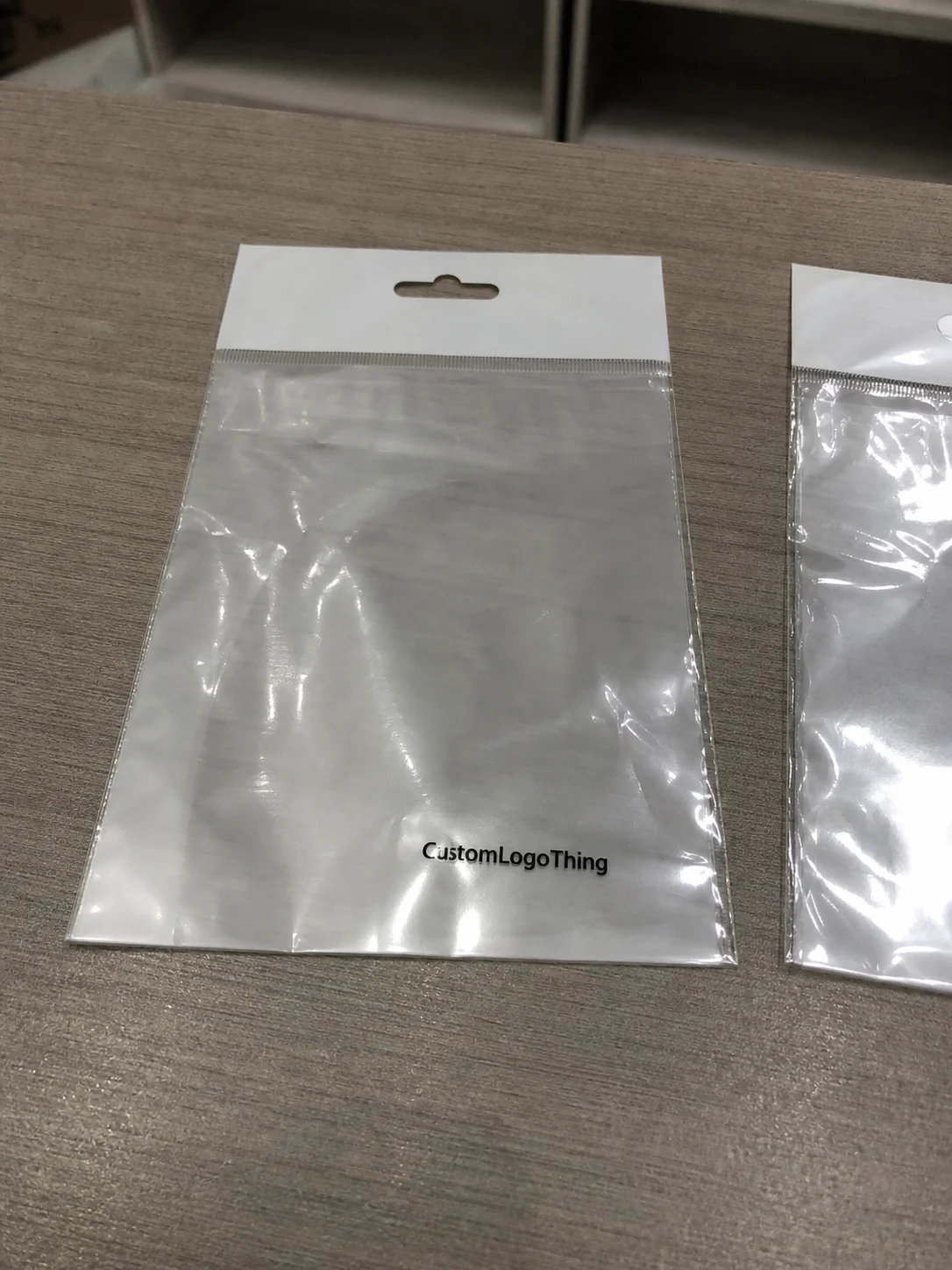
A Custom Hang Tag strings bulk order looks minor on a spreadsheet, yet it affects how every tag hangs, how fast it can be attached, and whether a finished product leaves the packing table looking consistent. A cord that is too short, too stiff, or inconsistent from carton to carton creates friction in the exact place most teams want speed. The cost of rework, rejected pieces, or line delays is usually higher than the modest difference between a basic string and a better-specified one.
That is why buyers handling apparel, gift packaging, and private label programs usually evaluate more than the cord itself. Fit, finish, pack format, color consistency, and reorderability all matter. A hang tag system supports package branding only if it holds up in production, not just in a sample photo.
Custom Hang Tag Strings Bulk Order: Why Volume Helps
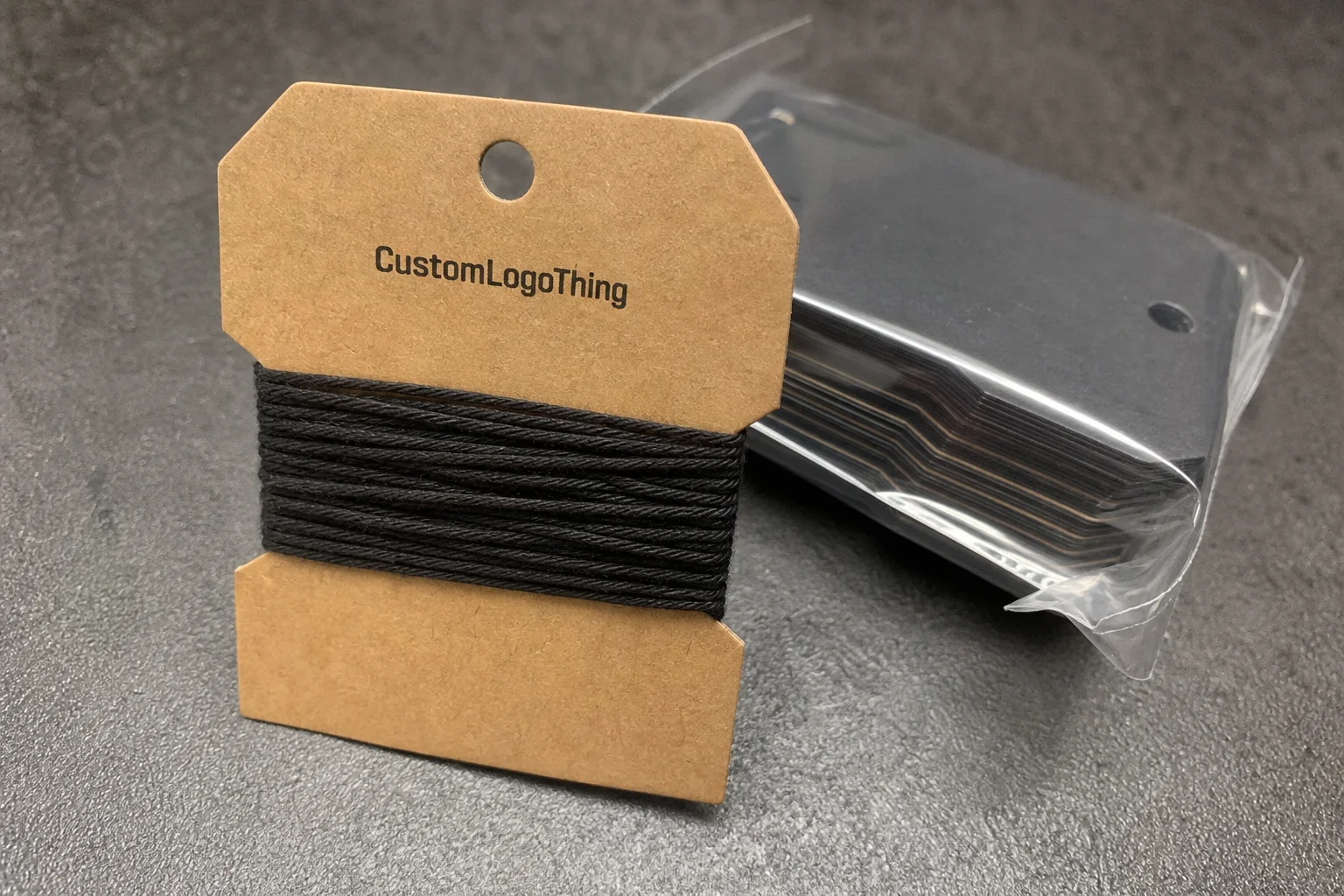
Bulk ordering is less about chasing the lowest unit price and more about reducing variability. A sample can look perfect and still become a problem if the cord shrinks under tension, frays at the cut end, or arrives with a slightly different shade in the next carton. On a run of 20,000 or 50,000 pieces, even small differences are visible.
Volume helps in three practical ways. First, the setup cost gets spread across more units. Second, the supplier is more likely to hold the same material, color, and finish across the full run instead of substituting between batches. Third, the attachment step becomes predictable, which matters in apparel, cosmetics, and seasonal retail packaging where the hang tag is part of the customer-facing presentation.
For apparel launches, consistent length keeps tags hanging at the same visual point across a size run. Gift packaging often needs a softer hand-feel and a tie that stays neat in transit. Private label products benefit from standardization because one approved string can be used across multiple SKUs, which simplifies procurement and keeps the spec sheet from turning into a mess of exceptions.
“The cheapest string is not always the least expensive option once you count labor, rejects, and the time spent fixing weak knots or mismatched colors.”
If you are comparing suppliers, do not stop at the per-piece price. Ask how the string is finished, how it is packed, and whether the same build can be repeated later without opening a new approval cycle. For many buyers, that repeatability is the real savings.
It also helps to view the hang tag string alongside related packaging items such as Custom Labels & Tags and other Custom Packaging Products. The attachment should match the paper stock, print finish, and overall presentation, not compete with them.
String Types, Attachments, and Tag Pairings That Hold Up
The right string depends on how the tag attaches, how the product is handled, and how premium the final presentation needs to feel. Cotton is popular for its natural look and softer hand. Polyester is common when buyers want more strength, less fraying, and a cleaner appearance on high-volume runs. Waxed cord gives a more polished finish and helps the fibers stay together. Elastic and looped options are useful when the tag needs to move with the product or be attached quickly on a line.
Attachment style matters just as much as material. Pre-tied loops save labor and are easier for teams attaching tags by hand. Open ends are better for machine tying or for finishing in-house. Finished knots work well when the buyer wants a tidy fixed attachment with less risk of the string slipping through the hole.
Tag construction changes the recommendation. A light paper tag with a small punched hole can work with a thin cotton cord. Heavier artboard, coated stock, or laminated tags usually need a stronger cord and a hole sized correctly so the paper does not tear during insertion. If the hole is too tight, production slows. If it is too loose, the tag can shift or look sloppy after shipping.
Practical pairings by category
Apparel: cotton or polyester loop strings with pre-tied ends, especially for shirts, outerwear, and private label garments that need steady tag placement.
Cosmetics: thin polyester or waxed cord, usually in a neutral color, because the attachment needs to look refined without overpowering small cartons or bottles.
Gift packaging: soft cord or elastic loop options, depending on whether the tag must be removed easily or remain attached through retail handling.
Promotional items: simple looped string constructions that keep the application process fast and predictable, especially when the pack-out team is working against a deadline.
Buyers usually get better results when the tag stock, hole size, and string style are planned together rather than bought separately. That is one reason production-minded teams keep the packaging spec tied to the actual product packaging plan instead of treating the hang tag as an isolated item.
Material Specs That Affect Strength, Appearance, and Speed
Before approving a custom hang tag strings bulk order, lock down the specs that control performance. The most useful ones are diameter, cut length, color, finish, and break strength. Also confirm whether the cord is soft, stiff, waxed, or lightly coated, because those details change how it runs through a hole and how it looks after the tag is packed.
Diameter is one of the easiest details to overlook. A smaller diameter may look elegant, but if it is too thin for the tag stock, workers may spend extra seconds threading and adjusting it. A thicker diameter improves durability, yet it can create bulk or push the tag too far away from the garment or package. In a high-speed packing environment, that difference matters.
Finish affects both speed and appearance. A soft cord tends to tie more easily and is gentler on paper holes, while a waxed or coated cord holds its shape and can look more premium. The trade-off is feel: waxed material can be stiffer during assembly, so the right choice depends on whether your team is tying by hand, using simple fixtures, or feeding strings through tags at volume.
Color matching deserves its own review. Some programs can use stock black, white, natural, or kraft-toned strings without issue. Others need a close match to a brand color or a seasonal palette. Stock colors are faster and usually more economical. Custom-dyed runs require more coordination and can add time, but they are worth it if the string remains visible in the final package and must support a strict brand standard.
Packing format is part of the spec as well. Loose bulk packing usually gives the best unit price, but it may increase handling time. Bundled counts can speed internal distribution. Pre-cut and pre-tied formats cost more, yet they often reduce labor on the packing line enough to justify the difference. The right choice depends on labor rate, order size, and whether strings are attached in-house or at a co-packing location.
There is a practical quality-control side here too. Good suppliers check for breakage, trim consistency, knot tightness, and contamination from loose fibers or dye transfer. Those checks do not show up in a pretty quote, but they are the difference between a packaging component that disappears into the workflow and one that keeps causing small interruptions.
For teams planning recurring sourcing, Wholesale Programs can help keep repeat packaging components aligned without rebuilding the quote from scratch each time.
Pricing, MOQ, and Unit Cost Breakdown for Bulk Orders
Pricing for a custom hang tag strings bulk order usually comes down to six variables: material, length, color matching, finishing, packing format, and quantity. A plain cotton loop in a stock color will usually price lower than a custom-dyed, waxed cord that is cut, knotted, and packed in counted bundles. That difference is normal, which is why quote requests need to be precise.
MOQ, or minimum order quantity, exists because setup time has to be recovered somewhere. A supplier may need to run a specific machine setting, prepare a dye batch, or organize a manual finishing step. Once the setup is complete, larger volumes usually improve unit price more sharply than buyers expect, especially if the order moves from a short test run into steady replenishment.
Use the following ranges as planning numbers, not fixed offers. Actual cost depends on build, quantity, and ship-to location:
| Order Profile | Typical Build | Indicative Unit Range | Cost Pressure Points |
|---|---|---|---|
| Basic stock-color bulk run | Cotton or polyester, standard length, loose packed | $0.03-$0.08 each | Quantity, cord diameter, carton count |
| Mid-level branded run | Matched color, pre-cut or looped, counted bundles | $0.08-$0.18 each | Color matching, labor, packing format |
| Premium presentation run | Waxed or coated cord, finished knot, tighter QC | $0.18-$0.35 each | Customization, finishing, sampling |
Those ranges keep the buyer focused on the whole build rather than just the cord. A quote that looks higher at first may actually be better if it saves labor, reduces rejects, or arrives in a format that fits the packing operation.
When requesting pricing, include these details so the first quote is useful:
- String length and any tolerance range
- Material preference such as cotton, polyester, waxed cord, or elastic
- Color with a Pantone reference if needed
- Finishing style such as open ends, knots, or looped ends
- Quantity and any planned reorder volume
- Packing format like loose bulk, bundles, or pre-counted sets
- Ship-to location and required delivery window
If you need to compare supplier quotes fairly, look at total value, not just headline price. Ask whether proofs are included, whether a sample run is available, how long the approval window stays open, and what happens if the quantity changes after scheduling. Those details often matter more than a penny or two on the unit cost.
For some brands, the string is one part of a wider packaging package that includes tags, cartons, and branded inserts. In that case, a supplier that can handle adjacent items can reduce coordination time and keep the full order moving in sync.
Production Process and Lead Time From Proof to Shipment
A well-run order follows a clear path: specification review, proof or sample approval, production scheduling, packing, and shipment. The faster the buyer confirms the details, the smoother the order moves. Most delays are not caused by the production step itself; they usually come from unclear specs, late color decisions, or approvals that arrive after the order has already been queued.
Standard lead time for a bulk hang tag string order often falls around 12 to 18 business days after proof approval. Custom dyeing, special knotting, or pre-assembly can push that longer. Rush jobs can sometimes be handled, but only if capacity allows and the build is simple enough to compress. If you need a strict ship date, say so early and confirm whether partial shipment is allowed.
One of the most common timing mistakes is changing the order after approval. If the buyer adjusts length, color, or quantity after sampling, the order may need to be re-queued or partially reworked. That creates delays that are avoidable with a better spec sheet. The same applies to carton labeling and pack counts: if those are unclear, the shipping team has to stop and verify instead of moving straight through.
The fastest orders are usually the least ambiguous ones. A supplier needs the approved color, the approved length, the pack count per carton, and the exact contact person for sign-off. That is how the run keeps moving and how related items such as custom printed boxes stay on schedule too.
“If the proof is vague, the production team has to guess. Guessing creates delays, and delays are what cost the most in a multi-item packaging program.”
For reference on packaging quality and material choices, industry groups such as ISTA and resources from EPA can be useful when you are weighing shipping performance, material selection, or broader sustainability considerations.
What to Verify Before You Approve a Bulk String Supplier
A dependable supplier does more than quote a low number. They should confirm the spec clearly, provide a sample or proof that reflects the final build, answer questions quickly, and repeat the same setup later without turning the reorder into a new project. If a supplier struggles with those basics, the price advantage can disappear fast.
Quality control is where the difference shows up. Check knot security, cut consistency, color uniformity, and carton counts against the purchase order. A string that varies by even a small amount in length can create visual inconsistency on the shelf. Loose knots can slip. Rough cuts can fray. Miscounted cartons create headaches for receiving teams and slow line-side replenishment.
Reorder capability matters as much as first-run capability. The best sourcing relationships save the approved length, color, finish, and pack-out format so future runs can move faster. That is especially valuable for recurring retail packaging programs where the same string is used across seasonal releases or private label collections.
Ask these questions before you commit:
- Can the supplier repeat the same build later without new setup surprises?
- Will they keep a sample or approved spec on file?
- How do they handle color variation and acceptable tolerance?
- What is the inspection process for knots, cuts, and counts?
- How do they pack cartons to prevent tangling or compression damage?
A supplier should function like part of your packaging operation, not just a box of cord. That matters even more when hang tags are tied to brand perception and broader package branding work. If the string is wrong, the customer notices before they ever touch the product.
For a broader view of available formats, materials, and supporting components, it helps to review Custom Packaging Products alongside the hang tag spec so the entire kit works together.
Next Steps for a Cleaner Spec Sheet and Faster Reorder
If you want a cleaner quote and fewer back-and-forth emails, send a complete spec sheet up front. For a custom hang tag strings bulk order, that means tag size, hole diameter, string length, preferred material, color, finish, quantity, packing format, and due date. If you already know the application method, include that too, because it helps the supplier recommend the right attachment style.
For a new program, request a proof or sample before full production. That step often saves time later because it locks the approved look and gives both sides a reference. After approval, save the exact spec, carton count, and ship-to details so the next run can move faster and with less risk of error.
Reorders are where discipline pays off. A buyer who keeps the approved spec on file can avoid repeating the same explanations every season. That matters whether the program is tied to apparel, gift packaging, or a broader product packaging rollout with multiple SKUs and coordinated tags. If your operation uses other recurring components, it also helps to keep the supplier aligned with the internal packaging calendar and the rest of your Wholesale Programs.
Before placing the order, check three things: is the string spec locked, is the ship date realistic, and does the packing format fit the line? If the answer is yes, the order is ready. For quick answers on ordering workflow and common packaging questions, our FAQ page is a useful place to start.
What do I need to request a quote for custom hang tag strings in bulk?
Provide string length, material, color, finish, and the number of pieces needed so the quote reflects the actual build. Include tag hole size, packing format, and your required ship date, because those details can change pricing and lead time.
What is the usual MOQ for custom hang tag strings bulk orders?
MOQs vary by material, color matching, and whether the strings are pre-tied or cut to length. Higher quantities usually lower the unit cost, so it is worth asking for pricing at more than one volume level.
Which string material works best for retail hang tags?
Cotton and polyester are common for general retail because they balance appearance, strength, and easy handling. Waxed or coated cords are better when the tag needs a more premium feel or extra resistance to fraying.
How long does production take after proof approval?
Standard timing depends on quantity, finishing style, and whether the order uses stock colors or custom-dyed material. Approving the proof quickly and keeping the spec unchanged usually shortens the turnaround the most.
Can I reorder the same custom hang tag strings without starting over?
Yes, if the approved spec, color, and packing format were saved from the first run. A clean reorder is faster when the supplier has the previous job details and your final approved sample on file.