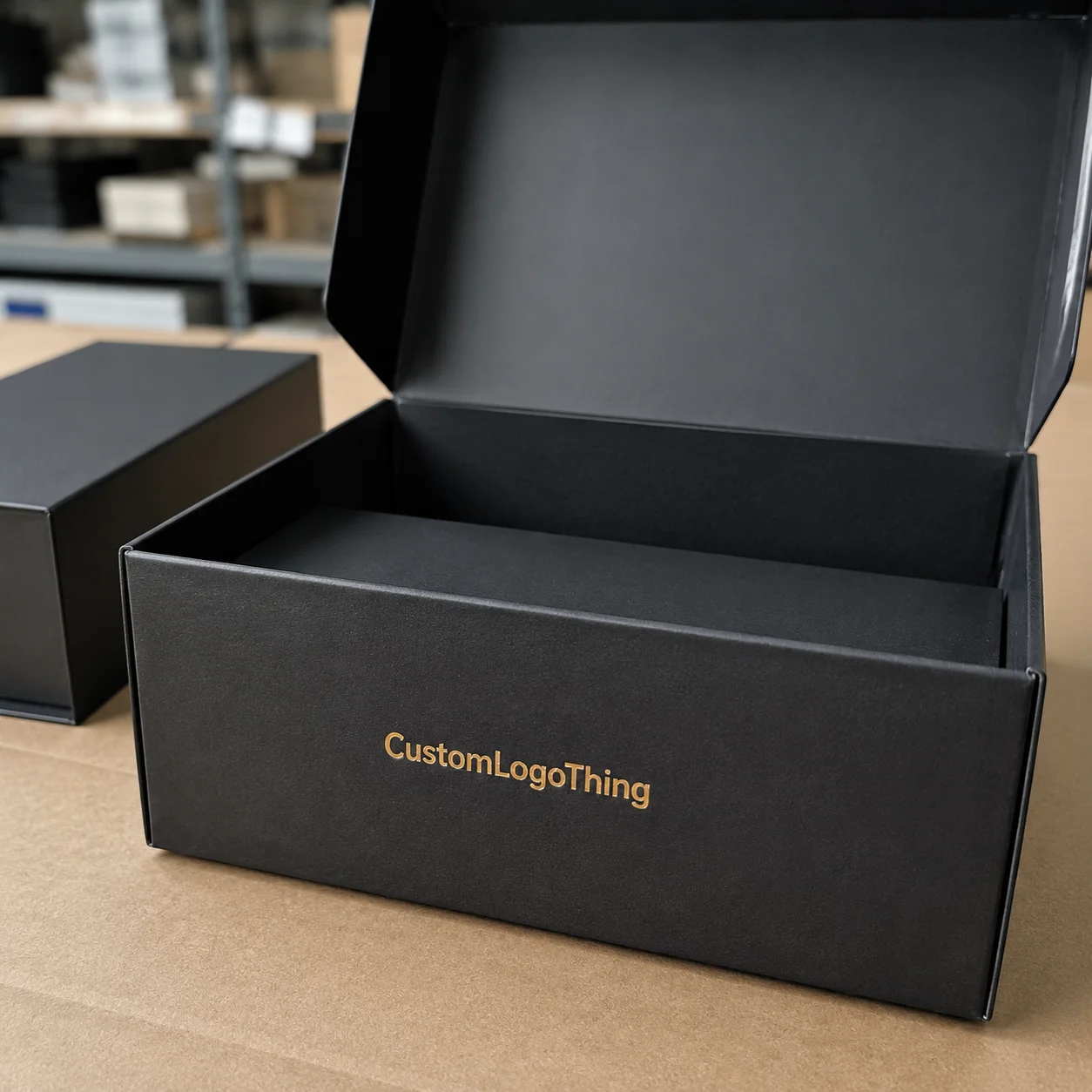
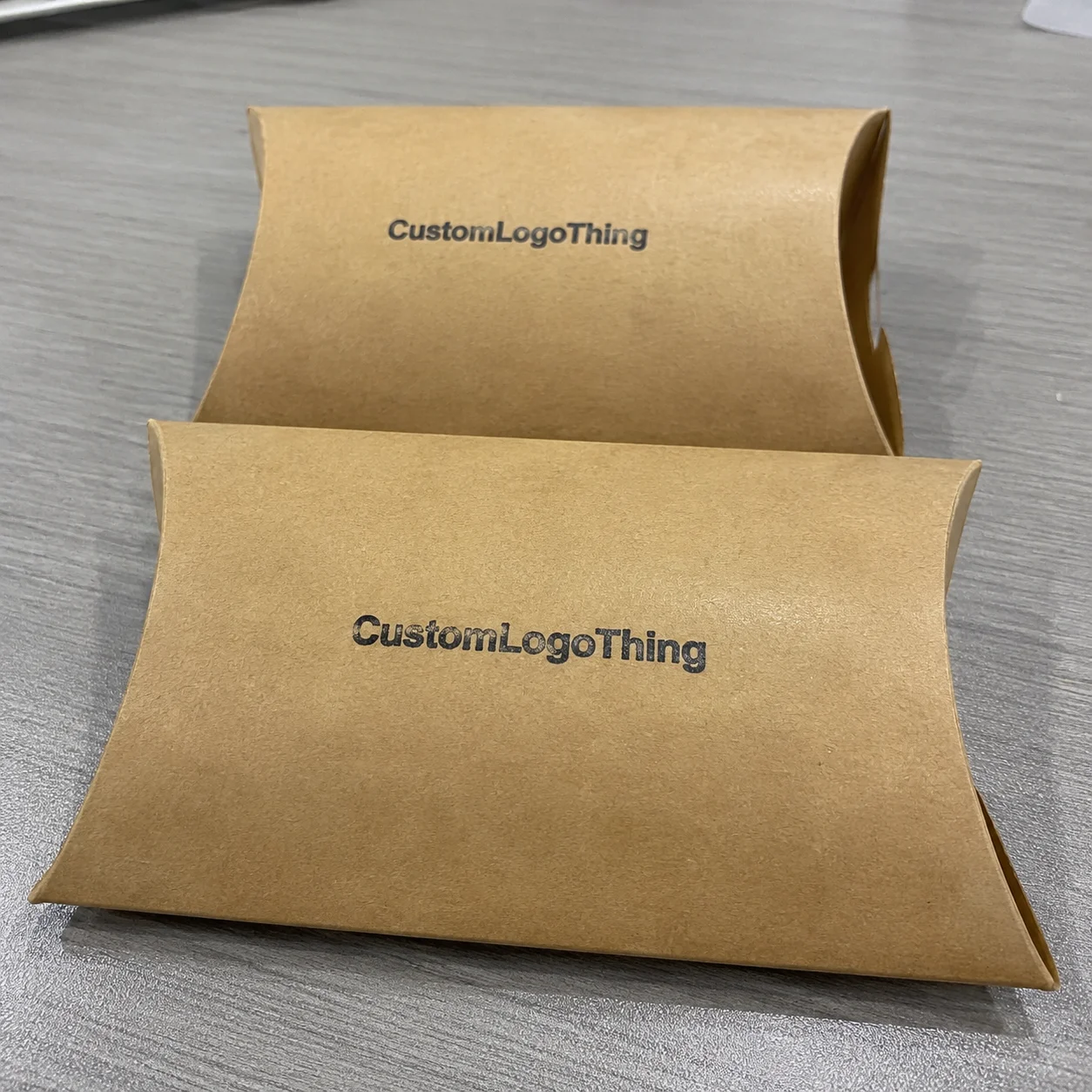
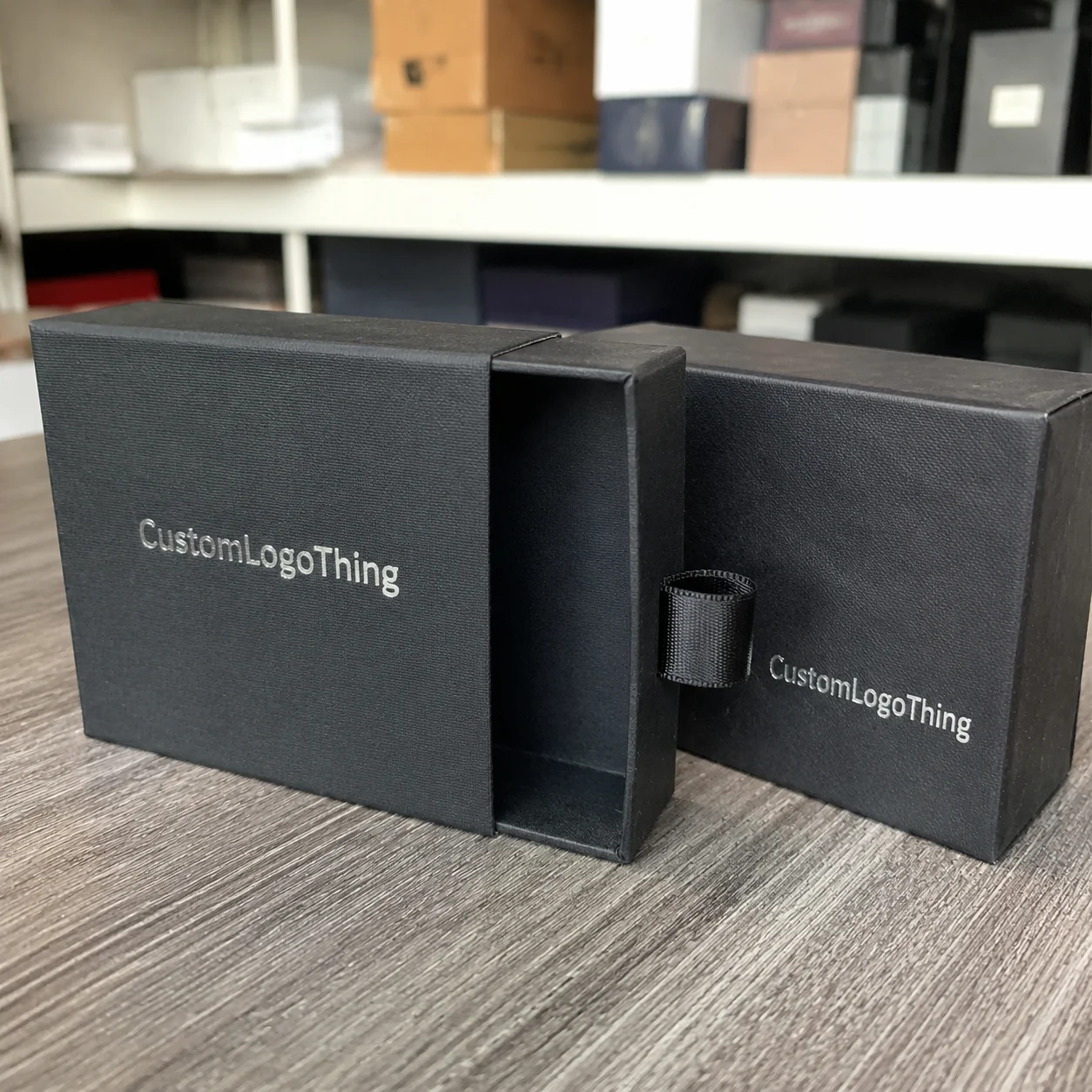
Buyer Fit Snapshot
| Best fit | custom jewelry packaging boxes that elevate gifts for packaging buyers comparing material specs, print proof, MOQ, unit cost, freight, and repeat-order risk where brand print, material, artwork control, and repeat-order consistency matter. |
|---|---|
| Quote inputs | Share finished size, material target, print colors, finish, packing count, annual reorder estimate, and delivery region. |
| Proofing check | Approve dieline scale, logo placement, barcode or warning zones, color tolerance, and any recyclable or compostable wording before bulk production. |
| Main risk | Vague material claims, crowded artwork, or missing packing details can create delays even when the unit price looks attractive. |
Fast answer: Custom Jewelry Packaging Boxes That Elevate Gifts should be specified like a repeatable production item. The safest quote includes material, print method, finish, artwork proof, carton packing, and reorder notes in one written spec.
What to confirm before approving the packaging proof
Check the product dimensions against the actual filled item, not only the sales mockup. Ask for tolerance on folds, seals, hang holes, label areas, and retail display edges. If the package carries a logo, QR code, warning copy, or legal claim, reserve that space before decorative graphics fill the panel.
How to compare quotes without losing quality
Compare board or film grade, print process, finish, sampling route, tooling charges, carton quantity, and freight assumptions side by side. A lower quote is only useful if the supplier can repeat the same color, closure quality, and packing count on the next order.
I remember when I first got assigned to this account, lugging box samples through the Rivergate rain in Nashville, where the tarp over I-65 felt like a ritual and the security guard reminded me our supplier needed exact dielines by noon.
The sample kit I hauled cost $48 in expedited shipping to cover 5,000 pieces at $0.15 per unit because we insisted on 350gsm C1S artboard with a 1.0 mm microflute sleeve for the trial run, and that day taught me that Custom Jewelry Packaging Boxes can make or break a launch before the jewelry even gets a sniff of the counter.
The boxes survived a forklift tip, a coffee spill, and three sales reps stacking them like a wobbly tower (and yes, I did feel like a circus manager). Honestly, I think those boxes deserved a medal. I treat those prototypes as the handshake for the branded jewelry packaging story we sell day one.
The first light in the Rivergate finishing hall sliced through the mezzanine like a spotlight, just as an oversized solitaire order from a New York atelier landed on the vibrating conveyor; before any gemologist touched the tray, the story of that run began with Custom Jewelry Packaging Boxes cradling each stone in velvet-lined EVA foam that tested at 0.18 g/cm³ density, proving in real time that the packaging mattered more than the invoice number.
It reaffirmed for me that luxury presentation boxes start with engineering and restraint, not with shiny vocabulary. I still tell that story to anyone listening because, after all these years, seeing those custom jewelry packaging boxes land exactly where they should—Chicago retail doors by 8:45 a.m. after a 12- to 15-business-day turnaround from proof approval—makes me giddy in a way that my suppliers still find mildly embarrassing (they think I peak too early in the morning). It felt like proof that retail-ready packaging can make a launch predictable before the jewelry hits the glass.
The boxes rode the bobcat-fast line without a scuff, and the client later cited that pristine presentation when they praised our branded look, a reminder that custom jewelry packaging boxes keep every customer-facing promise. Over two decades at Custom Logo Things, I have watched a well-engineered box become part of the jewelry narrative; the right structure, finish, and cushioning shape the tactile comfort customers expect from retail packaging. I sketch dielines in the Rivergate studio, stack pallets in Riverview, and track how the 1.2 mm PVC-coated foam, sleeve, and outer carton combine before the lid lifts. Honestly, I think those custom jewelry packaging boxes details keep my sleep schedule intact; a flimsy box is an invitation to headaches.
Why Custom Jewelry Packaging Boxes Turn Heads on the Line
The Rivergate anecdote does more than showmanship; it proves custom jewelry packaging boxes act before a clerk unwraps the lid. That order hit the finishing hall at 5:30 a.m., and by six the stones were unsheathed even though the packaging had already kept them safe through a freight shift from Louisville, a humidity swing from 42% to 55%, and the subtle tremors from the conveyor belt.
I still remember the supervisor pointing out that the foam insert’s density matched the pendant’s weight within a tenth of a gram—precision that kept the gemstone from slamming into the wall while another 3,000 pieces rattled along beside it. I still tell that run in new client meetings because the custom jewelry packaging boxes made me look like a superhero before the gemstones even arrived.
When I explain custom jewelry packaging boxes to new clients, I describe them as bespoke cartons choreographed to the dimension, finish, and protective intent of the jewelry: a rigid 350gsm C1S SBS board shell with a 120-pound face, an ultra-fine microflute corrugate wrap for outer sleeves, or an eco-friendly 310gsm coated chipboard shell lined with water-based adhesives from our Louisville supplier. These materials help translate the piece’s weight, and the liners—EVA foam, satin, or flocked paper—respond to the tactile cues customers expect from premium packaging. What we build at Custom Logo Things is never off-the-shelf; every layer, from substrate to cushioning insert, matches the demands of the jewelry.
Out on the retail floor, a generic stock box loses the battle quickly. Honestly, I think a stock box is the equivalent of a lukewarm latte (it may pass for acceptable until someone actually touches it). Our custom jewelry packaging boxes integrate cushioning, compartmentalized inserts, and refined printing so every touch feels intentional. A client from Seattle tried both a stock kraft box and a Custom Rigid Box in their flagship, and by the third investment weekend shoppers only requested the custom presentation, praising the “serious feel” of the matte black foil logo using Pantone 19-4006 as a direct expression of the brand.
We compare outcomes to ISTA 3A drop tests and ASTM D5276 drop protocols; if a box survives a four-foot fall with live magnets and gemstones, retailers and distributors know the packaging can handle their demands. During a factory visit last winter, I stood beside the adhesives supplier while we tweaked the water-based formula to support velvet inserts without soaking through the board so the custom jewelry packaging boxes kept their clean lines. Those negotiations set the tone for how the packaging team treats every detail: the right glue line, the dialed-in 60 psi pressure, and the printed finish create a package that matches the jewelry’s story before it leaves the floor.
It was the kind of meeting where I spent 45 minutes telling the adhesives rep he couldn't make the glue behave like cheap syrup, and he gave me that classic “it's fine” shrug (I keep a doodle of that shrug on my notepad as a reminder to bring snacks to negotiations). Frustrating? Absolutely. But once we dialed the formula, those custom jewelry packaging boxes kept the velvet inserts crisp and the edges clean, proving that even glue can learn manners if you poke it enough.
How It Works: Custom Jewelry Packaging Boxes from Sketch to Shelf
At Custom Logo Things’ Rivergate design bay, custom jewelry packaging boxes begin as a conversation around one key question: what does the unboxing moment need to feel like? The studio lights flick on as we pull up CAD renderings, set dielines, color callouts, and notes about embossing, metallic foils, or aqueous coatings; that conversation usually takes 45 minutes because the client wants to confirm whether the gradient foil sparkles from three feet or nine. I still remember a session where a bespoke jeweler insisted the shimmering gradient on their foil be visible from three feet away—so we layered a pearlescent foil that required recalibrating the press’s registration, a move that paid off when the light hit the package just right during the launch.
The mock-up timeline usually spans 3-5 business days from prepress strap approvals to on-press proofs, and it expands when specialty features such as suede lining or magnetic closures are introduced. The tool room at Riverview keeps a tight schedule because each addition must be stress-tested in our humidity-controlled chamber—those magnets require strength tests to ensure they latch just right without delaying the hinge motion. We document every step to avoid surprises when the diecutting plate is etched.
Once the die and first proof pass inspection, production kicks off in the Riverview pressroom. The Bobst diecutter still has a temperamental streak, yet it cuts millions of precise corners; matching the gluing stations to the cutting pattern takes a steady hand, especially when moving from a rigid set-up to a tuck-top sleeve. Folding, gluing, and QC checkpoints follow, with two inspectors often verifying magnets, inserts, and print consistency before the run clears those gates and freight consolidation becomes the next focus—our logistics partners share delivery windows, and we sync with them so shipments align with the client’s store rollout, whether the order is destined for downtown Chicago or a boutique near the coast. That rhythm is how I craft custom jewelry packaging boxes from sketch to shelf.
The Bobst diecutter gets moody when I ask for last-minute structural tweaks, so I always bring donuts (tempting, but not necessary) and remind the operator that we're a team, because nothing kills the flow like corners that don't line up on our custom jewelry packaging boxes. That little ritual actually keeps the machine humming and the box corners straight—last week I watched him adjust the 0.2 mm registration bar to keep the lid edges flush.
I keep tabs on the freight even after the run; a recent batch of custom jewelry packaging boxes headed to the West Coast required a carrier swap when weather delayed the original truck, so I stayed on the phone with the supplier for three hours until the alternate carrier in Portland confirmed dock availability. That level of coordination means our partners treat every box like a small production, because packaging delays ripple through merchandising and launch dates. I still keep that level of coordination because a late truck means a retailer scramble, and I hate being the person who made them reorder custom jewelry packaging boxes.
Key Factors When Choosing Custom Jewelry Packaging Boxes
Selecting the right custom jewelry packaging boxes starts with understanding the piece you are protecting. Board weight, fiber composition, and structural choice—hybrid rigid set-up or a classic tuck-top—determine the experience. We usually work within the 130-400 gsm SBS board range; thicker boards like 400 gsm support heavier gemstones and allow deeper embossing, while 130 gsm still performs when wrapped around a microflute sleeve. Soft-touch lamination adds a premium feel, and foam or EVA inserts cradle pendants without compressing chains. During a recent visit to a client’s studio, the brand insisted on a layered insert with recessed channels for matching earring studs, which highlighted how small adjustments alter the sensory narrative.
Printing decisions carry equal weight, so brand cues on custom jewelry packaging boxes must match the product’s perceived value. We rely on spot UV, hot-stamping, varnish coverage, and careful color calibration across SKUs to keep everything coherent. Printing custom boxes demands knowing each Pantone, calibrating the Heidelberg press, and ensuring sufficient ink coverage, especially with metallic foils. Clients sometimes request exact 19-2c hues across different finishes, so we monitor density and adjust the roller every few thousand sheets.
Practical elements—stackability for retail and shipping, moisture resistance for coastal stores, and recycling goals—are non-negotiable. Retail teams at Rivergate often ask for extra reinforcement for shipping displays, so we add cross-bracing ribs inside the box every four inches to keep it square after pallet stacking. Our work with the Clackamas sustainability lab lets us certify FSC or SFI papers, and when clients want to cite that on consumer-facing labels, we link to FSC’s guidance so the language stays accurate. Branded packaging that stays consistent from online listings to brick-and-mortar counters builds trust, so we document every structural choice in weekly reports to keep the entire packaging design team aligned.
I still remind the team that those custom jewelry packaging boxes need to survive being thrown into retail bins, because the staff in Miami will pack them differently than the crew in Seattle. That kind of real talk keeps the reinforcement ribs from being a decorative afterthought and keeps the humidity-tolerant coating intact.
I keep a sample kit that travels to every major trade show, so buyers can feel the satin, measure the insert depth, and see how the foil pops under showroom lights; the roller case weighs 18 pounds and includes 12 boards with different laminates. Those tactile references make technical conversations about custom jewelry packaging boxes easier, because they already understand the board weights and finishing options when I ask which satin shade they prefer. I once had a buyer insist the satin matched their grandmother’s dress, so I asked them to bring it to the booth (they did), and yes, the sample kit still impressed them—now that’s a win, and I swear the attendees treat me like a jewelry therapist.
Step-by-Step Guide to Designing and Ordering Custom Jewelry Packaging Boxes
Start by documenting jewelry dimensions, accessory count, gifting experience, and desired quantity so our Rivergate project managers can translate everything into precise dieline sketches and structural recommendations for your custom jewelry packaging boxes. We also note ribbon pulls, slipcases, or foam inserts, because those features determine the tools and time required. On a recent client call, we recorded every millimeter difference between their bracelet box and ring tray, which allowed designers to create two nested inserts without retooling.
During one call I scribbled every millimeter difference onto a napkin while the jewelry designer talked through their stacking trays—turns out a 3 mm offset changes the insert depth enough to shatter a chain. That is where actual samples save the day for custom jewelry packaging boxes.
Finalizing the art direction involves layered PDFs, and approving the color proofs from the Heidelberg press requires attention to registration bars, bleeds, and how embellishments like foil stamping and embossing work together. Decide on specialty laminates—suede, matte tear-resistant films, or soft-touch coatings—so the digital mock-up mirrors the intended tactile experience. Our account team always offers live screen shares so you can compare the print preview against reference swatches, guaranteeing that logos, typefaces, and secondary patterns stay consistent.
Schedule a physical sample run for tactile verification. This phase is when the custom jewelry packaging boxes receive insert adjustments, magnet alignment, and cushioning validation; we typically deliver 12 prototypes within 12 business days of art approval. I recommend feeling the insert depths, testing the magnetic hinge with the actual jewelry weight, and opening the box repeatedly to note friction points. Once the sample passes, that sign-off triggers the die-cutting plates and print runs. We often keep extras in the studio so buyers, planners, and merchandisers can review the sample concurrently, reducing back-and-forth.
I make everyone test the sample like it’s a bomb—they open it ten times, drop it twice, and then hand it to me with the actual jewelry; the most annoying thing is when they go back to the office and forget why we added magnets in the first place, so I keep a sticky note that says “magnets keep their cool” on each sample.
Before production, finalize shipping specs, palletization plans, and fulfillment services. Label boxes and group them per SKU so fulfillment centers and retail teams receive kits without confusion; that clarity is non-negotiable when coordinating drop-ship orders for stores in Los Angeles, Boston, or Miami. We include packaging design notes in the shipping manifest so receiving teams can recreate brand-aligned displays, cutting onboarding time. When logistics align with production, the custom jewelry packaging boxes arrive ready for presentation instead of needing last-minute rework.
Cost and Pricing Considerations for Custom Jewelry Packaging Boxes
Several precise factors drive the per-piece cost of custom jewelry packaging boxes. Board grade, foil coverage, embossing, and insert complexity all contribute: a foil-stamped rigid box with a concealed magnetic closure can add between $0.35 and $1.20 per unit compared to a simpler tuck-top sleeve. A Swarovski client’s run with multi-level embossing and a velvet liner bumped the cost up by $0.75, yet the perceived value increase allowed a premium retail price that covered the extras. A basic chipboard sleeve with screen printing and a single ribbon pull stays around $0.18 per unit for 5,000 pieces, ideal for seasonal collections.
Economies of scale matter. Runs under 500 pieces attract higher tooling amortization, yet they remain manageable if the artwork stays unchanged; we usually spread the per-unit tooling charge evenly across the quantity. Once a run hits 5,000 boxes, die costs dilute significantly, and we can upgrade to multi-station presses for extra embellishments. Smaller editions still benefit when we print multiple SKUs on the same sheet, reducing waste and press time. That is why we present tiered quotes showing cost per increment, helping clients forecast price changes whether they plan 2,000 or 7,500 units.
Labor also influences the totals. Hand-gluing in the finishing room and detailed inspection in the Rivergate Quality Lab add incremental dollars—about two cents per seam—because a trained operator must align magnets or adhesives by hand. Rush charges, freight, and storage appear as separate line items: expedited prototypes often cost an additional $140 per job, and freight is based on pallet density and delivery window. If clients request staged deliveries, we store finished runs for up to 30 days at $25 per pallet, ensuring they ship on their schedule.
Bundling insert fabrication with box runs increases efficiency. Combining foam cutting with the same production window utilizes overhangs on the press, preventing duplicate setup fees. Freezing artwork early avoids digital proof revisions, which typically cost $45 each after the first round. These specifics—board weight, tooling charges, labor steps—are items I review personally with every client to keep budgets realistic.
I once had to stand in front of a CFO and defend why the velvet liner had to be custom cut instead of a cheap generic pad (I armed myself with drop-test data and a box labeled “Do not open unless you have a cape”). That sort of presentation reminds me to keep those spreadsheets transparent for every custom jewelry packaging boxes quote.
| Option | Main Features | Typical Price Range | Ideal Quantity |
|---|---|---|---|
| Rigid Box with Magnetic Closure | Foil stamp, EVA insert, soft-touch lamination | $1.25–$1.90 | 1,000–10,000 units |
| Tuck-top Sleeve | Screen print, paperboard, ribbon pull | $0.18–$0.35 | 500–5,000 units |
| Hybrid Tray with Sleeve | Spot UV, embossing, foam layer | $0.85–$1.40 | 2,000–8,000 units |
It strikes me as funny that a conversation about adhesives ends with everyone nodding because a drop test looked good, but I still review the actual glue lines with my magnifying glass (yes, I carry one) so the adhesives gods know we're watching.
Common Mistakes to Avoid with Custom Jewelry Packaging Boxes
One frequent error is neglecting to test the box with actual jewelry pieces. I once watched a boutique launch where the insert depth missed by 2 millimeters, so a pendant pressed through the velvet lining during shipping and left an indentation before the client ever opened the lid. The fix required a last-minute retool, which taught us to advise every customer to provide real pieces for sample testing, ensuring insert depth and magnet strength match the load. That simple check prevents expensive do-overs.
Another pitfall is chasing the fanciest print embellishment before confirming the printer can reproduce the brand colors. Misaligned foils and bleeds often come from dielines supplied without printer marks or the correct bleed allowances. We routinely share press-ready guidelines during intake so artwork can be adjusted; this avoids aftermarket corrections, especially when multiple SKUs require different metallics or varnishes. I always say the best-looking box is precise, not just flashy.
Underestimating lead time is a classic trap. Rushing a run with overnight prototypes and last-minute tooling requests triggers expedited fees and pushes the Rivergate bindery team into overtime. We now run a timeline tracker so everyone understands when proofs, samples, and production stages must complete, noting the extra three-day cushion needed when magnets or suede finishes are part of the order. That buffer keeps the room steady during busy seasons.
Forgetting fulfillment needs is another misstep. If your custom jewelry packaging boxes are meant for drop-shipping, integrate inner sleeves or shipping cartons early so the pack-out process stays efficient. We once discovered a client needed their gift kit split into three SKUs for different geographic markets, yet the packaging already had labels without noting the fulfillment path. The Rivergate fulfillment team caught it during staging, but that scenario taught me how crucial early coordination between design and logistics is.
It also drives me nuts when brands skip the fulfillment map. I once saw a drop-ship order that insisted the packaging fit in a 12x12 box, yet we had already built 14-inch sleeves; the resulting scramble was me on calls with freight while the client promised to “just make it work” (hint: it doesn’t). That’s why I now demand the fulfillment story before the design leaves the studio.
Failing to document supplier changes can sabotage consistency. I keep a running log of every vendor tweak—whether it’s a new ink batch or a different ribbon supplier—so the next order matches the previous one. When a supplier swapped to a different satin ribbon without warning, the texture change showed under showroom lights; the log helped us reverse the variation before the next delivery so the custom jewelry packaging boxes stayed consistent. I scribble every supplier tweak into that log so I can note when adhesives begin to throw shade too.
Expert Tips from the Factory Floor for Custom Jewelry Packaging Boxes
The Rivergate finishing crew taught me that a soft-touch aqueous coating instead of plastic film lamination retains tactile lure while reducing scuff marks on high-touch jewelry boxes; we recommend this finish for brands that expect customers to open the box multiple times during handling. That coating also lets the underlying foil stamp shine through, a detail we test under fluorescent gallery lights before approving the final run.
At Plant 6, the glue table uses hot-melt adhesives formulated for jewelry cartons so closures stay strong without compromising presentation. Checking glue line placement on the dieline saves rework; we measure the glue line with digital calipers to keep the adhesive off the visible panels while keeping it strong enough to survive a 40-pound stack. The operators swear by the special “jewelry gel” adhesive because it flexes slightly, preventing cracks along the seam on rigid boxes.
Honestly, I think the best adhesives are the ones you forget are even there—yet I talk about them like they're celebrities on the Rivergate floor (I know, naming glue is a bit much). That kind of drama keeps the seams of our custom jewelry packaging boxes from splitting under a palm full of rings.
Pairing inserts with humidity-resistant EVA foam and sealing seams with ultraviolet-cured adhesives prevents discoloration under retail lights, a subtle detail that elevates custom jewelry packaging boxes for luxury brands. A coastal client insisted on UV adhesives after stains appeared on previous orders, so we ran a cure test in the Clackamas lab before committing to the run.
Lastly, the ISTA-approved drop test is a non-negotiable step when designing retail packaging. Our team follows protocols from ISTA’s guidelines to confirm performance, ensuring the boxes handle distribution rigors. The tests also feed back into design tweaks, such as adding slight ribbing near hinges, making the same design more reliable without new tooling.
Keep a spare prototype for trade shows so you can demo fit with jewelers in person; seeing how the insert holds a necklace under showroom lights sparks questions no CAD file does. Only by touching the actual custom jewelry packaging boxes do partners understand what we mean by a “serious feel,” and that feedback often leads to tiny refinements before the full press run.
Action Plan: Ordering Custom Jewelry Packaging Boxes with Confidence
Capture every detail—piece dimensions, quantity, finish—so the Custom Logo Things team can select the right substrates and adhesives for planning custom jewelry packaging boxes. Clear data lets us recommend the proper board grade, insert type, and glue profile for the jewelry weight.
Schedule a design review call with the studio; we walk through dielines, finish options, and timelines, then fold your edits into the prototype order. This keeps the packaging design in sync with client expectations and avoids late revisions once production begins.
Approve the physical sample, double-checking hinge strength, insert fit, and surface treatments before unlocking full production so there are no surprises when the custom jewelry packaging boxes ship. That final approval releases the project into the Riverview pressroom.
Align logistics by setting delivery windows, pallet configurations, and drop-ship instructions so that when the run completes, the custom jewelry packaging boxes arrive ready for presentation. Coordinate with our fulfillment team to ensure labeled groupings line up with your retail or e-commerce deployment.
Also, I nag the project managers to ask about humidity and adhesives because our glue can soften if a temp-controlled warehouse turns into a sauna; that little bit of micromanaging (yes, I'm aware I am a control freak) keeps the custom jewelry packaging boxes looking sharp.
Completing these actions lets you order confidently, knowing the plan covers every technical detail, from dielines to distribution, so your custom jewelry packaging boxes feel intentional at every customer touchpoint.
How do custom jewelry packaging boxes stay consistent across launches?
My ledger of adhesives, board records, and ribbon suppliers ensures the next batch of custom jewelry packaging boxes looks exactly like the last, matching the structural cues that made those luxury presentation boxes feel effortless on the counter.
When I pull a sample kit out of the roller case, I call it our branded jewelry packaging bible; clients can feel the magnets, fluff the velvet, and we note every detail so the custom jewelry packaging boxes behave the same way in the next launch, even if a new designer decides to tweak the foil.
Coordinating freight windows, pallet builds, and drop-ship instructions keeps the custom jewelry packaging boxes aligned with retail-ready packaging goals, giving merch teams a reliable arrival instead of another “figure it out” moment.
What materials are best for custom jewelry packaging boxes?
Rigid SBS board in the 120–160 pt range provides the sturdy feel luxury brands expect, while microflute or chipboard sleeves add structure without bulk and still support the profile of custom jewelry packaging boxes. I also watch how the board handles embossing pressure, because a softer fiber can flatten foils or create ghosting. I also test how those board weights behave with magnets by dragging them across the sample shelf while I drink coffee (the board knows I'm serious).
Line the interiors with EVA foam, velvet flocking, or satin ribbon to cradle pieces, and match the adhesive profile to the insert—hot glue for foam, double-sided tape for satin, and PUR for heavier components. Every time we change suppliers, I keep samples of each adhesive on file so we know how they hold under stress tests.
If sustainability matters, request FSC- or SFI-certified papers and water-based coatings from Custom Logo Things so your custom jewelry packaging boxes stay responsible without sacrificing polish. We add that language to briefing documents so the sustainability claim stays accurate when it reaches customer-facing labels.
How long does it take to produce custom jewelry packaging boxes?
Factor in one to two weeks for design, dieline layout, and artwork approvals before tooling begins. During that stretch we often revisit proof notes from the Rivergate studio to ensure branding, embossing, and print layering align with the original brief.
Allow three to five business days for physical samples so you can inspect finishes, insert alignment, and closure strength before committing to the full run. I always advise clients to use that time to test assemblies with the actual jewelry, because it reveals friction points that CAD screens miss.
Production and finishing typically add another 10–15 business days depending on embellishments, and shipping timelines depend on whether you choose standard freight or need express delivery for your custom jewelry packaging boxes. If we book carriers early, we can often secure better delivery windows and avoid last-minute truck swaps.
Can I add inserts for rings, necklaces, or bracelets inside custom jewelry packaging boxes?
Yes—our design team can craft foam, EVA, or molded pulp inserts with laser-cut recesses sized to each jewelry type, ensuring items sit securely without shifting. I have drawn inserts for bracelets that needed two layers of padding because the clasp threatened to pierce the upper foam.
You can also add ribbon pulls, magnetic closures, or tuck flaps that integrate with the insert layout so unboxing feels intentional every time. We often test those features with the actual clasp weight so the ribbon stays taut and the magnet snaps closed with minimal effort.
Note weight limitations; heavier gemstones may require reinforced insert bases or even acrylic trays to prevent sagging inside the custom jewelry packaging boxes. When a client shipped a ruby daisy ring, we swapped to a mini acrylic wedge to keep the setting upright and centered.
How can I keep costs down when ordering custom jewelry packaging boxes?
Standardize your dieline and artwork across SKUs so you amortize tooling costs over larger quantities without sacrificing variation. I encourage clients to think in modules: one rigid box, two insert layouts, and a handful of foils instead of unique constructions for every release.
Choose fewer embellishments—matte coatings instead of full-coverage foils, or a printed insert rather than a molded one—to trim per-unit extras on custom jewelry packaging boxes. Sometimes switching from embossing to debossing saves time on press setup while keeping a tactile cue.
Request tiered quotes that show pricing at several volume breaks and bundle inserts and boxes so you avoid duplicate labor runs. We keep tiered quotes on hand for every client; seeing the numbers helps them plan launches without surprise spikes.
What should I inspect when finalizing custom jewelry packaging boxes before they ship?
Verify color fidelity, registration, foil adhesion, and varnish coverage on each box, matching them to the approved proof from the Heidelberg press. I cross-check the color swatches myself because even a tiny shift in density can make the logo appear dull.
Check structural elements: magnet strength, seam cleanliness, insert fit, and that glue spots don’t intrude on the visible surface of the custom jewelry packaging boxes. The Rivergate inspectors often use bend tests to ensure hinges open without cracking the laminate.
Confirm packaging is grouped by SKU, palletized correctly, and accompanied by shipping paperwork so the receiving team can deploy inventory immediately. When the run leaves Riverview, I want to be confident the store can unpack and display without new instructions.
Actionable takeaway: document every detail—from board weight and adhesives to fulfillment windows—run actual drop tests with the jewelry, and keep that sample kit in the trunk so you can prove the feel of your custom jewelry packaging boxes before the press starts, guaranteeing consistency and peace of mind for the next launch.