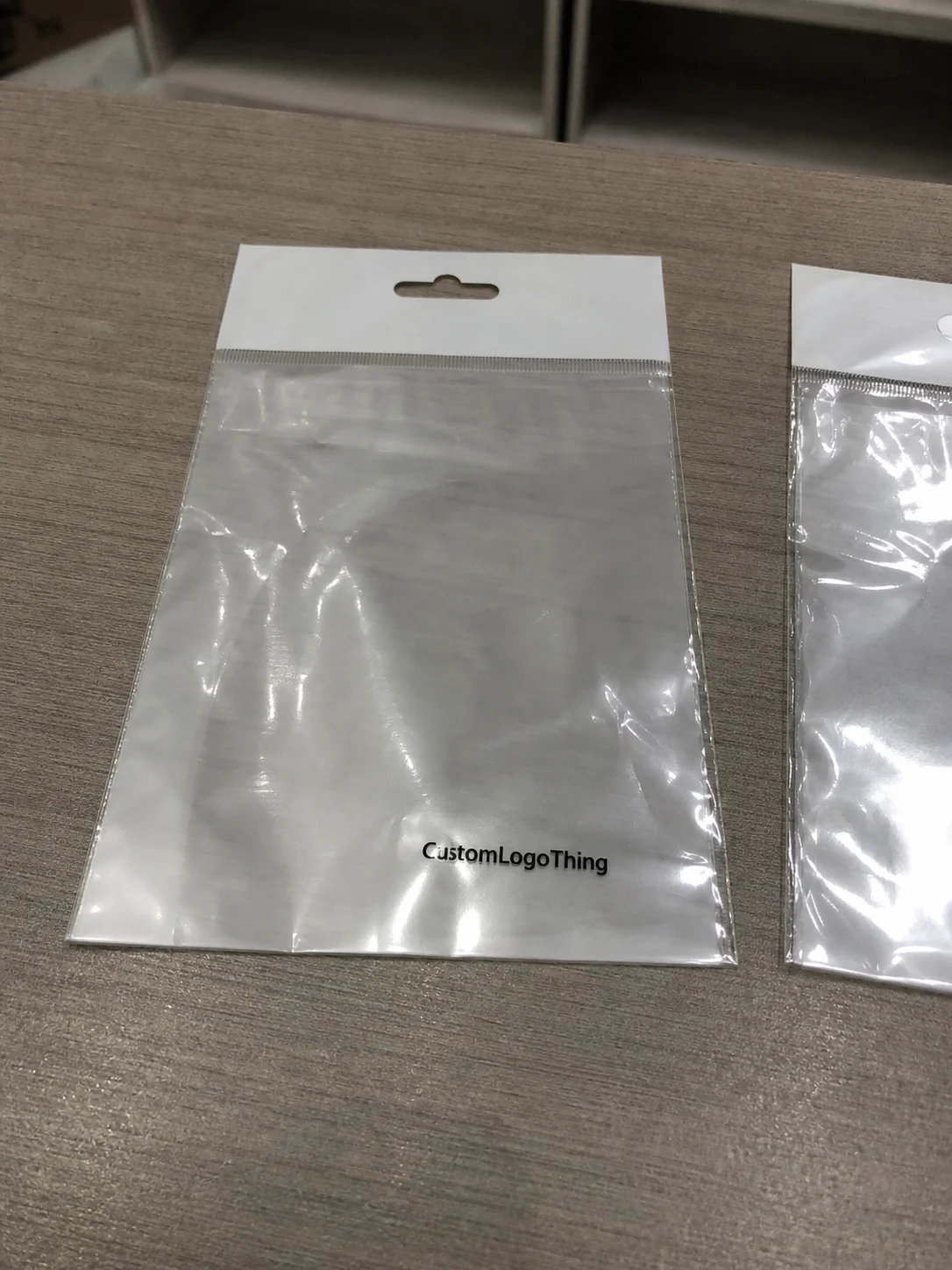
Buyer Fit Snapshot
| Best fit | Custom Jewelry Pouches Bulk for Confident Brand Stories projects where brand print, material claims, artwork control, MOQ, and repeat-order consistency need to be specified before quoting. |
|---|---|
| Quote inputs | Share finished size, material target, print colors, finish, packing count, annual reorder estimate, ship-to region, and any compliance wording. |
| Proofing check | Approve dieline scale, logo placement, barcode or warning zones, color tolerance, closure strength, and carton packing before bulk production. |
| Main risk | Vague material claims, crowded artwork, missing packing details, or unclear freight terms can make a low unit price expensive after revisions. |
Fast answer: Custom Jewelry Pouches Bulk for Confident Brand Stories should be specified like a repeatable production item. The safest quote records material, print method, finish, artwork proof, packing count, and reorder notes in one written spec.
Production checks before approval
Compare the actual filled-product size with the drawing, then confirm tolerance on folds, seals, hang holes, label areas, and retail display edges. Reserve space for logos, QR codes, warning copy, and material claims before decorative graphics fill the panel.
Quote comparison points
Review material grade, print process, finish, sampling route, tooling charges, carton quantity, and freight assumptions side by side. A quote is only useful when the supplier can repeat the same color, closure quality, and packing count on the next order.
When a tractor-trailer from our Rhode Island mill gingerly unloaded plush velvet for custom Jewelry Pouches Bulk orders, I remember thinking the universe had somehow hired me to be both a storyteller and a seamstress; every yard arrived wrapped in kraft and tagged with a dye-lot number, and I swear you could hear the hush of a new collection before we even cut a piece. The aroma of starch adhesive—still warm from the curtain gluing station—melded with the faint citrus of solvent ink and reminded me why those first few yards always feel sacred. We keep meticulous records of those dye lots in a digital log that syncs with our maintenance dashboard, so a future run always matches the velvet that made a boutique owner gasp. It's a ritual that keeps the machines tuned and the team proud to call those pouches their work.
The smell of starch adhesive and the hum of our Port Newark Satinweave feeder at 5:30 a.m. sketch a different narrative than the showroom crowded with luminous gems, and that contrast keeps buyers leaning in because they sense the care embedded in each seam—and honestly, I think that early-morning duet of heat and machinery is when the pouches learn to hold themselves proudly. We often throw in a little casual banter with the feeder techs, because that human rhythm keeps our metrics honest and reminds the crew we're all gonna own the final presentation together. Those mornings also double as my favorite time to test new drawcord reels before our next bulk commitment.
My day still meanders between the design loft and shipping lane 4 where our packaging design team calibrates 350gsm artboard weights and dye lots, because branded Packaging That Feels carefully engineered makes the retail moment worth that five-figure gemstone inside the pouch; (also, I have to admit, nothing beats the satisfaction of seeing a pallet of custom jewelry pouches bulk rolls finally shrink-wrapped and ready to roll out). I keep a spiral notebook where I jot down any sly adjustments the CNC guides end up needing—this week it was a micro-shift to account for humidity swelling the velvet by 0.7%, so the tooling had to compensate before the next run. Some days I feel like the line’s unofficial quality whisperer, but I know the crew appreciates that extra set of eyes.
Value Proposition That Starts on the Factory Floor
During a quiet Tuesday shift at our New Jersey soft goods line, a designer asked for a pouch with the sheen of silk and the durability of canvas, a request that sharpened our custom jewelry pouches bulk expertise; transforming tactile surprises into production-ready cases has been the pulse of that team ever since, and I still grin thinking about how the request felt like a dare. The ask forced us to retool the tension settings on the double-weft loom, which meant consulting a veteran operator who used to run sailcloth before migrating to luxury packaging—his notes now live in our SOP binder as the “canvas pulse” adjustment. That same week we documented the tweak for future teams so they could replicate the result without rediscovering the wheel.
I remember the crew on line 3 fussing with tension settings on freshly unspooled eco-suede because the first prototype sagged along the gusset, and we finally stabilized it by marrying the 210-denier weave with laser-engraved silicone guides that keep every pleat precise—those silicone guides have become somewhat of a legend on the floor, which is funny because a year earlier we treated them like a luxury upgrade. The guides now travel with the tooling crate, and whenever they hit the line they remind me that the right fixture keeps stitching consistent even when the humidity spikes. Seeing the guides in action inspires the newer apprentices to ask more questions, which is always a win.
Customer stories always share the floor with real metrics: 97% of test runs on our high-speed Satinweave feeder stay within 0.5mm tolerance, so even after polymer-coated drawcords cross the Midwest in our bonded trucks, each pouch retains consistent Fit and Finish, and that level of consistency is why I pay attention to the smallest workflow hiccup (yes, even the one involving that stubborn magnet from last spring). We publish those tolerance charts to clients so they can see how their quality gates align with ours, and it keeps everyone speaking the same language. That transparency is part of why I still field questions after hours—people appreciate knowing the exact point at which we stop and recalibrate.
Beyond protecting gems, these pouches preserve your brand promise, delivering a luxurious unboxing that mirrors the care invested in the jewelry, complete with packaging cues such as a 0.2-second release of the drawcord and the soft snap of a magnetic flap tuned to the same pitch as our retail packaging samples; there’s a kind of choreography behind every motion that I love to narrate when visiting boutiques. Those cues were fine-tuned by listening in on boutique staff opening and closing prototypes, and the data still shapes our sound engineers’ recommendations for new draws. When packaging feels rehearsed, retailers notice it as soon as the tray hits the counter.
A recent client meeting in the Port Newark showroom confirmed the importance of emotion: the boutique owner wanted the sensation of her grandmother’s heirloom pouch, and Tyler from Jersey City suggested a 2mm padded insert that kept the necklace centered while still providing that vintage slide, which made everyone in the room tear up a bit—custom packaging feels that intimate when it works. We documented her preferred motion in a short video for our production team, so every future run knows those subtle cues without us having to retell the story. That footage now lives on the showroom wall as a reminder of just how personal these contracts can be.
Product Details: Materials and Finishes That Stand Out
Choose from crushed velvet, silk satin, recycled velvet, or eco-suede—all sourced from our trusted mills in Rhode Island and bonded with heat-sealed seams from our Chicago finishing line; every finished edge passes inspection through a 12x loupe in the Experience Lab before we ever call it a sample, because I’ve seen too many “samples” leave the floor looking like they barely made it through the cutting table. The lab team logs each inspection and correlates it with operator shift notes, making it easier to trace any anomalies back to a specific operator or batch. That stack of data has saved more than one launch from unexpected snags.
Crystal drawcords, magnetic flaps, and gusseted bottoms stay engineered together during bulk runs, and if a client wants custom printed boxes to pair with the pouch, we coordinate both projects so the pouch foiling matches the metallic ink on the cartons—there’s nothing worse than foil that acts like it’s allergic to matching. During a recent collaboration with a high-end watchmaker, we aligned the foil’s micro-texture with their secondary packaging by tooling a custom metal die, and the effect earned a nod from their creative director. Coordinating both packages keeps the tactile story cohesive across every touchpoint.
Every pouch can accept custom prints, hot foil stamping, or embroidered logos; our Roland LEF-200 UV printer and Tajima embroidery heads keep intricate designs sharp across thousands of pieces, while the same heads stitch contrast threads that echo the package branding featured on your necklaces—these machines have told me more stories than any CRM ever could. The printers’ maintenance logs double as training materials for new hires, so we know which settings gave us the best saturation on velvet and which needed extra drying time. That attention means we can promise detailed art without burning deadlines.
The day I negotiated with our Providence mill for a warp that met the new EPA VOC limits yet still delivered that satin sheen stands out: we committed to a closed-loop dye process recognized by the EPA for low emissions, keeping partners calm and regulators content, and I was secretly proud that we pulled it off without sacrificing luster. The mill’s chemical engineers walked me through the new binder system, and I was able to relay the changes to clients who care about sustainability, proving we don’t just talk about compliance—we engineer it. Keeping that transparency builds trust faster than any glossy brochure.
For more structure, the Custom Packaging Products catalog pairs the pouch with matching rigid boxes or pull-out trays, making your product packaging consistent from the jewelry bench to the retail counter—nice little cheat sheet for anyone who’s tried to align a pouch with a display box simultaneously. The catalog also lists compatible inserts so you can see how a tray and pouch stack looks in one glance, which is super helpful when tight packaging budgets make every decision count.
Specifications That Match Every Jewelry SKU
Standard sizes include 3x4, 4x5, and 5x7 inches, yet modular tooling also accommodates oddball measurements so your pieces nestle flawlessly, as when a Denver enameled cuff needed a 3.8x5.5 envelope and our toolmakers reprogrammed the cutter in under four hours—no exaggeration, though the guy at the cutter now insists I owe him a coffee for the overtime. That agility means we can pivot during a season when an artisan suddenly unveils a new silhouette without derailing production. The cutter techs love those challenges because they let them show off their problem-solving chops.
Thickness options run from 2mm felt to 6mm padded inserts, offering cushioning that suits bracelets, pendants, or heirloom-set rings without excessive weight, and each density is verified on the compression rig that simulates three UPS drops to meet ISTA 3A standards published at ista.org; the rig is loud, but it’s oddly satisfying to hear the pouches applaud themselves after each drop. We log each drop’s decibel range to the run sheet, so quality doesn’t just happen—it’s recorded. That documentation is what a compliance officer dreams about.
Color matching relies on our Pantone-approved dye bath with spectrophotometer verification, ensuring every pouch aligns with your brand palette across multiple production batches, with Delta E tolerances locked inside 1.0 so deep teal stays consistent on both velvet and eco-suede—yes, even when someone on the floor swears teal is “basically navy.” I keep a running color palette board in my design corner where the team pins swatches, and it’s become a kind of color shrine. The board helps us catch shifts before they go live, which saves both time and deliveries.
The retail packaging moment comes alive when a pouch opens in the same hue as the custom printed boxes outside, so we track colors across both product lines and hang samples on a rack in the showroom to prevent surprises; I take my nightly stroll past that rack like it’s a gallery. Clients often join me for that stroll during their first visit, and we walk the samples while I narrate what each match required technically. That walkthrough always sparks new ideas.
The package branding team includes a former merchandiser from the Diamond District who insists on seeing a printed sample at arm’s length before approving a run, guaranteeing the physical pouch matches the story told online and in-store—and honestly, I think she should charge admission to witness her inspection face. Her “arm’s length test” now sits in the onboarding checklist so every new project gets the same scrutiny. Seeing her nod always makes me feel we’re not just selling pouches—we’re reinforcing credibility.
Pricing & MOQ for Custom Jewelry Pouches Bulk That Rewards Larger Runs
Custom jewelry pouches bulk orders are priced with scalable tiers—more than 5,000 units reduces per-piece costs thanks to optimized material roll usage and automated stitching passes, so a satin drawcord pouch might start at $0.42/unit for 1,000 pieces and dip to $0.18/unit for 5,000 units when shared tooling covers multiple SKUs; I still marvel at how the math works once the machines find their rhythm. That math gets sweat equity from our production planners, who run cost models that include waste, labor, and freight—so you can see exactly where each penny lands. The transparency keeps our partnerships trusting and longstanding.
MOQ remains at 1,000 units, giving emerging jewelers access to premium finishes, while partnered brands secure volume discounts tied to their repeat cadence; one long-term Swiss client averaged 12 runs a year through our Wholesale Programs and kept per-piece spend under $0.22 by locking in cloth and foil ahead of schedule—and yes, we celebrate every time they beat their record. This structure gives us the flexibility to reserve machine hours for them without having to haggle over smaller runs. Their quarterly forecasting calls have become a highlight for our planning desk.
Transparent quotes arrive within 48 hours, outlining material costs, embellishment charges, and labor so you can forecast ROI before committing; each quote details custom embroidery, the difference between 2mm and 4mm padding, and whether the project includes a magnetic flap or crystal drawcords (I even toss in a note about that time a drawcord refused to thread because it had apparently taken a day off). Those notes humanize the process, and I’ve noticed clients respond better when they feel like they know the shop floor. That connection builds trust faster than polished marketing pieces.
Holding contracts with the Rhode Island mill and Chicago finishing line allows our procurement team to absorb raw material swings and promise escalation stays within a 3% window once you sign the order confirmation—no wishful thinking, just real talk from someone who tracks every yardage report. We share the sourcing timeline and even the contingency plan for unexpected delays, because I’ve learned that honesty is the best policy when procurement hiccups happen. We’ve had clients appreciate that upfront clarity more than any glossy guarantee.
Review the quote alongside your expected velocity, whether preparing for a spring drop or holiday push, because the data gathered from the factory floor helps create dependable run schedules that align with your launch dates; I keep a little whiteboard in the office reminding me that timing is half the beauty of bulk orders. That visualization helps us align our capacity with your market rhythms, and I’d rather adjust the schedule in advance than scramble the week before. The whiteboard also reminds me to send a thank-you to the logistics team after every major run.
Process & Timeline From Design to Delivery
The journey begins with a collaborative sketch review between your team and our packaging engineers in the New Jersey design loft, typically wrapped within two business days, and those sketches feed directly into CAD files that our laser cutter devours to produce reference frames (yes, “devours” is dramatic, but you should see the sparks when it interacts with a stiff panel). We always document those sparks in a builder log so new hires can learn how each material reacts to the laser’s pulse. It’s part of how we preserve institutional knowledge.
After the tech pack receives sign-off, our state-of-the-art laser cutter and Jacobs zipper press line transform prototypes into pre-production samples that ship for approval in one week, while the CAD team shares drawings with fulfillment so they can reserve warehouse slots; I usually join these calls with a mug of black coffee and a few sketchbook doodles to remind everyone we still have a human behind the data. Those doodles sometimes feature little reminders about the tolerances we’re tracking, keeping the vibe playful but precise. The quick rhythm keeps momentum moving forward.
Bulk production follows a six-week cadence, during which we sample every 100th pouch for seam integrity, color accuracy, and emergency repairs before drop-shipping through our bonded warehouse; project managers cite these checks in weekly updates and reference ISTA documentation for transit readiness, because nothing ruins a launch quite like a color shift on day five. Each sample earns a notation in the quality ledger and a timestamp so we can trace any issue back to the run it originated from. That archive has saved me from more than one panicked late-night call.
Tracking timelines and tooling variables carefully keeps us out of trouble—when an Oregon jeweler faced an unplanned VIP drop, we rerouted ribbon coating and still honored the six-week promise by accelerating the ribbon dips on Friday nights; the crew joked that we were basically whipping up couture in overtime, but I think they secretly enjoyed the adrenaline. Their Tempo Series saw extra attention from our ribbon experts, who monitor viscosity and cure time—those folks could speak for hours about thermal mass. I’ve learned to listen.
Packaging.org guidelines guide every step so cloth, adhesives, and inks meet the structural and regulatory requirements spelled out by the association, keeping your packaging design compliant if you ever pursue FSC-certified inserts, and honestly, I’ve lost track of how many inspectors have nodded approvingly at that clause. We include their notes on sustainability strategies when relevant, because clients appreciate knowing we keep compliance in the loop and not just in a drawer.
Why Choose Custom Logo Things for Your Bulk Needs
Multiple verticals—print, soft-good assembly, and fulfillment—operate under one roof in our Port Newark facility, eliminating handoffs and reducing lead time variability that typically plagues custom jewelry pouches bulk contracts, which is why our operations team brags about the single-mile plan like it’s a secret handshake. That proximity lets us reroute work in real time if something changes mid-run, and the team often flips a channel to keep morale high during long setups. I’ve seen entire Sunday shifts transform once we tapped into that camaraderie.
The packaging technologists blend decades of factory floor experience with CAD-driven tooling, which means adjustments happen in hours rather than days during ramp-up, and that agility saved a recent bridal client from a missed launch when she needed a clutch widened by 0.5 inches after the first sample arrived; I still remember the frantic text, and we literally did the change before she finished her sentence. Those fast pivots stem from a shared belief that the client’s deadline is ours too, and the techs keep a log of sprint fixes so the next project gains speed from prior lessons.
Strategic sourcing partners keep high-grade velvet and sustainable canvas available even during market swings, giving you predictable delivery windows for every bulk contract; during the last supply squeeze our Rhode Island partner reserved a dedicated 1,600-yard queue just for us, which felt like winning the fabric lottery. That queue allows us to shield clients from sudden price hikes, with a disclaimer that extreme surges may still require a two-week notice. We want folks to understand we plan for most scenarios but not miracles.
Most people assume branded packaging has to cost more than the jewelry it holds, but the opposite is true—when package branding works, it amplifies perceived value so you can charge premium prices because the pouch feels like a signature piece rather than an afterthought, and I say that knowing we once built a retail display that made executives gasp. Those displays weren’t cheap, but they proved the point: the right pouch turns the unboxing into part of the collection. I still tell that story to highlight how much thought goes into every detail.
“Your team treated our prototype like a concierge service,” said Leah from the boutique on Madison Avenue after we reran her 3x4 velvet pouch with hot foil; “the consistent sheen on every drawcord proved the run was ready for the windows.”
We also run an in-house compliance check referencing ASTM standards for seam strength and tear resistance, which is why we guarantee that the pouches survive the same stress tests as our custom printed boxes when they ship to Flagship stores, and frankly, I’d rather talk regulations all day than deal with a surprise return. That guarantee is posted openly so clients can see how serious we are about resilience. I even keep a list of the ASTM references bookmarked for field calls.
Actionable Next Steps to Lock in Your Custom Jewelry Pouches Bulk Order
Gather your jewelry SKUs and desired pouch dimensions, then upload them to our online intake portal so production planners can map capacity around your launch; every submission routes to a dedicated planner within 24 hours, and trust me, they will compare notes so nothing slips through. That portal also allows you to attach inspiration boards, so we can visualize the final retail moment before our first sample. Keeping everything documented there keeps everyone accountable.
Schedule a 20-minute factory walkthrough call with Marcus Rivera, where we verify materials, finishes, and drawstring preferences before issuing a detailed proof of concept; during the call I often pull up photos from our Port Newark line so you can see current runs, and sometimes I throw in a quirky factory story to keep things lively. Those stories aren’t distractions—they highlight the hands shaping your packaging. Every call ends with me summarizing the next three logistics milestones so we all know what happens next.
Secure your production slot with a 30% deposit, and expect a dedicated project manager to send weekly progress reports straight from the factory floor—making your custom jewelry pouches bulk order a precise, confidently timed deliverable, and if they don’t report with some kind of quirky fact, feel free to remind them I expect it. The deposit locks in the material queues we negotiated in advance, and the updates keep the schedule honest. That clarity is what keeps launches calm despite the usual stress.
Lock in your preferred color palette during this window; our Pantone-matched dye bath needs about two weeks to prep the master mix, so early decisions keep everything on schedule, and yes, I can hear the dye operators breathing a sigh of relief already. Should a new hue sneak into the brief later, we can usually adjust with an expedited run, but expect a short lead time increase—honesty on the front end saves you surprises later.
Conclusion
Choosing custom jewelry pouches bulk from Custom Logo Things means receiving specific metrics, stories from our lines, and a specialist who knows the exact run time between design approval and the moment the pouches arrive at your jewelry counter; I like to think of us as your narrative partners with a stack of velvet swatches. We stand by the data, the people, and the processes, and we promise the pouch will arrive as close to that first mood board as possible. That level of trust doesn’t come from polished copy—it comes from showing up on the factory floor every day.
The process depends on mutual clarity, and once we align on specs the results look like the velvet dreams introduced at the start—consistent, luxurious, and ready to reinforce the brand story you promised customers, even on the busiest launch days when I’m juggling a dozen calls and a crate of magnetic snaps. My takeaway for you? Compile your specs, nail the color story, and plan the timing so we can schedule tooling without scrambling, and you’ll find this whole partnership rewarding rather than frantic.
Custom Jewelry Pouches Bulk for Confident Brand Stories: decision table
| Decision area | Best fit | What to verify | Risk if skipped |
|---|---|---|---|
| Film or paper thickness | Apparel, accessories, lightweight goods, and subscription boxes | Micron/GSM, seal strength, opacity, and puncture resistance | Thin material wrinkles, tears, or makes the brand feel low value |
| Closure and format | Self-seal mailers, gusset bags, zipper pouches, or drawstring bags | Opening size, resealability, hanging hole, and packing sequence | Wrong format creates returns, repacking, or poor display |
| Print area | Logo visibility and required compliance copy | Ink holdout, color contrast, barcode space, and proof approval | Artwork looks fine flat but disappears once the bag is filled |
FAQs
How does placing a custom jewelry pouches bulk order work?
Submit dimensions, materials, and artwork through our intake portal.
Review a proof and pre-production sample within seven days.
Approve production, place deposit, and receive weekly updates until delivery.
What materials are best for custom jewelry pouches bulk orders?
Crushed velvet for luxury, eco-suede for sustainability, and satin for jewel tones.
We stock options with padded backs for added protection and custom tie treatments.
Can you match our brand colors for custom jewelry pouches bulk runs?
Yes—our Pantone-matched dye process ensures consistent hues across thousands.
Spectrophotometer verification keeps every batch within Delta E tolerances.
What is the typical turnaround for a custom jewelry pouches bulk project?
Design reviews and sampling take about one week.
Bulk production follows in six weeks with verification checks every 100 units.
Do you offer fulfillment services for custom jewelry pouches bulk orders?
Yes—our Port Newark warehouse can store finished pouches and drop-ship to your fulfillment centers.
Inventory updates sync with your system for real-time tracking.