Jewelry is small enough to tempt brands into underpacking it, and that is where problems start. A ring that shifts, a necklace that tangles, or a box that crushes at a corner turns into a return, a complaint, and a weak first impression. Custom jewelry shipping boxes solve two jobs at once: they protect delicate pieces in transit and present the brand before the customer even opens the lid.
The best packaging for jewelry does not try to be decorative first and protective second. It has to hold the product still, survive carrier handling, and still feel considered when it lands on a doorstep or gets opened at a counter. Buyers notice more than people think: board stiffness, print quality, closure strength, and whether the insert actually fits the product instead of just looking good in a mockup.
What Custom Jewelry Shipping Boxes Actually Do
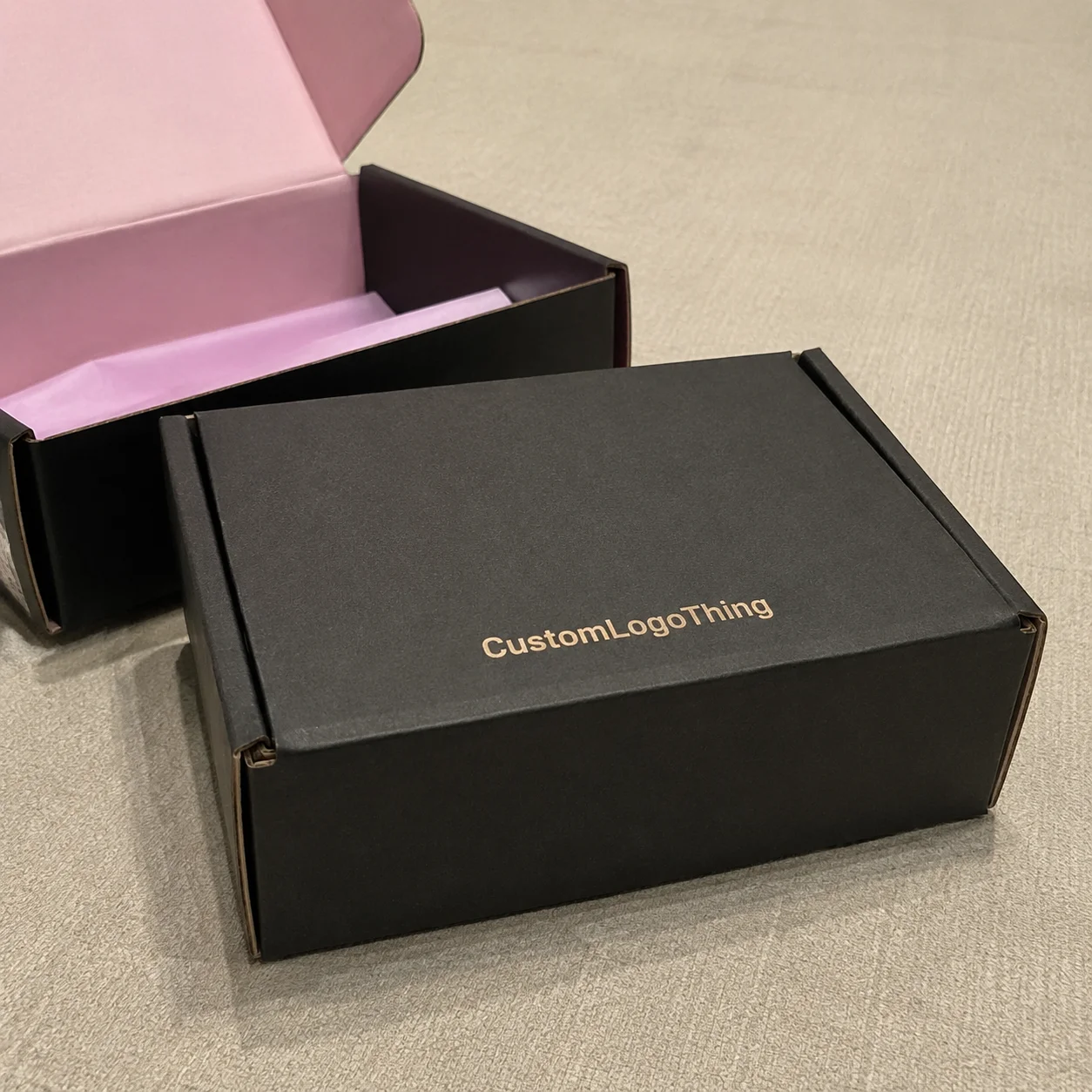
At a practical level, custom jewelry shipping boxes are a packaging system, not just a container. They often replace the old setup of a plain shipper outside and a retail box inside, which simplifies fulfillment and cuts down on extra handling. That matters because jewelry orders are frequently packed in volume, sometimes by small teams, and every additional step increases the chance of a mistake.
These boxes show up in everyday ecommerce orders, gifting programs, subscription sends, return kits, and repair shipments. Each use case has its own pressure points. Ecommerce orders need speed and consistency. Gift orders need presentation. Returns need durability and easy reclosure. Repair shipments need enough protection to move through the carrier network more than once.
What customers respond to is not abstract branding language but physical cues. A clean exterior, a tidy opening, and a box that does not rattle tells the buyer that the product inside was handled carefully. A flimsy carton or oversized mailer says the opposite, even if the jewelry itself is fine. In packaging, perception starts long before the product is visible.
When comparing formats, it helps to separate structure from decoration:
- Structure - rigid box, folding carton, corrugated mailer, or paperboard shipper
- Insert system - foam, paperboard, molded pulp, or custom-cut restraint
- Closure - tuck flap, adhesive strip, magnetic lid, or lock style mailer
- Print coverage - outside only, inside only, or full wrap branding
The outer package and the inner restraint have to work together. If the box looks premium but the item moves around, scratches, or arrives tangled, the packaging failed where it matters.
How the Box Structure and Insert System Works
The basic anatomy is straightforward: an outer shell, a tray or insert, cushioning where needed, and a closure that keeps the contents from shifting. The difficulty is not understanding the pieces; it is choosing the right combination for the product weight, transit risk, and fulfillment process. A packaging line that has to wrestle the box open and closed all day is a packaging line that will eventually create waste or damage.
Material choice is where performance starts. Corrugated mailers are stronger for transit and resist crushing better than lighter paperboard. Folding cartons are cheaper and lighter, but they rely more heavily on fit and insert design. Rigid board gives the most premium feel and holds shape well, though it costs more and can be overbuilt for lower-value pieces unless presentation is part of the sales strategy.
Board thickness and dimensional fit matter more than most sample photos suggest. A box that is only a few millimeters too large can let the jewelry or its tray move in transit. A box that is too tight can slow pack-out and make closures distort. That is why sample approval is not busywork. It is where you catch the issues that do not show up in a flat dieline.
Branding can be added without weakening the structure if the build is planned correctly:
- Offset or digital print for full-color graphics and pattern work
- Foil stamping for metallic accents and logo emphasis
- Embossing or debossing for texture and a more refined hand-feel
- Labels or sleeves when flexibility matters or quantities are too small for full print
If the box is supposed to be kept for storage or gifting, that should be designed in from the start. If it is only a transit shipper, then crush resistance and speed of assembly matter more than presentation extras. A package that tries to do everything often ends up doing none of it especially well.
For brands building a broader packaging system, it helps to compare the format against the wider range of Custom Packaging Products and select the structure based on the actual product mix rather than the mood board.
Key Cost and Pricing Factors for Custom Jewelry Shipping Boxes
Pricing is driven by the ordinary things that add up quickly: material grade, dimensions, print method, insert style, quantity, and finish. For custom jewelry shipping boxes, a simple printed folding carton at volume can cost a fraction of a rigid presentation box with specialty finishing and a fitted insert. That gap is normal. It reflects manufacturing time, board usage, setup, and waste rates rather than markup alone.
As a general guide, these ranges help buyers compare quotes more realistically:
| Box Type | Typical Use | Indicative Unit Cost | Tradeoff |
|---|---|---|---|
| Simple printed folding carton | Lightweight jewelry, lower-shock shipments | $0.18-$0.45 at 5,000+ units | Lower cost, less crush protection |
| Corrugated mailer with insert | Most ecommerce jewelry orders | $0.40-$0.95 at 3,000+ units | Better protection, slightly higher freight |
| Rigid gift-style shipper | Premium branded packaging | $1.20-$3.50+ depending on finish | Strong presentation, higher cost and volume commitment |
Minimum order quantity has a direct effect on the unit price. Setup, tooling, and production waste are spread across fewer boxes in a small run, so a 500-unit order will almost never price like a 10,000-unit order, even if the structure is the same. This is one of the first places buyers can get surprised if they compare only the per-unit number and ignore the rest of the quote.
Setup-related charges deserve attention too. Ask whether the quote includes dielines, proofs, tooling, plate costs, sample fees, and freight. The landed cost is what matters, not the clean line item on page one. A cheap unit price that turns into a costly freight bill or a pricey prototype cycle is not really a cheaper order.
If budget is tight, start with the items that prevent failure. A box that protects the product, packs quickly, and holds color accurately is worth more than one extra finish nobody notices. Spend where the customer sees and where the carrier can damage the package. That tends to be the best return on the packaging budget.
For brands comparing shipper formats, it can also help to benchmark against Custom Shipping Boxes or, for lighter and less fragile shipments, Custom Poly Mailers.
Production Steps and Timeline From Quote to Delivery
The production flow is usually predictable once the brief is complete. Sizing comes first, then structure selection, then artwork setup, proof approval, production, and shipping. The delays usually come from unclear dimensions, changing requirements, or artwork files that have not been matched to the actual die line. Packaging teams spend a lot of time resolving details that should have been confirmed up front.
For straightforward printed cartons or mailers, turnaround is often around 10-15 business days after proof approval, depending on plant capacity and material availability. More complex builds with inserts, specialty finishes, or unusual dimensions can run 15-25 business days or longer. Samples may add a few days or, in the case of finished prototypes, a couple of weeks. That timing is not a flaw; it is the reality of moving from a proof to a physical product.
Dieline approval is where many schedules slip. If the internal fit is wrong, or if the artwork does not line up with the closure and insert layout, production stalls while the files are corrected. Physical samples are worth the time when the jewelry is delicate, the product line is new, or the order is large enough that a mistake would be costly.
Rush production can help, but it is not a cure-all. Faster schedules usually narrow the material options and reduce the room for revision. If the boxes are tied to a launch date, build extra time into the plan before the order is placed. That is simpler and less expensive than trying to rescue a late shipment.
“The fastest way to delay a packaging project is to approve the box size before confirming the product dimensions.”
For quality standards, buyers should ask whether the supplier works to ISTA transit testing methods or similar drop, vibration, and compression checks. If sustainability claims matter to the brand, paper sourcing should be clear as well, especially when the packaging is marketed as eco-conscious. The FSC framework is a useful reference point for certified paper sourcing.
How to Choose the Right Specs for Protection and Branding
Start with the product, not the print finish. Measure the jewelry piece, any pouch or card it sits on, and the insert space it needs. Weight and fragility matter as much as shape. A small pair of studs and a layered necklace may both be “jewelry,” but they do not need the same restraint system or the same board strength.
Branding choices should match the tone of the product. Soft-touch lamination, matte coating, spot gloss, foil accents, uncoated natural paper, and kraft each create a different impression. Soft-touch tends to read quiet and premium. Kraft feels direct and tactile. Foil attracts attention quickly, though too much of it can overpower the product and make the box feel louder than the jewelry inside.
Tamper resistance becomes more relevant when the package is handled repeatedly or the product value is high. Adhesive strips, tighter tuck closures, and stronger mailer locks all help. Magnetic closures feel elegant, but they are not always the best choice for shipping security or for a fulfillment team that has to pack many orders quickly. In shipping, the cleaner solution is often the one that is easiest to close correctly every time.
The insert should be matched to the piece rather than treated as a generic add-on:
- Rings - snug foam or paperboard slots to prevent bouncing and surface wear
- Earrings - paired cutouts or cushioned mounts to keep the pair aligned
- Necklaces - layouts that secure chain length without tangling or imprinting
- Mixed sets - custom-fit inserts designed around the exact assortment
It also helps to think past the delivery date. Will the customer keep the box for storage? Will they reuse it for gifting? Is the box likely to be shown in photos or social posts? These questions affect the best finish, interior color, and closure choice. A good packaging structure can serve all three use cases, but only if the design stays restrained and practical.
Common Mistakes That Raise Damage Rates and Costs
The most expensive packaging mistakes usually look minor at the start. Oversized boxes create empty space, which leads to movement, crushed corners, and extra freight charges. Undersized boxes can distort the closure, wrinkle the insert, and slow down packing. Both problems waste money, and both are avoidable when the dimensions are confirmed against the actual product rather than an estimate.
Another frequent error is focusing on the exterior and forgetting the interior restraint. The box can look polished on a screen and still fail in a carrier network if the jewelry is free to move. Internal support is not a decorative extra. It is the main reason the shipping box exists.
Artwork errors are just as common. Low-contrast logos disappear on certain papers. Tiny text gets lost. The lid and insert end up with slightly different color tones because the files were not standardized. If the brand depends on consistent color, ask for a controlled proof process and keep the file specifications locked.
Skipping samples is another false economy. A bad first run is more expensive than a prototype, and it is harder to fix after the cartons are already printed. A sample catches fit issues, closure problems, and print mistakes before they become a warehouse problem.
Finally, do not ignore storage and shipping conditions. Paper-based packaging can scuff, warp, or weaken if it is stored badly or moved through humid or rough routes. A supplier should be able to discuss board choice, compression resistance, and transit testing with specifics rather than a vague assurance that the box “should be fine.”
Practical Next Steps Before You Request a Quote
A useful quote starts with useful information. Gather the exact product dimensions, product weight, preferred box style, insert requirements, print coverage, and target quantity. If the box also needs to work as gifting packaging, say so clearly. That one detail changes structure, finish, and closure decisions.
Then decide what the box needs to do best. Lower damage. Better presentation. Lower unit cost. Faster turnaround. One of those should lead. The problem with trying to solve all four at once is that it often pushes the project toward a box that is expensive, fragile, and late. A focused brief keeps the production choices honest.
Before approving the order, ask for these items:
- Dieline with exact internal and external dimensions
- Samples or a physical prototype if the product is delicate
- Freight estimate for the actual carton count and destination
- Print proof showing color placement and logo position
- Material spec so you know what board or paper is being used
A basic test plan is worth doing before volume production: pack, drop, ship, inspect. If the sample survives the handling and still feels like part of the brand, the structure is probably close. If it fails, the answer is not to add a prettier logo. The answer is to adjust the box design so it actually protects the jewelry.
When selecting a supplier for custom jewelry shipping boxes, look for consistent communication, realistic timelines, and enough technical detail to answer fit and material questions clearly. A packaging partner that understands print, board construction, and ecommerce fulfillment will usually save more money than one that only promises the lowest quote.
What makes custom jewelry shipping boxes different from regular mailers?
They need a tighter internal fit so rings, earrings, and necklaces do not shift in transit. They also combine protection with a more refined brand presentation, which plain mailers usually do not handle well. Most versions rely on inserts, stronger board, and more controlled print quality than standard shipping packaging.
How much do custom jewelry shipping boxes usually cost per unit?
Unit cost depends on size, material, print complexity, insert type, and quantity. Simple styles at higher volumes are usually much cheaper per box than rigid premium builds or low-volume runs. Freight, setup, and sample costs should also be included when comparing quotes because they change the real landed cost.
What is the typical turnaround for custom jewelry shipping boxes?
Simple printed boxes can move faster than complex structures with custom inserts or specialty finishes. Artwork approval, sample review, and production scheduling usually shape the final timeline more than printing alone. Rush production may be possible, but it often narrows material and finish options.
What insert type works best for different jewelry items?
Ring and earring orders usually need snug foam or paperboard inserts to prevent sliding. Necklaces often need a layout that secures chains without tangling or imprinting. Mixed jewelry sets usually perform best with a custom-fit insert built around the exact product mix.
How do I reduce damage without overspending on packaging?
Start with the right box size and fit, then add only the protection the product actually needs. Avoid oversized packaging and unnecessary premium finishes that do not improve shipping performance. Request samples and test shipments before committing to a full order.