Why custom label stickers matter on real packaging
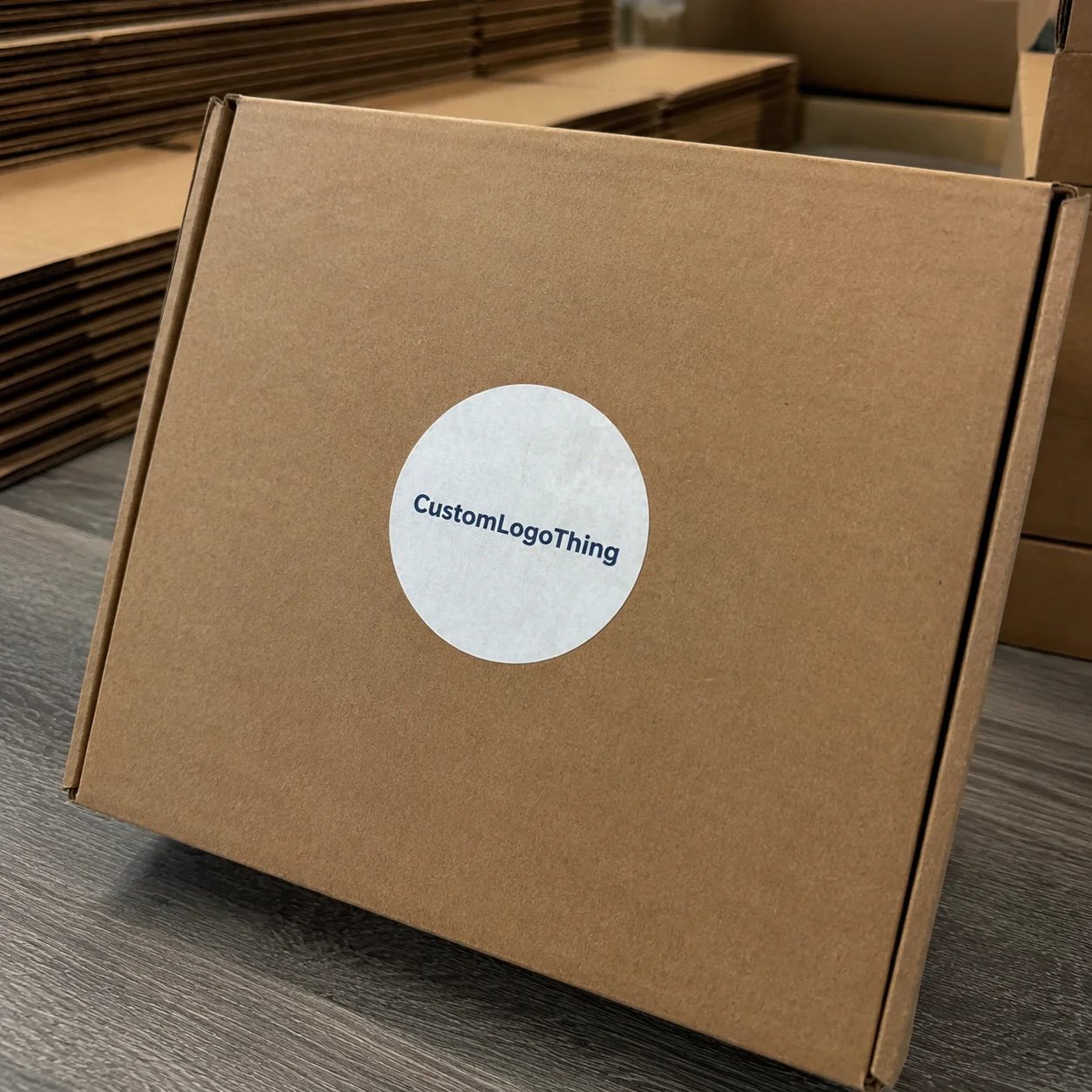
A jar, bottle, tube, or carton can be the same container and still look completely different on the shelf once custom printed label stickers are applied. One version feels polished and retail-ready, while the other still reads like a test sample, and in packaging that difference carries more weight than many teams expect.
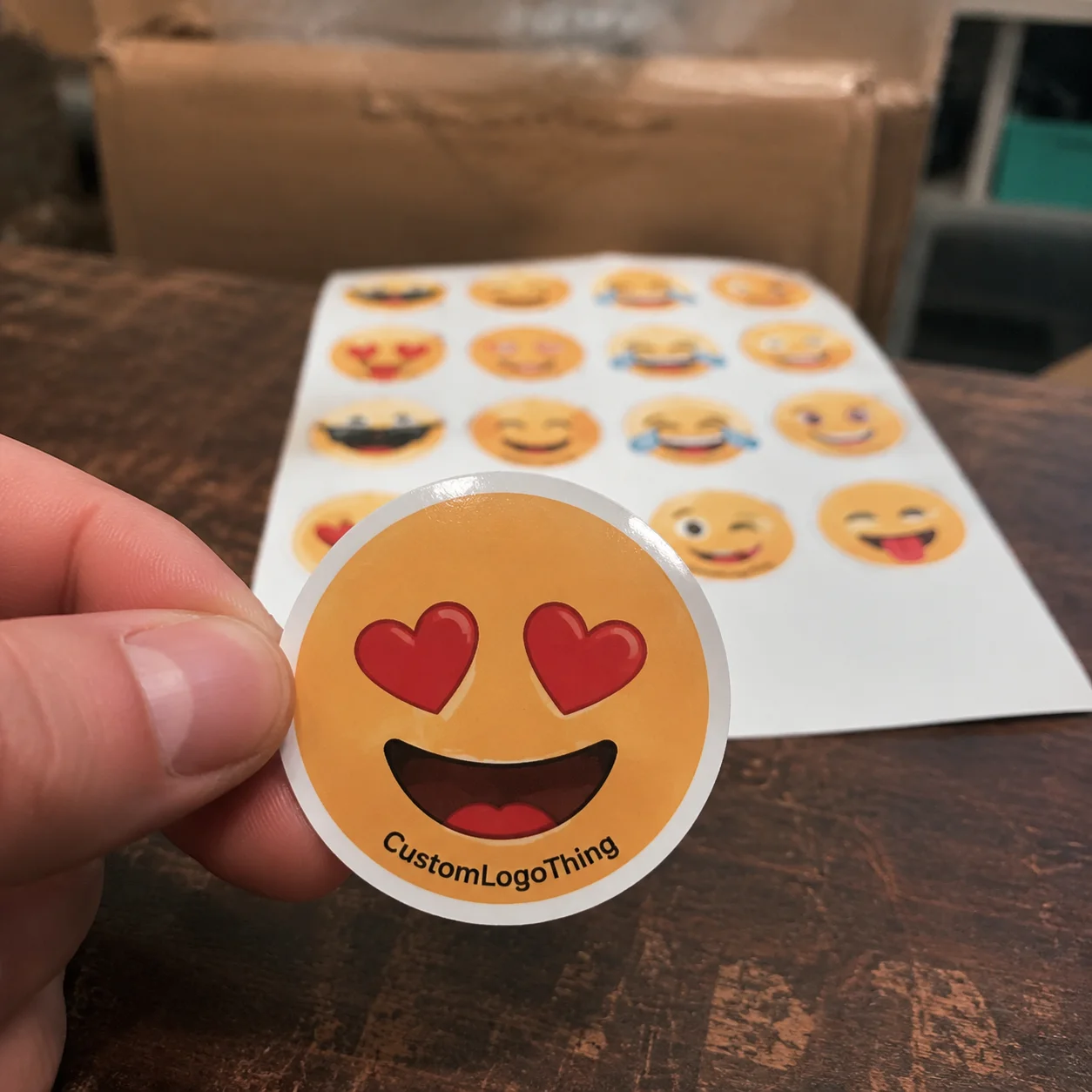
At the simplest level, these labels are adhesive-backed printed pieces that carry branding, product information, barcodes, promotions, compliance copy, and handling instructions. They show up on food, beverage, cosmetics, supplements, household goods, industrial products, and short-run launches where flexibility matters more than fixed decoration.
The buyer’s job is not just to choose a design. It is to match the label to the container surface, the storage environment, the application method, and the way the product will move through packing, shipping, and retail handling. A label that looks excellent on screen can still fail if the adhesive is wrong for condensation or if the stock is too rigid for a curved bottle.
That is why labels and Custom Labels & Tags often get specified alongside broader Custom Packaging Products. If the carton, container, and label speak different visual languages, the pack feels fragmented. Good packaging design makes the parts read as one system instead of three separate purchases.
Used well, labels do several jobs at once:
- Branding: they carry the logo, color palette, and visual hierarchy shoppers notice first.
- Information: they hold ingredient panels, instructions, warning text, batch codes, and barcodes.
- Launch support: they let teams test a product quickly without waiting on rigid packaging or tooling.
- Compliance: they support traceability and required regulatory copy where applicable.
- Merchandising: they can signal a scent, flavor, season, or limited edition without changing the container.
A label is a material choice, a print choice, and an application choice all at once.
The best result usually balances appearance, durability, and line speed. That sounds straightforward, but it is exactly where many projects go wrong. A pretty proof does not help if the label peels in cold storage, scuffs in transit, or slows hand application enough to bottleneck packing.
How the printing and finishing process works
The production flow for custom printed label stickers is fairly direct once the variables are set. Artwork gets prepared, the material and adhesive are selected, the print method is chosen, the shape is cut, a finish is added if needed, and the finished labels are packed for shipment.
For shorter runs and multiple SKUs, digital printing is often the most practical option because it handles variable artwork, smaller quantities, and faster proof cycles without plate setup. For longer runs, flexographic printing usually becomes more economical because the setup cost spreads across more units. Neither method is universally better. The right choice depends on quantity, color count, repeatability, and how often the artwork changes.
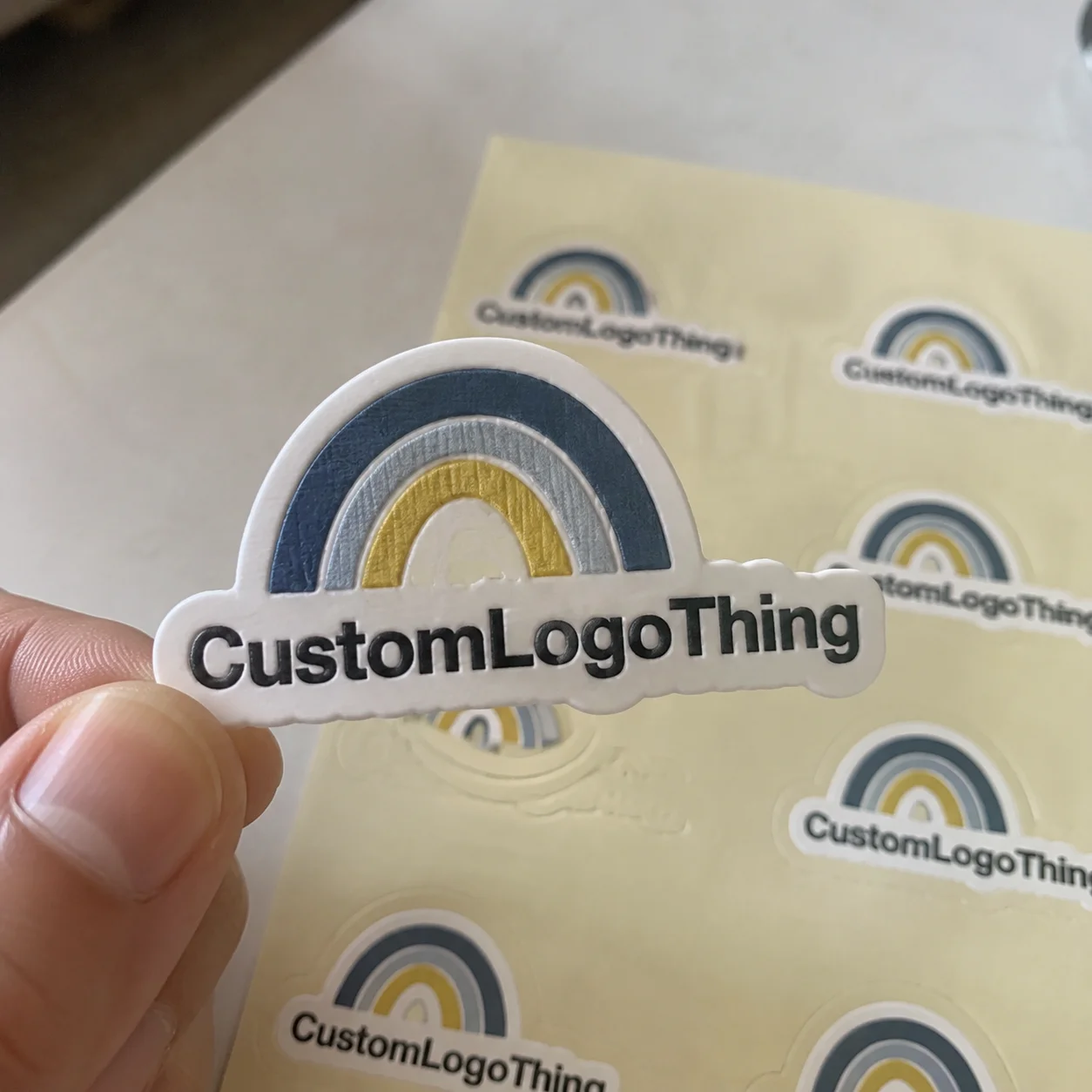
Finishing changes more than appearance. A coating, laminate, or varnish affects scuff resistance, moisture resistance, and how the label feels in hand. Gloss tends to make color read brighter and sharper. Matte softens glare and can make small text easier to read. Clear laminate adds a protective layer that is often worthwhile on packages that get handled repeatedly or moved through cold, wet, or abrasive conditions.
Labels are usually supplied on rolls or sheets. Rolls are the practical choice for machine application and also make hand application faster once volumes rise. Sheets suit sampling, very small batches, or manual packing where portability matters more than throughput. If a line uses applicators, the roll details matter early: unwind direction, core size, outer diameter, and gap consistency can all affect whether the labels feed correctly.
Before production starts, proofing should verify layout, color expectations, cut lines, barcode placement, and the smallest text on the label. A decent source file helps, but even strong artwork may still need prepress review for bleed, trapping, text safety margins, or overprint settings. The cleaner the file, the less time gets lost to corrections later.
For buyers who manage packaging through more formal quality systems, external standards can be useful reference points. Organizations such as the ISTA and the EPA publish guidance that can inform distribution testing and sustainability decisions. A label spec does not replace those standards, but it should fit comfortably within them.
Key material, adhesive, and finish factors to compare
If you want custom Printed Label Stickers That perform well in the real world, start by matching material to the package and the environment. Paper still works well for dry goods, decorative packaging, inner packaging, and short-life items where cost matters more than moisture resistance. BOPP is a common step up because it resists tearing and handles splashes, condensation, and general handling much better. Vinyl is the tougher option for demanding use cases, while clear film creates the no-label look on glass and smooth plastic. Specialty stocks are worth considering when the label itself is part of the product story, such as textured papers or metallic effects.
Adhesive choice deserves equal attention. Permanent adhesive is the default for most product packaging because it is designed to stay in place. Removable adhesive is useful when a label needs to come off cleanly, though it is not right for every surface or storage condition. Freezer-grade adhesive is built for colder environments where standard adhesives can fail. Aggressive adhesive is the option for difficult surfaces such as certain recycled plastics, textured containers, or chilled packaging that sees heavy handling.
Surface type changes the result quickly. Glass usually behaves more predictably than textured corrugate, but refrigerated glass still creates problems because condensation is real. Curved containers can cause edge lift if the stock is too stiff. Some plastics have low surface energy, which means the adhesive has to work harder to stay anchored. Corrugate can be forgiving on one job and troublesome on another, especially if it is dusty, uneven, or exposed to moisture.
Finish is not just a cosmetic decision. Matte gives a restrained, premium look and often helps readability. Gloss pushes color and contrast, which can be a smart choice for brighter retail packaging. Soft-touch creates a tactile premium feel, though it adds cost and does not suit every product. Clear laminate helps protect against abrasion, moisture, and repeated handling. If a package will move through a warehouse, sit on a shelf, and then be picked up many times by hand, that layer of protection can pay for itself.
Shape and size deserve the same care. Kiss-cut contours can tighten the visual fit around a logo or illustration, while a corner radius can reduce lift on labels that wrap around curves. Text size matters too. Tiny type can look fine on a design file and become hard to read once it hits a textured surface or retail lighting. Good label design accounts for real viewing distance, not just the artboard.
The table below is a practical starting point, not a rigid rulebook, because the right combination depends on the product, storage, and application method.
| Material | Best For | Durability | Typical Tradeoff |
|---|---|---|---|
| Paper | Dry goods, decor labels, short-run retail packaging | Low to moderate | Lower cost, less moisture resistance |
| BOPP | Bottles, jars, cosmetics, refrigerated products | Moderate to high | Usually costs more than paper |
| Vinyl | Tough handling, outdoor exposure, premium durability | High | More expensive, not always needed |
| Clear film | Glass containers, minimalist package branding | Moderate to high | Needs strong contrast to stay readable |
| Specialty stock | Premium branded packaging and signature product lines | Varies | Can raise cost and extend lead time |
If your product is part of a broader sustainability target, material selection should be discussed alongside the substrate and end-of-life plan. FSC certification can also matter for paper-based components, and the FSC is a useful reference point when buyers are checking sourcing claims and forestry practices.
Cost and pricing: what actually changes your quote
Pricing for custom printed label stickers is rarely a single-number conversation because several variables move together. Size is a major driver, since larger labels use more material and usually take more press time. Material choice matters next; paper is usually the least expensive, while BOPP, vinyl, clear film, and specialty stocks increase cost. Adhesive type also affects the quote, especially if the label must hold in cold, wet, or difficult conditions.
Print complexity is another major factor. A simple one- or two-color label is generally easier to produce than a design with multiple spot colors, heavy ink coverage, or fine gradients. Shape matters too. Standard rectangles and circles are usually more economical than intricate custom outlines because die-cut setup is simpler and waste is lower.
Quantity has the biggest effect on unit price. As volume rises, setup cost spreads across more labels, so the per-unit cost usually drops. That said, a very large order only makes sense if the artwork is stable and the inventory will be used before brand, regulatory, or product details change. For many teams, a lower minimum order quantity is worth a slightly higher unit price because it protects cash flow and reduces obsolescence risk.
There are also budget items that do not always appear in the first quote. Proofing may be included, or it may not, depending on the vendor and the file complexity. Freight can add a meaningful amount, especially for heavier roll orders. Rush fees are common when a launch date moves up. If labels need to be supplied in a specific orientation for a labeler, that can also affect pricing.
When comparing quotes, ask vendors to quote the same spec line by line. Otherwise one price may be for paper on sheets, another for BOPP on rolls, and a third for a more durable adhesive or finish. That is not an honest comparison and it leads to poor decisions. Use the same dimensions, the same quantity, the same print coverage, the same finish, the same core, and the same roll direction when you request pricing.
As a practical range, many custom label jobs for mid-sized orders land around $0.08 to $0.35 per unit, though that number moves quickly based on quantity, material, and finish. Low-volume specialty work can cost more, while large repeatable runs can come in lower. The quote only makes sense if the spec behind it is clear.
Step-by-step process and timeline for ordering
Ordering custom printed label stickers becomes much easier when the setup is complete before you request pricing. Start with the package dimensions and the exact label area. Then confirm the container surface, whether it is glass, plastic, corrugate, or something textured. After that, choose the adhesive based on storage and handling, pick a finish, and decide whether the labels should ship on rolls or sheets.
Artwork setup comes next. The prepress team will usually check bleed, margins, font outlines, image resolution, and any special instructions. Barcodes should be tested for scanability if they are printed on the label, and legal copy should be reviewed before approval. If the label includes fine text, small icons, or multiple languages, it is better to catch issues at proof stage than after production.
For timing, simple digital jobs with ready files can move quickly, while more complex orders need more lead time. A standard production window often lands around 12 to 15 business days after proof approval, though that can stretch if the run is large, the finish is specialized, or raw material availability shifts. Rush orders are possible in many cases, but they usually cost more and reduce flexibility.
Shipping time belongs in the schedule too. A fast press run can still miss a launch if the freight method is slow or the destination is far from production. Roll weight, carton count, and destination all affect the shipping plan. If the labels are needed for a retail reset, build in a cushion instead of cutting it close.
A simple checklist helps keep the order on track:
- Measure the container and confirm the label shape.
- Identify the package surface and storage environment.
- Choose material, adhesive, and finish before quoting.
- Provide print-ready artwork or request prepress help early.
- Approve the proof with enough time for production and freight.
Common mistakes that cause bad labels or delays
The most common mistake is choosing a label based on appearance alone. A material can look perfect in a mockup and still fail on the actual package if the surface is cold, curved, damp, or textured. Testing a sample on the real container is the safest way to avoid peeling, wrinkling, or edge lift once production starts.
Another frequent problem is artwork that is not truly press-ready. Low-resolution images, missing fonts, weak dielines, and files built without bleed can all slow things down. Even when a vendor can repair the file, it adds time and increases the chance that something gets missed during revision. Clean source files make a much better production path.
Moisture and abrasion are often underestimated. A label on a shelf product may look fine until it is exposed to condensation, handling, or friction inside a shipping case. If the product will be refrigerated, frozen, or used outdoors, the adhesive and finish need to be selected for that environment from the start.
Price-only buying is another trap. The cheapest quote can become the most expensive option if the labels are hard to apply, require rework, or fail in use. That is especially true for products with hand labeling, where one slow application step can bottleneck the entire packing line.
Application method matters more than many teams expect. Hand application, semi-automatic labeling, and fully automatic application each have different tolerances. A label that runs well on a table test may still misfeed on a machine if the roll winding, gap, core, or unwind direction is wrong.
Expert tips for better artwork, application, and shelf impact
Design the label for the shelf, not the monitor. That means thinking about viewing distance, lighting, and how much time a shopper actually gives the package. The brand name, key product claim, and barcode should all remain clear without crowding the layout. If the package is small, less text usually works better than more.
Finish can be used strategically. Matte gives a restrained premium feel and often helps readability. Gloss pushes color and contrast, which can be the right move for bright retail packaging or playful product lines. Clear labels can look striking on transparent containers, but they need strong contrast and disciplined typography to avoid disappearing visually.
Always test sample labels on the final container. A proof can look fine and still behave differently once it meets the actual surface texture, temperature, humidity, and handling conditions. If the product will sit in a cooler, travel through a humid warehouse, or get touched often, test it under those conditions before committing to the full run.
Keep a simple spec sheet for repeat orders. Include material, adhesive, finish, dimensions, roll direction, core size, and any application notes. That sheet becomes the fastest way to prevent reorder errors, especially when multiple people touch the file over time.
When the design gets too busy, simplify it. A cleaner label often prints better, applies better, and reads better, while also keeping costs under control. Good packaging design is not about adding every possible detail. It is about using the right details where they matter.
For teams building branded packaging across several formats, labels should feel like part of the same family as the carton, insert, and outer shipper. That consistency makes the brand look organized and helps the product feel intentional rather than assembled in pieces.
Next steps to spec your label with confidence
By now, the main decisions should be clearer: Choose the Right material, match the adhesive to the surface, pick a finish that supports the look and the environment, set a quantity that fits the timeline, and make sure the artwork is ready for production. That is the core of buying custom printed label stickers intelligently rather than just buying them quickly.
The next move is simple. Measure the package, confirm the substrate, gather the artwork, and request a quote with matching specifications from each supplier. If the label will face moisture, refrigeration, outdoor exposure, or heavy handling, ask for a sample or proof before full production. Those extra minutes up front can save a lot of cleanup later.
Compare total fit for purpose, not just unit price. The cheapest label is not a bargain if it fails in application, smears in transit, or weakens the brand on shelf. In packaging, the best choice is the one that supports the product, the line, and the customer experience at the same time.
When the material, print method, and use case are aligned from the start, custom printed label stickers do exactly what they should do: make the package look right, perform reliably, and help the product sell with confidence.
FAQ
What materials work best for custom printed label stickers on bottles?
BOPP and vinyl are common choices for bottles because they resist tearing and handle moisture better than standard paper. Paper can still work well for dry products, decorative packaging, or short-term use where durability is less of a concern.
How long does it take to produce custom printed label stickers?
Timing depends on artwork readiness, proof approval, quantity, and finishing complexity. Simple digital jobs can move faster, while larger or more specialized runs usually need more lead time. A common window is about 12 to 15 business days after proof approval, though that can vary.
What affects the price of custom printed label stickers the most?
Quantity, size, material, adhesive, and finish are the biggest cost drivers. Custom shapes, special coatings, and rush shipping can also push the quote higher.
Should I order labels on rolls or sheets?
Rolls are usually better for machine application and for faster hand labeling in volume. Sheets are often more convenient for small batches, sampling, or manual application where portability matters more than speed.
How do I make sure the adhesive will stick properly?
Match the adhesive to the package surface, storage temperature, and handling conditions. Testing a sample on the actual container is the most reliable way to confirm performance before you place a full order.