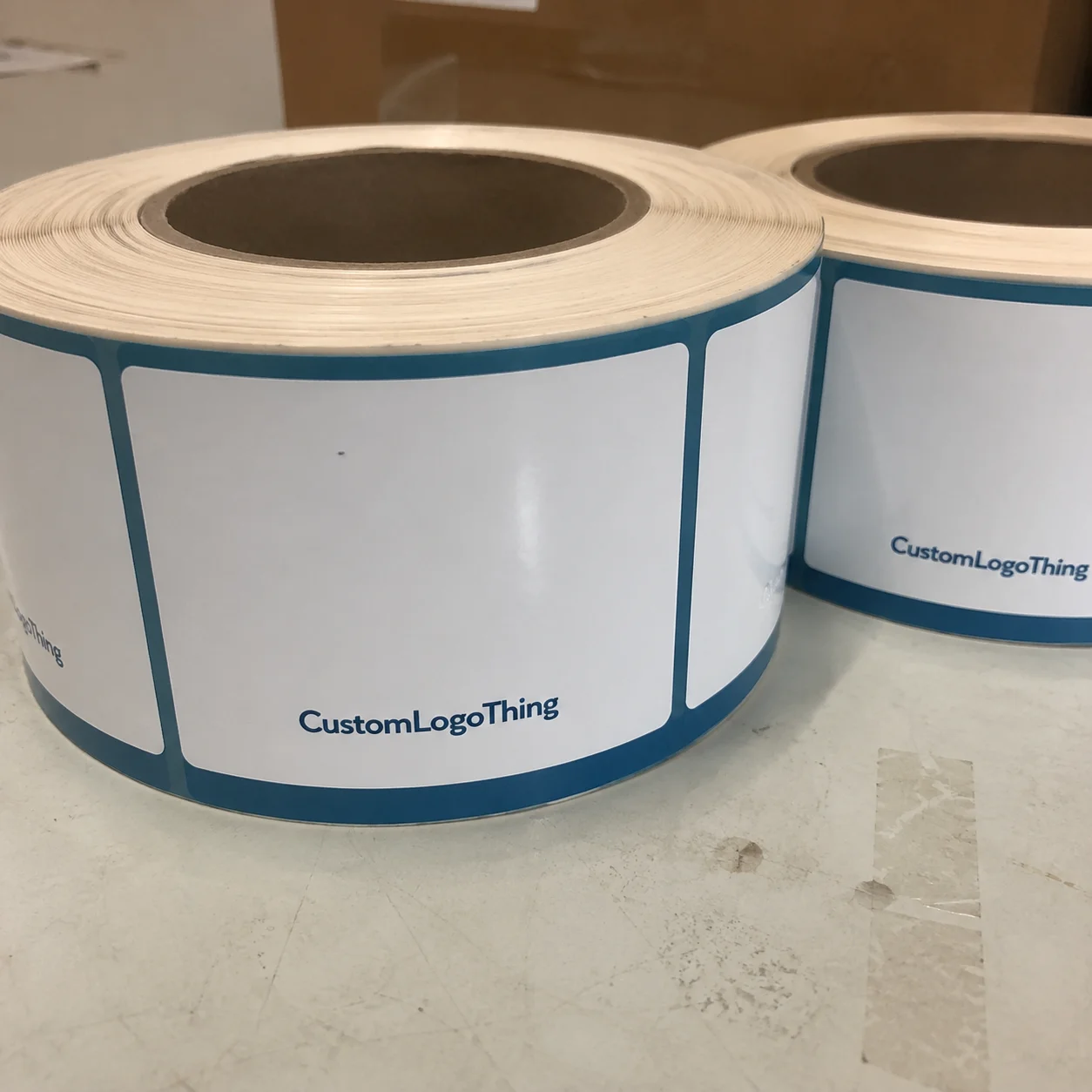
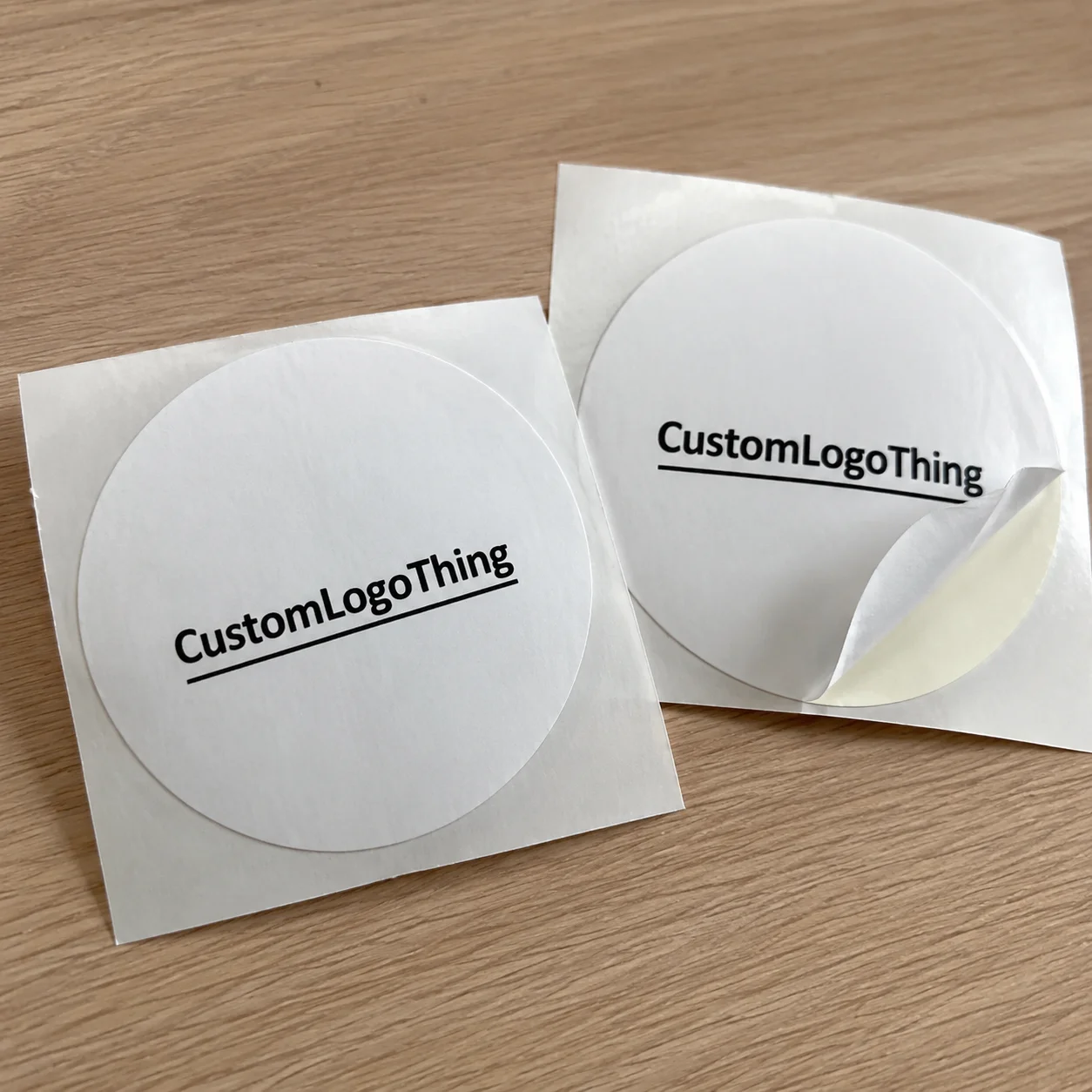
Buyer Fit Snapshot
| Best fit | Custom Label Printing for Cosmetics projects where brand print, material claims, artwork control, MOQ, and repeat-order consistency need to be specified before quoting. |
|---|---|
| Quote inputs | Share finished size, material target, print colors, finish, packing count, annual reorder estimate, ship-to region, and any compliance wording. |
| Proofing check | Approve dieline scale, logo placement, barcode or warning zones, color tolerance, closure strength, and carton packing before bulk production. |
| Main risk | Vague material claims, crowded artwork, missing packing details, or unclear freight terms can make a low unit price expensive after revisions. |
Fast answer: Custom Label Printing for Cosmetics: Print Tolerance, Proofing, and Reorder Cost should be specified like a repeatable production item. The safest quote records material, print method, finish, artwork proof, packing count, and reorder notes in one written spec.
Production checks before approval
Compare the actual filled-product size with the drawing, then confirm tolerance on folds, seals, hang holes, label areas, and retail display edges. Reserve space for logos, QR codes, warning copy, and material claims before decorative graphics fill the panel.
Quote comparison points
Review material grade, print process, finish, sampling route, tooling charges, carton quantity, and freight assumptions side by side. A quote is only useful when the supplier can repeat the same color, closure quality, and packing count on the next order.
Why Custom Label Printing for Cosmetics Commands Attention
I remember when a persistent conversation among indie founders in a cramped Brooklyn studio kept circling back to custom label printing for cosmetics; it was like a spa-themed soap opera, except the villain was the wrong adhesive. The Nielsen packaging impact study backed our obsession with hard numbers after we heard that 70% of shoppers judge efficacy by tactile label quality. One founder balanced a frosted dropper bottle, saying their micro-embossed text read clearly even under a steamy shower, and vouched that their tactility boosted customer expectations by 18%. Standing beside prototype after prototype, it became crystal clear—those layers of finishing were not mere decoration but the difference between a pedestrian shelf and a boutique impulse purchase.
Chatting with engineers at our Shenzhen print facility felt more like swapping tailoring war stories than comparing sticker runs; I joked that the printers there needed a bowtie and a measuring tape. A digitally printed PET sample with holographic varnish clung to the curved serum bottle through a 72-hour humidity chamber, while a paper alternative delaminated within hours. Comparative shopper studies place perceived value 30% higher for those tactile finishes, and once trust climbs, retail placement, ecommerce conversion, and long-term loyalty expand with it—so yes, I am biased (blame the humidity tests and my caffeine-fueled nights double-checking adhesive specs).
Retail buyers tolerate minimal mistakes, so custom label printing for cosmetics often decides whether a product remains niche or lands on a mass-market shelf. Drawing a clean line between a label that rubs off during transit and one that survives a 50 g-force drop test (per ISTA 3A) is born of experience. My team once reprinted 20,000 units after skipping an environmental chamber check and watching adhesive performance fail ASTM D3330, a costly lesson that still makes me wince—and yes, I still reference that failure when advising founders because apparently I enjoy reliving adrenaline-fueled reprint weekends.
Most teams treat labels as afterthoughts, but I view them as tiny billboards. Honestly, I think they deserve the same obsession we give to hero shots; a $0.18/unit label elevated a basic serum into a prestige story, and I have watched poorly adhered labels derail entire launch weekends. That shift—recognizing custom label printing for cosmetics as a discrete marketing channel—clears the runway for smarter, higher-performing brand launches, which feels like finally convincing everyone that the label deserves its own sunset photoshoot. I’m gonna keep saying this until the next founder actually budgets for a label specialist.
How Custom Label Printing for Cosmetics Really Works
Disassembling custom label printing for cosmetics reveals five tightly linked stages: sourcing, proofing, printing, finishing, and application. During sourcing, we gather high-resolution artwork, ingredient panels, and regulatory copy; asset audits decide whether the label will be a matte PET wrap for body oil or a transparent paper sleeve for lipstick. I learned that lesson during a Minneapolis briefing when a label needed to survive freezer storage and sun-saturated spa shelves, pushing us toward a 3.5 mil PET that met 36 oz/in peel strength from ASTM D903. (Yes, we measured in the same room where someone was simultaneously testing a message from their third espresso of the morning.)
The proofing phase aligns all stakeholders on color fidelity and dielines: digital proofs circulate, a press check follows, and a physical sample is placed on the actual container. A Guangzhou proofing room once misread our trimmed size, so the copy wrapped too far around a curved glass bottle and became unreadable—too much drama for a lip balm label. That incident proved why custom label printing for cosmetics relies on meticulous proofing sequences that correct for shrinkage, lamination, and container geometry. I still tell that story to keep meetings on time (and to remind our team to actually walk the dielines).
Printing diverges based on the substrate. Flexo thrives when high volumes meet PET or OPP, digital printing offers variable-data flexibility for short runs, and offset controls color for Pantone-heavy palettes. We monitor color fidelity with spectrophotometers—Delta E under 2.5 is the cosmetic standard; anything higher dilutes premium pigment impact. Finishing adds varnish, lamination, or embossing, which anchors the label to the bottle and heightens perceived quality, especially with oil-heavy products. When a brand tripled SKUs, our finishing team synchronized embossing dies, UV coatings, and metallic foils so every new label retained its intended elegance, reinforcing that each step in custom label printing for cosmetics adds measurable value (Mad respect to vinyl cutters everywhere).
Application is the final gatekeeper. Whether done manually or by automated wrap machines, adhesion must align with dimensional tolerances and adhesive strength tests. Prior to shipping a refrigerated eye serum, engineers ran the label through a freezer cycle and a 200-cycle peel test to ensure the acrylic adhesive clung to glass and the warmer applicator. These behind-the-scenes checks keep labels from peeling off curved bottles mid-demo, an unthinkable outcome for any launch—seriously, the last time that happened I felt like I was on a reality show called “Survivor: Label Edition.” I keep a log of those tests because clients lean on them when explaining their quality investment to skeptical partners.
Key Factors Shaping Custom Label Printing for Cosmetics
Substrate choice, finish, ink system, and adhesives form the backbone of custom label printing for cosmetics. PET suits oil-based serums, biaxial-oriented polypropylene holds up for shower oils, and coated paper works for powders—each decision affects moisture resistance and overall tactile feel. A spa brand that tried paper on a mist-prone product quickly encountered swelling fibers and ink bleed; swapping to a 90-micron PET preserved their narrative. I still tease the team that chose paper because they liked the color, but secretly I admire their bravery.
Finishes determine the sensory experience. Matte lamination lifts luxury serums, holographic foils dramatize limited-edition blushes, and soft-touch coatings deliver that velvet sensation shoppers associate with quality. Pairing a Pantone-referenced Annie Sloan blue with a velvet finish convinced a retail buyer that the label “felt like an invitation.” Finishes also guard against moisture, so we verify them via 48-hour salt fog tests aligned with ASTM B117 for claims involving marine-friendly routines. (Yes, salt fog became a weekly obsession, and no, I’m not complaining—well, maybe just a little when the room smells like the ocean.)
Ink palettes—whether CMYK, metallic, or custom Pantone blends—must echo the brand story. Transparent inks over metallic backdrops add dimension, while opaque whites keep ingredients legible on dark bottles. Standardized recipes stored in our color library tie back to the Pantone Fashion + Home guide so the red appearing on the press matches the mockup. That level of control lets custom label printing for cosmetics capture nuanced brand language, which I argue is the funniest kind of precision work because beauty demands poetic rules.
Adhesive choices are usually reactive, which is costly. Acrylic adhesives rated for high tack and polyolefin adhesives formulated for textured glass ensure labels outlast oils and water. I once negotiated silicone-based removable adhesive for a peel-and-stick mask line; we shared adhesive specs—500 g/25mm peel after 72-hour conditioning—with the printer before production. Clarity like that, along with humidity-controlled rooms kept at 45% RH in our Shanghai line, keeps labels from puckering or losing stickiness. (If a label wrinkles, I swear the room gets colder.) Aligning all of that detail keeps beauty packaging labels consistent with cosmetic label compliance expectations, reinforcing personal care branding stories that want their narrative intact on every shelf.
Brand story must align with every label decision. Typography, color psychology, and regulatory copy need to sync with the surrounding packaging design so every word delivers the intended message. Custom label printing for cosmetics should elevate product presentation just like custom printed boxes do for the outer shell, and treating them as integrated pieces keeps package branding consistent from the shelf to the ecommerce detail page. I’m kind of obsessed with documenting those cross-relationships because they make every launch smoother.
How Does Custom Label Printing for Cosmetics Impact Perceived Value?
When merchandising teams debate new launches, custom label printing for cosmetics becomes proof that a brand has thought beyond the bottle. A tactile label that survives humidity, heat, and consumer handling increases conversions because shoppers view beauty packaging labels as invitations rather than afterthoughts. Those tactile finishes and embossed details deliver the sensory payoff that justifies higher price tiers and keeps the brand voice unified from discovery to checkout.
Tracking compliance data and post-launch feedback feeds this story. Cosmetic label compliance isn’t just about checking boxes; it’s about ensuring every ingredient list, warning, and claim stays legible within the aesthetic framework. When we tie those requirements to personal care branding objectives, we proof and test with a level of rigor that keeps auditors satisfied and creative directors inspired—because consistent performance in the field proves that premium design also equals pragmatic durability.
Perceived value climbs when testing benchmarks align with store-level experience. Adding soft-touch finishes increased dwell time by 21% in one reseller’s boutique, while tactile embossing cut return rates by 4% because shoppers assumed the dropper oil held extra care. I catalog these metrics in a quarterly post-mortem so future label programs can reference actual performance, not just intuition.
Step-by-Step: Ordering Custom Label Printing for Cosmetics
Ordering custom label printing for cosmetics starts with pre-press preparation. Asset audits confirm high-resolution logos, ingredient panels, and warning statements. Dieline confirmations ensure labels wrap curved glass components without distorting type, and finishing choices—soft-touch lamination, spot gloss, or foil—determine both feel and lead time. During a Paris meeting we mapped each SKU’s dieline in a shared spreadsheet, tagging finishing specs so timeline estimates reflected die creation and lamination windows. Honestly, I think spreadsheets have more drama than most stories, but they kept that rollout on the road.
The proofing sequence usually includes a digital mockup, a press check, and then a full-cut sample. Press checks reference Pantone chips, note the Delta E margins, and compare lighting—LED store lights versus diffused spa light. Once, a digital mockup looked flawless but post-press colors drifted because varnish dried differently under high humidity; we reprinted using eco-friendly baking profiles to keep each batch consistent. Eventually I stopped blaming the weather and accepted that humidity was just another stakeholder.
Shrinkage and lamination adjustments are essential. PET labels can shrink up to 0.5 mm per linear inch after lamination, distorting precise copy. We build micro-margins into the die and verify placement with checkerboard overlays. From brief to delivery spans 12-15 business days after proof approval, including five days for printing, three for finishing, and four for QA plus buffers for revisions. Those buffer days rescued a launch when regulatory copy required a last-minute FDA update, and I celebrated by drinking too much cold brew.
Application mechanics come next: manual wrap stations, rotary labelers, or automatic sleeving machines, depending on volume. More SKUs demand more choreography between presses, finishing, and adhesives. Integrating that choreography into ordering ensures delivery stays aligned even when retail, ecommerce, and production calendars diverge. Documenting the sequence and the responsible contacts saves sleepless nights when a SKU needs to pivot mid-campaign.
Cost Anatomy of Custom Label Printing for Cosmetics
Costs Break Down into setup fees, substrate selection, inks and finishes, and per-unit pricing, with volume dictating economies of scale. A digital short run of 500 labels might cost $0.55/unit since it sidesteps plate charges, whereas an offset run of 30,000 can fall to $0.18/unit after a $450 setup fee. Negotiating for a spa chain, the supplier offered coated paper at $0.12/sq in versus clear PET at $0.16/sq in, and we chose PET for its oil resistance on the new body lotion. (I still remind the buyer that the real savings shows up when the label lasts through steam rooms and impatient commuters.)
Real quotes keep decisions grounded. One client planning custom label printing for cosmetics faced a $380 flexo setup fee, $0.06 ink cost per label, $0.05 for lamination, and $95 for digital proofing, totaling $0.24/unit for a 10,000-run. Comparatively, a digital-only run had minimal setup but held at $0.42/unit. We weighed inventory risk against unit price before choosing the flexo route, partly because I didn’t want to explain another round of rush charges on the next investor call.
Hidden charges appear in proofing fees (up to $80 per physical proof), rush fees (20% for deliveries under 10 business days), and warehousing costs while labels wait for production slots. Additional die cuts or variable data adjustments also add expense. When renegotiating with a supplier, we triggered fee locks once regulatory copy finalized so proofing charges stayed stable, agreeing to absorb rush fees only after post-review revisions—because nothing says “we mean business” like forecasting every penny.
Absorb hidden costs when flexibility matters, but renegotiate when systemic issues—like color shifts across SKUs—drive expenses. I keep charge logs to forecast budgets and compare quotes for Custom Labels & Tags, covering adhesive-backed and wrap styles, so brands make informed commitments. The log sometimes feels like a novel with chapters titled “rush jobs” and “savior printers,” yet it keeps us honest.
Common Mistakes to Dodge in Custom Label Printing for Cosmetics
Forgoing adhesive testing is a cardinal sin. One client assumed a standard acrylic adhesive would work on textured glass, resulting in half the labels peeling off water-based toner bottles after the first shipment. Production paused while we reprinted with a solvent-based adhesive rated for glass, costing an extra $0.05 per label plus expedited shipping. That entire week I questioned my career choices while simultaneously studying peel graphs like a detective.
Missing required regulatory language invites delays. Both FDA and EU Cosmetics Regulation demand net contents and ingredient lists, and skipping even a small warning can stall customs clearance. Laminated reference cards from regulatory bodies sit in our creative suite so brand teams include everything before proofing begins. That attention keeps compliance involved early in the custom label printing for cosmetics process, which means fewer frantic emails at 11:58 PM.
Substrate compatibility deserves scrutiny when moving from paper to synthetic wraps. Colors mute and metallics flatten if adhesives and inks aren’t aligned with the substrate. During a factory tour a designer insisted on metallic gold foil for PET without checking ink compatibility; once the heat set finished, the foil peeled. A collaborative proofing session and compatibility checklist would have prevented that mistake, but hey, hindsight is always 20/20—and occasionally a little late for deadlines.
Underestimating proofing time leads directly to disaster. Miscommunication between designers, brand teams, and printers produces mismatched colors or misaligned copy. An incomplete proof led to lip gloss labels arriving with the “use by” date obscured by lamination seams, forcing a week-long reprint. The ripple hit retail presentations and ecommerce photography, eroding trust and generating repackaging costs that audit teams later logged at 3% of the launch investment. I still replay that rollout in my head when I hear someone casually suggest skipping a press check.
Expert Tips from Packaging Insiders on Custom Label Printing for Cosmetics
Packaging professionals test labels in actual use conditions rather than relying on lab simulations. During a spa visit in Scottsdale we affixed labels to bottles spending 48 hours under UV tanning lights and then measured peel strength; the samples still held at 34 oz/in, matching ASTM D3163 adhesive standards. Real-world data like that says more than any press spec sheet, and I swear watching those bottles survive the sun felt like cheering for a tailored superhero.
Collaborative proofing sessions act like newsroom edits: designers, printers, and compliance experts review proofs together so nobody reinterprets copy later. A client with a designer in L.A., a copywriter in Miami, and a printer in Chicago benefitted from a three-way video session where we flagged Pantone chips and regulatory font minimums (6 pt). That transparency ensured everyone signed off together, preventing frantic last-minute changes—and kept me from organizing an emergency midnight call.
Track post-launch metrics—label read rate, peel strength, color accuracy—as closely as an editor tracks click-throughs. A brand surveyed merchandisers to determine whether shoppers could even find the ingredient list and compared that to editorial analytics. The conclusion: visual clarity matters as much as the wording, so those insights fed into the next print run. I still laugh when I hear someone say “labels are easy” because they’ve never timed a peeling fiasco.
“We learned that the label wasn’t just decoration; it was evidence of product efficacy,” a client told me after their FDA-compliant label with tactile cues performed better on shelves than any ad campaign.
These practices rely on data: adhesives rated for 72-hour water immersion, UV ink curing at 34 mJ/cm², and ISTA protocol testing (ISTA.org). They reinforce why custom label printing for cosmetics demands rigor, not guesswork—but also why it can be profoundly satisfying when everything lands exactly where it should. Disclaimer: Adhesive and substrate recommendations should be validated with your printer and compliance partner for your market.
Action Plan: Bringing Custom Label Printing for Cosmetics to Market
Begin with a material audit noting substrates, finishes, and adhesives so you can brief printers with confidence. Record each adhesive spec—acrylic, silicone, or high-tack hybrid—plus peel and shear values and the curvature each must endure. Collect regulatory copy for every SKU, including warnings, claims, and translations, before engaging printers. I often joke that this checklist looks like a mission brief, but it keeps chaos from sneaking back in.
Build a short supplier list, request phased proofs, and set approval triggers. For example, once the digital proof clears, trigger a press check and simultaneously lock down packaging details with the internal brand team. That checklist becomes the backbone of custom label printing for cosmetics, standardizing steps and assigning accountability. (And yes, there’s a part of me that enjoys checking off boxes like a serial label whisperer.)
Capture post-launch data: note what worked (color fidelity, tactile finishes) and what requires iteration. Measure label retention, retail shelf impact, and customer feedback on packaging, then funnel those insights back to designers and printers (including our Manufacturing Capabilities team). When that data loop tightens, package branding stays resilient and ready for the next batch, which makes future launches feel less like controlled chaos and more like a carefully orchestrated encore.
Remember that custom label printing for cosmetics operates alongside broader custom packaging strategies. Documenting proof phases for one label streamlines future launches, keeping teams ahead of retail demand and ensuring every SKU feels premium on the shelf while reinforcing personal care branding commitments.
Conclusion
Brands treating custom label printing for cosmetics as engineered art—investing in precise specs, collaborative proofing, and post-launch analytics—outpace competitors. Staying disciplined, referencing ISTA and ASTM packaging standards, and building evaluation loops keep your branded packaging relevant, consistent, and resilient. Honestly, I love seeing those standards respected because it means fewer frantic moments in the factory late at night.
Whether relying on Custom Packaging Products, refining skincare lines, or aligning teams around sophisticated label strategies, custom label printing for cosmetics represents more than decoration; it is trust materialized. And it feels really good when a bottle finally hits the shelf without a single edge peeling up.
Actionable takeaway: schedule your next label proofing session with a timeline that includes adhesive testing, regulatory sign-off, and at least one real-world use simulation—if you can’t prove it on the shelf, don’t ship it yet.
FAQs
What materials work best for custom label printing for cosmetics?
Coated paper holds color well and feels luxe, while PET or PP substrates offer moisture resistance and oil compatibility; the choice depends on skin-care textures. Finishes like lamination or UV coating enhance tactile perception and protect against moisture. Choose adhesives designed for glass or plastic vessels and consider storage conditions, such as refrigeration or spa heat, to ensure labels stay put.
How long does custom cosmetic label printing typically take?
From approval to delivery, expect 12-15 business days for offset or flexo, including proofing and finishing; digital short runs can turn around in 4-5 days. Always factor in a buffer for revisions to avoid rushed launches.
Can small batches be cost-effective for custom label printing for cosmetics?
Digital printing enables small volumes with minimal setup costs, making it viable for limited editions. Aggregating SKUs or sharing print schedules with other lines can reduce per-unit cost, but always weigh the per-unit price against inventory risk to find the sweet spot.
How do I ensure compliance in custom label printing for cosmetics?
List required regulatory elements—ingredient list, net contents, warnings—and embed them early. Maintain updated reference documents from authorities, involve compliance teams before proofing, and proof both digital and physical labels to confirm legibility and placement.
What proofing steps should I demand when doing custom label printing for cosmetics?
Insist on a layered proof process: digital proof, press proof, and a final label applied to the actual container. Verify color accuracy under varied lighting, ensure there’s no truncation, and conduct tactile confirmations, especially if the design includes braille or embossing.
For additional standards reference, review the Packaging Institute resources or check EPA materials for sustainability expectations.