What a Soap Bar Plastic Bags Carton Label Guide Really Solves
A good soap bar can look expensive at the cutting table and tired on the shelf if the bag wrinkles, the label curls, or the carton copy does not match the scent inside. A practical soap bar Plastic Bags Carton label guide helps connect three packaging choices that buyers often quote separately, even though retailers and customers judge them as one finished pack.
Plastic bags protect the bar from handling, dust, scent transfer, light scuffing, and short exposure to moisture during retail handling. Cartons add shape, stackability, flat panels for artwork, and a stronger brand block on the shelf. Labels carry the details that keep the product sellable: ingredients, scent name, net weight, barcode, SKU, batch code, business name, and any required warnings for the selling region.
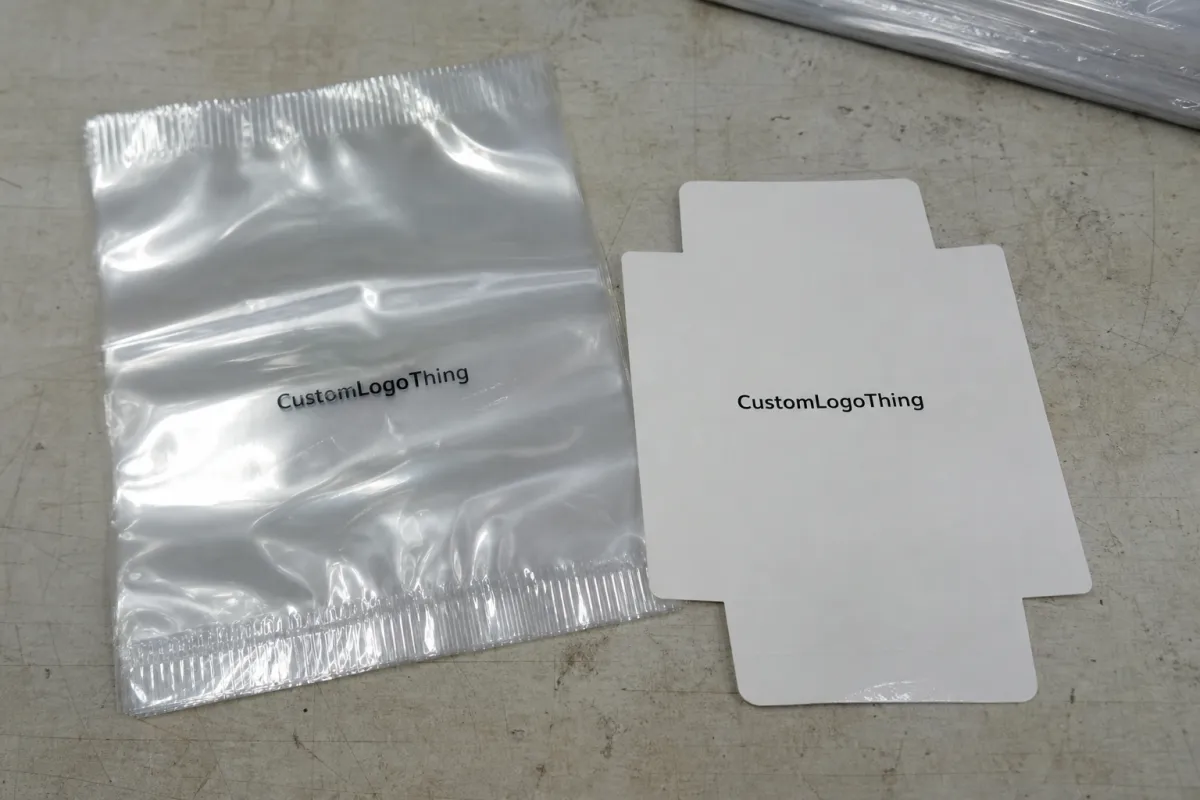
Here is the plain packaging breakdown. Primary packaging touches or directly contains the soap, such as a clear plastic bag, shrink sleeve, glassine wrap, or paper wrap. Secondary packaging sells and organizes the product, such as a folding carton, belly band, or labeled sleeve. Shipping cartons protect multiple units in transit, usually corrugated cases with a specified case count, flute type, and pack orientation.
From a packaging buyer’s point of view, the goal is not just to buy plastic bags, cartons, and labels. The goal is to build a repeatable system that packs at a steady pace, scans correctly at retail, looks consistent across scents, and survives the usual bumps from assembly table to stockroom to shelf. Honestly, that is where many soap projects lose money: not in one bad material choice, but in small mismatches between the components.
How Plastic Bags, Cartons, and Labels Work Together Around a Soap Bar
The typical packaging stack starts with the finished soap bar after curing, trimming, and inspection. The bar may stay bare, receive a light wrap, slide into a plastic bag or sleeve, then either take a label directly on the bag or go into a printed folding carton. Some brands use a bag inside a carton for scent control and cleanliness; others use only a carton because they want a paper-forward presentation.
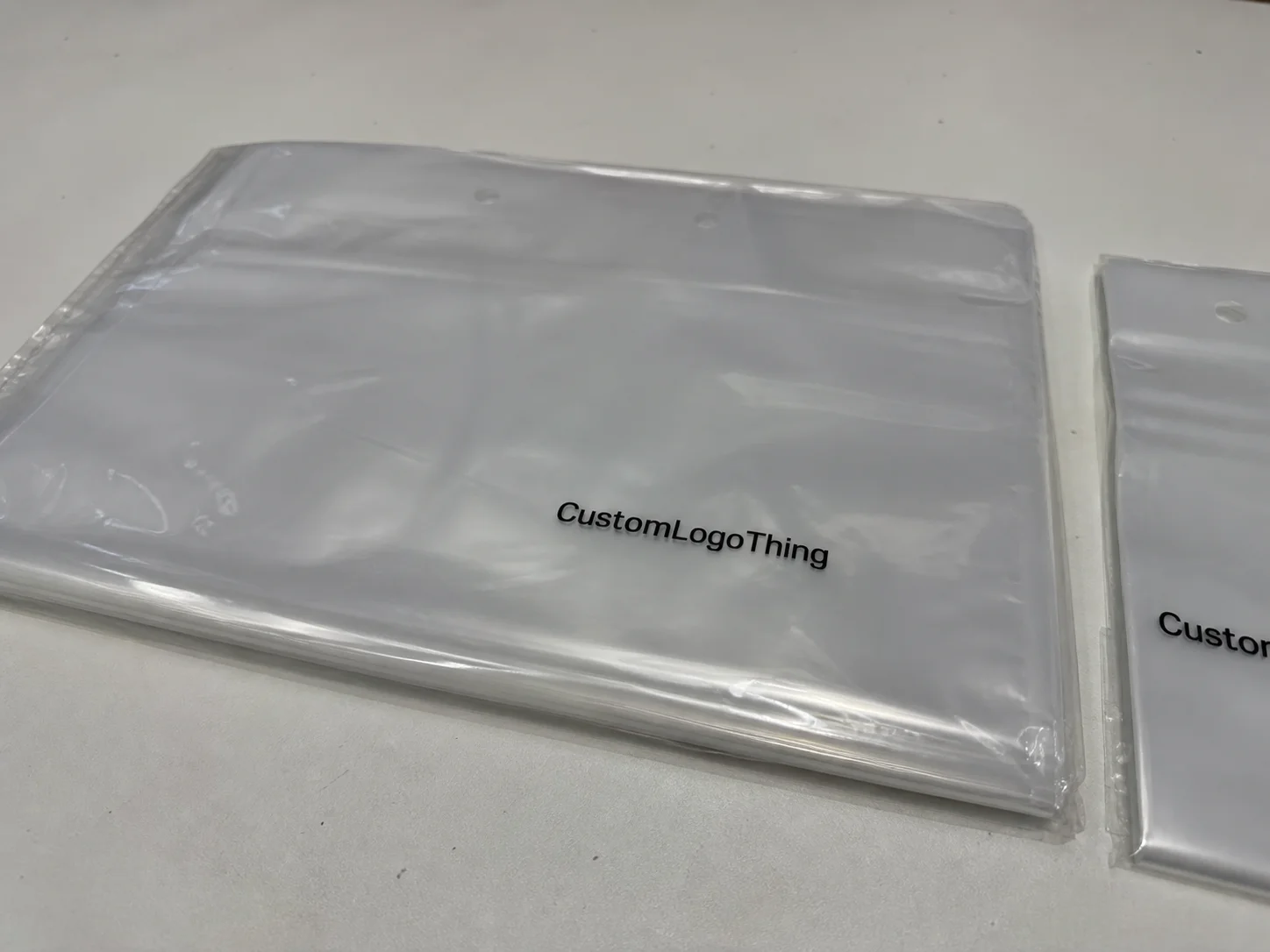
Film selection is usually about clarity, stiffness, sealability, and barrier behavior. A crisp, high-clarity polypropylene bag can make a colorful bar look clean and premium, while a softer polyethylene film may be easier to pack but more likely to show wrinkles. Soap is not like a dry hardware part. Fragrance oils, botanical inclusions, uneven surfaces, and curing variation can all affect how the film looks after several days in storage.
Cartons do a different job. A folding carton gives the bar a defined shape, hides minor bar variation, creates flat panels for brand color and copy, and protects decorative corners from rubbing. A common soap carton might use 300gsm to 400gsm SBS paperboard, kraft board, or recycled paperboard depending on the brand position. If the carton has a window, it adds visibility, but it also adds a film patch, extra glue control, and another quality checkpoint.
Labels can sit in several places: a front-facing brand label on the bag, a back-panel ingredient label, an end label on a carton, a tamper label across a tuck flap, a barcode sticker, or a batch/date-code label applied after filling. Each choice affects hand speed. A 2-inch round front label may look charming, but if workers need to center it on a flexible bag 1,000 times, the labor cost becomes part of the package.
The best results come when the bag size, carton dieline, label size, and soap dimensions are planned together. Treat the soap bar Plastic Bags Carton label guide as a system map, not a shopping list.
Key Material Specs: Film Gauge, Carton Board, Adhesive, and Finish
For plastic bags, buyers should specify material type, thickness, clarity, construction, and opening style. Common film thicknesses for soap bags may sit around 1.2 mil to 2.0 mil for lightweight retail protection, with thicker gauges used when the bar is heavy, sharp-edged, or handled often. Open-end bags, sealed-end sleeves, side-weld bags, bottom-seal bags, gusseted bags, vented bags, and resealable bags all pack differently.
A crisp film can look premium, but it may resist folding around odd soap shapes. A softer film can be forgiving on the packing line, though it may wrinkle more around corners. If the soap contains a strong fragrance load or visible oils, sample testing matters because some films can haze, pick up marks, or hold scent in a way that changes the customer’s first impression.
Carton board has its own language. SBS paperboard gives a smooth white printing surface and strong color reproduction. Kraft board gives a natural look but can mute colors. Recycled board can be a good fit for sustainability positioning, although print brightness and fold strength vary by grade. Caliper, grain direction, coating, fold memory, and tuck style all affect whether the carton feels crisp or flimsy in the hand.
Label material is just as practical. Paper labels are cost-effective and work well on flat cartons, but they can curl on flexible bags or in humid storage. BOPP labels resist moisture better and often look cleaner on plastic film. Matte lamination, gloss lamination, varnish, and soft-touch finishes change both appearance and durability. Adhesive choice matters because fragrance oils, humidity, and curved packaging surfaces can challenge weak bonds.
Printing choices should match the order size and brand need. Flexographic printing is common for many bag and label runs, especially repeat work with spot colors. Digital printing works well for shorter label runs and multiple scents. Offset printing is still strong for folding cartons with tight color control and larger quantities. Foil, embossing, aqueous coating, and soft-touch lamination can lift the look, but each one adds cost, time, and inspection points.
For paper sourcing and chain-of-custody language, buyers can review FSC information before making claims on cartons or labels. For shipping performance, ISTA test methods are useful when soap units ship through parcel or retail distribution networks.
Pricing, MOQ, and Unit Cost Drivers for Soap Packaging
Unit cost is shaped by material, size, printing method, order quantity, number of colors, tooling, finishing, and packing requirements. A clear stock bag with a stock label prices very differently from a custom-printed bag, printed carton, and specialty finish label set. A good soap bar Plastic Bags Carton label guide should make those tradeoffs visible before artwork is locked.
MOQ means minimum order quantity. It is not just a sales rule. It is the point where setup time, press waste, die cutting, material purchasing, and labor begin to make economic sense. A label job may be economical at 1,000 to 2,500 pieces if digitally printed, while custom cartons often become more attractive at 2,500, 5,000, or 10,000 pieces, depending on board, print coverage, and finishing.
| Packaging option | Typical use | Common cost drivers | Buyer watchout |
|---|---|---|---|
| Clear bag with applied label | Small batches, seasonal scents, flexible SKU changes | Film gauge, bag size, label material, adhesive, quantity | Label placement labor can cost more than expected |
| Printed carton only | Retail shelf presence and strong brand panels | Board grade, dieline, print colors, coating, carton tooling | Soap size variation can create tight or loose fit |
| Bag inside printed carton | Higher protection, cleaner handling, premium presentation | Two components, assembly labor, carton fit, label or barcode needs | Over-packaging can hurt margin and sustainability perception |
As a broad planning range, simple stock labels may land around a few cents each at several thousand pieces, while custom laminated BOPP labels can run higher depending on size and finish. Folding cartons for a soap bar might range from roughly $0.18 to $0.45 per unit at moderate quantities, with specialty finishes, windows, and small runs pushing that higher. Clear stock bags may be inexpensive per piece, but custom printed bags can require plates, larger quantities, and longer setup.
Ask for quote tiers: 2,500, 5,000, and 10,000 units is a practical starting spread. The lowest unit cost is not always the best buy if inventory space, scent changes, cash flow, or formula updates create obsolete packaging. One-time charges may include printing plates, cutting dies, carton tooling, proofing, and sample freight. Good planning cannot always remove those charges, but it can spread them across reorders.
Production Steps and Lead Time From Artwork to Packed Cartons
The production path is usually straightforward, but every step needs the right information. Confirm finished soap dimensions first. Choose the bag and carton structure. Build or approve dielines. Prepare artwork. Review proofs. Approve materials. Produce components. Inspect quality. Pack, case, and ship.
Lead time starts after approvals are complete, not after the first inquiry. That detail frustrates buyers, but it is real. Missing dimensions, low-resolution logos, incomplete ingredient panels, undecided barcode placement, and late scent-name changes can add more delay than the actual press work.
Digital proofs confirm layout, copy, color breaks, barcode position, and dieline fit. Physical samples or pre-production samples are worth the time when the soap has an unusual shape, a rough botanical surface, a heavy fragrance load, or a tight carton fit. If the bar has a decorative top, leave clearance. A carton that closes perfectly around a flat sample may crush a peaked or swirled soap top during hand packing.
Practical rule: approve the package with the same bar size, packing method, and label position that production will use. A desk sample proves appearance; a packed sample proves whether the system works.
Stock bags and digitally printed labels can often move faster than custom printed cartons or custom bag sizes. Specialty finishes, foil, embossing, imported material, and press scheduling can add time. Many buyers plan in the range of 10 to 20 business days after final approval for simpler component sets, while more custom packaging may need longer. This depends on supplier capacity and should always be confirmed before committing to a retail launch date.
Build the timeline backward. Include filling, hand assembly, quality review, freight, receiving, and time to correct a fit problem if the first sample exposes one. A soap bar Plastic Bags Carton Label guide is most useful before the schedule gets tight, not after cartons are already printed.
Step-by-Step Spec Guide for Ordering the Right Packaging Set
Measure the soap after curing, not only after pouring or cutting. Handmade and semi-commercial bars can shrink, bow, or vary by batch. Record length, width, height, weight, corner shape, surface texture, decorative top height, and the largest expected variation. A bar listed as 3.5 inches long may still need packaging clearance if the real production range is 3.45 to 3.65 inches.
Choose the retail format before choosing materials. Clear bag only. Bag plus label. Carton only. Bag inside carton. Belly band. Window carton. Multi-pack carton. Each format changes cost, shelf feel, labor time, and reorder flexibility.
- Build the component spec sheet: include bag dimensions, film type, gauge, seal style, carton board, carton dimensions, label size, adhesive, print colors, finish, barcode location, and case pack count.
- Confirm required copy: net weight, ingredients, business name, selling-region rules, warnings if needed, barcode, SKU, scent name, and batch/date-code area.
- Check artwork against the dieline: keep small text away from folds, tucks, glue areas, seal areas, and label edges.
- Ask for a fit sample: pack it by hand at the same speed and sequence that production will use.
Barcode placement deserves special care. Leave quiet zones, avoid high-gloss glare where scanners struggle, and keep codes away from curved bag corners or carton folds. Ingredient panels should remain readable at the final printed size; 5-point type may pass on a screen and fail in a dim retail aisle.
If you want help organizing the label side of the project, Custom Logo Things offers Custom Labels & Tags that can be matched to soap bags, cartons, and batch identification needs. Use that discussion to confirm material, adhesive, finish, roll direction, and unwind direction before production.
Common Mistakes That Cause Wrinkles, Curling Labels, and Retail Rework
Do not size the bag too tightly. A tight plastic bag wrinkles at the corners, slows packing, stresses the seal, and makes a premium bar look squeezed. Add practical clearance, especially if the soap surface is uneven or the packer needs to slide the bar in quickly without touching the face of the label.
Label curl usually comes from a mismatch between adhesive, surface energy, storage conditions, and application method. Paper labels on flexible plastic can lift at the edges if humidity changes or if the bag flexes after labeling. Fragrance oils and residue on the package surface can weaken the bond. For challenging soaps, high-tack adhesive or BOPP label stock may be worth testing.
Carton copy errors are painful because printed cartons are less forgiving than labels. Common issues include inconsistent scent names, wrong net weight, missing barcode quiet zones, ingredients with low contrast, and artwork crossing a fold line where it becomes hard to read. Proof every SKU as if it were the only one in the order.
Over-packaging and under-packaging both hurt. Too much structure can make a natural soap feel wasteful or overpriced. Too little protection can lead to scuffed bars, crushed corners, dust on the surface, and messy shelf presentation. The right balance depends on retail channel, bar hardness, price point, fragrance strength, and whether the product ships individually or by master case.
Other avoidable mistakes include approving artwork before finalizing bar size, forgetting label roll direction, ignoring case pack orientation, changing SKU counts after quoting, and skipping warm-room or humid-storage checks. ASTM packaging and label test methods can also be useful for specific rub, adhesion, and handling questions, especially for retail programs with stricter quality expectations.
Next Steps: Build a Clean Spec, Sample It, Then Order With Confidence
Start with finished soap measurements, choose the retail format, list every SKU, define the target quantity, and decide what matters most: lowest unit cost, faster turnaround, stronger shelf presence, or easier hand packing. A buyer who can answer those questions gets a better quote and usually a cleaner sample.
Create a simple comparison between two or three options. For example, compare a clear bag with label, a printed carton only, and a bag inside a printed carton. Look at material cost, labor time, shelf impact, protection level, MOQ, storage space, and reorder flexibility. The cheapest material set may not be the cheapest packed unit if it takes twice as long to assemble.
Request quotes with complete information: soap dimensions, desired bag or carton style, label requirements, print colors, finish, quantity tiers, delivery location, and whether samples or press proofs are needed. If labels are part of the system, ask about Custom Labels & Tags early so adhesive and roll setup are not guessed later.
Then test the package like it will be used. Pack several bars. Apply labels. Scan barcodes. Place cartons on a shelf. Put samples in a shipping case. Check them again after a few days, especially if the soap is strongly scented or stored in a warm room.
A soap bar Plastic Bags Carton label guide is most valuable when it turns separate packaging pieces into one practical, repeatable system. Use the soap bar plastic bags carton label guide to protect the bar, support the brand, reduce retail rework, and make the next reorder easier than the first.
FAQ
What should I measure before using a soap bar bag and carton label guide?
Measure the finished, cured soap bar length, width, height, and weight. Also note surface texture, decorative tops, rounded edges, and size variation between batches. Confirm the final retail format too, because a bag-only pack, carton-only pack, or bag-inside-carton pack each needs different clearance and label placement.
Are plastic bags safe for packaging scented soap bars?
They can be, as long as the film is chosen for fragrance compatibility, handling conditions, clarity, and seal performance. For oil-rich or strongly scented bars, sample testing is smart because some films may haze, wrinkle, hold scent differently, or show marks after storage.
How do I choose between a label on the bag and a printed carton?
A label on a bag is often flexible for small SKU changes, seasonal scents, and lower setup complexity. A printed carton usually gives stronger shelf presence, more branding space, and better structure, but it can involve higher setup cost, longer lead time, and tighter artwork planning.
What affects the cost of soap bar plastic bags, cartons, and labels the most?
The largest drivers are order quantity, custom size, material choice, print coverage, number of colors, finishing, tooling, and whether the job uses stock or custom components. Packing requirements also matter because a low-cost component can become expensive if it slows hand assembly.
How long does the packaging process usually take from quote to delivery?
Timing depends on whether the project uses stock components or custom printed bags, cartons, and labels, plus how quickly artwork and proofs are approved. Plan extra time for sample fit checks, barcode review, freight, receiving, and corrections before the full production run. A soap bar plastic bags carton label guide helps keep those steps organized from the first quote to the packed case.