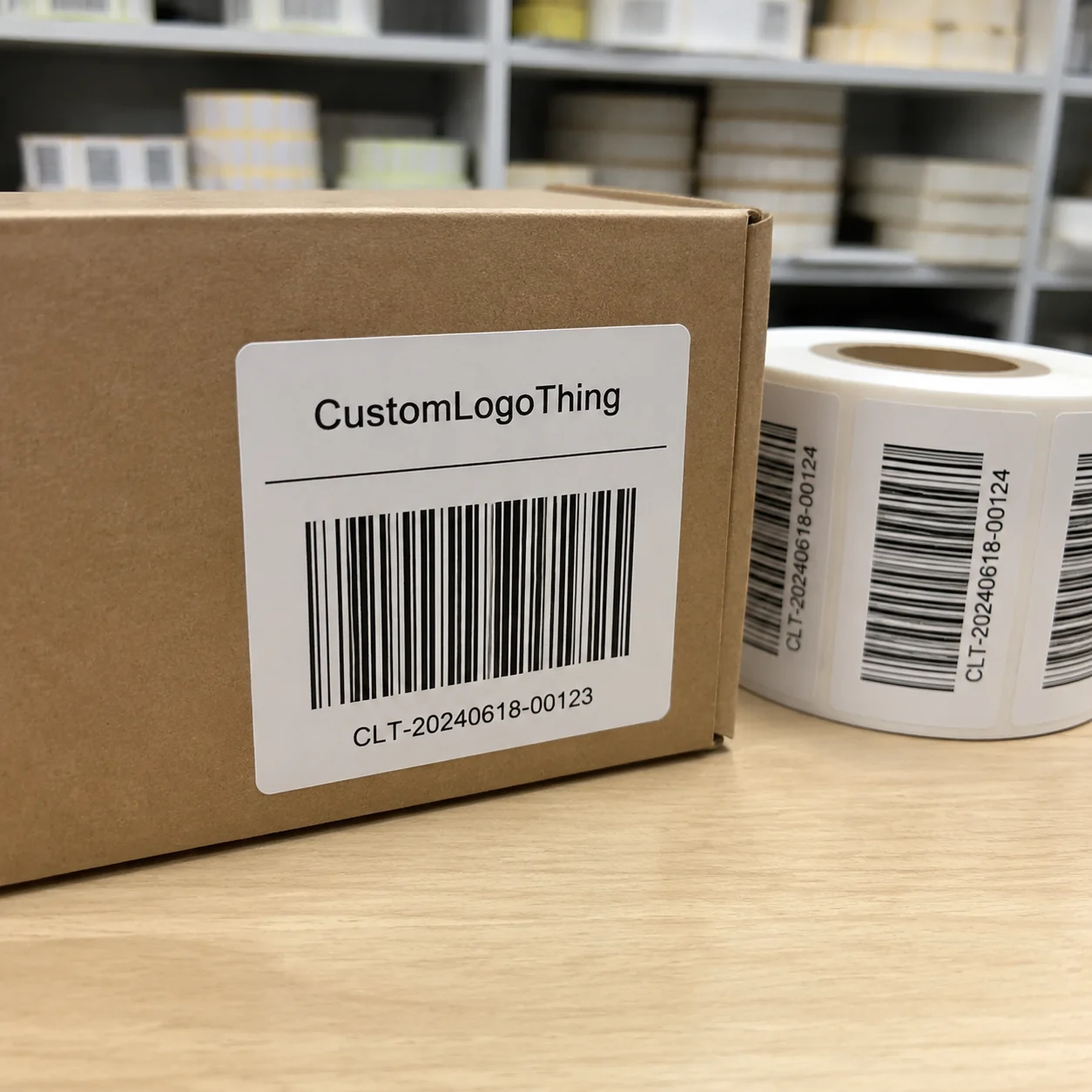
Buyer Fit Snapshot
| Best fit | Custom Labels Affordable projects where brand print, material claims, artwork control, MOQ, and repeat-order consistency need to be specified before quoting. |
|---|---|
| Quote inputs | Share finished size, material target, print colors, finish, packing count, annual reorder estimate, ship-to region, and any compliance wording. |
| Proofing check | Approve dieline scale, logo placement, barcode or warning zones, color tolerance, closure strength, and carton packing before bulk production. |
| Main risk | Vague material claims, crowded artwork, missing packing details, or unclear freight terms can make a low unit price expensive after revisions. |
Fast answer: Custom Labels Affordable: Material, Adhesive, Artwork, and MOQ should be specified like a repeatable production item. The safest quote records material, print method, finish, artwork proof, packing count, and reorder notes in one written spec.
Production checks before approval
Compare the actual filled-product size with the drawing, then confirm tolerance on folds, seals, hang holes, label areas, and retail display edges. Reserve space for logos, QR codes, warning copy, and material claims before decorative graphics fill the panel.
Quote comparison points
Review material grade, print process, finish, sampling route, tooling charges, carton quantity, and freight assumptions side by side. A quote is only useful when the supplier can repeat the same color, closure quality, and packing count on the next order.
“Custom labels affordable” is not just a search phrase for me; it is a sourcing problem I have watched play out on factory floors from Shenzhen to Ohio, usually right next to a labeling machine that is chewing through rolls faster than the planner expected. The surprise is almost always the same: a half-millimeter change in die cut, a switch from glossy film to paper, or a poor adhesive choice can move the quote more than the overall label size. Once you know where the cost lives, custom labels affordable becomes a practical buying strategy instead of a compromise.
I have seen small brands spend extra on heavyweight finishes they never needed, and I have also seen very clean, very premium shelf presentation come from a label that cost less because the buyer chose the right substrate, the right print method, and the right roll spec. That is the real advantage of custom labels affordable: not cheap-looking labels, but labels engineered to fit the product, the production line, and the budget. For brands building Custom Packaging Products, that kind of discipline matters across the whole package branding system, from cartons to inserts to the final retail packaging presentation.
Why affordable custom labels can still look premium
At a beverage bottling plant I visited outside Suzhou, the team was fighting a label that looked fine in the sample room but failed the real test on a chilled line at 8,000 bottles an hour. The problem was not the artwork; it was the wrong adhesive paired with a film that lifted under condensation. We changed the spec to a moisture-tolerant BOPP label, kept the ink coverage moderate, and the cost actually dropped because there was less scrap and less rework. That is why custom labels affordable is often more about smart specification than aggressive cutting.
A premium look comes from controlled details: consistent color, clean cut edges, readable type, and a finish that matches the product. A 70 mm x 120 mm label on a 38 mm core can look far more expensive than a larger label if the layout is balanced and the print is crisp. In my experience, buyers in cosmetics, supplements, food, and beverage often confuse custom labels affordable with “lowest possible price,” but the better target is cost-optimized branding That Holds Up on shelf and during shipment.
That matters because labels are not isolated decoration; they are part of branded packaging and product packaging performance. A lotion jar with a wrinkled label, a sauce bottle with ink that smears, or a vitamin bottle with a poorly matched white can make a polished formula look rushed. I have watched buyers in a client meeting reject an entire run over a small registration shift of 1.5 mm, because once you see a label out of alignment next to a clean carton, the whole package branding story weakens. Custom labels affordable should help you avoid that kind of expensive mismatch.
“The cheapest label is the one you do not have to reprint.” That is something a plant manager told me after a 24,000-piece order had to be partially scrapped because the adhesive was wrong for refrigerated shipping.
That is the key distinction most people get wrong: cheap labels save money only until they start failing. Custom labels affordable should mean the label is fit for use, easy to apply, readable in the store, and stable in transit. That balance is what keeps costs down without making the packaging look second-rate.
Label product options that keep costs under control
The first major cost decision is material. Paper labels are often the most economical, especially for dry goods, boxes, candles, shipping applications, and indoor retail packaging where the label will not face moisture or abrasion. BOPP, which many buyers use for food, beverage, and supplement containers, costs more than paper but usually earns that difference through better resistance to water, oil, and handling. Vinyl and clear films are more specialized, and they are excellent in certain applications, but they are not always the best answer if the goal is custom labels affordable.
Here is how I usually explain it on a sourcing call: paper is the workhorse for low-stress use, BOPP is the practical upgrade for tougher environments, and clear film is the visual option when the product needs a “no-label” look. I have seen a skincare brand switch from clear film to white BOPP and save money on both material waste and setup time because the artwork no longer needed precise transparent layering. The final result still looked polished, and the cost came down because the spec matched the product better. That is the sort of decision that makes custom labels affordable without making the package look stripped down.
Finishing changes the price faster than many buyers expect. Gloss lamination can improve visual pop, but if the product is already strong on color and typography, a gloss varnish or simple printed finish may do the job at a lower cost. Matte can feel more refined, especially for wellness and cosmetic brands, while soft-touch adds a premium hand feel but usually increases unit cost because it adds another processing step. Spot UV can look excellent on Custom Printed Boxes and some label applications, but I only recommend it when the design has a specific area that truly benefits from contrast. Otherwise, it becomes avoidable expense.
Adhesive selection is another place where smart choices protect your budget. Permanent adhesive is the standard for most shelf products, because it reduces the chance of peeling during shipping or consumer handling. Removable adhesive makes sense for promotional stickers, temporary labels, or containers that need clean removal, but it can create trouble if the product warms up in transit or sits in a humid warehouse. I once worked with a food brand that wanted removable labels on a chilled tub line, and their operators spent more time fixing corner lift than applying labels. The adhesive was the hidden cost. Custom labels affordable only works if the adhesive matches the environment.
Print method matters too. Digital printing is usually the best fit for short runs, SKUs with frequent artwork changes, and brands testing the market with smaller quantities. Flexographic printing becomes more cost-effective as quantities rise, because the plate and setup costs are spread across more labels. If you need 1,000 to 3,000 labels, digital often wins on total spend. If you are ordering 20,000 or more of one design, flexo may reduce the per-label cost enough to justify the tooling. That is why Custom Labels & Tags are often quoted with different methods depending on run length, coverage, and repeat demand.
- Paper: lower cost, best for dry indoor use and simple retail packaging.
- BOPP: better for moisture, oils, and handling in food or supplement applications.
- Vinyl: durable, but usually reserved for special use cases where toughness matters more than price.
- Clear film: useful for transparent containers and premium visual effects, though not always the cheapest route.
Specifications that matter for affordable custom labels
Before anyone asks for a quote, I want to know five basics: size, shape, roll direction, core size, and label count per roll. Those details may sound simple, but they decide whether the labels can run on a hand-applied line, an automatic applicator, or a semi-auto machine without stoppage. A 2-inch core versus a 3-inch core can change compatibility with the applicator head, and a wrong wound-in orientation can slow down production by 15 to 20 minutes per shift. For custom labels affordable, that wasted time is real cost.
Artwork setup also influences the quote. Bleed, dieline accuracy, and color matching all affect prepress labor and production consistency. If the file needs heavy correction, missing fonts, or rebuilding of the label outline, the job takes longer before a single label is printed. A clean AI or PDF file with outlined fonts and a proper bleed of 2 to 3 mm is easier to approve and faster to move into production. In the factories I have worked with, the most expensive orders were often not the biggest ones; they were the messy ones. Good specs keep custom labels affordable because they cut prep time and reduce mistakes.
The application environment is just as important as the artwork. A label on a dry cardboard box has very different requirements from a label on an oily supplement bottle, a refrigerated sauce jar, or a cosmetics tube handled by wet hands in a store demo. Moisture, refrigeration, oil exposure, and friction all affect whether you should choose paper, BOPP, or a coated film. For brands using branded packaging to protect repeat purchase and shelf presence, the material has to survive the actual use case, not just the photo shoot.
Shape complexity can quietly inflate cost. A rectangle with rounded corners is usually simpler and cheaper than a custom contour with three internal cutouts. If you can standardize dimensions across multiple SKUs, you may reduce die-cut setup and simplify inventory. I have seen supplement brands save a noticeable amount by using one label width across five bottle sizes, then changing the content layout instead of the cut size. That is a very practical way to keep custom labels affordable while preserving a consistent brand system.
A label spec is not just a drawing. It is a production instruction, a shipping decision, and a branding decision all at once.
For standards and material checks, I often point buyers to industry resources such as the ISTA packaging testing guidelines and the FSC certification framework when sustainability claims are part of the brief. If your labels or packaging need environmental positioning, those references help separate marketing language from actual sourcing requirements.
Pricing, MOQ, and what actually drives your quote
Price is driven by six variables more than anything else: material, print coverage, quantity, finishing, shape complexity, and lead time. A heavily inked dark design on clear film costs more than a white background on paper because it uses more ink, may need more proofing, and sometimes requires additional white underprint. Likewise, a hot-stamped or heavily finished label can look beautiful but often lifts the quote because every extra process adds handling. That is why buyers seeking custom labels affordable should compare at least two spec paths before locking in a design.
MOQ works differently by print method. Digital runs can often support lower minimums because there are no plates, but the per-label cost is higher at larger quantities. Flexographic runs usually need higher MOQ because the setup includes plates, press calibration, and more complex prep, but the unit cost falls as volume rises. A brand ordering 2,000 labels for a product launch may be better off with digital. A brand ordering 50,000 labels for steady replenishment may save more with flexo. That is not always the case, but it is the pattern I see most often in pricing.
For small brands, I usually suggest choosing one strong base specification and one backup option. For example, you might compare 60 lb paper with matte varnish against white BOPP with gloss varnish. If the product is dry and handled gently, the paper option may be the best match for custom labels affordable. If the product goes into coolers or sees oils, the BOPP option is worth the added spend because the label will stay intact and look better over time. Saving $0.02 per label is not a win if the label fails on the shelf.
Growing brands often do best by standardizing their label dimensions and ordering in repeat quantities. That makes forecasting easier and keeps supply more predictable. High-volume buyers can save money by bundling repeat orders, planning production earlier, and staying close to standard materials rather than specifying unusual finishes every time. A few cents per label becomes meaningful when the order is 30,000 or 100,000 units, so the best custom labels affordable strategy is usually a repeatable spec, not a one-off bargain.
How do you get custom labels affordable without sacrificing quality?
The most reliable path to custom labels affordable is to match the label to the product environment, keep the structure simple, and avoid premium features that do not support the brand story. If the product is dry and shelf-stable, paper with a clean varnish may be enough. If the container may face moisture, refrigeration, or oil, BOPP or another moisture-resistant film is often the better investment. In both cases, the goal is the same: choose the lowest-cost spec that still performs properly in production, shipment, and retail use.
Quality also stays strong when the file is clean and the order details are complete. A crisp dieline, correct bleed, outlined fonts, and confirmed roll format reduce back-and-forth during prepress and avoid preventable errors. In my experience, brands that provide full application details get better results faster, and that usually improves cost control as well. A label is not just a printed surface; it is a manufacturing part that has to work with the bottle, jar, pouch, or carton it touches.
Another way to keep custom labels affordable is to think in systems instead of single orders. If you have multiple SKUs, use shared dimensions where possible, keep the print finish consistent, and plan reorders before inventory gets tight. That lowers setup churn and helps the supplier keep materials and production planning efficient. The result is a cleaner brand presentation and fewer surprises in the next run.
From proof to delivery: the label process and timeline
The process is straightforward when the buyer comes prepared. It starts with inquiry, then artwork review, then a quote, then proof approval, production, inspection, and shipment. The faster the artwork is finalized, the tighter the timeline can stay. I have watched a 10-business-day label job turn into a 17-day job because the client needed three rounds of copy edits and a color change after proof. Nothing unusual there. It happens all the time. But if your goal is custom labels affordable, delays can create indirect cost through rushed freight or delayed product launch.
On the production floor, the steps are specific. Prepress checks confirm file resolution, bleed, and color logic. Flexo jobs require plate-making and press setup. Digital jobs require press calibration and material loading. Then comes die cutting, slitting, inspection, and roll packing. If the labels are going on a machine, roll direction and core size must be right before shipment. A mistake there can create a half-day of downtime at receiving, and that is exactly the kind of avoidable expense buyers never want tied to custom labels affordable.
Sample timing depends on whether the job is a stock material test, a digital proof, or a finished production sample. A fast approval cycle usually keeps the project moving, while unclear artwork or missing application details slow everything down. Standard production windows vary by quantity and method, but once specs are finalized, a well-run label order should not feel mysterious. In my experience, the best factories communicate where the job is: prepress, plate room, press, finishing, or packing. That transparency helps buyers plan around the actual timeline instead of guessing.
One more point: if the label will be used with other packaging components, ask for coordination with Custom Printed Boxes or inserts so the colors and tone stay consistent. A label that looks right beside the carton, sleeve, or shipper box strengthens the total product packaging story. That kind of alignment is part of smart packaging design, not just label buying.
In a clean label program, the proof stage is where money is saved, not where it is spent.
Why choose Custom Logo Things for affordable label runs
Custom Logo Things works from the packaging side of the business, not from guesswork. That matters because labels are not an isolated commodity; they connect to the bottle, jar, pouch, carton, insert, and final shelf presence. When a buyer asks for custom labels affordable, the right answer is not “use the cheapest thing.” The right answer is to match material, adhesive, print method, and finishing to the actual use case, then keep the spec stable enough to repeat without surprises.
I like working with teams that care about practical details because that is where expensive mistakes are prevented. If a product needs a 38 mm core for an automatic applicator, say so. If the label must tolerate refrigeration or surface oil, say so. If you are building a coordinated branded packaging program with Custom Packaging Products, the label should support the same visual language as the rest of the line. That kind of coordination keeps the brand consistent and the budget under control.
Clients appreciate clear communication, and that is what good packaging sourcing is built on. A quote should explain where the money goes, whether the label is paper or BOPP, whether a matte finish is worth it, and whether digital or flexo is the better match for quantity. That is how custom labels affordable becomes something measurable. Not hype. Just the right spec, the right process, and the right expectations.
What to do next to get affordable custom labels
If you want custom labels affordable, gather the basics first: artwork, finished size, shape, surface type, target quantity, application method, and whether the product faces moisture, oil, cold storage, or abrasion. With those details, a quote can be built around actual production conditions rather than assumptions. That saves time for both sides and usually leads to a better recommendation.
Then compare two or three material and finish combinations. A paper label with matte varnish might be enough for one product, while a BOPP label with gloss finish may be the smarter choice for another. Ask for a proof, confirm core size and wound direction, and make sure the roll format matches your line equipment before production starts. If you are trying to keep custom labels affordable, those checks are worth more than chasing the lowest unit price on paper.
My advice is simple: send the specs, review the options, and let the quote show you where the cost differences really sit. In the best runs I have seen, the buyer chose the right substrate, kept the design clean, and used the right order quantity. That is how custom labels affordable stays affordable after production, during shipping, and on the shelf.
Start with the environment your product actually faces, not the finish that looks best in a mockup. Once the substrate, adhesive, and roll format are set correctly, the rest gets a whole lot easier, and honestly, that is where the savings usually hide.
FAQ
How can I get custom labels affordable without sacrificing quality?
Choose the simplest material that still fits the product environment, limit expensive finishing unless it supports the brand, and use standard sizes and quantities whenever possible. That is the most reliable path to custom labels affordable.
What is the most affordable material for custom labels?
Paper is often the lowest-cost option for dry, indoor use. BOPP is usually worth the upgrade for moisture or oil resistance. The best choice depends on the surface, handling, and storage conditions, not just the unit price.
Do custom labels affordable options come with a minimum order quantity?
Yes, MOQ depends on print method and material. Digital printing often supports lower quantities than flexographic printing, while higher quantities usually reduce the per-label cost. That is why run size matters so much in custom labels affordable sourcing.
How long does it take to produce affordable custom labels?
Timeline depends on proof approval, quantity, and print method. Artwork readiness is one of the biggest factors in avoiding delays, and rush production may be possible when specs are finalized quickly and the file is clean.
Can I order affordable custom labels in rolls for machine application?
Yes, roll labels are common for faster application and cleaner handling. You should confirm core size, roll direction, and wound-in orientation, and machine compatibility should be checked before production starts so the labels run correctly from the start.