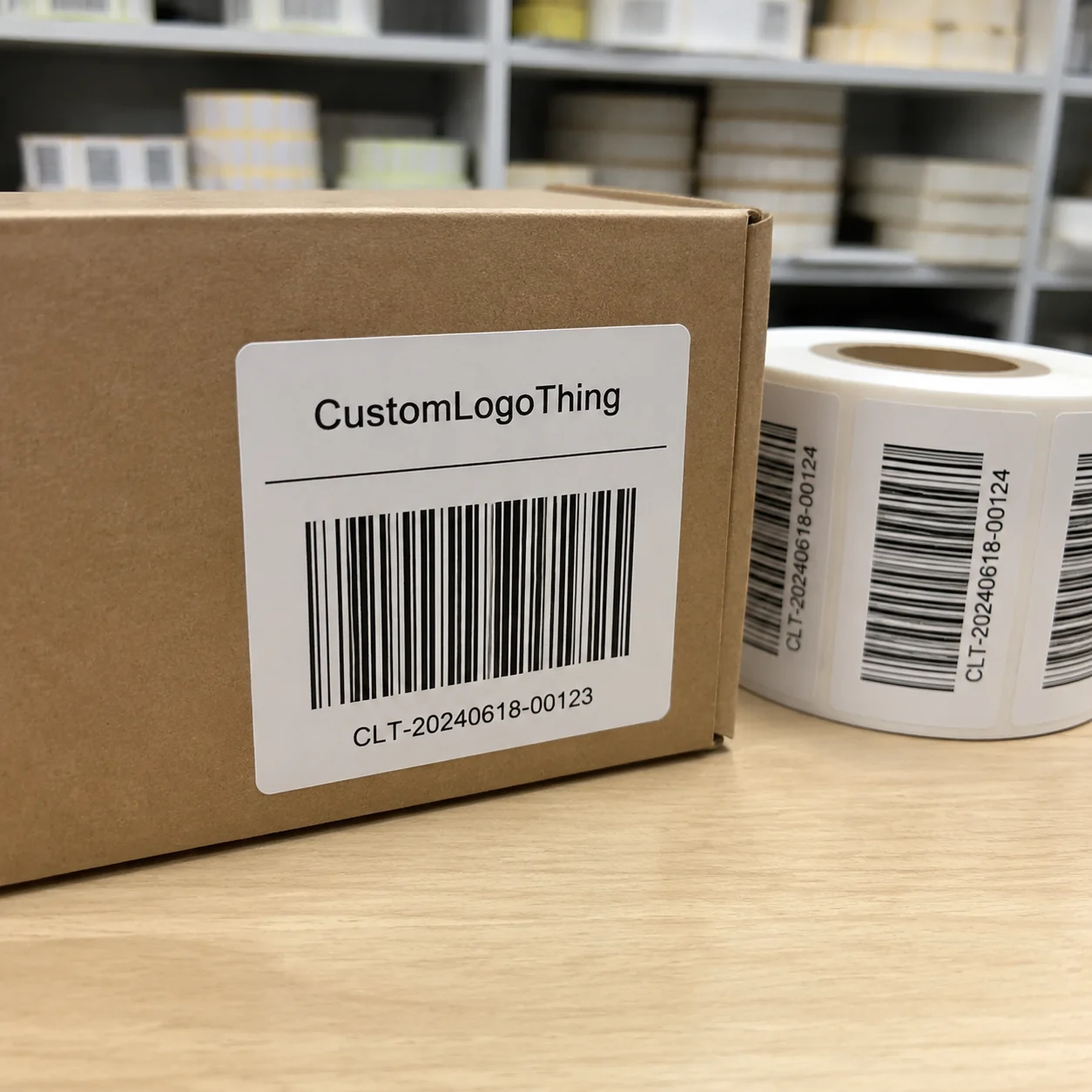
Buyer Fit Snapshot
| Best fit | Custom Labels Custom Printed projects where brand print, material claims, artwork control, MOQ, and repeat-order consistency need to be specified before quoting. |
|---|---|
| Quote inputs | Share finished size, material target, print colors, finish, packing count, annual reorder estimate, ship-to region, and any compliance wording. |
| Proofing check | Approve dieline scale, logo placement, barcode or warning zones, color tolerance, closure strength, and carton packing before bulk production. |
| Main risk | Vague material claims, crowded artwork, missing packing details, or unclear freight terms can make a low unit price expensive after revisions. |
Fast answer: Custom Labels Custom Printed: Material, Adhesive, Artwork, and MOQ should be specified like a repeatable production item. The safest quote records material, print method, finish, artwork proof, packing count, and reorder notes in one written spec.
Production checks before approval
Compare the actual filled-product size with the drawing, then confirm tolerance on folds, seals, hang holes, label areas, and retail display edges. Reserve space for logos, QR codes, warning copy, and material claims before decorative graphics fill the panel.
Quote comparison points
Review material grade, print process, finish, sampling route, tooling charges, carton quantity, and freight assumptions side by side. A quote is only useful when the supplier can repeat the same color, closure quality, and packing count on the next order.
Two labels can look identical on a monitor and behave like completely different materials once they leave the design file and hit a real production line. I’ve watched custom labels custom printed glide through a bottling line at 180 bottles per minute, then seen a nearly identical version curl at the edges after 20 minutes in a cold room at 38°F, and that gap usually comes down to substrate, adhesive, and finish rather than artwork alone. That’s why custom labels custom printed are never just decoration; they are part of the package engineering.
At Custom Logo Things, the conversation usually starts with branding, but the best results happen when branding and function are treated as equals. If you want help thinking through other packaging pieces too, our Custom Packaging Products and Custom Labels & Tags pages are a good place to compare options for product packaging, retail packaging, and branded packaging that has to survive shipping, shelving, and handling.
What Custom Labels Custom Printed Actually Mean
Plainly put, custom labels custom printed are labels made specifically for your brand’s artwork, dimensions, material, adhesive, and end-use conditions. A stock label is usually pre-made in a standard size with limited design flexibility, while digitally printed labels can be shorter-run and faster to produce, and fully custom printed labels are built around your exact packaging surface and line requirements. That distinction matters because a label for a kraft mailer is not the same animal as a label for a chilled glass bottle or a coated corrugated carton.
I learned that the hard way years ago on a Midwest beverage line where the art department insisted two label stocks were “basically the same.” On paper, they were close. On the line, one stock held tight to a condensation-heavy bottle, while the other started to silver at the corners after a 30-minute run through a 42°F cooler. That’s the kind of thing you only catch when you match custom labels custom printed to the actual package, not just the mockup.
These labels show up everywhere: glass jars, squeeze bottles, pouches, corrugated shippers, mailers, retail stickers, warning labels, tamper-evident seal labels, and even short-run promotional seals for events and seasonal kits. In packaging design, they often do double duty, carrying both brand identity and operational information like barcodes, lot numbers, or compliance copy. Good custom labels custom printed make the brand look intentional; great ones also make the pack easier to identify, ship, and sell.
People often start with the artwork first and the environment second, and that order creates half the headaches I see in print reviews. A label that looks perfect in a mockup can fail the moment it meets oil, freezer storage, condensation, or a rough carton surface. The smarter sequence starts with the surface, the temperature range, the handling conditions, and the need for removable or permanent adhesion. Once those answers are clear, custom labels custom printed can be engineered to do the job instead of just looking nice on a screen.
Quote from a client meeting that stuck with me:
“We thought the label problem was color. It turned out to be our adhesive fighting the recycled carton texture.”
That one sentence captures the whole business. With custom labels custom printed, the face stock is only one part of the formula. The adhesive, topcoat, print method, and finishing all play a role in how the label performs after it leaves the converter.
How the Custom Printing Process Works
The process usually starts with a brief: product type, container shape, target quantity, application method, and the environment the label will face. From there, the file goes through artwork review and prepress checks, because the smallest things can become expensive later, especially with 6-point type, narrow barcodes, or brand colors that need tight control. That’s the practical side of custom labels custom printed, and it saves a lot of rework when handled early.
In digital printing, setup is fast and ideal for shorter runs or multiple SKUs, because each design can be changed without a long plate-making step. Flexographic printing is usually better for larger volumes, especially when the design is stable and repeat orders are expected, because the per-unit price often improves once the press is dialed in. Offset printing can deliver excellent detail and color consistency for certain label constructions, though it is less common for some pressure-sensitive label formats than digital or flexo. I’ve seen brands choose the wrong method simply because they were comparing quotes without asking what the presses were actually best at.
Then comes the factory-floor reality. Die cutting matters, and so does matrix removal, which is the waste matrix peeled away after the label shape is cut. Roll direction matters if the labels are going into an applicator, because the unwind orientation can affect how smoothly the label peels and lands on the container. On a pack line I visited in Charlotte, one brand was losing nearly 8% of labels to misfeeds because the label spec ignored applicator direction. Once we changed the roll layout, the issue dropped almost immediately.
Proofing is where a lot of expensive mistakes get caught. A digital proof can help confirm layout, but it is not always a perfect representation of final print on paper, film, or metallic stock. That’s why prepress checks should include bleed, barcode readability, overprint settings, font outlining, and exact Pantone expectations if color consistency is critical. With custom labels custom printed, a 1/16-inch trimming issue can matter just as much as a headline typo.
Timeline depends on the job. A straightforward digital order with approved art might move in 5 to 8 business days after proof sign-off, while a job needing a new custom die, specialty varnish, or foil stamp can easily extend to 12 to 18 business days. If a supplier promises a narrow turnaround, ask whether the clock starts at quote acceptance or proof approval, because those are not the same thing. That little detail saves arguments later.
For broader packaging standards, I often point clients to trusted references like the International Safe Transit Association for transit testing ideas and the U.S. Environmental Protection Agency when sustainability claims or material choices come into the discussion. Those organizations do not design your label, of course, but they help frame the real-world conditions the label may need to survive.
Key Factors That Affect Quality, Performance, and Cost
Material selection drives both appearance and performance. Paper labels work well for dry products, short shelf-life promotions, and many carton applications where a natural look fits the brand. BOPP, a biaxially oriented polypropylene film, is a workhorse for moisture resistance and general durability, especially on beverages, bath products, and household goods. Vinyl and polyester are often chosen for tougher industrial or outdoor environments, while clear films can create that “no-label” look on glass or rigid plastic. Texture stocks add a premium feel, but they are not always the right choice if you need very fine print or a high-speed applicator. With custom labels custom printed, the material should be chosen for the job, not just for aesthetics.
Adhesive choice can make or break the result. Permanent adhesive is the default for many product packaging applications, but removable adhesives are useful for pricing labels, temporary promotions, or retail packaging that changes often. Freezer-grade adhesives are built to bond in cold, damp conditions, and high-tack adhesives help on rough surfaces like corrugated kraft or recycled carton board. Oil-resistant adhesives matter on cosmetics, food jars, and specialty bottles where residue can interfere with bonding. I’ve seen beautiful custom labels custom printed fail on an oily container simply because the adhesive was never tested on the actual product.
Finishing changes both the look and the life of the label. Matte finishes reduce glare and can make a brand feel more natural or understated. Gloss finishes sharpen color and can help artwork pop under retail lighting. Soft-touch lamination gives a velvety handfeel that customers notice immediately, but it adds cost and can slow production. Foil stamping and spot UV are strong branding tools for premium lines, while varnish can protect the surface at a lower cost than full lamination. The right finishing choice depends on whether the label needs to fight scuffs, moisture, or handling on a busy pack-out table.
Pricing usually comes down to quantity, size, substrate, colors, finishing, and die complexity. A simple 2-inch round paper label in a 10,000-piece run can cost far less per piece than a 4-color clear film label with foil accents and a custom contour cut in a 1,000-piece order. In one recent quote comparison I reviewed, a customer could get a basic paper label for about $0.04 to $0.06 per unit at volume, while a specialty film version with lamination and foil landed closer to $0.18 to $0.32 per unit depending on quantity. That spread is normal. Custom labels custom printed reward planning, because the more the print run and construction fit the production method, the better the unit economics usually get.
Trade-offs matter. Saving a few cents on a label can create waste if it peels in cold storage, smears under condensation, or looks inconsistent across SKUs. I once sat through a supplier negotiation where a brand tried to shave cost by switching from a film stock to a lighter paper stock for a hand lotion line. The first shipment saved a modest amount per carton, but the store returns and relabeling labor wiped out the savings in less than a month. That is not theory; that is factory math.
Step-by-Step: How to Order Custom Labels with Confidence
Start with the application. Ask what product the label goes on, what the surface is made of, and what temperatures or handling conditions it will face. Glass, corrugate, PET plastic, and coated cartons all behave differently, and custom labels custom printed need to be matched to that reality. If the label is for frozen goods, note the storage temperature. If it is for a bottle that gets condensation, say so. If the label must be removable without residue, say that too.
Next, prep the artwork properly. Final dimensions should be locked before quoting, with bleed included if the design runs to the edge. Vector files like AI, EPS, or print-ready PDF are best for clean edges and accurate scaling. Images should be high resolution, usually 300 dpi at final size for raster elements. Fonts should be outlined, and barcode data should be tested against the intended scanner environment whenever possible. On a cosmetics line I worked with, a barcode looked fine on screen but failed at retail because the quiet zone was too tight by a few millimeters. That’s a small miss with a big consequence.
Testing samples is one of the smartest moves a brand can make. Compare paper and film on real bottles, or place the label on actual corrugate rather than a glossy mockup. Apply them at room temperature, then leave one set in the freezer, another in a humid room, and another under normal warehouse conditions. That kind of hands-on check tells you more than a PDF ever will. For brands ordering custom labels custom printed, sample testing is cheap insurance.
The approval workflow should be clear: quote, proof, revisions, final sign-off, production, quality control, and shipment. If the job needs a custom die or a special finish, ask whether tooling happens before or after proof approval. Standard orders may move in under two weeks, while more complex runs often need extra production days for dies, laminations, or finishing. If you need a specific ship date, build in at least a few business days of buffer, because approvals rarely happen exactly on schedule.
One small process habit I recommend: keep a label specification sheet for every SKU. Record the substrate, adhesive, finish, dimensions, wind direction, approved artwork version, and the date of sign-off. The next time you reorder custom labels custom printed, that sheet shortens the back-and-forth and reduces the chance of ordering the wrong construction by accident.
Common Mistakes That Cause Label Failures
The biggest mistake is choosing by appearance alone. A label that looks premium in a mockup may fail in humidity, freezer storage, oily handling, or carton abrasion. I’ve seen this on product Packaging for Candles, sauces, and bath salts, where the branding looked excellent but the label surface was not suited to the conditions. Custom labels custom printed should be judged by performance first, then appearance.
Another common issue is poor artwork setup. Missing bleed, tiny text, and low-resolution graphics cause trimming problems and fuzzy edges. If the design is too close to the cut line, any slight shift in the die can make the label look off-center. That matters more than people think because buyers notice sloppy alignment almost immediately on retail packaging.
Adhesive mismatch causes a lot of heartache. A general-purpose adhesive might be fine on a flat paperboard carton, but not on a curved bottle or a recycled corrugated surface with dust and fiber variation. Frozen products need a different adhesive story entirely. When a brand ignores that, the label might lift, tunnel, or simply refuse to bond. That is why custom labels custom printed should always be matched to the actual surface, not assumed from a catalog description.
Color mismatch is another costly problem. Screen colors are not press colors, and even a well-calibrated monitor cannot predict the exact look of a film stock, a coated paper, or a white underprint. Brands that skip proofing often discover that a deep navy prints more purple than expected, or that a subtle cream tone disappears against a natural kraft box. If package branding depends on exact color, proof it and compare it under standard lighting conditions.
Finally, under-ordering creates avoidable rush costs. If the first run sells faster than expected, or if the package specification changes and the old labels no longer fit, emergency reprints can be expensive. I’ve been in meetings where a team saved a little upfront by ordering short and then paid more later in freight, rush setup, and labor when the reorder had to be pushed through quickly. Custom labels custom printed are cheapest when the production plan is realistic from the start.
Expert Tips for Better Branding and Smoother Production
Design with the packaging line in mind. If the label will be applied by machine, check unwind direction, label spacing, and how the leading edge peels off the liner. If an operator is applying labels by hand, a slightly larger trigger area or more forgiving laydown can help. Simple shapes often run faster and with fewer defects than very intricate outlines, especially on high-volume lines. I’ve watched a square with rounded corners outperform a fancy die-cut because it held registration better and applied more consistently. That is the practical side of custom labels custom printed.
Make a test run before committing to a large order if the material or container is new. Even 50 to 100 samples can reveal issues with curl, edge lift, print contrast, or adhesive bite. That small pilot often saves time later, especially with unusual bottles, soft-touch cartons, or rough recycled board. It is a simple habit, but it can prevent a lot of brand damage.
Keep an internal spec sheet and update it every time a label is approved. I know that sounds basic, but I have seen teams lose weeks because no one could find the last approved art file, material code, or finish note after a staff change. The brands that stay organized reorder faster and get fewer surprises from their suppliers. That is true whether they are buying custom labels custom printed or broader Custom Packaging Products for a seasonal launch.
Think beyond decoration. A label can communicate compliance, show tamper evidence, segment SKUs, tell a story, or build trust on first touch. In retail packaging, the label is often the first thing a shopper actually handles, and that physical impression can shape how the product feels before it ever gets used. That is why I like to treat labels as a functional piece of package branding, not just a sticker with a logo.
For brands working with FSC-labeled paper or sustainability claims, the right material conversation matters even more. The Forest Stewardship Council is a good reference point when certified paper sourcing is part of the brief. It will not solve the printing side, but it helps brands ask better sourcing questions early.
What do custom labels custom printed need to work well?
To work well, custom labels custom printed need the right combination of substrate, adhesive, finish, print method, and sizing for the actual package environment. That means matching the label to temperature, moisture, texture, handling, and whether the label is meant to stay on permanently or come off cleanly. A strong design helps, but the construction is what keeps the label performing on the line and on the shelf.
Practical Next Steps for Ordering the Right Labels
If you want custom labels custom printed without the usual back-and-forth, gather a few key facts before requesting quotes: package dimensions, container material, application temperature, surface texture, label size, target quantity, and whether the label must be removable or permanent. Add your brand files, a rough budget range, and any finish preferences such as matte, gloss, foil, or soft-touch. The more complete the brief, the faster the quote process usually moves.
Then test your top two material choices on the actual package. I mean real bottles, real boxes, real pouches, not just renderings. Put them in the environment they’ll actually live in and check for adhesion, print clarity, and handling wear. If one option costs a little more but survives the line and shelf better, that is often the better value. Custom labels custom printed are about fit, not just sticker price.
It also helps to compare at least two production methods or finish options if cost, turnaround, or durability matter. A digital job might be faster for short runs and multiple SKUs, while flexo may win on unit cost for a stable, higher-volume repeat order. Specialty finishes can make a label stand out, but they should earn their place on the spec sheet. If you are unsure, ask for the practical trade-offs in writing.
Before you send anything out, make a one-page label brief. Include the product name, packaging surface, size, adhesive preference, finish, quantity, deadline, and approved file version. That single page can save hours of calls and revision emails. More importantly, it helps a manufacturer quote custom labels custom printed with fewer assumptions and fewer hidden surprises.
If I can leave you with one honest piece of factory-floor advice, it is this: the best label is the one that fits the brand, the product, and the actual production conditions all at once. That is true whether you are labeling jars, shipping cartons, or premium retail packaging. Choose carefully, test early, and custom labels custom printed will do much more than decorate the pack; they will support the whole product experience.
FAQs
What are custom labels custom printed used for?
They are used for product branding, packaging identification, barcodes, compliance, promotions, and tamper-evident sealing. They work across bottles, jars, pouches, boxes, mailers, and industrial packaging when matched to the right substrate and adhesive.
How much do custom printed labels usually cost?
Pricing depends on quantity, size, material, color count, finish, die-cutting, and whether the order needs special adhesives or fast turnaround. Larger runs usually lower the per-label price, while specialty films, foil, and complex shapes raise cost.
How long does the custom label printing process take?
Timing depends on proof approval, material availability, printing method, and finishing steps like laminating or die cutting. Simple digital jobs can move quickly, while custom dies or specialty materials can add several production days.
What file format should I send for custom labels custom printed?
Vector files like AI, EPS, or PDF are preferred for crisp edges and accurate scaling. Text should be outlined, images should be high resolution, and bleed should be included where the design reaches the edge.
How do I choose the right material and adhesive?
Start with the packaging surface and environment, then match the label to moisture, temperature, texture, and handling conditions. Testing a sample on the actual container is the safest way to confirm adhesion and durability before full production.