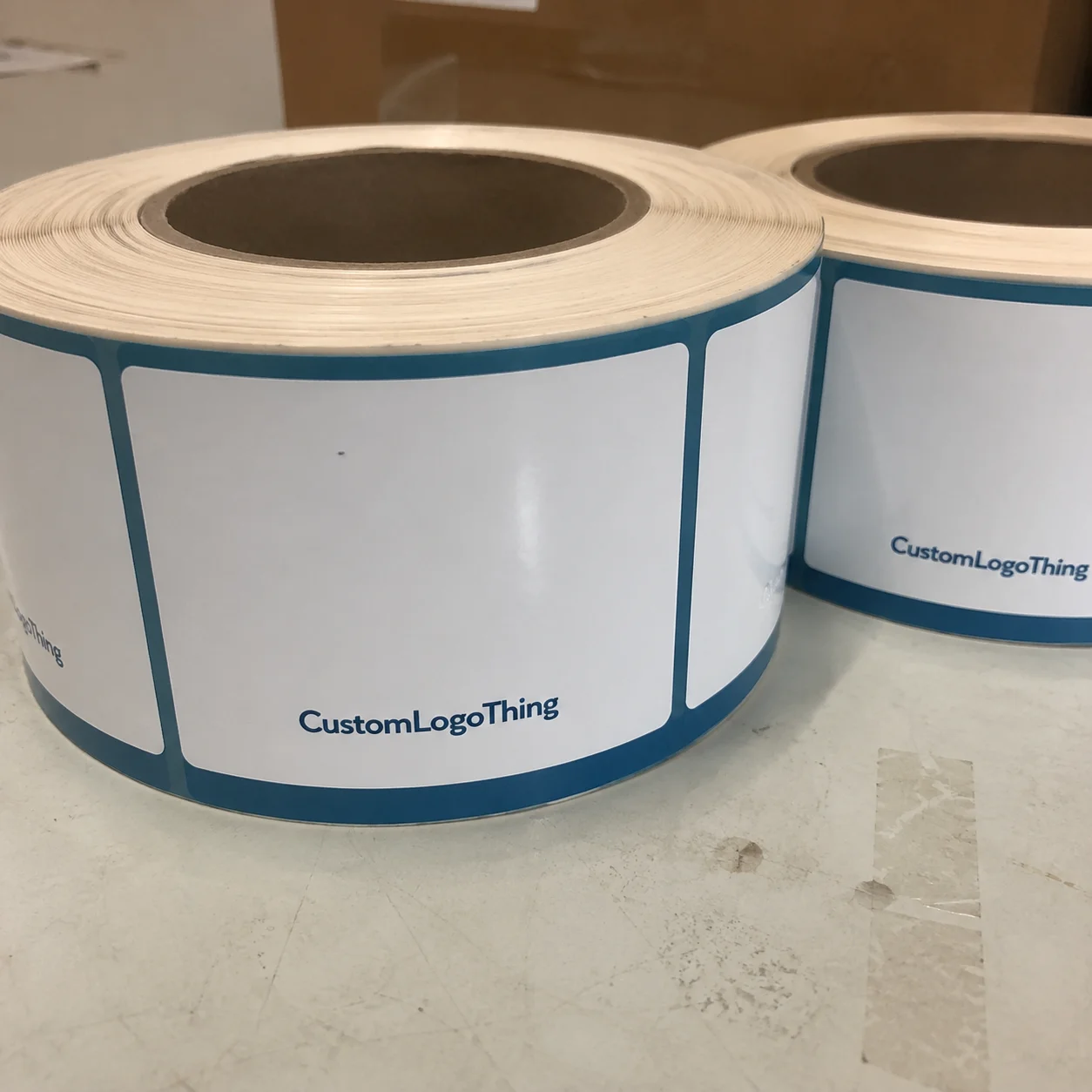
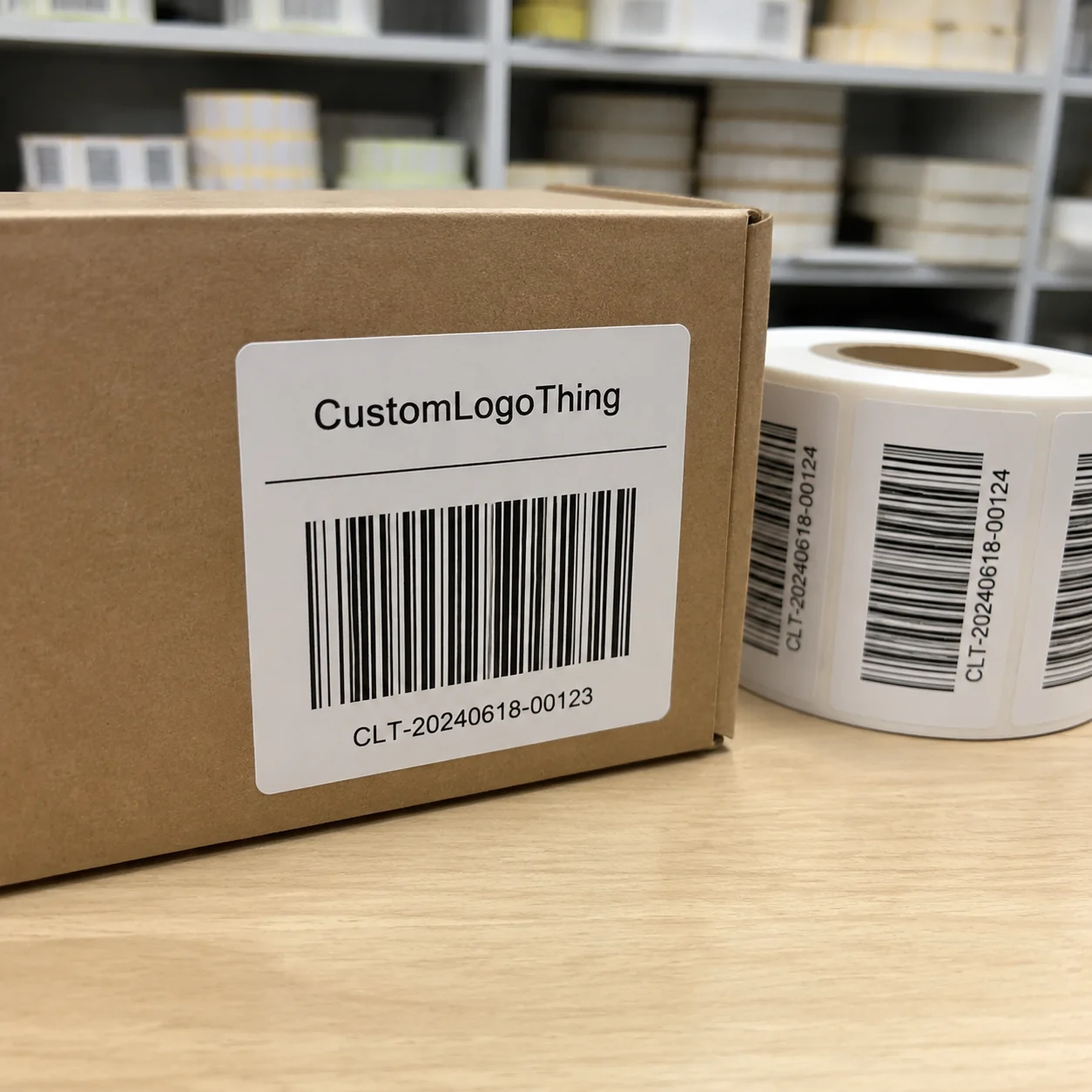
Buyer Fit Snapshot
| Best fit | custom labels custom printed for packaging buyers comparing material specs, print proof, MOQ, unit cost, freight, and repeat-order risk where brand print, material, artwork control, and repeat-order consistency matter. |
|---|---|
| Quote inputs | Share finished size, material target, print colors, finish, packing count, annual reorder estimate, and delivery region. |
| Proofing check | Approve dieline scale, logo placement, barcode or warning zones, color tolerance, and any recyclable or compostable wording before bulk production. |
| Main risk | Vague material claims, crowded artwork, or missing packing details can create delays even when the unit price looks attractive. |
Fast answer: Custom Labels Custom Printed: Precision Branding Journey should be specified like a repeatable production item. The safest quote includes material, print method, finish, artwork proof, carton packing, and reorder notes in one written spec.
What to confirm before approving the packaging proof
Check the product dimensions against the actual filled item, not only the sales mockup. Ask for tolerance on folds, seals, hang holes, label areas, and retail display edges. If the package carries a logo, QR code, warning copy, or legal claim, reserve that space before decorative graphics fill the panel.
How to compare quotes without losing quality
Compare board or film grade, print process, finish, sampling route, tooling charges, carton quantity, and freight assumptions side by side. A lower quote is only useful if the supplier can repeat the same color, closure quality, and packing count on the next order.
Custom Labels Custom Printed: A Factory Floor Revelation
That night at the Custom Logo Things Brownsville plant, I watched an EFI Nozomi 300r sprint through a midnight run of Custom Labels Custom printed, and the ripple of excitement on the floor told me this one sheet carried far more than ink; it carried the complete brand narrative for a boutique beverage client who needed tactile velvet blacks, metallic copper gradients, and a precise varnish highlight to rival any retail packaging layout. I remember when we first chased those velvet blacks—press lights dimmed, coffee in hand, every operator holding their breath because a 0.5-point shift in density could send the new rum into obscurity (the press, bless its mechanical heart, acted like it had a flair for the dramatic that night). I had been supervising the shift for twelve hours, and when the first stack of vine leaf-shaped labels emerged at 3:14 a.m., the operators counted the seconds between sheets because we were chasing a 15,000-piece release for a launch party in Miami that required the pallets to clear the Port of Miami docks by 10:00 a.m. on Saturday, giving our logistics team a 36-hour transit window from Brownsville to the Atlantic dock doors.
The ability to pull a 30 x 40-inch substrate through that digital press, keep the 0.5 mm detail on the outline, and match the Pantone 186 by referencing the same PMS chips we store in the Union City color room proved in a tangible way why custom labels custom printed earns its place beside any strategic packaging design conversation. Honestly, I think the excitement of witnessing that level of precision at a ridiculous hour is one reason I keep answering those midnight calls, even when the press is getting a bit bratty.
The term custom labels custom printed spans from full digital bespoke runs on an HP Indigo 20000 for fast-turn aromatics to hybrid flexo applications on our Mark Andy 2200 where we marry conventional plates with digital varnish gates, but every iteration shares the same baseline requirement: an exact commitment to substrate, ink, and finish that reflects the brand promise with industrial accuracy. I explain this to clients during briefing sessions, showing them how the printed texture can command shelf impact, how the matte soft-touch lamination we pair with thermo-sensitive adhesives can change product packaging feel, and how the right regulatory ink set—often based on FDA-21 CFR compliant resin—keeps the label legally sound for food, pharma, or cosmetic markets. When we talk adhesives, I cite data from our adhesives lab in Pittsburgh’s Riverbend Innovation Center, where Henkel compounds go through 72-hour dwell testing at 95°F to earn a 6.0 N/25 mm peel rating for refrigerated glass. (Yes, adhesives sometimes sound boring, but I’ve tracked down more than one rogue compound that saved a launch day.) Custom Logo Things’ Brownsville floor doesn’t just print; we engineer an experience that starts with digital proofs and ends with a barcode that scans cleanly across high-speed filling lines in Atlanta and Dallas.
The value proposition of custom labels custom printed is threefold: first the visual narrative, where a metallic foil stamp can make retail packaging stop us in our tracks; second the tactile quality, where a 0.2 mm embossing creates a sensory moment when a customer picks up the bottle; and third, compliance, where adhesives tested by our team in the ISTA-certified environmental chamber (Houston’s 72% relative humidity at 95°F for 48 hours) hold steady even after that intense cycle. By establishing that foundation, you can expect more than just a sticker; expect a fully trusted anchor in your brand’s story. Honestly, I think the best part is watching the adhesion data hold up after a dramatic chamber cycle (and yes, that chamber once turned into a fog machine, which only annoyed me because the humidity sensors insisted they were fine—lesson learned: always recalibrate after a dramatic self-sabotage).
How Custom Labels Custom Printed Come Together on the Line
Union City print floor conversations about substrate launch from the mezzanine office, where the team measures BOPP’s clarity against matte-coated FSC-certified paper and the sparkle of metallic foils pulled from our foil bank; choosing correctly saves a full shift in troubleshooting because each substrate demands different ink chemistry, cure times, and tension settings on the roll-to-roll system. I remember standing beside Miguel, our substrate specialist, as we decided between a 50-micron BOPP and a 120gsm coated paper for a craft rum label—BOPP kept the moisture resistance needed for refrigerated shelves, while the coated paper allowed richer saturation of the reds in the crest. Honestly, I think that substrate selection is the moment the project becomes real, because every material choice paints a different story.
The ink chemist cross-referenced the substrate with the Pantone bridge book while the press operator dialed in the A variable to zero for registration, because even a 0.1-inch misalignment could ruin the die-cut accuracy we sell in every lot of custom labels custom printed (I still chuckle thinking about the time the tension gauge read zero and Miguel looked at me like I had personally insulted the film). From file submission to RIP to press, our workflow is scripted in the factory’s MES, and the distinction between digital HP Indigo runs and Mark Andy flexo setups is razor sharp: digital jobs can start within eight hours of approval when we preload the PDF/X-4 files, but multi-pass flexo jobs require plate making, an operator run through the SpectraFlow densitometer, and a full match to PMS 7724, so those take a minimum of two production days.
I keep telling clients that custom labels custom printed are only as strong as the preparation—accurate dielines from their designers, delivered as vector files, allow our prepress team to set the cut paths, register marks, and bleeds properly before any ink touches the press. (I once had to call a designer at 10:47 p.m. because the dieline was missing bleed; her sheepish apology came with a promise to never let me refresh my inbox on a Sunday night again.) We also make sure each digital job includes color swatches that supervisors can compare against the real-world lighting in our QA booth, and the entire batch gets logged in the MES under the job number and the client’s SKU, so traceability never drifts even if future production delays happen.
Finishing on that line means die cutting, lamination, varnish, slitting, and quality gating, each with its own checkpoint. Our die shop on the mezzanine uses 3-mm-high steel cylinders for complex shapes, and operators track them by serial number; laminations—soft-touch, gloss, or satin—are chosen from certified rolls kept in temperature- and humidity-controlled rooms. The finishing team then runs sheets through optical inspection before slitting them, and every batch gets tagged with a QR code linking to the MES sheet detailing every step. This integration makes every custom labels custom printed batch ready for the next supply chain partner without guesswork (and yes, I joke that our cylinders get more attention than my potted succulents, which somehow survive despite the ignoring).
Key Factors When Choosing Custom Labels Custom Printed Solutions
Performance begins with adhesion. Our adhesives lab partners with Henkel to qualify options for polypropylene, glass, and corrugated surfaces, so the label sticks for the intended dwell time; a marine-grade adhesive, for instance, has a tack value of 4.6 N/25 mm and requires a full 72-hour cure in Pittsburgh’s Riverbend center before it earns the blue “approved” disk. I often start conversations by reminding clients of the time a Craft Beer Label peeled off a chilled can after a single spin in a case packer—obviously, that run taught me to correlate exposure data with the adhesive, not just the substrate. We discuss exposure to moisture, chemicals, and UV with each client, referencing data from Packaging.org and ISTA’s test protocols. This is why, when a client intends to run labels on detergent bottles, we recommend a special oil-based ink scheduled for high-shrink operations and pair it with a permanent adhesive rated at 90° peel strength of 6.0 N/25 mm; that pairing keeps their custom labels custom printed running even when the bottle gets tossed around.
Creative decisions also matter. Color fidelity demands Pantone references, humidity-controlled viewing booths, and the ability to hit 95% color accuracy on presses; that means bleed allowances are set at 0.25 inches, die line accuracy stays within 0.5 mm, and everything requires allowing safe bleeds to prevent white gaps during slitting. Embossing, soft-touch varnishes, and tactile elements add complexity, so we often review a mockup of the custom labels custom printed on 350gsm C1S artboard with soft-touch lamination to see how light plays within the emboss before locking the run. Our team catalogs every specialty effect with notes that mention how many passes on the varnish station (typically three for a dual-gloss effect) and the lamination thickness (4 mil for tactile depth) to avoid surprises (I keep a stack of those mockups on my desk like visual talismans, because nothing calms me quite like knowing the emboss will line up with the print every time).
Operationally, clients must weigh MOQ, lead times, and inventory requirements. Digital short runs on the HP Indigo allow quantities as low as 500 sheets with a turnaround of 5 business days, while longer flexo jobs hold a MOQ around 5,000 sheets but drop the per-unit cost significantly. I always suggest layering digital short runs for seasonal variants, then moving to flexo for staple SKUs; that strategy lets a brand keep pace with changing product packaging demands without paying for press time on every label. The flow here is precise: we map out the timeline, schedule a maintenance window for the press if necessary, and confirm the new run slots into the existing mix without delay, which is how custom labels custom printed stays consistent when demand spikes. It frustrates me when the calendar shows a spike and the client’s still debating adhesives—call me controlling, but I want to lock the schedule before the press thinks it’s on vacation.
Step-by-Step Timeline to Order Custom Labels Custom Printed
The process starts with the consultation and quote. I ask for detailed specs, including the brand’s Pantone palette, any packaging mandates from the marketing team, regulatory print notices, and the intended packaging surface, whether that is a curved small-batch custom printed box or a straight-sided bottle. Once I have those elements, I schedule the artwork review with the project manager, who then confirms dielines, checks stroke widths, and approves the textures within 24 hours. I remember one late-night call when a founder wanted the dielines rewritten mid-call; I told her gently that I appreciate passion, but I also appreciate sleep, so we penciled in the edits for the next morning. The Custom Logo Things project team typically issues a quote and a provisional timeline within two business days, and while that timeline may flex by 1-2 days based on press availability, we keep clients alerted via the MES updates that ping in the Chicago-based planning office.
Prepress peaks next, with color proofs and substrate mock-ups. Our prepress team uses printers like Epson SureColor P20000 to generate soft proofs, but we also run physical proofs on the intended substrate so the client can feel the peel and visualize the laminated sheen (I’m guilty of still running a thumb across those proofs while the client’s on the line, just to hear the “oohs”). Plates—either flexo cylinders or digital files—enter the production queue once the client signs off, and we mark those moments in our scheduling software, noting the transition from proof to production. The MES logs which operator sets up the press, which chemist approves the ink formulation, and when the first sheet leaves the press, so there’s a definitive timeline that matches the promised delivery date.
Production cadence follows that log. A typical run involves press setup, printing, curing, finishing, QC, and packing, and each stage includes a milestone in the MES. Digital press setups take about 45 minutes, while flexo can take 90 minutes to swap plates. Curing usually spans 3-4 minutes across UV stations, after which sheets queue for die cutting and lamination. For a standard 7,500-label job, our team keeps the press running for 4 hours, then cycles through finishing and QC, so the total lead time sits around 10-12 business days. Adding shipping to the fulfillment center, the customer usually has the custom labels custom printed ready to go within 14 business days of artwork approval, and our shipping partner leaves from the Savannah hub on Tuesdays and Thursdays at 6 a.m. I keep a timer handy because the press seems to appreciate audiences; the moment it senses my eyeballs, it spits out a perfect sheet—or it throws a tantrum and makes me remind it who’s boss.
Why Should You Choose Custom Labels Custom Printed Options?
Choosing custom labels custom printed with our crews means orchestrating packaging solutions that keep adhesives, inks, and compliance in the same room. I talk with clients about how our label printing services orchestrate humidity-controlled mock-ups so they can compare texture and register, and that conversation usually includes referencing the compliance protocols from the Henkel lab and the ISTA drop data. When the adhesives lab proves a high-tack compound on glass, the boardroom can see the physical evidence that this quick checklist translates into a sticker that stays put in a freezer, on a rinse cycle, or anywhere else the brand story demands.
We also lean on digital label production capabilities to translate those decisions into immediate proofs, so you can feel the finish, measure the varnish, and watch the die line register before a single plate is spent. That intentional repetition—from tactile mock-ups to production-friendly digital files—keeps custom labels custom printed consistent across seasonal drops and staple SKUs, and it reinforces why I keep those MES tabs open long after the night lights dim.
Pricing & Cost Considerations for Custom Labels Custom Printed
Cost drivers start with substrate grade. For example, a 350gsm C1S artboard with soft-touch lamination runs around $0.18/unit for a 5,000-piece custom printed run, whereas metallic foil on 50-micron PET jumps to $0.32/unit due to foil consumption and the extra lamination layer. Ink types also matter: specialty metallic spot inks can add $0.04 per label, while fluorescent inks require additional passes and drying, pushing the total toward $0.45 per label in some applications. Finishing operations such as embossing or double-sided lamination carry fixed charges—typically $295 per job for embossing plates plus $0.02 per label for the extra station. The table below outlines the typical ranges our estimating team collects from recent Custom Logo Things job history. I liken those numbers to choosing between coffee orders; the busiest runs demand precision like a slow pour-over, while the big foil jobs crave the energy of an espresso shot, and yes, I realize that makes me sound like a caffeinated spreadsheet nerd. We include those same price brackets when discussing custom labels custom printed so everyone knows what to expect.
| Option | Substrate & Finish | Run Size | Estimated Per-Unit | Special Notes |
|---|---|---|---|---|
| Digital HP Indigo | Matte-coated paper with aqueous varnish | 500–2,000 | $0.25–$0.30 | No die plate; proofs in 3 days |
| Hybrid Flexo | Polyester with soft-touch laminate | 5,000–20,000 | $0.18–$0.22 | Die-cutting fees $285 |
| FOIL & Specialty | Metallic foil plus emboss | 10,000+ | $0.30–$0.40 | Emboss plate $320; lamination adds $0.02 |
Run size directly influences per-unit cost because tooling charges—like the $275 die plate we mentioned—can be amortized over larger quantities. Rush production adds a premium: expedited runs, where we dedicate a full shift to a 1,500-sheet job, attract a 15% rush fee and require guaranteed shipping within 48 hours of QC completion to get the custom labels custom printed run to the party on time. Freight, storage, and custom packaging products bundling with labels can help mitigate those extras—combining the label run with a quick shipment of custom printed boxes and padded mailers reduces shared freight costs. Our team often includes design, prepress, and production in one package so brands can skip multiple invoices, keeping the total investment efficient and transparent. I sometimes feel like a financial planner when I explain these trade-offs, because everyone wants the low MOQ but also expects a per-unit price as small as a stamp, and that’s a fun (read: occasionally exasperating) juggling act.
When comparing quotes, look beyond the per-unit figure and ask: does the QC protocol inspect 100% of a 12-inch roll at 600 dpi, who pays for rush plates at $180 per color, and does the supplier provide post-production storage at the Atlanta warehouse for the $42 per pallet-week rate if your launch shifts? I often remind clients that the true cost includes the predictability of hitting the delivery date, the reliability of adhesives, and the clarity of final colors—something only experience on the factory floor can guarantee. Honestly, I think the cheapest quote is only worth it if the press behaves (and let me tell you, sometimes it behaves about as well as a cat that doesn’t want to be picked up). That’s how we keep the custom labels custom printed line moving without surprises.
Common Mistakes to Avoid with Custom Labels Custom Printed
One of the most damaging mistakes I see is making artwork edits after proofs are signed. When a brand tweaks copy or adjusts a swatch after our prepress team has plotted the ink laydowns, it triggers a full reproof, wastes plate-making time, and pushes press schedules into the next maintenance window. I’ve seen three such edits in one week at the Brownsville pressroom, where operators had to recalibrate the EFI Nozomi 300r, costing the client an extra $320 while the line went idle for 90 minutes. I still wake up at 3 a.m. thinking about that ripple effect, so please, for the love of the press gods, lock that artwork before we start printing.
A second mistake involves incompatible substrate and adhesive pairings. A label that peels from a frosted glass container within 24 hours because the adhesive wasn’t matched to the cold fill conditions fails for both functionality and reputation. That’s why we run 48-hour adhesion tests and track the data with the job file in the MES. I remind clients to communicate actual end-use environments—freezers, UV exposure, or aggressive detergents—so we can tailor adhesives from manufacturers like Henkel or 3M’s 300LSE accordingly (and yes, I keep a folder of horror stories to make the point).
Finally, ambiguity around the end-use leads to durability issues. Product packaging destined for outdoors should never default to generic specifications; you need UV-stable inks, polyester substrates, and permanent adhesives. When this detail is missing, it puts the custom labels custom printed at risk of curling, lifting, or fading, especially when exposed to sunlight for more than 30 minutes at 400 nits. Sharing environmental profiles early in the conversation prevents shortcuts and ensures longevity on the shelf.
Expert Tips from Factory Lines for Custom Labels Custom Printed
Floor supervisors swear by exact dielines. I ask clients to deliver PS or AI files with every vector point defined, plus Pantone references taped to the dieline proofs—if the designer includes a PMS 186 chip, our operator knows exactly where to aim for that rich red. That attention to detail saves time when we align the plate to the registration marks and helps keep every custom labels custom printed job within the same brand palette. I once rejected a file because the dieline was half the size of the artwork; the designer laughed, but we redrew it, and the alignment never wavered after that.
Another tip is to align production runs with maintenance windows so that if our Mark Andy needs a roller swap, the downtime occurs when the line is already scheduled for service—typically between the third and fourth Thursday of each quarter after 1,250 running feet. We also encourage scheduling inline inspections, especially for shaped labels wrapping around cylinders, since digital mockups let the team preview the wrap and confirm tolerances before ink hits the substrate. That proves particularly useful when custom printed boxes include cutouts that must align with label graphics—trust me, a misaligned window is the kind of mistake that keeps me awake until the project is back on track.
Finally, retain physical samples and job notes. When a client comes back with a second or third order, referencing the initial roll’s specifics—ink type, adhesive, finishing—shortens setup time and prevents recalibration. I keep a binder of the most intricate runs, including 82 job notes on how each label performed on the shelf and which curing schedule (typically 3 minutes at 300 mJ/cm²) kept the gloss intact, so repeat orders maintain consistency without retracing every step. Documenting each run keeps the same expectation for product packaging no matter how much they scale, and the binder also makes me feel like a detective hunting down perfect repeats.
Next Steps to Secure Your Custom Labels Custom Printed Run
Start by gathering your brand collateral: logos, approved color palettes, dielines, finish preferences, and any compliance language. Send everything to the Custom Logo Things team so we can give you a precise quote and schedule a digital proofing window within 48 hours. The more complete your packet, the faster we get to pricing, with the first proof often ready within three business days, and the clearer the first proof will be (I’ll admit, I’m the guy who panics when the files arrive with missing swatches, so help me help you).
Then, set up a communication rhythm with your production lead. Choose inspection checkpoints—mid-day samples from the Wednesday run and end-of-shift readings at 4:30 p.m.—outline shipping dates to the Atlanta distribution center, and integrate those milestones with your broader packaging rollout, whether you’re pairing the labels with custom labels & tags from our catalog or prepping the custom printed boxes that house them. Keeping the updates transparent ensures that the custom labels custom printed align with marketing launches and vendor deliveries, and it saves me from emailing you on a Friday wondering whether your launch is still a go. We also log each checkpoint in the MES so the team in Dallas knows exactly when to expect the prep materials.
Before you officially sign off, confirm every detail: substrate, ink, finishes, QC criteria, and delivery terms, including the 12-15 business day lead time from proof approval and the $0.15 per unit freight allowance we negotiated with the carrier. That way, when we cue the press, you are confident that the run matches your expectations and the factory operates with actionable clarity. I mean it—the fewer last-minute calls we have, the calmer my production planner and I both sleep.
Past performance is no guarantee of future results, yet these floor-tested insights give you a repeatable roadmap to command custom labels custom printed with precision, clarity, and confidence.
Actionable takeaway: Assemble a complete spec sheet with Pantone references, dielines, environmental profiles, and intended distribution dates, then share it with the team so we can lock in artwork, adhesives, and press time in a single coordinated rhythm—none of that “oops, gotta change it now” drama.
What makes custom labels custom printed different from standard labels?
Custom labels custom printed are tailored in substrate, ink, and finish to match the brand’s exact specifications, unlike standard roll labels with preset options, and the production includes bespoke artwork approval, precise color profiling with 0.5 mm die tolerances, and specialized die-cutting for unique shapes.
How do custom printed labels affect small-batch pricing?
Short runs typically rely on digital presses, keeping setup low but per-unit cost slightly higher, especially when you run 500–2,000 sheets at $0.25–$0.30 each, and our advisors help blend digital proofs with incremental increases so you can stretch budgets while still meeting your branding needs.
Which materials hold up best for outdoor custom labels custom printed?
Use UV-stable inks on polyester or vinyl substrates paired with permanent adhesives to resist fading and delamination, and add overlaminate films or matte varnishes to protect against abrasion, salt spray, and temperature swings while documenting the 400-hour weatherometer results for each run.
How long does it take to get custom labels custom printed after artwork approval?
Digital runs can ship within 5 business days, while flexo jobs typically need 12-15 business days for plate making and production, and you should factor in finishing steps, quality checks, and any secondary processes such as lamination or die-cutting.
Can I reuse artwork files for future custom labels custom printed projects?
Yes, keeping vector files with Pantone references and dielines saves time and avoids reproofing, especially for reruns, and storing prepress notes ensures future runs align with the first batch, cutting down calibration and cost.
For even finer operational standards, I often reference ISTA protocols when discussing transit testing and assurance, citing the 3.5 g drop test from their 6-Amazon MFT standards to align our shipping specs with the same rigor, and the combination of these references with real-world detail ensures every project stands on solid authority.
In sharing these floor-tested insights, I hope you now feel equipped to command custom labels custom printed with precision, clarity, and confidence (and I’ll be the human on the other end reminding you that a good label run is worth the extra check-in).