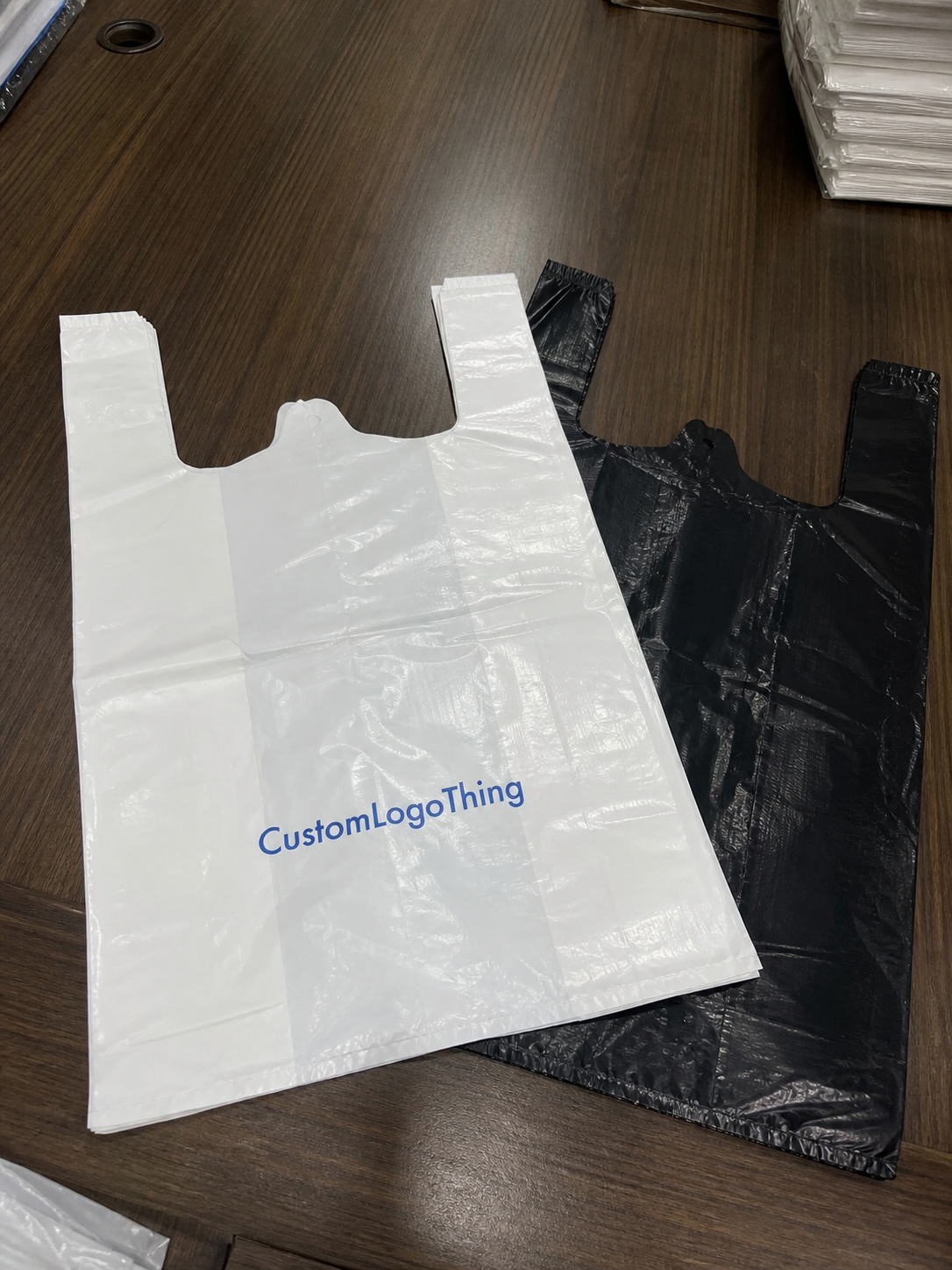
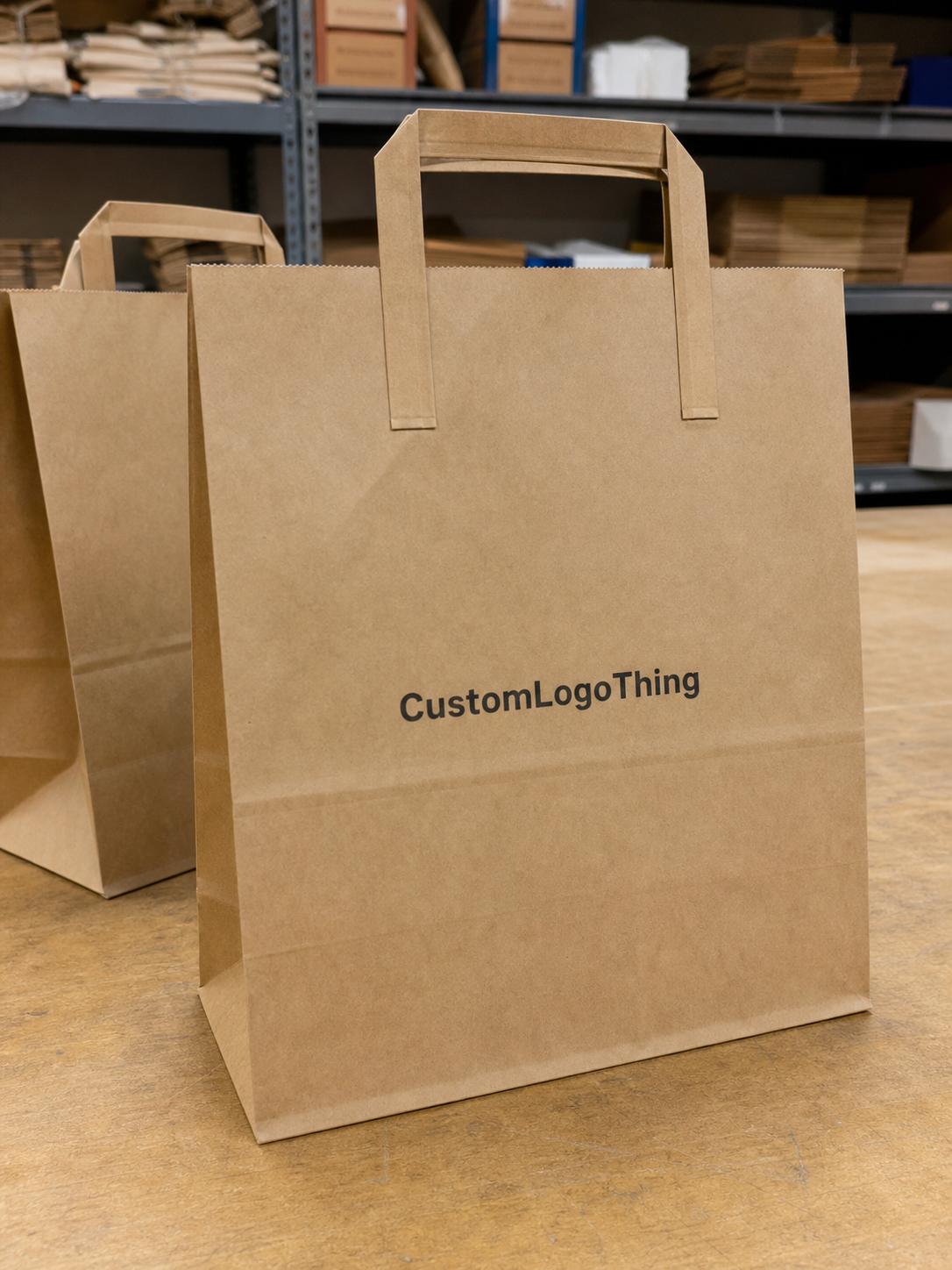
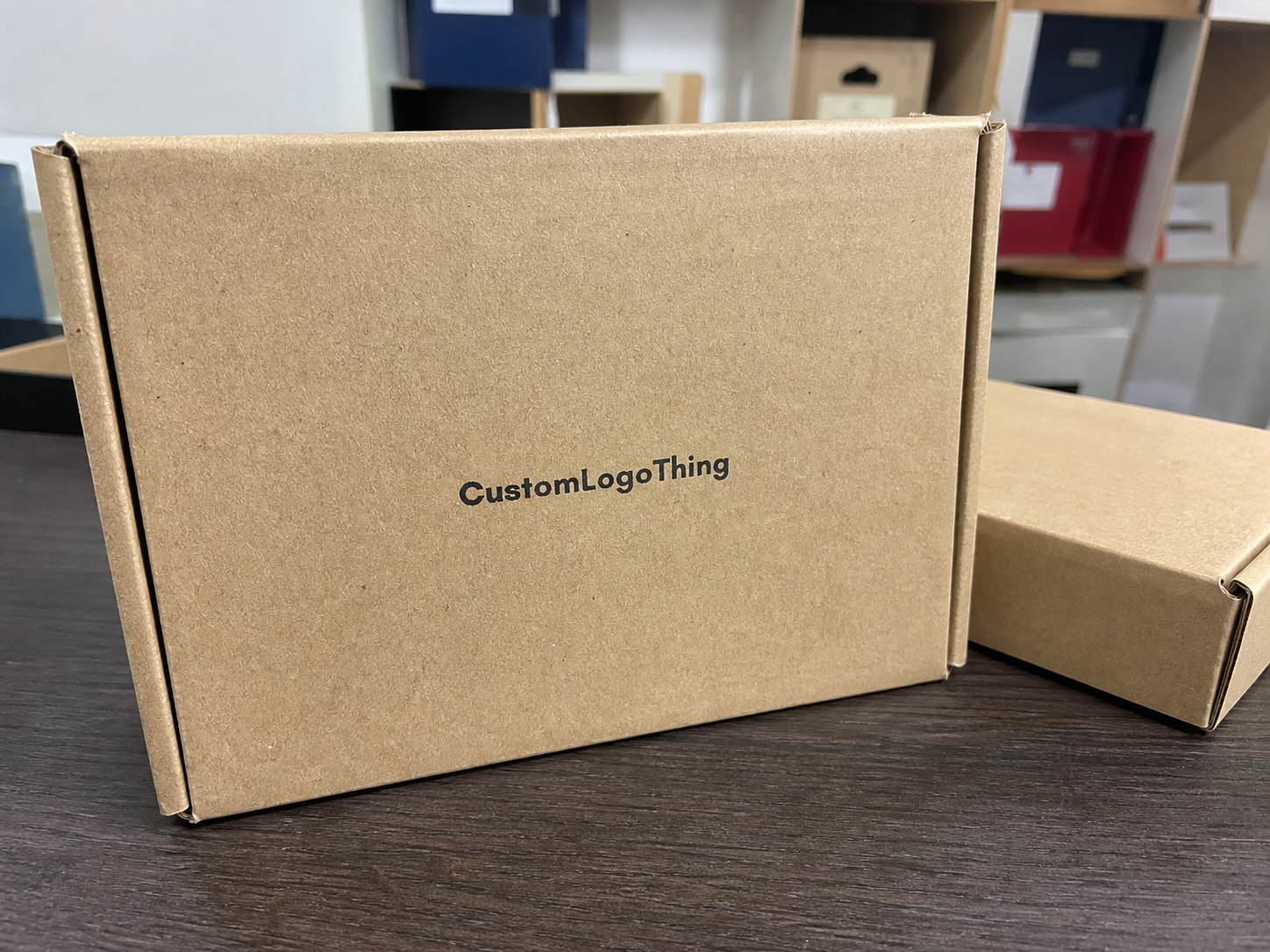
One of the smallest parts of a garment can change how the whole thing feels. That is especially true for labels for clothes custom. A scratchy neck label, a crooked fold, or a care line that fades after a few washes can make a good shirt feel cheaper than it is. The right label does the opposite. It stays quiet, holds up, and helps the garment feel finished.
From a buyer’s point of view, labels do more than identify a size or list washing instructions. They carry brand identity, support compliance, and affect comfort in a very direct way. That matters for children’s wear, activewear, sleepwear, fitted tees, and anything worn against the skin. If the label is wrong, customers notice fast. If it is right, nobody thinks about it, which is usually the point.
There is also a practical side that gets ignored too often. The label has to match the fabric, the stitch line, the wash cycle, and the price point. A premium jacket can tolerate a sturdier label than a baby bodysuit. A launch collection with five colorways needs clearer approval steps than a one-off sample run. The spec has to work in the real garment, not just on the art board.
A good clothing label should feel invisible until it needs to be read. That is the standard worth aiming for.
Why custom labels for clothes change the whole garment
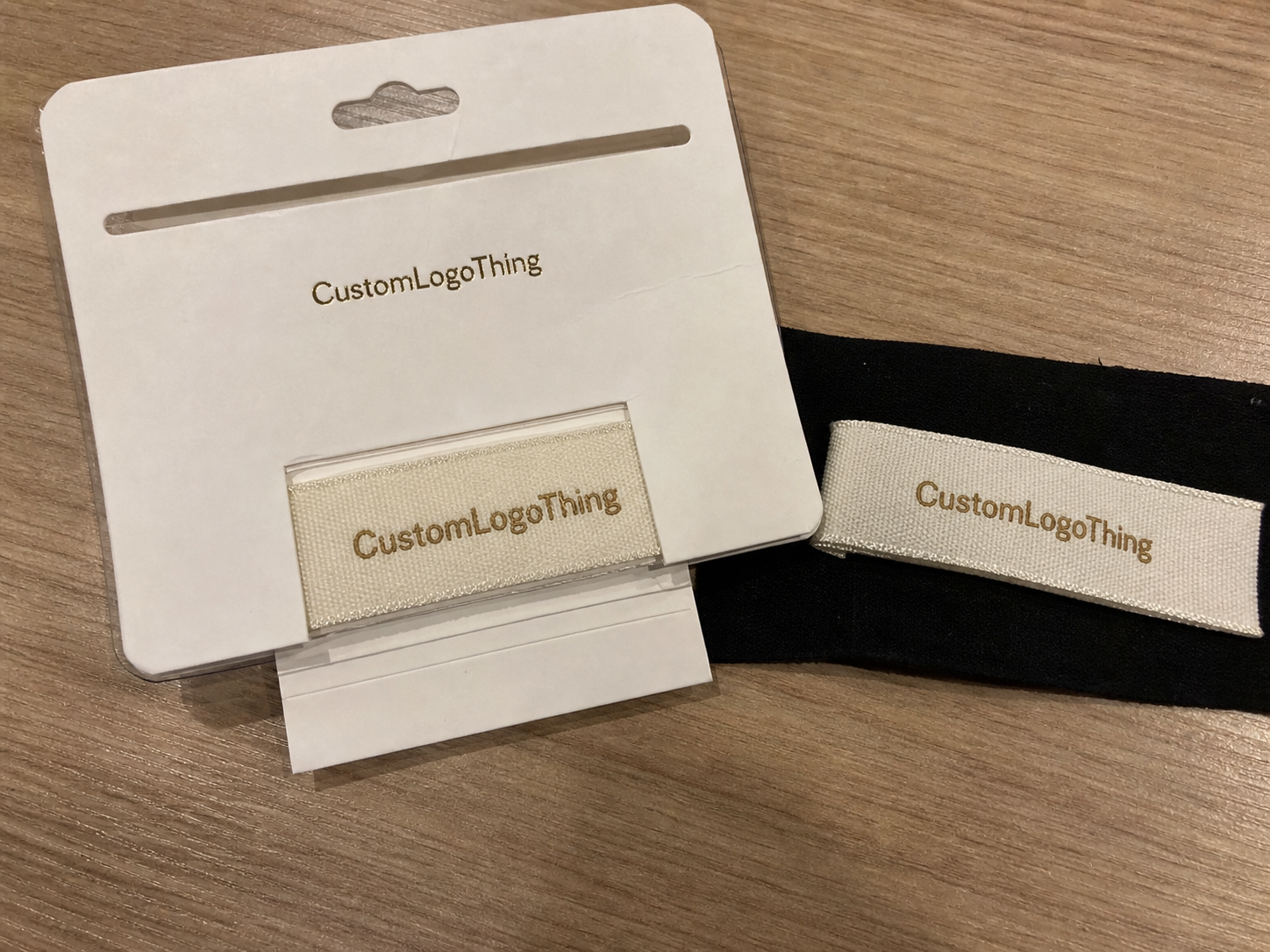
People usually notice a label in two moments: when they first touch the garment, and when they need the information on it. That first touch matters more than most brands want to admit. A rough woven edge at the neck can create an immediate “this feels cheap” reaction, even if the fabric, stitching, and fit are strong. A soft woven label, a printed satin label, or a clean heat-transfer mark can push the opposite impression. The garment feels considered.
Functionally, labels for clothes custom carry a lot of work. They identify the brand, show size, communicate fiber content, and provide care instructions. They also support inventory sorting in retail packaging, warehouse handling, and replenishment. If the line includes multiple SKUs or region-specific copy, the label becomes part of the compliance system, not just the branding system.
Comfort is the other half of the equation. In close-to-skin garments, even a small seam tab can become annoying after a few hours. A label that curls, stiffens, or twists after washing becomes a complaint waiting to happen. That is why placement and finish matter as much as design. The same logo can work beautifully in one format and badly in another.
Labels also affect how the full product stack feels. If the garment label, hang tag, and outer packaging all use the same tone and visual language, the product feels deliberate. If they do not match, the line starts to feel assembled instead of designed. That mismatch is subtle, but buyers and repeat customers pick up on it.
Materials, attachments, and finish options to compare
Material choice is usually the first decision, and it should be tied to use, not taste alone. Woven labels remain the default for many fashion brands because they handle detail well and hold up through repeated laundering. Damask weave is common when the artwork includes small type or thin lines. Satin weave is smoother and softer, which makes it useful for neck labels and premium basics where hand feel matters.
Printed satin labels are a different tradeoff. They are typically softer against skin and better for fine care text, but they do not have the same tactile texture as woven labels. Cotton labels bring a natural, less polished look that fits heritage brands, organic collections, and products trying to signal restraint. Heat-transfer labels eliminate sewn-in bulk, which is why they show up so often in activewear, underwear, and minimalist basics. Each option solves one problem and creates another. That is normal.
| Label option | Best use | Typical strengths | Watch-outs |
|---|---|---|---|
| Woven label | Fashion, outerwear, premium basics | Durable, sharp branding, strong wash life | Can feel firm if the weave or edge finish is heavy |
| Printed satin | Neck labels, lingerie, kidswear | Soft hand feel, clear small text, low bulk | Less texture and less visual depth than woven branding |
| Cotton label | Natural, vintage, or eco-positioned lines | Soft look, simple finish, easy brand fit | Can wrinkle more and show wear sooner |
| Heat-transfer | Activewear, underwear, minimalist apparel | No sewn bulk, smooth on skin, clean finish | Depends on correct application and wash testing |
Attachment style matters just as much as substrate. A center-fold label is common for neck placement because it sits neatly in a seam. End-fold and book-fold options work better when the label needs to be visible from the outside or sit at a hem. Sew-in labels are standard for woven and cotton constructions. Heat-applied labels are a better fit for low-profile garments that cannot tolerate extra stitching or layered bulk.
Finish details that change performance
Edge treatment, backing choice, and ink durability all affect how the label behaves in production and after wear. Laser-cut or ultrasonic-cut edges can reduce fraying on some materials. A softer woven edge can feel better on premium garments, especially when the label sits near the neck. Adhesive backing can help in certain workflows, but it needs to be matched to heat, steam, and washing conditions. The wrong adhesive fails quietly. That is the worst kind of failure because it often shows up only after the order ships.
Printed labels need the same discipline. Ask how the ink holds up to abrasion, laundering, and repeated folding. If a label will sit near a waistband or side seam, it should stay readable after many washes, not just look good on day one. Testing standards used in packaging and shipping can be a useful model here. The point is simple: approve the label under real use conditions, not just in a mockup file.
Brands that also manage Custom Packaging Products often forget that the garment label belongs to the same system as the hang tag and the outer box. A coherent package branding setup helps the line feel intentional. One piece out of tune can drag the rest down.
What drives cost, pricing, MOQ, and quote accuracy
Pricing for labels for clothes custom depends on a few predictable variables: quantity, size, number of colors, weave density, fold style, attachment method, and any special finish requirements. A small woven label with one or two colors is simpler to produce than a detailed label with micro text, multiple folds, and specialty backing. More colors usually mean more setup. Tighter weave density can improve detail, but it also raises the unit cost.
MOQ has a direct effect on price. Small runs usually cost more per piece because setup, proofing, and production prep are spread across fewer labels. Once a run gets larger, the unit price usually drops. That is why replenishment orders often look better on paper than first-time samples. The cheap-looking quote is not always the smart one if it leaves out proofing, freight, or rework risk.
For planning purposes, it helps to think in ranges rather than chasing a single number. At scale, simple woven or printed labels can be very inexpensive per piece. Complex constructions, special folds, and low quantities push the cost up quickly. That is normal. What matters is whether the quote reflects the real spec instead of a stripped-down version that changes later.
| Order profile | Typical pricing behavior | Common buyer mistake |
|---|---|---|
| 500-1,000 pieces | Higher unit cost because setup is spread thin | Comparing it directly with a much larger run |
| 2,000-5,000 pieces | Better balance between setup cost and unit value | Ignoring sampling or proof charges |
| 10,000+ pieces | Lower unit cost, more efficient production flow | Overordering before fit and wash testing |
Quote accuracy gets better when the buyer gives real information up front. The supplier needs the final dimensions, fold style, quantity, artwork format, color references, and attachment method. If care instructions or fiber content need to appear on the label, include them early. If the label has to match a specific garment line, share the fabric type and expected wash conditions too. That reduces guesswork and usually cuts the number of revisions.
Budget surprises usually come from setup fees, extra proofs, rushed lead times, shipping, and artwork changes across multiple SKUs. Regional compliance versions can also change the price if the copy needs to be different for different markets. The safest way to keep the order under control is to treat the label as a technical component, not a decorative afterthought added at the end.
Production steps and timeline from proof to delivery
The production flow for labels for clothes custom usually starts with a spec sheet. Size, material, fold style, quantity, placement, and artwork all need to be locked before anything moves. Then the artwork is checked for readability, line thickness, color count, and the limits of the chosen construction. After that comes a digital proof, and sometimes a physical sample if the label is complex or if the garment is being launched for the first time.
Once the sample is approved, bulk production begins. For woven labels, the loom setup takes time before the rolls or cut pieces can be finished, folded, and inspected. Printed labels may move faster, but finishing still matters. Heat-transfer labels add another layer of control because the adhesive and release system must apply cleanly and survive wash cycles without cracking or lifting.
Lead time depends on complexity and volume, but a straightforward order often takes around 12-15 business days after proof approval. Sampling adds time. Seasonal congestion adds time. Artwork cleanup adds time. Missing vector files are a common delay because production cannot start until the art is corrected. That sounds basic because it is basic. It still happens constantly.
Working backward from the in-hand date is the most useful way to plan. If the garments need to be packed, tagged, and shipped for a launch, the label order should be placed with room for review, reproofing, and freight. That is the same logic used in custom printed boxes and other finishing components. The last piece often controls the schedule.
For brands that pay attention to sourcing standards, packaging references such as FSC can shape decisions around tags, inserts, and secondary packaging. The garment label itself is small, but it still sits inside a wider material and compliance conversation.
How to choose the right spec for comfort and durability
The right label depends on how the garment is used. Everyday fashion can usually handle a woven label if the edge is soft and the placement is sensible. Babywear is often better with printed satin or heat-transfer options because anything bulky near the neck can irritate skin. Uniforms and workwear need durability and legibility since the label has to survive repeated laundering. Activewear usually needs a low-profile solution that does not chafe during movement.
Comfort and detail often pull in different directions. A tightly woven label can show a sharp logo and small text, but it may not feel as soft as a printed version on satin. A heat-transfer mark can sit almost flat on the fabric, but it may not suit every brand look or every textile finish. There is no shortcut here. Test the actual combination, not the label in isolation. A label that feels fine in your hand can behave very differently once it is sewn into a stretch knit or washed with a heavier fabric.
Washability should not be treated as a bonus. If a garment will be washed weekly, the label has to keep its shape, color, and legibility over time. Look for weave structures, inks, or adhesives that are built for repeated laundering. Ask about abrasion resistance, curl resistance, and color stability. A premium label that frays early is not premium for long.
Match the label to the brand story
The label should support the brand without trying too hard. Cotton labels can suit a natural or heritage voice. Recycled material options, where available, can help a lower-impact positioning. A simple woven label with restrained colors often feels more expensive than an overdesigned one. That is true in packaging design too. Restraint usually looks more confident than noise.
That is also where Custom Labels & Tags should sit in the wider product range. If the brand already uses coordinated packaging, the garment label should feel like part of the same system. Consistency across labels, hang tags, and retail packaging makes the line easier to recognize and easier to reorder. It also makes quality control easier, because the same standards repeat across more than one component.
Common mistakes that lead to reprints or complaints
The most expensive label mistakes are usually basic ones. Sizing is a classic example. A label can look fine on screen, but once it is sewn into a garment seam and viewed at actual scale, the type may be too small to read comfortably. Thin fonts disappear on textured weave structures. Low-contrast art disappears on dark fabric. What looked elegant in a mockup turns into a usability problem.
Skipping fabric tests causes trouble too. A label might feel soft on the bench and still twist after laundering, curl at the edge, or irritate skin because of how it sits against the body. That is especially risky for close-to-skin apparel. The safer move is to test the label on the actual garment fabric and run a few wash cycles before approving bulk production.
Unclear approval on folding and placement is another frequent problem. If the buyer does not specify center-fold, end-fold, or a no-sew application clearly, the supplier may produce something technically correct but functionally wrong. Missing care copy, incomplete fiber content, and unclear stitch-line placement all lead to avoidable reprints. A label proof should answer one question first: will this work once it is sewn into the final garment?
These issues do not stay small. They can lead to returns, complaints, and extra cost. A bad label can make a customer question the garment quality itself. That affects repeat orders just as much as a visible defect does. Whether the line sells direct-to-consumer or through retail, the label is part of the product promise.
Next steps for ordering labels that fit your line
If you are ordering labels for clothes custom, keep the request tight and specific. Confirm the garment type, label size, quantity, material preference, fold style, and attachment method. Send final artwork in vector format if possible, along with care copy, fiber content, and any color references that matter to the brand. If the label will sit close to skin or go through repeated washing, ask for a sample or proof before committing to bulk.
A basic spec sheet saves time on every reorder. It keeps size, placement, material, and approval notes in one place, which matters when you are managing multiple styles, sizes, and seasonal updates. That kind of consistency helps with labels, hang tags, and custom printed boxes alike. Once the spec is locked, the rest of the line becomes easier to maintain.
Most of all, treat the label as part of garment design. Not as a last-minute add-on. The right label supports comfort, durability, and brand perception in one small piece of material. That is not a minor detail. It is one of the first things customers feel and one of the last things they remember.
What material works best for custom labels for clothes that touch skin?
Printed satin and soft heat-transfer options are usually the most comfortable choices for direct-skin contact. If you want a woven label, choose a finer weave and avoid stiff edge finishes when softness matters. Always test the label on the actual garment fabric, because the same label can feel different once it is sewn in.
How do I know the MOQ for labels for clothes custom orders?
MOQ depends on the supplier, the construction method, and whether the label is woven, printed, or heat-applied. Smaller quantities usually carry a higher unit cost because setup time is spread across fewer pieces. Ask for a quote that separates quantity pricing from setup or sampling charges so you can compare options clearly.
How long do custom labels for clothes usually take to produce?
Lead time usually includes proofing, sample approval if needed, bulk production, finishing, and shipping. Straightforward orders move faster when artwork is final and the label spec is already confirmed. Rush requests can be possible, but they usually narrow material choices and leave less room for revisions.
What should I send for an accurate quote on clothing labels?
Send label dimensions, quantity, material preference, fold style, and whether you need sew-in or heat-applied labels. Include vector artwork, care copy, color references, and any special finish requirements. If the labels must match a garment line, share the fabric type and the expected wash conditions.
Will custom labels for clothes hold up after repeated washing?
Yes, if the material and attachment method are matched to the garment and tested before bulk production. Woven labels tend to be durable, while printed and heat-transfer options can offer a softer feel with the right ink or adhesive system. Wash testing is the best way to confirm that the label keeps its shape, color, and legibility over time.