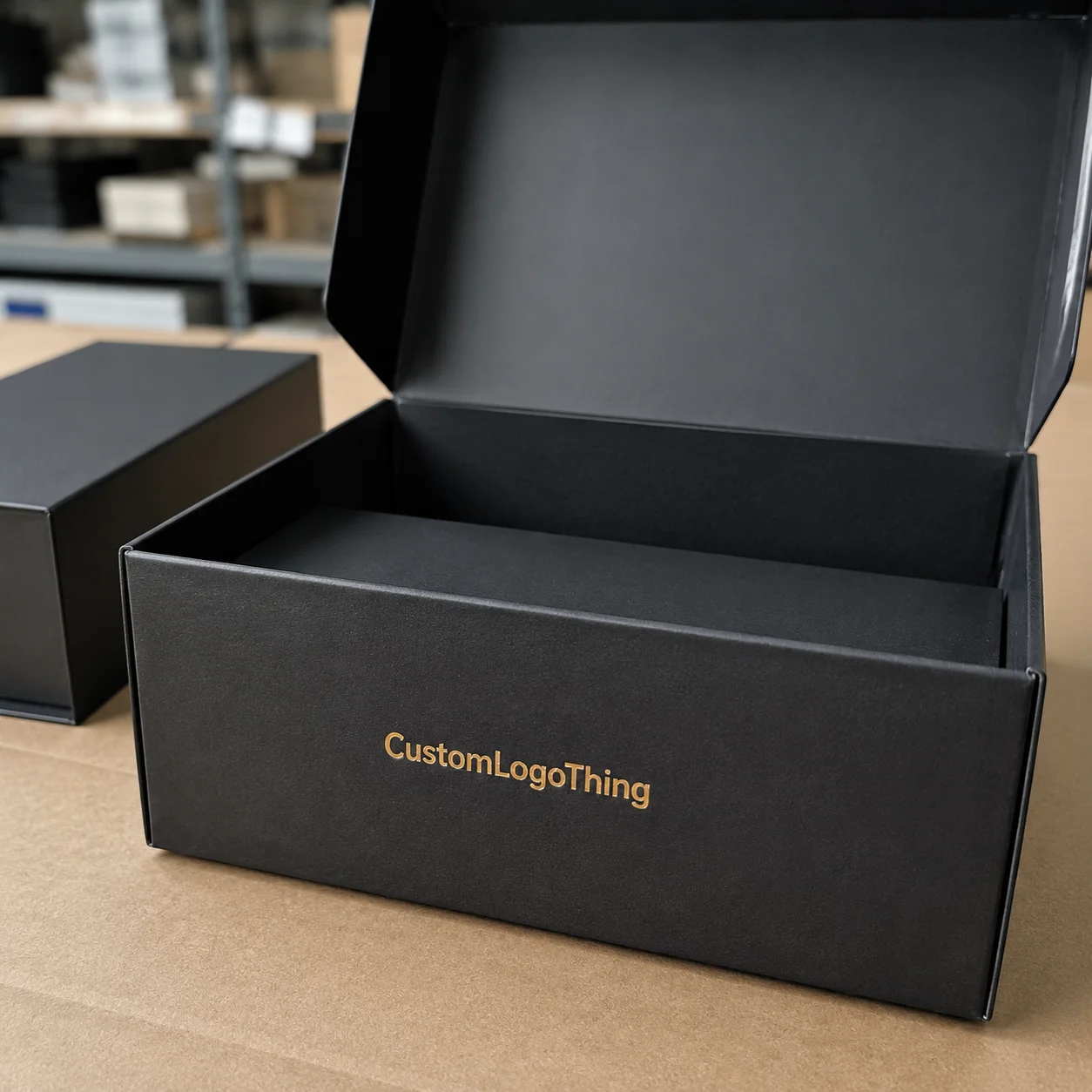
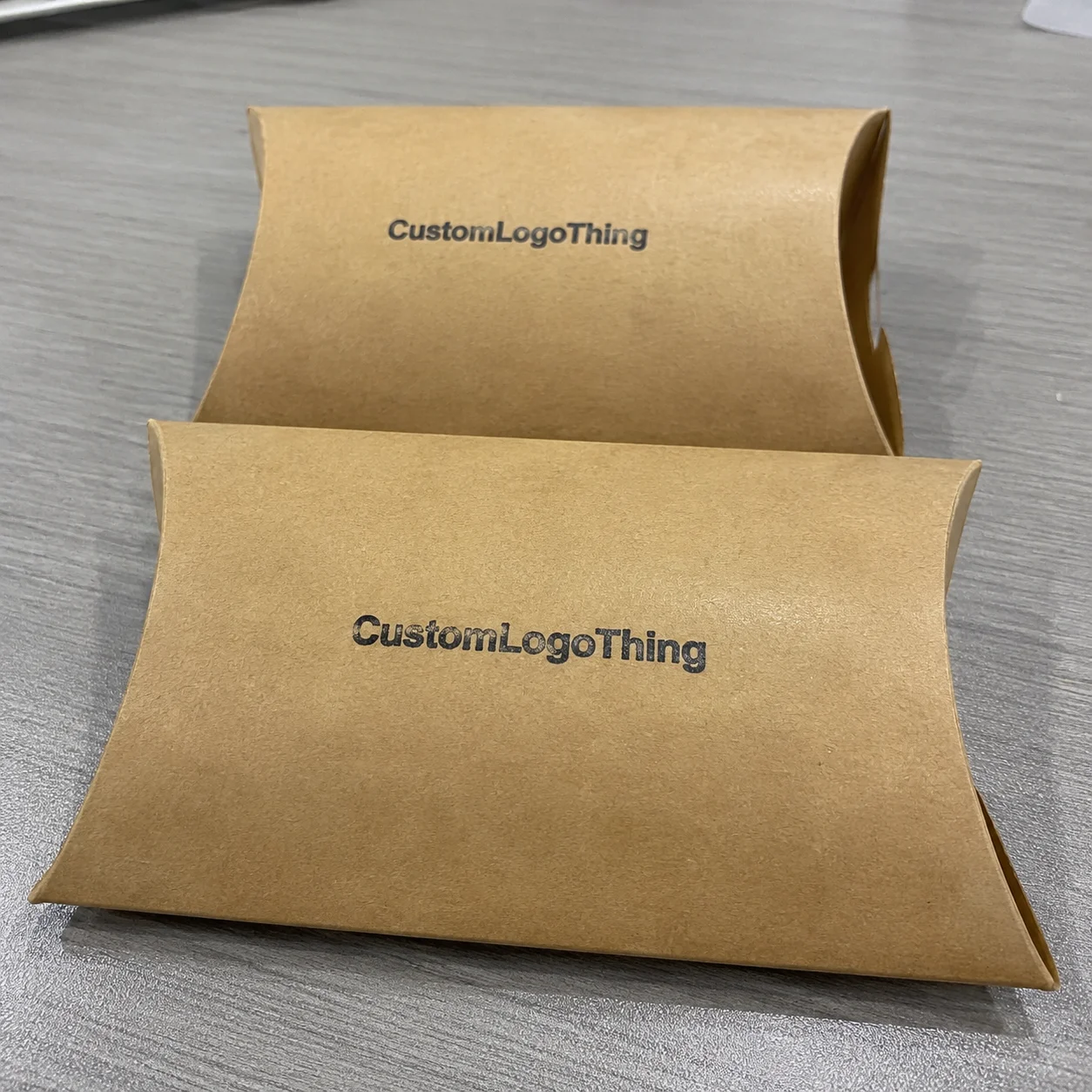
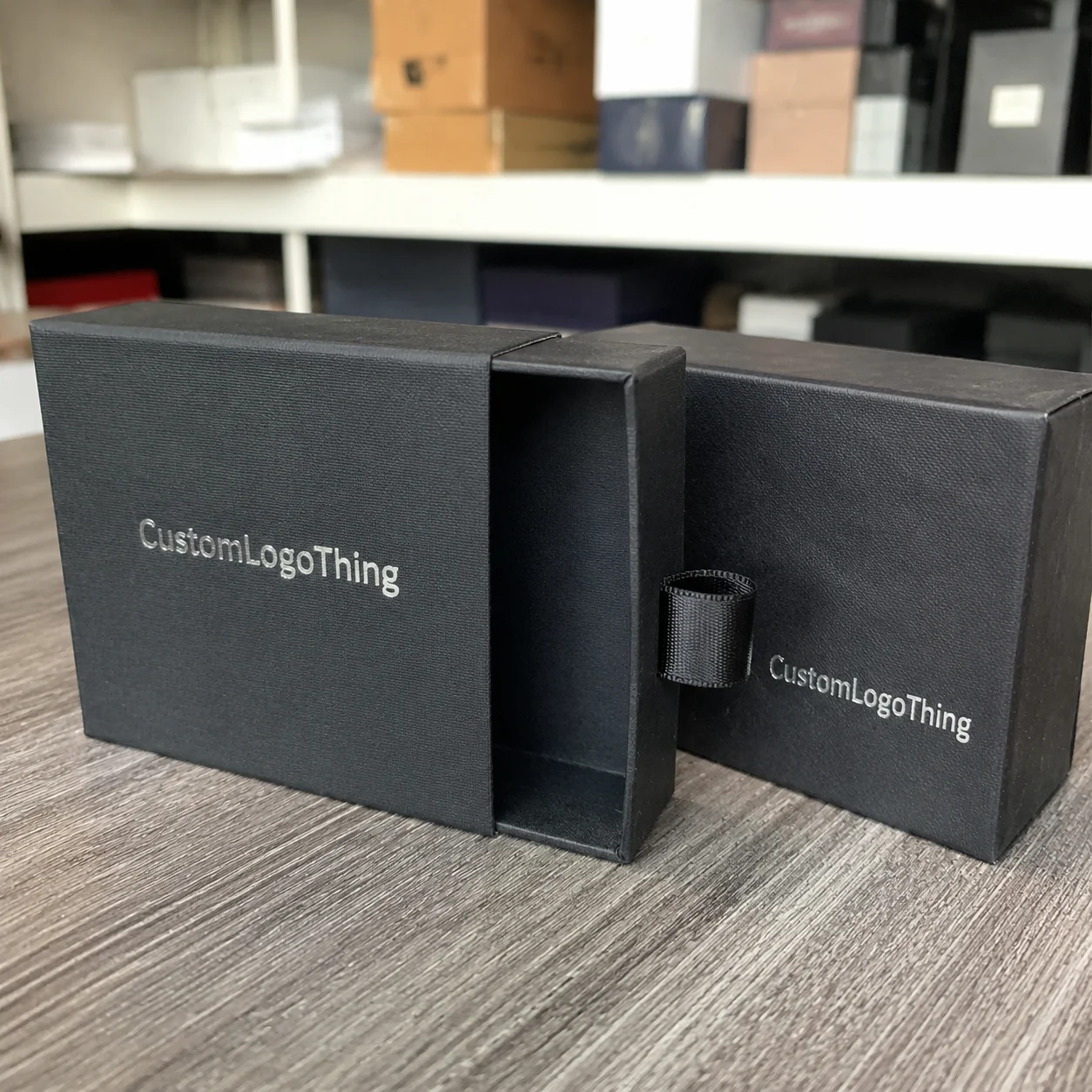
Cheap Custom Mailer Boxes work best when the spec is disciplined: the right board grade, the right size, and a print approach that supports branding without wasting material. For packaging buyers, the real value is not just a lower unit price. It is a box that packs quickly, ships efficiently, and still opens with enough finish to feel deliberate.
That balance matters for e-commerce orders, subscription shipments, sample kits, and promotional mailings. If the box is oversized, it burns corrugate and freight space. If it is too light for the product, damage claims and repacking labor erase the savings. The goal is a lower-cost mailer that still looks like branded packaging, not a disposable shipper.
There is also a practical side to the word cheap. In packaging, cheap should mean efficient, not flimsy. A mailer that uses the right structure, the right print method, and the right amount of board often costs less overall than a box that looks inexpensive on paper but creates avoidable waste downstream.
A lower-cost mailer that still arrives looking retail-ready
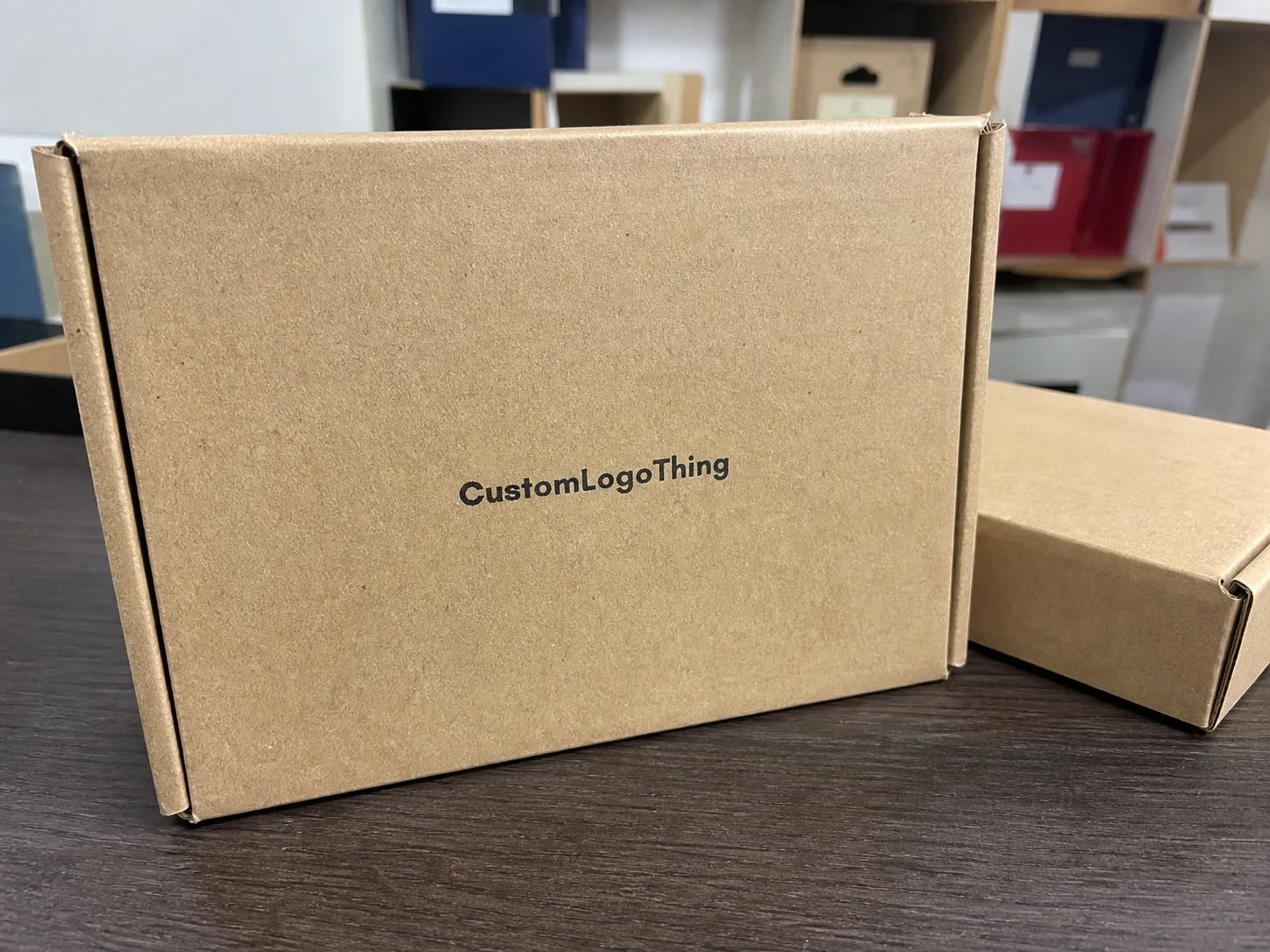
Most shipping boxes fail in one of two ways. They cost too much to move, or they arrive looking plain enough that the unboxing experience feels accidental. A well-specified mailer solves both problems by trimming unnecessary material and keeping the presentation clean. That is why cheap Custom Mailer Boxes should be treated as efficient packaging, not poor packaging.
In practice, the best value comes from right-sizing the internal cavity, choosing a board grade that matches product weight, and simplifying the print. If a clothing brand only needs a logo and a short message, there is rarely a reason to pay for edge-to-edge graphics, specialty coatings, or heavy insert structures that do not change the buyer’s experience. Those upgrades have their place, but they should be earned.
Cheap does not have to mean weak. It usually means the box is built around the product instead of around guesswork. A rigid enough mailer protects the contents, and a one-color or two-color print can still support package branding without pushing the budget out of line. That is especially true for repeat orders, where savings compound every time the line runs.
For recurring programs, the math is straightforward. A box that uses less board, packs with less void fill, and avoids damage on the way out often costs less overall than a “cheap” box that creates a higher landed expense. Buyers comparing cheap custom mailer boxes should think in terms of total packaging cost, not just the number printed on the quote.
A lower unit price only matters if the box still protects the product, stacks cleanly, and keeps the brand presentation consistent from the first order to the fifth reorder.
Mailer box construction, board grades, and print options that affect unit cost
Mailer boxes are usually built from corrugated board, and the flute profile has a direct effect on cost, stiffness, and crush resistance. E-flute is common for retail-ready mailers because it offers a good print surface and a thinner wall, often around 1.5 to 1.8 mm depending on construction. B-flute is thicker, typically around 2.5 to 3 mm, and gives more protection for heavier items or longer shipping lanes. If the product is light, E-flute often delivers the better balance.
Paper liners matter too. A white top kraft liner usually supports cleaner graphics without needing a premium coated wrap, while fully kraft boxes keep the look more natural and can be cost-effective for simple branding. If the design needs rich color and sharp type, a coated liner can improve appearance, but it also raises the cost. Buyers who need cheap custom mailer boxes usually get the best result by keeping the liner straightforward and the print coverage controlled.
Print method changes the economics just as much as board choice. One-color flexo works well for larger runs and simple logos. Digital printing is useful for shorter runs, variable artwork, or launches where speed matters more than setup efficiency. Offset-litho wrap gives a higher-end retail packaging look, but it usually belongs in higher volumes or programs where the presentation value justifies the extra processing.
Structural details also affect price. A self-locking mailer flap, a roll-end tuck top, and simple tabs keep conversion straightforward. Once a design adds unusual die lines, multiple glued points, or internal inserts that are not needed, labor goes up and the order becomes harder to price cleanly. In packaging design, elegant often means simple.
There is a reason experienced buyers ask for the board spec in writing instead of relying on a sample alone. A box can feel sturdy in the hand and still be overbuilt for the product. It can also look clean on a render and fail under shipping pressure if the flute choice is too light. The best suppliers talk about performance in relation to product weight, transit method, and pack-out, not just the appearance of the sample.
Here is a practical comparison for buyers evaluating custom printed boxes with a lower budget target:
| Spec | Typical Use | Indicative Unit Cost at 5,000 Units | Notes |
|---|---|---|---|
| E-flute, white top, one-color flexo | Apparel, light accessories, subscription kits | $0.38-$0.68 | Good for simple branding and faster packing |
| E-flute, kraft exterior, digital full color | DTC launches, seasonal mailers, sample sets | $0.62-$1.05 | Better for short runs and graphic-heavy artwork |
| B-flute, coated liner, limited color print | Heavier goods, fragile items, longer transit | $0.74-$1.25 | More protection, more board, more freight weight |
| Offset wrap, premium finish | Retail packaging, gift sets, high presentation value | $0.95-$1.60 | Best for larger programs where finish matters |
Those numbers are directional, not fixed pricing. Box size, carton count, shipping destination, ink coverage, and current board availability all move the total. Even so, the pattern is reliable: the simplest box that performs the job is often the lowest-cost answer. For sustainability programs, some buyers also ask about FSC paper options, especially when the packaging needs to support a broader environmental message.
Size, fit, and specs to confirm before you request a quote
Internal dimensions matter more than outside dimensions. That sounds basic, but it is where a lot of pricing mistakes start. A box that looks right on paper can still waste material if the product floats inside it, and it can still slow the packing line if the fit is too tight to close consistently. The numbers that matter most are inside length, width, and depth.
Before requesting quotes for cheap custom mailer boxes, prepare these details:
- Internal dimensions of the packed product
- Product weight and any fragile components
- Insert or divider requirements
- Print area and color count
- Board thickness or flute preference
- Carrier or postal compliance needs
- Target delivery date and ship-to location
That list helps a supplier avoid assumptions. A book mailer and a beauty kit mailer may look similar from the outside, but the pack-out behavior is very different. Books need a flatter, tighter profile. Beauty kits often need clearance for bottles, trays, and inserts. Apparel can tolerate more empty space, but too much void fill adds cost and slows throughput.
Dimensional tolerance is another point worth confirming. Corrugated boxes can vary slightly from batch to batch, and those small shifts matter if the mailer must stack on pallets, fold flat in storage, or close against a specific insert. If the design includes a cutout, divider, or shaped product window, ask for a dieline before artwork approval. That saves rework and avoids production delays.
From a logistics standpoint, a smaller cube usually lowers freight expense and can also reduce damage risk because the product moves less. The catch is that over-compression can create scuffing or crush damage. The right answer is the smallest workable fit, not the smallest possible fit.
It also helps to confirm how the box will be packed on your side. Some teams use automated or semi-automated packing stations, while others hand-pack every order. A mailer that performs well in a manual pack-out may not be ideal for a higher-volume fulfillment line if the tuck points are too fussy or the panels resist folding. That kind of operational detail is easy to overlook during quoting and hard to fix later.
Cheap custom mailer boxes: pricing, MOQ, and volume breaks
The price of cheap custom mailer boxes is driven by size, board grade, print coverage, color count, finishing, quantity, and shipping distance. Those are the levers that move the quote. If any one of them changes, the unit price can shift more than buyers expect, especially on smaller runs where setup costs are spread over fewer boxes.
MOQ is usually the point where custom work becomes economical enough to run efficiently. Lower quantities are possible, but the unit cost tends to be higher because prepress, cutting, and conversion are shared across a smaller pool of boxes. That does not make a short run a bad choice. It just means the buyer should know whether the order is a test run, a seasonal buy, or a repeatable program.
Volume breaks matter. Moving from 1,000 units to 5,000 units, or from 5,000 to 10,000, can reduce the per-box cost enough to justify holding more inventory if storage space is available. The exact break points depend on the print method and board, but the pattern is consistent: higher runs usually buy better economics.
To compare quotes cleanly, the specs need to match. I have seen buyers compare one quote for an E-flute white-top box against another quote for a heavier B-flute mailer and assume one supplier is simply cheaper. That is not a valid comparison. Check the same dimensions, the same board, the same print coverage, and the same carton count before drawing conclusions.
There are practical ways to hold the price down without sacrificing the look:
- Use one print side where possible.
- Keep the artwork to one or two colors.
- Choose a standard mailer structure instead of a custom shape.
- Standardize sizes across product lines.
- Avoid specialty coatings unless the finish supports sales directly.
- Bundle repeat orders to improve unit economics.
That said, the cheapest line item is not always the best packaging decision. If the lower-cost box causes more damage, more dunnage, or more repacking, the true cost climbs fast. A good supplier should help you compare the box price against the effect on labor and shipping. That is the difference between a low quote and a useful quote.
Some of the biggest savings come from standardization, not from cutting corners. If three products can share one or two mailer sizes with small insert changes, the buyer gets better purchasing power, simpler inventory, and fewer mistakes at the packing bench. That kind of planning is not flashy, but it tends to be where packaging budgets are actually controlled.
Buyers who also ship lighter accessories may want to compare mailers against Custom Poly Mailers. Poly mailers can be cheaper for certain soft goods, but they do not provide the same structure or presentation as corrugated. The right choice depends on the product, not the category label.
Production steps, proofing, and turnaround from artwork to shipment
The production path should be simple and visible. Request the specs, review the dieline, submit the artwork, approve the proof, run production, inspect the finished boxes, then pack and ship. If a supplier cannot explain that sequence clearly, the order is likely to become harder than it needs to be.
Proofing deserves careful attention. Check bleed, safe zones, logo placement, barcode or QR readability, and how the artwork lands once the mailer folds. A design that looks balanced in a flat PDF can shift once the panels are scored and locked. Even small artwork errors become expensive if they are found after production starts.
Turnaround depends on quantity, print complexity, board availability, and how quickly the buyer responds to proof questions. Fast approvals shorten the schedule more than almost anything else. If a proof sits for several days waiting for feedback, the job slips whether the plant is busy or not.
Production checkpoints normally include cutting, printing, converting, gluing, folding, and final inspection. For higher-value shipments, some buyers also ask for transit testing aligned with ISTA methods so they can compare box performance under vibration, compression, or drop conditions. That is not necessary for every order, but it is useful when the product is fragile or the shipping network is rough.
Shipping time is separate from manufacturing time. That distinction matters. A box that is finished on schedule can still arrive late if freight is not planned correctly. For launches, seasonal offers, or subscription fulfillment windows, buyers should build in transit time, receiving time, and a small buffer for inspection.
One practical rule: if the boxes are needed for a launch date, ask for a schedule that shows proof approval, production start, completion, and estimated freight arrival. That makes the timeline easier to manage than a single promised ship date with no detail behind it. It also exposes whether the quoted lead time is realistic for the print method and quantity.
Quality control should not be vague. Ask how the supplier checks color consistency, board caliper, fold score accuracy, and carton counts. A cheap box that arrives with inconsistent cuts or weak scores creates problems immediately on the packing floor. A few basic controls during production usually cost less than dealing with returns or emergency reorders later.
How to choose a packaging supplier that keeps costs predictable
The right supplier should quote against your product, not just sell a stock size that happens to be close. A useful packaging partner looks at product weight, shipping method, print goals, and budget, then recommends the board and construction that fit the job. That is especially important for branded packaging, where the appearance needs to support the sale without forcing a premium structure.
Repeatability matters too. If the first run looks good and the second run drifts in color, cut quality, or fold performance, the packaging program becomes harder to manage. Ask about the controls used for repeat orders, sample retention, and carton counts. If the supplier can explain how they maintain consistency across production lots, that is a good sign.
Good quoting is another marker. A clean quote should separate the box spec, print method, quantity, and freight estimate so the landed cost is easy to see. Hidden assumptions create surprises later. Buyers should not have to guess whether the number includes shipping, tooling, or sampling.
For companies scaling both cartons and mailers, it helps to work with a supplier that can support broader Custom Packaging Products without forcing every project into the same format. A business might need custom printed Boxes for Retail shelving, then a lighter mailer for e-commerce, then a poly option for low-profile shipments. One packaging strategy rarely covers every lane.
Material sourcing is also part of the decision. If the supplier can explain whether the board is FSC certified, how the print is applied, and what finish choices affect cost, that gives the buyer a clearer view of value. The point is not to chase the lowest number on paper. The point is to keep the spend predictable while the packaging still does its job.
It is also worth checking how much flexibility the supplier has when something changes. Artwork revisions, a slight size adjustment, or a different delivery split can happen close to launch. A supplier with clear communication and a disciplined quoting process tends to handle those changes without turning every revision into a new project. That reliability is part of the cost picture, even if it does not show up in the first quote.
Next steps: send the right specs and request a quote that compares cleanly
If you want cheap Custom Mailer Boxes That hold up in production, start with the facts: internal dimensions, product weight, artwork, quantity, and the delivery window. That gives the supplier enough information to price the box properly and avoid back-and-forth that slows everything down.
It is usually smart to ask for two quotes. One should be the most cost-efficient spec, and the other should be the preferred branded spec. That side-by-side view shows whether a design choice is adding a small premium or a large one. In many cases, the more affordable option is only a modest compromise, especially if the design stays simple.
Ask for the dieline, proof timeline, and freight estimate at the same time. Those three pieces are where delays and budget gaps usually hide. A clear order brief shortens the process, improves the accuracy of the quote, and gives you a better chance of landing on the right packaging design the first time.
Cheap custom mailer boxes can be the right answer for recurring orders, launches, subscription packs, and promotional shipments if the spec is disciplined. The best results come from right-sizing the box, choosing a sensible board grade, and keeping the print focused. That is how cheap custom mailer boxes stay economical without looking generic.
For most buyers, the real objective is not the lowest possible quote. It is a box that arrives on time, packs consistently, and presents the product clearly without creating hidden costs in labor, freight, or damage. That standard is practical, measurable, and good enough to build a repeatable packaging program around.
What makes cheap custom mailer boxes actually cost less?
Lower cost usually comes from right-sized dimensions, a standard board grade, limited print coverage, and a quantity that spreads setup costs efficiently. The cheapest option is not always the best value if it increases damage, void fill, or repacking labor.
What information do I need to get an accurate quote for custom mailers?
Provide internal dimensions, product weight, print colors, artwork, quantity, and whether you need inserts or special finishes. If you have a target shipping method or carrier requirement, include that as well so the box can be specified correctly.
What is a typical MOQ for cheap custom mailer boxes?
MOQ depends on material, print method, and box size, but lower quantities usually cost more per box because the setup is spread across fewer units. Ask for volume breaks so you can compare a test run against a repeat-order price point.
How long does production usually take for custom mailer boxes?
Production time depends on artwork approval, quantity, print complexity, and material availability. A fast proof approval process helps shorten the schedule, while shipping transit time should be planned separately from manufacturing time.
Can I get a branded look without making the boxes expensive?
Yes. A simple logo placement, one- or two-color print, and a clean kraft or white liner can look professional without adding much cost. Keeping the design focused and the structure standard is one of the best ways to balance branding and budget.
Are cheap custom mailer boxes a good fit for retail packaging?
They can be, if the board is stiff enough and the print is clean. A mailer that opens neatly and holds shape can work well for retail packaging, sample programs, and direct-to-consumer orders, especially when the goal is simple branded packaging rather than a luxury unboxing build.