Buyer Fit Snapshot
| Best fit | Custom Labels Selection Material projects where brand print, material claims, artwork control, MOQ, and repeat-order consistency need to be specified before quoting. |
|---|---|
| Quote inputs | Share finished size, material target, print colors, finish, packing count, annual reorder estimate, ship-to region, and any compliance wording. |
| Proofing check | Approve dieline scale, logo placement, barcode or warning zones, color tolerance, closure strength, and carton packing before bulk production. |
| Main risk | Vague material claims, crowded artwork, missing packing details, or unclear freight terms can make a low unit price expensive after revisions. |
Fast answer: Custom Labels Selection Material: Material, Adhesive, Artwork, and MOQ should be specified like a repeatable production item. The safest quote records material, print method, finish, artwork proof, packing count, and reorder notes in one written spec.
Production checks before approval
Compare the actual filled-product size with the drawing, then confirm tolerance on folds, seals, hang holes, label areas, and retail display edges. Reserve space for logos, QR codes, warning copy, and material claims before decorative graphics fill the panel.
Quote comparison points
Review material grade, print process, finish, sampling route, tooling charges, carton quantity, and freight assumptions side by side. A quote is only useful when the supplier can repeat the same color, closure quality, and packing count on the next order.
If you’ve ever stood beside a label press in a busy converting shop, you already know why Custom Labels How to Choose is never just a design question. I’ve watched two labels with the same artwork, the same Pantone colors, and the same die-cut fail in completely different ways once they reached condensation, refrigeration, or a dusty corrugated case line. One held tight for weeks; the other started lifting at the corners after a single cold-chain cycle. That’s the part most buyers never see until the pallet is already in transit.
Choosing labels comes down to matching the material, adhesive, finish, and print method to the work your package actually has to do. Get that match right and your product packaging looks cleaner, scans better, survives handling, and feels more premium on shelf. Get it wrong and even strong branding can look cheap after one rough shipment. That’s why custom labels how to choose deserves a practical, use-case-first approach instead of a purely visual one.
Custom Labels 101 — What They Are and Why the Right Choice Matters
At the simplest level, a custom label is a printed piece of material applied to packaging, products, or equipment for identification, branding, instructions, traceability, or compliance. In a warehouse I visited outside Atlanta, the team had beautiful labels for a snack product, but they were printed on paper stock with a standard permanent adhesive, and the labels began curling as soon as the cartons sat near a loading dock with humidity around 70%. The artwork was fine. The construction was not.
That is the first lesson in custom labels how to choose: two labels that look identical on a proof sheet can perform like completely different products in the real world. Paper labels work well for dry, short-life applications and a clean, cost-sensitive presentation. Film labels like BOPP, polypropylene, vinyl, and polyester handle moisture and abrasion much better. Thermal labels are common for shipping and variable data. Specialty materials can include clear films, metallic stocks, textured papers, or freezer-grade constructions for specific retail packaging and industrial uses.
The label family matters because performance goes far beyond appearance. Adhesion affects whether the label stays on glass, coated cartons, or low-energy plastic. Durability affects whether it can survive scuffing in a fulfillment center. Scannability affects barcodes and QR codes. Compliance affects ingredients, warnings, lot codes, and traceability. Perceived value matters too; a soft-touch laminated film label on a cosmetic jar sends a very different signal than a plain uncoated paper label on the same jar.
I think a lot of people approach custom labels how to choose as if they were choosing wallpaper. They are not. They are choosing a functional component of package branding and product protection. If a label has to survive chilled distribution, shipping abrasion, or oily handling, that choice deserves the same attention you’d give a carton spec or a seal strength test.
How Custom Labels Work from Design to Application
The workflow usually starts with artwork prep, but it should never end there. First comes the design file, ideally built with proper bleed, safe zones, and vector logos so the press operator can maintain edge quality on the die line. Then comes material selection, which should be based on the package surface and environment, not just the look you want. After that, the adhesive is chosen, the print method is matched to the run size, and the finishing steps are set before die-cutting and application.
Digital printing is often the best fit for shorter runs, variable data, and faster proofs. Flexographic printing makes more sense for higher quantities and repeat jobs, especially when you’re using the same label structure across multiple SKUs. Thermal printing is common for logistics, shipping, and barcoding, particularly where speed matters more than decorative detail. I’ve sat in supplier meetings where a customer wanted full-color labels in a 2,000-piece run, but their application was just warehouse identification; in that case, digital thermal transfer would have saved them time and cost without sacrificing readability.
Finishing options change both the look and the resilience. A laminate can protect against scratches, oil, and moisture. A varnish can add sheen or a controlled matte effect. Foils bring metallic highlights for premium brand presentation. Embossing and spot UV create tactile contrast that works well in retail packaging. These details matter more than many buyers expect, especially if the label will sit beside Custom Packaging Products such as folding cartons, mailers, or inserts that already have a strong visual language.
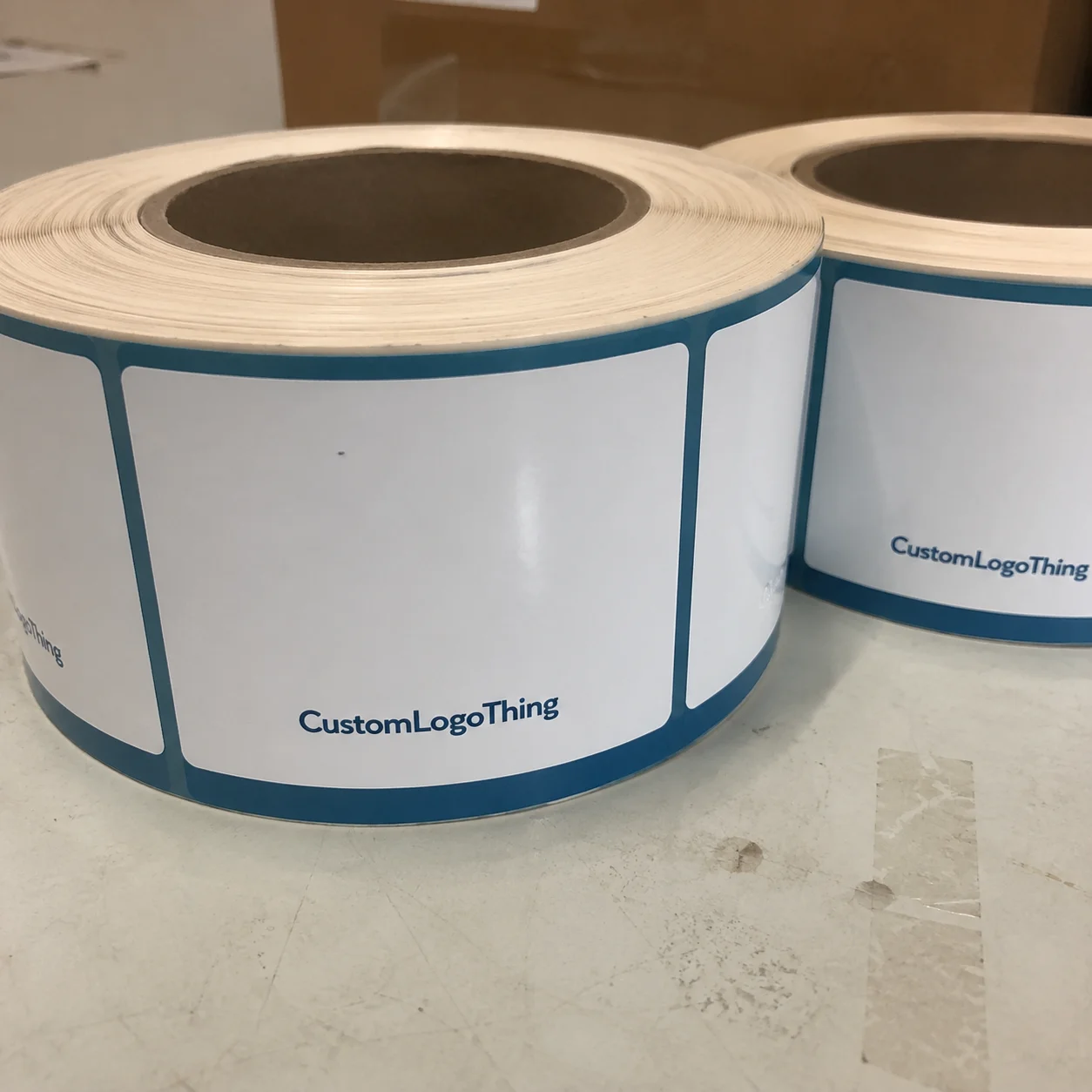
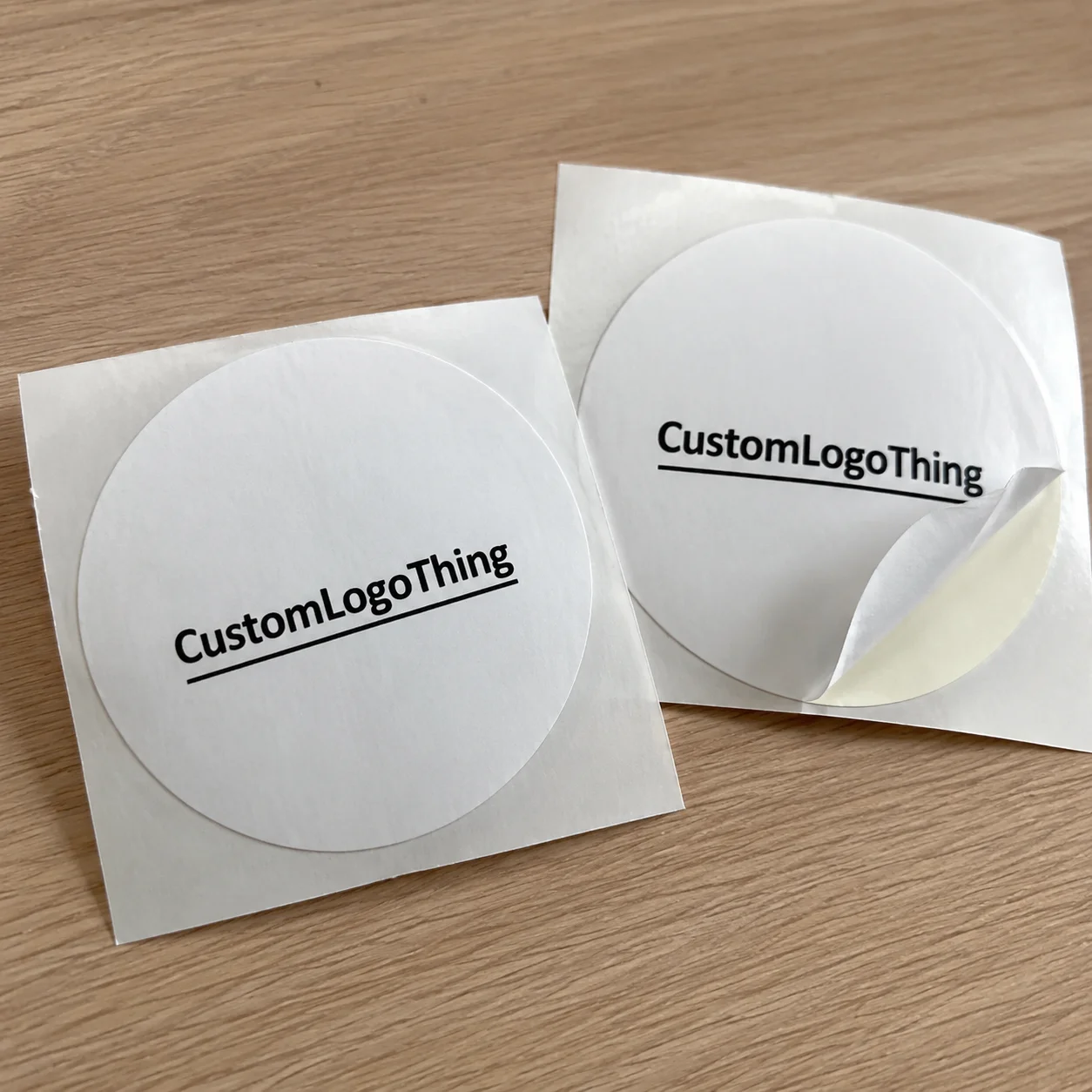
Label format matters too. Rolls are ideal for applicators and high-volume lines. Sheets often suit hand application, small batch orders, or office environments. Fanfold labels help with some shipping and print workflows. The liner, core size, and unwind direction all affect automation, and I’ve seen a line shut down for 40 minutes because the roll orientation didn’t match the applicator’s sensor setup. That sort of mistake is preventable if the label spec is reviewed early.
“We thought the label was the easy part,” one operations manager told me during a plant audit in Ohio, “but the label was the reason our box line kept stopping.” That’s a sentence I’ve heard more than once.
Factory conditions matter after application too. If the label gets applied to a dusty corrugated case, an oily bottle, or a curved plastic jar, the best artwork in the world won’t save it from edge lift. That is why custom labels how to choose should always include the conditions of the packaging line, not just the final shelf display.
Custom labels how to choose: Key Factors to Compare Before You Decide
The first factor I look at is material durability. Paper is economical and clean-looking for dry goods, folded cartons, and items with short shelf life. Film is generally better for moisture resistance, scuff resistance, and longer product life. Polyester is often used where toughness and dimensional stability matter. Vinyl can work in tougher environments, especially for equipment labels or flexible surfaces. BOPP is popular for food, beverage, and personal care because it balances print quality, cost, and moisture resistance. If your product may see refrigeration, condensation, or repeated handling, film is usually the safer starting point.
Second is adhesive type. Permanent adhesive is the default for most packaging because it is meant to stay put. Removable adhesive is useful for temporary promotions, reuse, or changing information. Freezer-grade adhesive is made for cold storage and low temperatures. High-tack adhesive helps on difficult surfaces, including textured cartons, corrugated board, or some low-energy plastics. I always tell clients to test on the exact substrate they plan to use, because a coated carton and an uncoated carton can behave like two different materials.
Surface compatibility is where a lot of label orders go sideways. Glass is usually forgiving. Corrugated board is rougher. Metal can be excellent but may face temperature swings. Coated cartons often look smooth but may resist certain adhesives. Low-energy plastics, like some polypropylene tubs and molded bottles, can be tricky and often need special adhesive chemistry. If your packaging has a curve, a seam, or a texture, the label construction needs to account for that from the start.
Print quality and brand look are the next piece. Matte finishes can feel understated and clean. Gloss finishes often make colors pop. Clear labels can create a no-label look on transparent packaging. Metallic stocks can add shelf impact. White-opacity matters if the package color might bleed through a film label. In branded packaging, these choices can change how consumers perceive quality in the first three seconds, which is why custom labels how to choose is part design and part manufacturing decision.
Finally, there is information content. If your label needs barcodes, ingredients, warnings, serial numbers, lot codes, or traceability fields, the print method and material need to support those details with high contrast and consistent registration. For regulated products, I recommend checking relevant guidance from EPA where applicable, and for forest-based substrates or responsible sourcing, FSC is a useful reference. If your labels are tied to shipping or logistics, scan performance should be tested under real warehouse lighting, not just under a designer’s monitor.
How do you choose custom labels that actually work on your packaging?
- Define the environment. Will the label live indoors, outdoors, in refrigeration, in freezing temperatures, or near oil, abrasion, or chemicals? A deli tub label and an industrial drum label do not belong in the same spec bucket.
- Identify the substrate. Is the packaging glass, corrugated, paperboard, metal, a curved plastic bottle, or a flexible pouch? Smooth and rigid is much easier than textured and curved.
- Decide the label’s main job. Is it branding, shipping, compliance, tamper evidence, or product identification? If it has to do three jobs at once, it usually needs stronger material and tighter print control.
- Match the construction. Choose material, adhesive, finish, and print method based on the first three answers. That is the heart of custom labels how to choose without guesswork.
- Test before full production. Ask for samples or prototypes and run them on the real package in the real environment. Put them through condensation, carton abrasion, and any handling your line normally sees.
One of the clearest lessons I ever got came from a client in the beverage space who wanted a clear film label on a chilled bottle. On paper, the label looked excellent. On the bottle, the condensation turned the adhesive edge into a weak point, and the label started to feather at the corners after a cold room trial. We changed the adhesive, adjusted the label laydown pressure, and the second test held beautifully. That is why I always push for sample testing before a full order, especially when the stakes are retail packaging and shipping costs.
If you’re sourcing Custom Printed Boxes as well as labels, it helps to think of the whole package as one system. A strong carton with weak labeling still creates a failure point, and a premium label on a flimsy box can send mixed signals to the buyer. In packaging design, every surface speaks, and the label often carries the first message.
Cost, Pricing, and Timeline Factors That Affect Your Label Order
Price starts with material choice. Paper is usually lower cost than film, and standard adhesive is usually less expensive than freezer-grade or high-tack formulas. Size and shape matter too; a simple rectangle is faster and cheaper to produce than a custom contour with tiny internal cutouts. Quantity has a big effect on unit price, because setup costs are spread across more pieces. Color count, finishing, and variable data also change the total.
In real pricing terms, a short-run digital label job might land around $0.18 to $0.42 per unit for 5,000 pieces depending on size, material, and finish, while a larger flexographic run can bring the unit cost down significantly after setup is absorbed. Specialty treatments such as foil stamping, laminate, or a custom die-cut can add meaningful cost. I’ve had clients save money by dropping a decorative finish they did not actually need on a warehouse label, then invest that budget into a better adhesive and a clearer barcode.
Timelines are shaped by more than press time. Artwork approval can take a day or a week depending on how many revisions are needed. Proofing adds another checkpoint. Material sourcing can slow things down if you need a specialty film or FSC-certified paper stock. Press scheduling, finishing, and die-cutting all add their own lead times. A simple digital order might move in 5 to 8 business days after proof approval, while a more complex flexographic order can take 12 to 15 business days or longer if the material is special-order.
My advice is simple: do not pay for premium features you won’t use. If the label is going on a corrugated shipper that never touches a retail shelf, you probably do not need foil or spot UV. If the label is going on a premium skincare jar, you may absolutely need a matte film, soft-touch look, or clear stock to support the brand. That balancing act sits at the center of custom labels how to choose for budget and performance.
For label and packaging buyers who want a broader view of their options, Custom Labels & Tags is a useful place to compare constructions alongside other Custom Packaging Products that may need the same visual language and production timing.
Common Mistakes People Make When Choosing Custom Labels
The biggest mistake is choosing on appearance alone. A label that looks sharp in a PDF proof may fail once it hits a cold warehouse or a humid loading dock. I’ve seen teams approve a glossy paper label for frozen food because the colors looked rich, then spend weeks dealing with curl and adhesion failures. The print looked great. The construction was wrong.
Another common issue is the wrong adhesive. A standard permanent adhesive is not the same as freezer-grade, and it certainly is not the same as high-tack for textured surfaces. If your packaging is refrigerated or frozen, that detail matters a lot. So does the application temperature during labeling. A label applied at 35°F does not behave like one applied at 72°F.
People also underestimate barcode readability. Reflective finishes can interfere with scanners. Heavy texture can distort bars or quiet zones. Dark backgrounds can reduce contrast if white opacity is too low. If a label carries traceability or shipping information, test the code with the actual scanner model and the actual lighting conditions used in the facility.
Skipping sample tests is probably the most expensive shortcut. A proof sheet is not a packaged product, and a sample label on a desk is not a label on a moving line. If you want reliable results, run the label on the actual substrate with the actual process. That one step catches more problems than any sales pitch ever will.
Expert Tips for Better Results and What to Do Next
Start with a simple checklist: where does the product live, who applies the label, how long must it last, and what kind of abuse will it see? If you can answer those four questions clearly, custom labels how to choose gets much easier. I often write these answers on a whiteboard in client meetings before we talk about inks or finishes, because the use case usually tells us the right construction.
Ask for side-by-side samples on your actual packaging, not just on a plain white sheet. A label that looks balanced on paper may look too dark on amber plastic or too small on a curved bottle. Save time by preparing vector logos, print-ready copy, and any barcode data before requesting a quote. It is amazing how much time disappears when a team sends a low-resolution logo and asks for a rush proof three days later.
Build a decision matrix if you’re juggling multiple priorities. Rank durability, appearance, budget, compliance, and turnaround from 1 to 5. Then compare the label options against that list. This keeps the discussion grounded in the actual business goal instead of personal taste. For some jobs, a paper label with a standard adhesive is absolutely the right answer. For others, only a film label with a freezer-grade adhesive will hold up.
If you’re ready to move forward, gather four things: your substrate, label dimensions, application method, and target quantity. Then request sample materials and a quote review. That small amount of prep can save you from reprints, line stops, and product holds. And if you’re comparing multiple packaging components at once, tying the label decision to the rest of the branded packaging system will usually produce a cleaner result.
Here’s my honest take after two decades around presses, converting lines, and packaging audits: custom labels how to choose gets much simpler once you stop asking, “Which label looks best?” and start asking, “Which label survives my actual process?” That one shift saves money, reduces waste, and gives you Packaging That Performs the way it should.
Frequently Asked Questions
How do I choose custom labels for my product packaging?
Start with the package surface and product environment, then match material and adhesive to those conditions. Prioritize durability, adhesion, and readability before choosing decorative finishes. If you’re unsure, test on the exact substrate and run the label through the same handling your product will see.
What material is best when custom labels need to be waterproof?
Film materials like BOPP, polypropylene, vinyl, or polyester are usually better than paper for moisture resistance. A matching waterproof adhesive and a protective finish can improve performance further, especially for chilled, refrigerated, or frequently handled products.
How do I Choose the Right adhesive for custom labels?
Use permanent adhesive for long-term bonding, removable for temporary use, freezer-grade for cold storage, and high-tack for difficult surfaces. Always test on the exact packaging material because coated, curved, or low-energy surfaces can behave differently.
What affects the price of custom labels the most?
Material type, label size, shape complexity, quantity, colors, and finishing options are the biggest pricing drivers. Specialty features like foil, laminate, and cold-temp adhesive typically raise the unit cost, while larger quantities often reduce the per-label price.
How long does it take to produce custom labels?
Turnaround depends on artwork approval, proofing, material availability, print method, and finishing steps. Simple digital runs can move quickly, while specialty materials or large flexographic jobs usually take longer. A clear proof and ready-to-print artwork help shorten the schedule.