Buyer Fit Snapshot
| Best fit | Custom Labels Manufacturer projects where brand print, material claims, artwork control, MOQ, and repeat-order consistency need to be specified before quoting. |
|---|---|
| Quote inputs | Share finished size, material target, print colors, finish, packing count, annual reorder estimate, ship-to region, and any compliance wording. |
| Proofing check | Approve dieline scale, logo placement, barcode or warning zones, color tolerance, closure strength, and carton packing before bulk production. |
| Main risk | Vague material claims, crowded artwork, missing packing details, or unclear freight terms can make a low unit price expensive after revisions. |
Fast answer: Custom Labels Manufacturer: Quote Scope, Sample Proof, MOQ, and Lead Time should be specified like a repeatable production item. The safest quote records material, print method, finish, artwork proof, packing count, and reorder notes in one written spec.
Production checks before approval
Compare the actual filled-product size with the drawing, then confirm tolerance on folds, seals, hang holes, label areas, and retail display edges. Reserve space for logos, QR codes, warning copy, and material claims before decorative graphics fill the panel.
Quote comparison points
Review material grade, print process, finish, sampling route, tooling charges, carton quantity, and freight assumptions side by side. A quote is only useful when the supplier can repeat the same color, closure quality, and packing count on the next order.
The first time I watched a custom labels manufacturer rescue a production line, the fix had nothing to do with the carton, the bottle, or the cap. The answer was a label swap, from a brittle paper stock to a 2.0 mil polypropylene film with a stronger acrylic adhesive, and a condensation issue that had been wrecking case counts on a chilled sauce line disappeared before lunch. I remember standing there with a cup of coffee that had gone lukewarm hours earlier, thinking, “Well, there goes my theory that labels are the boring part.”
That kind of repair is exactly why a custom labels manufacturer matters so much. Labels are not decoration alone; they are part of product packaging, part of the machine process, part of shelf appeal, and part of the customer’s first impression of your branded packaging. At Custom Logo Things, I’ve seen a smart label choice do the work of a small redesign, and I’ve also seen a rushed label order cost a brand two weeks of rework because the adhesive was wrong for a chilled glass bottle. Honestly, that kind of avoidable mess makes me a little twitchy.
Below, I’ll walk through what a custom labels manufacturer actually does, how the process works, what drives cost, and how to choose a partner that will not leave you guessing when the clock is already ticking.
What a Custom Labels Manufacturer Actually Does
A custom labels manufacturer takes your artwork, your container dimensions, and your application needs, then turns all of that into a label that can be printed, die-cut, rolled or sheeted, and applied on a real production line. In plain terms, they translate a brand idea into something that can survive shipping, handling, refrigeration, sunlight, oil, moisture, abrasion, or whatever else your package sees once it leaves the dock. That sounds simple until you watch a label try to stay put on a cold bottle pulled straight out of a cooler. Labels can be stubborn little things, in the worst possible way.
Many buyers miss the technical side. A label is often the most visible real estate on the package, so it has a direct effect on packaging design and package branding. I’ve sat in meetings where a client was considering a full carton overhaul, but after we changed the label shape from a plain rectangle to a contour-cut matte label with a foil accent, the product suddenly looked premium enough to stay exactly where it was. A good custom labels manufacturer can create that kind of lift without forcing a full packaging rebuild. Personally, I think that is one of the smartest places to spend money, because the return is visible immediately.
Stock labels and custom labels are not the same animal. Stock labels are pre-made in common shapes and sizes, usually with standard papers and adhesives. They work fine for generic shipping marks or internal organization, but they rarely match the demands of retail packaging, cosmetics, food jars, industrial drums, or specialty bottles. A custom labels manufacturer gives you control over shape, finish, material, adhesive strength, and print compatibility so the label fits the substrate instead of fighting it.
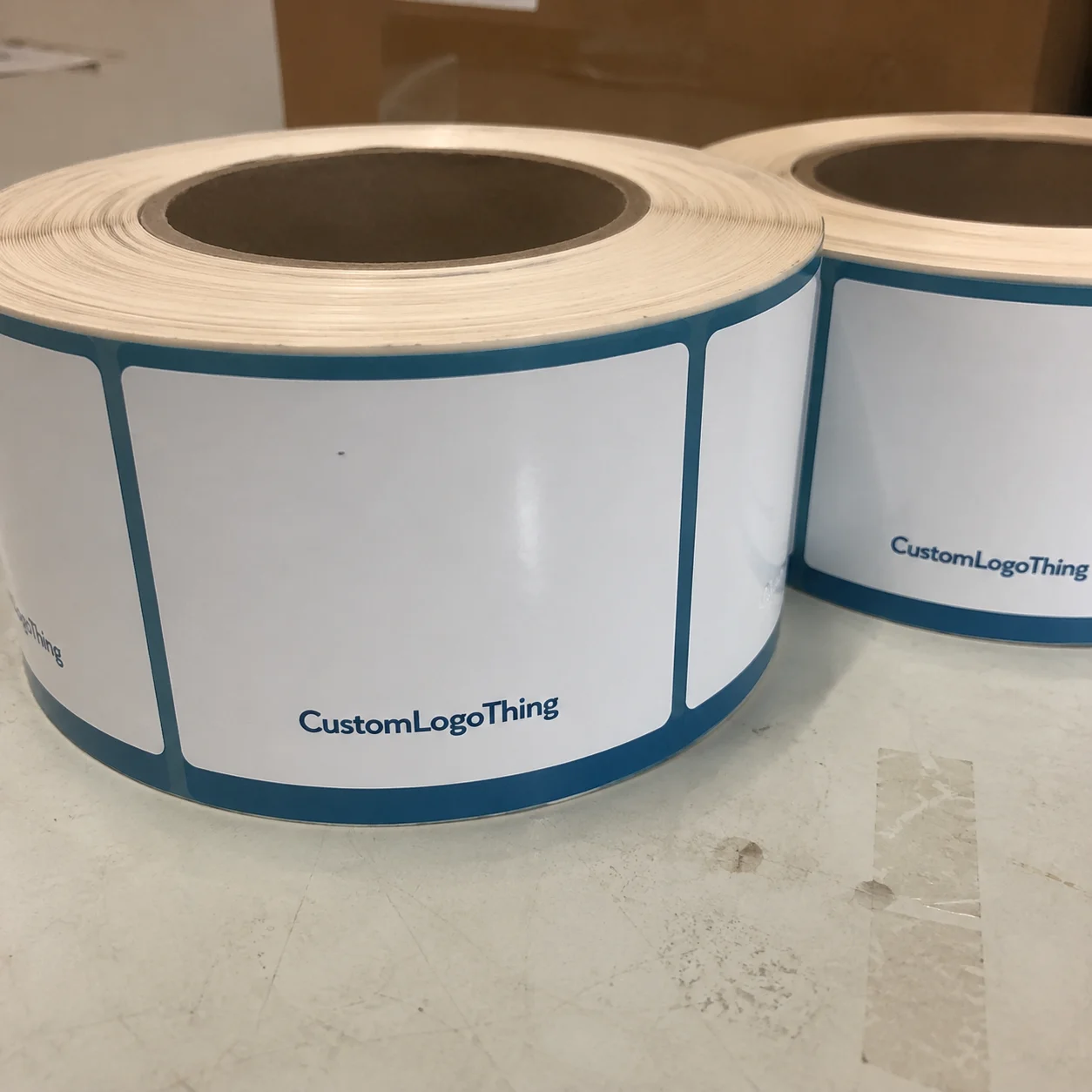
Common label categories include pressure-sensitive labels, roll labels, sheet labels, thermal labels, tamper-evident labels, and specialty decorative labels with foil or matte varnish. A pressure-sensitive label, for example, is the workhorse on most beverage, personal care, and food packaging lines because it applies quickly and sticks to a range of surfaces. Thermal labels show up more often in logistics and inventory control. Tamper-evident labels matter when you need visible security on sealed goods. A seasoned custom labels manufacturer will ask which of those functions matters most before recommending a build.
“A label is not a sticker with a logo. It is a technical component of the package, and if you ignore the technical part, the brand pays for it later.”
If you are working with Custom Labels & Tags, the real goal is not just a pretty print job. It is a label that performs on the shelf, on the line, and in the customer’s hand. That is the difference between a vendor and a real custom labels manufacturer.
Not every project needs a fancy finish, and not every brand needs the most expensive substrate. The right custom labels manufacturer will tell you that honestly, because the best answer depends on the container, the budget, and the environment. I respect that kind of straight talk a lot more than a sales pitch with glitter on top.
How a Custom Labels Manufacturer Turns Artwork Into Finished Labels
The production flow at a solid custom labels manufacturer usually starts with artwork intake, and that first handoff matters more than people think. If the file is a low-resolution JPEG with no dieline, no bleed, and no color references, you are already behind. I’ve watched prepress teams spend two hours rebuilding a simple label because the customer sent a logo pulled from a website header. The easiest jobs are the ones that arrive clean, with vector art, Pantone targets, and a clearly labeled dieline. Anything less tends to invite the sort of chaos that makes everyone stare at a monitor in silence for a minute too long.
After artwork intake, the custom labels manufacturer moves into proofing and prepress. This is where margins are checked, overprint settings are reviewed, small type is tested for legibility, and barcodes are scanned against expected print contrast. If the label needs to wrap around a curved bottle or fit a tight radius on a cosmetic jar, the prepress team adjusts the shape so the final piece lands correctly. I’ve seen a 1/16 inch error become a visible seam on a premium serum bottle, and that is not the kind of detail you want at retail. The customer may not know why the bottle looks “off,” but their hands and eyes absolutely know something is wrong.
Substrate selection comes next, and it is one of the biggest technical decisions a custom labels manufacturer can help you make. Paper still works beautifully for dry goods, shipping, and some food applications. Polypropylene is common for moisture resistance and a clean print surface. Polyester is a strong choice for durability and chemical resistance. Vinyl and specialty films show up when flexibility, weatherability, or a more demanding surface is involved. The label material has to match the environment, or the rest of the process becomes expensive fast. I’ve watched people try to save a few cents per label and then spend far more replacing failed inventory later. That trade has a way of aging badly.
Print method is another key decision. Digital printing is ideal for short runs, multiple SKUs, seasonal variations, and fast turnarounds because there are no traditional plates to produce. Flexographic printing makes sense for longer runs where unit cost matters and color consistency across high volumes is critical. A capable custom labels manufacturer will explain the tradeoff clearly: digital often costs less to start, flexo often costs less per unit at scale. The right choice depends on volume, not ego. Honestly, I think ego has cost more label projects than bad file prep ever did.
Finishing is where a label starts to feel like a premium part of the package. A custom labels manufacturer may offer lamination, varnish, embossing, hot foil stamping, spot UV, or Custom Die Cutting. In one plant visit I made in New Jersey, a simple foil band around a lid label changed the perceived value of a $12 skincare jar almost immediately, because the shelf lighting caught the metallic detail just right. That is the sort of outcome that supports both retail packaging and product pricing. It also made the marketing team smile like they had just found an extra month in the calendar.
Here is a simple comparison of common production approaches a custom labels manufacturer may offer:
| Option | Best For | Typical Strength | Typical Tradeoff |
|---|---|---|---|
| Digital labels | Short runs, multiple versions, test launches | Fast setup, variable data, low startup cost | Higher unit price at very large volumes |
| Flexographic labels | Long runs, stable artwork, repeat orders | Lower unit cost at scale, strong color control | Plate or setup costs can raise smaller orders |
| Specialty finished labels | Premium cosmetics, wine, gift items, branded packaging | Foil, emboss, spot UV, tactile appeal | More production steps and tighter approval needed |
Proofing and approval protect your budget
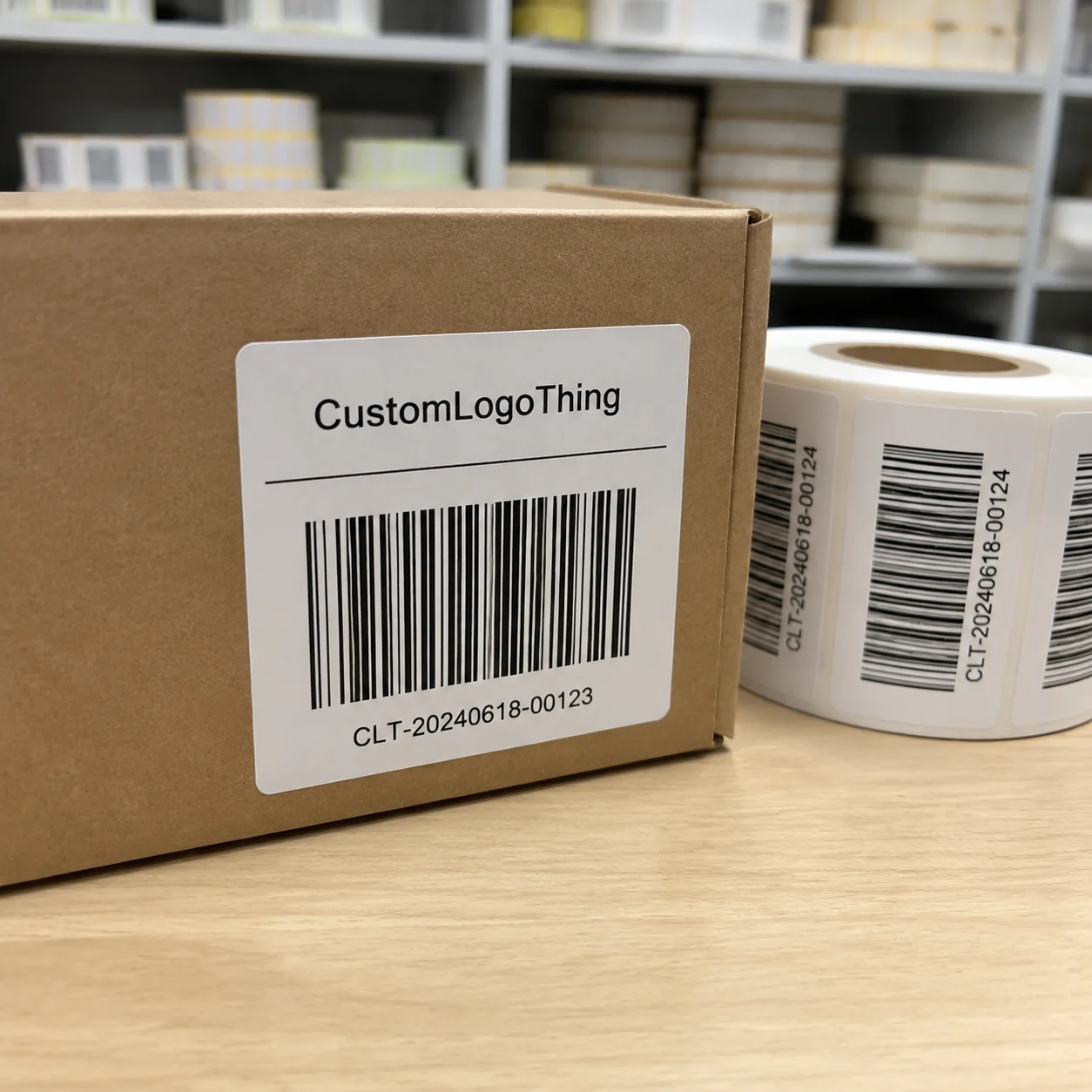
A careful custom labels manufacturer will never rush proofing just to close a sale. Color matching, bleed, cut lines, and barcode testing are the quiet guards against waste. I’ve seen one rejected batch of 8,000 labels because the barcode was technically printed, but the contrast was too weak for the scanner on a warehouse receiving line. That kind of miss is avoidable if your supplier takes proofing seriously and if you approve the proof with the actual container nearby. I still remember the sigh from operations on that one — the kind that says, “well, there goes everybody’s afternoon.”
For brand owners using custom printed boxes alongside labels, proof alignment matters even more. The color on the label should not drift away from the carton graphics, and the finish should not clash with the rest of the packaging design. A skilled custom labels manufacturer can help keep those pieces coordinated so the whole package feels intentional.
For standards and testing references, I often point buyers toward the basic guidance from the International Safe Transit Association when transport durability is a concern, and the material stewardship resources at The Packaging School and industry education groups when they want a broader view of packaging performance. Those resources won’t choose the label for you, but they help frame the right questions.
Key Factors That Affect Quality, Price, and Performance
When buyers ask a custom labels manufacturer for pricing, the quote depends on a stack of variables, and each one matters more than people expect. The material itself is only part of it. Adhesive type, liner choice, finish complexity, moisture resistance, and even the shape of the die-cut can all move the final number.
Material cost is usually the first driver. A paper label with a standard permanent adhesive is not going to cost the same as a polyester label built for freezer storage and chemical exposure. A custom labels manufacturer may also charge differently for moisture-resistant stocks, freezer-grade adhesives, UV-stable inks, or tamper-evident constructions. If the label will sit on a cold-fill beverage or a refrigerated jar, that detail is not optional. I’ve seen that lesson arrive the hard way, and nobody enjoys mopping up a bad adhesive choice after the fact.
Order quantity plays a big role too. A short run of 2,500 labels can have a unit price that looks high compared with a run of 50,000, because setup and prepress are spread over fewer pieces. I once sat through a supplier negotiation where the client wanted the same unit price for 3,000 labels as they were getting on 40,000 labels, and the math simply would not cooperate. A credible custom labels manufacturer will show you where the setup costs sit, rather than hiding them in the fine print.
Here is a practical way to think about price tiers from a custom labels manufacturer:
- Short run: usually best for launches, seasonal products, and test markets; unit costs are higher because setup is spread over fewer labels.
- Mid-volume: often the sweet spot for growing brands with repeat demand; pricing starts to improve without forcing huge inventory.
- High-volume: best for stable SKUs and national retail packaging; lower unit costs can justify more advanced print methods.
Performance matters just as much as price. A custom labels manufacturer should ask whether the label is being applied by hand or by machine, whether the surface energy of the container is high or low, and whether the product will be packed at room temperature or while still chilled from the fill line. A cold, damp surface can defeat a decent adhesive if the specification is wrong by even a small amount. I know that sounds fussy, but fussy is cheaper than rework.
Brand goals also shape the spec. A luxury serum might need a soft-touch laminate, a metallic accent, and tight color control. An industrial chemical label may need a solvent-resistant film and compliance text that stays readable after abrasion. Food packaging often needs a balance of appearance, cost, and clean adhesion. A thoughtful custom labels manufacturer will adjust the build to support the end use, not just the mockup.
In one client meeting with a coffee roaster, we compared a matte paper label and a BOPP label on two bag styles. The paper looked richer by hand, but the BOPP held up better when the bags were rubbed during packing and transported in humid summer conditions. That is the kind of tradeoff a good custom labels manufacturer should be willing to explain plainly, even if the answer is not the fanciest one. I’ll take the practical answer over the pretty one almost every time.
If your broader project includes Custom Packaging Products, the label should be treated as part of that larger system. The finish on the label, the box, and the insert all need to support one another. That is especially true when you are trying to align branded packaging across cartons, mailers, and primary containers.
For environmental or sustainability questions, some buyers also ask about liner waste, recyclability, and material sourcing. If that is a priority, look for references to FSC-certified paper where appropriate and ask the supplier how they handle waste and substrates. The FSC site at fsc.org is a useful reference point when paper sourcing matters.
Custom Labels Manufacturer Process and Timeline: From Quote to Delivery
Most label projects move faster when the buyer understands the process at a practical level. A custom labels manufacturer usually starts with a quote request, but the quote is only as accurate as the information you give them. I always tell clients to send dimensions, substrate, quantity, adhesive needs, finish expectations, application method, and intended environment in the first message. If any of those pieces are missing, the quote is more likely to shift later. And yes, the “we’ll figure it out later” approach sounds relaxed right up until everyone is staring at a deadline.
Here is the typical flow I’ve seen in well-run label plants and converter operations:
- Inquiry and spec review: the manufacturer confirms the label size, use case, and target quantity.
- Artwork intake: files are checked for resolution, bleed, and dieline accuracy.
- Proof stage: a digital proof or press proof is reviewed for color, layout, and copy.
- Production scheduling: the job is queued based on machine availability and material arrival.
- Printing and finishing: labels are printed, laminated, varnished, die-cut, and slit.
- Quality control: the stack is checked for registration, adhesive performance, and visual consistency.
- Packing and shipment: rolls or sheets are boxed, labeled, and sent out for delivery.
Digital jobs often move faster because they skip plate creation, which makes them attractive for smaller orders or multiple versions. Flexographic jobs usually take longer to set up but can be more economical once volume rises. A strong custom labels manufacturer will tell you where your job sits on that spectrum instead of pushing one method for every order.
Special dies, imported materials, and specialty inks can add time, and that detail is easy to underestimate. I remember a cosmetics launch where a client approved the artwork in one afternoon, then learned the imported foil stock had a two-week lead time. The label plant was ready, but the material was not. A dependable custom labels manufacturer will warn you about those dependencies early so your launch date remains realistic. Nobody likes discovering a missing foil roll five minutes before a sample review.
Timelines also shift based on rush requests and revision cycles. If a proof comes back with four rounds of changes, the schedule moves. If a barcode has to be re-tested, the schedule moves again. In practical terms, a smaller digital label order might move from proof approval to shipment in about 7-10 business days, while a more complex flexographic or specialty-finished order may need 12-20 business days, depending on materials and approval speed. That depends on the plant, the season, and whether everything is approved the first time.
For launches tied to trade shows, retailer set dates, or holiday promotions, I suggest giving the custom labels manufacturer more lead time than you think you need. The labels might print quickly, but the proof loop, the material sourcing, and the shipping window can all absorb days. A little buffer saves a lot of stress.
Honestly, the best clients I’ve worked with are the ones who treat the label schedule like part of the manufacturing schedule, not a side task. That mindset keeps the whole packaging program steadier, whether you are managing one SKU or fifty.
Common Mistakes Buyers Make When Working With a Custom Labels Manufacturer
The easiest mistake to make is sending poor artwork. A custom labels manufacturer can often rescue a file, but they should not have to rebuild your brand from a blurry PNG. Low-resolution art, missing fonts, and no bleed will slow everything down. When I was on a plant floor in Ohio, a line operator joked that some artwork files looked like they had been faxed through a sock. He was not wrong, and the reprint bill was not funny to the client.
Another common problem is choosing the wrong adhesive. People see labels as visual assets and forget that they are also physical objects designed to bond to a surface under a certain temperature and moisture condition. A custom labels manufacturer needs to know if the package will be refrigerated, exposed to condensation, shipped in hot trailers, or applied by hand in a cold warehouse. Get that wrong, and you may end up with edges lifting, wrinkles, or labels sliding out of position. That little curl at the corner may not look dramatic on day one, but it has a nasty habit of turning into a full-blown nuisance later.
Many buyers also compare quotes without matching the specs. One supplier may be quoting a paper label with standard adhesive, while another is quoting a waterproof polypropylene label with matte lamination and tighter tolerances. That is not a fair comparison. A careful custom labels manufacturer will itemize the build so you can compare apples to apples instead of apples to shrink film.
Brand consistency errors create another headache. If you reorder six months later and the color shifts because the file was changed, the ink target changed, or the stock changed, your line can end up with visible variation across the same product family. A repeat order from the same custom labels manufacturer should match the approved sample closely, so document the approved stock, finish, and color values from the first run.
Then there is the compliance side. Barcode readability, regulatory copy, tamper evidence, ingredient panels, and durability all matter. If your label will be scanned in a warehouse or inspected in a retail setting, test it before full production. I’ve seen label art approved by marketing and rejected by operations because the code was technically there but impossible for the scanner to read under warehouse lighting. That sort of miss wastes time, cartons, and patience.
One more mistake deserves mention: changing specs midstream without telling everyone. If your designer changes the die-line after proof approval, or someone swaps a gloss finish for matte without updating the production order, the custom labels manufacturer can only work with the latest documented instruction. Good communication beats heroic recovery work every time. Heroic recovery work sounds exciting in a meeting; it feels terrible at 4:30 p.m. on a Thursday.
The EPA’s packaging and waste resources at epa.gov can also be useful if you are thinking about recycling pathways, label removal, and material recovery. Not every label choice is about disposal, but it helps to understand the downstream impact before you lock in a spec.
Expert Tips for Getting Better Results From a Custom Labels Manufacturer
If you want a stronger outcome from a custom labels manufacturer, start by sending a real sample of the container whenever possible. A bottle, jar, pouch, or box in hand tells the manufacturer things that a flat drawing cannot, including curve radius, surface texture, neck diameter, and how much wrap space the label truly has. I have seen a 3.5 inch label spec fail on a tapered jar simply because the middle measurement did not account for the angle of the shoulder. The drawing looked fine; the jar did not care.
Build a simple spec sheet before you request quotes. Include label size, finish, adhesive type, application method, storage conditions, print quantity, and acceptable color tolerance. A custom labels manufacturer can quote faster and more accurately when the file folder already contains those details. A good spec sheet also reduces the back-and-forth that slows down launch schedules. Fewer surprises, fewer headaches, fewer “just one more adjustment” emails at the end of the day.
Ask for mockups or short test runs when you are launching a new product line, especially if the product is chilled, oily, or handled frequently. A test on the actual packaging surface can reveal problems that a digital render will never show. I once saw a gel cleanser label look perfect on screen, but once it hit the actual PET bottle, the adhesive needed a different tack profile because the bottle surface was slightly textured. A careful custom labels manufacturer will welcome that kind of test because it protects both sides.
Think beyond appearance. The label needs to survive filling, shipping, shelving, opening, and customer handling. If the edge catches on a conveyor guide, or the print scuffs during carton packing, the design is failing a functional test even if it looks good on a monitor. That is why a strong custom labels manufacturer will ask about your full process, not just the final shelf appearance.
Communication habits that save time
Designate one decision-maker. Approve proofs quickly. Keep revision notes in one place. Those three habits save more schedule pain than almost any other change I can recommend. When too many voices are involved, the custom labels manufacturer gets different answers from different people, and the project drifts. I’ve seen a two-day proof become a two-week puzzle because marketing, operations, and ownership were all making edits through separate email threads.
If the project includes other packaging components, coordinate them early. Labels should work with cartons, inserts, mailers, and any About Custom Logo Things project coordination you may be doing around branded packaging. The closer those elements are aligned, the cleaner the final presentation will be across the shelf and the shipment.
For projects tied to custom printed boxes, especially in retail packaging, ask the label supplier how they manage color matching across substrates. A matte carton and a glossy label can look disconnected if the ink tones are not planned. That is one of those details that separates ordinary package branding from packaging that feels designed as a complete system.
How to Choose the Right Custom Labels Manufacturer and Next Steps
Choosing the Right custom labels manufacturer comes down to three things: technical fit, communication quality, and proof that they understand your product category. If they make labels for food, cosmetics, industrial goods, or shipping applications, they should be able to explain their approach in specific terms, not generic promises.
Start with a short list of questions. Ask what substrates they recommend for your product, what adhesives they use for your application temperature, what finishing options they can provide, how they handle proofing, and what their quality control process looks like. A real custom labels manufacturer should answer these directly and give you specifics like material names, lead times, and sample options. If they sound vague, I’d keep my wallet in my pocket a little longer.
Then compare actual sample work. Look at print sharpness at small type sizes, edge quality on die cuts, adhesive behavior on your exact container, and consistency across a full roll or sheet. Ask for references if you need them, especially if your project involves food packaging, cold-chain storage, or durable industrial labeling. The right custom labels manufacturer will not be offended by thorough questions; they will expect them.
Before you commit, build a simple project checklist:
- Artwork files in vector format with bleed and dieline
- Target quantity and repeat order expectations
- Container dimensions and photos of the actual package
- Application method, by hand or machine
- Storage and shipping conditions
- Target launch date and any hard deadlines
That checklist will save you time whether you are ordering labels alone or coordinating them with Custom Packaging Products for a broader product rollout. In my experience, brands that organize the packaging plan early spend less on emergency freight, fewer hours on rework, and far less time chasing revisions.
How do you know if a custom labels manufacturer is a fit? Watch how they react when you ask detailed questions. If they provide clear technical guidance, suggest a test, and explain the tradeoffs honestly, that is a good sign. If they gloss over the adhesive, ignore your container shape, or treat proofing as a formality, I would be cautious. Labels are too tied to product packaging, retail packaging, and long-term brand perception to leave to guesswork.
The best partnerships are built with a supplier who understands that a label is not just ink on a liner. It is a working piece of your packaging system, and the right custom labels manufacturer can make that system stronger, cleaner, and easier to run. If you keep the spec tight, the communication honest, and the testing real, you will usually get labels that support the product instead of slowing it down.
That is the standard I’ve seen hold up across factories, from small-batch label rooms to larger converting operations with multiple presses and inspection stations. A dependable custom labels manufacturer helps you avoid costly do-overs, improve shelf appeal, and keep branded packaging consistent from the first ship date to the hundredth reorder.
So the clearest next step is simple: gather a real container sample, lock the spec sheet before quoting, and ask the manufacturer to show you the exact substrate, adhesive, and finish they would use for your product. That one bit of discipline usually separates a label that just looks nice from one that actually behaves on the line and on the shelf.
FAQs
What should I ask a custom labels manufacturer before ordering?
Ask about substrate options, adhesive strength, finish choices, lead times, proofing, and whether they can test the label on your actual container or product. If your item is refrigerated, wet, oily, or handled by machine, tell the custom labels manufacturer that upfront so they can recommend the right build.
How much do custom labels from a custom labels manufacturer usually cost?
Pricing depends on quantity, size, material, color count, finish, and setup complexity. A short run of 2,500 labels will usually cost more per piece than a run of 25,000 or 50,000, because setup costs are spread over fewer units. A custom labels manufacturer should give you a quote that separates those pieces clearly.
How long does a custom labels manufacturer take to produce an order?
Timelines vary by print method and finishing needs, but most projects need time for quoting, proof approval, printing, quality checks, and shipping. Simple digital jobs can move faster, while specialty finishes or flexographic work can take longer. A good custom labels manufacturer will set realistic expectations before the order starts.
What file format should I send to a custom labels manufacturer?
High-resolution vector artwork is best, along with a dieline, bleed, and any brand color references such as Pantone or CMYK targets. That gives the custom labels manufacturer the best chance of matching the intended look without avoidable corrections.
Can a custom labels manufacturer help with labels for refrigerated or wet products?
Yes, but you need to specify moisture, temperature, and surface conditions so the manufacturer can recommend the right stock, adhesive, and finish. A label that works on a dry shelf may fail in condensation, so the custom labels manufacturer should know the exact use case before production begins.