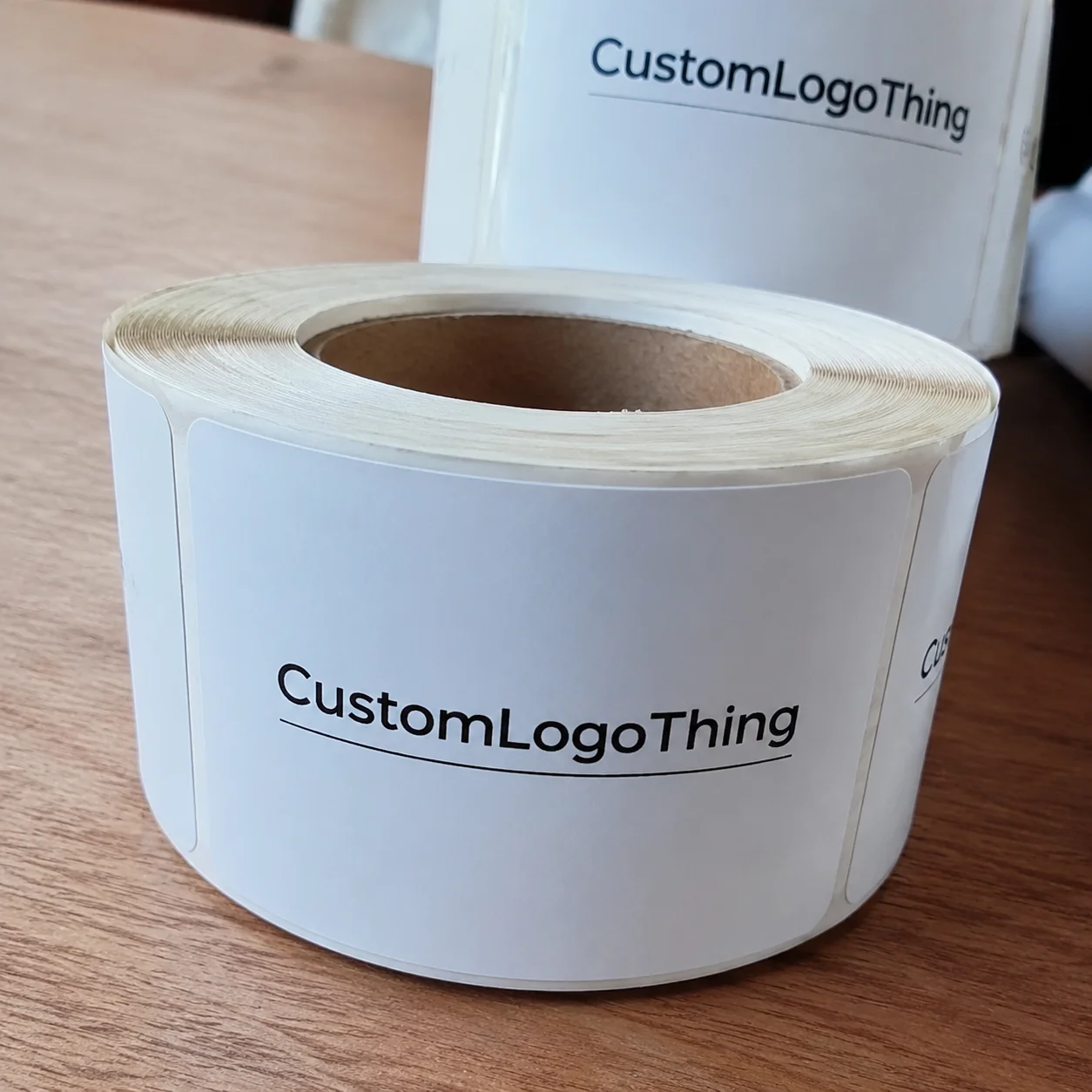
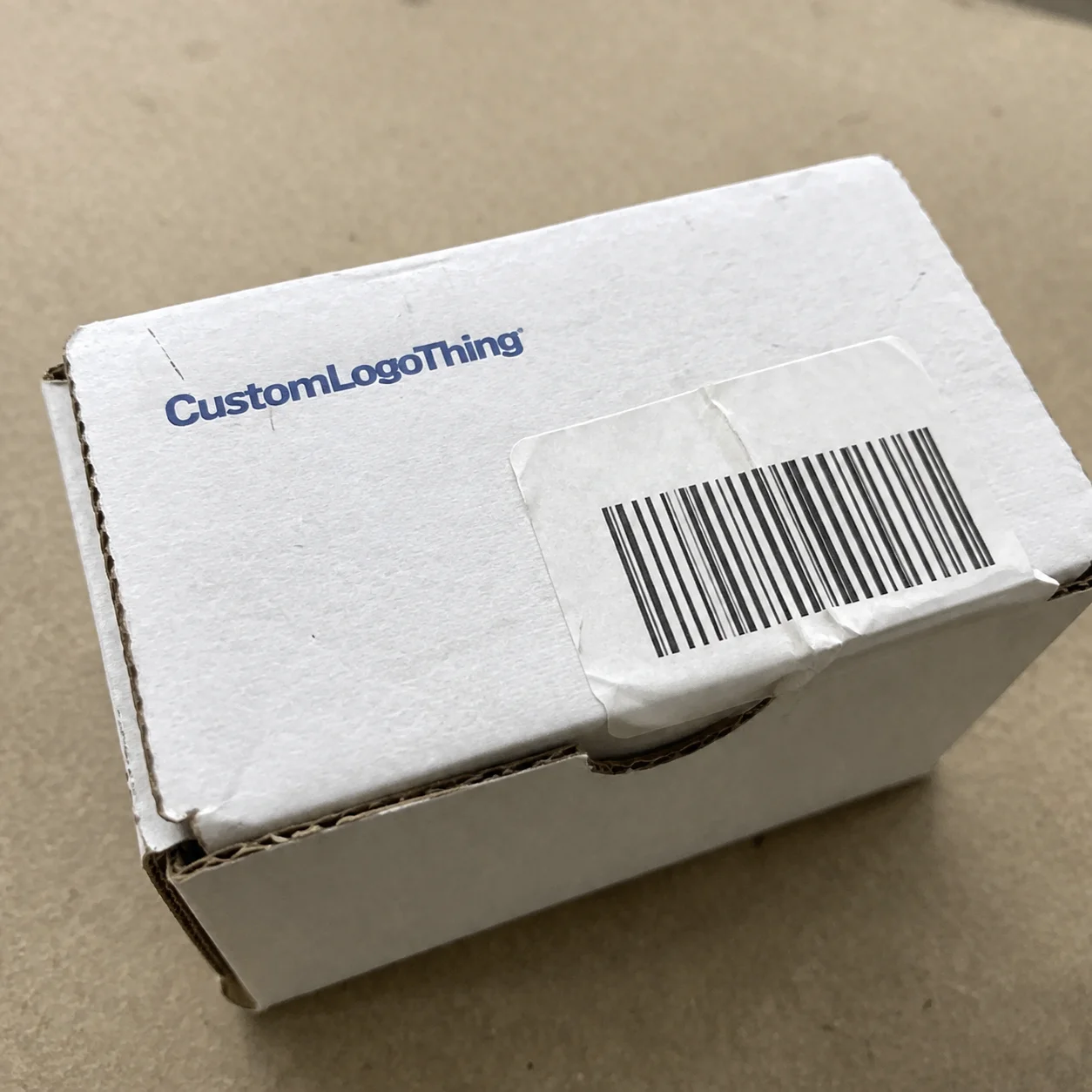
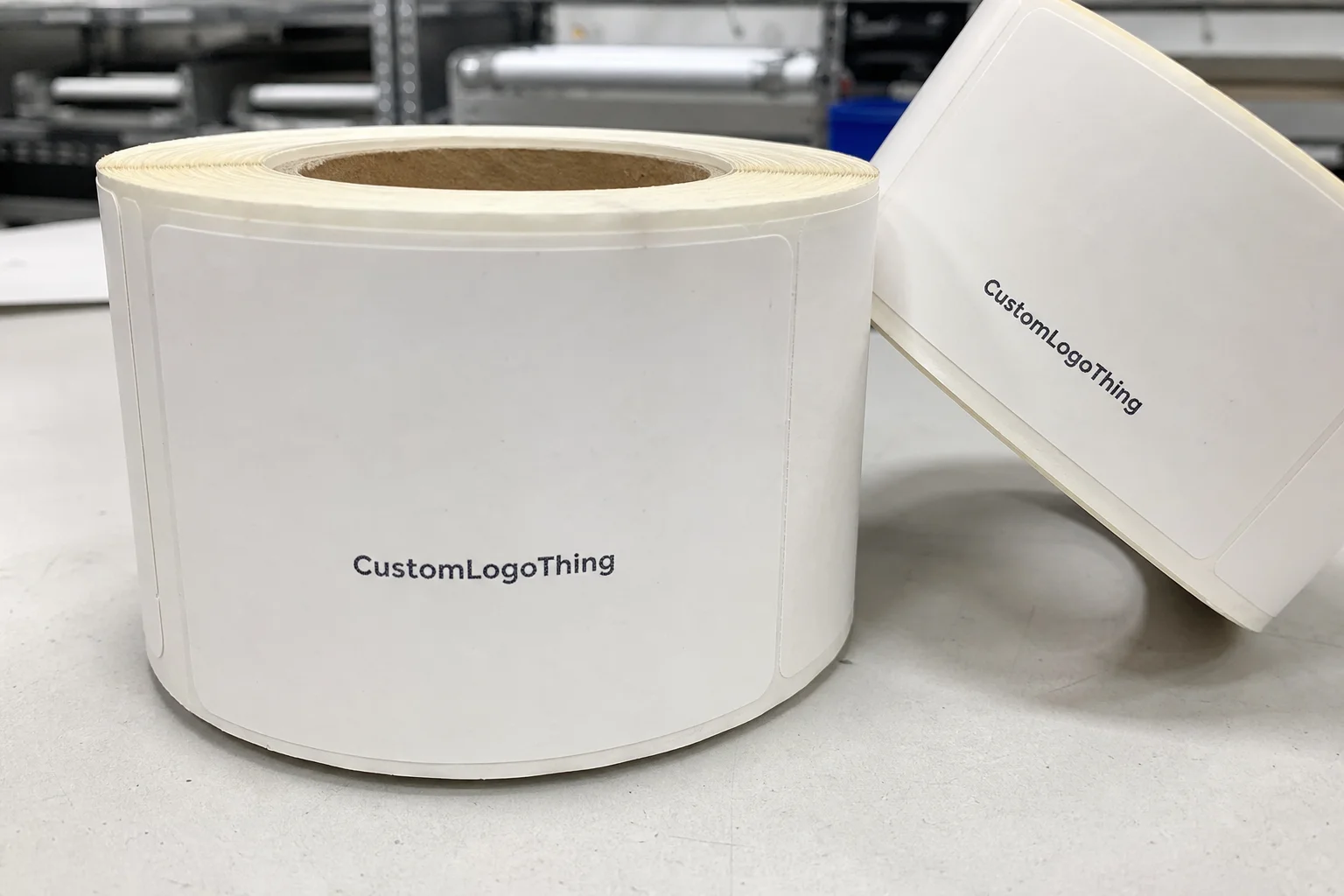
custom labels office depot usually starts as a simple buying search, but the decision is broader than paper stock and a good price. A label can affect packaging speed, barcode readability, brand presentation, and how much rework a team has to absorb when the first batch is off by a few millimeters. That sounds minor until a retail launch or apparel shipment is waiting on relabeling.
For office use, the main concerns are usually compatibility and cost. For clothing packaging, the list grows quickly: surface texture, adhesive strength, residue risk, finish, scanability, and whether the label needs to hold up in transit or on a sales floor. A label that works on a file folder can fail on a polybag, a coated carton, or a folded garment insert. The difference is not theoretical. It shows up in corner lift, curling, and labels that look fine in a proof but fail in hand.
If the label is part of a broader packaging system, it helps to evaluate it alongside Custom Labels & Tags and the rest of the Custom Packaging Products range. That keeps the discussion focused on the actual use case instead of forcing a standard office label into a packaging job that needs better durability.
Custom labels office depot: what buyers should know first
The phrase custom labels office depot can point to several different products. It may mean printable sheet labels for office work, roll labels for packing lines, die-cut branding seals, or short-run stickers used on cartons and apparel packaging. Those are not interchangeable categories. Each one has a different setup path, different minimums, and a different failure mode.
Clothing labels add one more layer. A label used on a garment package may need to stay readable after folding, resist abrasion during handling, and avoid leaving residue on a polybag or hang tag. If the job is closer to packaging than office administration, the label should be judged as a production component, not a desk supply. That change in framing matters because it changes what a buyer should ask for in a quote.
The core question is not whether a label can be printed. It is whether the finished label can survive the way it will actually be used. Will it sit in a warehouse before shipping? Will it travel through a fulfillment center? Will it be touched repeatedly by staff or customers? A label that looks clean on screen can still curl, smear, or lose adhesion once it meets the real surface. A buyer who has seen that happen usually stops treating labels as a generic commodity.
There is also a scope issue. In an office setting, the job may be a small print run with little risk. In packaging, the label can become part of the brand story and part of the compliance trail at the same time. That means the buyer is choosing size, material, finish, print method, and turnaround path in one decision. Miss one of those and the quote may look acceptable while the production result is not.
Production process and turnaround: what happens after you order
The production path is usually simple, but there are a few places where time gets lost. First comes artwork upload. Then the vendor checks file format, dimensions, and print readiness. A proof follows. Only after approval does the job move into setup, printing, cutting, finishing, and shipping. The process is orderly on paper. In practice, delays usually happen before the press starts.
Artwork problems are the most common source of friction. Missing dielines, low-resolution logos, barcodes with weak contrast, and tiny type are all classic examples. A file can look acceptable on a monitor and still fail when scaled to the actual label size. If the design includes size information, SKU text, or care notes, the proof deserves close attention. One spacing issue or one cut-line mistake can turn a usable batch into scrap.
Turnaround depends on the stock, the finishing, and the size of the order. A basic short-run label often moves faster than a specialty film, a laminated surface, or a custom shape with more complex cutting. Rush service can help, but only if the file is already production-ready. If the artwork still needs correction, the job starts late no matter how fast the printer can run.
Approval chains matter too. A retail buyer may want to check brand color. A fulfillment lead may want to confirm scanability. A compliance reviewer may need to verify a barcode or care note. Each approval adds time, and that is not a defect in the process. It is simply something buyers tend to underestimate when they first compare office-supply labeling with packaging-grade production.
If the label has to survive handling, transit, and shelf display, test the adhesive on the actual surface first. A sample that stays put on a desk card can fail on coated cartons, textured tags, or polybags.
For shipping and transit durability, the ISTA test framework is useful because it focuses on movement, vibration, and drop conditions rather than only on how a proof looks. For organizations that need paper-origin documentation, the FSC certification guidance is a practical reference point when procurement cares about chain-of-custody and sourcing claims.
A clean production checklist looks like this:
- Final artwork file, not a draft.
- Confirmed label size and quantity.
- Approved material and adhesive.
- Proof reviewed by everyone who can block release.
- Shipping address tied to the actual receiving dock or warehouse.
Cost, pricing, MOQ, and quote factors to compare
Pricing is where buyers most often get misled by a low number that only looks low. The unit price might be attractive, but setup fees, proof changes, artwork cleanup, upgraded stock, and split shipments can push the total much higher. The right comparison is landed cost, not the largest number in the quote.
Quantity changes the math fast. Small runs usually carry a higher per-label cost because setup is spread across fewer units. For 500 to 1,000 pieces, sheet labels or short-run digitally printed labels may land around $0.18 to $0.45 per unit after setup, depending on size, coverage, and finish. At 5,000 pieces or more, roll labels can fall closer to $0.03 to $0.12 per label, though specialty film, waterproof stock, and custom cutting can push that higher. These are working ranges, not promises, because every specification changes the final number.
Minimum order quantity, or MOQ, matters as much as unit price. A low per-label cost is not useful if the minimum forces a buyer to hold too much inventory. The opposite mistake happens too: a small run looks manageable, but repeat setup charges make the job more expensive over time. The right balance depends on how often the design changes, how fast the labels move, and how much inventory a team can tolerate.
| Option | Typical use | Common order size | Pricing shape | Main tradeoff |
|---|---|---|---|---|
| Printable sheet labels | Office tasks, small batch packing, internal labeling | 100 to 1,000 sheets | Lower setup, higher per-unit cost | Flexible, but weaker on volume economics |
| Roll labels | Product packaging, apparel tags, fulfillment lines | 1,000 to 50,000+ labels | Better unit price at scale | Needs cleaner artwork and more precise specs |
| Die-cut specialty labels | Brand seals, retail packaging, custom shapes | 500 to 10,000 labels | Setup and cutting add cost | More visual impact, more production complexity |
Quotes should only be compared when the specs are identical. If one vendor quotes matte paper and another quotes coated film, the numbers do not mean the same thing. If one includes proofing and the other charges for every revision, the gap can narrow quickly. The cleanest quote is usually the one with the fewest hidden changes and the least ambiguity.
For clothing labels, the higher unit cost often buys lower risk. A label that resists moisture, scuffing, and repeated handling can reduce returns, reorders, and damaged packaging. That is easy to miss if the buyer only looks at the first invoice. A quick comparison of custom labels office depot options should ask whether the job is really an office-label purchase or a packaging component with stricter performance requirements.
Watch for these hidden costs:
- Artwork cleanup or vector conversion.
- Extra proof rounds.
- Special cutting or unusual shapes.
- Expedited freight.
- Split shipments to more than one warehouse.
Material and adhesive choices for clothing labels
Material selection is where many label jobs succeed or fail. Paper stocks are usually the least expensive and easiest to print, which makes them a good fit for short-run inserts, internal tags, and some packaging uses. Film stocks, including polypropylene and other synthetics, are better when moisture, scuffing, or longer handling cycles are part of the job. Specialty stocks can add texture or a premium look, but they also require more attention during proofing and testing.
Surface matters as much as stock. A folded garment package, a polybag, and a hang tag do not behave the same way. Low-tack adhesive can be the right choice for removable seals or packaging that must stay residue-free. A stronger adhesive is better on shipping cartons or retail packaging that has to stay intact through transit and display. If the adhesive is wrong, the failure is easy to spot: lifted corners, curling edges, or sticky residue where the label should have come away cleanly.
Finish changes how the label performs, not just how it looks. Matte finishes are easier to read under bright lighting and tend to handle small text better visually. Gloss adds shine, but glare can make fine copy harder to read. Waterproof or moisture-resistant stocks are useful when labels may face condensation, laundry-related handling, or damp warehouses. Writable surfaces help when date coding or size notes are added by hand, though they often trade away some print sharpness.
The practical test is simple: a label that looks excellent on a monitor can still fail on the floor. It may smear, curl, or stop reading cleanly once workers handle it a few times. That is why sample testing matters. If the label is part of a broader packaging system, the material should match the rest of the presentation, including custom printed boxes, inserts, and outer mailers.
Temperature matters too. Adhesive behavior changes in a hot truck, a cold stockroom, or a humid receiving area. Skin contact matters if the label touches the garment itself. A material that is fine on packaging may be a poor choice for direct garment contact. That is not a cosmetic issue. It changes product handling and, sometimes, customer perception of quality.
Use this rough material guide:
- Paper: best for low-cost, short-run, non-durable uses.
- Film: better for moisture, abrasion, and longer handling cycles.
- Specialty stock: useful for premium retail packaging or brand presentation.
- Removable adhesive: best when residue would cause damage or complaints.
- Permanent adhesive: best when the label must stay put during shipping and display.
Step-by-step ordering workflow for a cleaner approval
Start with the end use. Is the label for clothing packaging, garment care, size identification, or brand promotion? The answer changes the stock, the adhesive, and the layout. Buyers who start with design usually end up revising the format later. Buyers who start with the use case usually move faster and waste less time in proofing.
Choose the size and shape before building the artwork. That sounds obvious, but it is where a lot of time gets lost. A logo that feels balanced on a square label may become cramped on a narrow strip. A barcode may fit one way and fail another. The shape is not decoration; it is part of the content.
Then prepare the file correctly. Use bleed where required, keep text inside the safe area, and export at the proper resolution. Vector PDF or AI files usually hold up best because type and line art stay clean at print size. If the label includes a barcode, check the quiet zone and contrast before sending it to production. A barcode that scans poorly can slow down receiving or checkout more than buyers expect.
Proofing should never be treated as a box to check. Compare the digital proof against a physical mockup or sample sheet. Look closely at line spacing, small text, crop alignment, and brand color. A one-millimeter shift can be invisible on a screen and obvious in hand. That is especially true for retail packaging and branded inserts, where the label carries part of the product’s perceived value.
Lock down logistics before approval. Decide where the labels should ship, who signs for them, and where they will be used first. If the production line is in one building and receiving is in another, note that early. The last thing a launch needs is a finished order sitting at the wrong dock while the schedule slips.
A cleaner approval workflow for custom labels office depot comparisons looks like this:
- Confirm use case and surface.
- Fix size, shape, and quantity.
- Match material and adhesive to the job.
- Upload final artwork with bleed and safe area.
- Review proof with the right stakeholders.
- Test a sample on the real package or garment.
Common mistakes that create waste or delays
The first mistake is buying by price alone. Cheap labels that fail on the actual surface are not cheap. They create rework, wasted stock, and schedule pressure. A label for apparel packaging needs to perform in the real environment, not only in a proof file.
The second mistake is ignoring quantity breakpoints. A buyer may order too few and keep paying setup fees, or order too many and sit on outdated stock after a packaging refresh. That is especially common when packaging design changes but the label inventory has not been used up yet. It looks efficient until the obsolete rolls start taking shelf space.
The third mistake is sending artwork that is almost ready. Tiny type, weak contrast, missing dielines, and poorly sized barcodes all delay proof approval. The vendor has to ask questions, the buyer has to answer, and the clock keeps moving. A file that takes ten extra minutes to fix before upload can save days later.
Another common miss is testing on the wrong surface. A label can behave well on a sample card and still fail on coated carton stock, textured tissue, or a glossy apparel bag. Adhesive performance is rarely intuitive. The only useful test is the one done on the material the label will actually touch.
The last mistake is failing to plan for the exception. What happens if the shipment is damaged, the art needs one more correction, or the launch date moves up? A backup plan is not overkill. It is basic procurement discipline. If the job matters, build margin into the schedule.
For buyers managing retail packaging at scale, the safest habit is to treat labels as part of the total system rather than as a standalone commodity. That usually improves consistency across cartons, inserts, hang tags, and shipping materials, and it reduces waste when one element changes.
Actionable next steps before you place the order
Before placing the order, write a one-page spec sheet. Include label size, quantity, material, adhesive, finish, print colors, and target delivery date. That one page makes quote comparison much easier and keeps the discussion anchored to the same numbers.
Then request two or three quotes using the same spec. Do not compare a matte paper label with a waterproof film label and call it a fair price check. That hides the real differences. Ask for the total landed cost, including proofing, shipping, and setup charges. If a vendor cannot quote clearly, that tells you something about the process as well as the price.
Ask for a sample or proof and test it on the exact application. If the label is going onto folded apparel, test it on folded apparel packaging. If it is going on a polybag, test the polybag. If it needs to remain readable in a carton, test the carton. The closer the sample is to the final use case, the fewer surprises you get after approval.
For larger brand programs, keep a reorder file with the approved artwork, final proof, and production settings. That speeds up the next run and reduces the chance that someone “improves” a working file. If the label is part of broader package branding, that record becomes even more valuable because it keeps the visual system consistent across custom printed boxes, inserts, and labels.
If you are comparing custom labels office depot options against a packaging supplier, the real question is straightforward: do you need a standard office label, or do you need a specialty solution with better garment-label performance? If the latter is true, a short-run office purchase may solve the immediate gap, but it will not necessarily solve the production problem.
FAQ
What are custom labels office depot best for on clothing packaging?
They are best for short-run size stickers, brand seals, care inserts, and barcode labels on apparel packaging. They work well when you need standard materials and a faster order path. They are less suitable for wash-resistant garment labels or applications that need long-term durability.
How do I compare Office Depot custom labels pricing with specialty label quotes?
Match identical specs first: size, material, finish, adhesive, quantity, and turnaround. Compare unit price, proof fees, shipping, and reorder terms, not just the headline quote. Include reprint risk and waste in the comparison, because the lowest quote is not always the lowest total cost.
What file should I send for custom labels from Office Depot?
Send a vector PDF or AI file when possible so text and shapes stay clean at print size. Include bleed and a safe area, and keep small text and barcodes sized for readability. If the design is raster-based, make sure the resolution is high enough for the final label size.
How long do custom labels office depot orders usually take?
Turnaround depends on proof approval, quantity, and the material or finish you choose. Complex die-cuts, specialty stocks, or revisions usually add time to the schedule. If you need a rush run, have final artwork ready before you request the quote.
Which adhesive works best for clothing labels and apparel packaging?
Use low-tack or removable adhesive when you do not want to damage packaging or leave residue. Use stronger adhesive for shipping cartons or surfaces that need a more secure bond. Always test the adhesive on the exact surface before approving the full run.
For most buyers, the right answer is not to force custom labels office depot into every packaging job. It is to match the label to the surface, the schedule, and the amount of risk the operation can tolerate. That is how waste stays low, production keeps moving, and the label does the job it was actually ordered to do.