Custom Labels Online: What Buyers Need to Know Before Ordering
The fastest way to make a garment feel finished is usually not another print color or a fancier box. It is the label. Buyers notice that small strip of fabric or film the moment they touch the neckline, and weak custom labels online can make an otherwise good product feel unfinished very quickly.
That is why label buying deserves the same care as Custom Packaging Products or any other piece of product packaging. The label affects comfort, brand memory, resale value, and whether the item reads as a premium retail product or something assembled without a clear plan. In practice, the decision comes down to a few concrete variables: material, fold, finish, quantity, and how the label will be attached.
There is also a simple commercial reality behind all of it. Labels are tiny, but they sit close to the customer’s hand, face, and skin. That means they are reviewed more like a finishing detail than a functional component, yet they still have to survive repeated wear and laundering. If the spec is wrong, the mistake is visible every time the garment is handled.
Why custom labels matter more than the garment tag
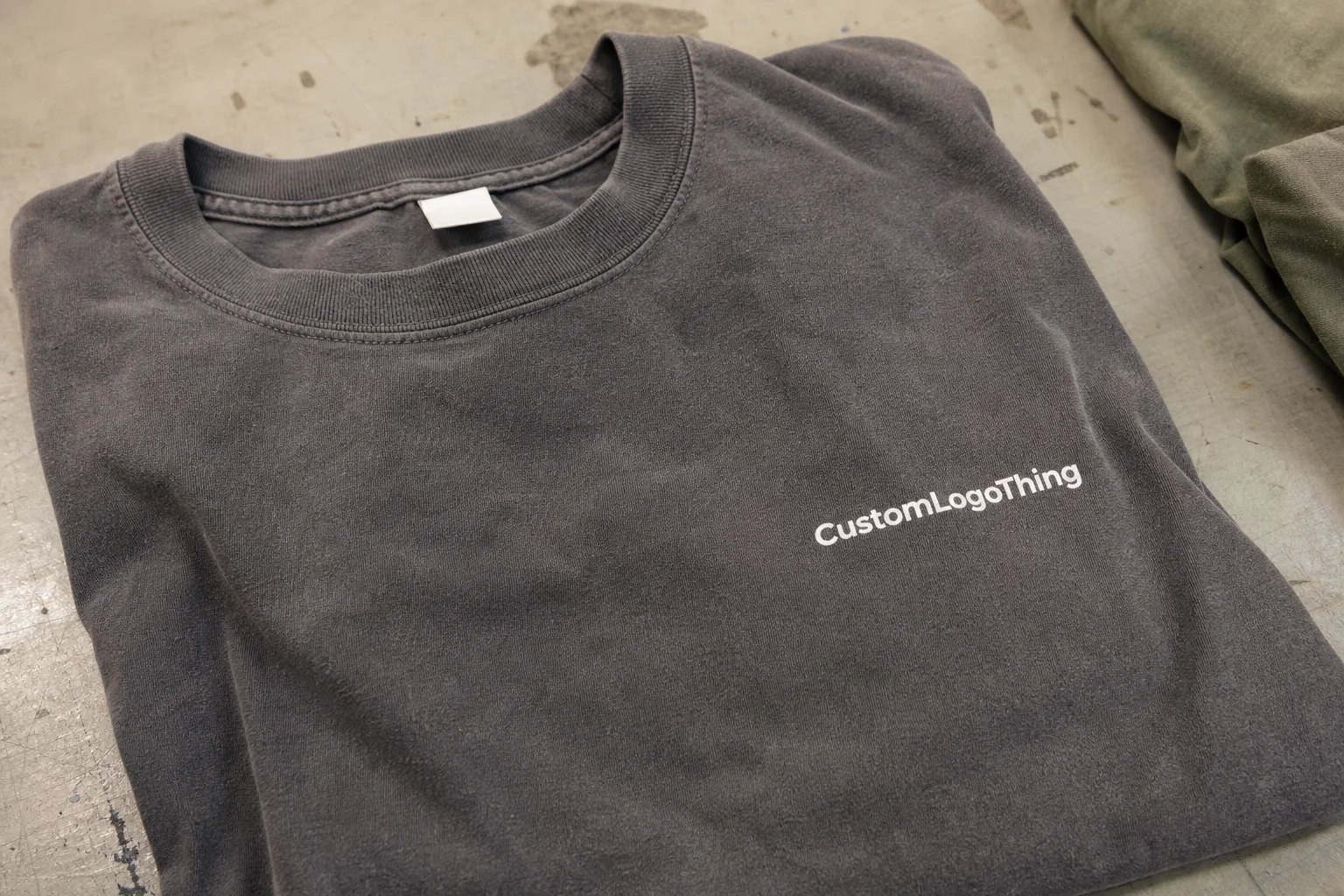
A garment tag is not just decoration. It is the first branded surface most buyers touch after the fabric itself, and that tactile moment matters more than a lot of brands assume. If the neck label scratches, twists, or looks off-center, the garment starts losing value before anyone reads the size or care instructions.
From a packaging buyer’s point of view, custom labels sit in the same family as branded packaging and package branding. They finish the product story. A clean woven label, a soft satin care label, or a neat heat-transfer mark helps the item feel deliberate, not improvised. That matters on shelf, in e-commerce photos, and in unboxing.
There are also practical reasons to get this right. Labels help with care instructions, fiber content, SKU organization, and brand recognition across multiple product lines. For resale, they can make a garment easier to authenticate. For wholesale, they signal that the brand understands the basics. That sounds simple because it is. Still, people mishandle it constantly.
Common label types include:
- Woven brand labels for logos and neck branding.
- Printed care labels for wash symbols, fiber content, and compliance details.
- Size tabs for quick sorting in production and retail.
- Heat-transfer labels for a tagless feel on skin.
- Hang tags for retail packaging and presentation.
The small choices matter more than first-time buyers expect. A label that works on a hoodie can fail on a fitted tee. A label that looks premium on outerwear can feel irritating in kidswear. And the material and fold often matter more than the artwork itself.
That last point surprises many first-time buyers. They focus on the logo and forget the garment context. A heavy satin label can sit beautifully inside a jacket and become a nuisance inside a lightweight tee. A dense woven design can look sharp in a digital proof and turn muddy once the threads compress at production size.
How the label production process actually works
The process is simple on paper. Send the artwork. Define the size. Choose the fold and finish. Approve the proof. Then production starts. In the real world, the quality of the spec sheet determines how much back-and-forth happens before anything gets made.
Woven labels are built on a loom, which means the design is translated into thread structure rather than printed ink. That gives them a crisp, durable look, especially for logos and short text. Printed labels use ink or thermal transfer, so they can hold finer text, care symbols, and small legal information with better legibility. Heat-transfer labels are applied with pressure and heat, which removes the physical tag entirely and gives a cleaner inside finish.
Most suppliers will turn your flat file into a proof or mockup before production. A decent proof should show:
- Actual size, not just a scaled screenshot.
- Color placement and thread or ink separation.
- Fold style, if any.
- Text hierarchy and line breaks.
- Attachment method or application direction.
Where mistakes happen is usually boring, which is why they are so expensive. People send artwork without size splits. They forget that a side seam label needs different proportions than a center-neck label. They approve a fold they never tested on the garment. Or they give vague instructions like “make it premium,” which is not a production spec. It is a feeling.
For durability testing, industry groups like ISTA are a useful reference point when labels are part of a broader shipping and handling system. For fiber or material sourcing, FSC certification can matter when labels are paired with Paper Hang Tags or FSC-certified packaging components.
A practical buyer should also ask how the label is checked during production. A good supplier will inspect thread tension, ink registration, cut consistency, and stitch alignment before the run is packed. Those are the checks that prevent a nice proof from turning into a messy shipment.
What changes when you choose woven, printed, or satin labels
The material choice is not cosmetic. It changes hand-feel, durability, legibility, and how the garment reads in the customer’s head. A woven label feels structured and brand-forward. Satin feels smoother and softer against skin. Printed labels are usually the best answer when small text matters and you do not want the bulk of thread build.
Here is the practical tradeoff: woven labels are usually the safest bet for brand identity and a premium finish, but they are not always the best for tiny care text. Satin works well for underwear, babywear, and lightweight garments where comfort matters more than structure. Printed labels are often the clear choice for care content, manufacturing details, and tagless applications.
| Label type | Best use | Typical feel | Strengths | Tradeoffs |
|---|---|---|---|---|
| Woven | Brand labels, neck labels, outerwear | Structured, textured | Durable, sharp brand look, strong shelf presence | Can lose tiny detail if artwork is too dense |
| Satin | Comfort-focused apparel, kidswear, lingerie | Smooth, soft | Comfortable on skin, attractive sheen | Less rigid, can feel too delicate for rugged garments |
| Printed | Care labels, size labels, tagless branding | Light, flat | Clear small text, good for wash info, lower bulk | Depends on ink quality and wash performance |
| Heat-transfer | Performance wear, minimal interiors | No physical tag | Cleanest feel, good for direct-to-skin wear | Application has to be controlled carefully |
Finish choices change the result too. A matte label reads quieter and more refined. A sheen finish can make the logo pop, but too much shine can look cheap if the garment itself is understated. Cut edge versus folded edge matters for comfort and appearance. Soft-touch constructions work well when the label sits directly on the skin. Structured edges can be fine on jackets and bags, but they can annoy people on tees.
This is where brand position enters the picture. If you are building a luxury-adjacent line, the label should match the product design, not fight it. If you are selling basic tees, overbuilding the label can be wasted money. Good packaging design knows when to add detail and when to stop.
There is a cost angle here too. A woven damask label with a clean fold and several thread colors will usually cost more than a simple printed size strip, but the price difference can be justified if the label is part of the product experience rather than just a compliance item. The mistake is paying for premium structure where the garment does not need it.
Step-by-step ordering checklist for first-time buyers
First, choose the exact job. Do you need a brand label, size tab, care label, or a multi-purpose set? If you try to make one label do everything, it usually ends up cramped and ugly. That is how people end up with tiny unreadable text and a proof they regret.
Next, build a simple spec sheet. It does not need to be fancy. It does need to be precise.
- Label type.
- Finished size in millimeters or inches.
- Fold style, if any.
- Thread or ink colors.
- Quantity.
- Attachment method.
- Garment placement.
Then check the artwork at real size. Tiny text is where a lot of custom labels online orders go wrong. Care symbols, fiber content, and legal wording need room to breathe. If your logo has thin lines, verify that they do not collapse in the proof. If the file looks crowded on screen, it will look worse on fabric.
Ask for a sample or a pilot run when the label will touch skin or carry compliance information. That is not paranoia. It is basic quality control. A label can look fine in a digital proof and still behave badly after stitching, washing, or heat pressing.
“The label is a tiny part of the garment, which is exactly why buyers underestimate it. Then they get the sample back and suddenly everyone notices the neckline.”
If you are also building Custom Labels & Tags alongside hang tags or product stickers, keep the visual system consistent. Repeating the same typeface, icon style, and spacing across the label and the rest of the branded packaging makes the whole line look more intentional. That consistency matters whether you sell direct-to-consumer or through wholesale accounts.
A useful habit is to compare the label against the garment’s construction, not just against the logo file. A narrow neck opening, a brushed interior, or stretch fabric can change the right label choice. Good buyers think in terms of end use, not just artwork.
Custom label pricing, MOQ, and unit-cost drivers
Pricing is where buyers often stop reading the spec sheet and start guessing. Bad move. The unit price is shaped by a handful of concrete variables: label size, color count, thread density, finish, fold complexity, and total quantity. If two quotes are not built on the same spec, they are not comparable. They are just numbers.
Minimum order quantity, or MOQ, matters because setup costs have to go somewhere. A low MOQ is convenient for testing, but the per-unit price usually rises because the supplier is spreading setup across fewer pieces. That does not automatically make small orders bad. It just means you should know what you are paying for.
Here is a realistic way to think about it:
- Simple printed care labels at higher quantities can land in a low per-unit range, sometimes well under a dollar once volume is high enough.
- Woven labels with multiple colors and a fold usually cost more, especially when the order is small.
- Heat-transfer labels can be economical for larger garment runs, but setup and application requirements still matter.
- Special finishes, metallic threads, and unusual cuts increase cost fast.
For reference, a quote for 5,000 pieces might look very different from a 250-piece test order. That gap is often the whole point. A buyer ordering for seasonal wholesale usually wants the lower unit cost. A smaller brand testing a new packaging direction might accept a higher unit cost to reduce risk.
Compare quotes by asking for the same spec, then checking the landed cost. That means unit price, setup charges, shipping, and any rush fee. A cheap sticker price means very little if the shipment arrives late or the label finish does not match the garment.
If your product line includes Custom Packaging Products such as cartons, mailers, or insert cards, use the same discipline there. The smartest brands do not optimize labels in isolation. They align label cost, packaging cost, and garment margin so the whole product line stays profitable.
One more buyer reality: the cheapest quote is often missing something. It may assume a simpler fold, fewer colors, standard shipping, or a longer lead time. A proper comparison should separate setup, production, and logistics so you can see where the money is going.
Production process, timeline, and turnaround expectations
A realistic schedule usually starts with proofing. That can take 1 to 3 business days if the artwork is clear. Production often takes 5 to 15 business days after approval, depending on the method, quantity, and current workload. Shipping adds more time on top of that. Anyone promising magic is probably hiding the parts that still need to happen.
What slows orders down? Revisions. Unclear color references. Missing size splits. Too many people giving different feedback. The usual comedy of errors. If you want faster turnaround, make the file cleaner before it enters the queue.
Rush production is useful, but it changes the tradeoff. Faster service usually means fewer options, fewer proofs, and a higher price. Sometimes that is worth it. If the launch date is fixed, you pay to control the calendar. If the deadline is flexible, there is no reason to burn money just to feel organized.
Build a buffer before a product launch, wholesale market, or seasonal drop. Labels are easy to ignore until they become the bottleneck. Then everyone acts surprised that the garments are ready but the inside branding is not.
For apparel brands that care about testing and durability, it is smart to ask how the label performs through wash cycles, abrasion, and heat exposure. That matters more on activewear and children’s garments than on a sample tee used for photography. A label should survive the actual product life, not just the photo shoot.
Color matching deserves its own caution. Thread, ink, and fabric do not always read the same way under different light. A label that looks right in an email proof can shift once it is stitched into a garment with a different base color. If brand color accuracy is central to the line, ask how the supplier handles matching and whether they use a physical reference or only a digital approximation.
Common mistakes that make labels fail after one wash
The obvious mistake is picking a material that does not match the garment. Scratchy woven edges on skin-facing products. Stiff labels in lightweight tees. Heat-transfer graphics applied without enough pressure or temperature control. The label does not care what you intended. It only cares what the fabric and process can tolerate.
Another common failure is typography. Tiny text gets crammed into a space that should have been split into two labels. The result is unreadable care details and a design that looks nervous. If your legal text is important, give it room. If it is not important, do not pretend it belongs on the same label as your logo.
Wash performance matters more than the mockup. A label can look perfect in proof and still peel, fray, curl, or crack after laundering. That is why sampling matters. It is also why buyers should not compare only unit price. Cheap labels are expensive if they fail, trigger reorders, or make the garment feel unfinished.
One more thing: do not ignore skin contact. A neck label on a heavyweight jacket can be fine with a firmer edge. The same construction on a baby bodysuit is a bad idea. The wearer will tell you immediately, usually by ripping it out.
There is also a packaging mistake that shows up constantly. Brands will choose a careful, durable label and then attach it with poor stitching or weak heat settings. The material may be fine, but the installation ruins it. If the attachment process is inconsistent on the production line, the final result will vary from garment to garment.
Good custom labels online orders are boring in the best possible way. They fit the garment. They survive use. They do not distract from the product. That is the goal.
Expert tips and next steps before you place the order
Ask for a real sample whenever the label touches skin, carries tiny text, or represents a premium product line. Digital proofs are useful, but they do not tell you how a finished edge feels or how the label behaves after washing. Samples do.
Start with one size and one fold. That sounds less exciting than launching five variants, but it reduces mistakes. Once the base version is proven on real garments, then add size tabs or alternate versions for different SKUs. Standardization is not glamorous. It saves money and prevents headaches.
Compare vendors on proof clarity, reorder speed, consistency, and communication, not just the lowest quote. A supplier that gives clean approvals and predictable reorders is worth more than one that saves a few cents but turns every order into a puzzle. Packaging design works the same way. Good systems reduce friction.
If you are matching labels to packaging, keep the whole presentation aligned: label, hang tag, mailer, insert card, and box. That is how package branding feels deliberate instead of improvised. It is also where custom printed boxes and label systems support each other instead of competing for attention.
For buyers comparing custom labels online, the smartest next step is simple: send the same spec sheet to each supplier, request a pilot run, and inspect the finished labels after washing before you scale. That is the difference between buying a label and buying a repeatable result.
If you are still narrowing the choice, a short checklist helps more than a long sales conversation: garment type, skin contact, wash frequency, legal text, order size, and acceptable lead time. Those six factors usually point to the correct material faster than any marketing pitch.
FAQ
How do I order custom clothing labels online?
Start with the garment type, label size, fold, material, and quantity so the quote matches the actual job. Approve the proof at real size and ask for a sample if the label sits on skin or carries small text. Confirm attachment method and turnaround before you pay, because those two details change the final result more than most people expect.
What is the minimum order for custom labels online?
MOQ varies by material and method, but lower minimums usually come with higher unit cost. If you only need a small run, ask for price breaks at 250, 500, and 1,000 pieces so you can compare the real jump in cost. The cheapest order is not always the best one if the label will be reordered often or used across multiple SKUs.
How long do custom labels online take to produce?
A typical timeline is proofing in 1 to 3 business days, production in 5 to 15 business days, then shipping after that. Rush orders usually reduce options and raise price, so they are useful only when the launch date is fixed. Build in buffer time if artwork, color matching, or size splits are still changing.
Which material is best for everyday clothing labels?
Woven labels are usually the safest bet for durability and a clean brand look. Satin is better when softness matters and the label sits directly on skin. Printed labels work well when you need readable care details or a lighter feel.
How do I keep custom labels online from looking cheap?
Use readable type, enough contrast, and a size that matches the garment instead of shrinking everything to fit. Choose a material and fold that match the product, because the wrong finish is usually what makes a label feel low-end. Test the label after washing and wearing, not just in the proof file.
Custom labels are a small purchase with outsized consequences. If you Choose the Right material, insist on a clean proof, and match the label to the garment instead of guessing, the result feels finished instead of improvised. That is the real value of custom labels online: they make the product feel complete Without Wasting Money on the wrong finish.