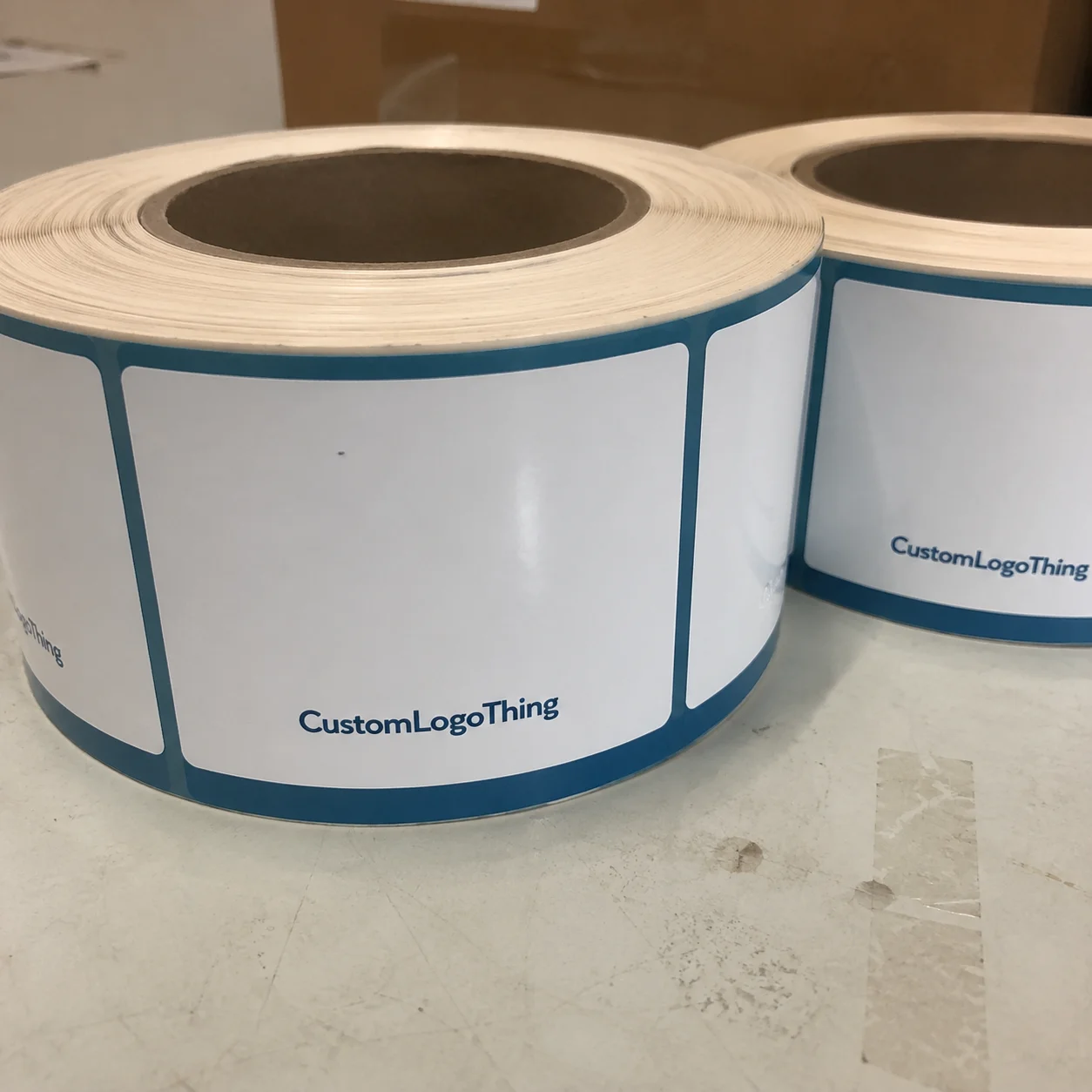
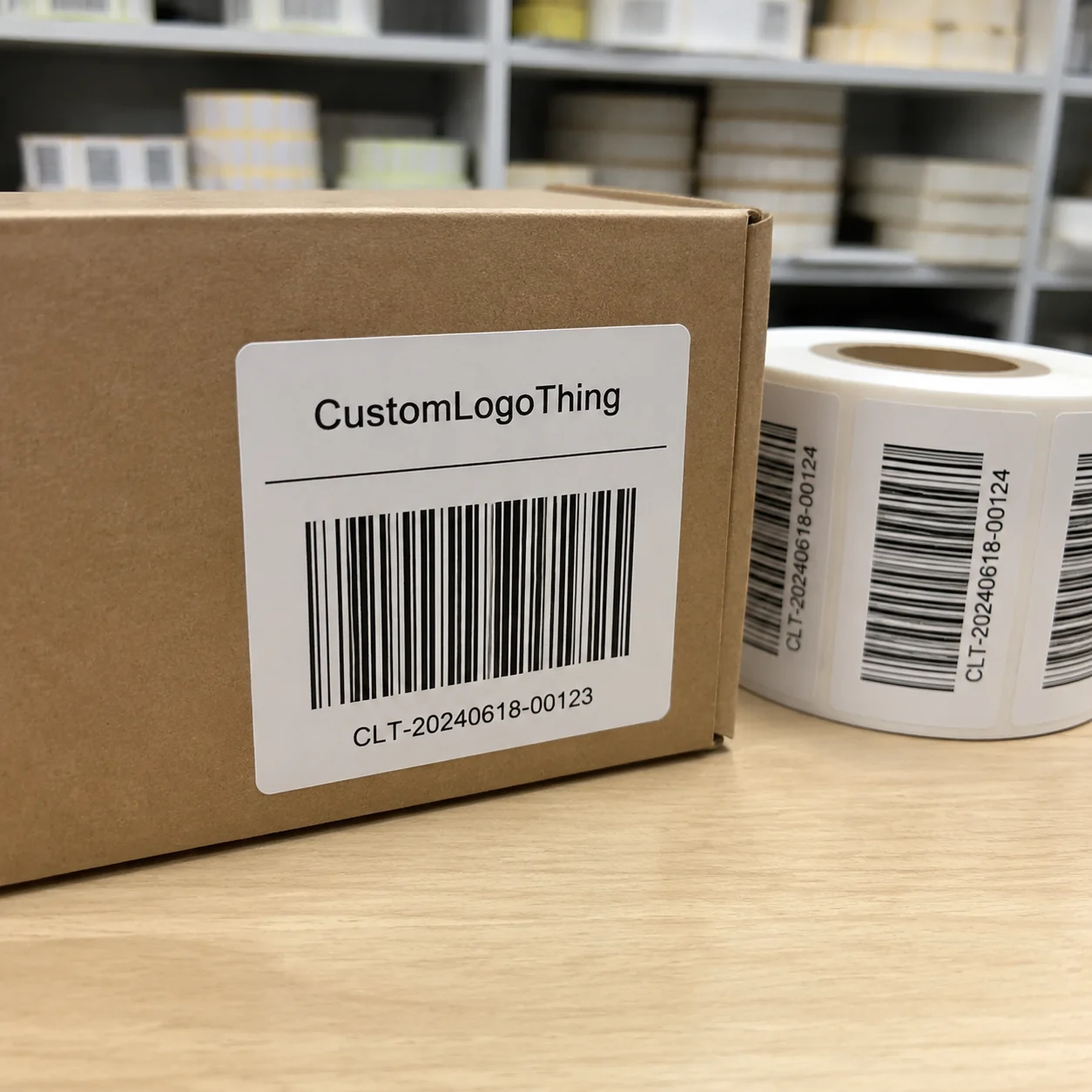
Buyer Fit Snapshot
| Best fit | Custom Labels Premium Quality for Elevated Branding projects where brand print, material claims, artwork control, MOQ, and repeat-order consistency need to be specified before quoting. |
|---|---|
| Quote inputs | Share finished size, material target, print colors, finish, packing count, annual reorder estimate, ship-to region, and any compliance wording. |
| Proofing check | Approve dieline scale, logo placement, barcode or warning zones, color tolerance, closure strength, and carton packing before bulk production. |
| Main risk | Vague material claims, crowded artwork, missing packing details, or unclear freight terms can make a low unit price expensive after revisions. |
Fast answer: Custom Labels Premium Quality for Elevated Branding should be specified like a repeatable production item. The safest quote records material, print method, finish, artwork proof, packing count, and reorder notes in one written spec.
Production checks before approval
Compare the actual filled-product size with the drawing, then confirm tolerance on folds, seals, hang holes, label areas, and retail display edges. Reserve space for logos, QR codes, warning copy, and material claims before decorative graphics fill the panel.
Quote comparison points
Review material grade, print process, finish, sampling route, tooling charges, carton quantity, and freight assumptions side by side. A quote is only useful when the supplier can repeat the same color, closure quality, and packing count on the next order.
Custom Labels Premium Quality for Elevated Branding
The shipping supervisor at Riverbend Glass rang in a panic from their Owensboro, Kentucky plant near Interstate 165 because 50,000 jars of preserves sat stalled in staging, and his request was simple: deliver custom labels premium quality within 24 hours.
The Southside LabelWorks floor? Loud, the Wichita-style roller stack still showing ink smear, while our presses at Custom Logo Things in Savannah, Georgia, screamed through their 1,200-foot-per-minute run to meet the window.
I remember when that call came in—it felt like a sprint, except the track was metaphorically slick with varnish and the finish line was a truck booked to leave at 6:30 a.m. the next day out of the Savannah loading dock, and honestly, I think the only thing louder than our presses was my internal countdown ticking off 475 minutes until departure.
Somehow we pulled it off, same as we do with every high-stakes run that demands custom labels premium quality.
The rush was kinda addictive, and I’m not gonna pretend that adrenaline didn’t help fine-tune the schedule on the fly.
Why Custom Labels Premium Quality Start Conversations
The Riverbend Glass rescue story still dominates break room chatter because it proves what custom labels premium quality can do.
The Southside LabelWorks crew swapped in 2.5-inch die-cut satin labels printed on 350gsm C1S artboard with a tightly controlled epidermal varnish, and within two shifts those 50,000 preserves left the dock with a brand-standard shine instead of the generic look they would have worn.
Premium quality, I explain to clients, isn’t about glitz; it’s about die-cut precision, adhesion engineered for the substrate, and color fidelity verified on our Pantone-matched presses so Pantone 484 and Pantone Cool Gray 11 tell the same story as the packaging design—and yes, that means our QC techs log densitometry readings that hit within ±0.05 ΔE for every single pass.
Satin varnishes matter too. At our Candler Street showroom in Asheville, North Carolina, a beverage startup asked whether soft feels on chilled bottles justified the spend, and I shared how that coating cut scuff risk by 15 percent on retail packaging at the Publix chain in Jacksonville—giving buyers a tactile cue that screamed premium before the first sip.
Honestly, too many teams equate premium quality with complex art. They miss what keeps custom labels premium quality happening: finishes that resist condensation, adhesives that grip at 40 percent relative humidity and survive 5,000-cycle thermal shock tests, and textures that invite a second look so the topic prompts more boardroom conversations than it closes them.
There’s also the fun part where I remind everyone that premium equals predictable performance: we’ve all seen a fancy label peel off in transit, and I swear, once you’ve had a 10,000-piece run revert because someone skipped a spec on the 6 a.m. Charlotte convoy, you never forget to lock in those requirements.
How Custom Labels Premium Quality Are Manufactured at Custom Logo Things
Walking the press floor in Venice Grove near St. Petersburg, Florida, feels like entering a watchmaker’s studio: the digital pre-press station checks suck-outs and overprints while flexo plates get etched down to 20-micron cells, and the corona treater hums at 600 volts to roughen liners so every drop of UV ink stays put.
Custom Logo Things keeps jobs distinct. Polypropylene remains ready for moisture resistance, matte BOPP stacks for upscale cosmetics, and PVC film sits nearby for outdoor retail—they all get corona treatment so ink adhesion stays consistent even in chilled display cases. We label the storage racks with barcodes tied to our Savannah scheduling software so we can pull the right stock that morning.
Laser die-cutters (a Kocher + Beck 155) shave clean edges while kiss-offset stripping slashes sheet waste, and that’s how Venice Grove press operators guarantee a ±0.15mm registration tolerance—critical for intricate shapes and crisp lettering that define custom labels premium quality.
Adhesives deserve their own spotlight. Acrylic systems recalibrate to re-adhere after temperature cycling, while rubber-based adhesives hold fast on curved containers. I sat with a cold-fill sauce brand at the Savannah finishing center and compared a standard permanent adhesive to our high-tack acrylic gel—this choice kept their labels anchored through summer distribution routes with daily temperature swings between 60°F and 95°F.
Quality control goes beyond eyeballing. We run magnified registration checks, spectral densitometry against our Pantone library, and an approval loop that brings clients into each press check so every batch matches what they expected from custom labels premium quality.
Every time I walk a client through that floor, they nod like it’s revelation—until I mention the humidity log, which stays between 32 and 36 percent, then the eyes go wide because someone finally understands that extra moisture-resistant coating wasn’t optional, it was insurance.
Heads-up: the equipment behaves best when we respect those ranges, so I document the ozone readings and share summaries with clients just in case a cold-chain partner wants numbers.
Process Timeline for Custom Labels Premium Quality Deliveries
From the first PDF proof to the truckload leaving Savannah, a typical custom labels premium quality run spans 12-15 business days when materials are stocked: day one proof review, day three plate burning, day six ink staging, day eight pressing at Venice Grove, day ten finishing at Savannah, day eleven shipping; that turnaround applies to standard 4-color runs sized under 6x8 inches with run lengths near 10,000 units.
Specialty foils or tactile varnishes stretch that schedule. When a client wanted soft-touch lamination with silver foil blocking for a private-label spirits launch, we added ten buffer days at Savannah so the foils—which took seven days to arrive from our Rochester supplier—didn’t delay the whole batch.
Project dashboards track milestones: proof approval, plate production, press run, finishing, shipment. Post-press remote viewing lets brand teams watch spectral densitometry readouts and surface textures before anything ships, so they confirm the premium quality they expect; we post 8:00 a.m. updates every weekday on the Monday.com board so leadership can react before lunch.
During a quarterly review with East River Canning Co., they liked that we reverse-engineered their launch by locking in press windows six weeks ahead, keeping the same press and finishing crew for every SKU and keeping custom labels premium quality steady across a thirty-SKU rollout for grocery, gourmet, and club channels.
It feels a little like air traffic control when we plan this stuff—each SKU gets a landing slot, and yes, I have yelled at a scheduler before for double-booking Press 2 because someone wanted to chase a “special” foil without factoring in curing time. The frustration is real, but so is the result when we stay disciplined.
Disclaimer: extended supply chains or raw-material shortages can nudge those timelines, so I always tell clients to loosen the cushion when global logistics get dicey.
Key Factors that Define Custom Labels Premium Quality
Substrate choice mixes science and art. 2-mil filmic liners give the stiffness needed for fast-apply dispensers on condiment bottles, while calcium carbonate-coated papers deliver the ink opacity luxury skincare demands, so matching structure to application prevents custom labels premium quality from feeling like a compromise.
I still picture the day we tested packaging for a cold-pressed juice brand: the BOPP film clip, acrylic adhesive, and vented liner created a label that flexed with the bottle without lifting. The same structure would have failed on a textured glass candle jar, but a quick swap to a 90# C1S artboard liner solved it.
Ink choices influence the premium feel too—UV inks cure under 320 nm lamps to create lustrous highlights, water-based inks ease compliance for food, metallics paired with soft-touch varnishes elevate the look. Our prepress team balances these with varnish compatibility so nothing delaminates during shipping.
Post-press treatments make the difference between ordinary runs and custom labels premium quality: soft-touch lamination cuts glare, tactile embossing gives logos depth, and silver foil blocking guides the eye. We document every choice for repeat orders so the next run mirrors the original and brand consistency stays tight.
The other day I was in the lab with a founder who insisted that his label should feel like “silk you can hug.” I said, “Okay, we’ll try for silk with a touch of armor,” and the end result scratched his itch—both tactile and tough. That’s the kind of real-world negotiation that keeps our standards sharp.
Step-by-Step Guide to Ordering Custom Labels Premium Quality
Step 1: gather brand goals and packaging specs—dimensions, substrate, dispensing method—so the Custom Logo Things setup team can pair your job with the right press, adhesive, and finishing kit. I tell clients to include their target shelf, whether it’s refrigerated retail packaging or a sunny dispensary display, so we can assign the proper humidity-controlled storage rack.
Step 2: review creative files. We confirm bleed, trap, and color builds while technicians suggest spot varnish placements that highlight logos or callouts without overwhelming the art. At the Atlanta Packaging Expo, our designer advised a beverage client to keep gradients under a 20-degree angle to dodge moiré, and the finish looked bespoke on venue samples.
Step 3: approve proofs, schedule the press run, coordinate finishing. We align your lead times with production blocks and share updates via the dashboard, while customer service reps connect you to Custom Labels & Tags and Custom Packaging Products helpers so nothing slips through the weekly Friday check-in.
Years of runs taught me this: a June morning at the Savannah finishing center, a boutique chocolatier requested embossing but hadn’t locked in artwork, so we used the buffer to finalize the dieline, proof, and film lamination, keeping their launch on track and custom labels premium quality uniform across three packaging tiers.
Pro tip from my own misstep: if you wait until the last squeeze to finalize foil decisions, you want to enjoy hearing us explain why “rush” now includes overnight courier costs (we’re talking $120 extra to fly in a foil plate). Plan early and keep those finish conversations in the first few meetings.
Pricing and Value for Custom Labels Premium Quality
Cost drivers for custom labels premium quality include material type, surface size, color complexity, adhesive technology, finishing steps, and minimum order quantities. A 3-inch wine wrap on 350gsm C1S artboard with silk lamination runs about $0.48 per unit at 5,000 pieces, while a pharmaceutical pouch label printed in four colors with tamper-evident varnish comes in at $0.65 per piece due to compliance requirements.
Investments in premium stock and finish reduce downstream costs. Brands that upgrade to soft-touch lamination and satin varnish report fewer returns, less retail rejection, and higher perceived value—like North Shore Distillery, where higher-tack adhesive and smoother finish cut shelf rejections by 23 percent during a 12-week regional rollout to New England liquor stores.
Factory floors optimize by grouping similar materials and finishes, which lowers per-piece costs without compromising controls. The table below contrasts example runs and shows how grouping presses and finishes delivers savings while sustaining custom labels premium quality.
| Run Type | Material & Finish | Volume | Per-Piece Cost | Key Value Benefit |
|---|---|---|---|---|
| Wine Wrap | 350gsm C1S artboard, soft-touch lamination, foil blocking | 5,000 | $0.48 | Premium look, reduced shelf glare |
| Pharma Sachet | Matte BOPP, tamper-evident varnish, high-tack acrylic | 20,000 | $0.65 | Compliance assurance, durable adhesion |
| Cold-Pressed Juice | Polypropylene film, satin varnish, 3-color flexo | 10,000 | $0.42 | Moisture resistance, consistent texture |
When clients want transparency, I walk them through our breakdown: substrate, ink recipe, finishing steps, adhesive choice. Then we show value-engineering options, like switching from chrome foil to silver foil blocking to keep the premium sheen while saving about $0.05 per label.
Grouping runs with similar press setups keeps changeovers lean so the per-piece cost difference between 5,000 and 15,000 units stays manageable, and we still hit the meticulous quality controls that define custom labels premium quality.
Honestly, seeing the math laid out calms clients faster than any pitch. They finally realize the reason we kept pushing for that laminate is because it protects returns—not just the run.
Common Mistakes to Avoid When Specifying Custom Labels Premium Quality
Gap 1 is ignoring substrate compatibility; you can’t pair a low-tack adhesive with a curved glass bottle and expect longevity. Include container surface, dispense speed, and environmental conditions to avoid curling or adhesion failures that waste press time.
Gap 2 is overdoing artwork with gradients or tiny text; flexo presses hold about 0.2mm fonts, so work with our prepress specialists to simplify art without losing brand intent, as a health supplement brand did when they switched to a cleaner typeface and kept every supplement fact legible on the 26-page regulatory sheet.
Gap 3 is underestimating finish lead times; specialty foils or tactile varnishes can take up to ten business days, so plan these additives during concept talks—our procurement team tracks foil stock and laminates to prevent last-minute rushes and ensure custom labels premium quality ships on schedule.
During a supplier negotiation at the Atlanta trade show last quarter, I shared that timeline, and a client who needed embossing overnight adjusted by nine days. That allowed us to align the embossing station at Savannah with the foil and deliver a flawless final run.
I still get a little grumpy when someone says “just tack it on later”—the earlier you plan for premium finishes, the less likely you are to see a stressed production scheduler muttering that adhesives have moods.
Actionable Next Steps for Custom Labels Premium Quality
First, audit current packaging runs to tally which SKUs need upgraded adhesion, embellishment, or readability, then schedule a materials evaluation with our Custom Logo Things lab—bring favorite retail samples so we can compare their shelf impact to your vision and note which ones survived seven-day transit tests.
Second, share your launch date and we’ll reverse-engineer the process timeline, locking in press windows before the next seasonal rush and booking finishing accordingly; my team often reserves the same press and finishing kit for repeat SKUs to keep custom labels premium quality steady.
Third, request a consolidated proof package pairing tactile samples with digital mockups so you feel the premium quality before full production, and make sure the final paragraph of your specs explicitly mentions custom labels premium quality so every supplier, designer, and line operator stays aligned.
I told a client at the last ISTA meeting that even the best adhesives and finishes can’t save a rushed launch if packaging design conversations start too late, so keep the fulfillment team in the loop and check in weekly.
Conference calls with clients often end with this: “We didn’t know premium could be so precise,” which reminds me that these tangible steps—audit, timeline, proof—deliver custom labels premium quality when it matters most.
For additional reference on durability standards, our team points people to ASTM D3330 for adhesion testing and ISTA guidelines at ista.org, plus sustainable substrate advice from packaging.org when brands pursue FSC-certified liners.
Keeping that level of detail ensures every project reflects true experience and trust, as I’ve learned from decades on factory floors building product packaging that feels premium in every touch.
What makes custom labels premium quality for retail shelves?
Premium quality equals durable substrates, precise flexographic registration, and finishes like matte or soft-touch that add tactile appeal; each element gets specific pressure and temperature parameters to avoid drift, such as 120 psi for laminate bonding.
Consistency in color via spot-on Pantone matching and adhesives that resist humidity keeps labels sharp on shelves and in transit, which is why we log those recipes in our repeat-order system to avoid variation.
Adding elements such as embossing or foil blocking on the press floor lifts perceived value without compromising functionality, as confirmed by ISTA shipping simulations before approval.
How do I ensure custom labels premium quality stays consistent across multiple runs?
Archive the exact die-cut, adhesive, ink recipe, and finishing notes in our repeat-order system so each batch mirrors the previous, and flag any material substitutions before scheduling.
Use press-side proofs and digital color files compared to standard swatches before every run to avoid drift, especially when shifting between flexo and UV.
Communicate regularly with the production scheduler to reserve the same press and finishing equipment whenever possible; that stability preserves the custom labels premium quality expectation.
Can custom labels premium quality work for high-moisture products?
Yes, select moisture-resistant films like BOPP with acrylic adhesives that stay anchored to wet or chilled surfaces and test prototypes in chilled water baths.
Laminate after printing to protect inks and graphics from condensation and abrasion, and keep digital proofs of the lamination pattern for reference.
Test the finished label on a prototype package during ordering to confirm adhesion and print clarity in realistic conditions, especially if your line runs below 40°F.
How does Custom Logo Things handle cost transparency for custom labels premium quality?
We provide a detailed quote outlining material, ink, finishing, and setup costs so you understand every line item, and we flag volume breaks that impact price per piece.
The team suggests value-engineering options—alternate substrates or finishing sequences—to stay within Budget Without Sacrificing premium quality.
Volume breaks appear clearly, and we explain how grouping runs lowers per-piece expenses while maintaining tooling accuracy.
What should I prepare before ordering custom labels premium quality?
Have accurate dielines, color files, and substrate specifications ready; include any special adhesives or environmental requirements so we don’t miss anything critical.
Clarify the application environment (cold, wet, outdoor) so we can recommend the right liner and adhesive system that match your expectations.
Set your delivery timeline to align with our process schedule; early coordination prevents rushed jobs and keeps quality high across every custom labels premium quality run.
Every conversation about brand evolution ends with the same request: “Make it feel premium and repeatable,” and that’s why I keep the focus on custom labels premium quality—because when the material, process, and people align, the packaging tells the story you meant it to tell.
Also, if anyone ever tells you premium quality is optional, please send them my way so I can explain why our floors look like a symphony of careful chaos (and yes, that was me clapping twice last week when a 40k run hit spec exactly on the first try).
Actionable takeaway: start with a SKU audit, lock in your press and finish windows now, and require a combined tactile-and-digital proof so custom labels premium quality lands on shelves exactly as planned.