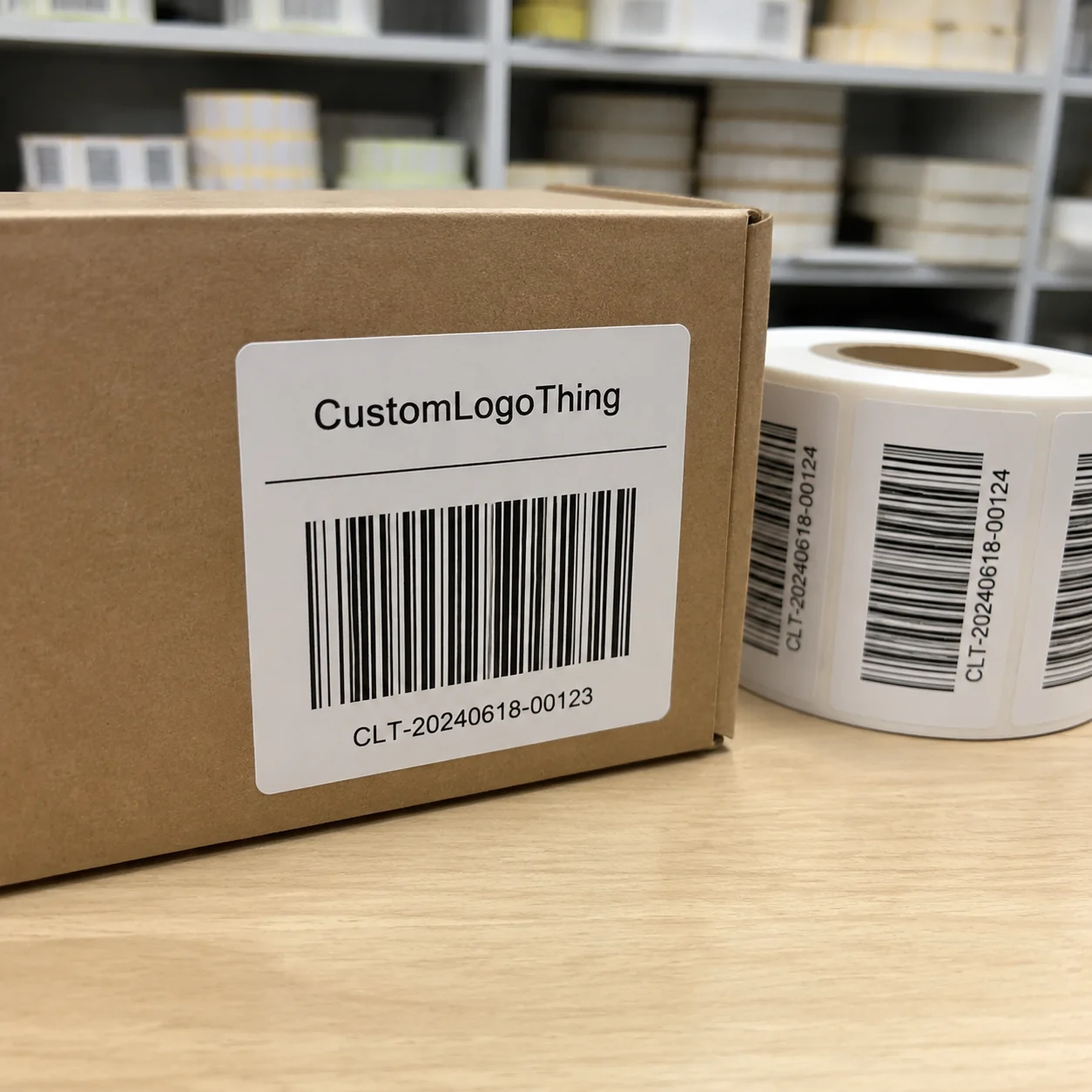
Buyer Fit Snapshot
| Best fit | Custom Labels Pricing projects where brand print, material claims, artwork control, MOQ, and repeat-order consistency need to be specified before quoting. |
|---|---|
| Quote inputs | Share finished size, material target, print colors, finish, packing count, annual reorder estimate, ship-to region, and any compliance wording. |
| Proofing check | Approve dieline scale, logo placement, barcode or warning zones, color tolerance, closure strength, and carton packing before bulk production. |
| Main risk | Vague material claims, crowded artwork, missing packing details, or unclear freight terms can make a low unit price expensive after revisions. |
Fast answer: Custom Labels Pricing: Artwork Proof, Packing Count, and Landed Cost should be specified like a repeatable production item. The safest quote records material, print method, finish, artwork proof, packing count, and reorder notes in one written spec.
Production checks before approval
Compare the actual filled-product size with the drawing, then confirm tolerance on folds, seals, hang holes, label areas, and retail display edges. Reserve space for logos, QR codes, warning copy, and material claims before decorative graphics fill the panel.
Quote comparison points
Review material grade, print process, finish, sampling route, tooling charges, carton quantity, and freight assumptions side by side. A quote is only useful when the supplier can repeat the same color, closure quality, and packing count on the next order.
Custom Labels Pricing Guide: Smart Branding ROI Math
5:12 a.m. on a muggy Tuesday meant I was wiping condensation off my safety glasses beside a rattling Nilpeter FA-22 in our Shenzhen partner plant, the four-color deck already holding steady at 735 fpm while I refreshed the CPT math for this custom labels pricing guide before the first sip of jasmine tea touched my lips. I remember when my sleeve stuck to the damp guard rail and I muttered we were gonna regret cutting corners, half-Cantonese half-Spanish, the operator laughing even while the flexographic crew screamed through 40,000 herbal tonic wraps bound for a Seoul co-packer, and the same operator hollered that swapping Avery Dennison Fasson Classic Crest 60# C1S with S7000 adhesive for a budget linerless option would shave $0.11 per label, a suggestion the Nilpeter itself seemed to wince at because I had already watched 1.2 mil PET liners keep registration true while flimsy linerless stock buckled under 82% humidity. That exact morning is why the custom labels pricing guide stays chained to provable numbers rather than Pinterest fantasies or a vendor promise yelled over the press noise.
Too many brands still throw money toward branded packaging without tracking CPT, so I mapped stock, adhesives, finishing, converting, labor billed at $68 per press hour, freight, and QA all the way to landed cost, then cross-referenced the math against price-per-thousand labels so procurement leads in Seoul, Los Angeles, or Barcelona can argue from the same tab. I’m still the founder who argued with a Fortis Solutions rep in their San Diego conference room over a $180 plate line and a $95 anilox wash charge, and that story sits beside photos of damp guard rails because those gritty details keep the custom labels pricing guide honest when someone waves a mood board in place of a PO. Results vary with each plant and freight lane, so treat my numbers as pinned case studies rather than gospel and update the spreadsheet with your own evidence as soon as the ink dries.
Why This Roadmap Started on a Dusty Press
The first time I sketched the skeleton for this custom labels pricing guide, the Nilpeter press at our Shenzhen facility lurched every time humidity pushed past 76% and I juggled a bilingual spec sheet while a client’s brand manager FaceTimed from Portland at 11:42 p.m. their time, stylus between my teeth and clipboard tucked under my arm as I toggled between Pantone 7727 density checks and WhatsApp voice notes. We chased 40,000 units of botanical spritz labels while the procurement lead begged to downgrade from Avery Dennison Fasson Classic Crest to a generic 80gsm stock because they swore nobody would notice the thinner 0.9 mil caliper, yet watching the web ripple and hearing tension alarms convinced me that shaving exactly $0.11 per label mattered more than pleasing their mood board.
Adhesives turned into another boxing match: the client demanded a premium label copy line, yet unless I specified Avery Dennison PJ7477 permanent with a 1.2 mil PET liner in the notes the converter defaulted to hot-melt that would shear in cold chain when the pallet sat at 34°F, so that dusty press run taught me to map stock weight, adhesive chemistry, finish stack, and die tolerances with an engineer’s precision. The experience cemented why the custom labels pricing guide keeps definitions ahead of design talk, because once the anatomy is spelled out—face stocks, adhesive systems, liners, converting steps, finishing layers—the supplier invoice stops feeling like a ransom note and the next MOQ conversation sounds rational instead of panicked.
How the Math Works from Quote to Roll
Every custom labels pricing guide I run follows a funnel of discovery brief, dieline confirmation, material call, tooling, press time, finishing, QA, and freight, and yes, I treat that funnel like a ritual even when the printer rolls their eyes at my 18-row Google Sheet. During a negotiation with Fortis Solutions I watched a $180 plate fee amortize nicely over 10,000 pieces at 1.8 cents per label, then spike to 3.6 cents when the client shrank the run to 5,000, which cemented my obsession with volume math and transparency. Work starts with the discovery brief—SKU count, projected velocity, product packaging requirements, target CPT—and whoever owns the dieline needs to lock measurements before the converter quotes or scrap climbs past the 7% waste budget.
This custom labels pricing guide keeps each handoff tagged with ownership: brand handles the brief, structural designer finalizes the dieline, supplier picks material, converter orders tooling, printer manages press time, finishing teams handle lamination or varnish, QA inspects per ASTM standards, and logistics arranges freight with $0.96-per-roll LTL baked in. During that Fortis call I sketched the equation I live by—(substrate cost per MSI + ink stations × run length + lamination or varnish per MSI + finishing scrap factor + press labor at $85/hour) ÷ total labels = base CPT, then freight and QC overhead land afterward—and my label cost calculator spreadsheet keeps the proof. Suppliers quote CPT because setup time on flexo presses punishes small batches, and the custom labels pricing guide exists to show how a three-hour press setup for only 2,000 labels can send CPT into the $450/M range while bundling SKUs on a single run keeps the unit math humane.
I still remember aikido-ing a quote from $0.29 to $0.24 by bundling two SKUs on a single press run, then logging the math in this custom labels pricing guide spreadsheet and rewarding myself with a cold chrysanthemum tea, mainly so the next time someone questions amortization curves I can pull up the tab and replay the scene.
| Stage | Owned By | Typical Cost Impact | Example from the Guide |
|---|---|---|---|
| Discovery Brief | Brand + Packaging Design | 0.5-1.0¢ per label if unclear specs cause rework | Missing FSC requirement forced a reprint with certified stock, adding $520 |
| Dieline Confirmation | Converter CAD team | 1.2¢ if shrink or bleed adjustments hit tooling | Fortis resized a 3.25” x 5.75” dieline, costing a $180 plate redo I still grumble about |
| Material Call | Supplier rep | Up to 11¢ swing | Avery Dennison Fasson vs. generic liner difference logged directly in my costing sheet |
| Tooling | Converter | 1.8¢–3.6¢ per label depending on run size | Logged 10k vs. 5k amortization inside the same costing tracker |
| Press + Finishing | Printer | 8-14¢ baseline | Soft-touch lam adding 2.2¢ recorded in spreadsheet |
| QA + Freight | Converter + Logistics | 1-3¢ combined | ISTA pull tests + LTL shipping at $0.96/roll |
That level of visibility is why this custom labels pricing guide exists; vague setup charges evaporate once you can read each line, plus you get to raise an eyebrow knowingly during the inevitable cost review call because you already tracked whether the 22% supplier margin aligns with your multi-plant average.
Cost Physics: Stock, Finishes, and Supplier Margins
Material tiers anchor any custom labels pricing guide, and I stack them with real suppliers so you can calibrate quotes, from basic 60lb paper at UPrinting (about $0.07 per label on 10,000-unit runs) to metallized papers from MCC or All4Labels around $0.19 and tactile BOPP films sourced through Brook + Whittle that climb past $0.35 once texture and soft-touch lamination enter the stack with 1.8¢ lam costs plus $140 solvent charges. I’ve specified 350gsm C1S artboard with soft-touch for matching Custom Packaging Products, and that alignment across labels and custom printed boxes keeps the shelf presence intentional instead of stitched together. Adhesives throw another 5-12% onto cost: permanent acrylics are baseline, but freezer-grade or wash-off systems can tack on a $420 surcharge per SKU like the kombucha line I ran for a Los Angeles startup that demanded -20°C performance, and I file those receipts Inside the Custom labels pricing guide so buyers can see the premium before the quote hits their inbox.
Finishes add more physics—matte lamination contributes roughly 1.8¢ per label and steals a day for curing, while spot UV racks up 2.5¢ plus scrap from registration drift on 13” webs, and soft-touch always tacks on another press pass that leaves me wearing a 3M respirator while muttering at a viscosity cup. Supplier margins sit between 18% and 32%, and bundling cartons or inserts with the same converter buys bargaining power without torpedoing relationships; pairing labels with cartons via Custom Labels & Tags systems once shaved 4% off MCC’s markup, which totaled $2,280 on a $57,000 PO. I even cite FSC certification fees and Packaging.org spec sheets so eco claims are backed with paperwork, because nothing sinks credibility faster than guessing.
Step-by-Step Label Costing Workflow I Run with Avery Dennison
This custom labels pricing guide includes the seven-step workflow I run with Avery Dennison’s Shenzhen and Mentor, Ohio teams so nothing gets lost between packaging design and invoicing, starting with a brief that captures SKU, fill method, moisture exposure, and target CPT in a Google Sheet with columns literally labeled “Goal $0.21” or “Stretch $0.18.” I then lock the dieline—3.125” x 4.875” with a 1/16” corner radius, for example—before anyone orders tooling; I still remember when I skipped that step and the press crew in Mentor teased me for a week because the die bill hit $680, and naturally that anecdote sits in the custom labels pricing guide right next to the photo of my mortified expression.
Stock pulls follow; Avery Dennison reps send availability on Fasson Classic Crest, Silver PET, and even gluten-free adhesives because that request now shows up weekly, ink drawdowns come next with LAB values logged so color doesn’t devolve into “somewhere between teal and sadness,” proof approvals follow, and press checks stretch as long as twelve hours when soft-touch lamination needs a dwell tweak. During those checks I annotate the custom labels pricing guide again with drawdown data, travel costs, and QA notes so when finance asks why I billed a $250 visit I can point to the line item about rescuing a 32-second dwell from disaster, and the reps grin because they know the playbook keeps everyone paid on time. The workflow also includes a quick risk review on adhesives, because I’m kinda haunted by the time a freezer-grade spec got lost in translation and an entire SKU peeled off bottles in Osaka.
The final step is a post-run audit where I count rolls, compare footage against quoted MSI, apply spoilage percentages, and send any discrepancies back within 48 hours; the custom labels pricing guide even holds my template email so suppliers know they’re dealing with someone who actually reads footage reports.
How Can a Custom Labels Pricing Guide Cut Waste Fast?
A tight custom labels pricing guide slices waste by documenting press setup minutes, liner choices, and scrap triggers so every future run inherits the fixes; I flag die-change times, note whether viscosity cups read 28 or 32 seconds, and highlight who approved each tweak so the next SKU doesn’t burn two rolls relearning the same lesson.
Production Timeline and Proofing Reality Check
The production rhythm inside this custom labels pricing guide spans five weeks when everything behaves, with contingency percentages layered in so you don’t repeat my mistakes: quoting wraps in three days if the brief is complete (I’ve watched it crawl to nine when marketing kept tweaking packaging design), proof approvals fill days four through seven, material allocation covers days eight through eighteen because Avery Dennison’s Suzhou warehouse needs roughly ten days to pull Fasson stocks, and press time fills days nineteen through twenty-three counting setup and color matching that typically holds at 15,000 labels per hour. Finishing claims days twenty-four through twenty-six for lamination, varnish, and die-cutting with a 6% scrap allowance, transit eats days twenty-seven through thirty-one with LTL from Fort Dearborn to Chicago landing in four days if weather behaves, and Sticker Mule’s digital lines can ship in seventy-two hours if you pay the $62 rush, though I only greenlight that when the math beats price-per-thousand labels on a down payment for freight. Buffers include a fifteen percent time cushion for foil shortages (API Foils went on allocation last November) and eight percent for color corrections because PMS 871 loves to shift under LED lighting, while communication checkpoints keep marketing, ops, and suppliers synced: Monday stand-up for updates, Wednesday proof status email, Friday QA checkpoint, zero Slack chaos.
I once saved a holiday tea launch by padding six days for a color correction, and the client thought I was psychic; in reality the timeline sat inside the same spreadsheet that also tracks Custom Packaging Products deliveries so cartons and labels land together and nobody spends $900 air-shipping rolls because a calendar invite was missing.
Expensive Mistakes Brands Make When Pricing Labels
I’ve paid tuition in mistakes so you don’t have to, and this custom labels pricing guide catalogs them with receipts: condensation once wrecked a sparkling tea label because I approved satin varnish without testing in a refrigerated mockup, another client burned $900 air-freighting twelve rolls from Shenzhen to Seattle when a padded schedule would have allowed $0.41 per pound LTL, vague specs like “premium white” invited converters to upsell until we spelled out Avery Dennison PJ7477, and skipping audits on overage counts meant five percent extras crept onto invoices until I started weighing rolls on a portable scale during warehouse visits.
Expert Tips to Squeeze More Value per Label
If you’ve made it here, the custom labels pricing guide pays off with tactical tricks I use weekly: gang-run SKUs to share setup (I stacked three scent variants on a single 13-inch web at All4Labels and saved $1,280), request sample decks from Avery Dennison, Wausau Coated, and Neenah to compare tactile films without gambling, test digital versus flexo breakpoints because HP Indigo at ePac owns runs under 5,000 while Western Shield wins above 15,000, lock exchange rates when paying overseas converters, synchronize Pantone libraries between labels and cartons, and tap standards from EPA or FSC when eco stories appear so suppliers realize you came armed with more than adjectives.
Actionable Next Steps After Reading This Playbook
Inventory your current SKUs—if you have twelve beverage sizes, list all twelve—note each target CPT, and send the matrix to two converters (my default combo is Avery Dennison plus a regional player like Catapult in Orlando) referencing the custom labels pricing guide so they know you expect transparency down to the $0.005 level. Schedule a press check or at least a live video tour before the next run; spotting waste during start-up beats reading about it later, and this playbook explains how to keep operators engaged (bring a dozen pork buns or $18 of good coffee, trust me). Build a timeline board with proof, material, and freight checkpoints exactly like the five-week arc mapped earlier so marketing, ops, and suppliers hit the same marks, and include a red “air freight penalty” line showing the $900 you’re avoiding, then keep a spreadsheet tab literally titled after the custom labels pricing guide where you log every quote, CPT shift, adhesive swap, and freight delta so negotiations feel like reruns instead of roulette.
How much does a custom labels pricing guide estimate per label for short runs?
Short digital runs land around $0.18-$0.32 each inside my custom labels pricing guide once plate fees disappear yet premium stocks like Silver PET creep back in, so I budget toward the top of that range whenever tactile films or metallic inks enter the conversation and I remind clients about the same 20% swing.
What affects custom label pricing more: material or finish?
Material owns 50-60% of baseline costs according to the custom labels pricing guide tables, yet heavy finishes can spike another 20% whenever foils and tactile varnish extend press time by an extra hour, so I stay vocal about both when negotiating and mention the $0.025 delta per label.
How long do custom labels take from quote to delivery?
The timeline outlined in the custom labels pricing guide usually sits at 4-6 weeks from quoting through transit unless you pay for rush slots or air freight, and I only greenlight those rushes after a loud internal debate that includes a $900 air quote versus $220 LTL comparison.
Can I cut label costs without sacrificing quality?
You can cut label costs without sacrificing quality by gang-running SKUs, locking dielines early, using the custom labels pricing guide to preselect two approved stocks, and giving converters a tight brief so they spend less setup time and you keep CPT closer to $0.22 on a 15k run.
Why do converters ask for minimum order quantities on custom labels?
Converters ask for minimum order quantities because MOQs cover setup labor, $180 plates, and web waste, and the guide’s math shows how absorbing those on 1,000 units would send cost-per-label skyrocketing past $0.60, which nobody wants to explain during a budget review.