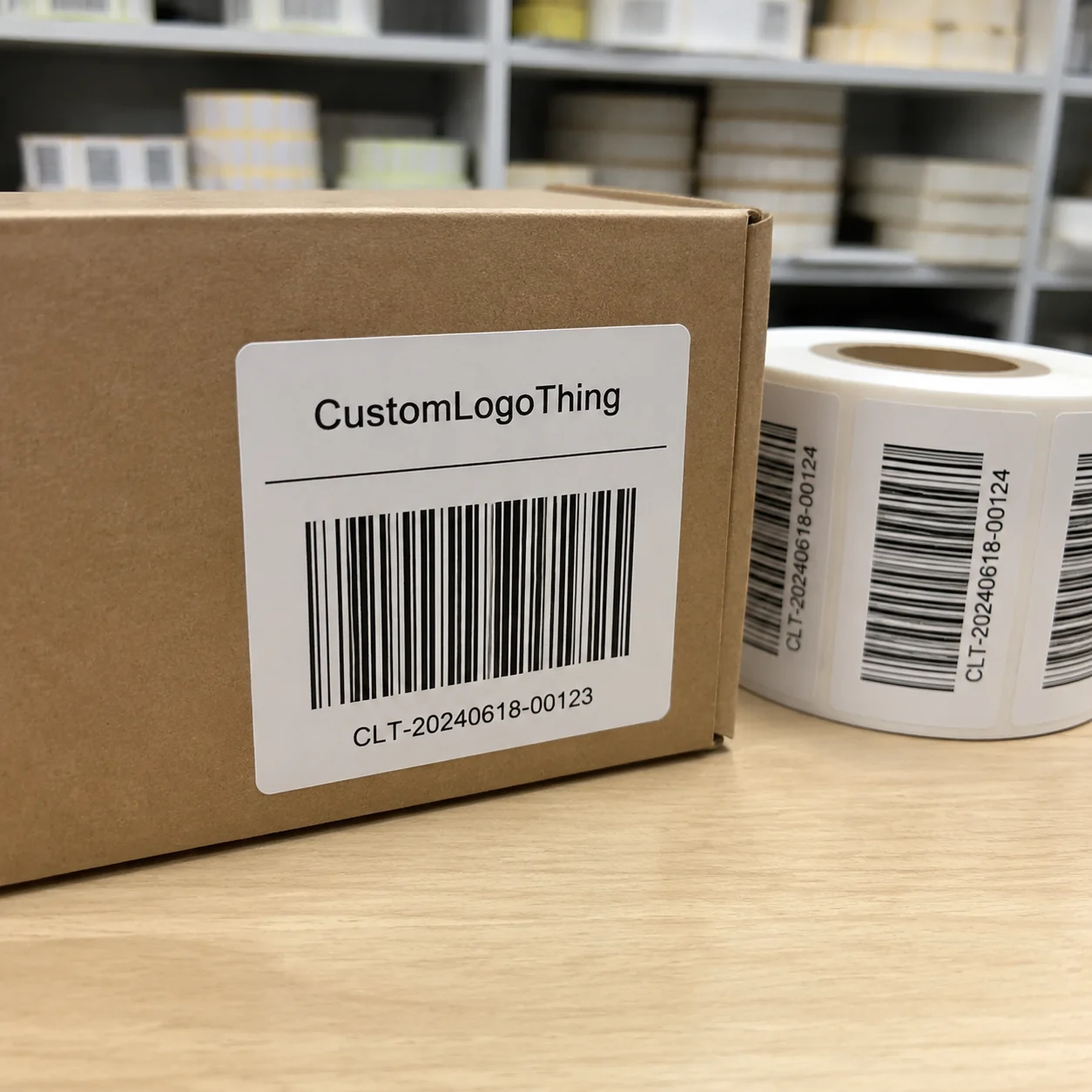
Buyer Fit Snapshot
| Best fit | Custom Labels Wholesale projects where brand print, material claims, artwork control, MOQ, and repeat-order consistency need to be specified before quoting. |
|---|---|
| Quote inputs | Share finished size, material target, print colors, finish, packing count, annual reorder estimate, ship-to region, and any compliance wording. |
| Proofing check | Approve dieline scale, logo placement, barcode or warning zones, color tolerance, closure strength, and carton packing before bulk production. |
| Main risk | Vague material claims, crowded artwork, missing packing details, or unclear freight terms can make a low unit price expensive after revisions. |
Fast answer: Custom Labels Wholesale: Pricing, Materials, and Ordering should be specified like a repeatable production item. The safest quote records material, print method, finish, artwork proof, packing count, and reorder notes in one written spec.
Production checks before approval
Compare the actual filled-product size with the drawing, then confirm tolerance on folds, seals, hang holes, label areas, and retail display edges. Reserve space for logos, QR codes, warning copy, and material claims before decorative graphics fill the panel.
Quote comparison points
Review material grade, print process, finish, sampling route, tooling charges, carton quantity, and freight assumptions side by side. A quote is only useful when the supplier can repeat the same color, closure quality, and packing count on the next order.
If you are comparing custom labels wholesale options, the first surprise is usually not the artwork cost or the print method; it is how much money you can save by upgrading the label instead of rebuilding the entire package. I have watched small food brands in a Chicago co-packer, cosmetic startups in a New Jersey fulfillment room, and beverage teams in a Shenzhen label house all get stronger shelf impact from custom labels wholesale than from jumping straight into custom printed boxes or a new container mold.
That is the practical value here. With custom labels wholesale, you can change the face of a jar, bottle, pouch, carton, or mailer without changing the structure underneath, and that keeps your product packaging budget under control while still improving branded packaging and overall package branding. A lot of buyers overcomplicate label buying because they focus on sticker price instead of unit economics, application speed, shelf performance, and how the label behaves after it leaves the press.
Why custom labels wholesale can lower packaging costs fast
The cleanest savings usually come from bulk printing on roll stock or sheeted formats, because setup costs get spread across more pieces and the press can stay running longer. On a flexographic line, for example, one die and one press setup can serve thousands of pieces; on digital equipment, the economics shift a bit, but custom labels wholesale still gains from repeat artwork, fewer interruptions, and less waste during changeovers.
I remember a private label snack client in Ohio who was ready to redesign a full carton structure for six flavors. We ran the numbers for custom labels wholesale instead, kept the same corrugated shipper, and applied a different front label to each SKU. Their unit savings were not dramatic on paper alone, but once we included tooling, freight, and assembly time, the label strategy saved them enough to fund a second production run for the slowest-moving flavor. That kind of decision is not flashy, but it is the sort that keeps a launch alive.
That is where labels do their best work: seasonal launches, SKU expansion, relabeling, and private label programs that need speed more than structural redesign. A jar can look completely different with a well-planned label, and a pouch can carry compliance copy, barcode data, and seasonal graphics without changing the film structure. For many buyers, custom labels wholesale is the most efficient way to refresh retail packaging without taking on the cost of Custom Packaging Products that require new dies, new carton engineering, or longer lead times.
Another advantage is flexibility across container types. I have seen the same brand use one label family across glass jars, HDPE bottles, kraft mailers, and folding cartons simply by adjusting the face size and adhesive. That kind of consistency helps custom labels wholesale support branding without locking you into one packaging format, which is especially useful when your sales team keeps adding channels and your forecast changes every quarter.
“The cheapest packaging decision is not always the lowest sticker price; it is the one that fits your run size, your application line, and your shelf goals without creating waste.”
If you want a broader supply view, our Wholesale Programs page is a good place to see how label buying fits into a larger packaging plan. I also recommend checking consumer packaging basics at Packaging School and industry resources if you are building an internal packaging spec sheet for purchasing and operations.
Custom label types and where each performs best
Not every label behaves the same on the line, and that matters more than most first-time buyers realize. Custom labels wholesale can include pressure-sensitive labels, roll labels, sheet labels, product labels, barcode labels, and wraparound options, each one suited to a different container shape and production method. A hand-applied craft jar needs something different from a 300-bottle automated filling line, and a label spec should reflect that reality from the start.
Pressure-sensitive labels are the workhorse format. They apply quickly, bond cleanly, and can be produced in paper, BOPP, vinyl, clear film, metallic stock, or textured materials. Paper is often the lower-cost choice for dry indoor products, while BOPP and other film stocks handle moisture, refrigeration, and abrasion much better. Clear film can create a “no-label” effect on glass, and metallic stock can add contrast for premium shelf presence, especially in beauty and beverage retail packaging.
When we ran a beverage project for a cold-fill bottling room in the Pacific Northwest, the issue was not color—it was condensation. The label looked great in the proof, but the wrong adhesive started lifting after the bottles came out of the chiller. We fixed it with a colder-surface adhesive and a BOPP face stock, which is a good reminder that custom labels wholesale should be judged against actual handling conditions, not just a desktop mockup. Proofs are helpful, but the line has the final say.
Adhesive choice matters just as much as face stock. Permanent adhesive is the default for most retail goods, while removable adhesive is useful for temporary promotions or short-term inventory control. Freezer-safe adhesive is built for cold chain products, and high-tack adhesive can help on corrugate, textured plastic, or surfaces with less surface energy. If your item sees refrigeration, condensation, or repeated handling, ask for the adhesive data before approving custom labels wholesale.
Finish options can change both appearance and durability. Matte gives a softer, more subdued look; gloss adds color pop and abrasion resistance; soft-touch creates a tactile premium feel; spot UV can highlight logos or product names; foil stamping adds reflective detail; and laminate protection helps labels resist scuffing and moisture. I usually tell clients not to buy every finish at once. Pick the one that supports the product’s price point and sales channel, then let the art do the rest.
Application method is another practical filter. Roll labels are the better choice for automated label dispensers and faster packing lines, while sheet labels are often simpler for short runs, hand application, or office fulfillment teams. If your production is scaling, the difference between hand labeling 500 units and running custom labels wholesale on rolls can show up immediately in labor minutes and registration consistency.
Material, print, and sizing specifications buyers should verify
Before you send artwork, lock down the technical basics. For custom labels wholesale, I always want to see dimensions, shape, bleed, safe area, core size, roll direction, and label gap. Those details decide whether the job runs cleanly or gets stuck in revisions. I have seen a 1/8-inch sizing error turn into a full day of reproofing on a line where the applicator head had already been set for the earlier spec.
Substrate choice should match the environment. If the label faces oil, condensation, abrasion, UV exposure, or repeated hand contact, paper may not be the right answer. BOPP is often the practical middle ground for durability and cost, while vinyl can hold up well in tougher environments. For premium custom labels wholesale, clear film and metallic stock can add visual depth, but those materials should be selected for a reason, not because they look flashy in a sample folder.
Print details deserve just as much attention. CMYK is the most common process for full-color labels, but spot colors help preserve brand consistency, especially if your logo uses a very specific red or blue. White ink underprint matters on clear or metallic materials, and barcode contrast should be checked against scanner requirements if the label carries retail or warehouse information. Fine type should be reviewed at actual size because what looks crisp on a screen can collapse on a small retail panel. For products that need compliance language, make room for ingredients, warnings, batch codes, or variable data before artwork is finalized. That is especially true in food, supplement, and cosmetics product packaging.
I recommend asking for dielines or a production proof every time. Curved containers, tapering jars, and small diameter bottles can distort artwork by just enough to throw off alignment, and that is where custom labels wholesale can go sideways if no one checks the geometry. If your label will be used in a regulated category, review the copy against current standards and your internal QA process, and if needed consult guidance from trusted bodies like the EPA for material and waste considerations or FSC if your packaging program includes certified paper sourcing.
Custom labels wholesale pricing, MOQ, and what affects your quote
Custom labels wholesale pricing is driven by a small number of variables, and once you understand them, quotes make a lot more sense. The biggest factors are label size, material, print method, quantity, finish, color count, and whether the order needs a standard die or a new custom die. A 2-inch round paper label with two colors is a very different job from a 4-inch clear BOPP label with white ink, matte laminate, and a special cut.
MOQ changes by production format. Digital print often supports lower quantities, which makes it useful for test runs or new launches, while flexographic production usually becomes more economical at higher volumes because press setup gets amortized across more pieces. That is why custom labels wholesale buyers should ask for both a short-run quote and a true wholesale quote. The right answer depends on whether you are validating demand or feeding an established SKU line with predictable reorders.
In practical terms, per-unit cost usually drops as quantity increases, but not in a straight line. A 1,000-piece order might carry a relatively high setup burden, while a 10,000-piece run can distribute that burden much more efficiently. Still, finishing choices can shift the break-even point. For instance, foil stamping, spot UV, or complex laminate work can add cost even at higher quantities, so do not assume every large order is automatically cheap. I have seen buyers get better economics from a simpler, higher-volume build than from a “fancier” spec that looked good in the mockup but did not improve sales.
Here is a useful planning framework for custom labels wholesale:
- Sample order: validate size, color, and adhesion on your real container.
- Short run: support a launch, seasonal offer, or limited test market.
- Wholesale run: fill established demand with repeatable pricing and consistent stock.
Always compare total landed cost, not just the label unit price. That means proofing, shipping, carton packing, and whether the order ships rolled, sheeted, or palletized. A lower unit price can disappear fast if the packing method is wrong for your warehouse or if freight gets expensive because the order was boxed inefficiently. Good custom labels wholesale planning treats logistics as part of the quote, not an afterthought.
What is the best way to order custom labels wholesale?
The best way to order custom labels wholesale is to start with the real container, the real use environment, and the real application method before you ask for pricing. If the label will go on a chilled bottle, a textured jar, a corrugated mailer, or a high-speed filling line, those details should shape the quote from the beginning. A label that looks inexpensive on a spreadsheet can become costly if it slows the line or fails in shipping.
Send complete specifications together: artwork dimensions, substrate preference, adhesive type, quantity, finish, and whether the labels will be roll-fed or sheeted. This reduces back-and-forth and helps the production team recommend a format that fits your operation. For many buyers, that approach turns custom labels wholesale from a sourcing chore into a straightforward packaging decision.
It also helps to ask for a proof against the exact dieline before you approve production. That is the easiest place to catch alignment issues, barcode problems, or missing copy. If you are buying for multiple SKUs, build consistency into the order by using the same material family and print standard across all label variations. That kind of discipline is one reason wholesale label programs hold up over time.
Ordering process and production timeline from proof to delivery
The cleanest label projects follow a familiar path: inquiry, quote, file review, proofing, approval, print production, finishing, quality check, and shipment. Custom labels wholesale orders move faster when the buyer sends complete information on day one, because every missing detail creates another review cycle. I have seen jobs lose three or four days simply because the customer could not confirm the container diameter or forgot to specify roll direction for the applicator.
To move quickly, send the logo file, artwork dimensions, label copy, substrate preference, quantity, and application method together. If you already know whether you need roll labels for a machine or sheet labels for hand application, say so. If the label needs to hold up in a cold room, on a dusty corrugate line, or near an oil-based product, say that too. The more production context you provide, the more accurate the custom labels wholesale quote will be.
Lead times depend on proof approval, finishing complexity, and material availability. A straightforward run with print-ready artwork may move in a relatively short window, while a project that includes special adhesives, white ink, variable data, or custom finishing will need more time. I always tell buyers to factor in a little breathing room before launch, because the best schedule is the one that leaves space for approval without putting pressure on shipping.
One client in Texas asked us to rush a label change for a new compliance statement after a retailer flagged the old copy. We caught a barcode contrast issue in proofing, adjusted the art, and delivered the rework before the first pallet left the warehouse. That is the kind of detail that makes custom labels wholesale valuable: the label is small, but the risk it carries is not.
Shipping options usually include boxed rolls, carton packing, and palletized freight for larger wholesale runs. If your team receives labels on a packing line, confirm core size and roll orientation before shipment. If the order goes to a fulfillment center, ask how they want cartons labeled so receiving does not get slowed down by mismatched paperwork. Clean logistics keep custom labels wholesale from becoming a warehouse headache.
Why choose Custom Logo Things for wholesale label production
At Custom Logo Things, the focus is practical: Materials That Work, print specs that hold up, and reorders that stay consistent. We understand what happens on a real production floor, from press registration drift to adhesive problems caused by condensation, carton dust, or rushed application. That matters because custom labels wholesale is not just a buying decision; it is a production decision that touches packaging design, line speed, and brand presentation all at once.
We help buyers choose between paper and film, matte and gloss, permanent and removable, roll and sheet, without loading the spec with features that do not add value. A lot of packaging suppliers oversell finishes because they sound premium. I would rather tell you when a simpler build is the better business move. That honesty has saved clients money on multi-SKU branded packaging programs where consistency mattered more than decoration.
Consistency across repeat orders is another place where good label production pays off. If your sales team reorders the same size, substrate, and dieline, you should expect color control, die consistency, and quality checks that keep the new run aligned with the last one. For brands with several product lines, that kind of stability is what makes wholesale ordering worthwhile. It keeps your shelves looking intentional, whether you are pairing labels with Custom Labels & Tags or building out a broader packaging family around cartons, inserts, and mailers.
We also keep communication direct. If a file needs cleanup, we say so. If a material choice is not the best fit for refrigerated use, we say that too. That kind of straightforward feedback is what wholesale buyers need when they are balancing launch dates, inventory, and cost targets across custom labels wholesale orders. Nobody has time for pretty language if the adhesive is gonna fail on a cold bottle.
How to place the right order the first time
Start with the basics: gather artwork, measure the container, define the application method, and decide how many labels you really need based on forecasted demand. Then ask for two quotes, one for a lower-MOQ test run and one for a true custom labels wholesale quantity, so you can compare unit economics before you commit. That comparison is often the difference between a cautious launch and an expensive overbuy.
Request substrate samples or a printed proof if the label must survive moisture, refrigeration, or heavy handling. Verify bleed, barcode readability, and adhesion on the actual container, not just on a flat desk sample. If your product is going into retail packaging, check the shelf facing and lighting too, because glossy film and metallic stock can behave very differently under warehouse fluorescents than they do under design studio lighting.
My advice, after two decades around label presses and packing lines, is simple: send all specs together. Dimensions, copy, quantity, surface material, adhesive preference, application method, and deadline should live in one place. That makes quoting faster, proofing cleaner, and scheduling more reliable for custom labels wholesale. If you are building a label program that supports your product packaging without wasting budget on unnecessary complexity, use the details above to get the process moving in the right direction.
FAQs
What is the minimum order for custom labels wholesale?
Minimums depend on print method, size, and material, and digital runs often support lower quantities than flexographic production. Ask for the MOQ by format so you can compare test quantities against full custom labels wholesale pricing.
Are custom labels wholesale cheaper than custom boxes?
Often yes, because labels can upgrade packaging appearance without replacing the full structure. They are especially cost-effective for existing containers, seasonal promotions, and multi-SKU product lines where custom labels wholesale avoids new box tooling.
Which label material is best for refrigerated products?
Choose moisture-resistant stocks such as BOPP or another film material with an adhesive rated for cold or damp surfaces. For refrigerated items, confirm condensation resistance and test adhesion on the actual container before placing a full custom labels wholesale order.
How long does wholesale label production usually take?
Lead time depends on proof approval, material availability, finishing, and order size. Standard orders move faster when artwork is print-ready and the specifications are confirmed upfront for custom labels wholesale.
Can you reorder custom labels wholesale with the same color and size?
Yes, if the previous job used the same dieline, substrate, and print specs. Save approved files and order history so repeat runs stay consistent across batches, which is one of the biggest advantages of custom labels wholesale.