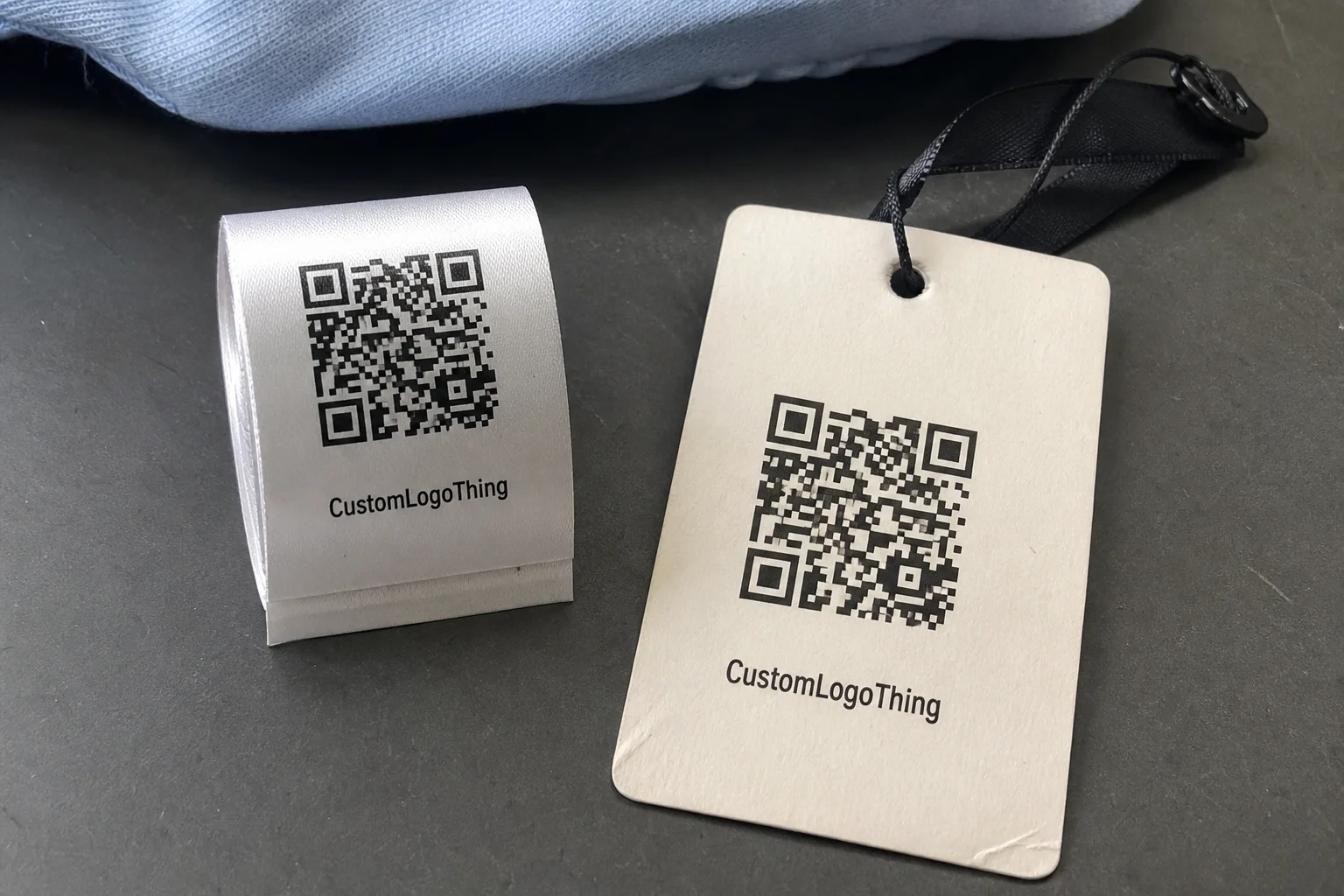
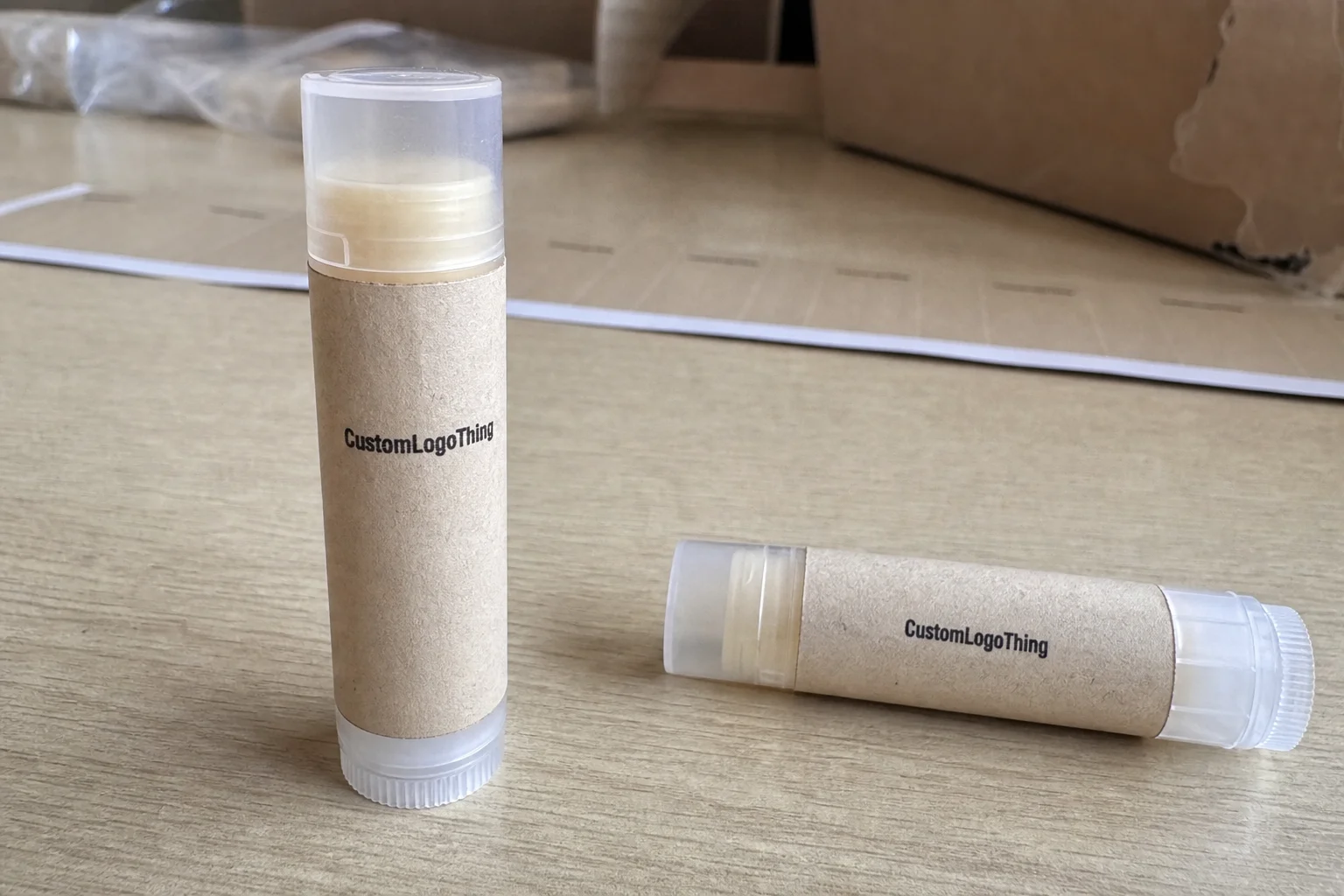
Buyer Fit Snapshot
| Best fit | Custom Labels Wholesale projects where brand print, material claims, artwork control, MOQ, and repeat-order consistency need to be specified before quoting. |
|---|---|
| Quote inputs | Share finished size, material target, print colors, finish, packing count, annual reorder estimate, ship-to region, and any compliance wording. |
| Proofing check | Approve dieline scale, logo placement, barcode or warning zones, color tolerance, closure strength, and carton packing before bulk production. |
| Main risk | Vague material claims, crowded artwork, missing packing details, or unclear freight terms can make a low unit price expensive after revisions. |
Fast answer: Custom Labels Wholesale: Pricing, Specs, and Ordering should be specified like a repeatable production item. The safest quote records material, print method, finish, artwork proof, packing count, and reorder notes in one written spec.
Production checks before approval
Compare the actual filled-product size with the drawing, then confirm tolerance on folds, seals, hang holes, label areas, and retail display edges. Reserve space for logos, QR codes, warning copy, and material claims before decorative graphics fill the panel.
Quote comparison points
Review material grade, print process, finish, sampling route, tooling charges, carton quantity, and freight assumptions side by side. A quote is only useful when the supplier can repeat the same color, closure quality, and packing count on the next order.
If you’re comparing custom labels wholesale, the first thing I’d tell you is this: the cheapest-looking quote is often the most expensive mistake. I remember standing on a press floor in Shenzhen while a 1,200-piece run got chewed up by setup waste, color tweaks, and one badly written artwork file. The client thought they were saving money. They weren’t. With custom labels wholesale, the real savings show up when setup costs get spread across more units, print consistency improves, and you stop reordering tiny batches every two weeks. That part is less glamorous than a shiny quote, but a lot more useful. In one Guangdong factory, the difference between a 1,000-piece and 10,000-piece run was nearly $0.24 per unit once plates and make-ready were included.
I’m Sarah Chen. I spent 12 years in custom printing, and I’ve negotiated enough label jobs to know where money gets burned. Honestly, I think this industry loves to hide the messy details until you’re already committed. On a good day, custom labels wholesale keeps your unit cost low and your brand consistent across every SKU. On a bad day, it turns into a pile of revisions, damaged rolls, and a freight bill you didn’t budget for (which, yes, is exactly as fun as it sounds). So let’s talk about the numbers, the specs, and what actually matters before you place an order. Most of the factories I’ve worked with were in Shenzhen, Dongguan, and Ningbo, and the same lesson kept repeating: details decide margins.
Custom Labels Wholesale: Why Buying in Bulk Saves Real Money
The first time I watched a small label order get priced out, the client was furious. They wanted 1,000 labels for a new serum, and the quote came back at $0.31 per label. Then we re-ran the same design at 10,000 pieces and the unit price dropped to $0.07. Same art. Same stock. Same finish. The difference was setup, plate amortization, and how much waste the press could absorb without making the job unprofitable. That’s the brutal math behind custom labels wholesale. Not romantic, but very real. On a 10,000-piece run in Shenzhen, a 4-color BOPP label can often land around $0.08 to $0.14 per unit, while the same piece at 1,000 units may sit closer to $0.28 to $0.40.
Wholesale pricing works because three costs shrink as volume rises. First, the printer buys material in larger rolls or sheets, which usually lowers the base cost. Second, setup time on press gets spread over more units. Third, shipping becomes less frequent, which matters more than people think if you’re ordering product packaging every month. If you’re buying labels alongside Custom Packaging Products like cartons, inserts, or mailers, you can often coordinate procurement and cut total landed cost instead of paying for three separate shipments. A consolidated order from Yiwu or Dongguan can also reduce freight by $80 to $260 on a modest pallet shipment, depending on the lane.
There’s also the consistency angle. A 500-piece label run can vary more from batch to batch because there’s no long production window to stabilize color. A larger custom labels wholesale order gives the operator room to dial in registration, check ink density, and hold the same finish across the run. That matters if you’re building branded packaging for a line of candles, tinctures, or gourmet sauces where one weird shade of blue makes the whole shelf look off. I’ve seen one slightly wrong blue make a premium product look like it was assembled in a hurry, which is not a vibe anyone is paying for. If the stock is 350gsm C1S artboard for cartons and the labels are 60-micron BOPP, the visual mismatch becomes obvious under store lighting in under three seconds.
Here’s the real question buyers should ask: does wholesale make sense for your business model? If you’re a startup with one SKU and a design that changes every month, maybe not. If you’re running six SKUs, selling through retail packaging, or planning repeat orders every 60 to 90 days, custom labels wholesale usually saves money fast. In my experience, the break-even point tends to show up once you know your artwork won’t change every other week. And if it does change every week, well, good luck to your production team. They will remember. On repeat orders, I’ve seen reprint costs drop from $180 to under $35 once the spec was locked and the dieline was saved.
One client I worked with sold supplement jars and insisted on small runs because “cash flow.” Fair enough. Then they reordered five times in four months, paid three rush fees, and burned through enough shipping charges to cover a larger run upfront. We reran the numbers, moved them to custom labels wholesale, and cut their per-unit label cost by about 42%. Not magic. Just math and fewer interruptions. Their labels were printed in Dongguan, and the production timeline went from six separate 500-piece jobs to one 5,000-piece run with a 14-business-day turnaround after proof approval.
Not every bulk order is smarter, though. If your label needs variable names, seasonal artwork, or a pilot test for a new scent, short runs can be the better move. I’d rather say that plainly than pretend every order belongs in wholesale. The right answer depends on how stable your packaging design is, how many SKUs you manage, and whether your team can store inventory without turning the office into a cardboard cave (a surprisingly easy thing to do, apparently). A 2,000-label test run from Shenzhen can be the right call if your shelf life is only 90 days and your design is still being refined.
Custom Labels Wholesale Product Options and Use Cases
Custom labels wholesale is not one product. It’s a category with a lot of moving parts. You’ve got roll labels for automatic or hand application, sheet labels for office use, sticker labels for promos and inserts, tamper-evident labels for security, bottle labels for beverage and cosmetic containers, and product identification labels for logistics or internal tracking. If someone sells you “labels” without asking where they’ll be applied, they’re not helping you. They’re guessing. And guessing is expensive when it shows up on a pallet of finished inventory. In one warehouse job I reviewed in Ningbo, a 2 mm mismatch caused 300 rolls to stall at the applicator.
Roll labels are the workhorse. I’ve seen them used for jars, bottles, pouches, and mailers because they run well through dispensers and label applicators. Sheet labels make sense for lower-volume office workflows or when a team is hand-applying. Sticker labels are the flexible option for giveaways, inserts, and promotional packaging. Tamper-evident labels are common in supplements, electronics, and any product where the customer Needs to Know if the seal was broken. With custom labels wholesale, the format should match the way you actually pack orders, not the way your mood board looks. A 3-inch core roll for machine application in a facility near Shanghai is a very different job from a 25-sheet carton sticker order in a small studio in Austin.
For food and beverage, I usually recommend a moisture-resistant stock or a BOPP label if the container will touch condensation. Cosmetic brands often want a matte finish because it reads cleaner and more premium. Candle brands like textured paper or soft-touch laminate because it fits a more natural brand story. For shipping and warehouse applications, a strong adhesive matters more than visual flair. That’s the unglamorous truth about custom labels wholesale: your best option depends on use case, not just aesthetics. For cold-chain products in Toronto or Chicago, a freezer-grade adhesive can prevent edge lift after 48 hours in refrigeration.
Finish changes perception fast. Matte gives a softer, more expensive look. Gloss makes color pop and helps graphics stand out under bright retail lighting. Clear labels create a no-label effect on glass, which is great for serum bottles and specialty beverages. Foil can make a small package feel more premium, but it also raises cost and requires careful file prep. I’ve seen brands spend an extra $600 on foil because they wanted shelf impact, then save $1,800 by standardizing every SKU around the same label size. That’s smart package branding. That’s also how custom labels wholesale should be handled. A gold foil accent on 10,000 units in Shenzhen might add $0.06 to $0.12 per label, while a plain gloss laminate may add only $0.01 to $0.03.
Adhesive choice matters just as much as finish. Permanent adhesive is the default for most product packaging. Removable adhesive works when labels need to peel cleanly from glass or temporary containers. Freezer-safe adhesive is a must for cold storage and frozen food. High-tack adhesive is useful for rough surfaces, recycled board, or packaging that faces humidity. If your label will go on a curved bottle or a corrugated mailer, don’t assume one adhesive fits all. It doesn’t. I wish it did. It would save everyone a few gray hairs. For bottles stored in warehouses in Vancouver or Minneapolis, a high-tack acrylic adhesive can outperform a standard rubber-based one by a wide margin.
“We thought the finish was the main decision. It wasn’t. The adhesive was.” That came from a client in natural cosmetics after their labels started lifting on chilled bottles. We fixed it with a freezer-safe BOPP label and a stronger adhesive. Problem solved in one reorder. Their reprint in Dongguan took 13 business days from proof approval, and the labels held through 72 hours of refrigeration.
Here’s the checklist I use with buyers before we quote custom labels wholesale:
- Packaging shape: flat, curved, tapered, or textured surface.
- Application method: hand-applied, semi-auto, or automatic machine.
- Storage environment: dry room, refrigerated, frozen, humid, or oil-prone.
- Desired look: matte, gloss, clear, metallic, or foil accent.
- SKU consistency: one label family or multiple versions with matching stock.
- Branding goal: natural, luxury, retail-ready, or utility-focused.
If you manage multiple product lines, consistency becomes expensive if you ignore it. Brands often mix stocks across SKUs and end up with one label reflecting light differently than the other. That breaks shelf harmony. For custom labels wholesale, I usually advise standardizing stock, finish, and color profile across the line unless there’s a very good reason not to. It keeps your retail packaging cleaner and your reorders simpler. A 50mm x 80mm matte BOPP label and a 52mm x 82mm gloss paper label may sound close, but on a shelf in Los Angeles or London they read as two separate brands.
Custom Labels Wholesale Specifications You Need Before You Order
If you want a clean quote for custom labels wholesale, bring the specs. Not half of them. All of them. I’ve had clients send “2x3 labels, maybe glossy?” and then wonder why the quote bounced back with three questions and no price. The printer needs exact dimensions, shape, material, finish, adhesive, core size, roll direction, and print method. Skip one of those, and you’re probably paying for revisions later. Possibly more than once, because the first correction rarely teaches the lesson on its own. A label shop in Shenzhen or Guangzhou will usually ask for the same eight details before they even touch the press schedule.
The key specs are straightforward, but they matter. Size should be exact, not approximate. Shape should be described as square, rectangle, circle, oval, or custom die-cut. Material can be paper, BOPP, vinyl, or specialty stock. Finish is matte, gloss, soft-touch, clear, foil, or UV coating. Adhesive should match the surface and environment. Core size matters if the labels are going on an applicator. Roll direction matters if your machine feeds labels a certain way. Print method affects cost and color control. With custom labels wholesale, every detail changes the quote. A 3-inch core on a 1,000-roll run is very different from a 1-inch core on a hand-applied sheet order.
File prep is where a lot of money gets wasted. Send vector artwork whenever possible. AI, EPS, and print-ready PDF files are the standard because they keep edges sharp and text readable. Use a dieline so the printer knows the cut path. Include bleed, usually 1/8 inch or 3 mm depending on the factory. If you care about color matching, provide Pantone references. RGB screenshots look fine on a laptop and then turn into a mess on press. That’s not the printer being difficult. That’s just physics, plus a screen that is lying to you in pretty colors. A 1000 x 1000 pixel logo file will not hold up next to 8-point type on a 40 mm bottle label.
I once had a client bring in a label design saved as a 600-pixel JPG. Tiny text. No dieline. No bleed. They wanted 8,000 bottles done in two colors, and the logo had to line up with a clear window on the jar. We spent more time fixing the file than printing the job would have taken. I remember staring at that JPG and thinking, “Brave choice.” That’s why custom labels wholesale buyers who send clean files usually get faster proofs and fewer surprises. In one case, a poor file added four days before a factory in Dongguan could even start proofing.
Some specialized options deserve a closer look. Waterproof labels are useful for cold, damp, or wash-down environments. Oil-resistant labels matter for cosmetics, bath products, and kitchen goods. UV coating helps when products sit in sunlight or bright retail displays. Metallic stock can add shine without full foil coverage. Variable data printing is used for batch codes, serial numbers, expiration dates, or personalized names. If you sell in regulated markets, those details may be part of compliance, not decoration. A 5000-piece supplement run for California distribution may need batch numbering down to the lot.
Tolerances also matter. A label that’s off by even 1 to 2 mm can jam an applicator or sit crooked on a bottle neck. If you’re using automatic equipment, ask the printer for exact roll dimensions, spacing, and unwind direction. A sloppy roll spec can cost you an afternoon of machine downtime. I’ve seen it happen in our Shenzhen facility, and yes, the production manager was thrilled in the way only production managers can be thrilled — which is to say, not thrilled at all. A machine running 80 labels per minute can stop dead because one roll was wound the wrong way.
Here’s a practical material comparison for custom labels wholesale:
| Material | Best For | Durability | Typical Cost Level |
|---|---|---|---|
| Paper | Dry goods, short shelf life, retail inserts | Basic | Lowest |
| BOPP | Beverage, cosmetics, moisture exposure | High | Moderate |
| Vinyl | Outdoor use, durable product identification | Very high | Higher |
| Specialty stock | Luxury branding, premium retail packaging | Depends on coating | Highest |
If you’re unsure what to pick, match the stock to the environment first, then budget second. That’s the order that saves headaches. And if your line includes both labels and boxes, it helps to coordinate with Custom Labels & Tags so the printed color and overall package branding stay aligned across product packaging and custom printed boxes. A 350gsm C1S artboard carton and a 60-micron BOPP label can look like they came from the same family if the color profile is set correctly.
One more thing: don’t assume curling is a design problem. Sometimes it’s the wrong stock for the product environment. Paper labels can curl on cold bottles. Some adhesives fail on textured surfaces. Gloss can smudge if the ink system isn’t suited to the job. For custom labels wholesale, matching stock to actual conditions is more important than picking the prettiest finish. I’ve watched more than one “beautiful” label turn into a practical headache because nobody asked what the bottle would actually live through. A label that looks great in Guangzhou at 25°C can behave very differently in a 4°C cooler in Montreal.
Custom Labels Wholesale Pricing, MOQ, and What Affects Cost
Let’s talk money. custom labels wholesale pricing usually comes down to seven variables: material, size, shape complexity, number of colors, finish, quantity, and shipping destination. If any one of those changes, the quote changes. People hate that answer because it sounds inconvenient. It is inconvenient. It’s also accurate. Manufacturing rarely cares about our desire for tidy simplicity. A factory in Ningbo may quote one price for a 70 x 120 mm paper label and a very different one for a 65 x 100 mm custom die-cut BOPP version.
MOQ exists because the printer has fixed costs. Plates, setup, calibration, press time, and quality checks don’t vanish just because the order is small. If a factory spends $180 on setup and your order is only 500 labels, that setup cost hits each unit hard. If the same setup is spread across 10,000 labels, the per-unit burden drops fast. That’s why custom labels wholesale almost always makes more sense above a certain volume. In many Shenzhen shops, the minimum is not about greed; it’s about covering 30 to 45 minutes of press setup and inspection.
Here’s a simple pricing example based on real quoting patterns I’ve seen:
| Quantity | Standard Paper Label | BOPP Waterproof Label | Foil/Metallic Label |
|---|---|---|---|
| 1,000 pcs | $0.24–$0.38/unit | $0.29–$0.46/unit | $0.42–$0.70/unit |
| 5,000 pcs | $0.08–$0.16/unit | $0.12–$0.22/unit | $0.20–$0.38/unit |
| 10,000 pcs | $0.05–$0.11/unit | $0.09–$0.18/unit | $0.16–$0.30/unit |
Those are not magic numbers. They vary by factory, country, and current material pricing. But they show the pattern. A 1,000-piece order can cost three to four times more per unit than a larger custom labels wholesale run. If someone offers a price that seems too low, ask whether setup, proofing, plates, and freight are included. There’s usually a catch hiding in one of those line items, and it usually waits until the very last email. A quote that excludes air freight from Shenzhen to Los Angeles can look $140 cheaper and still cost more at delivery.
Hidden costs are where buyers get annoyed. Proofing can be free or charged. Plate costs may apply to certain print methods. Rush production can add 15% to 30%. Split shipments can get expensive fast. If your design changes after approval, expect a correction fee or a full reprint if the mistake is on your side. I’ve seen a “cheap” quote balloon by $220 because the buyer changed a barcode after proof approval. That’s not fraud. That’s process. Annoying process, but still process. A barcode shift of 1.5 mm can be enough to trigger a reproof.
If you want better pricing on custom labels wholesale, negotiate the structure, not just the number. Consolidate SKUs if the label size can stay the same. Simplify the die-cut shape. Standardize core sizes. Keep one finish across a product family. Use the same stock for your entire line whenever possible. Those decisions reduce press changes and material waste, which is exactly where the savings come from. If you’re coordinating labels with broader Wholesale Programs, ask for combined sourcing. Sometimes the best savings come from one order plan, not one line item. A shared 80mm x 120mm format can cut tooling complexity dramatically.
One buyer I worked with had nine SKUs and wanted nine different label sizes. We cut that to four shared formats, kept the same adhesive across the line, and saved them almost $1,100 on the first custom labels wholesale order. They still got a differentiated look. They just stopped paying for unnecessary complexity. Funny how that works. Budget spreadsheets tend to get very persuasive when you show them real numbers. Their repeat order from Dongguan arrived in 12 business days after proof approval and came in 7% under the original budget.
For brands comparing labels against broader branded packaging spend, it helps to think in total package cost. A premium label, a custom printed box, and the right shipping carton should all feel like one system. If the label looks luxury but the carton looks like it came from a moving supply catalog, the package branding falls apart. Buyers notice. Retail buyers definitely notice. A $0.12 label on a 350gsm C1S artboard carton can lift the whole presentation, but only if the color and finish are coordinated.
Custom Labels Wholesale Process and Timeline from Artwork to Delivery
The process for custom labels wholesale is usually simple if you prepare properly. It starts with a quote request, moves into artwork review, then proof approval, production, finishing, quality control, packing, and shipping. The steps are predictable. The delays are not. Most delays happen because somebody forgot to send a dieline, asked for a color revision after approval, or changed the quantity after the press had already been scheduled. I’ve watched a factory lose half a day because one brand manager needed “a little more gold” on a foil label. A little more gold is never just a little more gold. It’s usually a detour, and nobody asked for one. In our Shenzhen workflow, that sort of change can push a job back 24 to 48 hours.
Standard orders can move faster than specialty jobs. A straightforward paper roll label might be produced in 8 to 12 business days after proof approval. A BOPP waterproof label with custom die-cutting and foil can take 12 to 18 business days. If the order needs variable data, complex finishing, or multiple SKUs packed together, add more time. Freight also matters. Air shipping can get labels to you in days, but it costs more. Freight is cheaper on large orders, but the schedule stretches out. That’s the trade-off. For a 10,000-piece order leaving Shenzhen, air can add $180 to $400 to the budget, while sea freight may save money but extend delivery by 2 to 4 weeks.
Before you request a quote for custom labels wholesale, have these items ready:
- Final label dimensions in inches or millimeters.
- Quantity by SKU.
- Material preference, if known.
- Finish preference: matte, gloss, clear, foil, or UV.
- Adhesive requirements.
- Artwork files in AI, PDF, or EPS.
- Any machine specs, including core size and roll direction.
- Delivery location and target date.
That checklist saves time because it cuts out guesswork. If you’re using a label applicator, include the machine model. If the labels are going on refrigerated products, say that upfront. If the package will sit near sunlight, mention UV exposure. A decent factory will ask those questions anyway, but you’ll get a cleaner quote if you answer them first. That’s especially true for custom labels wholesale projects where one wrong assumption can mess up a whole production slot. A facility in Dongguan will usually respond faster when it knows whether the core must be 3 inches or 1.5 inches.
I had a client in beverage packaging who approved a proof at 10 a.m. and then changed the bottle diameter at 4 p.m. They forgot the label needed to wrap differently. The press slot was already locked. We either stopped production and lost time, or we ran the original spec and risked a fit issue. Nobody loves that conversation. The smarter move is to freeze specs before proof approval. It sounds obvious. People still skip it, which is why I keep saying it out loud. One late diameter change can turn a 12-business-day job into a 16-business-day one.
Shipping choice can be a big budget item. For 5,000 to 10,000 labels, air can be worth it if you need a launch date and the order value supports the freight cost. For bigger bulk runs, sea freight or consolidated trucking often makes more sense. There’s no universal rule. The right answer depends on weight, destination, and how much inventory you can hold. custom labels wholesale is as much about logistics as it is about print quality. A 40 kg shipment to Chicago and a 180 kg shipment to Rotterdam should not be treated the same way.
For buyers looking at technical standards, packaging and label durability should be tested against real conditions, not just guessed. If the label is for a product that ships through temperature swings, check adhesive performance and abrasion resistance. Industry groups like ISTA and material references from PMMI are useful when you’re thinking about transit and packaging performance. If you want sustainability credentials, FSC-certified paper options can matter for broader brand claims, and the official standard is at fsc.org. I’m not saying every label needs lab testing. I am saying assumptions are expensive, and assumptions have a nasty habit of showing up as returns. For a carton-and-label program running through Portland or Vancouver, a 24-hour temperature swing can matter more than the design mockup.
Why Choose Us for Custom Labels Wholesale
Here’s my honest take: most buyers don’t need more hype. They need a supplier who answers quickly, quotes clearly, and doesn’t invent extra charges halfway through the job. That’s where custom labels wholesale should feel different. At Custom Logo Things, the goal is simple: make the spec clear, keep the pricing readable, and deliver labels that match the approved proof. No drama. No mystery invoices. No “unexpected” material upgrades that somehow appeared after you signed off. I’ve seen enough nonsense in this business to know that buyers are usually asking for basic respect, not miracles. A transparent quote for a Shenzhen-produced job should tell you if the label is paper, 60-micron BOPP, or vinyl before you approve anything.
We work with buyers who need repeatable specs, not one-off chaos. That means we pay attention to core size, roll direction, adhesive performance, and finish consistency across repeat orders. If you’re reordering the same label, you should not have to rebuild the whole job from scratch. We keep the production notes tight so your second, third, and fourth runs stay aligned. That matters for brands using custom labels wholesale as part of a larger packaging system that includes product packaging, retail packaging, and branded packaging across multiple channels. A saved spec can shave two full days off the next reorder.
I also care about the unglamorous part: quality checks. I’ve seen printers ship rolls with slight die-cut drift or color variation that only shows up once the customer starts applying labels to bottles. That’s avoidable. A proper check at the factory saves money later. We’re not trying to “win” a print job by underquoting and hoping nobody notices the issues until after delivery. That trick is old, and frankly, lazy. It also makes everyone’s inbox much worse. A 1 mm drift on a 65 mm circle label can ruin an applicator run in under an hour.
If you’re comparing suppliers, ask who is actually handling material sourcing, proof approval, and QC. A packaging specialist usually gives you better control than a generic broker who farms the order out and disappears. The difference shows up in response time, color stability, and the number of follow-up emails you need to send. With custom labels wholesale, fewer surprises usually means a better total cost, even if the first quote isn’t the absolute lowest. A factory in Guangzhou that owns its own press line is often a safer bet than a middleman who can’t tell you the unwind direction.
We also help first-time buyers who are learning the process. That includes explaining why a 1,000-piece order behaves differently than a 10,000-piece run, or why a clear label on glass needs better file prep than a paper label on a box. If you’re already buying from Custom Packaging Products, it’s easier to keep the whole package strategy aligned. Labels, boxes, inserts, and shipping materials should not fight each other visually. They should look like one brand. A 350gsm C1S artboard mailer and a gloss BOPP bottle label can still feel related if the colors and margins are planned together.
I won’t promise every order will be the cheapest on the planet. Anyone who does that is either guessing or lying. What I will say is this: a well-managed custom labels wholesale order should save time, reduce reordering headaches, and give you cleaner consistency across your line. That’s what good sourcing looks like. If the labels are produced in Shenzhen and packed with tracked cartons in 12 business days, that’s not luck; that’s process done correctly.
What should you prepare before ordering custom labels wholesale?
Before you place an order for custom labels wholesale, start with the practical pieces: exact dimensions, label shape, material, finish, adhesive type, and how the labels will be applied. If you’re using an applicator, note the machine model and core size. If the product will sit in cold storage, mention refrigeration or freezer conditions. That single conversation can prevent a lot of rework later. A little upfront detail is cheaper than a reprint, and a reprint is never just a reprint; it’s time, freight, and a frustrated team.
Next Steps for Ordering Custom Labels Wholesale
If you’re ready to place a custom labels wholesale order, start with the basics. Measure the packaging surface. Decide whether the label will be hand-applied or machine-applied. Pick a material that fits the environment. Gather your artwork files. Then request 2 to 3 comparable quotes so you can see where the differences actually are. One supplier may include proofing. Another may charge extra for die-cutting. Another may hide freight until the end. Comparing apples to apples matters, even if nobody enjoys the spreadsheet gymnastics. A proper comparison should also show whether the labels are coming from Shenzhen, Dongguan, or Ningbo, because factory location can change transit time by several days.
If the labels will touch food, cosmetics, or refrigerated packaging, I strongly recommend ordering a proof or sample first. You do not want to discover adhesive failure after 8,000 units are already printed. That’s a costly lesson, and I’ve seen brands learn it the hard way. For custom labels wholesale, a small proof run is cheap insurance. A $45 sample roll can prevent a $2,400 reprint if the stock is wrong.
Use this pre-order checklist:
- Confirm exact dimensions.
- Choose the material and finish.
- Confirm adhesive type.
- Prepare vector artwork and dieline.
- Specify quantity by SKU.
- State application method and machine specs.
- Confirm delivery address and deadline.
Then move in order: measure, choose stock, send artwork, approve proof, confirm timeline, and schedule delivery. That sequence sounds basic because it is basic. The reason it works is that custom labels wholesale gets easier when you don’t keep changing the rules halfway through. If your brand needs labels, tags, and related packaging pieces in one place, start with Wholesale Programs and keep the buying process organized. A 12- to 15-business-day window from proof approval is realistic for many standard runs when specs are locked early.
My closing advice is simple. Don’t buy labels by price alone. Buy them by fit, finish, and repeatability. The right custom labels wholesale order saves money because it matches your packaging design, your application process, and your product environment from the start. If you want a better quote, bring better specs. If you want fewer reprints, approve cleaner artwork. And if you want a label that actually supports your package branding instead of fighting it, choose the wholesale path that fits your business, not the one that just looks cheap on paper. A $0.15 per unit label at 5,000 pieces can be a better purchase than a $0.09 label that peels in transit from Shanghai to Seattle.
What is the minimum order for custom labels wholesale?
MOQ depends on label size, stock, and print method, but custom labels wholesale orders usually start at a few hundred to a few thousand pieces. Lower quantities cost more per label because setup and press time get spread across fewer units. Ask for MOQ by material and finish, since standard paper labels and premium waterproof labels often have different minimums. In Shenzhen, a paper roll label might start at 500 pieces, while a specialty foil label could require 1,000 to 3,000 pieces.
How much do custom labels wholesale cost per label?
Cost depends on material, size, finish, colors, and quantity. Simple paper labels are usually cheaper than waterproof, foil, or specialty adhesive labels. The fastest way to get an accurate number is to quote the exact size, shape, and quantity instead of guessing. That gives you a realistic custom labels wholesale price instead of a vague range that tells you almost nothing. As a reference, 5,000 standard paper labels might land near $0.08 to $0.16 per unit, while 5,000 BOPP labels often price around $0.12 to $0.22 per unit.
What file format should I send for custom labels wholesale?
Vector files such as AI, PDF, or EPS are best for clean print output. Include dielines, bleed, and Pantone colors if you need precise matching. Low-resolution JPGs usually slow down proofing and can create avoidable print issues. Clean files make custom labels wholesale quoting faster and reduce the chance of rework. A print-ready PDF with a 3 mm bleed and outlined fonts is usually the safest starting point.
How long does production take for custom labels wholesale?
Production time varies by quantity and complexity, but standard label orders move faster than custom shapes or specialty finishes. Proof approval and artwork readiness are the biggest factors affecting the timeline. Shipping method also matters; air is faster, freight is cheaper for large orders. For custom labels wholesale, the timeline is usually more predictable when the specs are finalized before proofing. Typical production is 12 to 15 business days from proof approval for standard runs, while foil or complex die-cuts may take 15 to 18 business days.
Can you reorder the same custom labels wholesale design later?
Yes, if the specifications are saved correctly, reorders are usually faster and simpler. Keep the exact size, stock, adhesive, and finish consistent to avoid color or fit changes. It helps to save approved artwork and order notes so the next run matches the first one. That’s one of the biggest advantages of custom labels wholesale: repeatability gets easier once the setup is locked in. A reorder from a Shenzhen or Dongguan factory can often move 2 to 4 business days faster because the dieline, core size, and file setup are already on record.