Buyer Fit Snapshot
| Best fit | Custom Lamination on Recycled Boxes projects where brand print, material claims, artwork control, MOQ, and repeat-order consistency need to be specified before quoting. |
|---|---|
| Quote inputs | Share finished size, material target, print colors, finish, packing count, annual reorder estimate, ship-to region, and any compliance wording. |
| Proofing check | Approve dieline scale, logo placement, barcode or warning zones, color tolerance, closure strength, and carton packing before bulk production. |
| Main risk | Vague material claims, crowded artwork, missing packing details, or unclear freight terms can make a low unit price expensive after revisions. |
Fast answer: Custom Lamination on Recycled Boxes: Benefits and Costs should be specified like a repeatable production item. The safest quote records material, print method, finish, artwork proof, packing count, and reorder notes in one written spec.
Production checks before approval
Compare the actual filled-product size with the drawing, then confirm tolerance on folds, seals, hang holes, label areas, and retail display edges. Reserve space for logos, QR codes, warning copy, and material claims before decorative graphics fill the panel.
Quote comparison points
Review material grade, print process, finish, sampling route, tooling charges, carton quantity, and freight assumptions side by side. A quote is only useful when the supplier can repeat the same color, closure quality, and packing count on the next order.
Custom Lamination on Recycled Boxes: Benefits and Costs
A retail buyer who has watched cartons come off a truck with rubbed corners and scuffed solids knows why custom lamination on recycled boxes gets attention fast. The finish can turn a package that looks tired after transit into one that still feels intentional on shelf, and that matters more than people sometimes admit. It also gives the board a more substantial hand-feel, helps slow down moisture damage during storage, and keeps print detail cleaner on a recycled surface that would otherwise pick up wear pretty quickly.
The real value of custom lamination on recycled boxes sits beyond shine or tactile appeal. The question is how the carton behaves after it leaves the pressroom, gets cut, folded, packed, shipped, stacked, opened, and handled by someone who may judge the entire product by that first touch of the box. That is the part brands feel in the field, not in the mockup stage.
In packaging reviews, I have seen buyers focus only on appearance and then get surprised when the box cracks along a score or scuffs badly in the warehouse. That is usually a sign the finish was chosen too early and the structure was not tested enough. A good lamination spec is not glamorous, but it saves headaches later, and honestly, that is the kind of unsexy decision that keeps a launch from getting kinda messy.
What custom lamination on recycled boxes changes in the real world
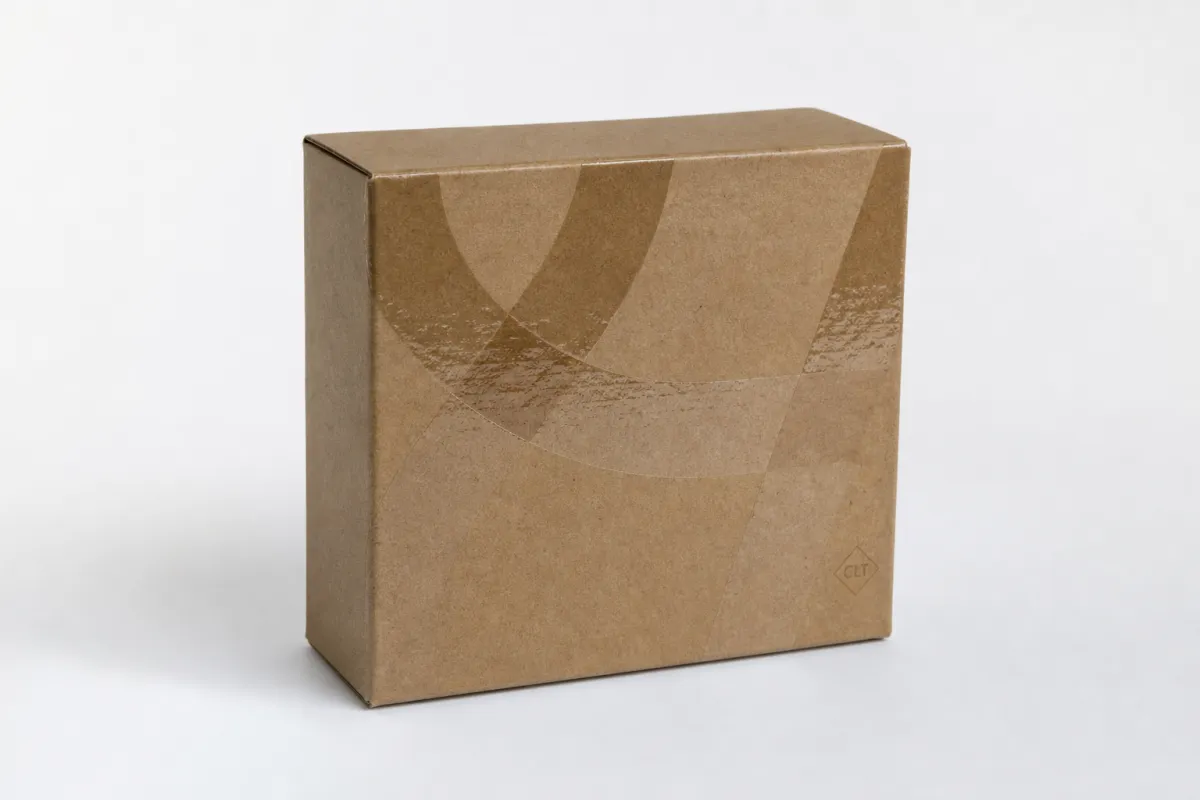
At a practical level, custom lamination on recycled boxes means adding a protective film or bonded layer over the printed board after ink has been laid down and cured. That layer helps the box resist abrasion, fingerprints, handling marks, and in some cases light moisture exposure or humidity during storage. For branded packaging, that can matter a great deal, because a carton that arrives with scuffed panels or worn edges tends to make the whole package feel less finished.
Many people assume lamination is mostly a cosmetic choice. It is not. The appearance improves, yes, but the surface also changes in how it reacts to stress. A matte film can calm reflections under store lighting, while a gloss film can deepen color and make images feel more vivid. Soft-touch film brings a distinctive tactile quality that supports premium positioning, though it wears differently than a standard gloss finish and should be chosen with the handling path in mind.
There is a tradeoff here, and it deserves a straight answer. Once a laminate is added, the carton may fold differently, score lines may need more care, and tight bends can crack if the structure was not designed for that finish. Recycled boards vary naturally from sheet to sheet, which means custom lamination on recycled boxes can look excellent on one substrate and awkward on another. Finish selection should follow board choice, not sit as an afterthought at the end of the design process.
The end-of-life question matters as well. A laminated box can still be useful and responsible, but the material stack changes the recycling conversation. Adhesive type, film thickness, and local recovery systems all affect whether the package behaves like straightforward fiber or a more complicated mixed-material item. If sustainability is a major buying criterion, the safest move is to ask direct questions instead of assuming every laminated carton behaves the same way.
From a packaging design standpoint, the strongest projects match finish to use case. A subscription box that spends most of its life in shipping channels needs a different build than a retail sleeve sitting under bright lights on a shelf. In one setting, scuff resistance carries the most weight. In the other, glare control and color depth may matter more. Custom lamination on recycled boxes can support either goal, but the choice needs to reflect the real handling path.
Good lamination is not about adding more material for its own sake. It is about adding just enough protection and presentation value that the box performs better through the supply chain and still fits the brand story.
That is why many buyers compare lamination against aqueous coating, spot varnish, or no finish at all. Those options can cost less and add less material, and sometimes they are the better fit. If the box is mostly secondary packaging, stays dry, and avoids heavy abrasion, a lighter finish may be enough. If the carton carries a premium product, travels through several hands, and has to make a strong first impression, custom lamination on recycled boxes may be worth the added spend.
How custom lamination on recycled boxes works: process and timeline
The production path starts earlier than many buyers expect. A printer first matches the recycled substrate to the job, usually selecting a board grade that balances stiffness, printability, and fold performance. After artwork approval and printing, the ink needs time to dry or cure properly before lamination is applied. From there, the film is laid down, sheets are trimmed, then the job moves into die cutting, scoring, folding, gluing, and final inspection.
That order matters because each step influences the next one. If the print has not fully set, lamination can trap flaws under the film. If the board has a heavy fiber texture, the finish may reveal more of that character than the artwork suggested. If the box design uses sharp folds or intricate die cutting, custom lamination on recycled boxes needs more testing than a plain straight-line carton.
Several finishing methods are common. Film lamination is the best known, and it usually means a thin plastic film bonded to the printed sheet with heat, pressure, or adhesive. Some converters also use similar protective layers or hybrid finishing systems that alter the tactile effect and durability profile. A thicker film often adds more protection, but it can also increase stiffness and make folding less forgiving. A lighter film may preserve more of the recycled board's natural feel, but it will not hide abuse as well.
Timeline depends on the job, though a realistic plan helps. A straightforward run may take 10-15 business days after proof approval, while a more complex build with specialty finish samples can take longer. If the supplier needs to source a specific film, produce a pilot, or test fold performance on the chosen board, expect extra time. For custom lamination on recycled boxes, the fastest projects are the ones where the finish decision is made early, before the press schedule is locked down.
Pre-production approvals often take longer than anyone wants. Color proofing, finish swatches, and board samples can add several days, especially when the buyer wants the exact recycled stock that will be used in final production. That is not delay for delay's sake; it is risk control. A matte film may flatten a palette more than expected, while a gloss film can make dark solids richer than the screen version. Once the finish is locked, the line can move faster and the final carton becomes more predictable.
For buyers who want a practical benchmark, a simple planning list helps:
- Artwork and structure approval: 2-5 business days, sometimes longer if dielines change.
- Sampling and finish confirmation: 3-7 business days depending on stock and film availability.
- Printing and curing: 1-4 business days based on coverage and ink system.
- Lamination, die cutting, and finishing: 2-6 business days depending on order size and complexity.
- Final inspection and packing: 1-2 business days before freight.
If you are comparing performance standards, it helps to think like a tester. The ISTA package testing framework exists for a reason: shipping conditions are rougher than most marketing decks admit. Vibration, compression, drops, and temperature swings all expose weak points. A laminated carton does not replace testing, but it can improve how a package survives those realities. In many projects, custom lamination on recycled boxes becomes one part of the solution rather than the whole answer.
One more practical point: production teams will usually get better results when the box design is checked against the actual film choice, not guessed from a digital proof. A sample on the right board tells you far more about fold behavior than a pretty render ever will. That sounds obvious, but a lot of teams still skip it and then wonder why the final box feels different.
Custom lamination on recycled boxes: cost, pricing, and value
Price depends on a handful of variables, and the biggest mistake is asking for a rough number before defining the build. Board grade, film type, coverage area, sheet size, quantity, setup labor, waste allowance, and post-press finishing all affect the quote. If the box needs special tooling or a larger die, that can raise the cost as well. For custom lamination on recycled boxes, the material stack is only part of the bill; the handling steps often matter just as much.
Quantity is one of the strongest cost drivers. Small runs usually carry a higher unit price because the setup time has to be spread over fewer pieces. A 1,000-piece order may look much more expensive per box than a 10,000-piece run, even when the board and finish are identical. When buyers compare packaging options, I usually suggest asking for pricing at 2-3 volume points so the economics are easier to read.
The finish itself changes the cost as well. Matte film, gloss film, and soft-touch film do not cost the same, and neither do full-sheet coverage and partial coverage. A full wrap uses more material and more machine time. If the project only needs high-contact areas protected, a selective finish may be enough. That is one reason custom lamination on recycled boxes should be priced against actual use, not against a broad "premium carton" label.
Here is a practical comparison buyers can use when requesting quotes:
| Option | Typical Use | Relative Cost | Strengths | Tradeoffs |
|---|---|---|---|---|
| Matte lamination | Retail packaging, luxury presentation, low-glare displays | Moderate | Soft look, good scuff control, reduced glare | Can mute color saturation slightly |
| Gloss lamination | Bright custom printed boxes, high color impact | Moderate | High shine, strong color pop, wipeable surface | Fingerprints and reflections show more easily |
| Soft-touch lamination | Premium branded packaging, gift boxes | Higher | Distinct tactile feel, strong shelf presence | May show wear differently and can cost more to source |
| No lamination / coating only | Functional product packaging, lower abrasion risk | Lower | Less material, lower unit price, simpler recovery path in some cases | Less surface protection |
In real production, the value side of the equation is often bigger than the unit price side. If lamination reduces damage by even a few percentage points on a high-volume order, the savings can offset part of the finishing cost. Fewer scuffed cartons, fewer customer complaints, and fewer rejected pallets can all matter. For brands investing in package branding, that protection is not cosmetic; it helps preserve the promise printed on the box.
A quote is most useful when it is broken out clearly. Ask for line items such as board, print, lamination, cutting, folding, packing, and freight. Ask whether the supplier is quoting finished cartons or flat sheets. Ask how much waste allowance is built in. For a buyer comparing custom lamination on recycled boxes, this level of detail exposes hidden differences between suppliers that might otherwise look identical.
One more point: the cheapest option is not always the most economical. If the finish cracks at folds, the carton may fail in the field. If the film scuffs too easily, the shelf image suffers. If the box arrives slightly warped because the build was not tuned for the recycled board, the line may slow down during packing. That is why the real value of custom lamination on recycled boxes includes print life, handling performance, and customer perception, not just raw material cost.
If you are comparing finishes and structures, it can help to review broader Custom Packaging Products alongside your carton specs. Sometimes a different board, insert style, or closure method solves the problem before you spend more on lamination.
Step-by-step: specifying the right lamination build
Start with the use case. Is the box shipping in bulk, sitting on a retail shelf, moving through e-commerce networks, or serving as gift packaging? The answer changes everything. A mailer box that gets stacked with other parcels needs more scuff resistance than a display carton that stays on a controlled shelf. A secondary package that only protects an inner tray may not need the same finish as a premium outer box. Custom lamination on recycled boxes works best when the use case is written down before the artwork is finalized.
Then match the finish to the job. Matte is often the quiet choice, especially if the brand wants less glare and a cleaner, more refined look. Gloss gives more saturation and makes images feel vivid. Soft-touch creates a tactile signal that supports premium positioning, though it usually belongs on a box with strong structural discipline. If fingerprints, abrasion, or retail handling are the main concern, the finish should be selected for performance first and style second. That is the practical way to approach custom lamination on recycled boxes.
Sample on the same board whenever possible. A finish can look dramatically different on a coated sheet versus a fibrous recycled surface. The recycled content influences how light reflects, how ink sits, and how edges behave after cutting. A buyer who approves a glossy proof on a smooth sample board may be surprised when the final carton feels more textured and less reflective. That is why physical samples matter before final production is signed off for custom lamination on recycled boxes.
Check structure before you approve
The visual finish is only half the story. The structure has to work too. Look closely at fold lines, score quality, glue zones, corner strength, and the way the laminate behaves around each bend. If the board is heavily recycled and the folds are tight, you may need a finish that tolerates more movement. A poor score can crack even when the lamination itself is sound. Good packaging design ties the substrate, die cutting, and finish together so the final carton stays stable.
Special features deserve the same attention. Embossing can add sophistication, but it changes surface behavior under film. Window patches, magnetic closures, and unusual tuck-in flaps can complicate the build. If your design includes complex die cutting or a lot of fold-back movement, tell the printer early. The supplier should evaluate whether custom lamination on recycled boxes can hold up through assembly and use without cracking or edge lift.
For buyers building an order around branded packaging, this is the point where details matter more than adjectives. A clean approval sequence works well in practice:
- Confirm the box dimensions, board spec, and recycled content target.
- Choose the finish based on handling, shelf appearance, and budget.
- Review a printed sample on the exact board whenever possible.
- Inspect fold lines, corners, glue zones, and trim edges.
- Approve a pilot or pre-production sample before the full run.
If sustainability credentials matter, ask for verification around fiber content and chain of custody. A third-party framework such as FSC can support responsible sourcing claims when the supply chain is documented properly. That does not answer every environmental question, but it does give buyers a clearer basis for the recycled paperboard choice behind custom lamination on recycled boxes.
It also helps to be honest about what the finish can and cannot do. Lamination may improve durability and presentation, but it does not turn a weak carton into a strong one. If the board is too light or the scores are off, the finish will not save the job. That kind of plainspoken reality check makes the specification better, not harsher.
Common mistakes when laminating recycled boxes
The first mistake is choosing by appearance alone. A box can look excellent in a mockup and still fail under real handling. If the finish is too slick for stacking, the cartons may slide. If it is too soft or too heavy, the cost may rise without enough benefit. Custom lamination on recycled boxes should be judged on abrasion resistance, fold behavior, and supply chain stress, not only on how it photographs in a sales deck.
The second mistake is pairing the wrong finish with the wrong board texture. Recycled board often has visible fiber character, and that can be a strength. It feels authentic. A very heavy gloss film on a visibly fibrous surface can create a visual mismatch, though, and the result may feel forced instead of premium. If the goal is a cleaner retail packaging look, the finish should support the natural texture rather than fight it. That judgment matters a lot in package branding.
Skipping fold-line testing causes another expensive problem. Once the laminate is down and the cartons are cut, cracking near scores can show up fast if the board was not engineered for the finish. Edge lift can also appear when adhesive coverage or pressure is uneven. In that situation, custom lamination on recycled boxes may still be the right approach, but the specification needs to be adjusted before the next run.
Recyclability assumptions cause trouble too. Not every laminated carton behaves the same in recovery systems. Film type, adhesive system, and local collection rules all matter. A buyer may think the box is recyclable enough while the local mill sees a mixed-material issue. If the sustainability message is central to the brand, ask the supplier how the finish aligns with the actual recovery stream. The marketing language should never outrun the materials.
There is also a communication mistake that shows up often: the packaging team promises one thing, while operations sees another. Marketing may want a premium look. Procurement may want a lower price. Operations may want a faster pack-out. A good specification for custom lamination on recycled boxes balances those goals openly so no one gets surprised later.
- Do not approve a finish without handling the sample in normal light.
- Do not assume a recycled board and laminate will fold the same way as a coated virgin board.
- Do not ignore freight and pallet conditions if the boxes will travel long distances.
- Do not treat sustainability claims as finished until the material stack is confirmed.
From a production point of view, the fix is often simple once the issue is found early. Adjust the score, tune the film thickness, switch the finish, or change the board. What hurts is finding the problem after thousands of cartons are already in the pipeline. That is why the best custom lamination on recycled boxes programs are built around sample approval, not guesswork.
A small note from experience: the jobs that go best are usually the ones where the buyer accepts a slightly less dramatic visual effect in exchange for better structure and cleaner folding. That compromise is not settling. It is how you get a box that still looks polished after transit, which is the real test anyway.
Expert tips for better performance and a cleaner sustainability story
Use lamination where it earns its keep. High-contact areas, outer panels, and surfaces that face friction during distribution are the clearest candidates. If the box spends its life inside another box, a lighter finish may be enough. For some projects, spot coverage can protect key areas while reducing total material use. That is a smarter route than laminating every inch just because the word premium sounds good in a presentation. Custom lamination on recycled boxes should feel intentional, not excessive.
Ask direct questions about film thickness, adhesive compatibility, and waste. A supplier should be able to explain whether a thinner film will still meet the durability need, and whether the process creates avoidable scrap. If the run is large, even a small waste reduction adds up across thousands of cartons. For product packaging that moves through regional or national distribution, those small process choices can have a measurable impact on cost and sustainability.
Design artwork with the finish in mind. Dark solids, fine type, and large tonal fields can behave differently once laminate is applied. The same holds for metallic effects or heavy image coverage. If you are combining lamination with embossing, foil, or dense print coverage, test the interaction. A clean design is not only about looks; it is about what the press, the die cutter, and the folder can actually hold together.
Here is where many buyers can save both money and headaches:
- Choose recycled board with enough stiffness for the finish you want.
- Use custom lamination on recycled boxes only on panels that need abrasion control.
- Check whether a lighter aqueous coating can meet the same performance goal.
- Request guidance on odor, migration, or food-contact concerns if the package sits near sensitive products.
- Ask for disposal guidance so the customer-facing sustainability message stays honest.
If you want a better sustainability story, be specific. State recycled content percentage where it is verified. Explain what the finish does and does not do. If the carton is laminated, give the reason: better shipping durability, lower scuff rates, improved shelf presentation, or reduced spoilage from moisture exposure. That is a much stronger message than vague green language. Honest detail builds trust, and trust matters more than buzzwords.
For teams comparing packaging options, it is worth reviewing Custom Packaging Products against the actual performance target. Sometimes a different box style, a better insert, or a cleaner score line gives you more value than a heavier finish. That is especially true when custom lamination on recycled boxes is being considered for a large launch or a seasonal program.
I also like to ask one very plain question during the spec review: if the carton gets rubbed, stacked, and opened a few times, what part is most likely to fail first? That answer usually points to the right finish choice faster than a long debate about what looks premium. Keeping the question grounded in performance makes the whole project easier to sign off.
Next steps for custom lamination on recycled boxes
Gather the basics before asking for a quote: box dimensions, recycled board spec, print coverage, finish preference, quantity, and shipping destination. If you already know the use case, say it plainly. Shipping cartons, retail packaging, and gift packaging do not need the same build, and a supplier can only recommend the right structure if the brief is specific. For custom lamination on recycled boxes, the clearer the brief, the better the quote.
Request samples or prior work that uses similar board and finish. Review them under the lighting and handling conditions your package will actually face. A finish that looks calm in a studio can look very different in a warehouse aisle or under LED retail lighting. If possible, handle the sample after it has been folded and rubbed a little. That gives a more honest picture of how custom lamination on recycled boxes will behave once production starts.
Ask for a quote that separates board, printing, lamination, finishing, packing, and freight. That makes comparison easier and reduces hidden assumptions. It also helps you see whether a supplier is pricing the job fairly or hiding complexity in a single line item. If timing matters, ask for a production calendar with proof approval, press time, lamination, finishing, and shipping buffer clearly listed.
One useful question is simple: "What would make this box fail?" If the answer is scuffing, moisture, fold cracking, or weak shelf presentation, then the finish choice needs to address that risk directly. If the answer is "nothing, because the box is only handling light indoor use," then a lighter coating may be the smarter path. That is the kind of practical thinking that keeps custom lamination on recycled boxes aligned with the actual job.
For teams comparing a few finishing routes, it helps to keep your packaging plan grounded in the product and the distribution channel, not only in the art file. A clean spec, a realistic timeline, and a finish that matches handling needs will save more money than chasing the lowest headline price. And if you are still refining the package structure, our Custom Packaging Products page is a good place to compare the wider set of box styles and finishing choices before you commit.
For most brands, custom lamination on recycled boxes works best when the finish, the board, and the supply chain are all pulling in the same direction. Choose the lightest build that protects the print, supports the brand, and fits the recovery path you can honestly stand behind. If you keep that order straight, the carton will usually do exactly what you need: look finished, hold up in transit, and stay honest about what it is made to do.
Is custom lamination on recycled boxes still recyclable?
It depends on the film, adhesive, and local recycling rules, so the answer is not always yes. If recyclability matters most, ask your supplier whether a lighter coating or a different finish will fit your recovery stream more cleanly.
Which finish is best for custom lamination on recycled boxes, matte or gloss?
Matte usually hides fingerprints and cuts glare, which helps premium shipping or retail packaging feel calmer and more refined. Gloss tends to boost color saturation and wipeability, which can be useful when the box needs to stand out on shelf or resist handling marks.
Does custom lamination on recycled boxes add to lead time?
Yes, because it adds an extra finishing step, plus possible sample approval, curing, trimming, and inspection time. Ask the printer for the full production schedule before you approve artwork so the added turnaround does not surprise you later.
What affects the price of custom lamination on recycled boxes the most?
Quantity, board size, finish type, coverage area, and setup complexity usually have the biggest effect on unit cost. Small runs and specialty finishes often raise the per-box price more than the base recycled board itself.
Can custom lamination on recycled boxes be used for cosmetics or food packaging?
It can be used for many secondary packaging applications, but the materials must match the product, regulatory, and odor or migration requirements. Always confirm ink, adhesive, and finish compatibility before production, especially when the package will sit near sensitive products.

