A custom leather makeup bag can look premium on a shelf and still disappoint in use if the zipper drags, the lining snags, or the stitch line starts to wave after a few openings. Buyers usually notice the zipper pull, lining, and stitch density before they ever study the grain. That is why a good spec sits at the intersection of product design, packaging, and simple durability. If the bag is going into retail packaging, a travel set, or a gift bundle, it should hold up on its own and also sit comfortably with outer cartons and Custom Packaging Products.
What a custom leather makeup bag actually signals
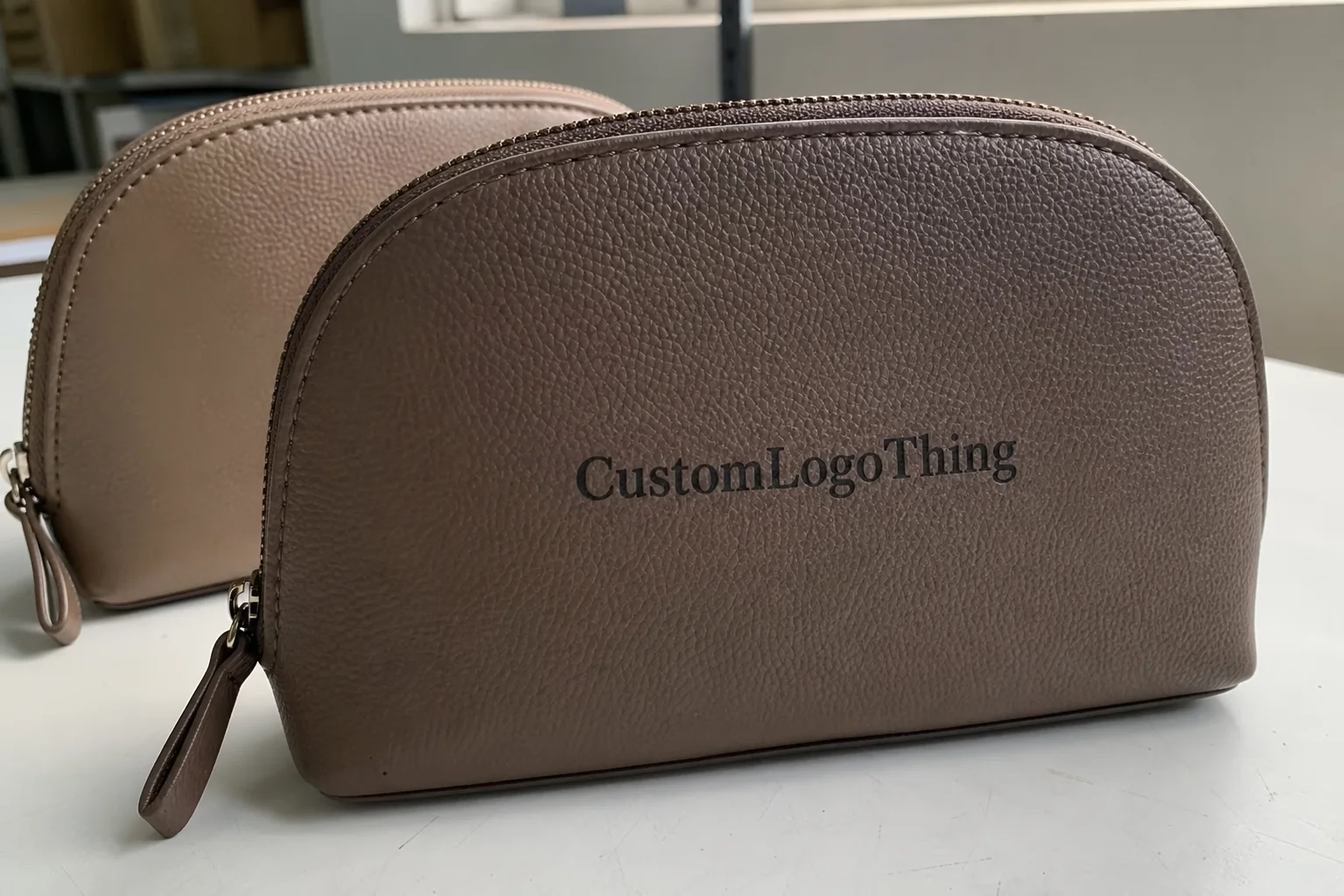
A custom leather makeup bag does more than hold lip gloss and mascara. It signals price point, taste, and how much care a brand puts into the pieces customers touch every day. A tote, carry-on, or vanity pouch takes more abuse than a mockup suggests. It gets opened quickly, stuffed into tighter spaces, wiped after spills, and dragged across hard surfaces. That is why finish, construction, and hardware matter more than they first appear.
The use cases are straightforward, but the expectations are not. For retail bundles, the bag needs to feel like a real product, not a filler item. For salon kits, it has to stay organized and easy to clean. For travel sets, the closure and lining need to survive powder fallout, liquid leaks, and repeated packing. For premium gifting, the bag becomes part of the brand story, so the packaging design and the bag spec need to match rather than fight each other.
People often judge the bag by the parts that are easiest to overlook in a render. The zipper pull. The inside lining. The stitch density around the opening. Those details tell the truth faster than the grain pattern does. A clean-looking shell with weak hardware is not premium. It is just dressed up.
A bag that looks expensive but sheds lining after a week is not premium. It is expensive-looking, which is not the same thing.
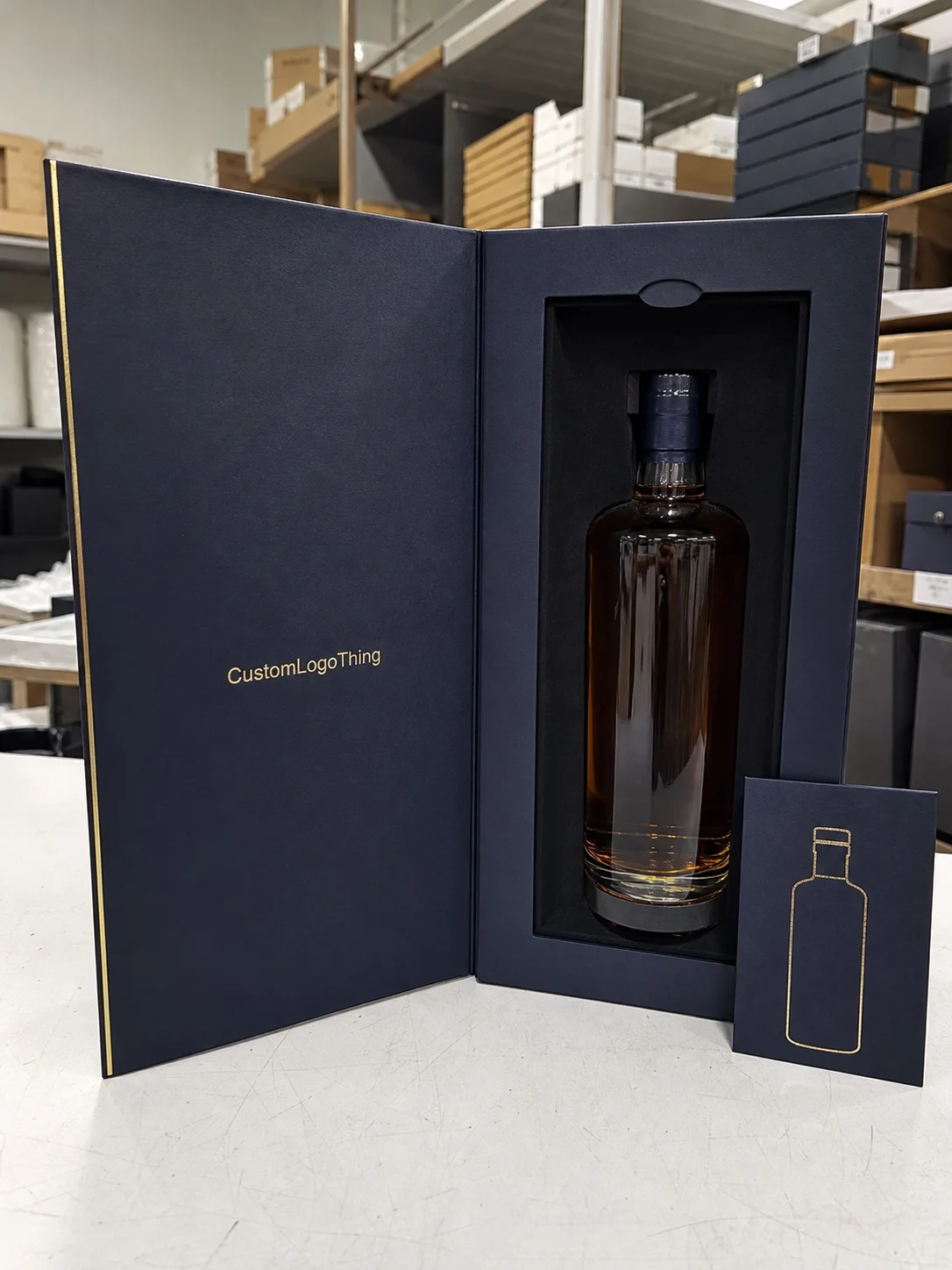
If the bag sits inside broader product packaging or a gift set, think about it as a system. The bag, outer carton, insert, and any printed sleeve should support the same message. That is where retail packaging and package branding stop sounding abstract and start affecting the purchase order.
Materials, lining, and hardware that change the feel
Leather is not one material in the way buyers often use the term. Full-grain and top-grain leather feel richer, age more naturally, and can justify a higher ticket. They also cost more, vary more from hide to hide, and usually need tighter material control. Faux leather, usually PU or PVC-based, gives stronger color consistency, a lower entry price, and easier wipeability. For many makeup bags, especially larger runs or vegan-positioned lines, that tradeoff is sensible.
The outer shell is only half the story. Lining is where the mess lives. Powder, oils, mascara residue, and spilled cream products usually ruin the inside first. A wipe-clean polyester lining, coated fabric, or tightly woven synthetic lining is easier to maintain than a delicate textile that stains on contact. A good lining should also resist puckering around the zipper and hold a neat seam finish. If the inside looks sloppy, the whole bag feels cheaper, even if the exterior looks fine.
Hardware decides whether the bag feels refined or bargain-bin. A smooth nylon coil zipper often performs better than a cheap metal tooth zipper in a cosmetic pouch because it is more forgiving of slight curve and tension issues. Pull-tabs matter too. A thin, lightweight pull can feel flimsy in hand; a slightly heavier tab gives the bag a more finished feel. Edge paint, seam reinforcement, and stitch quality show up fast in daily use. One weak point is enough to ruin the impression.
Structure is the other tradeoff. A soft bag can look elegant in photos, but if it collapses too much, it becomes annoying in real life. A small amount of reinforcement, such as foam backing, a stiffer base insert, or a laminated panel, keeps the shape without turning the bag into a box. Good packaging buying is rarely about a single choice. The outside, inside, and hardware all need to agree.
For outer cartons or printed sleeves, FSC-certified paperboard can make sense if the project includes paper-based retail packaging. It keeps the sustainability story cleaner and avoids awkward mixed messages later. See the Forest Stewardship Council at fsc.org for certification basics.
Process and timeline: from brief to approved sample
A clean project starts with a clean brief. The supplier needs more than a logo file and a mood board. They need intended use, target size, quantity, target unit cost, closure preference, lining choice, and whether the bag will sit inside custom printed boxes or ship as a stand-alone item. If those inputs are fuzzy, everything downstream gets slower and more expensive.
Here is the usual flow:
- Brief and size confirmation - Define what goes inside the bag. Brushes, palettes, bottles, and daily carry items all change the dimensions.
- Material selection - Approve the leather or leather-look material, lining, zipper type, and any edge finish.
- Artwork setup - Confirm logo placement, size, and method. Embossing, debossing, foil, or a metal plate all need different artwork handling.
- Sample production - A simple sample often takes 7-12 business days. Add custom hardware, printed lining, or unusual structure and it can stretch to 12-18 business days.
- Revisions - Expect another 3-7 business days if the sample needs adjustment. Most delays hide here, not in production.
- Mass production - A standard run often needs 15-30 business days after approval, depending on quantity and component availability.
- Inspection and shipping - Check stitch quality, logo alignment, zipper travel, and surface finish before release.
The clock gets eaten by predictable problems. Unclear dimensions are one. Custom hardware is another. Last-minute logo changes are the classic time sink. Waiting on sample feedback is probably the worst, because it stops everything else without moving the project forward. If you need the bag to ship inside a carton or mailer, ask whether the pack-out is being checked against an ISTA distribution test approach such as ISTA 3A. That is not overkill for fragile retail kits; it is basic risk control.
Approve structure and materials first. Then lock the decoration. Then finalize the outer packaging. Reversing that order usually creates waste. A logo can be changed on paper. A bad bag shape cannot be fixed with prettier foil.
If the supplier cannot separate sample time from production time, that is a warning sign. It usually means the quote is hiding complexity rather than managing it.
Cost, pricing, and MOQ: what drives the quote
Pricing on a custom leather makeup bag is driven by a small set of levers, and none of them are mysterious. Material grade is the biggest one. Size matters next. Then come lining, zipper quality, logo method, labor complexity, and quantity. MOQ changes the math because setup cost gets spread across fewer or more units. Lower MOQ usually means a higher unit cost. That is not a trick. It is arithmetic.
For buyers comparing quotes, the real mistake is comparing vague numbers without matching spec lines. One supplier may be quoting PU leather, a basic lining, and a single-color deboss. Another may be including thicker foam, a metal logo, custom packing, and better zipper hardware. Those are not the same product, no matter how similar the email thread looks.
| Build | Typical unit price | Best for | Main tradeoff |
|---|---|---|---|
| PU faux leather, debossed logo, standard lining, basic zipper, 500-1,000 pcs | $2.80-$5.50 | Entry retail, promotional kits, tighter budgets | Less natural feel, more dependence on finish quality |
| Top-grain leather, better zipper, printed or upgraded lining, 300-800 pcs | $7.50-$15.00 | Premium gifting, boutique retail, executive sets | Higher cost and more hide variation |
| Full-grain leather, reinforced base, metal logo, edge paint, 300-500 pcs | $12.00-$24.00 | Luxury positioning, high-ticket bundles | Highest material cost and tighter quality control needed |
| Leather-look bag with custom printed boxes and insert packaging | $4.50-$10.50 | Gift sets and retail packaging programs | Outer pack adds cost, but usually lifts shelf appeal |
Those numbers are directional, not a quote. A small run, special finish, or custom zipper pull can move them quickly. A clean, simple bag at volume can land near the low end. A thicker build with a neat interior, custom tooling, and gift-ready packaging moves up fast. Hidden costs also matter.
- Sampling - often $50-$200 depending on complexity and whether tooling is required.
- Embossing or debossing tools - commonly $40-$150 for a basic setup, more for larger plates.
- Metal logo plates - can add $80-$300 depending on size, finish, and mold needs.
- Freight - highly variable, especially if the order ships with cartons, inserts, or mixed SKUs.
- Custom printed boxes - worth including early if the bag is part of a retail packaging program, not as an afterthought.
If you need a complete set, build the quote around the whole package, not just the pouch. That is where Custom Packaging Products become useful, because the bag and the box should be spec'd together instead of stitched together later by hope and a spreadsheet.
How to spec size, structure, and branding without overdesigning it
The right size depends on what the bag actually holds. That sounds obvious, but plenty of projects start with a pretty silhouette and work backward. Bad idea. Daily-carry makeup usually fits a compact-to-medium pouch, roughly 7.5 to 8.5 inches wide, 5 to 6 inches tall, and 2.5 to 3.5 inches deep. If you need brush sets, travel bottles, or full kits, you are usually closer to 9 to 10 inches wide and 4 inches deep or more. Internal dimensions matter more than outside measurements.
Size first, not graphics
Before you choose the logo method, decide whether the bag should lie flat, stand upright, or open wide. A gusset helps the bag stand and improves access. A reinforced base helps with shape retention. An internal pocket keeps tiny items from rattling around. These are functional decisions, but they also change how premium the bag feels. A bag that opens well feels more expensive than a bag that looks fancy and fights you every time it opens.
The zipper position matters too. A top opening is simple, but a slightly wider opening can make the bag easier to pack and clean. If the customer will be fishing around for brushes and compact cases, the opening needs enough width to avoid hand gymnastics. Nobody wants a cosmetic pouch that behaves like a trap.
Branding should stay disciplined
Embossing and debossing are usually the cleanest choices for a minimal, premium look. Foil stamping can add contrast, but it also raises the chance of looking loud if the rest of the design is already busy. A metal logo plate can feel elevated, though it needs enough surface area to sit well. Custom lining print is useful if the brand wants an interior surprise, but it should not compete with the exterior mark.
My rule is simple: one primary logo treatment, one structural feature, and one accent at most. That keeps the bag from drifting into the "too much happening" category. It also makes the item easier to pair with branded packaging, especially if you are also ordering a box, sleeve, or insert from the same program. If the bag is part of a gift set, align it with the rest of the packaging design so the whole set feels intentional.
Too many finishes can make the bag feel dated quickly. Too few and it can feel generic. The sweet spot is a restrained spec that looks considered, not crowded. That is usually the more durable choice for retail packaging and product packaging alike.
Common mistakes that make the bag feel cheap or fail early
Glossy surfaces are the first trap. They can look nice in a photo and still scratch, scuff, or show fingerprints after a few uses. If the bag will live in a tote or travel case, the finish needs to be forgiving. Matte or softly textured surfaces usually age better because they hide wear instead of broadcasting it.
The second trap is under-specifying the zipper and seam reinforcement. Zippers fail because the coil is weak, or because the tension around the opening is wrong. Seams fail where stress concentrates, especially near corners and zipper ends. If the bag will carry brushes or product bottles, reinforce the stress points. A few cents saved on hardware can turn into a return problem later.
The third trap is ignoring leak resistance and cleanup. Cosmetic spills are normal. That means the inside should be easy to wipe, and the structure should not trap residue in loose folds. If edge paint is used, ask how it handles rubbing and repeated cleaning. If foil or print is part of the decoration, ask for an adhesion check. A supplier who understands basic ASTM-style finish testing usually has a better grip on real-world durability.
Sample testing should use actual contents, not empty space and good intentions. Put the real bottles, compacts, brushes, and tubes inside. Shake it. Zip it repeatedly. Wipe it down. Check whether the shape collapses, whether the zipper sticks, and whether the logo remains readable after handling. That is the sort of test that tells you whether the bag is a real product or a mockup with a price tag.
Next steps before you request a quote
If you want a useful quote, give the supplier a spec sheet, not a wish list. The tighter the brief, the cleaner the pricing. Start with these items:
- Intended use - daily carry, travel, salon kit, gift bundle, or retail add-on.
- Dimensions - include internal dimensions if the contents are fixed.
- Quantity - ask for pricing at more than one MOQ break, such as 300, 500, and 1,000 units.
- Target price - a real range is better than "as low as possible."
- Logo method - emboss, deboss, foil, plate, or print.
- Packaging - bag only, or bag plus inserts, sleeve, or custom printed boxes.
- Deadline - sample date, approval date, and ship date.
Ask for material swatches before approval if color and hand feel matter. Ask for a pre-production sample if volume is real, not theoretical. Compare at least two or three quotes using the same spec sheet so you can see where the differences actually are. That is the only sane way to compare vendors without getting pulled toward a lower number that quietly removed half the features.
In the end, the right choice is not always the cheapest or the fastest. Sometimes it is the cleaner bag with the better zipper. Sometimes it is the version that works better with retail packaging. And sometimes it is the custom leather makeup bag that holds up long enough for the customer to remember the brand for the right reason.
If the goal is a premium feel, prioritize structure first, then hardware, then branding, then the outer package. That order keeps the project honest and reduces the chance of paying for looks that do not survive real use.
FAQs
What size should a leather makeup bag be for everyday use?
For daily carry, a compact-to-medium bag usually works best. It should hold the essentials without turning into a bulky vanity case. If you need brushes, compacts, and a few bottles, ask for internal dimensions rather than just the outer size. Then test the sample with real products inside before approving the final shape.
Is faux leather or genuine leather better for a custom makeup bag?
Genuine leather usually feels richer and can age better, but it costs more and is less forgiving with moisture. Faux leather is often easier to wipe clean, more consistent in color, and friendlier for tighter budgets or larger runs. The better choice depends on whether you care more about premium feel, easy maintenance, or unit cost.
How long does custom leather makeup bag production usually take?
Sampling is often faster than full production, but the exact timing depends on artwork readiness, material availability, and how many revisions you need. A simple build can move quickly. Custom hardware, printed lining, or special finishes slow it down. Ask for sample time and production time separately so the schedule is realistic.
What is a realistic MOQ for a custom leather makeup bag?
MOQ varies by factory, but lower quantities usually mean a higher unit price because setup and labor are spread across fewer units. If you need a small test run, ask whether the supplier can simplify the decoration or standardize the hardware to keep the order workable. Check whether MOQ changes for custom packaging or special finishes.
Which logo method looks best on a leather makeup bag?
Embossing and debossing usually look the cleanest if you want a minimal, premium feel. Foil or a metal plate can stand out more, but they add cost and can push the design into flashier territory. The right choice is the one that matches the bag’s positioning, not the one that looks loud in a mockup.