Buyer Fit Snapshot
| Best fit | Custom Leatherette Pouch Packaging Bulk for Brands projects where brand print, material claims, artwork control, MOQ, and repeat-order consistency need to be specified before quoting. |
|---|---|
| Quote inputs | Share finished size, material target, print colors, finish, packing count, annual reorder estimate, ship-to region, and any compliance wording. |
| Proofing check | Approve dieline scale, logo placement, barcode or warning zones, color tolerance, closure strength, and carton packing before bulk production. |
| Main risk | Vague material claims, crowded artwork, missing packing details, or unclear freight terms can make a low unit price expensive after revisions. |
Fast answer: Custom Leatherette Pouch Packaging Bulk for Brands should be specified like a repeatable production item. The safest quote records material, print method, finish, artwork proof, packing count, and reorder notes in one written spec.
Production checks before approval
Compare the actual filled-product size with the drawing, then confirm tolerance on folds, seals, hang holes, label areas, and retail display edges. Reserve space for logos, QR codes, warning copy, and material claims before decorative graphics fill the panel.
Quote comparison points
Review material grade, print process, finish, sampling route, tooling charges, carton quantity, and freight assumptions side by side. A quote is only useful when the supplier can repeat the same color, closure quality, and packing count on the next order.
I’ve spent enough time on factory floors to know that Custom Leatherette Pouch Packaging Bulk is often the first place a brand quietly upgrades how it is perceived, even before the product itself changes. I remember standing in a Shenzhen workshop near Longhua District, holding two nearly identical cosmetic sets side by side, and the only real difference was the outer presentation: one went into a plain sleeve, the other into a structured leatherette pouch, and the retail team immediately said the pouch version felt more expensive before anyone even opened it. That reaction is exactly why custom leatherette pouch packaging bulk keeps showing up in jewelry, fragrance, and premium gift programs, especially when the order volume reaches 5,000 to 20,000 units.
It is not just about looking polished, either. custom leatherette pouch packaging bulk gives brands a way to standardize presentation across multiple SKUs, keep reorder costs under control, and reduce the stop-and-start headaches that come from changing packaging every time a product line expands. When you’re handling 5,000 pieces for a holiday gift set or 20,000 pieces across several accessory sizes, consistency matters just as much as the finish. That is where good packaging design earns its keep, particularly when a factory in Dongguan or Shenzhen is running the same die and stitching pattern across every carton.
Honestly, I think a lot of buyers underestimate how much the outer package influences the first five seconds of judgment. I’ve seen a buyer in Los Angeles approve a product sample immediately after we swapped a soft pouch for a leatherette one with a debossed logo and black satin lining; nothing about the formula changed, but the presentation shifted the conversation from “budget-friendly” to “premium retail packaging.” That is the practical value of custom leatherette pouch packaging bulk: it changes the signal without requiring genuine leather pricing, and in many cases it does so at a unit cost that stays near $0.15 to $0.80 depending on structure and quantity.
Why Custom Leatherette Pouch Packaging Bulk Works So Well
custom leatherette pouch packaging bulk works because it sits in a very useful middle ground between price and perceived value. Leatherette, usually PU-based or a comparable synthetic surface, gives you the texture, structure, and clean finish that buyers associate with premium goods, while staying far below the cost of natural leather. For brands that need branded packaging at scale, that balance can be the difference between a viable margin and a product line that gets squeezed out by packaging spend, especially when sourcing from manufacturing hubs like Shenzhen, Dongguan, or Guangzhou.
Bulk ordering also changes the economics in a very real way. A standardized run of custom leatherette pouch packaging bulk usually lowers the unit price, reduces artwork variation, and simplifies replenishment when sales pick up. Instead of ordering different packaging for each promotion, you can keep one pouch style active across several collections, which helps with product packaging planning and makes warehouse operations easier. I’ve watched fulfillment teams in Southern California save time simply because they no longer had to sort three pouch sizes for the same product family, and that operational saving is often worth more than the packaging itself.
Where does it perform best? In my experience, custom leatherette pouch packaging bulk shines for jewelry, cosmetics, fragrance samples, hotel amenities, promotional kits, and small luxury accessories like cufflinks, watches, pendants, and travel-size grooming items. A structured pouch gives a ring set more presence, and a soft-touch finish can make a hotel welcome kit feel far more considered. It is the kind of packaging that supports package branding without shouting too loudly, which is useful when the end customer is opening the package in a boutique in Miami or a hotel suite in Singapore.
There is also a practical shipping angle. A well-constructed pouch with reinforced seams and the right interior lining ships better in volume than many buyers expect, especially when compared with loose wraps or delicate paper sleeves. It protects the product from scuffing and dust, and it stacks neatly in cartons, which helps reduce friction during packing. If you’re also using Custom Packaging Products elsewhere in the line, a pouch can be the compact premium layer that rounds out the presentation system, often without adding more than 12 to 18 grams per piece.
“We used to think the box did all the work. Then we tested a leatherette pouch with the same insert and the same SKU, and retail staff started describing the product as ‘gift-ready’ before they opened it.”
That kind of reaction is common, and it is why custom leatherette pouch packaging bulk is not simply a cosmetic decision. It is a Packaging Strategy That supports durability, repeatability, and a strong shelf impression in a format that can be produced in serious volume, with many factories in Dongguan completing a standard sample cycle in 7 to 10 business days after artwork confirmation.
Custom Leatherette Pouch Product Details and Design Options
When buyers ask me what goes into custom leatherette pouch packaging bulk, I usually start with structure. Most pouches are built from an outer leatherette layer, an inner lining such as microfiber, suede-like fabric, velvet, satin, or nonwoven material, and a closure system that may include drawstrings, flaps, magnetic tabs, zippers, or snap buttons. The exact build depends on whether the pouch is meant for jewelry, cosmetics, accessory storage, or a retail gift set, and factories in Zhejiang, Guangdong, and Jiangsu often specialize in different closure types depending on machine setup.
The decoration options are where the branding comes alive. Common methods for custom leatherette pouch packaging bulk include debossing, foil stamping, screen printing, woven labels, metal emblems, and custom stitch thread colors. Debossing is often the cleanest choice for understated package branding, while foil stamping works well if you want stronger shelf visibility. I’ve had clients choose a blind deboss on matte black leatherette because they wanted the logo felt more than seen, and the final result looked restrained in a very high-end way, especially once the pouch was paired with a 350gsm insert card or a microfiber lining.
Material and texture choices Matter More Than many teams expect. A smooth grain can feel modern and minimal, while a pebbled texture often hides handling marks better in transit and in store displays. Soft-touch leatherette creates a velvety first impression, but a more structured build can better support items like watches or boxed cosmetics. With custom leatherette pouch packaging bulk, the right surface finish should match the product’s personality, not just the color palette, and many buyers in New York, Dubai, and Hong Kong choose black, navy, taupe, or warm gray because those colors photograph well in retail catalogs.
Size customization is another area where good packaging design pays off. I’ve seen ring pouches with interior dimensions of 50 x 50 mm work beautifully, while bracelet pouches may need 90 x 120 mm or larger depending on folding and insert style. Cosmetic sample kits and travel sets often need 120 x 180 mm or 150 x 220 mm to fit multiple units without bulging seams. For custom leatherette pouch packaging bulk, a good supplier should help you design around the actual product, not guess from a catalog size, because even a 5 mm mistake can change how a finished pouch sits on the shelf.
Logo placement is deceptively important. A centered mark on the front panel feels formal, while a corner placement can create a more fashion-forward look. I always tell clients that the pouch shape, logo size, and closure style should be considered together, because a logo that looks perfect on a flat mockup may sit too close to a seam once the pouch is filled. That is one of the most common reasons sample approval matters so much in custom leatherette pouch packaging bulk, particularly when the production line is in Wenzhou or Shenzhen and the finished run must match an approved master sample exactly.
In practical terms, here are the design variables I review first with brand teams:
- Outer finish: smooth, pebbled, matte, or soft-touch leatherette
- Interior lining: microfiber, velvet, satin, felt, or nonwoven
- Closure style: drawstring, flap, zipper, snap, or magnetic
- Branding method: deboss, foil, screen print, woven label, or metal badge
- Thread color: tone-on-tone, contrast stitching, or matched color
For brands using both Wholesale Programs and seasonal retail packaging, custom leatherette pouch packaging bulk can serve as a stable presentation piece across promotions. I’ve seen it used alongside custom printed boxes, inner inserts, and tissue wraps to create a more complete product packaging system without overcomplicating the supply chain. That matters when a retailer is launching 8,000 holiday kits in October and needs every component to arrive at the same distribution center in Illinois.
Specifications, Materials, and Build Quality Standards
Good custom leatherette pouch packaging bulk orders start with clear specifications, not just a logo file and a rough idea. A proper spec sheet should include dimensions, material thickness, lining choice, closure type, stitch style, logo method, and the packing method for shipment. If those details are not fixed early, the sample can look fine while the bulk run drifts just enough to cause trouble later, especially when the order is being produced in a 12,000-square-foot workshop outside Guangzhou with multiple sewing lines running at once.
One of the first things I check in a sample is edge finishing. Trim edges should be even, seams should not buckle, and the pouch should close cleanly without pulling the panel out of shape. In a leatherette pouch factory I worked with near Dongguan, the QA team measured seam variance at several points across a 1,000-piece run, and that discipline caught a small alignment issue before it grew into a full carton rejection. That kind of factory-floor control is exactly what you want behind custom leatherette pouch packaging bulk, because even a 2 mm drift can become obvious once the cartons are stacked in a warehouse.
Logo clarity is another important checkpoint. Debossing should be crisp, foil should not flake under mild rubbing, and screen printing should not bleed at the edges. For stitched branding or metal emblems, the attachment points must be secure enough to survive transit and repeated handling. If your pouch is meant for retail packaging, it also needs to stay visually consistent when displayed under bright store lights, which can reveal flaws that are invisible in a sample room, especially under 5,000 lux LED fixtures common in boutique displays.
Material comparisons are worth discussing honestly. PU leatherette is often the most practical option for custom leatherette pouch packaging bulk because it balances appearance, cost, and consistency. PVC-like surfaces can sometimes feel stiffer or less refined, depending on formulation, while fabric-backed alternatives may offer a softer hand feel but change the cost structure and sewing behavior. I’ve seen buyers choose a fabric-backed pouch for cosmetics because they wanted more flexibility, only to discover that the seam profile changed the whole silhouette and added nearly 8% to the labor cost.
Here are the quality checks I recommend before approving bulk production:
- Check panel alignment: front, back, and side panels should meet cleanly.
- Test the closure: drawstrings, zippers, or snaps should open and close smoothly at least 20 times.
- Inspect odor: strong chemical smell can signal poor material curing or packing issues.
- Review logo placement: confirm the artwork is centered and sized against the filled pouch, not the flat one.
- Assess seam strength: lightly pull stress points to see whether stitching holds.
For shipping readiness, I also want to know whether the finished pouch will be polybagged, bulk-packed, or nested in cartons. That matters because the wrong packing method can create wrinkles, especially on softer leatherette surfaces. Good suppliers should also be familiar with standards and testing expectations that matter in packaging work, including common transit and performance checks used in the industry. For broader guidance on packaging quality and sustainability principles, references from industry organizations and packaging resources and ISTA can be useful starting points, particularly when comparing packaging programs made in Shenzhen to those produced in Penang or Ho Chi Minh City.
For brands with sustainability questions, material selection should be discussed honestly. Not every leatherette is equal in environmental profile, and not every use case needs the same structure. If your brand prioritizes responsible sourcing in broader packaging design, FSC guidance may matter for paper components, inserts, or secondary packaging even when the pouch itself is synthetic. That depends on the full packaging system, not just one piece, and a 350gsm C1S artboard insert can sometimes carry more of the sustainable story than the pouch exterior alone.
Pricing, MOQ, and What Affects Bulk Cost
Pricing for custom leatherette pouch packaging bulk is shaped by a handful of practical variables, and the biggest one is not always quantity. Size, material selection, logo complexity, closure style, lining, and packing method can shift the per-piece cost in ways that surprise first-time buyers. A simple flat pouch with a single-color deboss will usually cost less than a lined zipper pouch with foil stamping and contrast stitching, even if the order count is similar, and the difference can be as much as $0.20 to $0.45 per unit on runs under 3,000 pieces.
From what I’ve seen, bulk pricing improves as the run gets larger because labor and setup costs spread across more units. For example, a 5,000-piece order of custom leatherette pouch packaging bulk may land at a very different unit price than a 20,000-piece order, even if the design is identical. On straightforward constructions, some factories in Guangdong will quote around $0.15 per unit for 5,000 pieces, while more complex lined or zipped versions can climb to $0.80 or even $1.20 each depending on closure style and decorative finish. The line that often gets missed is tooling and sampling. If you need a custom metal emblem, embossing plate, or a special sewing pattern, there may be setup charges before production begins, often ranging from $40 to $180 per method.
MOQ expectations deserve a practical explanation. Simple pouch styles can sometimes support lower minimums, especially when the construction is straightforward and the logo method is easy to apply. More complex builds, such as rigid-like structures, lined interiors, or detailed closures, often require a higher minimum to make factory setup worthwhile. I’ve had customers ask for 300 pieces with three custom details, and the honest answer was that the unit cost would make no sense compared with a larger run of custom leatherette pouch packaging bulk. In many cases, factories in Dongguan or Wenzhou will set MOQs around 1,000 pieces for basic styles and 3,000 to 5,000 pieces for highly customized ones.
Budget control is really about tradeoffs. If a pouch is part of the product margin, every upgrade needs to justify itself. A foil logo can elevate retail packaging, but if the brand is selling high-volume promotional kits, a blind deboss may protect margin better. Likewise, a velvet lining feels luxurious, yet it may add enough cost and complexity that a microfiber lining performs nearly as well for less. That is not a one-size-fits-all answer; it depends on the product, the channel, and the brand story, as well as whether the order is being fulfilled to a distributor in Texas or a boutique chain in Paris.
If you want a quote that is actually useful, send the supplier a clean set of inputs. I always recommend the following:
- Finished pouch dimensions in millimeters or inches
- Target quantity, including any split quantities by size or color
- Logo file in vector format, preferably AI, EPS, or PDF
- Preferred surface finish and lining
- Closure type and any special stitching requirements
- Use case: retail display, gifting, shipping protection, or samples
When buyers are clear about those points, custom leatherette pouch packaging bulk quotes become much more accurate, and you avoid the back-and-forth that can stall a project for a week or more. I’ve sat through supplier negotiations where one vague sentence about “premium feel” turned into six rounds of revised pricing, and nobody enjoyed that process. Not the buyer, not the factory, and certainly not me with a lukewarm coffee at 9 p.m., waiting on a revised estimate from a plant in Shenzhen.
As a practical reference point, a straightforward pouch program can sometimes be priced very competitively at scale, while highly customized sets can sit noticeably higher because of labor, stitching time, and finishing. Exact numbers depend on the factory, the country of origin, and the materials chosen, so any quote should be treated as a project-specific estimate rather than a universal rule. For a well-defined bulk order, many suppliers can also provide a sample charge of $20 to $60, with production following after proof approval.
How the Ordering Process and Timeline Usually Work
The ordering process for custom leatherette pouch packaging bulk usually follows a familiar sequence: inquiry, specification review, quote, sampling, artwork approval, bulk production, quality inspection, and shipment. It sounds simple, but the pace depends heavily on how prepared the buyer is. A complete brief can move a project forward in days; an incomplete brief can burn through a week before anyone even approves a sample direction, especially when files are moving between a marketing team in Chicago and a factory office in Guangzhou.
Time is most often lost during artwork revisions. If the logo keeps changing size, or if the brand team is still debating placement, every revision pushes the sample later. In one client meeting, I watched a six-person team debate whether the deboss should sit 8 mm or 12 mm above the seam line. That seems minor until you realize the factory cannot cut the sample until someone signs off on the measurement. With custom leatherette pouch packaging bulk, clear approval authority is worth more than another round of opinions, and a single sign-off contact can save two to three business days.
Lead times vary, and I would never pretend otherwise. A simple sample may take 3 to 5 business days, while a more detailed sample can take longer depending on stitching complexity and logo method. Bulk production time then depends on order size and factory capacity, and shipping time adds its own variable. For example, a 10,000-piece order might need 12 to 15 business days from proof approval for a basic construction in a well-run Shenzhen factory, while smaller or simpler orders can move faster if the line is open and the specs are settled. Ocean freight to the U.S. West Coast may add 18 to 25 days, while air freight can reduce transit to about 3 to 7 days.
To keep things moving, prepare the following before you request custom leatherette pouch packaging bulk:
- Vector logo files and Pantone references
- Exact pouch size and product dimensions
- Decision on lining and closure type
- Primary contact for approvals
- Shipping destination and preferred freight method
Large runs should always include buffer time. That buffer gives room for sample corrections, final artwork approval, carton labeling, and freight coordination. I’ve seen a brand lose its holiday retail window by two days because the approved sample sat with a manager who was traveling. Nobody wants that kind of surprise, especially when custom leatherette pouch packaging bulk is tied to a product launch or seasonal promotion in November or December, when warehouse schedules are already tight.
If your schedule is tight, tell the supplier up front. A reliable partner can usually suggest ways to simplify the construction or reduce decoration complexity without sacrificing the core appearance. That kind of advice is part of the value, especially for brands balancing retail packaging quality with a realistic ship date. In some cases, switching from a sewn badge to a blind deboss can cut the sample cycle by 2 days and the bulk line time by another 1 to 2 days.
Why Choose a Packaging Partner That Handles Bulk Leatherette Pouches Well
The difference between a decent supplier and a strong one shows up in the details. For custom leatherette pouch packaging bulk, you want a partner who can hold stitching tolerance, source stable materials, and keep logo results consistent from the first sample to the final pallet. That repeatability matters because a pouch that looks great on piece number one but drifts on piece number 3,000 creates headaches nobody needs, especially when the goods are shipping into a distribution center in New Jersey or Rotterdam.
Direct factory communication is especially valuable. When I worked with a buyer who was comparing a pouch program across three suppliers, the one that won the business was not the cheapest quote. It was the factory that answered technical questions about panel reinforcement, sewing thread diameter, and foil adhesion without sidestepping the issue. That kind of clarity tells you a supplier understands the realities of custom leatherette pouch packaging bulk, not just the sales side, and it usually reflects a shop floor that keeps a steady workflow from material cutting to final packing.
Sample-first production is another sign of a serious partner. A physical sample lets you compare hand feel, closure performance, and logo visibility under real light, not just on a screen. It also helps catch problems like weak seams, size mismatch, and off-center branding before production starts. I’ve lost count of how many times a sample saved a brand from approving a pouch that looked right in a render but felt wrong in the hand, and that is why I prefer proof approval before a bulk run of 8,000 or 12,000 pieces.
Good suppliers also help with cost-saving adjustments. Maybe a sewn-on badge can replace a more expensive metal emblem, or a slightly different lining can keep the total inside budget while preserving the premium look. That is where a packaging partner earns trust: not by pushing the highest-priced option, but by helping the brand Choose the Right specification for the channel and quantity. custom leatherette pouch packaging bulk should support the product, not overwhelm it, and the smartest factories in Shenzhen or Foshan will say that plainly.
At Custom Logo Things, the right conversation starts with use case and construction, not just artwork. If you are building a broader branded packaging system, you may also need boxes, inserts, or specialty retail packaging pieces to support the same product line. A supplier who understands that bigger picture can help keep the package branding consistent across materials and formats, whether the line is rolling out in California, Ontario, or the United Kingdom.
“The best pouch supplier isn’t the one that says yes to everything. It’s the one that tells you where the weak point is before the cartons leave the dock.”
That honesty matters. In bulk packaging work, surprises are expensive, and a supplier who spots them early is worth more than a slick quote sheet. That is why experienced buyers keep coming back to custom leatherette pouch packaging bulk when they need a premium result with repeatable production, especially if the goal is to stay within a target price such as $0.15 to $0.35 per unit on a standardized 5,000-piece run.
What to Do Next Before You Request a Quote
If you are preparing to order custom leatherette pouch packaging bulk, start with the basics and be specific. Confirm the finished pouch dimensions, target quantity, logo method, lining preference, closure style, and budget ceiling before you reach out. The more concrete your brief, the faster the quote, sample, and production planning stages will move, and the more likely you are to get a realistic number from a factory in Dongguan, Yiwu, or Shenzhen.
Gather your reference material too. A product photo, a packaging inspiration image, and any existing packaging files can save several rounds of clarification. I’ve found that even a rough sample photo from a competitor or an old line can help the factory understand the look you want, especially if the project involves a subtle premium aesthetic. For custom leatherette pouch packaging bulk, visuals reduce guesswork, and a simple mockup on a 350gsm C1S artboard card can make the whole conversation more concrete.
It also helps to choose one primary objective. Do you want the pouch to feel luxurious at retail, protect the product during transit, or create a gift-ready unboxing moment? You can achieve more than one of those goals, of course, but one should lead the decision-making. If you try to solve every packaging problem with a single pouch, the spec can become expensive and unfocused, and the end result may push unit cost up by 15% to 30% without adding enough value.
When comparing quotes, do not stop at the unit price. Compare the material thickness, logo method, sampling terms, lead time, and inspection standards. A lower price can disappear fast if the sample needs multiple revisions or if the factory cuts corners on stitching and packaging method. For custom leatherette pouch packaging bulk, the true cost is the combination of product, process, and schedule, and the best quote is the one that clearly spells out whether the timeline is 12 to 15 business days from proof approval or longer because of decoration complexity.
Here is the quickest path I recommend:
- Finalize pouch size and quantity.
- Select the decoration method and lining.
- Prepare artwork in vector format.
- Request a sample and review it physically.
- Approve the production schedule.
- Confirm freight details and delivery window.
That sequence keeps the project grounded and avoids unnecessary delay. If you need a broader sourcing conversation, our team can also support Wholesale Programs for larger packaging rollouts and coordinated product packaging needs. For many brands, custom leatherette pouch packaging bulk becomes part of a larger branded packaging system rather than a standalone purchase, whether the roll-out begins in a 2,000-piece pilot or a 25,000-piece annual program.
My honest advice is simple: do not treat the pouch as an afterthought. When it is specified well, custom leatherette pouch packaging bulk can lift the perceived value of the whole product line, make replenishment easier, and help the brand present itself with confidence across retail, gifting, and promotional channels. That is a practical return, not a marketing slogan, and it is one reason many brands revisit their packaging after the first successful run in a factory outside Guangzhou.
If you are ready to move, ask for a spec sheet, approve a sample, confirm the production timeline, and lock down freight. Those four steps turn an idea into a real bulk program, and they keep the entire order moving cleanly into manufacturing. For brands that care about presentation, consistency, and cost control, custom leatherette pouch packaging bulk remains one of the most useful packaging investments you can make, especially when the order is built around a clear target like $0.15 per unit for 5,000 pieces or a more elaborate premium build at a higher tier.
Custom Leatherette Pouch Packaging Bulk for Brands: decision table
| Decision area | Best fit | What to verify | Risk if skipped |
|---|---|---|---|
| Film or paper thickness | Apparel, accessories, lightweight goods, and subscription boxes | Micron/GSM, seal strength, opacity, and puncture resistance | Thin material wrinkles, tears, or makes the brand feel low value |
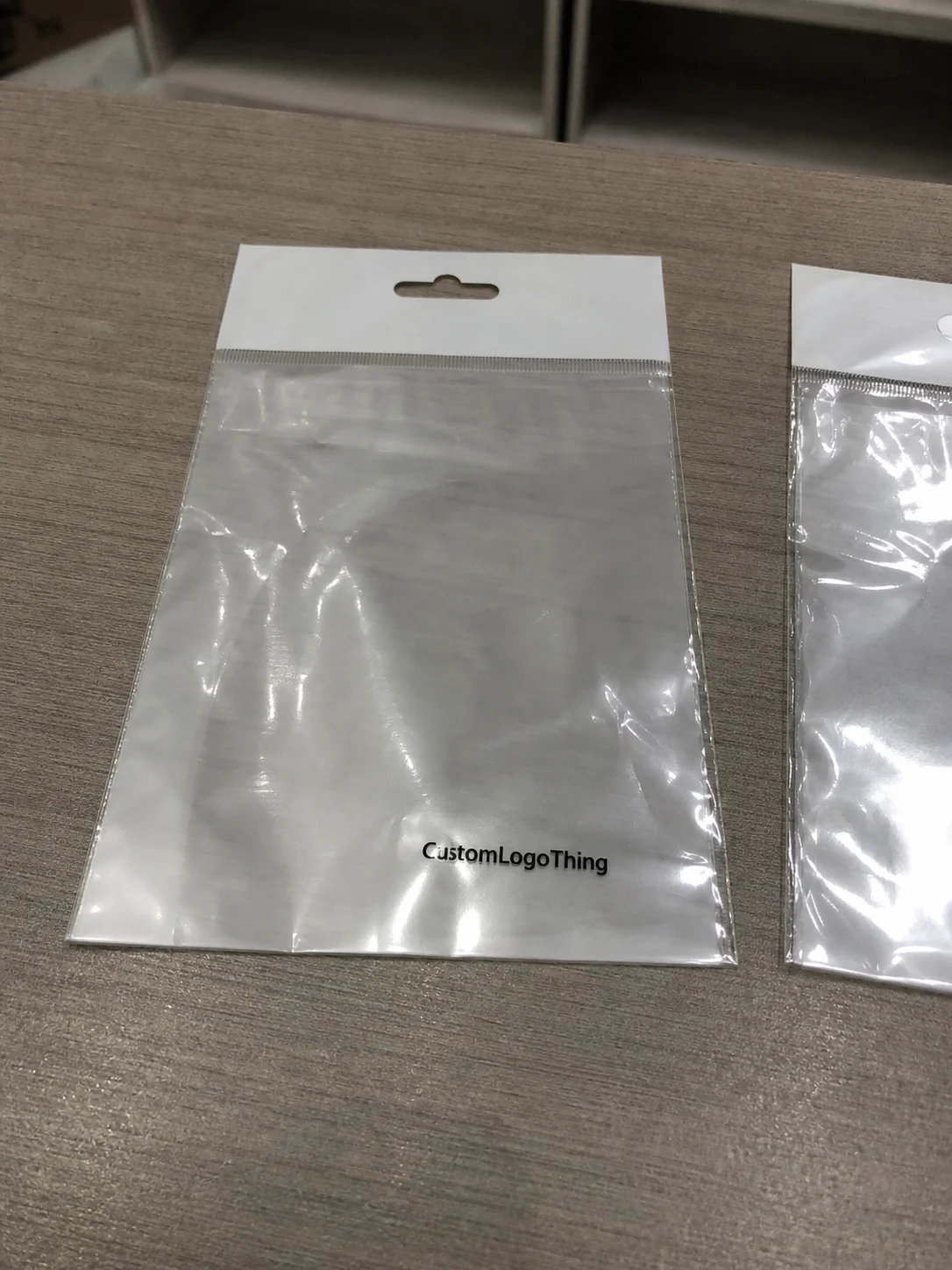
| Closure and format | Self-seal mailers, gusset bags, zipper pouches, or drawstring bags | Opening size, resealability, hanging hole, and packing sequence | Wrong format creates returns, repacking, or poor display |
| Print area | Logo visibility and required compliance copy | Ink holdout, color contrast, barcode space, and proof approval | Artwork looks fine flat but disappears once the bag is filled |
FAQ
What is the minimum order for custom leatherette pouch packaging bulk?
MOQ depends on pouch size, logo method, and construction complexity. Simple pouch styles usually support lower minimums than heavily customized builds, and many factories in Guangdong will start basic orders around 1,000 pieces while more detailed styles may begin at 3,000 to 5,000 pieces. The best way to confirm MOQ is to share exact dimensions and artwork requirements.
How much does custom leatherette pouch packaging bulk cost per piece?
Unit price is driven by material, size, logo process, closure type, and quantity. A straightforward run of 5,000 pieces can sometimes land near $0.15 per unit for a basic debossed pouch, while lined, zipped, or foil-stamped versions may move toward $0.80 to $1.20 each depending on factory location and finish. Sampling and special finishes may add setup cost before production begins, often $20 to $180 depending on the method.
Can I add a logo to custom leatherette pouch packaging bulk?
Yes, common decoration options include debossing, foil stamping, screen printing, woven labels, and metal emblems. The best method depends on your brand look, budget, and how subtle or bold you want the logo to appear. Artwork should be provided in vector format for the cleanest result, and a physical proof is usually the safest way to confirm logo placement before a 10,000-piece run.
How long does production take for custom leatherette pouch packaging bulk?
Lead time depends on sample approval, order size, and finish complexity. A simple sample may take 3 to 5 business days, while bulk production for a straightforward order can often run 12 to 15 business days from proof approval. Shipping method also affects the final delivery date, with air freight moving much faster than ocean freight.
What should I prepare before requesting a quote for custom leatherette pouch packaging bulk?
Prepare pouch dimensions, quantity, logo file, preferred material finish, closure style, and target budget. Include a sample reference or product photo if the pouch must fit a specific item, and specify whether you want a lining such as microfiber, velvet, or satin. Clear specs help reduce revisions and speed up pricing, especially when the supplier is working across time zones with a factory in Shenzhen or Dongguan.