Buyer Fit Snapshot
| Best fit | Custom logo mailing bags for apparel that buyers remember projects where brand print, material claims, artwork control, MOQ, and repeat-order consistency need to be specified before quoting. |
|---|---|
| Quote inputs | Share finished size, material target, print colors, finish, packing count, annual reorder estimate, ship-to region, and any compliance wording. |
| Proofing check | Approve dieline scale, logo placement, barcode or warning zones, color tolerance, closure strength, and carton packing before bulk production. |
| Main risk | Vague material claims, crowded artwork, missing packing details, or unclear freight terms can make a low unit price expensive after revisions. |
Fast answer: Custom logo mailing bags for apparel that buyers remember should be specified like a repeatable production item. The safest quote records material, print method, finish, artwork proof, packing count, and reorder notes in one written spec.
Production checks before approval
Compare the actual filled-product size with the drawing, then confirm tolerance on folds, seals, hang holes, label areas, and retail display edges. Reserve space for logos, QR codes, warning copy, and material claims before decorative graphics fill the panel.
Quote comparison points
Review material grade, print process, finish, sampling route, tooling charges, carton quantity, and freight assumptions side by side. A quote is only useful when the supplier can repeat the same color, closure quality, and packing count on the next order.
Custom Logo Mailing Bags for apparel do more than move folded fabric from the backroom to a front door; they shape the first physical sentence a customer reads. In many orders, that first touch happens before the garment is even weighed and scanned. I still remember a busy season where a brand’s best-selling tee looked gorgeous in photos, but customers kept tagging photos of a torn, sloppy-looking mailer and never commenting on the shirt at all. That one operational detail changed the team’s priorities overnight.
For apparel, the mailer is not a side-room decision. It sits at a point where branding, logistics, and handling reality collide, and it can either stabilize trust or quietly undermine it. The same fold line that protects a knit top from abrasion also carries your carrier barcode and legal copy, so the surface is doing multiple jobs at once. In fulfillment, that kind of overlap is where brands either win or start looking chaotic.
From a practical buyer perspective, a top-performing mailer is a lightweight shipping container, a branded contact point, and a damage buffer. The same package can feel premium in one handoff and unreliable in another, depending on gauge, closure, and fold behavior. Apparel moves are soft, variable, and often bulky when folded, and that means any packaging weakness is obvious within minutes.
Overview: Why custom logo mailing bags for apparel shape the unboxing story
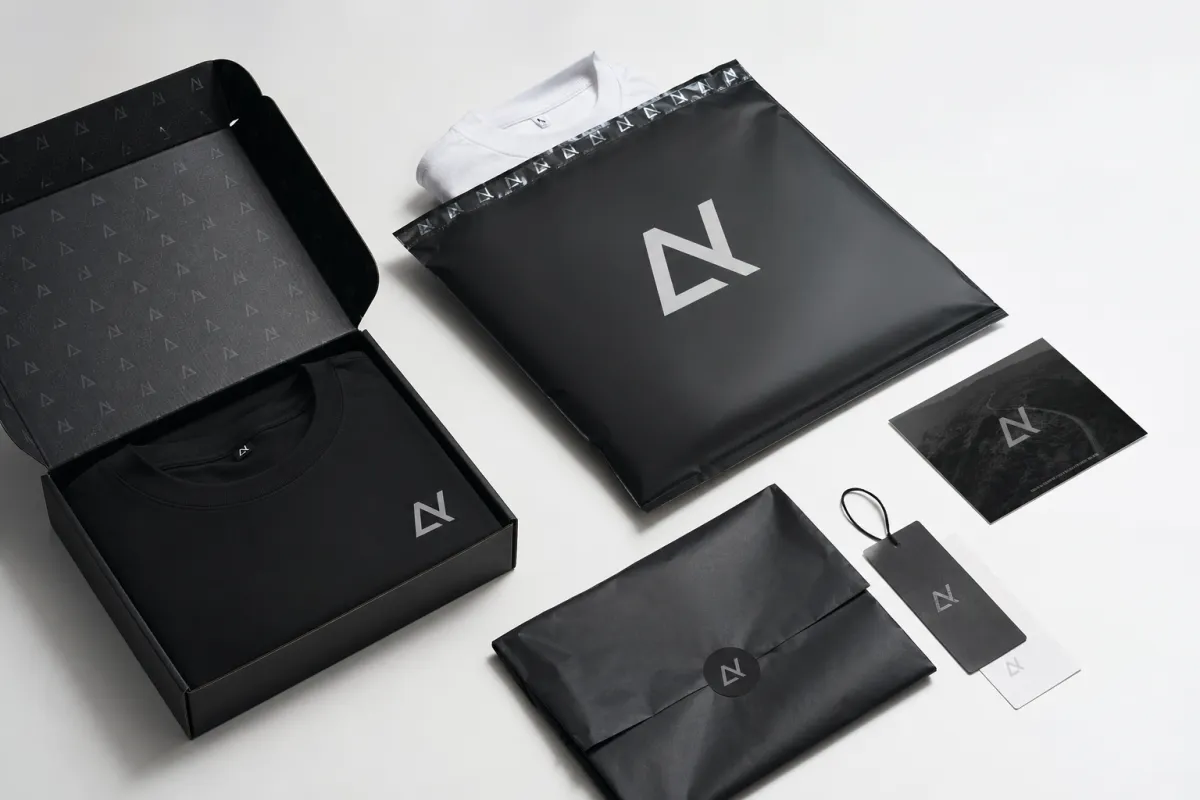
Many teams still treat the garment as the only hero and the packaging as a background prop. That assumption is expensive. A tidy custom logo mailing bag for apparel with clean graphics, proper opacity, and a closure that opens without fighting the user gives customers a very different emotional cue than a limp plain sleeve that twists and folds in transit. Small sensory details often decide whether a brand feels intentional or rushed.
Technically, these bags are more than printed plastic. They are engineered flexible systems that carry brand marks, handling instructions, and physical features like tear notches, dual closures, or reseal strips. In my experience, this matters most when an operation scales past a few hundred units a day. Once speed climbs, consistency becomes the difference between clean fulfillment and a line of exceptions.
E-commerce and direct-to-consumer apparel teams depend on this dual role because they may have no retail shelf encounter before final delivery. Subscription drops, pop-up pickups, wholesale replenishment, and campaign kits all rely on this last visible touchpoint. The mailer is often the only controlled surface where brand tone can be maintained at the end of a long chain.
Cost pressure makes teams ignore this at their peril. The idea that branding always adds overhead is understandable, but a well-sized custom logo mailing bag for apparel can reduce void volume, cut rework, and improve pack speed. A proper fit often costs less to run over time because the packing motion gets smoother and fewer fixes are needed.
The practical result is not abstract brand theatre. It is operational reliability plus a clearer customer signal. Teams that get this right usually see fewer “looks cheap” comments even when material cost stays controlled, and fewer handling errors when parcels move through busy sorting windows.
That is why mature programs place custom logo mailing bags for apparel inside a broader product packaging architecture from the start. The mailer is small in size but high-impact in behavior. It should support order flow as much as brand communication, because one weak layer at the end can erase care that was built upstream.
What should brands look for in custom logo mailing bags for apparel?
Start with fit. Not aesthetics. Fit first, then design. A mailer that matches folded garment dimensions, protects against moisture and abrasion, and still leaves practical room for insertion makes the team’s day simpler. If it is too loose, the order looks expensive in volume but sloppy in hand. If it is too tight, it slows packing and pushes seam stress into the line.
The next gate is print clarity. A useful custom logo mailing bag for apparel keeps logo contrast high, preserves color as consistently as the substrate permits, and leaves room for carrier labels and barcodes. A busy look can still work if hierarchy is sharp, but never if the scanner area is buried. This is where too much design ambition creates avoidable operational friction.
Third is workflow compatibility. Strong choices support the pack rhythm instead of slowing it. That means stable seals, reliable tear points, and structural consistency for every bag in the run. A visually rich bag that forces hesitation at the pack station is not premium; it is a productivity burden dressed up with ink.
Fourth, think about the handoff chain. Is the package likely to be carried by hand, conveyor, or both? Are there manual insertions or one-pass automation? A good program maps these pathways before print. For apparel, the answer to packaging quality is almost always “yes, map your handoff route first.”
Finally, check whether the selected film and print method can survive the specific garment category. A performance top may need a more stable profile than a lightweight tee. Mixed bundles of tops and accessories stress bags differently than single SKUs. When in doubt, test with live cargo at your actual packing cadence, not on a desk mockup.
How custom logo mailing bags for apparel are made and filled in poly mailer operations
The production sequence is best understood in plain steps: material selection, extrusion or lamination, print application, curing, die-cut conversion, then sealing and pack-out. Each step changes how the bag behaves after it leaves production. The same printed design can perform very differently depending on conversion settings and handling energy.
Most apparel mailers come from polyethylene film families, with LDPE or blended structures dominating because they balance flexibility, puncture resistance, and logistics efficiency. Light tees and compact pieces often run well in the 2.5 to 3 mil range, while bulky garments, denim mixes, and multi-item bundles often justify 3 to 4 mil for structure. Recycled PE can support sustainability goals, but it is never a simple plug-and-play swap: stiffness and heat-seal response can shift enough to affect closure quality.
Print route choices matter equally. Flexographic is usually economical at scale and can hold consistency across larger runs. Digital is often better for short runs, frequent design changes, or campaign-specific variants. Direct film printing gives a crisp output when managed tightly, while laminated constructions can lift texture and visual depth but may alter profile and cost structure. For custom logo mailing bags for apparel, the decision must follow both design intent and production rhythm, not marketing mood alone.
Apparel geometry creates recurring manufacturing challenges. Folded garments are not flat, and seams live where pressure actually lands during handling. That is why many successful programs add slight dimensional clearance, flatter seam lines, or wider gussets to prevent edge tearing and seam fatigue. I’ve watched teams chase “perfect” print color while repeating costly fixes because bags were too narrow at insertion points and collapsed in real conveyor paths.
Presentation choice is not purely aesthetic. Matte surfaces can reduce glare and help handling in mixed bins look cleaner. Gloss can increase stand-out and color pop, especially in dense shipping lanes. Streetwear launches usually want aggressive contrast and velocity, while corporate uniform programs may prioritize understated texture for durability perception. Category context should set finish, not supplier template defaults.
Durability checks are part of the manufacturing conversation, not an afterthought. Moisture behavior, puncture resistance, and closure consistency become critical when parcels hit dense sort loops and temperature shifts. For teams using formal review frameworks, referencing recognized shipping and material guidance such as ISTA standards and lifecycle references from FSC helps reduce subjective debate. Packaging claims around end-of-life should be defensible, especially when aligned with EPA recycling guidance.
High-performing operations treat the mailer as a controlled part of retail packaging sequencing. Folding methods repeatable, invoice placement fixed, closure pressure standardized, and label zones consistently clear. That repetition is what makes thousands of packets feel like one brand, not a dozen disconnected jobs.
Key factors when choosing custom logo mailing bags for apparel
Material and gauge remain the first decision, and they dictate most downstream risk. PE film is often the default for custom logo mailing bags for apparel because it balances cost and print behavior under typical shipping conditions. Light apparel can often use lighter gauges, but heavier garments and rougher routes reward extra support. Recycled PE can be a smart fit, but not every recycled grade handles seam heat the way your main line expects, so run tear and seal tests before full conversion.
Print strategy affects both cost and visual control. One-color builds cleaner workflows and tighter approvals, especially when artwork is simple and repeatable. Two-color often increases hierarchy without major complexity. CMYK opens stronger visual options, but it adds sensitivity to color management, ink balance, and registration tolerance. If quality consistency is non-negotiable, ask for print-safe references and physical approvals before the final release of custom logo mailing bags for apparel.
Fit and pattern work are frequently neglected, even by sophisticated teams. Start with actual packed dimensions: garment, paperwork, inserts, and any protective layer. Add only the minimum functional clearance for insertion and seal behavior. Too tight creates compression failures; too loose creates bulk, higher freight profile, and weaker first impression.
Functional design drives actual customer trust. Peel-and-seal strips, pressure closures, tear notches, and gusset geometry all alter how a buyer experiences unboxing. For high-throughput operations, strong peel-and-seal reliability often lowers rework. Returns-heavy programs may benefit from resealability, while simple wholesale replenishment frequently performs better with fewer moving closure parts.
Operational legibility is as important as visuals. Barcode space, carrier labels, and compliance statements must remain crisp and unblocked. Logo placement too close to label zones causes collisions, mis-scans, and manual interventions. Negative space is not wasted; it is your scanning reliability margin.
Here is a practical comparison model for common paths in custom logo Mailing Bags for Apparel:
| Option | Typical Use | Visual Impact | Cost Range per Unit | Notes |
|---|---|---|---|---|
| 3 mil PE, one-color print | Basic tees, light tops, promo orders | Clean and simple | $0.12-$0.22 at 5,000 pcs | Good for tight budgets and fast pack-out |
| 3.5 mil recycled PE, two-color print | Hoodies, joggers, mixed apparel orders | Balanced and branded | $0.18-$0.32 at 5,000 pcs | Useful when sustainability messaging matters |
| 4 mil PE, CMYK or high-coverage print | Premium drops, campaign kits, retail-style shipment | High attention | $0.28-$0.55 at 5,000 pcs | Best for high visual control in transit environments |
Brands using Custom Poly Mailers often find custom logo mailing bags for apparel easiest to specify when they treat apparel as part of an established system instead of a one-off design job. The logic carries across to Custom Packaging Products, where the same technical discipline helps labels, inserts, and secondary elements support one brand language.
One operational rule is simple: branding should never slow the pack line. If a bag is confusing to orient, fights label placement, or weakens closure quality, it will eventually cost you in labor, delays, and complaints. The best programs get a lot more done with less drama because the package lets staff move at line speed.
Step-by-step guide: from design brief to approved sample
Step 1: Build the brand brief
Start with one focused brief: logo hierarchy, color hierarchy, legal text, shipping marks, and handling notes. Decide early where each element lives and which copy is mandatory at the front, which can sit on the back, and what can be removed for clarity. When departments interpret brand marks differently, rework is inevitable. A clean brief usually saves a week of back-and-forth.
Step 2: Prepare technical artwork
Use vector files, not just flattened images. Validate line weights, bleed zones, and trim lines against real dielines so the design is built for film behavior from the beginning. Heat-sealed areas can distort artwork that looked perfect on screen, so build in margin and avoid critical type near stress zones. This becomes critical when custom logo mailing bags for apparel include QR, microcopy, or serial text.
Step 3: Choose the material and finish
Pick finish based on category and use profile. Matte and satin finishes often improve handling and tone for core brands; gloss can increase short-range visibility in campaign-heavy channels. Decide on opacity, closure system, and optional textures in the same technical round, because late changes here can trigger expensive re-approval loops. A late switch from 3 to 3.5 mil is often cheaper than a late print correction, but neither should be default decisions.
Step 4: Review samples with real-use tests
A flat proof is a useful visual check, but not a real-world test. Do a live simulation: fold an actual garment, insert paperwork, seal, stack, compress, and move it through the route it will travel. Test color density, registration, seam behavior, and label readability before formal approval. If this load goes through a conveyor-heavy route, add basic vibration and drop checks before bulk release.
"A mailer should be invisible while people are processing it, then feel intentional the moment it is opened." That distinction usually separates a polished brand from one that looks improvised.
Step 5: Approve the final release packet
Once the sample passes, lock a single source-of-truth packet: artwork files, film specs, measurements, closure notes, print method, and approved sequence. Include version control, sign-off records, and who can approve what. That control avoids frantic “which PDF is current?” chaos and prevents emergency adjustments from creeping into custom logo mailing bags for apparel.
Keep the same method whether you are shipping mailers, inserts, or Custom Printed Boxes: shared naming, version discipline, and one sign-off route. Operational teams scale better when every run starts from the same approved template, not from a new interpretation.
I am not the person who believes every startup has the same maturity level. A lot of teams are just beginning to connect packaging decisions to return rates, speed, and brand perception at once, and that is fine. The point is to get repeatability in place before volume starts punishing the gaps.
Cost and pricing of custom logo mailing bags for apparel: what affects your quote
Six factors regularly shape quotes for custom logo mailing Bags for Apparel: dimensions, film grade, print complexity, closure style, quantity, and SKU count. On paper this looks manageable; in execution, size tolerance, sample cycles, and handling complexity change the real cost picture fast. A smaller bag with complex die changes can outspend a larger but cleaner specification quickly.
Volume still drives unit economics strongly. Low runs spread setup and proofing across fewer units, so first quotes can look high. High-volume orders reduce unit rates and usually improve scheduling predictability, though they move capital and storage commitments earlier. In seasonal demand patterns, a stable base stock tied to short campaign pull-batches often keeps cash flow cleaner.
Hidden costs appear when teams defer technical checks. A late art correction can trigger new setup charges. Weak source files can reduce print consistency, increasing downgrade risk. Incorrect size specs can create rework before launch and push packing delays into your fulfillment calendar.
Comparing bids only by unit price misses EPA-level realities: freight, handling delay, damage rates, and return load. A custom logo mailing bag for apparel that looks two cents cheaper can cost more if it extends line stoppage or increases reshipments. Total landed cost matters more than sticker price.
Use this buying lens during evaluation:
- Lower print coverage can reduce ink load and stabilize proofing.
- Common shell sizes improve tooling reuse and lower variation across lines.
- Fewer SKU variations reduce changeover friction and inventory drift.
- Standard closures are usually faster to run and cheaper than custom reseal hardware.
- Clean, production-ready artwork improves print reliability and minimizes waste.
For teams running broader programs, compare custom logo mailing bags for apparel against your other packaging parts as part of one strategy. This avoids choosing a mailer that looks cheap individually but creates downstream issues with labels, inserts, and secondary cartons.
A documented workflow with clear gates also reduces friction. Early confirmation of color, dieline, and closure, with revision limits built into the brief, usually gives better outcomes than late “just one more tweak” cycles. Those tweaks are understandable, but they do have a budget tax.
Process and timeline: production, approvals, and realistic delivery windows
Lead time behaves like a relay race: one stage starts only when the previous stage is genuinely complete. A typical sequence begins with inquiry and sizing, then artwork intake, sample build, review, bulk conversion, and shipment handoff. The chain breaks whenever approvals linger, because no safe downstream step can begin.
Artwork accuracy is the first major bottleneck in most programs. Missing source files, conflicting color standards, or unresolved legal text can force prepress holdups. Sample review becomes a second bottleneck when teams check visuals but ignore seams, closures, and label interactions. Those technical points are where fulfillment failures begin.
Seasonal windows compress calendars sharply. Launch weeks tied to campaign drops or replenishment cycles leave little slack for experimentation. Special coatings, uncommon recycled blends, and fast design revisions all add time. Adding buffer days at the beginning sounds like caution, but it is usually cheaper than expedited recovery after a failed run.
A practical schedule many teams use looks like this:
- Day 1-3: brief, sizing, artwork intake, and technical confirmation.
- Day 4-7: proof build and first physical sample.
- Day 8-12: sample review, corrections, and final technical sign-off.
- Day 13-20: bulk production after sample approval and file freeze.
- Day 21+: final packaging, dispatch, and receiving checks.
Even this timeline can expand with multi-color, multi-finish, multi-size programs. Clean files and fewer variants are usually what keep custom logo mailing bags for apparel near this baseline. If your product map has frequent exceptions, assume a wider cushion in planning.
Milestones should be agreed before production starts. Define who approves artwork, who signs samples, when files freeze, what the contingency is if sample fails, and who owns logistics execution. Transparent ownership beats assumption every time, and it prevents the expensive “I thought someone else approved that” loop.
Common mistakes to avoid with custom logo mailing bags for apparel
Oversizing is the old but still common trap. A larger bag can look safer in a meeting, then perform weaker in real freight environments: more bag sway, more garment movement, less perceived care. Right-size your dimensions from live folded packs, not from the garment size chart alone.
Color mismatch is another frequent failure mode. Screens show RGB behavior one way and film print another way. Saturated reds, greens, and warm neutrals can shift in surprising ways depending on substrate and process. Request physical proof and keep a print-safe profile for campaign-critical launches.
Fold path mistakes damage brand clarity quickly. Elements printed across heat-sealed sections, gusset bends, or high-stress edges often warp after folding and heat. That distortion can erase your key message while the logo is still technically present. The brand still feels unreliable when the mark itself can’t stay stable.
Skip late-stage stress testing and you are betting blind. A bag can look flawless before filling and fail during transfer through drop points, zipper handling, or vibration loops. Tear, seal, and drop checks should happen before approvals become final. The earlier you catch a weak structure, the easier it is to correct without rework shock.
Label conflicts also destroy first impressions. If barcodes or shipping data overlap your logo zone, the carrier and customer both suffer. Reserve clean zones for label data and keep critical brand marks away from fold and scan regions. This is one of those details that sounds tiny until an entire lane slows down because scans fail.
Another gap is treating mailers as campaign pieces only. If each quarter introduces a new visual system with no shared structure, fulfillment sees a fragmented process. Separate logos, varied closures, and inconsistent label zones make teams re-learn workflows every cycle. That slows throughput and increases risk.
Most teams still prioritize visual novelty and then discover handling is where trust breaks first. In practice, fit, seam integrity, and closure reliability carry more weight than the number of colors on the front. A disciplined technical base lets the brand identity read cleanly for every order.
Expert tips and next actions for stronger custom logo mailing bags for-apparel
Build a master pack matrix around your top three apparel categories instead of every SKU. Track folded size, target bag size, closure type, insert needs, and label position for each category. Then run a minimum of five to ten live orders before scaling. This is boring work, but it is where most gains in consistency come from.
Governance is not busywork; it is insurance. Use a controlled file system with version tags, approved proof IDs, and supplier-facing naming standards. If you do this for custom logo mailing bags for apparel, you avoid stale versions and reduce turnaround risk when a launch is close.
Have alternatives ready for both material and color. A backup colorway can save a launch if one print lane is down. A secondary film family can keep momentum if one supply chain lane stalls. Not every backup gets used, but the availability reduces vulnerability, especially in launch-heavy calendars.
Quality gates should happen before cartons leave the facility, not only when returns return to the dashboard. Random checks for seam strength, print alignment, and barcode readability catch defects early. This is one of the rare cases where a quick 10-minute check can prevent a costly escalation later.
Schedule updates strategically. Seasonal refreshes are useful, but avoid full redesign churn every week. Apparel brands that treat the mailer as a live brand signal usually run one visual language system and update language blocks or accents where useful. Coordinate this with Custom Packaging Products to keep inserts, labels, and outer layers in sync.
For practical execution, start with this rule: lock fit, lock closure, lock proof path, then get creative. If your team follows that order, the mailer will protect the product, support the line, and look like it belongs to a brand that knows what it is doing.
Actionable takeaway: before your next apparel run, run one short pilot with three bags, your top-selling garment, and your actual pack workflow. Compare three measures—seal consistency, scan reliability, and packing speed—before approving the full print. If the pilot can’t clear these three checks cleanly, your final visual should wait. That single test is gonna protect margin and brand trust far better than another round of revisions on a design deck.
FAQ
How much does custom logo mailing bags for apparel usually cost per order size?
Pricing is influenced by dimensions, film gauge, color count, closure type, quantity, and artwork coverage. Small runs carry higher setup and prepress cost per unit, while larger runs distribute these overheads across more pieces. Compare quotes with quantity tiers, freight assumptions, and landed cost assumptions so the decision reflects actual fulfillment impact, not only unit price.
What timeline should I expect for custom logo mailing bags for apparel and samples?
Expect a sequence that includes artwork confirmation, sample build, review, bulk release, and transport handoff. Clean files and fast sign-offs usually keep smaller programs close to schedule. Revisions, uncommon material structures, and multiple size options typically lengthen the timeline, so include contingency in your planning for campaign windows.
Can I use a full-color logo on custom logo mailing bags for apparel without ruining brand consistency?
Yes, if you control color through CMYK or Pantone-referenced workflows and include physical proof review. Screen previews are useful, but film can shift density and edge softness in real printing. A common approach is to start with a controlled palette, run a validated proof set, then expand once consistency is proven.
What mistakes make custom logo mailing bags for apparel look cheap even with expensive print?
Poor fit, weak seams, crowded labeling, and graphics crossing fold or seal zones create that cheap impression quickly. Even premium graphics cannot hide structural mismatch. Use a fit test with real folded garments and keep critical marks away from high-stress paths.
Are biodegradable or recycled options still durable for custom logo mailing bags for apparel?
They can be durable when the selected film family is tested against your exact weight class, size, and closure format. Recycled and compostable blends can behave differently in heat-seal and vibration scenarios, so a pilot run is not optional if reliability is a priority. Verify supplier certifications and test reports against your route conditions before full conversion.