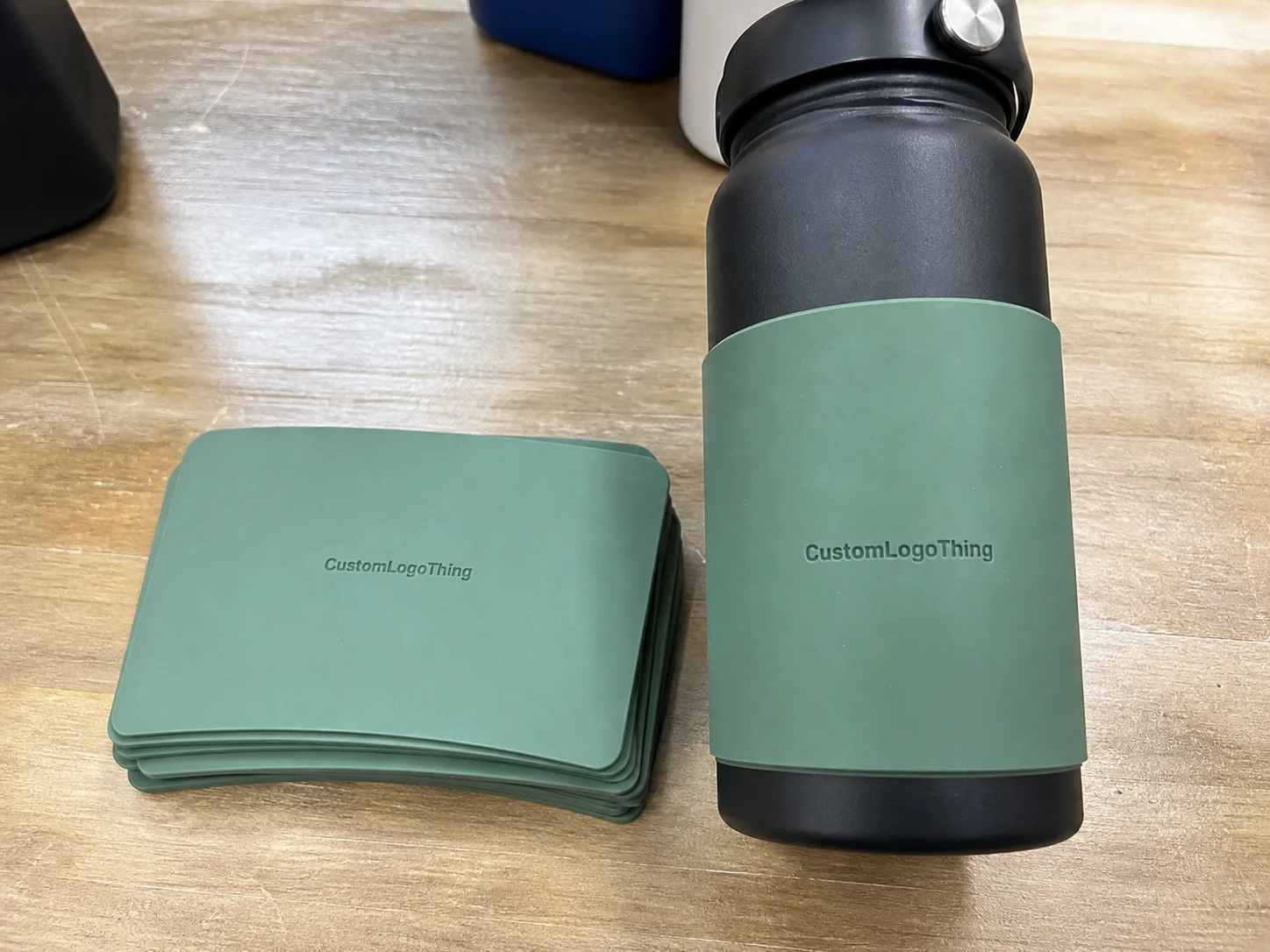
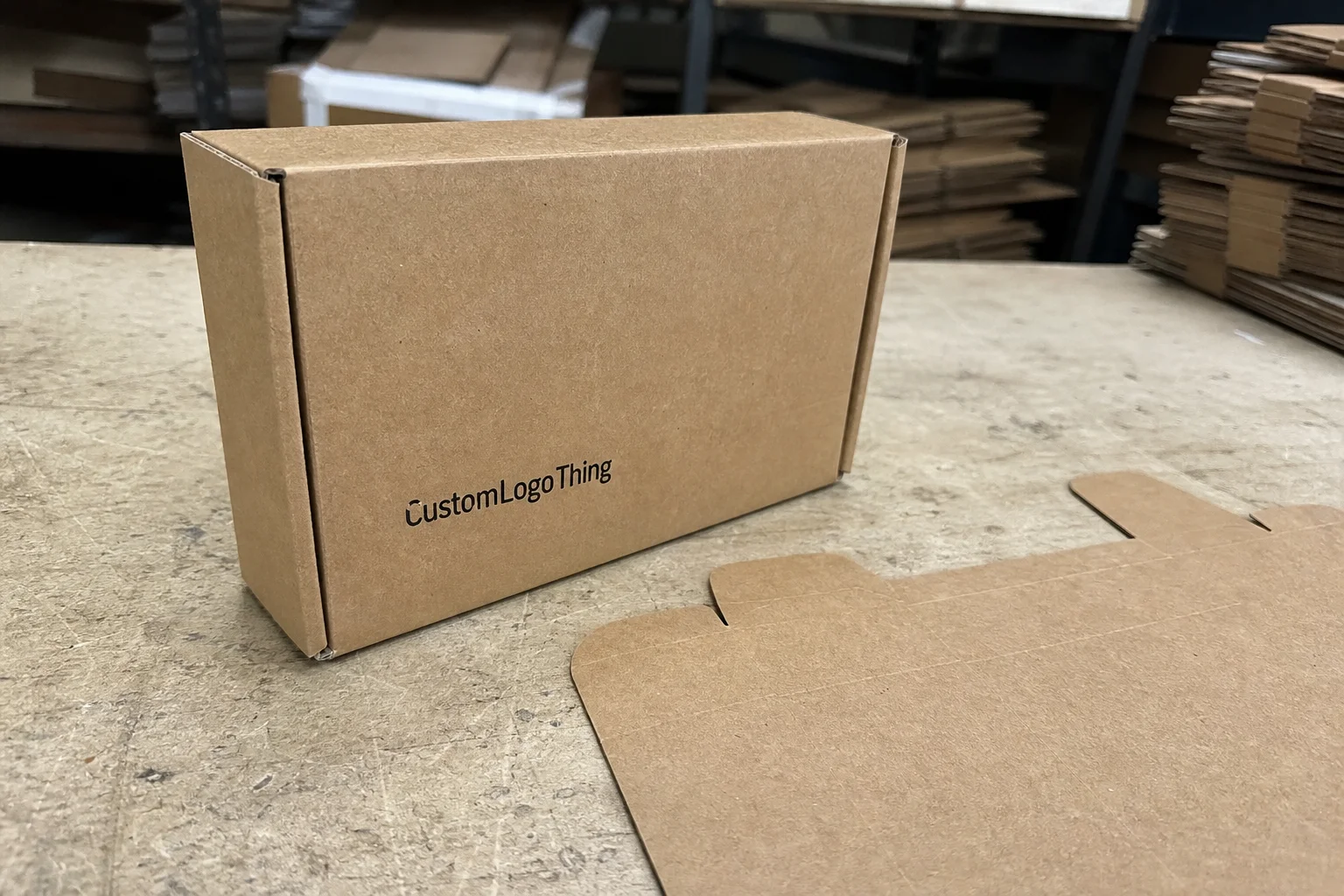
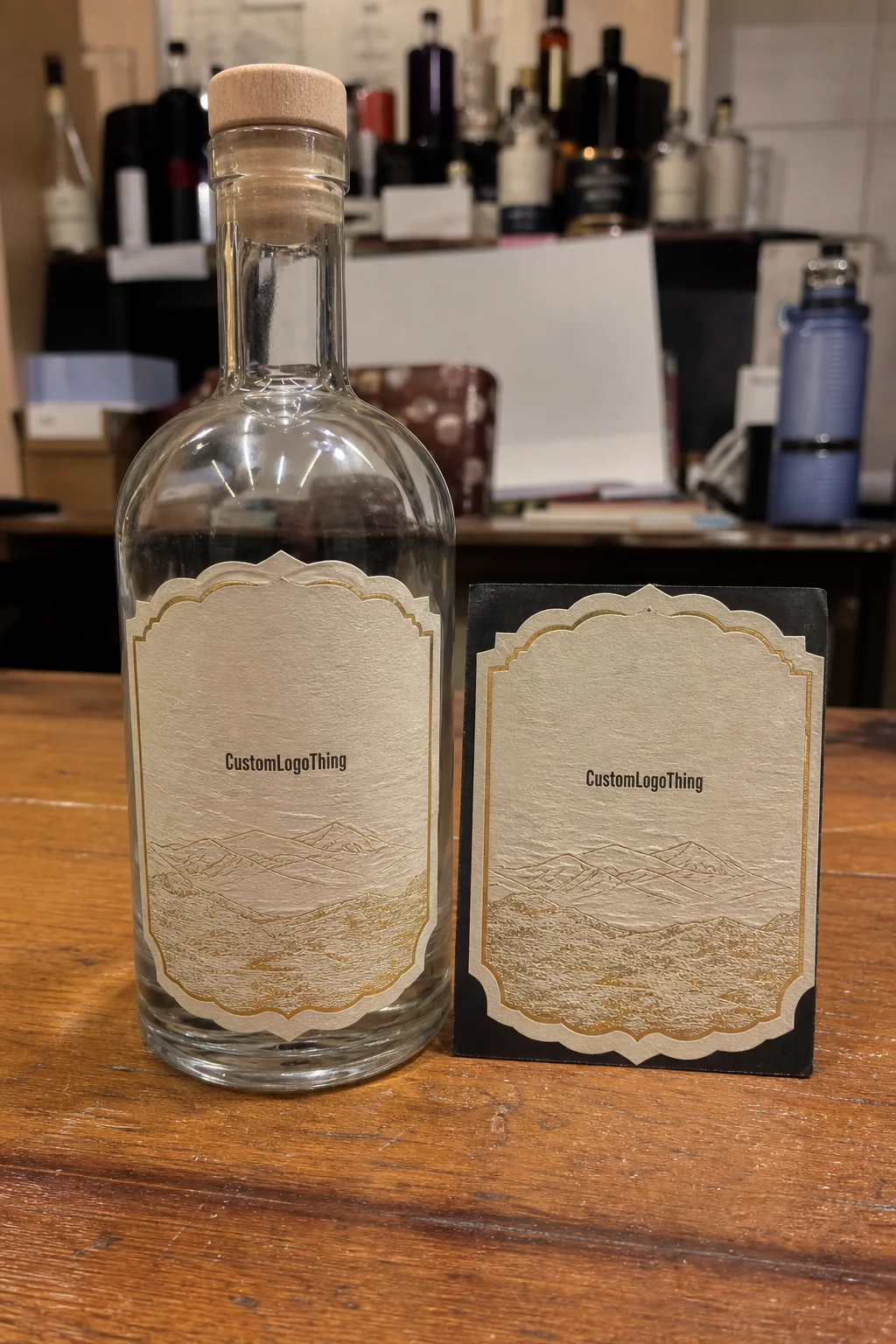
A custom logo makeup bag is one of those small branded items that gets handled constantly, opened and closed again and again, and then kept long after the original purchase or event has passed. That repeated use is exactly why the details matter so much. If the material feels flimsy, the zipper catches, or the logo wears off too quickly, the item stops supporting the brand and starts working against it.
From a packaging buyer’s point of view, this product sits between retail packaging and everyday utility. It has to protect cosmetics and travel essentials, but it also has to present well on a vanity, in a carry-on, or inside a subscription box. A good makeup bag does more than hold lip gloss and brushes; it carries package branding in a form people keep using.
That combination of visibility and utility is what makes the category useful, but it also makes specification important. The smartest orders usually begin with a clear use case, a realistic budget, and a spec sheet that leaves very little room for guesswork.
What a Custom Logo Makeup Bag Actually Is
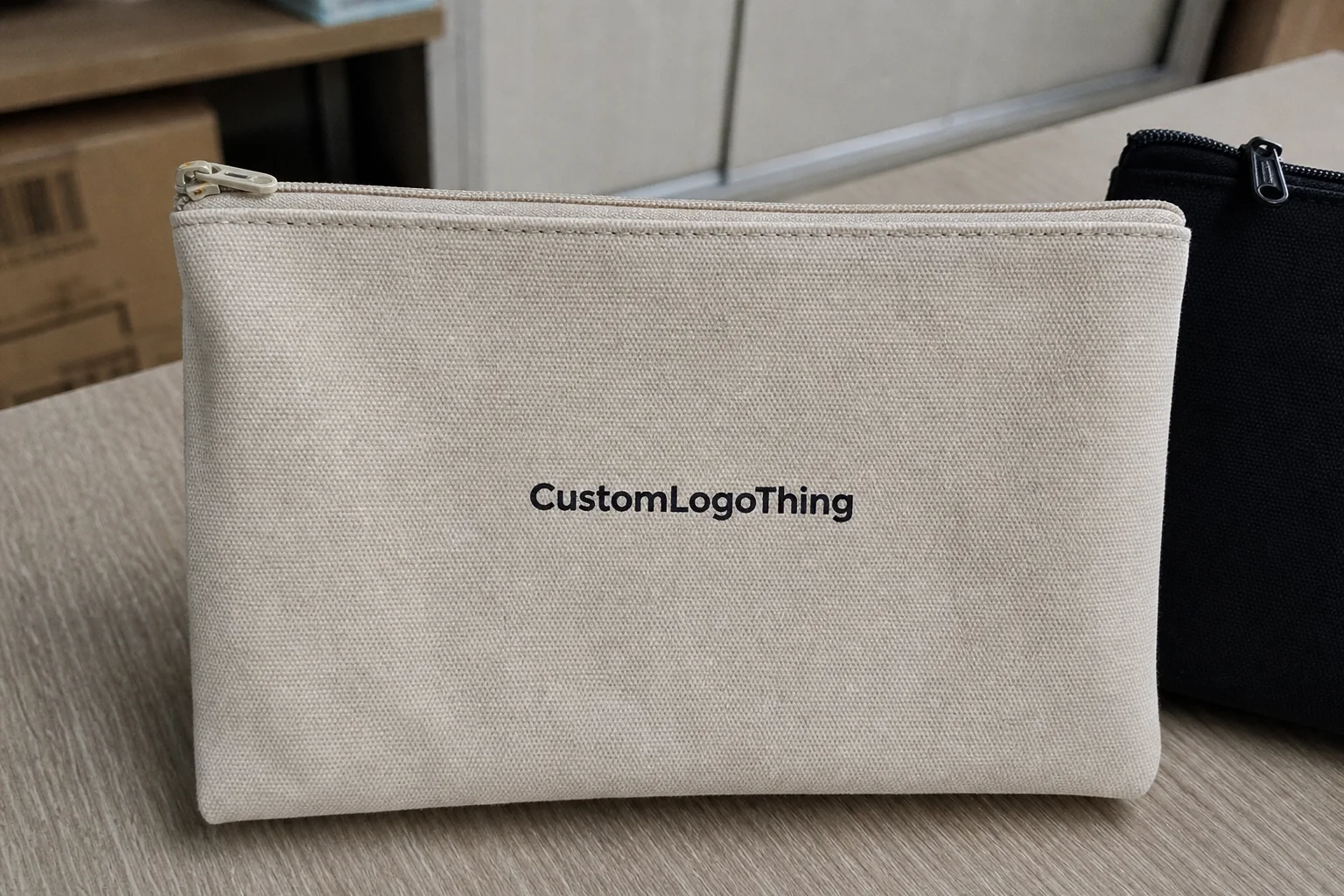
A custom logo makeup bag is usually a small pouch or cosmetic case made from plastic-based or synthetic materials such as PVC, EVA, TPU, or laminated fabrics. It is designed to hold cosmetics, brushes, skincare minis, travel-size bottles, or other personal items, and it can be produced in clear, frosted, tinted, or fully opaque styles depending on the brand direction.
Buyers usually judge these bags differently than they would a plain utility pouch. In beauty and travel programs, the bag needs to feel intentional. Clear materials are often chosen when contents need to be visible, while wipe-clean durability matters when the pouch will be handled often. If the item will sit on display or be used as part of a gift-with-purchase program, shape retention becomes just as important as print quality. A bag that wrinkles badly, leaks color, or yellows too quickly can weaken the brand impression fast.
Common uses include:
- Retail giveaways and launch events
- Beauty subscription inserts
- Promotional kits and influencer mailers
- Travel sets and airline amenity bundles
- In-store bundling with cosmetics or skincare
What makes the bag custom is the full set of decisions behind it. Size, shape, closure, transparency, print method, hardware, lining, zipper pull, and even the outer packaging can all be specified. One buyer may need a simple clear zip pouch with one-color screen print. Another may want a shaped beauty case with a debossed logo and a branded insert card. Both are custom logo makeup bags, but they serve different budgets and different expectations.
A helpful way to think about the product is this: the bag is not only a container, it is also a small piece of retail packaging that keeps carrying the brand every time someone reaches for it.
How the Branding and Construction Process Works
The production flow usually starts with artwork prep, then moves into material selection, proofing or sampling, printing, conversion, assembly, and final packing. That sequence sounds simple enough, but small changes early in the process can affect the whole job. If the logo file is not prepared correctly, for instance, the print area may need to be reduced, and that can change how the bag reads from a shelf or vanity.
Logo application depends heavily on the substrate. Screen printing works well for many PVC and EVA surfaces. Heat transfer can handle more detailed graphics, while UV print is useful when the design needs sharper visual impact on smoother materials. For clear pouches, an inserted paper or card brand panel is sometimes a better choice than direct printing, especially when the buyer wants a clean, minimal look without muting the transparency.
Construction details matter more than many first-time buyers expect. Seam strength affects how long the pouch survives inside a handbag or suitcase. Zipper type influences the feel of the opening and closing action. Gusset depth changes the usable volume. Whether the bag is welded or stitched affects moisture resistance as well as appearance.
Clear PVC and frosted PVC remain popular because they create a polished visual effect, but they demand better control over thickness and edge finishing. Too thin, and the bag can feel flimsy or distort under load. Too thick, and it can become rigid, heavy, or more prone to cracking at fold lines. That balance is why a spec sheet should always include the intended contents, not just the outer dimensions.
“The strongest process is the one that fits the end use. A travel pouch, a retail presentation bag, and a giveaway insert are not asking for the same construction, even if they carry the same logo.”
If the bag is part of a broader packaging program, it often helps to coordinate it with Custom Packaging Products such as inserts, outer boxes, and companion items so the entire presentation feels deliberate rather than pieced together.
Key Material, Size, and Print Factors
The material choice drives much of the final experience. PVC is common because it is clear, economical, and straightforward to fabricate. EVA has a softer feel and often reads less rigid in the hand. TPU can feel more premium and flexible, especially when the buyer wants a cleaner surface and better cold-weather performance. Coated synthetic fabrics, meanwhile, offer more structure and can be a smart choice when the bag needs a textile-like appearance.
Thickness, odor, clarity, and resistance to cracking all matter. A bag that looks bright on a sample but scratches easily during shipping will not impress buyers for long. Materials with a strong plastic odor can also be a problem for beauty programs, especially if the packaging sits near scented products or high-end skincare. For that reason, many buyers ask for a pre-production sample or a comparable swatch before approval.
Size should match the actual contents, not just the idea of what the bag might hold. Compact pouches work for minis, samples, and a few essentials. Mid-size bags fit everyday makeup routines and are common in branded packaging programs. Larger travel organizers are better when the bag needs to hold bottles, compacts, palettes, and tools together without bulging. If the design is too small, the zipper may strain. If it is too large, the product can feel loose and under-designed.
| Material | Typical Look | Common Strength | Best Use Case |
|---|---|---|---|
| PVC | Clear or frosted | Budget-friendly, easy to see contents | Promotions, events, retail-ready clear pouches |
| EVA | Softer, slightly matte | Flexible and lightweight | Travel sets, beauty kits, everyday cosmetic bags |
| TPU | Clean and premium | Better feel, good flexibility | Higher-end brand merchandise |
| Coated synthetics | Structured, fabric-like | Good shape retention | Fashion-focused product packaging |
Logo placement changes the whole look. A center-front print gives the strongest visibility. A corner mark feels quieter and often more premium. All-over print creates a more fashion-driven effect, though it can increase production complexity. For a custom logo makeup bag, the best option is not always the biggest logo; it is the one that matches the audience and the way the bag will be used.
Closures deserve attention too. Zippers are still the most common because they keep contents secure and create a familiar user experience. Snap seals and fold-over styles can work for lighter kits, but they usually read as less protective. If the bag is meant to carry liquids or loose items, a sturdy zipper with good alignment is usually the safer choice.
Custom Logo Makeup Bag Pricing and MOQ Basics
Pricing usually comes down to five or six main drivers: material, size, print complexity, color count, packaging format, and order quantity. If the bag uses a simple structure and a single-color logo, the cost is easier to control. Add multiple print locations, special hardware, or a more complex shape, and the quote moves up quickly.
MOQ, or minimum order quantity, is mostly about setup efficiency. A factory or converter needs to spread prep time, material cutting, print setup, and packing labor across enough units to make the run practical. Simpler stock-style bags often have lower minimums. More custom structures, specialty closures, or premium finishes usually need higher volumes.
For budget planning, it helps to think in tiers rather than one flat price. A unit price may drop sharply once the order crosses a certain quantity, but that does not always mean the larger run is the smarter move. If storage is limited or sell-through is uncertain, the lowest per-piece price can still be the wrong decision. Buyers should weigh total landed cost, not just the factory quote.
Typical cost variables include:
- Art revisions or file cleanup
- Tooling or mold charges for custom shapes
- Special inserts or branded cards
- Custom zipper pulls or hardware
- Individual polybagging or retail carton packing
As a rough working range, a simple clear PVC pouch in a mid-size run may land near $0.18-$0.28 per unit at 5,000 pieces, while a more finished TPU or structured case with added print steps can move well above that. The exact number depends on the spec, and that is not a dodge; it is the reality of converted packaging.
A useful buying habit is to request pricing at several quantities, such as 1,000, 3,000, 5,000, and 10,000 pieces. That makes it easier to compare budget, storage, and expected usage. It also shows where the price break sits, which is usually more helpful than a single quote.
For broader packaging design work, many buyers compare the bag quote against companion items like custom printed boxes or insert cards so they can see the full program cost rather than one component in isolation.
Production Timeline, Lead Time, and Approval Steps
A typical run moves through artwork confirmation, sample or proof approval, material sourcing, production, quality inspection, packing, and freight scheduling. If the components are standard and the artwork is clean, the process can move relatively quickly. If the project needs custom colors, specialty printing, or a new mold, the schedule stretches.
Lead time is strongly tied to how custom the bag really is. Stock components and ready-to-run materials move faster because there is less prep. Fully custom structures take longer because tooling, finishing, and validation all add steps. In many cases, simple runs can ship in about 12-15 business days from proof approval, while more complex projects may need several additional weeks, especially if samples require revision.
Proofing is where many delays are avoided. Confirm the logo position, Pantone references, zipper color, dimensions, and closure style before production starts. A logo that looks centered on a flat digital file can shift slightly once it is placed on a pouch with seams, gussets, or curved edges. That is normal, but it needs to be checked early.
Shipping buffer matters too. If the bags are tied to a launch, event, or seasonal promotion, do not plan as though production time is the only time that counts. Freight can vary, and even a well-run job can be delayed by port congestion, weather, customs review, or truck scheduling. Buyers who build in a cushion usually feel a lot less pressure.
For quality-minded buyers, it can be useful to ask whether the project is being tested against any relevant packaging or transit standard, especially if the bags will travel inside larger shipping cartons. Depending on the route and packing configuration, standards from groups like ISTA can be a useful reference point for transit testing expectations, while environmental material questions may point buyers toward guidance from EPA.
A clean approval process is one of the easiest ways to protect margin. A day spent checking specs can save a week of corrections later.
Common Ordering Mistakes That Raise Costs
One of the biggest mistakes is choosing a material that looks attractive online but feels flimsy in real use. Thin clear plastic can photograph well, but if it scratches, creases, or yellows too quickly, the branded item loses value fast. For a custom logo makeup bag, appearance and durability need to hold together.
Another common issue is approving artwork before confirming the exact print area. A logo that seems perfectly sized on a computer screen can end up too small on the finished pouch, or too large and crowded against a zipper seam. This is especially true when the design includes a tagline, icon, and secondary text. The more elements you add, the more likely the layout becomes visually busy.
Too many colors, specialty inks, or mixed finishes can also raise cost and risk. A simple one-color mark often looks cleaner and can be easier to reproduce consistently. That does not mean the design has to be plain; it usually means the strongest branded packaging comes from restraint.
Buyers also underestimate fill capacity. A pouch that holds a lipstick and compact may be fine for marketing samples, but not for full retail sets or travel kits with bottles and tools. If the intended contents are not specified early, the bag may ship beautifully and still fail the use case. That is an avoidable problem.
Finally, skipping a proof review can cause seam placement, zipper alignment, or logo placement errors. Even a good production team needs sign-off. A digital proof is not a substitute for checking the real dimensions and the actual visual balance of the artwork.
Here are the most common cost-inflating mistakes, in plain terms:
- Choosing the wrong material thickness for the intended load
- Overcomplicating the logo or print layout
- Ignoring packaging and insert costs
- Failing to confirm exact dimensions before approval
- Leaving shipping time out of the schedule
Expert Tips for a Better Branded Finish
Pick a finish that matches the brand story. Crystal-clear suits a clean beauty look, frosted gives a softer premium feel, and colored translucent material can read more fashion-forward. Each option sends a different message before anyone even opens the bag.
Keep the branding simple and intentional. A single strong logo mark often looks more upscale than a crowded layout with too many claims and decorative elements. That is especially true for small-format product packaging, where every millimeter matters and visual clutter reduces impact.
Structure should match contents. Rigid or semi-rigid cases are better for heavier items, while flexible pouches are more suitable for lightweight travel sets or promotional kits. If the bag needs to stand upright on a shelf or vanity, ask about gusset depth and base structure before approving the spec.
Whenever possible, request swatches or sample pieces of similar materials. Seeing a clear pouch in hand tells you much more than a screen image ever will. You can judge clarity, edge finish, zipper feel, odor, and logo visibility under real light. That one step often prevents disappointing surprises later.
If the bag is part of a larger beauty program, coordinate it with tissue, insert cards, or outer cartons so the entire presentation works together. A well-planned packaging design system feels deliberate, and that usually reads as higher value to the customer.
For buyers concerned with sourcing and sustainability, it can also be useful to check whether paper components or inserts carry FSC-backed options through FSC, especially when the makeup bag sits inside a broader branded packaging kit.
Next Steps for Planning Your Order
The easiest way to move forward is to define the use case first. Is the bag for retail, a subscription box, a gift set, or a trade event? That answer narrows the material, closure, print method, and target size much faster than starting with decoration alone.
Then gather the practical details: logo files, preferred dimensions, closure style, quantity, color references, and any packaging requirements. If you already know whether the bag needs to fit compacts, brushes, or travel bottles, include that too. The more specific the brief, the cleaner the quote.
Ask for a sample plan or proofing sequence so you know when artwork review happens, when dimensions are locked, and whether there will be a pre-production sample. That timeline makes it easier to manage internal approvals on your side, which matters a lot if more than one person needs to sign off.
Compare options using both appearance and practicality. A lower price is not useful if the bag scratches easily, ships late, or feels cheap in the hand. Likewise, the most expensive bag is not always the best fit if your audience values utility over luxury. Good buying means matching the bag to the real customer, not to an imagined ideal.
Before placing the order, confirm the final spec sheet line by line: material, thickness, size, logo method, closure, packaging, and delivery schedule. That is the part that keeps a custom logo makeup bag from turning into a vague concept. Once the details are clear, the job usually gets much easier to manage, and the finished piece has a far better chance of looking polished, useful, and genuinely on-brand.
What is the best material for a custom logo makeup bag?
PVC works well for clear, budget-conscious designs, while EVA and TPU can feel more premium and flexible. The best choice depends on whether the bag needs clarity, softness, structure, or stronger long-term durability.
How much does a custom logo makeup bag usually cost?
Price depends on size, material, print method, and order quantity. Lower unit cost usually comes with larger orders, while special finishes, inserts, and complex construction increase the total.
What is the typical MOQ for a custom makeup pouch?
MOQ varies by material and decoration method. Simpler stock-style bags often have lower minimums than fully custom structures, so it helps to ask for tiered quantities to find the most efficient order size.
How long does production usually take?
Lead time depends on artwork approval, sample needs, materials, and decoration complexity. Simple orders move faster than fully custom builds, and shipping time should always be added to production time when planning a launch.
What should I send before requesting a quote for a custom logo makeup bag?
Send logo files, target size, material preference, quantity, closure style, color references, and packaging needs. A clear spec sheet helps speed up pricing and reduces revision time.