Buyer Fit Snapshot
| Best fit | Custom Mailer Boxes for Cosmetics projects where brand print, material claims, artwork control, MOQ, and repeat-order consistency need to be specified before quoting. |
|---|---|
| Quote inputs | Share finished size, material target, print colors, finish, packing count, annual reorder estimate, ship-to region, and any compliance wording. |
| Proofing check | Approve dieline scale, logo placement, barcode or warning zones, color tolerance, closure strength, and carton packing before bulk production. |
| Main risk | Vague material claims, crowded artwork, missing packing details, or unclear freight terms can make a low unit price expensive after revisions. |
Fast answer: Custom Mailer Boxes for Cosmetics: Design, Cost & Fit should be specified like a repeatable production item. The safest quote records material, print method, finish, artwork proof, packing count, and reorder notes in one written spec.
Production checks before approval
Compare the actual filled-product size with the drawing, then confirm tolerance on folds, seals, hang holes, label areas, and retail display edges. Reserve space for logos, QR codes, warning copy, and material claims before decorative graphics fill the panel.
Quote comparison points
Review material grade, print process, finish, sampling route, tooling charges, carton quantity, and freight assumptions side by side. A quote is only useful when the supplier can repeat the same color, closure quality, and packing count on the next order.
Custom Mailer Boxes for cosmetics have a bigger job than most packaging buyers expect. They need to protect fragile product, carry the brand story, and still move through fulfillment without turning every pack-out into a slow, fiddly mess. A good cosmetic mailer is part shipping carton, part branded packaging, and part first impression. The spec matters just as much as the artwork.
That mix of protection and presentation is exactly why this format works for serum sets, lip care kits, subscription bundles, sample launches, and influencer mailers. If the structure is too light, corners crush and inserts fail. If the box is overbuilt, cost climbs and the line slows down. The sweet spot protects the product, looks intentional on arrival, and still fits the pace of real packaging operations.
If the product can move inside the box, the box is not finished yet. Movement is usually the first sign that fit, insert design, or closure style needs another pass.
From a packaging buyer’s point of view, the best cosmetic mailer is rarely the fanciest one on paper. It is the one that balances crush resistance, print quality, storage efficiency, and a clean pack-out process. That is where packaging design becomes a practical tool instead of a visual exercise, especially for beauty brands that need custom printed boxes to arrive polished and still survive parcel shipping.
What Custom Mailer Boxes for Cosmetics Actually Do
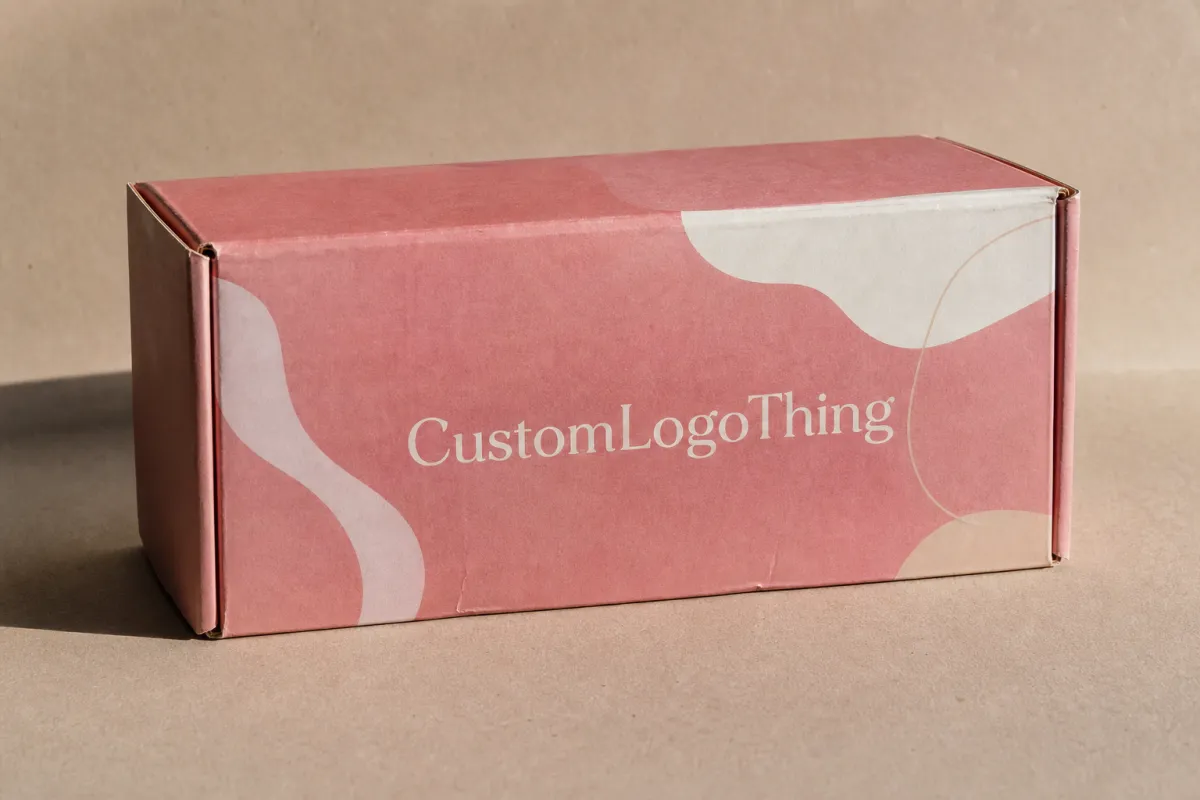
A mailer for beauty products is not just a box with a logo on it. In practice, Custom Mailer Boxes for cosmetics often serve as the shipper, the presentation layer, and the first physical brand touchpoint all at once. That means the structure has to protect items in transit, but it also has to open cleanly and present product in a way that feels deliberate rather than improvised.
The difference between a plain shipping carton, a retail-style gift box, and a true mailer box matters. A standard corrugated shipper is built mainly for transit, stacking, and warehouse handling. A retail gift box leans harder into shelf display and hand-touched presentation, often with thinner board and less concern for parcel abuse. A true mailer box sits in the middle: it usually has a self-locking or tuckable structure, enough board strength to handle shipping, and a face that can carry branded packaging well without becoming a pain to pack.
That middle ground is why cosmetics use this format so often. Glass serum bottles, pump bottles, jars with cream products, lip balm sets, palette kits, and mixed sample packs all benefit from a box that can stabilize product and still feel premium. Subscription bundles and influencer mailers need the same thing, because the unboxing experience matters as much as the item itself when the package is going on camera before the product gets used. I have seen a strong product lose momentum because the box arrived dented, dented again, then opened like it had already had a bad day. Nobody posts that and feels inspired.
In shipping terms, the box has to do a few concrete things at once:
- Control movement so bottles do not chatter or tip.
- Protect corners and edges from compression in transit.
- Keep inserts or partitions from shifting under vibration.
- Support a fast pack-out so fulfillment teams are not fighting the carton.
- Present the brand clearly so the outer box feels like part of the product experience.
That is why buyers should think about product packaging as a system, not a single piece. The outer mailer, the insert, the print finish, and the closure all influence whether the package feels premium and whether it actually reaches the customer intact. For brands comparing multiple structures, it can also help to review other Custom Packaging Products and, for lighter apparel or accessory lines, compare the fit against Custom Poly Mailers so each SKU uses the right format instead of forcing one style to do everything.
Not every cosmetic mailer needs to look like luxury retail packaging. A clean Kraft exterior with a sharp one-color print can feel honest and modern. A full-bleed art layout with soft-touch coating can lean more premium. The right answer depends on the product price point, the shipping route, and how much handling the box will see before it reaches the customer.
A second detail gets overlooked all the time: the box needs to fit the business, not just the product. If the team is shipping thousands of units a month, a pretty but awkward carton becomes a labor problem. If the brand is launching a limited run, a simpler spec may make more sense because cash and lead time matter more than extra decoration. Packaging lives in the real world. Boring, but true.
Production Process and Turnaround for Custom Mailer Boxes for Cosmetics
The production path is usually straightforward, but every step has details that can affect timing. A solid project starts with product dimensions, actual weights, and a clear note about what is fragile or leak-prone. From there, the supplier builds or confirms a dieline, checks artwork placement, reviews finish choices, creates a sample or proof, and then moves into printing, die-cutting, folding, gluing, and packing.
That sequence sounds simple until launch timing gets involved. Most delays come from three places: artwork revisions, structure changes after the first proof, and finish decisions that add extra production steps. Foil, embossing, spot UV, or specialty lamination can all extend the schedule because those operations need additional setup and inspection. If a kit includes multiple inserts or partitions, the build may also require more hand assembly or more complex tooling. Any buyer who has had a launch slip because "the boxes are just one more week out" knows exactly how annoying that becomes.
Turnaround changes with order size too. Small runs can move faster because the quantity is lighter, but unit pricing is usually higher because setup costs are spread across fewer boxes. Larger orders often bring better per-unit pricing, yet they need more planning around press time, finishing capacity, palletizing, and freight coordination. A buyer planning seasonal beauty launches should treat the box as a scheduled supply item, not an afterthought that gets ordered once the product is already boxed and labeled.
Sampling deserves real attention here. A digital proof shows artwork placement, but it does not tell you how a full serum bottle feels in the tray or whether the lip kit rattles in shipment. A physical mockup can reveal tight folds, weak closure tabs, awkward insert clearances, and pack-out steps that slow the line. For fragile skincare, that sample often saves more money than it costs because it catches a bad fit before full production begins.
For teams that want a more disciplined shipping test, it is smart to ask for a transit simulation or a method aligned with industry testing guidance. The International Safe Transit Association publishes test plans widely used for parcel packaging validation, and those methods help teams think beyond “does it look good” toward “does it survive real handling.”
In a practical timeline, many cosmetic mailer projects land somewhere around 10 to 18 business days after proof approval for simpler builds, while more decorated or more complex programs can run longer. Freight time sits on top of that. If the launch date is fixed, the safer move is to work backward from the customer-facing date, not forward from the day the artwork is finished.
That reverse timeline matters more than most teams admit. Marketing wants the announcement date. Operations wants the boxes. Finance wants the invoice to be smaller. The carton does not care. Build the schedule around production reality, and the whole project stops feeling like a scramble.
Materials, Structure, and Print Choices That Affect Performance
Material choice is where cosmetic mailers either feel sturdy and efficient or become expensive lessons. Corrugated board is common for shipping strength, with E-flute and B-flute frequently used depending on the product weight and the presentation goal. E-flute gives a smoother print surface and a thinner profile. B-flute is thicker and generally offers more protection for heavier jars, glass bottles, or packs that need a little more crush resistance.
Paperboard-style builds can work well for lighter items or for a more refined retail packaging look, but they are not the same thing as a transit-first mailer. If the outer box is expected to go through parcel networks, stacking pressure, and maybe a rough conveyor or two, the board grade and wall construction matter more than the surface appearance. A beautiful printed face does not help if the corners collapse under load.
Structure also carries a lot of the performance load. Tuck closures, roll-end front tuck mailers, auto-lock bottoms, inserts, partitions, and product cradles each solve different problems. A simple lip gloss set may only need a snug insert and a neat closure. A glass skincare kit with several components may need dividers or a die-cut cradle to keep each piece from rubbing, tipping, or striking the wall of the carton during vibration.
That is where fit and friction become real packaging decisions. Too much clearance lets product move. Too little clearance can make pack-out painful and increase the chance of scuffed labels or crushed cartons inside the mailer. The most reliable cosmetics boxes usually hold product firmly without forcing the filler, and that balance tends to improve both damage rates and fulfillment speed.
Print and finish deserve the same practical view. Matte and soft-touch finishes feel premium, but darker graphics can show scuffing if the box moves against other cartons in transit. Aqueous coating can improve rub resistance while keeping the price more controlled. Foil accents and spot treatments can raise the shelf impact, but they also add setup and may lengthen lead times. Used thoughtfully, those finishes make a package feel carefully branded; used all at once, they can make the box expensive without making it more effective.
Sustainability also belongs in this conversation, but not as a vague marketing layer. Right-sizing reduces void fill and lowers cube waste. Recycled content can be a smart choice if it still meets strength needs. FSC-certified fiber is worth considering for brands that want a more defensible sourcing story, and you can review certification guidance through the Forest Stewardship Council. If your program is focused on waste reduction and material efficiency, the EPA’s Sustainable Materials Management resources are also useful for thinking about source reduction and packaging waste.
For brands comparing the feel and function of different builds, the key question is not “which structure is best” in a vacuum. It is “which structure protects the product, supports the print story, and stays efficient at the scale we actually ship.” That is the question that keeps packaging design grounded in real operations rather than in samples alone.
There is a practical side to finish selection that rarely gets enough attention. A glossy carton can look sharp in a studio and terrible after a week on a fulfillment shelf. A soft-touch finish can feel expensive and still show fingerprints. A Kraft build can look simple and honest, then win on durability because it shrugs off minor wear. The smartest choice is usually the one that matches the route the package actually takes.
Cost, Pricing, and MOQ Basics for Custom Mailer Boxes for Cosmetics
Pricing for custom mailer boxes for cosmetics usually starts with the box size, then moves through board grade, print coverage, finish complexity, insert design, order quantity, and freight. A larger box consumes more board and often needs stronger construction. A box with heavy ink coverage, foil, or soft-touch lamination costs more than a simple one-color Kraft build. Add inserts or partitions, and the price rises again because there is more material and sometimes more assembly.
MOQ, or minimum order quantity, matters because setup costs are not spread evenly at low volume. A small run of 250 units might have a much higher per-unit cost than a run of 5,000, even if the design is the same. That is not a penalty so much as a reality of print production: the press setup, die-cut tooling, and finishing steps need to be recovered across the order. For brands with several SKUs, MOQ can become the deciding factor between one shared box family and several highly customized versions.
There are also hidden costs that often surprise first-time buyers. Proofs may carry a fee. Specialty tooling can add expense. Storage may matter if boxes arrive before the product is ready. Hand inserts or kitting can increase labor. Freight is another one that gets underestimated, especially when the cartons are bulky but lightweight, because the cube can matter more than the weight itself on a parcel or pallet move.
A supplier usually needs a few details to quote accurately:
- Internal dimensions of the finished packed-out box.
- Product weight and whether items are glass, plastic, or metal.
- Artwork status, including whether files are print-ready or still in review.
- Finish preferences such as matte, gloss, soft-touch, foil, or spot UV.
- Quantity by SKU and whether the order is a one-time run or a repeat program.
- Launch date, replenishment date, or seasonal deadline.
To make the tradeoffs easier to see, here is a practical comparison of common cosmetic mailer approaches:
| Mailer Style | Typical Strength | Best Use | Approx. Unit Cost at 1,000 Units | Notes |
|---|---|---|---|---|
| E-flute branded mailer | Light to medium | Sample kits, light skincare, small accessory bundles | $0.75-$1.35 | Good print surface, lighter feel, usually efficient for retail packaging presentation |
| B-flute mailer with insert | Medium to heavy | Glass serum bottles, jar sets, mixed cosmetic bundles | $1.10-$2.10 | Better crush resistance and better control of movement during shipping |
| Paperboard gift-mailer hybrid | Light | Influencer mailers, luxury unboxing, low-abuse shipping lanes | $1.50-$3.25 | More presentation-driven; may need secondary protection depending on route |
| Specialty finish mailer | Varies | Premium launches, holiday kits, brand moments | $2.10-$4.50 | Foil, soft-touch, embossing, and heavy coverage increase both cost and lead time |
The cleanest way to control cost is usually not to strip the box down until it feels cheap. A better move is to standardize box sizes across product families, reduce unnecessary inserts, and choose one strong finish rather than stacking several. That approach often keeps branded packaging attractive while lowering waste, lowering inventory complexity, and avoiding a spec that becomes hard to reorder later.
There is one more financial point worth saying plainly: a box that looks inexpensive but causes damage is not inexpensive. Replacement shipments, customer complaints, and rework cost real money. From a packaging buyer’s point of view, the landed cost of custom printed boxes should include how well they protect the product and how reliably they move through fulfillment, not just the quoted box price.
MOQ planning also shapes how a brand scales. A company that launches three shades, four scents, or a rotating seasonal kit can either chase custom specs for every variation or build a smarter master format and swap artwork. The second route usually keeps the line calmer and the inventory spreadsheet less ugly.
Step-by-Step Plan for Ordering Custom Mailer Boxes for Cosmetics
The easiest way to keep a box project under control is to treat it like a production plan. Start with the product itself. Measure the finished item, not just the bottle volume on the label. Record the diameter of jars, the height of closures, the fragility of droppers, and any leakage or temperature concerns that could affect the final specification. If the line includes more than one SKU, measure every piece that will ship.
After that, build a mock pack-out before you place the order. A real test with actual product is better than a dimension sheet alone because cosmetics often have awkward details: rounded shoulders on bottles, taller caps than expected, or labels that need more clearance than the CAD drawing suggested. If the product shifts in the mockup, you can usually fix it with a tighter insert, a different flute, or a cleaner partition layout before production starts.
Then choose the structure and branding approach together. This is where many teams split decisions that should stay linked. A premium finish on a weak structure does not help. A strong structure with no brand story may protect the product but miss the unboxing moment. The best result usually comes from matching the box style to the channel: sample mailers may want visual energy, while replenishment cartons may need efficiency and repeatability first.
Once the structure is set, review artwork against the dieline, not just against a flat layout. Fold lines, adhesive areas, and closure flaps can hide text or interrupt logos if the artwork is not mapped correctly. Print proofs are important, but so is checking how the design behaves around seams and folds. That is especially true for custom printed boxes with full-bleed art or fine text that needs to remain legible after the carton is cut and formed.
Before full production, approve a sample and test it the way the customer will receive it. Drop resistance matters. Closure security matters. Ease of fulfillment matters too, because a box that takes too long to assemble or pack can slow the whole line. If the carton needs tape, extra filler, or a complicated fold sequence, that is a sign the design may need to be simplified.
Finally, line up inventory and reorder thresholds. Cosmetics often run on launch cycles, campaign bursts, and seasonal restocks, so stockouts can happen fast if boxes are not planned ahead. If a box is used across multiple items, keep enough safety stock for the lead time plus freight. If the box is part of a launch kit, set the reorder point before the marketing calendar locks in.
For brands that want to compare structures side by side, it can help to look at the broader packaging system alongside the cosmetic mailer. That includes shipping methods, filler materials, labels, and any companion formats that keep the product family consistent across channels. A little upfront planning here usually saves a lot of fire-drill work later.
One useful habit: run the pack-out with someone who did not design the box. Fresh eyes catch the nonsense fast. If they pause, fold something the wrong way, or need instructions just to close the carton, the spec is not ready.
Common Mistakes That Cause Damage, Delays, or Waste
The most common mistake is sizing the box from product count instead of packed dimensions. A three-piece set may seem simple until the bottles are taller than expected or the insert steals more room than planned. A small fit error can create movement, crush corners, or force the fulfillment team to wedge filler into places it should never be. That is how a clean-looking spec becomes a damage problem.
Another frequent issue is skipping internal protection for glass, pumps, droppers, and jars. Cosmetics are deceptively delicate. A carton can look sturdy from the outside and still fail if the contents are allowed to strike the sidewall or rub against each other. Inserts are not always mandatory, but they are often the difference between a secure shipper and a box that returns with scuffed labels or broken closures.
Overdesign causes its own trouble. Heavy embellishment can push up cost, lengthen turnaround, and make the box harder to assemble. A brand may want foil, embossing, soft-touch, and full flood coverage all at once, but the result can be a package that looks expensive while creating production headaches. A disciplined design with one or two clear focal points often feels more premium than a box that tries to use every effect available.
Artwork timing is another place where projects go sideways. If the design is approved before the structure is locked, text can land too close to folds, logos can disappear into seams, and finish choices can interfere with legibility. Packaging design should be checked against the finished dieline, not just the marketing mockup. That is especially true for beauty brands where the box is part of the brand language and often appears in photos, videos, and retail packaging displays.
Lead time planning gets ignored more often than it should. A brand may approve the visuals but forget that a finicky finish or a larger reorder still needs time to produce. Then the rush order arrives, freight gets upgraded, and the margin shrinks. A calmer reorder cycle is usually cheaper than a last-minute scramble.
Here is a simple way to avoid most of those problems: test the box as a system, not as a graphic. Put the actual product in, close it, shake it lightly, drop test it if the item is fragile, and ask someone on the fulfillment team to pack it without coaching. If the team hesitates, the spec probably needs another pass.
Waste shows up in less obvious places too. Oversized cartons inflate shipping cost. Too many SKUs complicate storage. A beautiful structure that cannot be reordered easily becomes a headache the second the first run sells through. Good packaging design is supposed to make the work easier, not create a museum piece that nobody wants to run twice.
Expert Tips and Next Steps for a Smarter Box Program
If a cosmetic line will keep shipping for more than one launch cycle, standardize around one or two box families. Repeatable sizes simplify production, reduce waste, and make reorders easier to manage. They also help with warehouse organization because fewer carton styles mean fewer mistakes at pack-out. For a brand with multiple scents, shades, or treatment variants, shared structural families can keep the system clean while still allowing different artwork.
Choose one hero finish instead of stacking every premium effect at once. A soft-touch box with restrained ink coverage can feel elegant. A Kraft box with a sharp foil logo can feel modern and confident. Even a simple matte printed surface can carry strong package branding if the layout is disciplined and the proportions are right. The trick is to make one element do the heavy lifting instead of asking every finish to fight for attention.
Align the spec with the fulfillment floor. If the team is packing hundreds of boxes a day, a carton that opens easily and accepts product in a predictable sequence is worth more than a design that only looks good in a render. That means considering closure style, insert placement, label access, and how the box stacks in storage. Product packaging should support operations, not slow them down.
Ask for material samples and printed proofs before committing to the full run. Screen color is a poor substitute for touch, fold behavior, and board feel. A sample can show whether the finish feels too slick, whether the print is too dark on a recycled substrate, or whether the insert needs more grip. That step often reveals details you cannot see in a PDF.
For brands comparing options across formats, it helps to look at the whole packout picture. Some cosmetic items need a mailer, some need a display-style box, and some need a simpler shipping format with a label and a protector. The right answer depends on fragility, order volume, and how much customer-facing presentation is actually necessary. Not every SKU needs the same treatment.
Before you place the order, gather the product dimensions, set the budget, confirm the launch date, and run one sample pack-out with real product. Those four steps solve a surprising number of issues before they become expensive. Once the fit is proven, the print is checked, and the lead time is realistic, custom mailer boxes for cosmetics become much easier to manage across launch cycles, restocks, and seasonal campaigns.
One more thing: build a reorder note while the box is still fresh in everyone’s head. Record the approved board, finish, insert style, and artwork file version in one place. The next time the order comes around, nobody has to dig through email like it is archaeology.
The practical takeaway is simple: pick the lightest structure that still protects the product, verify the fit with a real sample, and lock the artwork only after the dieline is final. Do that, and the box will do its job without becoming the most annoying part of the launch.
Frequently Asked Questions
How do I size custom mailer boxes for cosmetics correctly?
Measure the finished product dimensions, not just the label size or bottle volume, then add only the clearance needed for the insert and closure. A snug fit is better than a roomy one because too much movement can lead to scuffed surfaces, crushed corners, or broken closures in transit.
Test the full pack-out with the actual product weight, because a box that looks right on paper can still shift, bow, or close poorly in real use. If you ship multiple SKUs, use one shared internal format only when each item can be stabilized with the same insert or partition layout.
What board style works best for cosmetic mailers?
E-flute works well for lighter products and sharper print quality. B-flute gives more crush resistance and is usually the safer choice for heavier jars, glass bottles, and mixed bundles. The right pick depends on how much abuse the box will take before it reaches the customer.
Paperboard can look great for presentation-heavy packs, but it usually needs more care in transit. If the box is shipping through parcel networks, strength should win over appearance every time. Pretty boxes that fail in transit are just expensive confetti.
Do I need inserts for custom mailer boxes for cosmetics?
Not always. Small, lightweight items can sometimes ship safely with a tight carton and good closure design. Glass bottles, droppers, pumps, and multi-item kits usually need inserts, dividers, or a die-cut cradle to prevent movement and surface damage.
The best way to decide is to pack the actual product and shake the box gently. If anything moves, rattles, or rubs, the structure needs more control. That test is fast, cheap, and brutally honest.
How can I keep printing costs under control?
Keep the print plan simple. One strong finish usually looks better than three competing effects, and it costs less too. Standardizing box sizes across similar SKUs also reduces tooling changes and makes repeat orders easier.
Heavy coverage, foil, embossing, and special coatings all add setup time and cost. Use them where they actually support the brand story. Throwing every effect on the same box does not make it premium. It makes it expensive.
What is a realistic turnaround for cosmetic mailers?
Simple builds often move in about 10 to 18 business days after proof approval, then freight adds more time. Complex structures, specialty finishes, and larger runs usually need a longer schedule because each extra process adds setup and inspection.
Launch dates should be built backward from the day boxes need to be in hand, not from the day artwork is approved. That one habit prevents a lot of late-night panic.
Are custom mailer boxes for cosmetics good for sustainability goals?
They can be, if the spec is built with waste in mind. Right-sized cartons reduce void fill and shipping cube. Recycled content and FSC-certified fiber can support sourcing goals when the board still meets performance needs.
Sustainability should be tied to measurable choices, not vague copy. Less wasted space, fewer damaged shipments, and a box that gets reordered without redesign are all better than a headline nobody can verify.
Can one mailer style work for every cosmetic SKU?
Usually not. A tiny lip balm, a glass serum set, and a holiday kit have different needs. A single family of boxes can cover a lot of ground, but the insert, board grade, or closure may still need to change by SKU.
Shared structure helps with planning. Blindly forcing every product into the same carton creates damage, ugly pack-outs, and a warehouse team that quietly hates the packaging calendar.

