Buyer Fit Snapshot
| Best fit | custom mailer boxes for startups branding for packaging buyers comparing material specs, print proof, MOQ, unit cost, freight, and repeat-order risk where brand print, material, artwork control, and repeat-order consistency matter. |
|---|---|
| Quote inputs | Share finished size, material target, print colors, finish, packing count, annual reorder estimate, and delivery region. |
| Proofing check | Approve dieline scale, logo placement, barcode or warning zones, color tolerance, and any recyclable or compostable wording before bulk production. |
| Main risk | Vague material claims, crowded artwork, or missing packing details can create delays even when the unit price looks attractive. |
Fast answer: Custom Mailer Boxes for Startups Branding: Film, Closure, Print, and Fulfillment should be specified like a repeatable production item. The safest quote includes material, print method, finish, artwork proof, carton packing, and reorder notes in one written spec.
What to confirm before approving the packaging proof
Check the product dimensions against the actual filled item, not only the sales mockup. Ask for tolerance on folds, seals, hang holes, label areas, and retail display edges. If the package carries a logo, QR code, warning copy, or legal claim, reserve that space before decorative graphics fill the panel.
How to compare quotes without losing quality
Compare board or film grade, print process, finish, sampling route, tooling charges, carton quantity, and freight assumptions side by side. A lower quote is only useful if the supplier can repeat the same color, closure quality, and packing count on the next order.
Custom Mailer Boxes for Startups: Branding That Works
The package often arrives before the product gets used, which means Custom Mailer Boxes for startups make the first sales pitch whether founders planned for it or not. A box that feels flimsy, oversized, or rushed starts the relationship badly. A box that feels intentional gives the product a stronger opening line before the lid even lifts.
Packaging carries more weight than many early-stage teams expect. A mailer box is not just a shipping shell. It is a piece of branded packaging, a visible form of package branding, and a fast way for a new company to look organized without pretending it has a Fortune 500 budget. Done well, it supports product packaging, shipping protection, and unboxing in one move. Done poorly, it becomes expensive cardboard with ambitions.
The practical truth is simple: a startup does not need a giant packaging program to make an impression. It needs the right box style, a correct fit, and print choices that match the launch budget. Packaging should do real work. It should not behave like a side project that keeps asking for more money.
What follows is the useful version: how mailer boxes function, where the money goes, which branding choices matter, and how to launch without spending on decoration that disappears the moment the customer reaches for a knife.
Why Custom Mailer Boxes for Startups Punch Above Their Weight
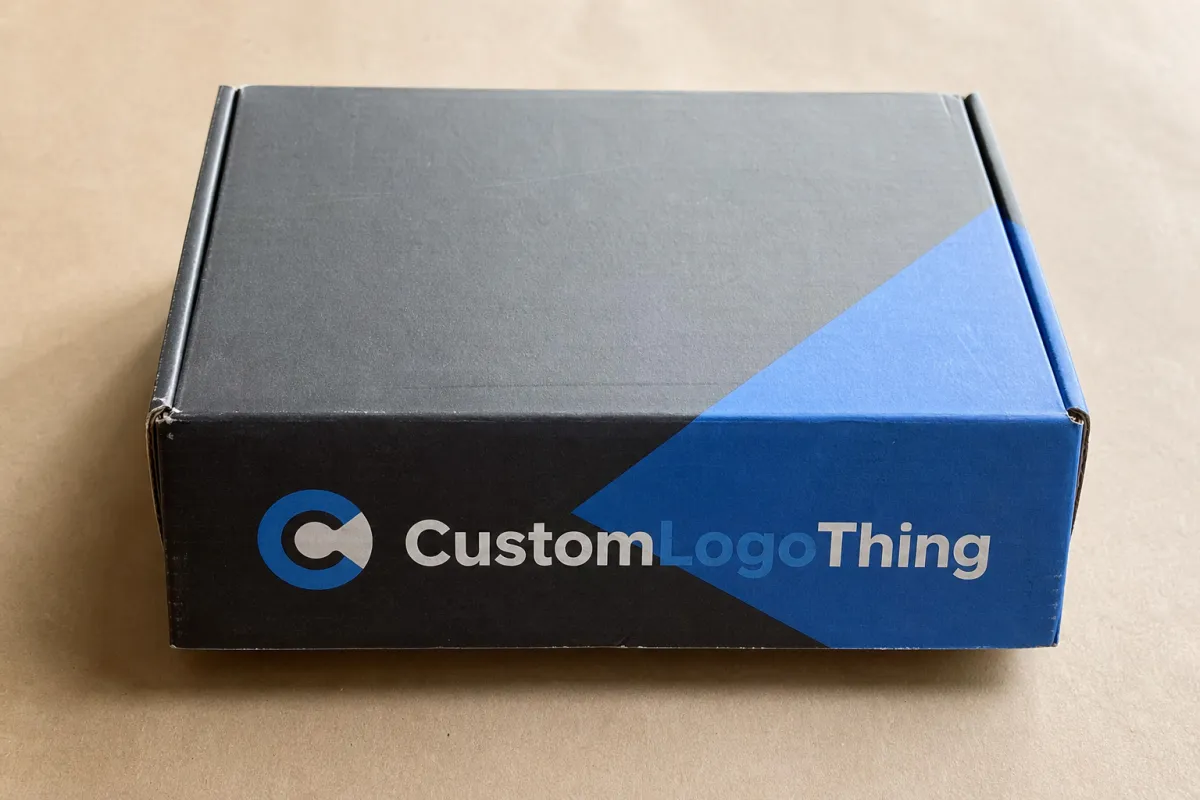
Startups get more value from packaging than larger brands do. That sounds backwards, yet it is true. A big company already has recognition, repeat orders, and distribution muscle. A startup usually has none of that. So the box has to carry more signal. It has to suggest polish, trust, and intent in one glance. Hard job for a piece of corrugated board, but that is the assignment.
That is why Custom Mailer Boxes for startups are such a smart investment. A plain corrugated shipper keeps the product safe, but a custom-printed version can make a new brand feel established quickly. A one-color logo on kraft board. A short line on the inside flap. A simple insert that keeps the product from moving around. Those details change the experience more than many founders expect. Buyers notice fit. They notice order. They notice when the packaging looks like someone cared enough to think it through.
From the buyer's point of view, the box is often the first physical touchpoint. Not the website. Not the ad. The box. That matters especially for ecommerce, subscription kits, influencer sends, and retail samples that sit on a desk before the product gets used. If the package looks deliberate, the brand feels more credible. If it looks generic, the brand feels unfinished. That judgment happens fast.
There is also a practical business reason to pay attention here. Packaging changes are usually cheaper than product changes. You can shift print coverage, add a message panel, include a basic insert, or move to a better board grade without redesigning the product itself. That gives startups a visible way to move upmarket without inflating the business into something it is not yet.
None of this means every startup should order the fanciest box in the catalog. Some should not. A small launch may only need a durable branded mailer with clean graphics and enough structure to survive shipping. Others need a more premium reveal for press kits or sampling runs. The important question is the role the box plays. Shipping box. Presentation box. Retail sample. One carton can do more than one job, but every extra job usually shows up on the invoice.
A mailer box should do three things well: protect the product, present the brand, and keep the unboxing from feeling like a bad surprise in brown cardboard.
If you are comparing options, it helps to browse Custom Packaging Products alongside your product dimensions. That keeps the discussion rooted in actual sizes and board choices instead of vague mood-board territory.
A quick real-world example: a DTC skincare startup shipping a serum, a sample sachet, and a thank-you card needs a very different structure from a hardware startup sending a single precision accessory. The first may need a snug insert and a softer visual treatment. The second may need crush resistance, tighter tolerances, and a more technical look. Same category of packaging, very different job.
How Custom Mailer Boxes Work: From Artwork to Front Door
A mailer box is usually a corrugated folding carton with a tuck style that opens and closes cleanly. In practice, the structure is chosen for shipping, presentation, or both. E-flute and B-flute corrugated board are common choices. E-flute is thinner and often preferred for lighter, more print-friendly mailers. B-flute gives a bit more rigidity and can be a better fit for heavier kits or shipments that need extra crush resistance.
Size comes first. That seems obvious until a project gets measured badly and the final box is off by a centimeter in every direction. Measure the product, then measure the full pack-out: tissue, inserts, padding, cards, samples, and anything else that lives inside. A box that fits only the product and ignores the extras can arrive looking cramped. A box that is too large ships air. Air is expensive. So is a product rattling around inside a carton like it wants out.
After size comes the dieline. That flat template shows folds, scores, flaps, and print areas. The dieline is where design meets manufacturing. If artwork is built on the wrong template, the result is usually added cost, lost time, and a frustrating chain of emails. Good packaging work respects the dieline from the beginning, not after the mockup has already won everyone over.
Then the print method enters the picture. Digital print works well for shorter runs and faster setup. Offset often makes sense at larger volumes where color consistency and unit economics matter more. Some boxes are printed directly on corrugated board. Others use litho-lamination for a smoother surface and sharper graphics. The right choice depends on quantity, budget, and how refined the finish needs to look in hand.
For startups, the packaging path usually looks like this:
- Confirm product dimensions and pack-out.
- Choose box style, board thickness, and closure style.
- Approve the dieline and place artwork correctly.
- Review digital proofs or a physical sample.
- Run production, finishing, packing, and shipment.
That sequence matters because each step locks the next one. Change the dimensions late and the rest shifts. Change the art after proof approval and the schedule slips. Change the structure after tooling starts and you end up paying to fix a problem that did not need to exist. Packaging is not mysterious. It is simply unforgiving about indecision.
There is also a difference between plain mailers, printed mailers, and premium insert kits. A plain mailer is about protection and logistics. A printed mailer adds brand recognition and a cleaner customer experience. A premium kit goes further: heavier board, custom inserts, compartmented trays, or inside printing to stage the reveal. That is useful for launches, press kits, and seasonal campaigns. It is not always the right answer for a first order of 300 units.
If shipping performance is part of the brief, the test protocols from ISTA are worth reviewing. They are not glamorous, but they are more useful than guessing whether a box will survive transit. For paper sourcing, FSC-certified board can help support a sustainability claim, although the claim should still be matched with the actual chain-of-custody paperwork. Trust is built in the details, not the marketing line.
For brands that need a lighter shipping format, Custom Poly Mailers can also make sense. They are not a replacement for every box. For soft goods or low-fragility items, they can reduce weight, freight cost, and carton complexity. For rigid products, though, a mailer box still does a better job of protecting the presentation.
Cost, Pricing, and MOQ for Startup Mailer Boxes
Money is where packaging stops being poetic. The biggest drivers are box size, board grade, print coverage, finish, insert complexity, and quantity. That list is not exciting, but it is the truth. Move any one of those variables and the quote moves with it.
MOQ, or minimum order quantity, is where many startup plans get uncomfortable. Smaller runs usually cost more per box because setup and production overhead are spread across fewer units. That is not a supplier being difficult. It is arithmetic. A run of 500 custom mailers will usually carry a much higher unit price than 5,000 pieces, even if the design is modest. Scale up, and the price per box usually falls in clear steps.
Here is a practical pricing snapshot for startup packaging. These are rough working ranges, not promises carved into stone. Size, board, print count, and freight will move the numbers.
| Option | Typical MOQ | Approx. Unit Cost at 500 | Approx. Unit Cost at 5,000 | Best Use |
|---|---|---|---|---|
| Plain kraft mailer | 250-500 | $0.65-$1.20 | $0.40-$0.75 | Simple shipping with light branding |
| One-color printed mailer | 500-1,000 | $0.90-$1.60 | $0.55-$1.00 | Early-stage launches and ecommerce orders |
| Full-color branded mailer | 500-1,000 | $1.30-$2.40 | $0.75-$1.60 | Influencer kits, PR sends, stronger visual branding |
| Premium mailer with insert | 1,000+ | $2.50-$5.00 | $1.50-$3.50 | Launch boxes, subscription kits, retail-ready presentation |
The lowest price is not always the best choice. If a cheap box fails during shipping, the replacement cost erases the savings. If the fit is sloppy, the product looks less valuable. If the print is so weak that the logo disappears, the money bought cardboard and disappointment. That is not efficiency. That is waste with a cleaner invoice.
Where should startups save? Usually on unnecessary finishes, overprinted surfaces, or insert complexity that does not improve the customer experience. Where should they not cut corners? Board strength, fit, and print clarity. A box that crushes, leaks, or looks muddy is a bad bargain. Simpler artwork and honest structure beat decorative effects that only look good in a render.
One useful buying habit: ask for quotes at several quantity bands. Try 500, 1,000, 3,000, and 5,000 units. That shows where the unit cost drops enough to matter. Sometimes the jump from 1,000 to 3,000 is small enough to justify the larger order. Sometimes it is not. Real numbers beat hopeful assumptions every time.
If the budget is tight, a clean one-color mailer with a well-placed interior message and a simple insert is often enough to elevate the experience without pushing the packaging budget into vanity territory. Branding is useful. Spending money to prove you have taste is not.
Branding Factors That Make Mailer Boxes Feel Premium
Premium is not the same thing as loud. Loud packaging often reads as cheaper because it is trying too hard. A well-designed mailer usually wins through restraint: clear color choices, disciplined logo placement, and one or two strong moments that guide the eye. That is how Custom Printed Boxes start to feel intentional instead of random.
Color is the first branding lever. A limited palette almost always prints better and looks more expensive than a crowded one. Two colors, maybe three, is enough for many startup launches. Logo placement is the next lever. A logo shoved into the wrong corner can look like an afterthought. A logo centered with breathing room feels deliberate. Simple stuff. Not easy, but simple.
Inside printing is one of the best-value upgrades in mailer packaging. The outside can stay clean and restrained while the inside carries the welcome note, QR code, campaign line, or product promise. That creates a reveal moment without turning the exterior into a billboard. Customers remember that because the experience changes as soon as the box opens.
Texture matters too. A matte finish, soft-touch coating, or uncoated kraft surface changes how the box reads in the hand. Not every startup needs coating. Some categories feel better on natural board. Others need the smoothness of a coated surface to keep graphics crisp. A beauty brand, for example, may want a softer visual field. A technical accessory brand may benefit from cleaner, sharper retail packaging.
Structural branding is where packaging gets smarter. Inserts keep products centered. Compartments help with multi-item sets. Tear strips or easy-open details can reduce frustration. The box should guide the customer through the reveal, not fight them. If the unboxing flow feels awkward, the brand message gets diluted right away.
Good package branding also respects the category. A food-adjacent product usually needs a different tone than a luxury candle or a productivity tool. That does not mean copying category cliches. It means the packaging should match the kind of expectation the product creates. A wellness brand may want calm spacing and softer typography. A high-performance gadget brand may need tighter geometry and cleaner contrast. Same box format. Very different signals.
If the brand story can be said in one sentence, the box should say that sentence clearly. Not six different things at once.
Most startups make the mistake of treating every panel as available real estate. Bad idea. White space is not wasted space. It is visual control. The clearer the message, the stronger the box. If the customer has to decode the design, the box is doing too much and saying too little.
That is why packaging design should start from the brand promise, not decorative instinct. If the product is about simplicity, the box should feel simple. If the product is premium, the box should feel precise. If the product is fun, the box can be more playful, but the structure still needs discipline. Otherwise the whole thing reads like a group project.
One more practical point: premium does not always mean adding more print coverage. Sometimes it means improving the feel of the first 10 seconds after the customer opens the box. A tidy insert, a clean interior message, and a stable fit can look more polished than a fully covered exterior that feels crowded.
Production Steps, Timeline, and Lead Time Explained
Packaging production is a chain, and the weak link decides the schedule. A typical project starts with a quote, then a dieline, then artwork prep, then proofing, then sampling, then production, finishing, packing, and shipping. Every step sounds ordinary until someone changes a dimension after the proof is approved. Then the calendar gets ugly.
For a straightforward run of custom mailers, a realistic lead time is often 12-20 business days after final proof approval, plus freight. If the project includes specialty coating, custom inserts, or structural changes, the timeline can stretch to 20-30 business days or more. International freight can add another layer, especially if the launch date depends on port timing or customs delays. Packaging has a strange talent for behaving well until the deadline gets close.
There are four common bottlenecks:
- Artwork revisions: too many design loops eat time fast.
- Spec changes: changing size, board, or insert layout after approval resets work.
- Special finishes: foil, spot UV, soft-touch, and lamination add steps.
- Freight delays: the boxes can be done and still not be in your hands.
Startups can shorten turnaround by keeping specs stable and approving files quickly. That sounds dull because it is dull. Dull helps here. The faster the artwork gets locked, the faster production can move. Give the supplier final dimensions, exact copy, and clear print expectations the first time. Do not send a half-finished concept and hope the factory reads your mind. They will not. They are busy making boxes.
Sampling is worth the small delay in most launch situations. A physical sample reveals things that mockups hide: a lid that is too tight, an insert that pinches the product, a logo sitting too close to the fold, or a color that reads warmer or duller than expected. Those problems are cheap to fix before production and irritating to fix after 1,000 boxes have already been printed. Guess which stage is better.
For brands working with ecommerce and subscription orders, the pack-out test matters just as much as the print proof. Put the actual product, tissue, insert, and any extras into the sample box. Shake it. Open it. Close it. Repack it. If the product shifts or the lid bulges, the problem showed up early. That is the useful kind of bad news.
One habit saves a lot of pain: build the launch schedule backward from the ship date. Leave room for proofing, buffer for a sample correction, and extra days for freight. If a startup wants the box live on a fixed reveal date, the box has to be in motion much earlier than most founders think. Packaging runs on production time, not optimism.
Common Mistakes Startups Make With Mailer Boxes
The first mistake is oversizing. It happens constantly. Founders measure the product, forget the protective space or insert, and then choose a larger box "just to be safe." That safety usually turns into wasted shipping volume, higher freight cost, and a package that looks underdesigned. Shipping air is a charming hobby if you enjoy paying more for less.
The second mistake is visual clutter. Too many colors. Too many taglines. Too many icons. Too many fonts. The box starts looking like it had a meeting with every department and lost the vote. Good packaging should be readable in seconds. One strong logo placement. One clear message. Maybe one supporting line inside. That is enough for most startup launches.
The third mistake is ordering too late. Launch dates have a way of sneaking up, especially when product development runs long. Then the box gets rushed, approvals get sloppy, and everyone acts surprised when production cannot move faster than the factory calendar. Rush orders can work in some cases, but they often cost more and leave less room for corrections.
The fourth mistake is skipping sample approval. A render is not proof of fit. A PDF is not proof of structure. The real box tells the truth. If the inside print is off by a few millimeters, that may not matter. If the insert does not hold the product, that matters a great deal. The sample stage exists to catch exactly those issues.
The fifth mistake is choosing the lowest bid without checking board strength or print quality. Low price can be fine if the specs are honest. It is not fine if the quote hides weaker material, fuzzy graphics, or inconsistent folding. Cheap custom packaging only stays cheap if it arrives intact and does the job. If it fails, the effective cost rises fast.
Another trap is forgetting the unboxing path. The customer experience starts before the product is visible. Tape, tuck, inner message, insert, and product reveal all matter. If the reveal is awkward, the brand loses some of the emotional lift that packaging is supposed to provide. That stings more for a startup because the box may be one of the few places where the brand controls the full experience.
Here is the short version:
- Measure the product and the full pack-out, not just the item.
- Keep graphics tight and easy to read.
- Approve a sample before full production.
- Compare board grades, not just prices.
- Plan enough time for freight and corrections.
These are not glamorous rules. They are useful rules. That is why they work.
Expert Tips and Next Steps for a Smarter Launch
If a startup wants packaging that helps the launch instead of slowing it down, start with a simple checklist. Measure the product. Decide what goes in the box. Pick the box style. Set a budget range. Then define what the customer should feel first: confidence, surprise, clarity, or premium value. That one decision helps everything else line up.
From there, keep the design focused. One hero message on the inside flap or lid is usually stronger than a wall of claims on every panel. The outside should earn the open. The inside should reward it. That balance is easier to notice than to explain, but it matters. A customer will forgive a plain exterior if the reveal feels smart. The reverse is much harder to forgive.
Ask for proofing that shows the actual dieline, not just a polished mockup. If possible, request a sample or short-run prototype before ordering in volume. That is especially wise for first-time launches, subscription kits, and retail packaging samples shown to partners or investors. The sample costs less than the mistake. Usually a lot less.
It also helps to compare the box concept against other packaging formats. Some products belong in a mailer box. Some do not. If the item is flexible and light, a mailer can be efficient and attractive. If the product is thin and non-fragile, another format may cut cost without hurting perception. If you are unsure, compare the box idea with other Custom Packaging Products and decide from pack-out, not ego.
For startups with limited cash flow, the strongest launch move is often the simplest one that still feels intentional. Clean print. Good fit. Honest materials. Enough brand presence to be memorable, not enough decoration to inflate the budget for no reason. That is how custom mailer boxes for startups become a practical brand tool instead of a vanity purchase.
Next step: gather dimensions, choose your quantity bands, and compare finishes before you place the order. If the box is part of the customer reveal, do the pack-out test first. The right box should support the launch, not become the launch. That distinction saves money, time, and a fair bit of embarrassment.
For teams that are still deciding between a minimal shipper and a more polished presentation box, start with one honest question: what has to survive the trip, and what has to impress the buyer? The answer usually narrows the options quickly. Packaging strategy gets easier once those two jobs are separated instead of blended into one vague design brief.
FAQ
What size custom mailer box do startups usually need?
Start with the product dimensions, then add room for inserts, tissue, or protective padding. Most startups should avoid oversizing because it raises shipping cost and makes the unboxing feel sloppy. A sample pack-out is the fastest way to confirm whether the box size actually works in real use.
How much do custom mailer boxes for startups cost?
Pricing depends on size, board grade, print coverage, finishing, and order quantity. Smaller runs usually have a higher unit price, so the first order is often a tradeoff between cash flow and branding impact. Ask for pricing at several quantity levels so you can see where the cost per box drops enough to matter.
What is the minimum order quantity for branded mailer boxes?
MOQ varies by supplier, box style, and print method. Digital print and simpler constructions often support lower MOQs than highly customized premium builds. If you are testing a new product, ask for a small run first and plan a larger reorder once sales data is clearer.
How long does it take to produce startup mailer boxes?
Timeline depends on proof approval, artwork readiness, and production complexity. Simple printed mailers can move quickly, while specialty finishes and custom inserts add time. The fastest way to keep lead time down is to approve files promptly and avoid changing specs midstream.
What should startups put on the box besides a logo?
Use one primary message: product benefit, brand promise, or campaign hook. Inside panels are a good place for a welcome note, QR code, or simple unboxing message. Do not overload every surface; strong packaging is clear, not noisy. That discipline matters more than decorative clutter, especially for custom mailer boxes for startups.

