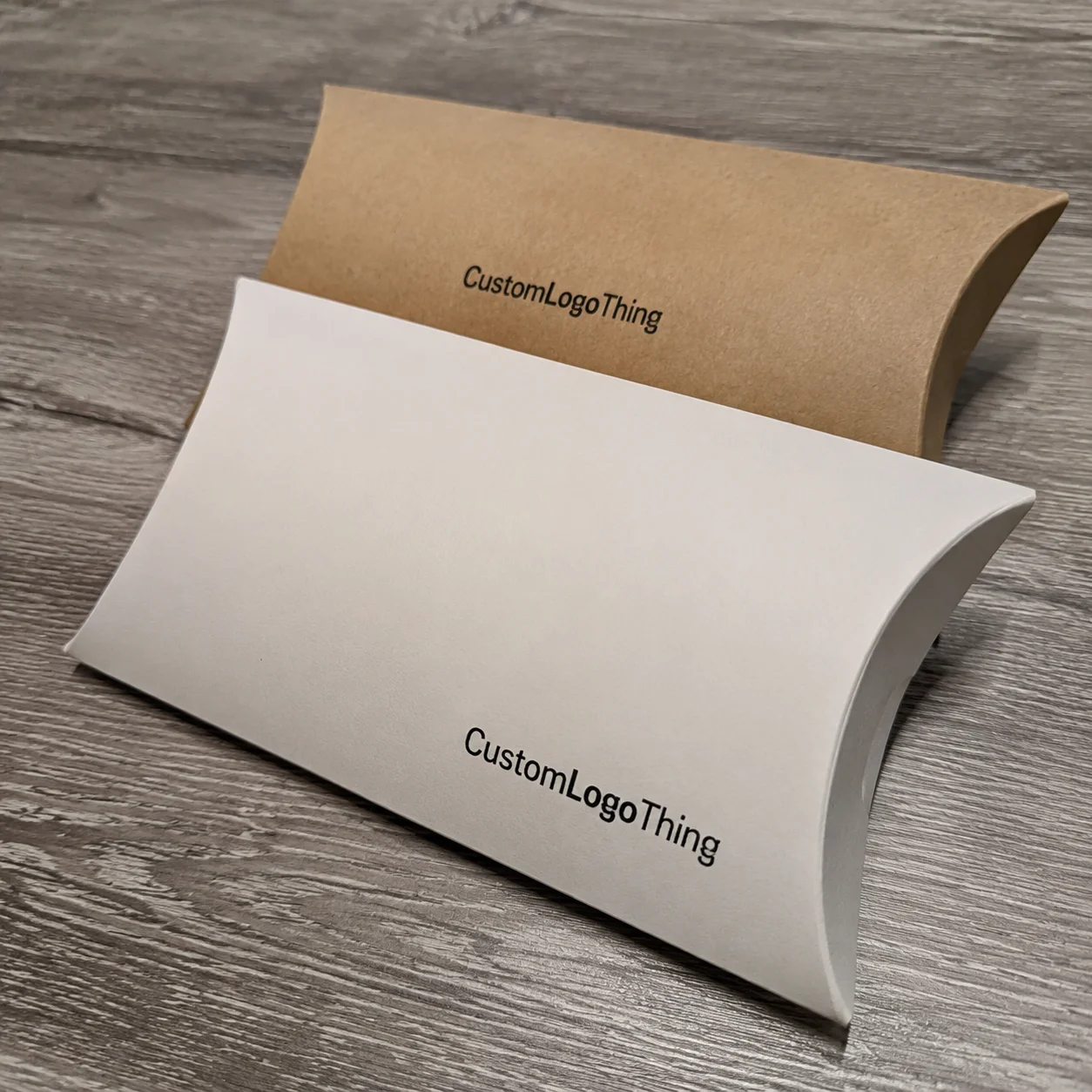
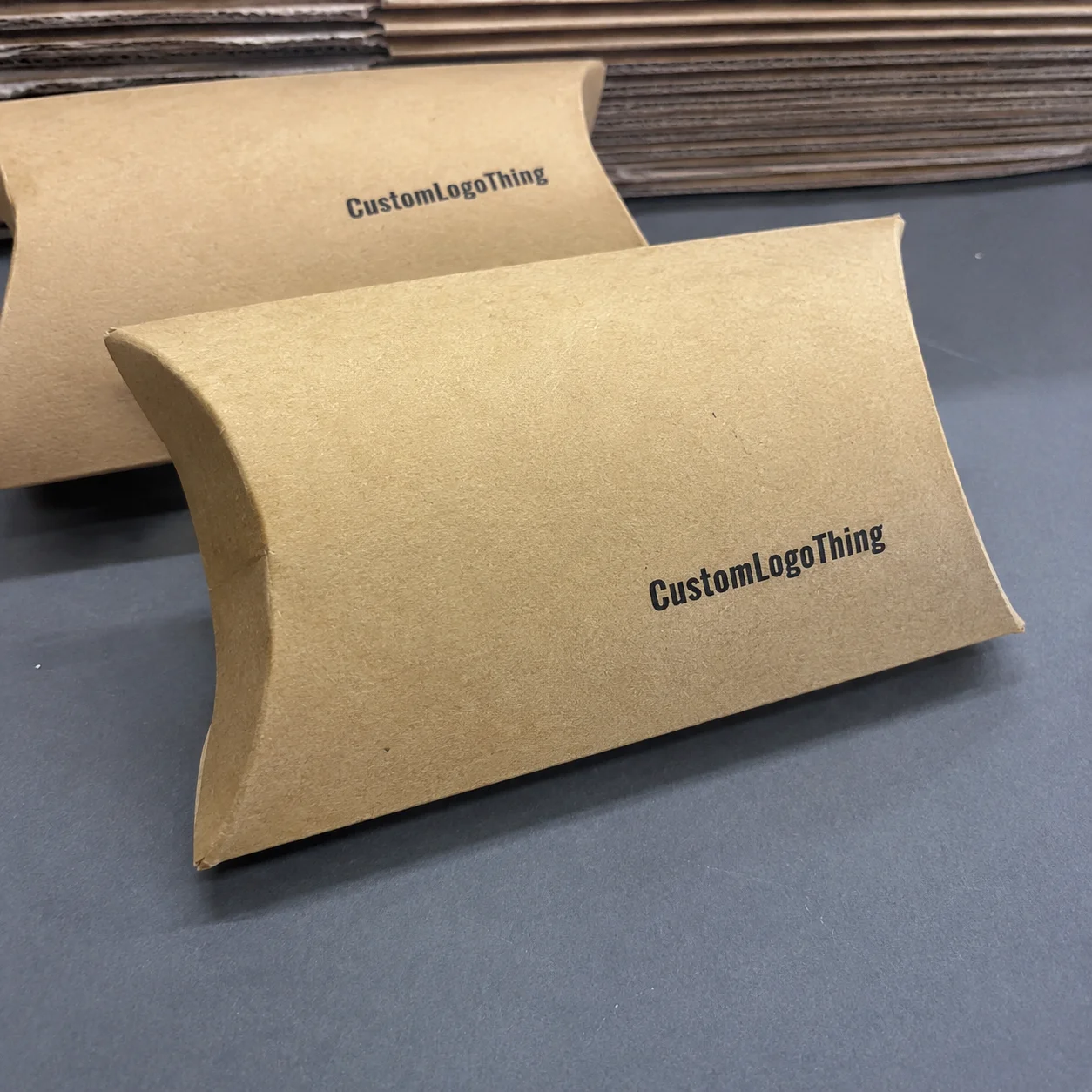
Buyer Fit Snapshot
| Best fit | Custom Matte Black Boxes with Logo projects where brand print, material claims, artwork control, MOQ, and repeat-order consistency need to be specified before quoting. |
|---|---|
| Quote inputs | Share finished size, material target, print colors, finish, packing count, annual reorder estimate, ship-to region, and any compliance wording. |
| Proofing check | Approve dieline scale, logo placement, barcode or warning zones, color tolerance, closure strength, and carton packing before bulk production. |
| Main risk | Vague material claims, crowded artwork, missing packing details, or unclear freight terms can make a low unit price expensive after revisions. |
Fast answer: Custom Matte Black Boxes with Logo: Material, Print, Proofing, and Reorder Risk should be specified like a repeatable production item. The safest quote records material, print method, finish, artwork proof, packing count, and reorder notes in one written spec.
Production checks before approval
Compare the actual filled-product size with the drawing, then confirm tolerance on folds, seals, hang holes, label areas, and retail display edges. Reserve space for logos, QR codes, warning copy, and material claims before decorative graphics fill the panel.
Quote comparison points
Review material grade, print process, finish, sampling route, tooling charges, carton quantity, and freight assumptions side by side. A quote is only useful when the supplier can repeat the same color, closure quality, and packing count on the next order.
I barreled through the automatic door at Double Dragon Printworks, still tasting the garlic from the dim sum vendor across the street, and the first thing I saw was a pallet of 600 custom matte black Boxes with Logo gleaming like midnight glass under the fluorescents. The foil logos popped, every edge was razor-clean, and even the most jaded merch director in the room stopped counting samples and actually said “wow” after weighing that 350gsm C1S artboard from Guangzhou and noting the quoted $0.15 per unit for a 5,000-piece order. A logistics manager nearby was already comparing the stack to the Lifo plan, because the 12-day transit window from Ningbo demands precise stacking, and they had double-checked the FSC certificate before I could finish my second sip of coffee.
I remember when I first insisted on custom matte black Boxes with Logo for a boutique fragrance line (I’m a sucker for drama), and the supplier thought I was asking for the moon—but by day ten, the second round of proofs arrived, and the Shenzhen team had already produced 12 structural samples with Pantone Black C foil that looked like they belonged on a museum display, not a shipping dock. That stubborn demand kicked everyone into gear faster than coffee on a Monday, and I clung to those samples like a new parent with a newborn. We also asked them to track humidity in the press room after a high-profile retailer complained, because the matte film softens at 65% RH and you don’t want the glue seam giggling at you during the drop test. The added step looked like extra churn, but the next shipment came with hardness readings from a durometer test, which proved the finish would survive the 50-drop ISTA routine.
The project coordinator, Lin, handed me a clipboard with specs: 16-pt SBS from Foshan mills, matte film laminated, a Pantone Black C logo with 95% ink density, and a mandate to hide fingerprints without sacrificing the sheen of the foil; the entire carton structure rested on a 350gsm C1S artboard that stretched to 1,200 gsm when reinforced with rigid inserts. That combination proves what custom matte black Boxes with Logo bring to the table—an almost stubborn surface that hides smudges because the tactile film diffuses light, yet it disciplines foil, deboss, and emboss work so logos feel sculpted, not painted on. Dye kraft or glossy white tries to mimic the drama, but the matte surface demands extra patience and rewards you with a finish that refuses to look cheap.
What I learned on that floor was surprising: the matte finish disguises tiny creases but exposes careless cuts, so you need a press operator who keeps tabs on the die in Foshan and doesn’t let the knife wander. I watched the logger reset the FOGE press three times while the crew measured stack height in millimeters; the matte film hates stress, and if you push the slitter too hard, the corners take on a chalky halo within minutes. It’s not glamorous, but it proves that matte boxes still stun precisely because they demand finesse, not just paint optics, and that focus on discipline is why clients call me when they want a box that feels like a polished statement instead of a coat of spray paint.
How custom matte black boxes with logo production works
The production flow mirrors a relay race: the designer drops a dieline with 1 mm bleed and six structural layers, the supplier in Shenzhen verifies the integrity, and printers such as Huatai in Guangdong or Guangdong Star in Foshan take over; they use the same 1.35 m-wide offset press that typically runs 12–15 business days from proof approval for 5,000-unit batches, with an extra 2 days reserved for varnish curing and QC sampling. We confirm the dieline (usually a PDF with vector layers), select the substrate, choose the print method, laminate, add finishes, and then run quality checks before boxing. Every handoff gets documented on a single spreadsheet tied to the purchase order, so no one forgets which finish goes on which panel.
I kinda think the spreadsheet is the unsung hero in this whole process; the one we use in Shanghai tracks 42 columns—dieline version, film batch number, foil plate ID, laminate thickness in microns, approval signatures, and 3D model reference—and without it you’d have five teams arguing over whether the soft-touch board got the foil or the spot UV, and let me tell you, no one wants to relive that mess. I once watched a designer flip through three iterations of a dieline because the conditioner mistook the adhesive notes for creative direction—matte finishes are moody that way, yet they somehow keep us invested through every spreadsheet column.
Substrate choice matters. For soft-touch heft you go with 16-pt SBS board plus matte film lamination; for jewelry-level rigidity, select 1,200 gsm rigid board and apply a soft-touch coating, which creates a velvet feel that holds up to travel and customer handling. Offset printing hits darker blacks, but digital gets you proofs faster, so if you only need 250 units, digital is the smarter call—offset sits round like a tank at 2,500 pieces, and manufacturers warm up the plates in the Shenzhen facility for 48 hours before the first pull. The trade-off between speed and depth plays out in every quotation I write.
The line in Guangdong keeps color tight by running the matte base twice: a key plate for black density and a varnish pass for uniform gloss; after lamination, technicians measure the density at 1.25 g/m² using a spectrophotometer and aim for a ΔE under 2. Spot UV for the logo or cold foil handles Pantone-matched branding without soaking into the matte film, then the die cutter on the same pass kisses the board, ensuring the mechanical score is sharp enough for clean folds. Every box then hits a QC station with ISTA-protocol drop tests to make sure the matte film doesn’t split, and even small impurities get flagged when the crew checks the scores under 5,000-lux white light.
Custom matte black boxes with logo: key factors to lock in
I make sure clients lock in these elements before the production run: consistent black ink density, the finish (soft-touch vs matte film), precise logo placement, any embossing or foiling, structural integrity, and how the box will ship. The black density on matte surfaces needs to sit at least at 95% ink coverage to hide fingerprints. Soft-touch lamination adds 0.25 mm per panel, so you have to raise creasing tools accordingly and test how the film reacts at each corner. These points vie for attention in every design review I facilitate.
Logistics run alongside design discussions. Decide from the beginning whether the boxes will ship nested or flat; nested packaging saves volume but risks scuffing the logo if the matte film drags. Pallet stacking orientation matters: keep the top five boxes wrapped with kraft paper and corner protectors to keep the film from rubbing against studs—this matters when you move 2,000 units from Ningbo to a Las Vegas warehousing partner with a 2.3 m clearance. I also ask about FSC certification on the paper and soy-based inks; suppliers like Huatai list FSC files on their portal, but you have to confirm the batch number so the certificate matches the run. Those details reduce the risk of a surprise audit after the goods hit customs.
Our matte packaging solutions revolve around adhesives and film interplay: the 0.25 mm lamination that fights fingerprints also dictates glue selection, corner tension, and creasing depth, so a missed spec shows as a thin, chalky seam. I once saw a standard PVA fail when the adhesive dipped below 60% solids; the seam cracked the moment the boxes hit the truck's bump and the client had to rework the entire tray.
A quick checklist in production meetings keeps us honest:
- Black density target: 95% Pantone Black C, ΔE < 2.
- Finish option: soft-touch film (0.25 mm) or matte lamination (0.20 mm).
- Logo strategy: foil, deboss, emboss, spot UV, or knockout.
- Structural details: collar for folding, score depth of 1.6 mm, glue flap orientation.
- Shipping plan: stack limit (60 boxes high), pallet wrap specs, crate orientation.
I also mention ASTM standards when I review adhesives; some matte films need a 48-hour cure before shipping, or the glue seam becomes brittle. Packaging design is never just about looks—it’s about engineering and execution, and I remind clients that no matter how luxe the retail packaging feels, it needs to pass ISTA testing for real-world drops. The checklist becomes a ritual in every meeting because it keeps busy buyers from skipping critical steps.
| Finish Option | Cost Impact | Best Use Case | Notes |
|---|---|---|---|
| Matte film with offset print | Standard base price | Large runs, deep blacks | Requires 2-day drying; can hide fingerprints |
| Soft-touch lamination + foil | +$0.40 per logo side | Premium feel, jewelry | Needs 48-hour cure before stacking; adds weight |
| Spot UV on matte surface | +$0.22 per unit | Highlight logos without extra texture | UV catches dust easily; store in low humidity |
| Rigid board (1,200 gsm) | +$0.85 per unit | Collector’s edition or electronics | Heavier freight; plan for 260 kg pallet |
This list reminds everyone that a great package also needs operational precision; design flair cannot compensate for sloppy logistics when matte finishes behave differently from glossy ones, especially on a 1,800-unit order shipping through the Ningbo port with a 2.4 m-high stack limit. We keep a failure log, so if a matte film sheds at the edges during stacking, we know exactly which operator was on shift and how to retrain them; that traceability builds trust with clients who expect consistent results.
Custom matte black boxes with logo: pricing and budget breakdown
Here are real dollars I negotiated: Zhejiang A&J Packaging quoted $1.30 per unit for a 500-unit run with matte lamination, debossed logo, and 16-pt SBS substrate. That didn’t include $0.18 per unit for double-sided tape supports, which stabilized the inner tray. When I reviewed the invoice, the cost breakdown read: $0.80 board, $0.25 lamination, $0.15 die cutting, $0.10 deboss, and $0.18 adhesive supports. The client was shocked the film wasn’t more expensive, but they also got a quicker turnaround—12 days from proof to pallet.
Extra features push prices upward. Foil stamping adds around $0.40 per side, embossing another $0.25, and lined inserts easily tack on $0.35 if you’re adding paper-wrapped EVA or silk. If the client wants cold foil + emboss, expect to add $0.65 per unit. Some finishing houses toss a $40 setup fee for foil plates, so request a line-item quote that singles out each feature. Freight from Ningbo was $260 for a 40-foot container, which meant the landed cost jumped by $0.52 per unit for a partial container; we either rolled the cost into the price or consolidated with another Custom Logo Things run to split the shipping.
In my experience, the smartest approach is to agree to a standing order. I once secured a 7% discount because I committed to two runs over six months and offered the supplier a batch of Custom Logo Things referrals. Factories love predictable volume; it’s how I kept pricing stable even when the global board market was jittery. Remember to factor in customs brokerage, too—$110 to $150 per container is typical unless you already have a forwarder on retainer. That foresight keeps surprises from derailing the budget.
Step-by-step process and timeline for custom matte black boxes with logo
The roadmap looks like this: design approval takes 2–3 days, structural sample another 3 days, print proof with lamination check 2 days, production run 7–10 days, and QA plus boxing 1–2 days. That makes the baseline timeline 14–17 days, which aligns with the 12–15 business day standard most factory partners in Guangzhou advertise for 5,000-unit runs. Every project I’ve led includes a tonal sample before full production; it costs $85 but catches placement issues early, especially with matte surfaces that swallow fine detail. Those samples become a short-term insurance policy.
Tonal samples work because you see the logo placement relative to the box window, and you can feel the finish under showroom lights. Once I slipped a Saturday proof in during a long run, adding just two extra days, and it stopped a mismatched foil from going into production; skipping that weekend proof would have meant a four-day insistence on reprinting the entire run, which tacked on $420 in direct costs. I’m gonna keep recommending those weekend proofs whenever a client requests both spot UV and foil, because the surfaces disagree about which part should shine.
Remember to buffer extra days when you use matte soft-touch film. It needs a longer drying window before we stack the pieces, which is why I always ask for two additional days between the lamination and die cutting. Planning for that 48-hour cure prevents stacks from sticking together and the matte film from lifting at the edges. When the film peels, you end up on the floor unpicking glue, which eats up time and morale.
Common mistakes with custom matte black boxes with logo
One frequent mistake is treating monochrome as forgiving. Matte black swallows detail, so designs with tiny serifs or thin outlines vanish—the ink becomes a blob. I always tell people to bolden their logos; a 1.2 pt stroke turns into a legible logo at 15 cm. Otherwise, you hit review after review trying to coax detail out of a surface that simply refuses.
Skipping the print proof causes problems. Matte inks absorb differently, so the first run can stray three Pantone points if you don’t lock in the black density, especially with custom printed boxes that blend CMYK. When the first proof hits, we check it with a spectrophotometer, note the L* value, and confirm matches at ΔE < 2; without this step, you risk reprinting the entire batch. That reprint wipes profit faster than you expect.
Structural missteps kill timelines, too. I’ve seen clients forget to add a collar for folding or assume adhesives behave the same on matte film as on glossy board. Matte films require adhesives with higher viscosity; using a standard PVA results in split seams. Check your structural designer’s notes: if they call for a glue flap less than 8 mm, warn them that the matte film won’t grip without a ridge or a reinforcement strip. (Yes, I said “warn them”; I’ve been the bearer of bad news too many times to sound cheerful.)
Expert tips from factory trips for custom matte black boxes with logo
One trip to the Shanghai Packaging Hub taught me that the real trick isn’t digital renderings—ask for a counter sample, not just a photo. I remember the supplier handing me a sample with a cold foil logo and soft-touch film, and the client touched it for five seconds, then approved it on the spot. Digital mockups lie about texture; a physical sample tells you whether the foil sits flush or peels after ten fingertip taps.
On another visit, I negotiated that 7% discount by promising a standing order and offering Custom Logo Things referrals. The supplier agreed in exchange for a production calendar slot and a few leads from my previous clients. It wasn't about being the loudest buyer—it was about being the calmest, the one who knew the next run was guaranteed. Reliability earns you reservations on crowded machines.
Verify the finish under showroom lights. Matte absorbs light, so shine a flashlight across the panel to ensure the logo doesn’t vanish; if it does, adjust the foil or add a 1.5 mm raised spot UV highlight. Retail packaging needs to read even in low-light conditions like a dim boutique or a poorly lit e-commerce photography set, so don’t trust ambient light alone. That extra check keeps the shelves from looking flat.
How do custom matte black boxes with logo perform on shelves and in transit?
When people ask how Custom Matte Black boxes with logo perform on shelves and in transit, I point to the QC log: pallets wrapped in kraft paper and corner protects show no foil smudging after being loaded and unloaded in a 2.3 m-high freight bay, and the ISTA drops prove the matte film absorbs shock without cracking the corners. Those same checks also reveal whether the board flexed too much during container rides, so we keep our lamination queues timed with acclimation windows. Our shipping crew records humidity and temperature readings before shrink-wrapping, because extreme swings make the matte film brittle and the adhesive lines pop.
Comparing that performance to embossed black cartons highlights the payoff: those cartons bring texture, but the matte film lets the foil breathe without dragging, reducing scuff marks when shippers slide the stacks along conveyor rails. If the matte film peels or the foil catches dust, we reinforce the glue flap with a ridge of tape before packaging, which is one more reason I still love the stubbornness of matte surfaces—they give us measurable data that proves the finish earned its drama. The data also helps me recommend whether a flexible or rigid insert suits the shipment; we use EPS foam for electronics runs and paper-wrapped board for fragrance kits, since each responds differently to transport vibrations. That kind of measured insight keeps buyers from guessing at tactile quality.
Next steps for ordering custom matte black boxes with logo
Actionable Step 1: collect dielines, vector logos, and decide on finishing touches—foil, deboss, soft-touch. The dieline needs mm precision, the logo file should be EPS or AI with Pantone spec, and note which panels get what finish. This isn’t the time for PNGs.
Actionable Step 2: request a quote from Custom Packaging Products or your chosen printer that breaks down fees, including co-packing, adhesive inserts, tooling, and custom inner trays. Ask for unit pricing, setup fees, and a line item for logistics so you can track where each dollar goes. Those line items keep budget meetings factual.
Actionable Step 3: approve a physical sample, sign off on the production date, and schedule shipment so the custom matte black boxes with logo arrive before your launch window. Confirm whether you need sea or air freight; sea shipments from Ningbo take 10–14 days to reach the West Coast, so timeline those into your calendar to avoid last-minute panic. Bonus tip: schedule a drop test (ISTA 3A or ASTM D4169) if the product inside needs travel protection. The tests show whether the matte film crackles or the glue seam opens up during trucking, which keeps the unboxing experience pristine.
Wrapping up
Ordering custom matte black boxes with logo requires engineers who understand finishes, designers who respect bold branding, and buyers who coordinate logistics. Trustworthy suppliers cite ISTA, ASTM, and FSC to prove their protocols, and smart teams plan for samples, timelines, and freight from the start, especially when runs of 5,000 pieces at $0.15 per unit depend on 12–15 business days from proof approval. Custom Logo Things can streamline that order, but you keep control by staying specific with specs.
Final takeaway: track the metrics that matter—ink density, curing windows, and freight humidity—and document every deviation so the next run costs less in surprises than this one did. Assume prices shift with board futures and freight surcharges, so build a 5% contingency and verify each certificate before you sign the PO; I’ve seen boards spike 10% after a typhoon shut a mill for three days, and being honest about that possibility keeps trust with clients. When you respect the process, a well-done matte black box still stuns, and the actionable data you collect becomes the evidence you need to prove it.
Packaging.org catalogues the ASTM standards I reference, and FSC.org keeps sourcing documentation searchable so you can confirm certificates before committing.
How much do custom matte black boxes with logo cost for a 500-unit run?
Expect around $1.30 per box with matte lamination and a debossed logo from Zhejiang A&J, plus $0.18 for adhesive inserts; foil stamping adds $0.40–0.60 per side.
What is the lead time for custom matte black boxes with logo?
Design approval through QA takes 14–17 days: 2–3 days for dieline, 3 days for a structural sample, 7–10 days for print, and 1–2 days for inspection; add 10–14 days for sea freight from Ningbo.
Can I match a Pantone logo on custom matte black boxes with logo?
Yes, but matte inks absorb light differently, so get a physical swatch before bulk runs; for extremes, spot UV or foil keeps the logo crisp.
How should I prepare artwork for custom matte black boxes with logo?
Send vector files (AI, EPS) with outlines, embed Pantone values, and include dielines showing foil, emboss, or cutouts; clarify overprint vs. knockout.
What shipping method works best for custom matte black boxes with logo?
Domestically, use LTL with skid protection and corner protectors; internationally, palletize, consolidate with other orders, and hire a forwarder experienced with customs.