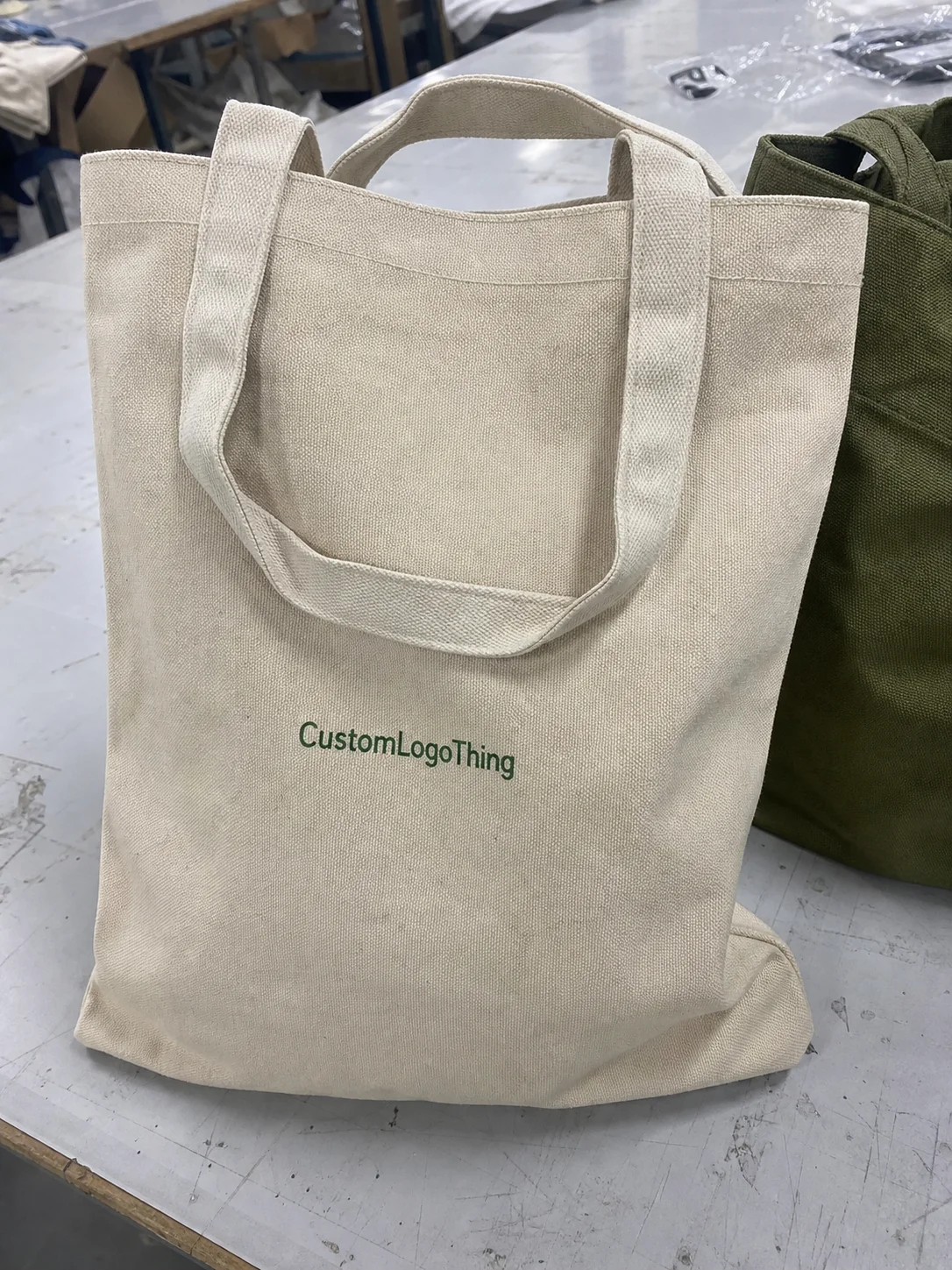
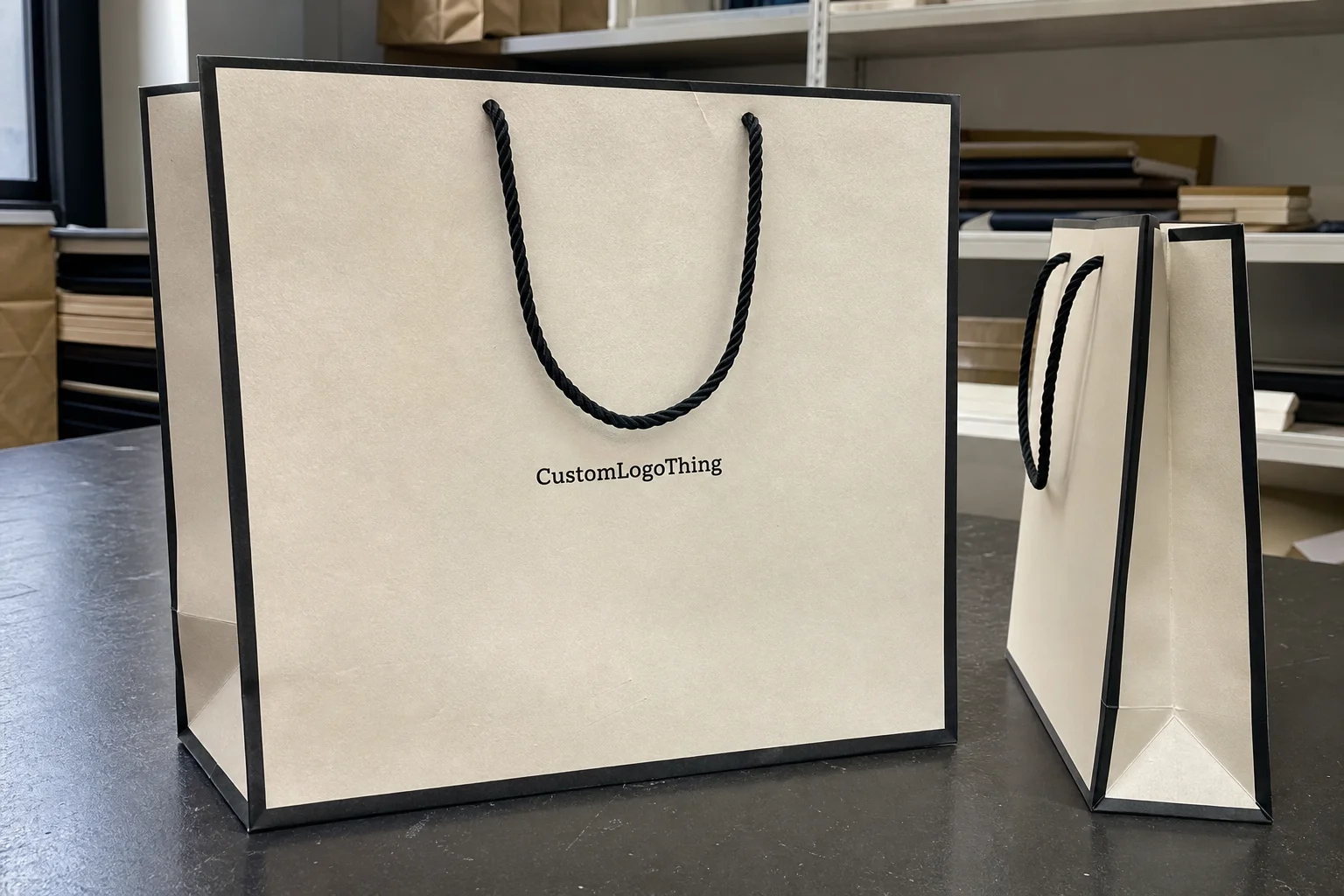
Custom merchandise bags are easy to underestimate because the format is simple: a carrier, a print area, and a handle. But the details decide whether the bag feels like part of the brand or like an afterthought. If it holds its shape, carries well, and presents the logo cleanly, it adds value. If it tears, wrinkles, or looks weak in hand, it sends the opposite message.
For packaging buyers, bags sit between branding and utility. They need to protect the product, stay within cost, and work with the rest of the packaging system. That gets complicated when the item is heavier than expected, the artwork is too detailed, or the carrier has to coordinate with boxes, tissue, or inserts already in use.
If you are comparing options against Custom Packaging Products, treat the bag as part of the full packaging set rather than a standalone purchase. The best programs are the ones where the box, insert, and carrier feel like they belong together.
Custom merchandise bags: why they matter more than people think
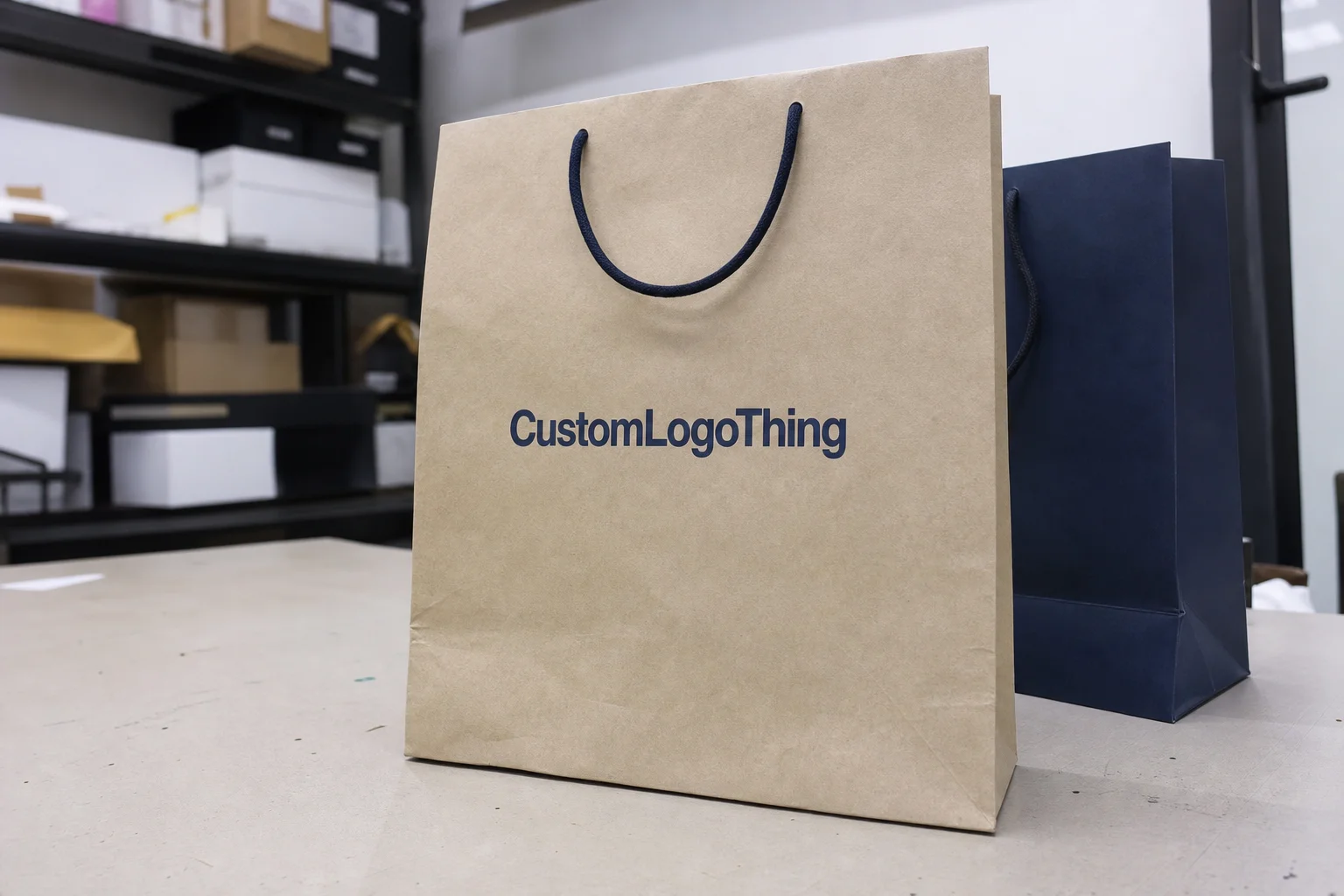
A bag is one of the few packaging pieces that leaves the store in public. Customers carry it through parking lots, offices, hotels, and transit, so it keeps advertising after checkout. If the bag looks clean and survives normal handling, it works as a moving brand asset. If it fails quickly, that failure is visible too.
Reusability matters as well. A sturdy carrier is often kept for errands or storage, which extends brand exposure without extra spend. That makes the cost per use more important than the sticker price alone.
Custom merchandise bags are common in retail, events, hospitality, gift-with-purchase programs, and trade show kits. The use case changes, but the buyer’s goal is the same: make the handoff feel deliberate and make the product easy to carry.
If a bag feels flimsy, people usually remember the brand, not the packaging choice.
That is why buyers should think in terms of appearance, durability, and total value. A slightly better bag that gets reused can outperform a cheaper one that fails on the way to the car.
- Retail: checkout bags, apparel carriers, gift packaging
- Events: welcome kits, sponsor handouts, sample packs
- Hospitality: amenities, room gifts, VIP bundles
- Promotions: launch kits, trade show materials, seasonal offers
Materials, sizes, and print choices that change performance
Material choice shapes the first impression. LDPE usually feels softer and more premium, while HDPE is lighter, crisper, and often more cost-effective. Both can work well; the better choice depends on the load, the brand position, and the look you want the bag to have once it is packed.
Thickness matters just as much as resin type. For many retail uses, a range around 1.25 mil to 3 mil covers light to medium loads, while heavier carriers need more structure. Apparel, boxed gifts, and products with sharp edges generally justify a stronger wall and better handle attachment. Over-specifying for a light giveaway can waste budget.
Size should be based on the real packed product, not an idealized version of it. Measure the widest item, the tallest item, and the most likely arrangement. Then leave enough room for clean closure and easy carry. Oversized bags look loose and use more material; undersized bags crease, strain, and slow down packing.
Handle style affects comfort and perceived value. Die-cut handles are simple and often fine for light items. Loop handles, patch reinforcement, and welded constructions usually feel more substantial and handle weight better. For retail programs carrying multiple items or heavier merchandise, reinforcement is often worth the added cost.
Print choice matters because legibility is what people actually see. A clean logo with a limited color count generally prints more reliably than detailed art or tiny type. Transparent or frosted substrates can look premium, but they also expose weak design choices quickly. If the artwork does not read at a distance or in grayscale, it probably needs to be simplified.
| Bag choice | Typical use | Strength | Tradeoff |
|---|---|---|---|
| HDPE, 1.25-1.5 mil | Light giveaways, small promo items | Lowest cost, crisp handling | Less premium feel, lower load tolerance |
| LDPE, 2-3 mil | Retail merchandise, apparel, gift packs | Softer hand feel, better perceived value | Higher cost than basic HDPE |
| Reinforced loop handle | Heavier retail packaging, events | Better carry comfort, stronger build | Added setup and unit cost |
| Frosted or translucent film | Premium gifting, boutique retail | More elevated look | Print and color choices need more care |
If your packaging program already includes custom printed boxes, the bag should feel like it belongs to the same family. A structured box paired with a flimsy carrier creates a mismatch in tone and quality.
For sustainability or disposal questions, verify the actual material and local recycling rules instead of assuming the answer. The EPA recycling guidance is a useful reference point, but acceptance still varies by region and resin type.
Cost, MOQ, and quote variables that move the price
Pricing is driven by quantity, material, thickness, size, print colors, handle construction, and shipping. Change any of those and the quote changes with it. The first number you see is only useful if the rest of the quote is clear.
MOQ exists because setup has fixed costs: film setup, plate work, color matching, machine adjustment, and waste allowance. Smaller runs carry a higher per-unit cost because those expenses are spread across fewer bags. That does not make them wrong; it just means they fit launches, pilots, or short campaigns better than routine replenishment.
A practical way to think about custom merchandise bags is this:
- Small runs: higher unit cost, useful for test programs and short campaigns
- Mid-volume runs: usually the best balance of pricing and flexibility
- Large runs: best per-unit pricing, but more inventory tied up in storage
For a simple retail bag, a rough range of $0.18-$0.35 per unit at 5,000 pieces is common, depending on size, thickness, and print coverage. Heavier builds, special film, extra colors, or reinforcement can move that higher. Lower quantities usually cost more per unit because setup costs are recovered over fewer bags.
The cheapest quote is not always the best value. A low price can hide thin film, weak reinforcement, poor registration, or freight that erases the savings. Ask for the total landed cost, including setup, plates, proofing, packaging, and delivery.
Ask for pricing at several realistic quantities. A jump from 3,000 to 5,000 units can lower the unit cost enough to matter, but only if the added inventory fits your usage and storage plan. Also check overage tolerance so you know how many bags will actually ship.
Production steps, proofing, and lead time
A typical production flow starts with specifications, then artwork review, then proofing, then setup, printing, quality control, and shipment. If the inputs are clean, the process usually moves at a reasonable pace. If the spec changes after approval or the artwork is incomplete, the schedule stretches quickly.
Lead time depends on complexity and shipping route. A straightforward order with simple print can move quickly once approved, while more colors, special finishes, larger quantities, and international freight add time. For many custom orders, 12-20 business days after proof approval is a realistic baseline, but the exact timing depends on the spec and transit method.
Artwork delays are common and usually avoidable. Low-resolution files, missing bleed, unapproved Pantone references, and last-minute logo changes all slow production. If the logo came from a screenshot, rebuild it before the order reaches press.
Schedule buffers matter when the bags support a launch, store opening, or event. Production time and delivery time are not the same thing, so build backward from the in-hand date and leave room for freight and corrections.
A good supplier should be able to explain where the schedule can slip before it becomes a problem. Clear process beats guessing every time.
For transit-sensitive orders or mixed packaging kits, it helps if the supplier understands handling standards such as ISTA shipping test methods. That is especially useful when the bags are part of a larger retail package and need to arrive without crushed cartons or scuffed finishes.
How to spec the right bag without overbuying
Start with the use case, not the artwork. Ask what the bag will carry: apparel, cosmetics, boxed merchandise, mixed items, or something else entirely. That answer drives the width, gusset, height, thickness, and handle style.
Next, map the real dimensions of the packed product. Measure the widest item, the tallest item, and the most likely stack or bundle. Leave enough room for closure and comfortable carry. The goal is a bag that works at a busy counter, not one that only fits a perfect sample.
Material and thickness should match handling conditions. A giveaway bag for a light item has different needs from a retail carrier leaving with multiple hard goods. If the product is premium, a better-structured bag often improves perceived value more than a larger logo does.
Only after the size is fixed should you define the print area. Logos should be centered, legible, and visible at normal carrying distance. If the design depends on fine linework, keep the color count realistic and make sure there is enough contrast against the substrate.
Build a simple spec sheet
A spec sheet does not need to be elaborate. It needs to be complete enough that two vendors can quote the same job without guessing. Include the bag dimensions, quantity, material, thickness, handle style, print colors, shipping destination, and target delivery date.
- Bag width, gusset, and height
- Material type and thickness
- Handle style and reinforcement
- Print colors and ink coverage
- Packaging or carton requirements
- Destination and timing
Ask for samples or photos of similar production work before placing the order. Then compare quotes using the same spec sheet across vendors. A cheaper quote may simply be a thinner bag, a lighter print, or less reinforcement.
If your packaging program includes boxes, tissue, and carriers, keep the visual system aligned. The bag does not need to match every finish exactly, but the tone should feel related.
Common mistakes that make bags look cheap
The most common mistake is underbuilding the bag for the real load. Thin walls and weak handles show their flaws immediately. The sides bow, the seams whiten under pressure, or the handle digs into the hand. Those failures happen in front of customers, which makes them hard to ignore.
Artwork can also reduce the perceived quality of the bag. Too much copy, too many shapes, and low-contrast layouts tend to feel crowded. White space matters here because it gives the logo structure and keeps the design from looking loud.
Color matching deserves more attention than it gets. A dark logo on translucent film may look muddy, and a bright background can shift a brand color enough to be noticeable. If color accuracy matters, specify Pantone references and ask how the print will be matched on the chosen substrate.
Skipping reinforcement is another costly shortcut. If the bag needs to carry weight or awkward shapes, weak handle attachment is a predictable failure point. Replacements are more expensive than building the right structure from the beginning.
Compliance can also create headaches if it is ignored. Some markets restrict certain plastic bag types, thicknesses, or claims about recyclability. If the bag carries a sustainability message, the material and disposal path should support it.
Most complaints about bags are not about the graphic. They are about the bag feeling weak, looking wrinkled, or failing sooner than the product inside.
What to do next: build a spec sheet and request quotes
The best next move is simple: write a clean spec sheet before you ask for pricing. Put the dimensions, quantity, material, thickness, handle style, print colors, destination, and delivery date in one place. That keeps quotes comparable and reduces back-and-forth.
Ask for a proof, even if the job seems straightforward. A proof catches logo placement issues, color concerns, and sizing mistakes before they become inventory. If a supplier skips proofing entirely, that is risk being pushed onto your order.
Compare vendors on four things: total cost, lead time, MOQ, and communication quality. A slightly higher quote can still be the smarter buy if it comes with clearer timing and fewer surprises. In custom printed boxes and bag programs alike, clarity has real value because it avoids expensive corrections later.
If you are still deciding between materials or trying to balance sustainability claims with practical performance, use the product weight and the desired retail experience as your guide. Pick the simplest bag that can handle the load and still look clean. That is usually the right answer for custom merchandise bags.
For paper-based packaging and sustainability claims in related programs, standards from groups like the Forest Stewardship Council can help frame the conversation. Not every bag is paper-based, but many packaging buyers manage bags and boxes together, so the same diligence tends to apply across the order.
FAQ
What are custom merchandise bags used for in retail and events?
They carry purchased goods, giveaways, or gift items while reinforcing the brand. Common uses include retail checkout, trade shows, promotional kits, hospitality welcome bags, and seasonal packaging. The most useful versions are sized to the product and durable enough to be reused.
What do I need to request a quote for custom merchandise bags?
Have the bag size, quantity, material, thickness, handle style, and print colors ready. Add the ship-to location and target delivery date so freight and scheduling are accurate. A rough product weight helps suppliers recommend the right structure.
How long do custom merchandise bags usually take to produce?
Simple orders can move fairly quickly after proof approval, while larger or more complex runs take longer. Artwork corrections, color matching, and shipping method are the main timing variables. Keep production time separate from transit time when you plan a launch or event.
What affects the price of custom merchandise bags the most?
Quantity, material, thickness, and print complexity have the biggest impact on unit cost. Lower quantities usually cost more per bag because setup costs are spread over fewer units. Freight, setup, and plate fees can also change the final landed price.
Can I order a small run of custom merchandise bags?
Yes, though the unit price will usually be higher and the MOQ may be less flexible. Small runs work well for launches, pilots, or limited promotions. Ask for tiered pricing so you can see whether a slightly larger order is actually more efficient.