Custom market bags: what they are and why buyers care
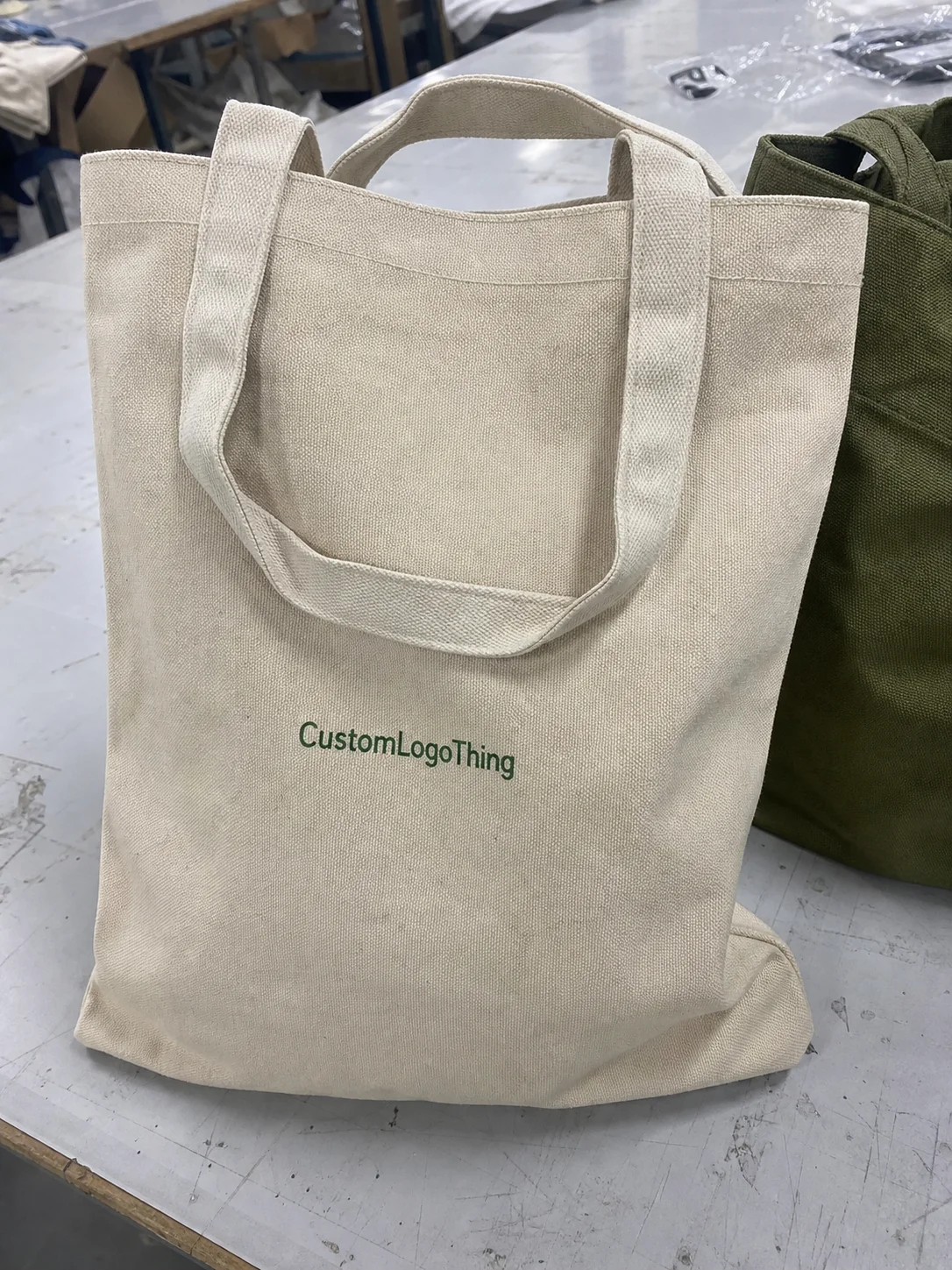
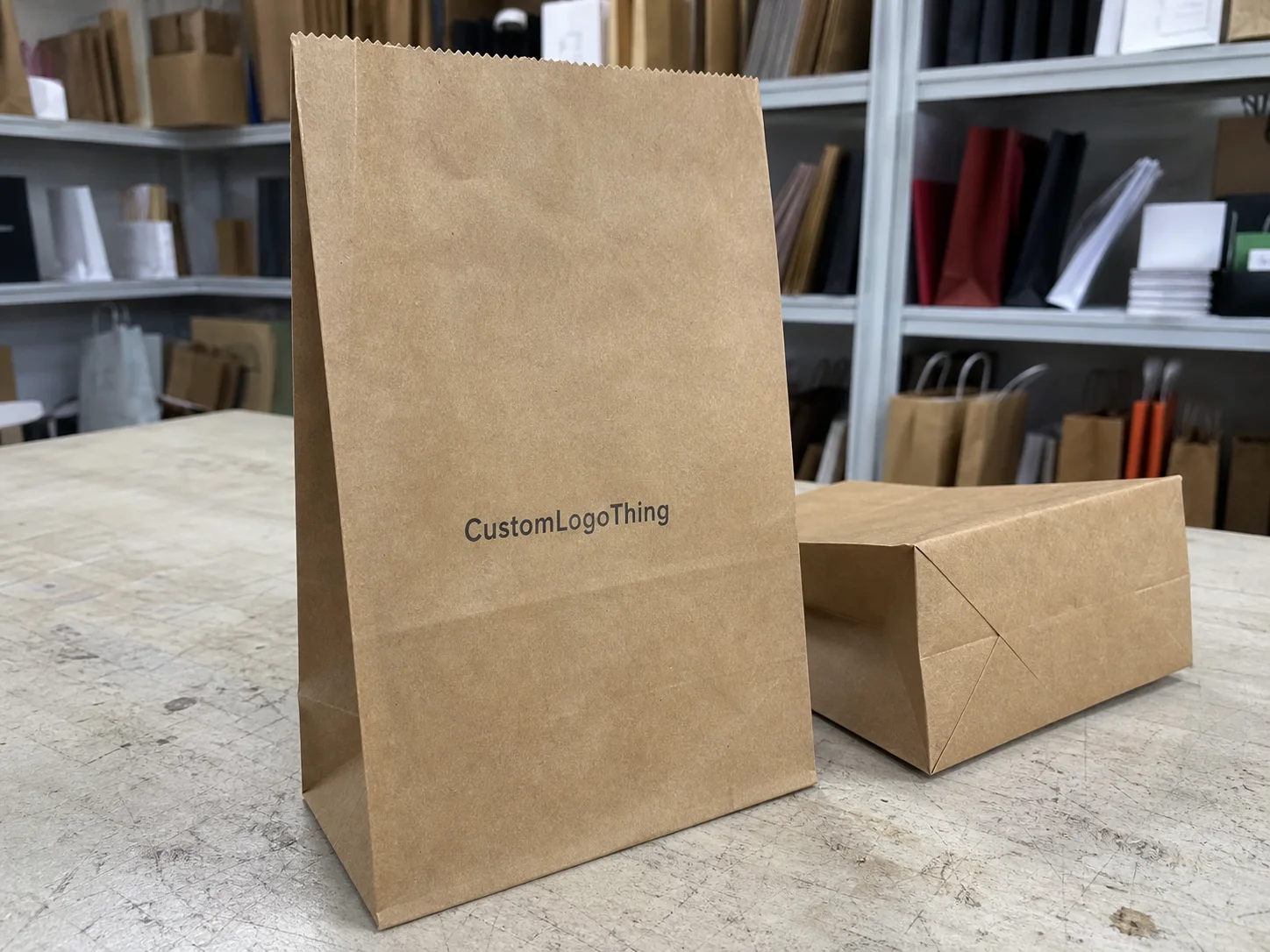
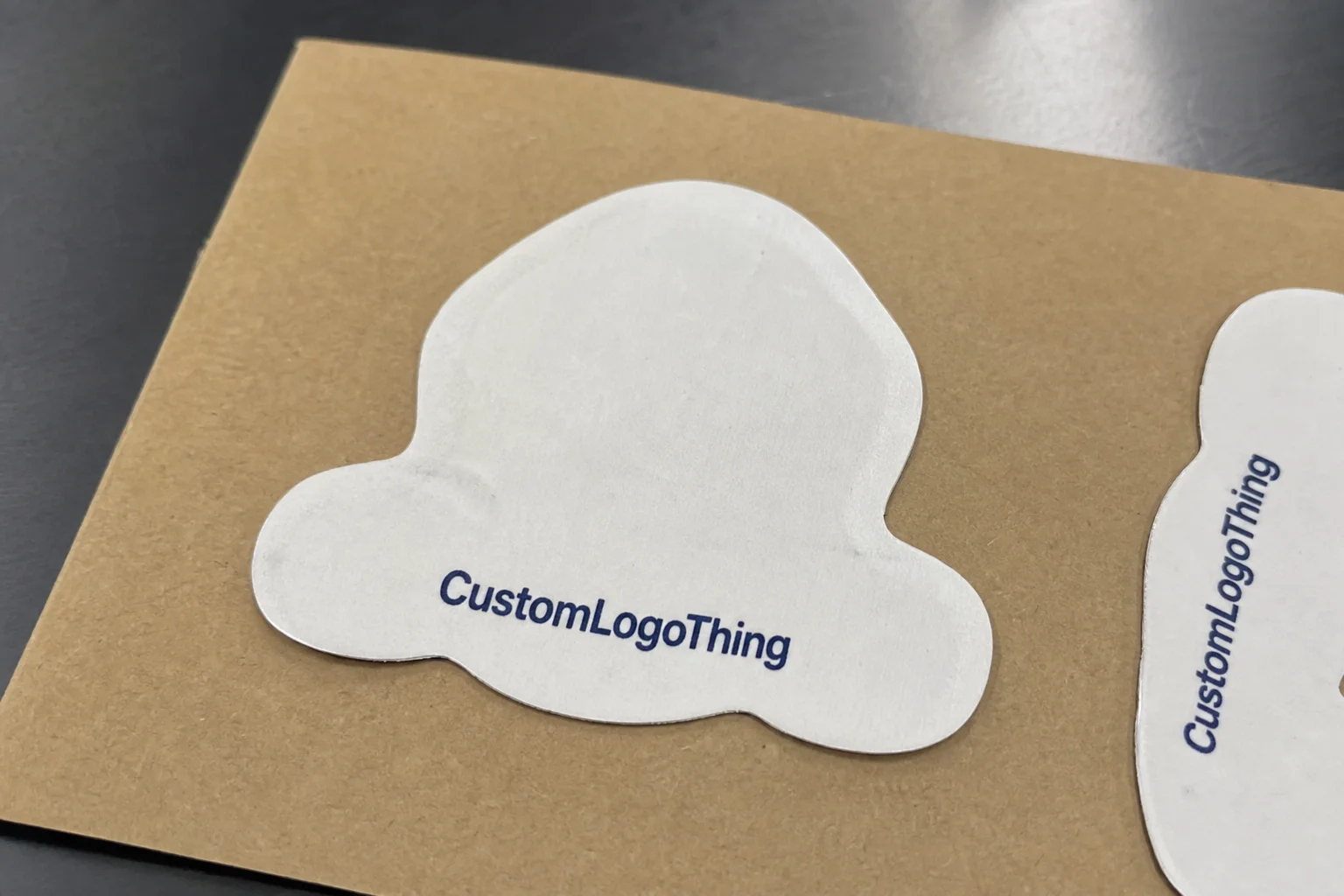
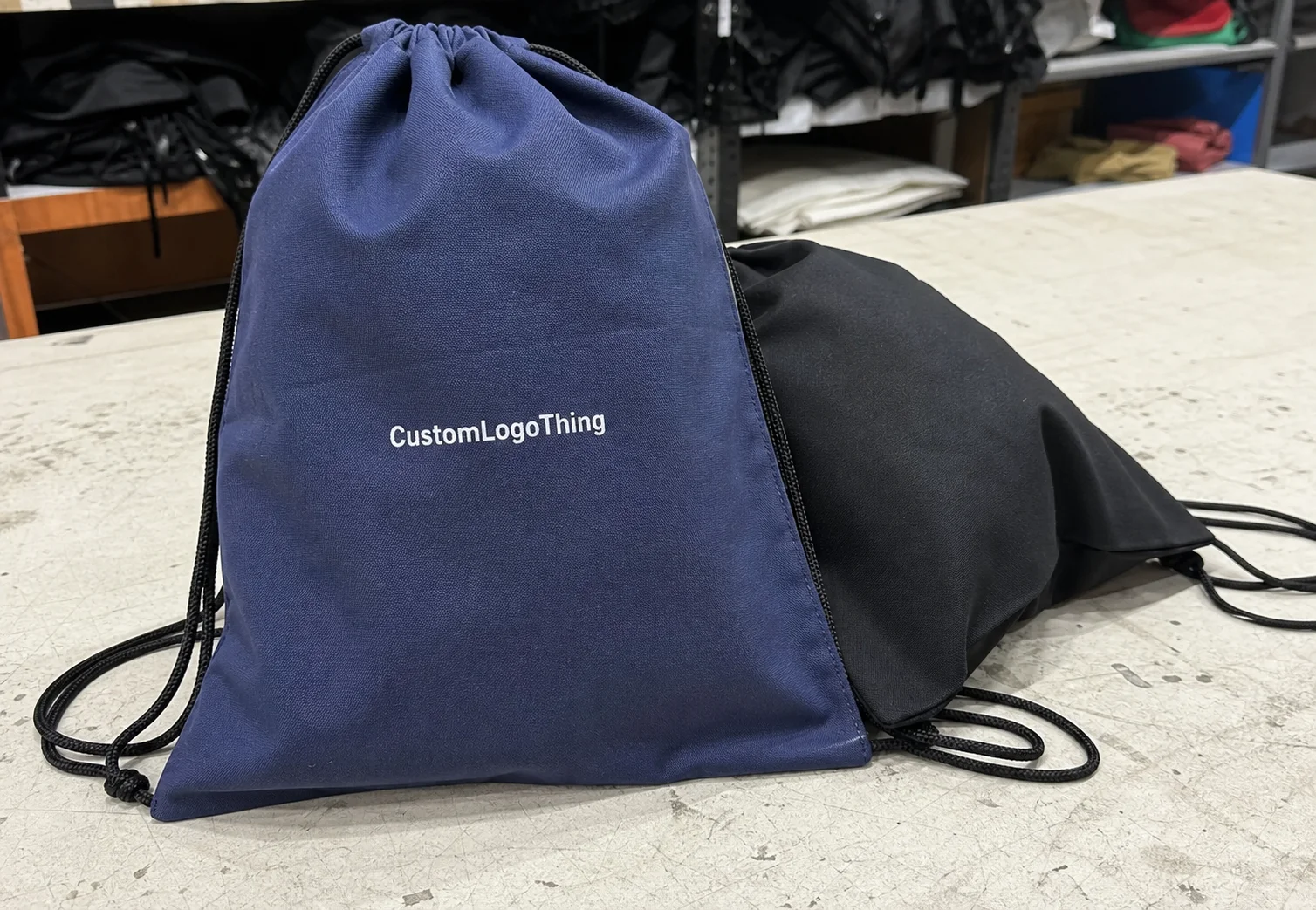
Custom market bags do more than move products from checkout to the car. They affect the retail experience, support brand visibility, and signal whether the packaging program was chosen carefully or simply bought by price. If a bag tears, feels weak, or looks inconsistent with the rest of the packaging, customers notice immediately.
These bags can be reusable or disposable, and the right build depends on what they need to carry, how often they will be reused, and how the store wants the brand to appear. A grocery carryout bag, a boutique shopping bag, and a promotional handout bag all fall into the same broad category, but they should not be specified the same way.
In grocery stores, farmers markets, gift shops, produce stands, boutiques, and trade shows, the bag becomes part of the retail packaging program. It also contributes to package branding because it travels with the customer and often remains visible after the sale. That is why the spec matters as much as the artwork.
How custom market bags are made and printed
Most bags start with a base material such as film, woven polypropylene, or another flexible substrate selected for the intended load. The bag is then formed to a specific size with a gusset, handle, and sealing method chosen for the use case. Reinforcement at the handle or bottom seam matters because those are common failure points under real load.
Bag style changes how the product performs in hand. T-shirt bags are lightweight and economical for high-volume retail or carryout. Die-Cut Handle Bags create a cleaner presentation for lighter loads. Patch-handle bags add strength and a more premium feel. Loop-handle shopping bags are better for heavier items and repeat use because they distribute weight more comfortably.
Printing method affects both cost and appearance. Flexographic printing is the usual choice for larger runs and simpler artwork. Gravure supports richer graphics and tighter detail at higher volume, but it has higher setup cost. Digital printing works well for shorter runs or variable artwork, though the per-piece cost is usually higher.
Artwork quality matters more than many buyers expect. Spot colors are easier to control than gradients, and small type or thin outlines can disappear on flexible or textured materials. A logo that looks sharp on screen may need simplification before production.
- Flexo: best for volume and simpler graphics
- Gravure: stronger image quality, higher setup
- Digital: lower quantities, more changes, higher per-unit cost
There is also a difference between stock-style customization and a fully custom build. Stock-style programs usually start with a standard size, material, and print zone, then add branding. Fully custom bags allow more control over dimensions, handle construction, and finishing, but that flexibility usually raises setup cost and can extend lead time. The same pattern shows up in custom printed boxes: more control usually means more coordination and more cost at the front end.
Key specs that drive durability, look, and compliance
Material choice sets the baseline for feel, strength, and print behavior. HDPE is common in lighter bags and has a crisp, thin feel. LDPE is softer and more flexible, which can improve the appearance of printed graphics. PP, especially woven or non-woven polypropylene, is usually sturdier and often used for reusable shopping bags. Recycled content can support sustainability goals, but it may affect color consistency and surface uniformity. Compostable materials only make sense when local disposal conditions actually support them.
Thickness, often expressed as gauge or mil depending on the material, is one of the most misunderstood parts of the spec. Too thin and the bag wrinkles easily or fails under load. Too thick and the bag becomes unnecessarily expensive. The right thickness depends on what the bag must carry, not on a generic preference for heavier material.
Size and gusset depth affect usability more than many buyers expect. A bag that is too narrow causes boxes to tip. One that is too shallow closes awkwardly at the top. A bag that is too tall for the merchandise can make the contents slump and look poorly packed. Measuring the actual product first avoids most of those mistakes.
Handle style affects both comfort and load capacity. Flat handles are simple and economical. Die-cut handles look clean but are not ideal for heavier carryout. Loop handles are more comfortable for repeat use and better suited to bags that will hold more weight. For groceries, bottles, boxed goods, and reusable programs, handle strength should be treated as a primary spec.
Compliance can also affect the final artwork. Some regions require recycling labels, thickness disclosures, warnings, or wording about reusable and recycled content. If the bags will be used across multiple states or municipalities, the print should be checked against local requirements before approval. A bag can look correct and still miss a compliance rule.
For background on materials and sourcing expectations, the Flexible Packaging Association and FSC offer useful reference points. They do not replace product-specific guidance, but they help frame how material claims and sourcing language are typically handled.
Cost, pricing, and MOQ: what changes your unit cost
Pricing for custom market bags is driven by a small set of variables: material, size, thickness, print colors, print coverage, handle style, and any special reinforcement or finish. Larger bags use more raw material. Heavier gauges increase material usage. More colors add setup complexity. Special constructions add tooling and usually increase the time needed to approve the job.
MOQ, or minimum order quantity, has a direct effect on the unit price. Lower quantities are usually more expensive per bag because setup cost is spread across fewer pieces. Larger quantities generally lower the unit cost, provided the design is stable and the buyer can realistically use the volume before the artwork or sizing changes.
| Bag type | Typical use | Relative unit cost | Notes |
|---|---|---|---|
| Simple single-color stock-style bag | Promos, light retail, events | Lower | Best for volume and basic branding |
| Mid-weight printed bag with two colors | Boutiques, carryout, gift retail | Moderate | Good balance of appearance and cost |
| Heavy-gauge reusable bag with full coverage | Groceries, premium retail, resale | Higher | Stronger feel, more print/setup expense |
| Fully custom shape or specialty finish | High-end retail, launches | Highest | More tooling, longer lead time |
Setup charges matter more on the first order than on later reorders. Plates, cylinders, screens, file prep, and proofing all create front-end cost. That can be reasonable if the order will repeat, but it is harder to justify for a one-time promotion or short seasonal window. A unit price that looks attractive on paper can still produce a high first-order total once setup and freight are included.
Adding one more color can improve the design, but it can also move the job into a higher cost tier. The same is true for full-coverage graphics. They can look strong, but they require more careful file preparation and leave less room for production tolerance. Freight should also be included in the comparison, because landed cost is what matters.
Process, timeline, and production steps from quote to delivery
The order path is usually straightforward: send specifications, receive a quote, confirm artwork, review a proof, move into production, complete quality checks, and ship. Delays usually come from incomplete information or slow proof approvals, not from the equipment itself. Clear specs keep the job moving; vague specs create loops.
A useful quote needs more than bag type and quantity. Dimensions, material preference, thickness, handle style, number of print colors, intended product weight, and any compliance text should all be included. If the supplier does not know what the bag will carry, they are being asked to guess the load, and that is rarely a good buying method.
Lead time depends on print method, quantity, complexity, and current production schedule. Simple jobs can move quickly, while fully custom constructions, specialty materials, or multi-color runs usually take longer. A common estimate is 12-15 business days from proof approval for straightforward orders, though larger or more complex programs may stretch beyond that. Rush work is possible in some cases, but it usually carries a premium.
Proof approval deserves attention because it is where placement, spelling, proportions, and color intent are checked before volume production begins. If the bag has to support a launch date, seasonal promotion, or retail reset, the proof deadline should be agreed on early so the timeline is not left to guesswork.
For a more structured view of durability, ISTA publishes testing standards used across packaging and transit planning. You can review their work at ista.org. A retail bag does not need laboratory certification in every case, but seams, handles, print adhesion, and transit performance still deserve review before shipment.
Common mistakes that make custom bags look cheap
One of the fastest ways to weaken a bag program is to use artwork that is too detailed for the material or print method. Thin lines, tiny text, gradients, and dense graphics may look fine on a screen and then print softly or inconsistently on the finished bag. Flexible materials and textured surfaces are less forgiving than paper or coated board.
Size mistakes are just as common. Buyers often order from memory, based on a previous run that “worked well enough.” Then the merchandise changes, and the bag is suddenly too tight or too loose to present the product properly. Measuring the actual item and allowing for real packing solves most of that.
Ordering by unit price alone is another mistake. Setup, freight, proofing, and reorder timing all affect the true cost. A cheaper quote can become the more expensive option once shipping is added or the MOQ is higher than the actual demand.
Expert tips for buying custom market bags that actually perform
Start with the product, not the logo. If the bag does not fit the item comfortably, branding on the outside cannot compensate. The best-looking bag in the room is still a bad purchase if customers have to fight it to get their goods home.
Decide which two or three things matter most before asking for quotes. Maybe the priority is carrying strength, print clarity, or staying inside a narrow budget. Trying to maximize every feature usually pushes the order into a less favorable cost tier.
Ask for a sample or spec sheet that lets you evaluate thickness, seam quality, handle feel, and how the print reads in hand. Those details tell you more than a polished quote document. Save approved artwork, dimensions, construction notes, print colors, and proof references together so reorders do not require rebuilding the program from scratch.
Next steps to order the right bag for your store
Measure the largest product you need to carry, then build the bag spec around those dimensions instead of relying on a standard size that may or may not fit. A bag that is technically acceptable but awkward in use is still the wrong choice.
Choose the material, thickness, and handle style before requesting pricing. That lets suppliers compare the same build instead of quoting different assumptions. Prepare print-ready artwork and a simple brand sheet with logo placement, color values, quantity range, and any compliance copy. Clean files reduce proof loops and remove avoidable back-and-forth.
Compare quotes using total landed cost, MOQ, lead time, proof process, and reorder ease. Then request sample or proof approval before production begins. If your broader packaging program includes bags, boxes, and other branded pieces, keep the specs aligned so the materials and print behavior feel intentional from one item to the next.
Done well, custom market bags are practical, durable, and effective at extending the life of a brand after checkout. The right bag carries the product, holds up under real use, and avoids paying for features that do not improve performance.
What are custom market bags used for?
They are used for retail carryout, grocery shopping, farmers markets, events, promotions, and branded customer take-home packaging. They help customers carry purchases while keeping the brand visible after checkout.
How much do custom market bags usually cost?
Pricing depends on material, size, thickness, print colors, quantity, and setup charges. Higher quantities usually lower unit cost, while lower MOQs and more complex printing increase price. Freight should also be included when comparing quotes.
What is the best material for custom market bags?
The best material depends on what the bag must carry and how the customer will use it. HDPE, LDPE, PP, and recycled options each balance cost, strength, feel, and print quality differently.
How long does it take to produce custom market bags?
Lead time depends on proof approval, print method, quantity, and production complexity. Simple jobs can move faster, while fully custom specs, special materials, or larger runs usually take longer. A common estimate is 12-15 business days from proof approval for straightforward orders.
What should I send for an accurate quote on custom market bags?
Send bag dimensions, material preference, thickness, handle style, print colors, quantity, artwork files, and the weight or size of the product the bag needs to hold. If possible, include any local compliance requirements so the quote reflects the real use case.