Custom Mini Liquor Bottle Labels: Buy Smart, Brand Better
A mini bottle gives you less label space than a business card, but it still has to do a full packaging job. It has to identify the spirit, protect compliance copy, hold up in handling, and look finished from arm’s length. That is why custom Mini Liquor Bottle labels need more planning than many buyers expect, especially for hospitality programs, sampler packs, event favors, and retail bundles that may also use Custom Labels & Tags or other Custom Packaging Products.
The challenge is not only size. It is speed and perception. A guest picks up a mini bottle, turns it once, and makes a decision. If the text is cramped, the finish looks flat, or the edge lifts in cold storage, the whole package reads cheaper than it is. Good packaging fixes that with discipline, not decoration alone.
Why tiny bottles create outsized branding pressure
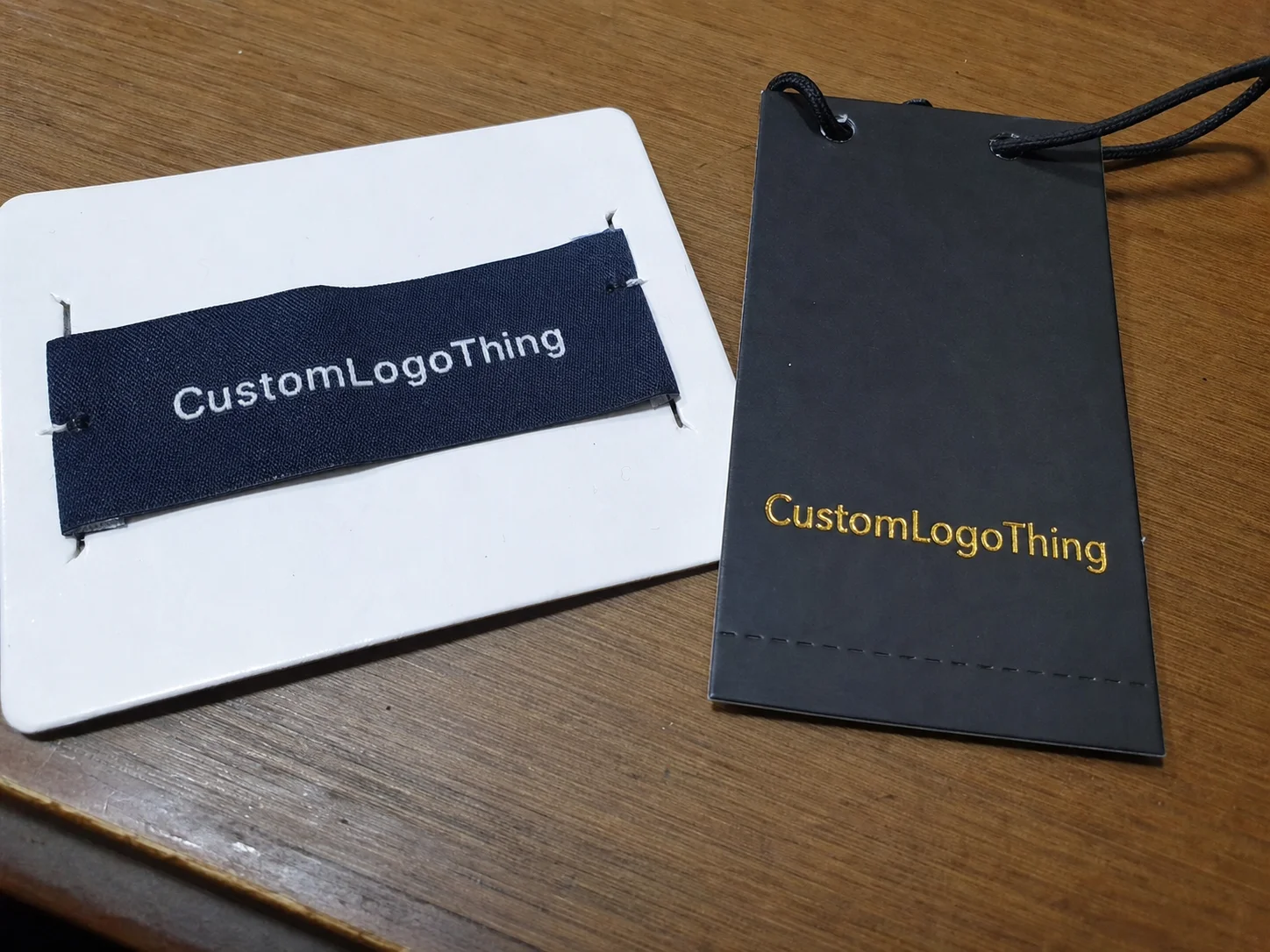
A mini bottle label has less room than most designers want to admit, yet it still needs to communicate brand identity, flavor, legal information, and quality. That is a lot to ask from a surface that may be only a few inches wide. Small packaging magnifies every decision, which is why mistakes show faster here than on larger formats.
Mini bottles show up in hotels, airlines, tasting kits, wedding favors, retail gift sets, and seasonal promotions. Each use case changes the label environment. Some bottles are chilled. Some sit in ice. Some are handled by staff all day. Others travel in cartons with inserts or custom printed boxes, which raises the expectation before the bottle is even opened.
From a buyer’s point of view, the label has to do three jobs at once. It has to identify the product. It has to stay adhered to glass or plastic. And it has to make the bottle feel intentional. That is the difference between packaging that looks assembled and packaging that looks designed.
In practical terms, custom mini liquor bottle labels are pressure-sensitive labels sized for small spirits bottles, shooters, and sampler containers. They may be printed on rolls or sheets, cut to a specific dieline, and finished with gloss, matte, or textured coatings. The real question is rarely whether they can be printed. It is whether they will still look clean after transport, condensation, and handling.
One thing people underestimate: a tiny label often has to work harder than a larger one. A large label has room to breathe. A mini label has to be economical with space, hierarchy, and contrast. At this scale, package branding starts to look more like precision work than freeform design.
How custom mini bottle labels work on small packaging
A label is not just printed art. It is a layered product. The face stock is the visible surface, the adhesive controls how it grips the bottle, and the finish changes how light, moisture, and fingerprints behave on the print. For glass minis, a standard permanent adhesive often works well, but cold service and condensation can change the answer quickly. For plastic bottles, flexibility matters more because the surface can move slightly during handling.
The ordering process should start with bottle dimensions, not artwork. A good supplier will ask for bottle diameter, panel height, shoulder curve, and the exact decoration area. That matters because a label that behaves on a 750 ml bottle may fail on a 50 ml mini. The curve radius is different. The application zone is different. The label edge may have nowhere clean to land.
There are two common formats. Roll labels are the practical choice for faster application, especially when the run is larger or semi-automated. Sheet labels can work for smaller runs, hand application, or event prep, but they usually slow production once quantities climb. The format should follow the application method, not the other way around.
Condensation is where many first-time buyers get caught. A dry bottle on a screen looks forgiving. A chilled bottle covered in moisture is not. That is why small-format spirits labels often need more careful stock selection than standard bottle labels. If the product will be stored cold or served on ice, the material and adhesive should be chosen for that condition from the start.
For buyers who also need shelf cartons or gift-ready bundles, the label should be considered alongside the rest of the system. Color balance, typography, and finish should not fight with the outer pack. That is true whether the project is a single SKU or a matched set of branded packaging components.
Workflow, in order: artwork upload, dieline check, digital proof, approval, print, cut, finish, quality review, and shipment. The fastest jobs are the ones with an exact bottle sample and clean files. The slowest ones usually start with guessed dimensions and three rounds of correction.
Key specs that affect fit, durability, and shelf appeal
Size comes first. Width, height, bleed, and corner radius all matter, but bottle diameter matters just as much because it determines how much of the label is truly usable. On a mini bottle, even a few millimeters can change whether the design feels balanced or crowded. If the art wraps too far around the shoulder or sits too close to the curve, the label can wrinkle or lift.
Material choice comes next. Paper stock can work for dry environments and lower-budget runs. BOPP is usually the safer choice for moisture, chilling, and handling because it resists tearing and smudging better. Textured stocks or specialty papers can add a premium feel, but they are not always the best fit for wet service. A rougher surface can be beautiful and still underperform if the bottle is iced down frequently.
Finish changes perception quickly. Gloss tends to brighten color and help photos or metallic accents stand out. Matte softens reflections and can make a label feel more restrained. Soft-touch adds a premium tactile effect, but it can show scuffs in busy service environments. The best finish is the one that matches use, not just the mood board.
Text and regulatory details deserve their own review. Font size should stay legible after shrinking the design to actual print size. High contrast matters more than ornamental type. Barcodes need clean quiet zones. Mandatory copy should be readable without a magnifier. If the label has to carry spirit information, volume, warnings, or a batch code, do not bury that data in decorative clutter.
Some brands now ask for FSC-certified paper where possible. That does not solve every packaging problem, but it does give buyers a documented sourcing path when sustainability claims matter. For transit or distribution planning, a standards-minded vendor should also be able to discuss testing language around ISTA methods and durability checks commonly used in packaging validation. If a supplier cannot explain how a label handles rub, moisture, or peel risk, that is a warning sign.
Another practical detail: the label should be reviewed in the context of the whole package. A mini bottle label that looks great alone may clash with the carton, insert card, or sample kit. Good product packaging feels coordinated. That usually means fewer loud elements and more disciplined hierarchy.
Cost, pricing, MOQ, and what changes the quote
Pricing for mini bottle labels is driven by a small set of variables: size, material, finish, quantity, print complexity, and whether the order is digitally printed or uses another production method. The smaller the label, the less material is used, but that does not always mean a dramatically lower price. Setup, proofing, finishing, and waste can outweigh raw material savings at low quantities.
MOQ, or minimum order quantity, matters because it shapes the economics of test launches, seasonal promotions, and event-specific runs. Lower minimums are useful when you want to trial a new spirit, compare two finishes, or produce a short run for a wedding or hospitality program. Higher quantities usually lower the unit cost, but only if the design is final and stable.
| Option | Typical use | Price effect | Practical note |
|---|---|---|---|
| Paper label with standard gloss | Dry storage, budget-conscious runs | Usually the lowest starting point | Best if the bottles will not sweat or sit in ice |
| BOPP with matte or gloss finish | Cold service, retail packs, frequent handling | Moderate increase | Better scuff and moisture resistance for minis |
| Textured or specialty stock | Premium gifting, gift sets, upscale branding | Higher unit cost | Looks strong, but confirm adhesion on curved surfaces |
| Special adhesives or extra finishing | Condensation, chilled displays, premium effects | Often the biggest jump outside quantity | Worth it if the product is handled in wet conditions |
For a practical budget check, many buyers see digital mini labels land somewhere around $0.12 to $0.35 per piece at modest volumes, with premium materials, specialty finishes, or smaller quantities pushing higher. That range is not universal. It depends on label size, print coverage, and whether the quote includes proofing, freight, and finishing. If you want a fair comparison, ask vendors to quote the same spec set line by line.
Hidden cost variables show up fast. Multiple SKUs increase setup complexity. Variable data can add handling time. Rush production may require queue changes. Revisions after proof approval can trigger rework. Special adhesives for freezer use, wet service, or unusual bottle surfaces can also move the price. Honest quoting is easier to evaluate than a low headline number with extras buried underneath.
What custom mini liquor bottle labels need to survive
If the labels are going onto chilled minis, the design brief should assume moisture from the start. That means the adhesive needs to hold on a wet or cold surface, the ink needs to resist smudging, and the finish needs to tolerate handling by guests or staff. Custom mini liquor bottle labels are small enough that one lifted corner can make the whole bottle look unfinished.
From a branding perspective, these labels need to survive more than storage. They need to survive the look test. Mini bottles are often photographed in bundles, lined up on trays, or handed out at events. That means the label has to read clearly both at a glance and in a photo. Dense copy does not help. A strong brand mark, a clear flavor cue, and one supporting detail usually beat a crowded layout.
If a label has to survive condensation, design for the wet bottle first and the dry bottle second.
That line sounds blunt, but it reflects what actually breaks in production. The designs that fail are rarely the most dramatic. They are the ones that depend on tiny type, weak contrast, or a paper stock chosen for appearance alone. A premium look that cannot survive the service environment is not premium. It is fragile.
For brands that care about sustainability messaging, FSC-certified paper and lighter-weight packaging systems can help, but the material still has to perform. Sustainability claims do not excuse poor adhesion. A label that peels off in a cooler creates waste and rework, which is the opposite of smart packaging design.
In multi-piece kits, the label should also coordinate with bottle neck tags, outer sleeves, or custom printed boxes. If the bottle is part of a larger gift or promotion, the label is one voice in the system, not the whole conversation. That is why package branding should be planned together instead of in isolated parts.
Production process and lead time: from proof to shipment
The standard workflow is straightforward, but each step can introduce delay if the input is weak. First comes file review. Then a digital proof. Then approval. After that the order moves into print, cutting, finishing, inspection, and packaging. The fastest turnaround happens when the artwork is final and the bottle dimensions are exact.
Simple digital jobs often move in roughly 7 to 12 business days after proof approval, while specialty materials, complex finishing, or rush queue changes can stretch that to 12 to 18 business days or more. That range depends on press load and proof turnaround, so it should be treated as a planning estimate, not a promise. Buyers who need labels for a fixed event date should build in extra time rather than betting on the shortest quote.
Proofing is where most delays hide. A clean dieline cuts approval time. A real bottle sample cuts it further. If the supplier has to guess where the label lands on the shoulder or how much room is available before the curve, expect at least one extra revision. Color matching also needs attention. What looks right on screen may print differently on uncoated paper or under matte lamination.
If the labels are part of a broader shipping program, it helps to think about the outer pack too. Corrugated cartons, inserts, and secondary packaging should be checked against transit assumptions and handling standards such as those discussed by EPA packaging and waste guidance when sustainability or disposal is part of the brief. For the label itself, the core question remains simple: will it still look clean after storage, movement, and handling?
A practical timeline example looks like this: day one, art files are submitted. Day two or three, the proof comes back. If the team approves quickly, production may start right away. If the design needs a new text block, a barcode fix, or a changed finish, the schedule shifts. That is why the approval stage matters more than most first-time buyers expect.
Step-by-step ordering checklist for first-time buyers
- Measure the bottle first. Confirm the flat panel, curve, shoulder height, and intended placement zone before opening a design file.
- Collect every asset in one place. Logo files, ingredient or compliance text, barcode data, and final copy should be organized before proofing starts.
- Choose material based on use. Dry storage, cold service, and frequent handling do not call for the same stock or adhesive.
- Decide on finish with the bottle in mind. Gloss, matte, and soft-touch each change how light and moisture interact with the label.
- Review the proof line by line. Check spelling, margins, barcode legibility, and whether the cut line respects the bottle curve.
- Lock the operational details. Confirm quantity, shipping method, lead time, and whether the labels will be applied manually or with equipment.
If the project is new, ask for a physical sample or a spec sheet based on the exact bottle. Flat mockups can hide problems that only show up on a curved surface. That is not a design failure; it is a process failure. Good ordering discipline reduces waste and keeps the brand looking deliberate.
This is also where buyers should think about the rest of the packaging stack. A label can be excellent and still feel out of place if the carton, insert, or outer carrier is off-brand. The best product packaging decisions are made as a system, not as isolated parts with different approval chains.
Common label mistakes that make minis look cheap
The fastest way to downgrade a mini bottle is to overdesign it. Oversized graphics can wrap awkwardly, especially near the shoulder. A label that tries to fill every millimeter usually loses visual balance and feels cramped. On small bottles, empty space is not wasted space. It is breathing room.
Another common mistake is tiny text. Buyers often shrink copy to fit one more detail onto the label, then discover that the result is unreadable once the bottle is in hand. Low contrast makes that worse. Dark gray on black, pale metallics on clear film, or decorative fonts for legal copy all slow the reader down.
Material mismatch is just as damaging. A label that looks elegant on a dry sample can bubble, peel, or smear when the bottle is refrigerated. That creates an immediate trust problem. If a buyer touches the bottle and the label lifts, the packaging has already lost.
There is also the common sizing error: designing for a full-size spirits bottle and then shrinking the art without rethinking hierarchy. Mini bottles need their own layout logic. The type should be larger relative to the surface. The logo should be simplified if needed. The most important message should land first.
Finally, proofing errors are more common than they should be. Incorrect quantities, missing bleed, a barcode placed too close to the edge, or a regulatory line left out altogether can stop production or force reprints. For first-time buyers, the proof is not a formality. It is the last real chance to catch expensive mistakes.
Expert tips and next steps before you place an order
Use a real bottle sample whenever possible. A flat dieline is useful, but it can hide the exact place where a curve starts to fight the adhesive. One sample bottle can save a full production run from a fit problem. That is not a luxury; it is insurance.
Prioritize hierarchy over decoration. On a mini bottle, the eye should find the brand name, then the flavor or product type, then the supporting details. If a buyer has to search for the core message, the design is doing too much. Good packaging design reduces cognitive work.
Ask your supplier to recommend the label stock based on temperature, handling, and moisture exposure instead of choosing only by price. A slightly higher-priced label that holds up in cold service is often cheaper in the real world than a low-cost label that fails and has to be replaced. That is especially true for event orders, where labor is already fixed and rework is painful.
The cheapest label is not the one with the lowest quote. It is the one that arrives, applies cleanly, and still looks right after the bottle is handled.
If you are launching a new spirit, testing a gift set, or comparing finishes, a pilot run is usually the safest next move. Short runs let you confirm the look on the actual bottle before scaling into a larger order. That approach is especially useful for custom mini liquor bottle labels, where small differences in size and curve can change the whole result.
Next step: measure the bottle, decide on quantity, gather artwork, and request a proof with the exact label size. If the project includes Retail Display Boxes, sampling kits, or matching inserts, align those pieces at the same time so the package tells one coherent story. Then place the order once the proof matches the bottle and the schedule matches the launch.
FAQ
How do custom mini liquor bottle labels differ from standard bottle labels?
Mini bottle labels are built for much smaller surfaces, so typography, margins, and hierarchy need to be tighter and more deliberate. They also often need better moisture resistance because minis are frequently chilled, handled quickly, or used in hospitality settings.
What size should I choose for mini liquor bottle labels?
Measure the actual flat label panel on the bottle, not just the bottle height. Leave room for bleed, the curve of the bottle, and clean application so the label does not wrinkle, overlap, or lift at the edge.
What affects the cost of custom mini liquor bottle labels the most?
Quantity, label size, material, finish, and print complexity are the main drivers. Rush timing, multiple SKUs, and specialty adhesives can also raise the quote, especially if the job needs extra proofing or finishing steps.
How long does production usually take for mini bottle labels?
Lead time depends on proof approval speed, quantity, and the finish you choose. Simple digital orders usually move faster, while specialty materials, custom shapes, and rush requests often extend the schedule.
What mistakes should I avoid when ordering custom mini liquor bottle labels?
Avoid tiny text, weak contrast, and choosing a material that cannot handle condensation. Always check the proof against the real bottle dimensions before approving production, because a small sizing error becomes obvious very quickly on mini packaging.
For buyers who want small bottles to look intentional instead of improvised, the label is the place to get disciplined. Measure carefully, specify the right stock, and approve the proof against the actual bottle. That is the difference between average branding and custom mini liquor Bottle Labels That make the entire package feel finished.

