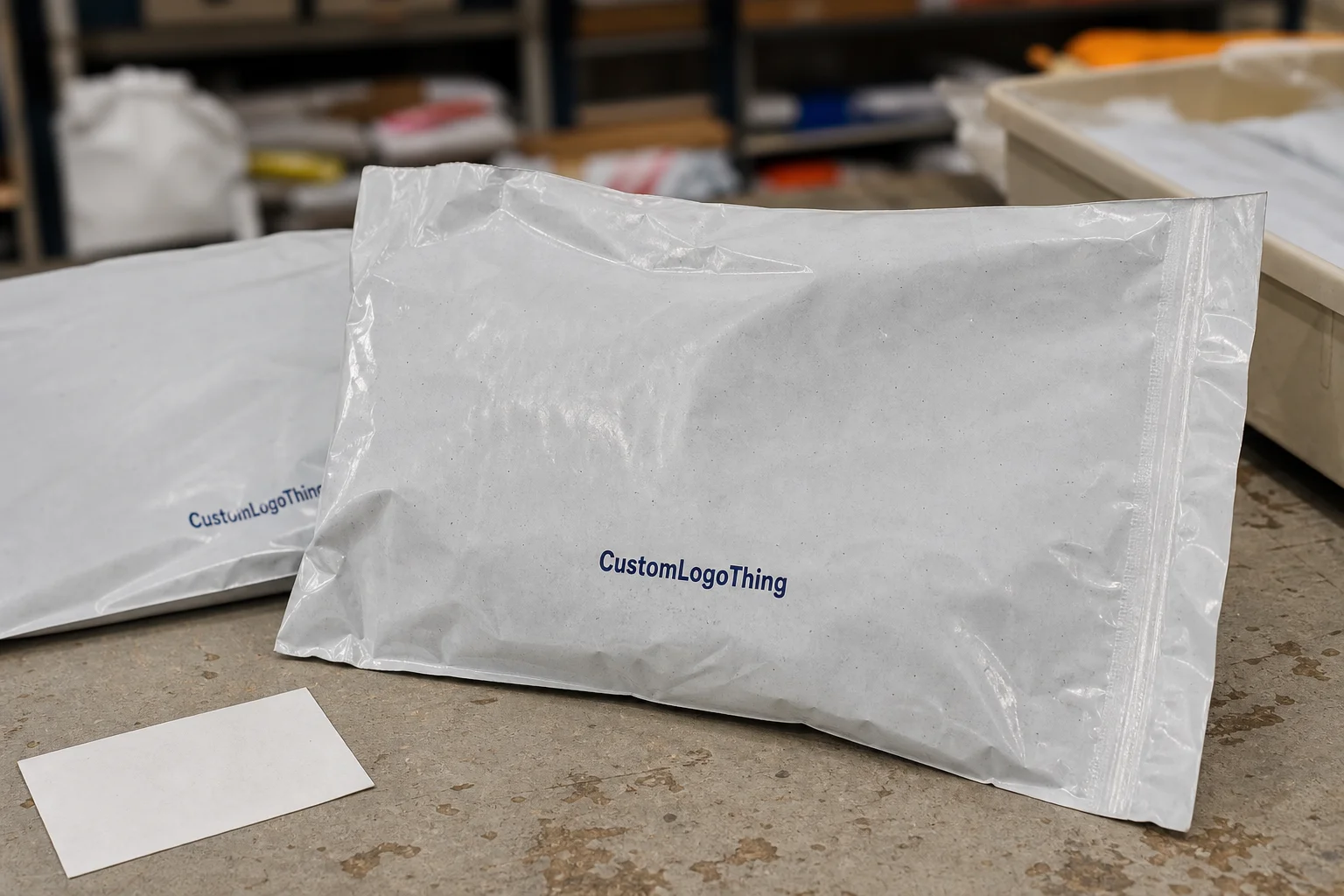
A tea order can ship cheaply and still lose margin fast. If the outer mailer arrives split, damp, badly scuffed, or stretched around sharp pouch corners, the quoted tea Shop Poly Mailers unit cost was never the number that mattered. Real cost includes replacement product, second freight, packing labor, and support time.
Poly mailers are a strong fit for many tea shipments: sealed refill pouches, sample sets, small accessories, and compact subscription packs. They are a poor fit for fragile teaware, unsupported tins, or gift sets that need rigid corner protection. The decision is not whether poly mailers are good or bad, but whether the spec matches the shipment.
A leaky pouch costs more than shipping: where tea shop poly mailers unit cost really starts
Start with what is actually going inside the bag.
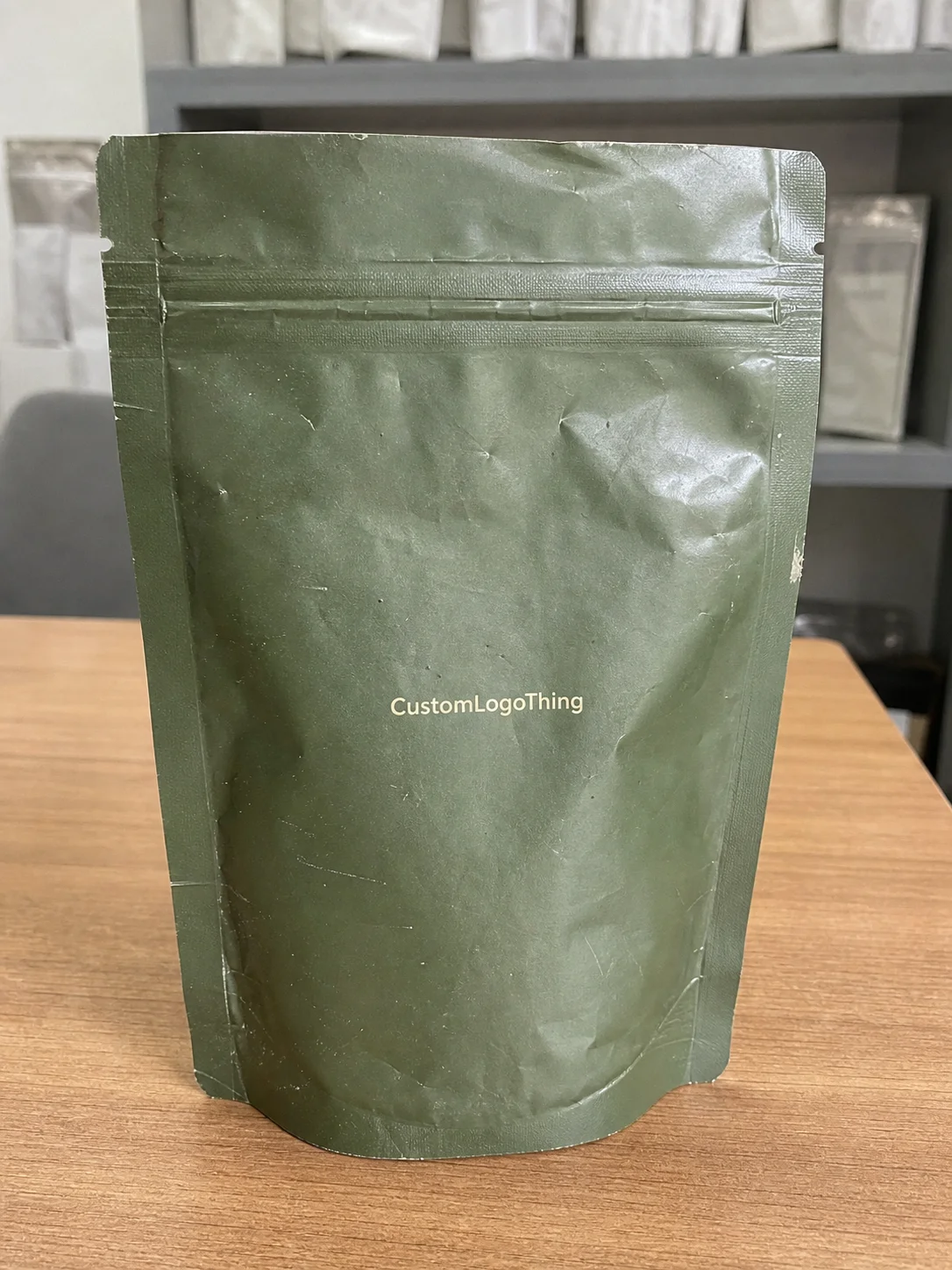
A flat refill pouch is easy. A mixed order with multiple stand-up pouches, a scoop, cards, and inserts is not. That pack creates uneven pressure, thicker corners, and more friction in parcel handling. If the gauge is too light or the size is too tight, failure often starts at the side weld or a sharp internal point.
One damaged shipment can cost far more than the mailer itself. A reship may run $4 to $9 once you include postage, replacement contents, labor, and service handling. Premium teas or subscription packs can cost more. That is why buyers should treat mailer cost as an operating cost, not just a line-item purchase.
A bag that reduces punctures, fits better, and packs faster may have a higher piece price while lowering total cost per shipped order. Presentation matters too. For many direct-to-consumer tea brands, the mailer is the first physical touchpoint after checkout. A clean, well-fitted bag supports the brand; an overstuffed or sloppy one does not.
Packaging math is simple: pennies saved on material disappear quickly when damage, repacks, or reships show up.
What tea retailers actually need from a shipping mailer
Tea orders are often lightweight, compressible, and margin-sensitive, so packaging needs to protect without adding unnecessary weight.
A good tea mailer usually needs to do four things well:
- Protect sealed products from moisture, dirt, and abrasion
- Keep package weight low for parcel efficiency
- Pack quickly with a reliable closure
- Carry clean branding without excessive print cost
Single-pouch orders work best in a flat, snug format. Mixed bundles need enough room for easy insertion without drifting into oversized territory. Sampler packs can be awkward because a few cards and mini pouches create more thickness than buyers expect.
Moisture resistance matters even when tea is already in a sealed inner pouch. Parcels sit on warehouse floors, move through humid trucks, and get left on wet porches. A standard polyethylene mailer provides a useful outer moisture barrier for tea orders that do not need rigid packaging.
Puncture resistance is another common weak point. Zipper tracks, pouch corners, tin edges, and scoops create pressure points. A spec built around your lightest order can fail on the order mix you ship most often.
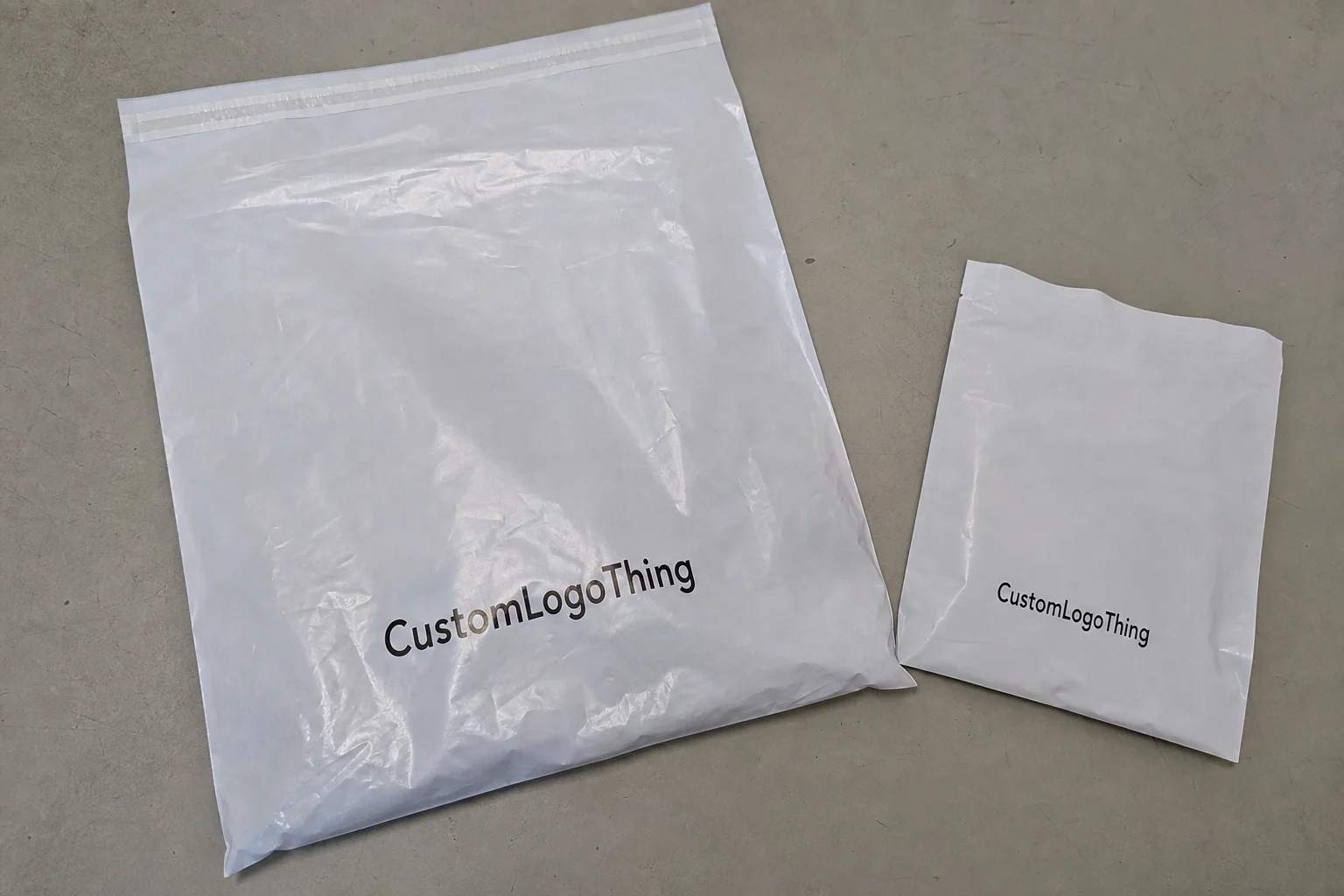
Closure strength also affects packing speed and failure rate. A peel-and-seal strip sounds basic, but weak adhesive or inconsistent application creates trouble fast. If your team packs volume daily, a dependable self-seal saves time on every order.
Print matters, but usually not as much as buyers think. Most tea shops do not need full-bleed artwork on every bag. They need print that stays readable, registers cleanly, and looks consistent from run to run. For many brands, one or two colors on opaque white film is the best balance of cost and presentation.
If one well-sized bag can handle most of your order mix without extra void fill or awkward folding, labor improves too. If you are comparing formats, review Custom Poly Mailers alongside other Custom Packaging Products and match the format to the orders you actually ship.
Material, seal, print, and size specs that change performance
Small changes in film gauge, size, or print coverage can shift both performance and cost.
Film choices and thickness
Most custom poly mailers for tea use polyethylene, often LDPE or co-extruded blends for toughness and opacity. A practical range for many tea shipments is 2.0 to 3.5 mil.
Lighter gauges around 2.0 to 2.25 mil can work for flat refill pouches and soft sample packs. Once orders include multiple stand-up pouches, sharper edges, or accessories, many buyers move to 2.5 to 3.0 mil. Heavier is not automatically better; it raises cost and may be unnecessary if the packed geometry is simple.
Recycled-content film is requested more often, but not all blends perform the same. Blend quality affects puncture resistance, opacity, stiffness, and print behavior. If sustainability claims matter, ask for documentation and sample the actual structure being quoted. For fiber-based standards on related packaging components, FSC is a familiar reference.
Closure and seal options
A permanent pressure-sensitive self-seal strip is the standard choice. It is fast and usually sufficient for tea orders. Double-strip constructions can support returns or reseal functions, but they add cost and are not always needed.
Ask about more than adhesive type. Side weld integrity, seal consistency, release liner performance, and bag opening tolerance all affect daily packing. Poor application can turn a basic bag into a fulfillment problem even before visible defects appear.
Size planning
Measure the fully packed order, not just the primary product.
A flat tea pouch gets bulkier once you add another flavor, an insert, a label, or a card. Common custom sizes for tea shipping include:
- 6 x 9 inches for small sample or flat refill shipments
- 9 x 12 inches for one to three medium pouches with inserts
- 10 x 13 inches or 12 x 15.5 inches for larger bundles or inner cartons
Right-sizing matters. Too large and the package looks sloppy, uses more resin, and can increase parcel inefficiency. Too small and the side seams take unnecessary stress during insertion and transit.
Print coverage and finish
One-color flexographic printing is often the most economical custom route. Two colors are common for tea brands that want stronger presentation without pushing cost too far. Heavy coverage, gradients, or more complex artwork can raise setup cost, slow production, and make later revisions less flexible.
Opaque white co-ex film is popular because it hides contents and gives strong contrast for logos and shipping labels. Matte often looks more premium; gloss usually makes colors pop more. During proofing, check barcode space, shipping-label placement, bleed, registration tolerance, and dark areas that may scuff visibly.
If your pack system needs more formal validation, ask suppliers how they approach testing against ISTA distribution principles.
Pricing, MOQ, and unit cost: how buyers should compare quotes
Quote comparison gets messy when specs are not aligned. The main cost drivers are predictable:
- Mailer dimensions
- Film thickness
- Material grade or blend
- Print colors and coverage
- Order quantity and quantity breaks
- Freight
- Plate, tooling, or setup charges
Quantity usually lowers unit price, but only if the volume fits your usage. Buying 50,000 bags to save a fraction of a cent can be poor purchasing if you use 3,000 per month, have limited storage, or may change branding soon.
MOQ is tied to production efficiency: setup, run length, color matching, material allocation, and conversion economics. Near-stock dimensions with simple print can sometimes start lower. Fully custom sizing and broader print coverage usually push the minimum higher.
| Spec Scenario | Typical MOQ | Estimated Cost Per Piece | Best Fit |
|---|---|---|---|
| Stock-adjacent size, 1-color print, 2.25 mil | 2,000-5,000 | $0.12-$0.20 | New tea brands testing order volume |
| Custom size, 2-color print, 2.5 mil | 5,000-10,000 | $0.16-$0.28 | Established refill and subscription programs |
| Custom size, high-coverage print, 3.0 mil | 10,000+ | $0.24-$0.40+ | Heavier bundles or premium presentation |
These are planning ranges, not promises. Resin and freight move, but the pattern is stable: more film, more size, more ink, more complexity.
To compare quotes fairly, ask each supplier to price the same dimensions, gauge, print coverage, adhesive style, quantity, and delivery terms. Then check what is excluded.
Common hidden variables include:
- Plate or cylinder charges
- Freight excluded from the quote
- Overrun or underrun tolerance
- Units packed per carton
- Repeat-order pricing after initial setup
Most buyers are better off tracking landed cost per shipped order rather than focusing only on ex-factory bag price. A slightly more expensive mailer may reduce void fill, lower damage, improve fit, and save labor.
Production process and lead time: from artwork approval to packed cartons
Once specs are locked, the process usually follows this sequence:
- Application review and requirement intake
- Dimension and gauge confirmation
- Artwork check for resolution, bleed, and color references
- Proof approval
- Material allocation
- Printing
- Bag conversion, sealing, and trimming
- Quality-control inspection
- Carton packing and labeling
- Shipment dispatch
What speeds this up is clean information: flat dimensions, packed product weight, monthly usage, print color count, delivery ZIP or country, and required in-hands date. If exact color matters, include Pantone references.
Delays usually come from loose sizing, art revisions after approval, low-resolution logos, unresolved color expectations, or incomplete freight details.
Sampling helps. Plain stock samples are useful for fit tests and pack-line trials. Digital proofs help internal approval. For larger or more sensitive runs, a production sample may be worth the time, especially with dark artwork, barcode requirements, or heavy coverage.
Lead time for many custom printed poly mailers is about 12 to 20 business days from final proof approval to dispatch. Repeat orders can move faster if nothing has changed. High-coverage print, larger runs, busy production periods, or slower freight methods will stretch the schedule.
Ask suppliers what they inspect. Useful QC checkpoints include:
- Seal strength and weld consistency
- Print registration accuracy
- Color match against approved references
- Count verification per carton
- Carton labels, lot coding, and traceability
Common buying mistakes that raise packaging spend after approval
The first mistake is oversizing. Buyers do it to be safe, then pay more for resin, more for print area, and sometimes more in parcel inefficiency. The package often looks worse as well.
The second is picking film thickness by habit. Some teams default to 3.0 mil because it feels premium. Others force 2.0 mil into applications it cannot handle. The right gauge depends on packed geometry, edge pressure, shipping risk, and tolerance for cosmetic wear.
Third: treating all print as equal. A simple one-color logo does not carry the same cost structure as broad flood coverage or tight color matching. If one quote is dramatically cheaper, check the print assumptions before assuming it is a better deal.
Inventory planning is another weak point. Small orders keep pricing high. Huge orders tie up cash, consume storage, and create risk if branding changes. A sensible buy usually covers a few months of demand with a clear reorder trigger.
Skipping pack-out tests is a classic mistake. Tea shipments look simple until real combinations hit the line. A mailer that works for two refill pouches may fail once a sampler card, spoon, and promo insert are added. Test actual orders before issuing a large PO.
Buyer checklist: test real pack-outs, compare landed cost, verify print readability, confirm overrun tolerance, and set the reorder point before production starts.
How to request an accurate quote and place the right reorder
If you want an accurate quote, send accurate inputs. Measure the packed order, not just the tea pouch, and identify the top shipment configurations you send each month.
Suppliers typically need:
- Flat dimensions: width x length, plus flap if applicable
- Any gusset requirement
- Target film thickness, such as 2.25 mil or 2.5 mil
- Material preference, including recycled-content interest if relevant
- Print color count and approximate coverage area
- Artwork files, ideally vector format
- Quantity tiers at two or three breaks
- Ship-to location and required in-hands date
Ask for tiered pricing. Unit cost often shifts meaningfully at standard production breaks, and a quote for 3,000, 5,000, and 10,000 pieces can show whether a modest volume increase is worth the cash and storage tradeoff.
If demand is still uncertain, compare a stock-adjacent size against a fully custom one. Stock-adjacent options may reduce setup cost or MOQ pressure. Fully custom sizing may save more over time through tighter fit and lower waste.
Before approving the order, confirm three details that often get missed: units per carton, case or pallet footprint, and how much warehouse space you actually have.
For repeat orders, maintain a simple spec sheet that includes:
- Approved dimensions
- Film structure and thickness
- Closure type
- Print colors and coverage notes
- Artwork version code
- Carton count and pack method
- Reorder point and target lead time buffer
That document helps prevent drift between runs and keeps future ordering simpler.
FAQ
How is tea shop poly mailers unit cost calculated for a custom order?
It is mainly driven by dimensions, film thickness, material type, print colors and coverage, quantity, and freight. Some suppliers list setup, plate, or tooling charges separately, while others roll them into the quoted rate. The fairest comparison is the landed cost for the delivered quantity.
What MOQ is typical for custom poly mailers for tea shops?
Many simpler custom runs start around 2,000 to 5,000 pieces, especially for near-stock sizes and light print coverage. More customized sizes, heavier print, or more complex production setups often push MOQ to 5,000, 10,000, or higher.
Which size poly mailer works best for tea refill pouches and subscription packs?
The best size depends on the fully packed order, including inserts, labels, samples, and accessories. A snug fit usually improves presentation and material efficiency, but a bag that is too tight can stress side seams and slow packing. Test with actual order combinations before finalizing size.
What lead time should I expect for custom printed tea shop poly mailers?
Many custom runs fall in the 12 to 20 business day range after final proof approval, though repeat orders may move faster. Artwork revisions, heavy print coverage, larger quantities, and freight method all affect the timeline.
Can I lower tea shop poly mailers unit cost without sacrificing quality?
Yes. The most common levers are right-sizing the bag, avoiding unnecessary film thickness, simplifying print coverage, and ordering at practical quantity breaks. Do the fit and durability testing first. Saving money on a spec that fails in transit is not saving money.