Buyer Fit Snapshot
| Best fit | custom packaging lamination price for packaging buyers comparing material specs, print proof, MOQ, unit cost, freight, and repeat-order risk where brand print, material, artwork control, and repeat-order consistency matter. |
|---|---|
| Quote inputs | Share finished size, material target, print colors, finish, packing count, annual reorder estimate, and delivery region. |
| Proofing check | Approve dieline scale, logo placement, barcode or warning zones, color tolerance, and any recyclable or compostable wording before bulk production. |
| Main risk | Vague material claims, crowded artwork, or missing packing details can create delays even when the unit price looks attractive. |
Fast answer: Custom Packaging Lamination Price: What Drives Cost should be specified like a repeatable production item. The safest quote includes material, print method, finish, artwork proof, carton packing, and reorder notes in one written spec.
What to confirm before approving the packaging proof
Check the product dimensions against the actual filled item, not only the sales mockup. Ask for tolerance on folds, seals, hang holes, label areas, and retail display edges. If the package carries a logo, QR code, warning copy, or legal claim, reserve that space before decorative graphics fill the panel.
How to compare quotes without losing quality
Compare board or film grade, print process, finish, sampling route, tooling charges, carton quantity, and freight assumptions side by side. A lower quote is only useful if the supplier can repeat the same color, closure quality, and packing count on the next order.
Custom Packaging Lamination Price: What Drives Cost
Custom packaging lamination price can feel a little strange the first time a quote lands, especially if the finish seems to cost more than the printing itself on a small run. That is not a mistake, and it is not a supplier trying to hide anything. Lamination changes how the box feels in the hand, how well it holds up in transit, and how it presents on a shelf, so the price follows the finishing process rather than the ink count alone.
From a packaging buyer's side, the real challenge is not paying for a finish. It is understanding why matte, gloss, or soft-touch can turn one carton from plain packaging into branded packaging that feels worth keeping. Once the cost drivers are clear, custom packaging lamination price stops looking arbitrary and starts reading like a practical list of decisions: board, film, quantity, structure, and turnaround.
The goal here is straightforward. No fluff, no inflated claims, and no pretending every box needs the most expensive finish. Just the parts of packaging design that push the number up or down, plus the tradeoffs that matter when you are building a budget for retail packaging and trying to avoid last-minute add-ons.
Why custom packaging lamination price surprises buyers
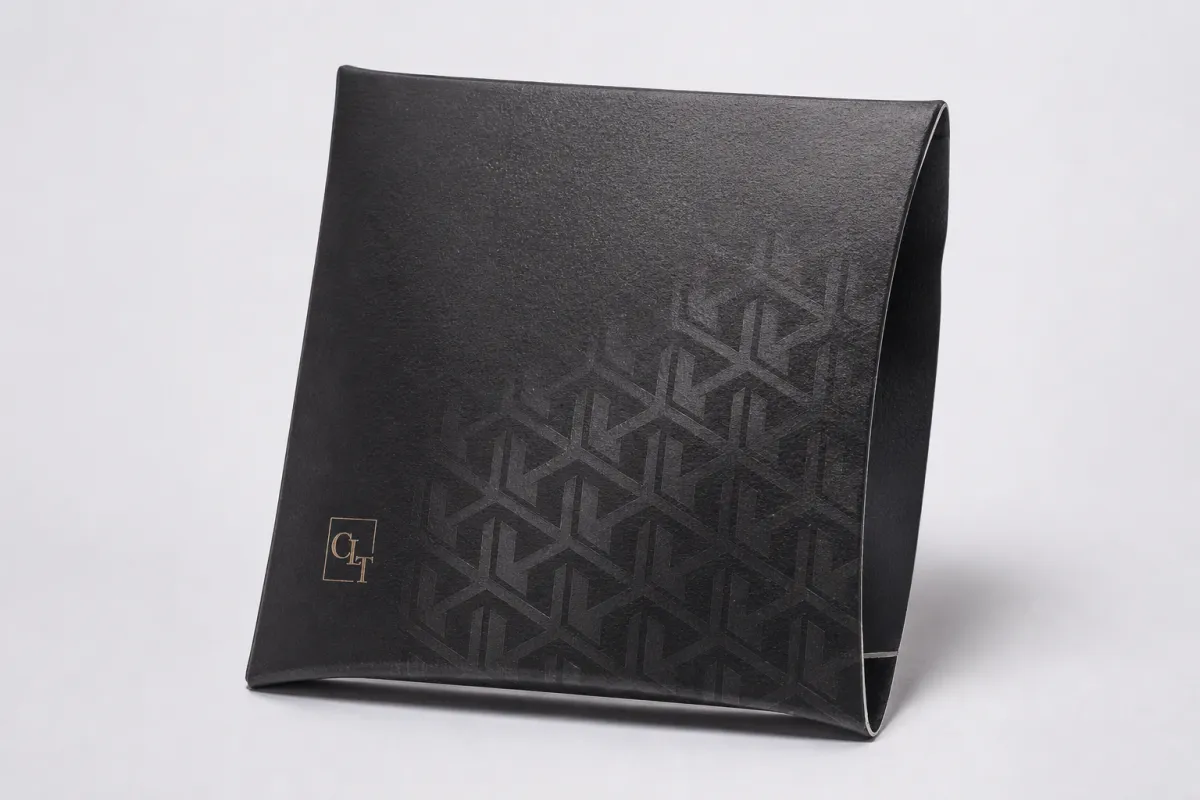
Most buyers expect printing to be the expensive part. Then the quote arrives and the lamination line changes the mood. On a 300-piece run, custom packaging lamination price can easily appear higher than the artwork itself because setup, material handling, and the finishing pass are being divided across a very small order. That is not billing trickery. It is simple arithmetic.
Lamination does several jobs at once. It protects the printed surface, changes the tactile feel, and alters the way light moves across the box. A carton can shift from flat and forgettable to premium retail packaging with one film choice. It can also move in the opposite direction if the finish and the board do not work together. Thin board paired with a glossy film can start to feel flimsy instead of polished, which is the kind of mistake buyers notice every time they reorder.
The reason custom packaging lamination price moves is easy to trace: the job is no longer just printing on paperboard. It becomes printing, drying, handling, film application, inspection, and often extra care during die cutting and folding. If the box also needs embossing, foil, or spot effects, the workflow tightens and the cost climbs again.
Practical rule: if the quote looks unusual, ask what the lamination line actually includes. A clean quote should separate print, film, tooling, and freight so you can see where the money went.
Buyers usually call after they have already fallen for a finish they like. That happens all the time. A sample feels right, a mockup looks sharp, and the budget comes second. A good finish is worth wanting. A surprise cost that eats the margin is not.
Another reason custom packaging lamination price catches people off guard is that they compare it to unlaminated cartons, which is not a fair comparison. A plain box can do the job for shipping or simple inner packaging. A laminated box is doing brand work. It sits on a shelf, signals quality, and survives handling better. The price reflects that added responsibility.
For brands building package branding around cosmetics, apparel, electronics, or subscription boxes, the finish is not decoration. It is part of the product story. That story carries a cost, and the quote has to include it somewhere. The same dieline can move sharply when a buyer switches from plain matte to soft-touch, even if nothing else changes.
I have seen this most clearly on repeat jobs, where the first sample gets approved in a conference room and the reorder has to survive shipping, warehouse stacking, and a customer opening the box on a kitchen counter. The nice part is that a good laminate can cover a lot of real-world wear. The annoying part is that a cheap one will tell on you pretty fast, kinda like bad upholstery on a couch that looked great in the showroom.
Product details: matte, gloss, and soft-touch finishes
The main finish options sound simple on paper and behave very differently in production and on shelf. Gloss creates color pop and a crisp visual edge. Matte lowers reflection and feels quieter, cleaner, and more restrained. Soft-touch adds the velvety feel that makes someone pause a little longer before setting the box down. That pause matters in branded packaging. It reads as care, and care supports value.
For cosmetics and beauty packaging, soft-touch is common because the tactile finish helps support a premium price point. Apparel brands often lean toward matte because it keeps the box from feeling overly shiny or promotional. Electronics packaging frequently uses gloss or anti-scratch matte, especially when cartons will be handled often in stores or during shipping. Each choice affects custom packaging lamination price because the film type and handling requirements are different.
The visual tradeoff is just as real. Gloss hides some surface marks better under bright light, but it can show fingerprints and reflections. Matte looks measured, though it may reveal scuffs more clearly if the board is soft or the film is too thin. Soft-touch feels expensive, but only if the substrate and coating are matched properly. If the surface is not suited to the artwork, the finish can end up carrying less weight than the buyer expected.
In day-to-day packaging design work, finish usually follows the product promise. Luxury gift packaging often asks for soft-touch or matte because the box should feel calm and deliberate. Fast-moving retail packaging may call for gloss because the color needs to jump off the shelf. Neither option is inherently better. The right one depends on the SKU, the sales channel, and how much custom packaging lamination price your margin can absorb.
Specialty finishes matter too. Anti-scratch film helps on shipments that get stacked, slid, or handled by multiple people before reaching the customer. Textured laminates add grip and a little visual depth. Spot applications can sit over a laminated base to highlight a logo panel or product name. Those details may look minor on a spec sheet, yet they can change the labor sequence and push the quote higher. A buyer who asks for “a nicer finish” usually gets a vague answer. A buyer who asks for a matte laminate with anti-scratch protection and a logo-focused spot area gets a more accurate number.
If you need a paper sourcing reference for your packaging specs, FSC certification is often part of the discussion. The framework is available through FSC, and it can affect board selection, supply availability, and the total packaging cost if your brand wants that claim printed on the carton.
Finish selection also changes the emotional read of the box before anyone opens it. Gloss can feel energetic and commercial. Matte can feel calm and editorial. Soft-touch can feel expensive, but only if the artwork supports it and the surface stays clean. Busy graphics can dilute that effect fast, and then custom packaging lamination price becomes a cost with very little visible payoff.
Specifications that change custom packaging lamination price
Substrate is the first spec worth checking. Paperboard thickness, coating, and print surface all affect adhesion and waste rates. A 350gsm artboard behaves differently from a rigid wrapped board or a lighter foldable carton. A heavily coated print surface may need more careful handling. A board that flexes too easily can look fine at first and then fail during folding or shipping. That is how a low custom packaging lamination price quote turns into a rework bill later.
Coverage scope matters just as much. Full-wrap lamination uses more material and more handling than a single-side finish. Interior and exterior treatment can raise the time cost again. Spot lamination, selective panels, and mixed finish jobs add another layer because the operator has to keep alignment consistent. These are not flashy details. They explain why one carton spec is straightforward and another needs a more expensive production path.
Structure is another major driver. Straight tuck cartons are usually simpler. Sleeves, rigid boxes, magnetic closures, and unusual dielines take more setup and more careful folding. If a box needs die cutting with tight tolerance, the lamination has to stay stable through the cut. If the design also includes embossing or foil, the order of operations matters even more. Print first, finish second, then cut and fold in the right sequence. Reverse that, and the board starts misbehaving.
Production sequence shapes custom packaging lamination price too. A job with heavy ink coverage and dark solids may need extra drying time before the film goes on. Metallic foil can require a different workflow to protect the surface. A carton with many small folds or glue points asks for more patience from the finishing team. Labor time climbs quickly when the box is fussy.
Hidden spec issues cause trouble as well. Storage conditions matter. A carton that sits in a humid warehouse behaves differently from one packed and shipped quickly. Scratch resistance matters if the box will spend time on retail shelves. Food-safe or direct-contact packaging needs a separate discussion entirely. Multi-SKU programs add another layer, because matching the finish across sizes often takes more planning than people expect. Custom packaging lamination price is rarely just a finish cost. It is a spec discipline cost.
Standards can help keep the conversation honest. If your packaging has to survive parcel abuse, teams often look at ISTA testing methods as a reference for drop, vibration, and compression thinking. That does not set the quote by itself, but it gives the buyer a better way to judge whether a tougher laminate is worth the spend.
In practice, I tell buyers to write the spec like this: board, print coverage, finish type, finish area, structure, and shipping condition. If any one of those is vague, custom packaging lamination price becomes a guess. Guessing gets expensive fast. Packaging buyers already know that. The rest of the market usually learns it after the first disappointing run.
Custom packaging lamination price, MOQ, and unit cost
MOQ changes the picture completely. A quote for 250 pieces and a quote for 5,000 pieces are not the same job wearing different numbers. Setup charge, proofing, material waste, and finishing time get spread across very few or very many cartons. That is why custom packaging lamination price feels painful on small runs and much easier to defend once the order reaches a larger quantity.
The simple model looks like this. Most quotes include setup, material, finishing labor, and shipping. Setup does not shrink just because the run is small. If a job needs a $180-$350 setup and only 300 boxes are ordered, that overhead becomes heavy on a per-unit basis. Spread the same setup across 5,000 units and the per-box impact drops quickly. That is the basic reason MOQ matters.
Below is a practical way to think about the finish cost on a typical carton run. These are not universal prices, because custom packaging lamination price depends on region, board, and press setup, but they are useful for planning.
| Finish | Typical add-on on a 5,000-piece run | Smaller-run reality | Best use case |
|---|---|---|---|
| Gloss lamination | $0.02-$0.06 per unit | Often $0.06-$0.14 per unit at low MOQ | Bright retail packaging, color-heavy artwork |
| Matte lamination | $0.03-$0.08 per unit | Often $0.07-$0.16 per unit at low MOQ | Clean branded packaging, controlled reflection |
| Soft-touch lamination | $0.05-$0.14 per unit | Often $0.12-$0.30 per unit at low MOQ | Luxury gift boxes, cosmetics, premium product packaging |
| Anti-scratch matte | $0.04-$0.10 per unit | Often $0.09-$0.20 per unit at low MOQ | High-handling cartons, ecommerce shipping packs |
| Spot finish over laminate | $0.06-$0.18 per unit | Often $0.15-$0.35 per unit at low MOQ | Logo panels, limited edition boxes, high-contrast package branding |
The table helps, but it still leaves out the parts that move custom packaging lamination price the most. Box size changes sheet yield. More SKUs mean more handling. Rush timing can add a surcharge. If the supplier has to send extra proofs or remake a sample because artwork keeps changing, the order gets more expensive before production even starts.
There is a common mistake here: buyers compare unit price only. That shortcut usually costs them later. Compare total landed cost. Compare rework risk. Compare how the finish looks across the full batch, not just on a perfect sample. A $0.04 unit savings means very little if the cheaper laminate scuffs during shipping and the whole batch feels inconsistent.
For many brands, the real question is not “What is the cheapest finish?” It is “What finish protects the design and still fits margin?” Sometimes the answer is plain matte. Sometimes it is soft-touch because the box has to support the brand promise. Sometimes the smarter move is paying a little more for a tougher film so the reorder does not turn into a quality complaint. That is the point where custom packaging lamination price becomes a buying decision instead of a sticker shock event.
Process and timeline: quote to shipment
The fastest path to a clean quote is to send the real spec, not a wish list. Box dimensions, quantity, board type, finish preference, artwork files, and delivery window all belong in the first request. If those pieces are missing, custom packaging lamination price gets padded with assumptions. Suppliers do that because they have to. Guessing on a finishing job is how margins disappear.
After the quote, most jobs move into proofing. That may be a digital mockup, a printed sample board, or a physical prototype if the finish or structure is sensitive. For simple custom printed boxes, a digital proof is often enough to confirm layout. For premium packaging with soft-touch, foil, or tight color matching, a physical sample is worth the extra step. It costs more upfront, but it lowers the chance of rework later.
Production usually follows a clear order: prepress review, printing, lamination, die cutting, folding or gluing, packing, and final inspection. That sequence matters. A dark flood coat may need more drying time. A box with embossing or a tight dieline needs the lamination to stay stable through cutting. If the order is built for retail packaging, the inspection step should include scuff checks and edge quality, not only color approval.
Lead times vary by finish and quantity, though the common range is easy to see. A straightforward laminated carton often takes 10-15 business days after proof approval. A more complex order with premium film, multiple SKUs, or custom finishing can move into the 15-25 business day range. Rush orders are possible, but they usually cost more and reduce finish options. That is the tradeoff. You can have speed, quality, or low custom packaging lamination price. Getting all three at once tends to create disappointment.
Timeline risk usually comes from three places: artwork revisions, material shortages, and late approval. The quickest way to delay a job is to change the dieline after the proof is already checked. The next quickest is to wait until the shipping date is close and then ask for a premium finish that needs more handling. Buyers rarely mean to create chaos. They just underestimate how many steps sit between a quote and a finished carton.
If your boxes are shipping through ecommerce channels, the conversation should include transport abuse. Lamination is not a replacement for testing, but it helps the carton handle the real world better. That is why many teams borrow thinking from ISTA-style transit testing, then choose a finish that matches expected handling. Not because testing is trendy. Because the box has to make it to the customer in one piece.
In practice, timeline and custom packaging lamination price move together. Faster schedules narrow the options. More complex finishes need more checks. Better planning usually saves more money than trying to shave the last cent off the film selection.
Why choose us for branded packaging finishes
Good finish work is not only about making boxes look nice. It is about repeatability. If the first run looks great and the reorder comes back dull, streaky, or mismatched, the packaging program breaks down. The real value lives in stable color handling, consistent lamination, and fewer surprises when you need the same custom printed boxes again next month or next season.
That is why quote clarity matters. A buyer should know exactly what is included in the custom packaging lamination price and what would trigger an extra charge. Is the quote for full coverage or only the exterior? Is the board already included? Does it cover proofing and a sample? Does it include die cutting and folding, or are those separate? If the answers are not visible, the quote is not finished yet.
For brands building a broader packaging line, matching the finish across sizes is just as important as matching the logo. One carton can be a hero box, another a shipping sleeve, another a display pack. If the sheen level or tactile feel shifts too much between them, package branding starts to look accidental. We see this often with product packaging that grows quickly from one SKU to five. The buyer focuses on the artwork. The finish is what keeps the range looking like one family.
We also pay attention to the unglamorous checks. Adhesion testing matters. Abrasion resistance matters. Sample approval matters. Inspection before shipment matters too. A laminated surface should not be judged only when it comes off the line. It should be judged after handling, stacking, and a little abuse. That is the only way to know whether the custom packaging lamination price you paid is buying protection rather than just shine.
For teams comparing options, it helps to browse the broader range of Custom Packaging Products and see how different structures and finishes behave. A rigid box and a tuck carton do not need the same finish plan. A subscription mailer and a luxury gift box do not need the same film thickness. The point is not to push a higher spend. It is to match the finish to the job so the budget goes where it matters.
"The best laminated box is the one that still looks intentional after shipping, stacking, and a customer opening it with one hand."
That sounds obvious, but it is the part a lot of low quotes miss. A low custom packaging lamination price only helps if the finish survives the real use case. Otherwise you are paying twice: once for the box and again for the replacement.
In my experience, the cleanest packaging programs are the ones that treat lamination as a performance choice, not just a decorative one. The finish has to match the product, the channel, and the handling conditions. If it does, the box earns its keep. If it does not, the budget starts leaking in ways that are hard to explain later.
Next steps to get an accurate custom packaging lamination price
If you want a quote that actually helps, send the spec sheet first and the inspiration board second. Inspiration is useful, but pricing starts with dimensions, quantity, board, finish, and delivery date. That is how a supplier can give you a firm custom packaging lamination price instead of a rough guess dressed up as expertise.
Before you request pricing, gather these details:
- Box dimensions and dieline style.
- Quantity target and any second-tier quantity you want to compare.
- Board type, thickness, and whether the carton is coated or uncoated.
- Finish preference: matte, gloss, soft-touch, anti-scratch, or spot treatment.
- Artwork files, even if the layout is still being finalized.
- Target ship window and whether the order is rush or standard.
Then ask for a line-item estimate. That is the part that saves money. A line-item quote lets you separate printing, lamination, tooling, samples, and freight. It also makes reorder comparison easier later. If a supplier only gives one total number, you have to guess where the margin is hiding. That is not a smart way to buy packaging.
Compare at least two finish options side by side. Sometimes the difference between matte and soft-touch is small enough that the premium feels justified. Other times a standard gloss finish is the better fit and keeps the custom packaging lamination price in range. The right call depends on what the box has to say, how it will be handled, and how much room you have in the budget. Cheap is not a strategy. Neither is overbuilding every carton because the sample looked beautiful on a desk.
Ask about reorder pricing too. That matters more than first-run pricing if the box is part of a lasting SKU. A first order may carry setup and proofing costs that do not repeat. A reorder should usually be smoother. If the supplier cannot explain that difference, you are not seeing the full picture.
Lock the finish choice before production starts. Finish changes after approval almost always raise the bill. That is no surprise to anyone who has run packaging through print, lamination, and die cutting in the same week. The cleanest path is simple: compare the options, confirm the proof, and place the order with the finish that fits your margin and your brand.
For a firm custom packaging lamination price, send the spec set first, compare the total landed cost, and choose the finish that protects the box without pretending the cheapest option is always the smartest one. If you do that, the quote gets easier to trust, the production run gets calmer, and the carton has a much better chance of still looking right after it leaves the warehouse.
What affects custom packaging lamination price the most?
Finish type is usually the biggest driver, followed by board thickness, box size, and order quantity. Soft-touch and specialty films usually cost more than standard matte or gloss because they need different materials and more careful handling. Short runs carry higher unit cost because setup is spread across fewer boxes. If you want a useful quote, give the supplier the full spec so custom packaging lamination price is based on the real job, not a rough guess.
Is matte lamination cheaper than gloss for custom packaging?
Usually yes, though not always by much. The real difference comes from material choice, machine setup, and whether the job needs extra scratch protection or special handling. For many buyers, the bigger cost jump happens when moving from standard lamination to premium soft-touch or specialty finishes. If you are balancing product packaging cost against shelf impact, matte is often the safer middle ground.
How does MOQ change the lamination price per box?
Higher MOQ lowers the per-unit price because setup costs get spread across more boxes. Low-quantity orders often look expensive on paper even when the material cost is normal. If you need a small run, ask for a quote with two quantity tiers so you can see where the break-even point starts. That makes custom packaging lamination price easier to compare without getting fooled by the unit number alone.
Can I get a quote for custom packaging lamination price before artwork is final?
Yes, if you provide accurate box dimensions, quantity, finish preference, and board specs. Final artwork helps with proofing and layout checks, but pricing can usually be estimated before the design is fully complete. Expect the quote to change if the final dieline or finish coverage changes. A rough artwork draft is enough for a starting number, but the custom packaging lamination price becomes firmer once the spec is locked.
What is a realistic timeline for laminated custom packaging?
Simple jobs move faster than multi-finish or premium packaging projects. Proof approval, print scheduling, and finishing all affect the lead time. A straightforward order often lands in the 10-15 business day range after approval, while more complex jobs can take 15-25 business days. If you need a rush order, expect fewer finish options and a higher total cost. That is the tradeoff behind a faster custom packaging lamination price quote.

