Buyer Fit Snapshot
| Best fit | Custom Packaging Solutions for Startups That Scale projects where brand print, material claims, artwork control, MOQ, and repeat-order consistency need to be specified before quoting. |
|---|---|
| Quote inputs | Share finished size, material target, print colors, finish, packing count, annual reorder estimate, ship-to region, and any compliance wording. |
| Proofing check | Approve dieline scale, logo placement, barcode or warning zones, color tolerance, closure strength, and carton packing before bulk production. |
| Main risk | Vague material claims, crowded artwork, missing packing details, or unclear freight terms can make a low unit price expensive after revisions. |
Fast answer: Custom Packaging Solutions for Startups That Scale should be specified like a repeatable production item. The safest quote records material, print method, finish, artwork proof, packing count, and reorder notes in one written spec.
Production checks before approval
Compare the actual filled-product size with the drawing, then confirm tolerance on folds, seals, hang holes, label areas, and retail display edges. Reserve space for logos, QR codes, warning copy, and material claims before decorative graphics fill the panel.
Quote comparison points
Review material grade, print process, finish, sampling route, tooling charges, carton quantity, and freight assumptions side by side. A quote is only useful when the supplier can repeat the same color, closure quality, and packing count on the next order.
Custom Packaging Solutions for startups are not about dressing up a box and pretending that counts as strategy. They are about making sure the package protects the product, fits the shipping model, and does not chew through cash for no reason. I have seen founders choose the cheapest-looking option, then spend the savings on damaged goods, customer complaints, and replacement shipments. That is a lovely way to burn margin. Custom packaging solutions for startups deserve a practical conversation from the start.
Done well, Custom Packaging Solutions for startups make a new brand look more established than it is. Done badly, they make a good product feel flimsy or weirdly overdesigned. The point is not just branded packaging. The point is product packaging that survives transit, feels intentional in the hand, and fits the way orders actually leave the warehouse. That part matters more than the pretty mockup. Always has.
Custom Packaging Solutions for Startups: What They Really Mean
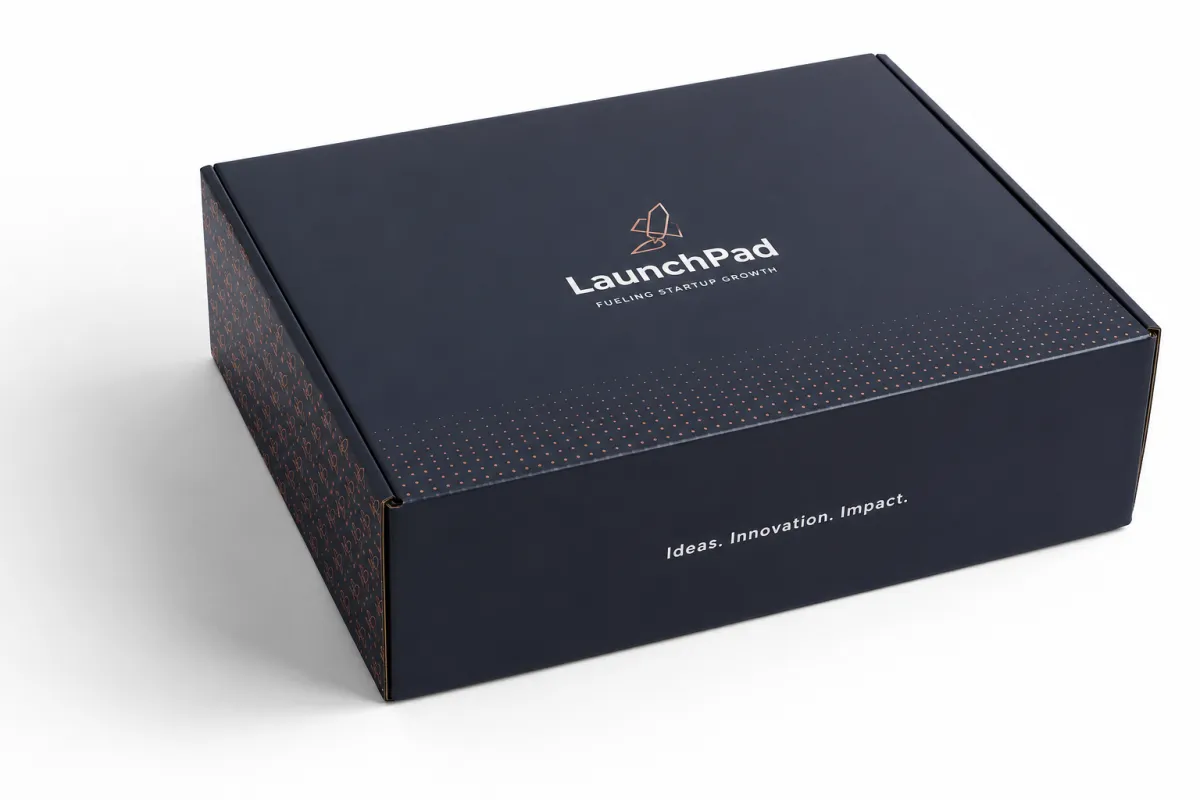
People hear custom packaging solutions for startups and think logo, box, done. That is the shallow version. Real packaging work mixes structure, materials, print, inserts, and fulfillment-friendly sizing around the product, the carrier, and the budget. A ceramic candle, a folded shirt, and a steel bottle should not live in the same box style. The package has to suit the item and the trip it is about to take.
The bargain-bin package usually turns into the expensive one once damage, returns, repacks, and customer support are counted. I have watched brands move up a few cents in board strength and save far more than that in claims and re-shipments. I have also watched the opposite happen, and it is not pretty. That is the kind of math custom packaging solutions for startups should be built around.
Most teams start in one of three places. Off-the-shelf packaging is the fastest route, usually with labels or tape doing the brand work. Light customization adds a sleeve, sticker, or limited print without a full structural rebuild. Fully engineered packaging is the deep end: size, structure, insert, and graphics are designed around the product and the shipping environment. A lot of young brands begin with the middle option, then move toward more engineered custom packaging solutions for startups once the product line settles down.
That middle ground is often the smart move. It keeps cash tied up at a manageable level while still giving the brand some control. A startup can test a rigid mailer, folding carton, or corrugated shipper without locking into a huge run. When inventory has to stay lean, that flexibility matters as much as the design. The goal is not to wow a packaging forum. The goal is to ship cleanly and keep the numbers sane.
A package that saves three cents on materials can cost three dollars later in damage, labor, or customer recovery. Strong custom packaging solutions for startups are cost-control tools wearing cardboard.
Good custom packaging solutions for startups also need to support the unboxing moment without slowing down fulfillment. A gorgeous insert that takes two extra minutes to assemble looks smart in a sample. It looks less smart when orders spike and the packing table turns into a bottleneck. A well-sized mailer with clean print can feel polished and still move quickly through the line. That balance is the job.
I once watched a startup approve a beautiful rigid box for a skincare launch, only to discover the inner tray took so long to assemble that the team could not keep up with daily orders. The fix was not a prettier box. It was a simpler one. Packaging is supposed to help the business, not cosplay as luxury.
- Off-the-shelf: quickest to source, lowest upfront effort, limited brand control.
- Light customization: useful for early brand recognition and lower minimums.
- Engineered packaging: best fit, stronger transit protection, tighter control over brand presentation.
For teams building their first line, custom packaging solutions for startups should answer three questions: does it protect the product, does it fit the business model, and does it make the brand look credible? If those boxes are checked, the package is doing real work. If not, it is just another expense with nicer printing.
How Do Custom Packaging Solutions for Startups Work?
The workflow behind custom packaging solutions for startups is more structured than most founders expect. It starts with measurements and shipping realities, not artwork. Before anyone starts talking about foil or soft-touch coating, a packaging specialist needs product dimensions, weight, fragility, finish, and the shipping method. A painted bottle needs different handling than a paper tube. A food jar needs a different closure strategy than a gadget with a cable.
Next comes the format. Packaging engineers translate the product into a structure such as a mailer, folding carton, rigid box, sleeve, or insert system. That step matters because the product does not just need a shell around it. It needs a container that controls movement, supports stacking, and matches the experience the brand wants to create. For custom packaging solutions for startups, this is often the first decision that shapes everything else.
After that comes the dieline. A dieline is the flat template that shows folds, cuts, glue areas, and print zones. This is where packaging design stops guessing and starts behaving. A pretty render can hide a lot. The dieline tells the truth. It shows whether the logo lands on a flap, whether copy runs into a fold, and whether the insert actually holds the item in place. For custom packaging solutions for startups, this checkpoint matters because it turns an idea into something a plant can build.
Sampling comes next. I never recommend skipping it. Digital proofs help with color and copy, but they do not replace a physical sample. A sample shows how the board feels, how the print sits on the stock, how the closure behaves, and whether the product rattles around inside. Structural samples are even more useful when the item is fragile, oddly shaped, or expensive to replace. Real custom packaging solutions for startups should be tested in hand, not guessed from a PDF.
For brands that need retail packaging and DTC shipping at the same time, this stage also clarifies what is visual and what is functional. A shelf carton usually needs cleaner front-facing branding. A shipper needs stronger flutes, better crush resistance, and less wasted space. That difference changes both cost and performance. The better the sample review, the fewer headaches later. Funny how that works.
- Measure the product and confirm shipping weight, dimensions, and fragility.
- Choose the structure based on parcel shipping, retail display, or both.
- Create the dieline and place copy, logos, and required marks.
- Review digital proofs for graphics, barcodes, and bleed areas.
- Approve a sample so fit, finish, and closure are checked physically.
- Run production once the startup has signed off on structure and print.
That workflow is rarely one-and-done. Most custom packaging solutions for startups go through at least one revision, sometimes more, because the team is balancing visual impact, protection, and a realistic unit cost. That is normal. Fixing a fit issue before production is cheap. Discovering it after thousands of units are printed is not. No one likes that email chain.
One practical note: if you want better results from custom packaging solutions for startups, keep the product data clean. A few millimeters can matter, especially with inserts. If the product ships with accessories, paperwork, or spare parts, include them in the sample review. Nothing wastes space faster than forgetting a charger, a card, or a folded insert that needs its own pocket.
Key Factors That Shape the Right Packaging Plan
The best custom packaging solutions for startups start with the product itself. Weight, fragility, shape, and surface finish drive almost every structural choice. A light serum bottle may work inside a folding carton with a paperboard insert. A heavy glass diffuser probably needs corrugated protection and a tighter internal fit. If the package is going straight to a customer, it also has to survive warehouse handling, courier sorting, and the weather along the route.
Branding comes next, and it changes the structure more than many founders expect. Rich print coverage can make a package feel premium, but it also adds cost and can slow production. Foil, embossing, spot UV, and soft-touch lamination all do different jobs. Foil catches light. Embossing adds texture. Spot UV pulls focus to a logo or pattern. Soft-touch coating gives the surface a velvety feel. In custom packaging solutions for startups, the trick is choosing the finish that supports the brand instead of stacking effects because they look fancy on a sample board.
Branded packaging should help customers recognize the product, not make fulfillment harder. A startup shipping one hundred orders a week can sometimes handle more assembly than one shipping one thousand. That is why packaging design has to respect the packout workflow. If a mailer needs to be folded, taped, filled, and sleeved, the labor cost may wipe out the visual win. Good custom packaging solutions for startups reduce that friction.
Shipping realities deserve the same attention as aesthetics. Many parcel carriers charge by dimensional weight, so an oversized box can cost more to send even if it is light. Stackability matters for storage and palletizing. So does crush resistance, especially for products that sit under other cartons in a fulfillment center. If the product travels through heat, cold, or humidity, board grade, adhesive performance, and print durability all matter. Custom packaging solutions for startups are not just packaging design; they are transportation design in a cleaner shirt.
For teams doing Product Packaging That needs to handle real transit stress, standards are worth a look. Many brands use ISTA-style distribution testing to check how cartons react to drop, vibration, and compression. The International Safe Transit Association explains those methods clearly at ISTA. For sustainability-minded teams, certified fiber sourcing can matter too, especially when you want proof behind the forestry claims. The Forest Stewardship Council is a useful reference point at FSC. Those resources do not replace hands-on testing, but they give the decision a better frame.
Sustainability is another real factor, not a sticker on the side. Recycled substrates, right-sized formats, and lower ink coverage can reduce waste and often improve freight economics too. A smaller carton can cut void fill, lower dimensional weight, and speed up packing. That is why sustainable custom packaging solutions for startups are often the cheaper route in the long run, not just the nicer one.
There is also a plain operational truth. The system has to fit the team. A clever insert that looks elegant on paper may be too fiddly for a small packing crew. A glossy coated surface may scuff during hand assembly if the process is rough. The strongest custom packaging solutions for startups are the ones that hold up in the real workflow, not just in the deck.
- Protection: board strength, insert design, closure style, and movement control.
- Presentation: print coverage, finish, color consistency, and logo placement.
- Shipping: dimensional weight, carrier handling, and stackability.
- Sustainability: recycled content, right-sizing, and material efficiency.
- Operations: packing speed, training burden, and fulfillment compatibility.
If you want to compare starting points, the Custom Packaging Products page can help you think through structural options before you commit to a full run. I would still compare at least two formats. The right answer for custom packaging solutions for startups is often not the first one that looks good in a mockup.
Cost and Pricing for Custom Packaging Solutions for Startups
Price talks around custom packaging solutions for startups get vague fast, and they should not. The main cost drivers are material grade, box style, print method, quantity, finishing, inserts, and setup requirements. A simple one-color mailer in a standard size can be much cheaper than a Custom Rigid Box with foil stamping, a magnetic closure, and a die-cut insert. That gap is normal. It is also why startups need to treat packaging as part of product economics, not a side note.
Quantity changes everything. Smaller runs usually carry higher per-unit pricing because setup gets spread across fewer pieces, but they also reduce the risk of overbuying before the product is proven. A startup may pay more per box for 500 units than for 5,000, but the smaller order protects cash flow and keeps the team flexible while the design and product are still changing. That is one reason custom packaging solutions for startups often begin with a pilot quantity.
The simplest way to think about the tradeoff is this: spend on structure first. Save on decoration until the product and channel are proven. If the item breaks in transit, a prettier box will not rescue it. If shipping cost is too high, foil will not fix the economics. The smartest custom packaging solutions for startups usually put budget into fit, board strength, and clean print before they add premium finishes.
Packaging can also change total landed cost. A right-sized carton may reduce dimensional weight in a meaningful way. A stronger insert may reduce breakage. A package that folds quickly may cut labor at the packing table. Those savings often matter more than the quoted unit price alone. That is why good custom packaging solutions for startups should be compared using both unit cost and operating cost.
| Packaging Option | Typical Use | Typical Starting Range | Strengths | Tradeoffs |
|---|---|---|---|---|
| Printed Corrugated Mailer | DTC shipping, lightweight to medium products | $0.55-$1.35 per unit at 1,000-5,000 units | Good protection, fast packout, strong branding area | Less premium feel than rigid packaging |
| Folding Carton | Retail packaging, light products, shelf display | $0.18-$0.48 per unit at 5,000+ units | Excellent print quality, efficient storage, clean presentation | Often needs secondary shipper for transit protection |
| Rigid Box | Premium unboxing, gift sets, high-value items | $1.40-$4.50 per unit at lower to mid volumes | High-end feel, strong structure, memorable package branding | Higher cost, more storage space, longer assembly time |
| Custom Insert System | Fragile or multi-part products | $0.22-$1.10 per unit depending on material and cut complexity | Better protection, cleaner presentation, less movement in transit | Requires careful measuring and sample review |
Those ranges are not universal, and they move with board grade, print coverage, and market conditions. Still, they give a startup a more honest starting point than a vague low-cost promise. If you are comparing custom packaging solutions for startups, ask for pricing at two or three quantities so you can see where the breakpoints sit. A run of 1,000 may make sense for launch, while 5,000 may make sense once reorder speed matters more than cash conservation.
Minimum order quantities matter too. Some suppliers can handle small digital print runs. Others work better at scale with offset or converting methods. There is no single right answer. The right answer is the one that fits your launch window and your cash position. For many brands, custom packaging solutions for startups should begin with a quantity that allows testing without trapping money in dead stock.
If you want a second perspective before requesting quotes, browse the box styles and insert-ready packaging products available for startup projects. Comparing a few structures side by side can save time later, because it shows where the real cost is coming from in your custom packaging solutions for startups.
Process and Timeline for Startup Packaging Projects
A realistic timeline for custom packaging solutions for startups usually begins with discovery and quoting. In that stage, the packaging partner gathers product dimensions, target quantities, shipping method, brand goals, and special requirements such as retail hang tabs, tamper evidence, or inner cushions. Clear input makes a cleaner quote. A vague brief tends to create revisions later, and revisions cost time. Nobody enjoys chasing details after the clock starts.
Structural design follows. If the package is simple, the dieline may be ready quickly. If the item is fragile, oddly shaped, or needs multiple components, the design phase can take longer. This stage matters because sample adjustments are where the real fit gets solved. A millimeter can decide whether a lid closes properly or an insert holds the product upright. Custom packaging solutions for startups often take more than one pass because the best fit rarely shows up on the first draft.
Then comes print approval. Artwork needs to be checked for color, barcode legibility, bleed, safe zones, and any required legal or disposal marks. Digital proofing helps, but it is not the same as printed output on the selected stock. Startups that move quickly here usually move faster overall. Teams that stall on approvals tend to lose more time than they expected. With custom packaging solutions for startups, speed is often less about the manufacturer and more about decision quality on the client side.
Production lead times vary by structure and finish, but a simple run can often move from proof approval to delivery in about 12-15 business days if the materials are ready and the schedule is open. More complex work, especially with custom inserts or premium surface treatments, can take longer. That is normal. The best custom packaging solutions for startups are planned with enough room for sampling, not rushed as a last-minute fix.
Launch deadlines matter. Crowdfunding campaigns, retailer onboarding, seasonal launches, and trade show samples can all dictate the schedule. In many cases, the product timeline drives packaging more than the other way around. If the launch date is fixed, back into the packaging schedule early. That is how you avoid the familiar scramble where the product is ready and the boxes are still stuck in proofing.
Fast timelines are possible, but only if the startup comes prepared. Final product dimensions help. Ready artwork helps. Quick sample approval helps most of all. That is why custom packaging solutions for startups work best when the team treats packaging as part of the launch plan, not a task to finish after everything else is done.
- Discovery and quoting: 1-3 business days if inputs are complete.
- Structural design: 2-7 business days depending on complexity.
- Sampling: 5-10 business days for most custom setups.
- Revisions and approval: a few days if the team responds quickly.
- Production and transit: often 1-3 weeks depending on the run.
One small habit helps a lot: keep a packaging decision log. Record the structure, board grade, finish, and insert style. The next order will be easier, because custom packaging solutions for startups improve when the team remembers what worked and what caused friction. That little record saves more time than a fancy project tracker, and it is cheaper too.
Common Mistakes Startups Make With Packaging
The biggest mistake I see is designing for the shelf instead of the shipping lane. A package can look elegant in a presentation and still fail in transit. Corners crush. Print scuffs. Inserts shift. Boxes pop open in wet conditions. For custom packaging solutions for startups, transit reality matters more than a polished mockup if the product is leaving the warehouse one customer at a time.
Another common error is overbuying too early. I get why it happens. Founders want a lower unit price, and higher volumes often help with that. But if the product is still changing, large packaging buys can lock a startup into the wrong size, the wrong branding, or the wrong material. That gets expensive fast. A better path is often a smaller run with room to adjust. The right custom packaging solutions for startups protect cash flow and flexibility.
Skipping physical samples is risky too. A package can look excellent on screen and still fail on fill or closure. The lid may be too tight. The insert may bind. The print may look darker than expected on the chosen stock. You cannot catch those problems from a flat proof alone. Real custom packaging solutions for startups need to be touched, folded, closed, stacked, and ideally shipped through a few real-world tests before volume production.
Startups also get into trouble by choosing packaging that is too complex for the packing team. If assembly requires multiple folds, several adhesive steps, and careful orientation, labor becomes the hidden cost that eats margin. A cleaner structure may deliver nearly the same visual effect at half the handling time. In a small operation, that difference can be huge. Good custom packaging solutions for startups should make fulfillment easier, not harder.
There is also a presentation mistake worth calling out. Some teams chase premium finishes before the core system is stable. Foil can be beautiful, but if the product rattles inside the box, the customer notices the looseness before the shine. Package branding should support the product, not cover up a weak structure. That is why experienced buyers usually start with fit and strength, then add premium touches later.
Finally, a lot of startups ignore storage and replenishment. A rigid box may look fantastic, but if it takes up too much space, the inventory cost gets annoying fast. If a custom printed box has a long lead time, the business may struggle when a sudden sales spike hits. Strong custom packaging solutions for startups keep one eye on launch day and one eye on reorder day.
- Do not design for the shelf only; test for transit, crush, and vibration too.
- Do not overorder too soon; keep room for product and branding changes.
- Do not skip samples; screen images cannot show real fit or finish.
- Do not overcomplicate assembly; fulfillment speed matters every day.
- Do not ignore storage; packaging footprint affects working capital and warehouse space.
For many teams, the best safeguard is a short pilot run. Ship it, inspect it, ask a few customers what they noticed, and refine the next order. That simple loop is one of the most reliable ways to improve custom packaging solutions for startups without gambling on a giant first order. It is not glamorous. It works.
Next Steps for Custom Packaging Solutions for Startups
If you are getting ready to source custom packaging solutions for startups, start with the basics: product dimensions, shipping weight, product fragility, packout contents, and the brand assets you already have. That small packet of information makes the quote process cleaner and the sample stage faster. A good supplier can work with incomplete details, but better input leads to better recommendations.
Then choose one primary goal. That sounds simple because it is. It also prevents a mess. Are you trying to reduce breakage? Speed up packing? Improve shelf appeal? Create a more memorable unboxing moment? The answer matters because custom packaging solutions for startups do not optimize every objective equally. A package that is excellent for protection may be less striking on a shelf. A beautiful retail carton may need a secondary shipper for DTC orders. Pick the main job first.
After that, compare at least two structures and one backup material option. Test a corrugated mailer against a folding carton plus shipper, or compare a paperboard insert to a molded fiber or corrugated insert if the product is fragile. This comparison helps you see where the real tradeoffs live. It also gives you a more grounded view of cost. In many custom packaging solutions for startups, the best option is the one that balances protection, price, and speed with the least drama.
A pilot run is worth serious consideration. Even a few hundred units can reveal problems that never show up on a spec sheet. Use real shipping lanes, not just hand carry. Watch for scuffs, denting, insert movement, and packout time. Then make a short list of changes before the next order. That habit turns custom packaging solutions for startups into a process, not a guess.
If you want a rule to keep in your pocket, use this one: package for the product you have, not the product you hope to have six months from now. Graphics can be improved later. Finishes can be added later. What you cannot afford is a package that fails protection, slows shipping, or traps too much cash. Solid custom packaging solutions for startups begin with fit, move into branding, and end with a cleaner operation.
From a packaging buyer's point of view, the best result is simple. The box opens cleanly, the product arrives safely, the brand looks intentional, and the numbers still work. That is the standard worth chasing, and it is absolutely achievable with custom packaging solutions for startups designed around real shipping conditions.
For a startup, the smartest next move is not to chase the most elaborate package. It is to choose custom packaging solutions for startups that match the product, the channel, and the budget, then improve from there with each reorder. That is how packaging becomes an asset instead of a tax.
Actionable takeaway: before you request quotes, write down three numbers - product weight, max packout time per order, and the damage rate you can actually tolerate. If a packaging option misses any one of those, it is not the right starting point. Keep the system honest, and custom packaging solutions for startups will pay you back instead of draining the budget.
How much do custom packaging solutions for startups usually cost?
Pricing depends on box style, material thickness, print coverage, insert complexity, and quantity. Small runs cost more per unit, but they reduce risk while the brand is still refining the product and packaging mix. Shipping efficiency, damage reduction, and packing labor can matter as much as the quoted unit price, so it helps to compare the full landed cost rather than the box alone.
What is the typical timeline for custom packaging solutions for startups?
Simple projects can move quickly once dimensions, artwork, and structural needs are finalized. Sampling and revisions usually add the most time, especially when the product is fragile or the design has premium finishes. Launch deadlines are easier to hit when approvals happen fast and the startup has product specs ready from the start.
What packaging materials work best for startup products?
Corrugated board is a strong choice for shipping protection and stacking strength. Paperboard works well for retail presentation, lightweight products, and clean branding. The best material depends on product weight, fragility, transit conditions, and the level of finish the brand wants. For some products, a mixed system works best, such as a printed carton inside a corrugated shipper.
Do custom packaging solutions for startups require a large minimum order?
Many suppliers have minimum order quantities, but the threshold varies widely by structure and printing method. Smaller runs are often possible with simplified designs or digital print workflows. Startups should ask for options at different quantities so they can see how unit price changes against upfront cash flow and inventory risk.
How do I choose between boxes, mailers, and inserts for a startup?
Start with the product's protection needs and the shipping method, then narrow the format from there. Mailers are often efficient for lightweight direct-to-consumer shipments, while boxes and inserts suit heavier or more fragile products. The right choice should support fit, protection, assembly speed, and the kind of first impression the brand wants to create.

