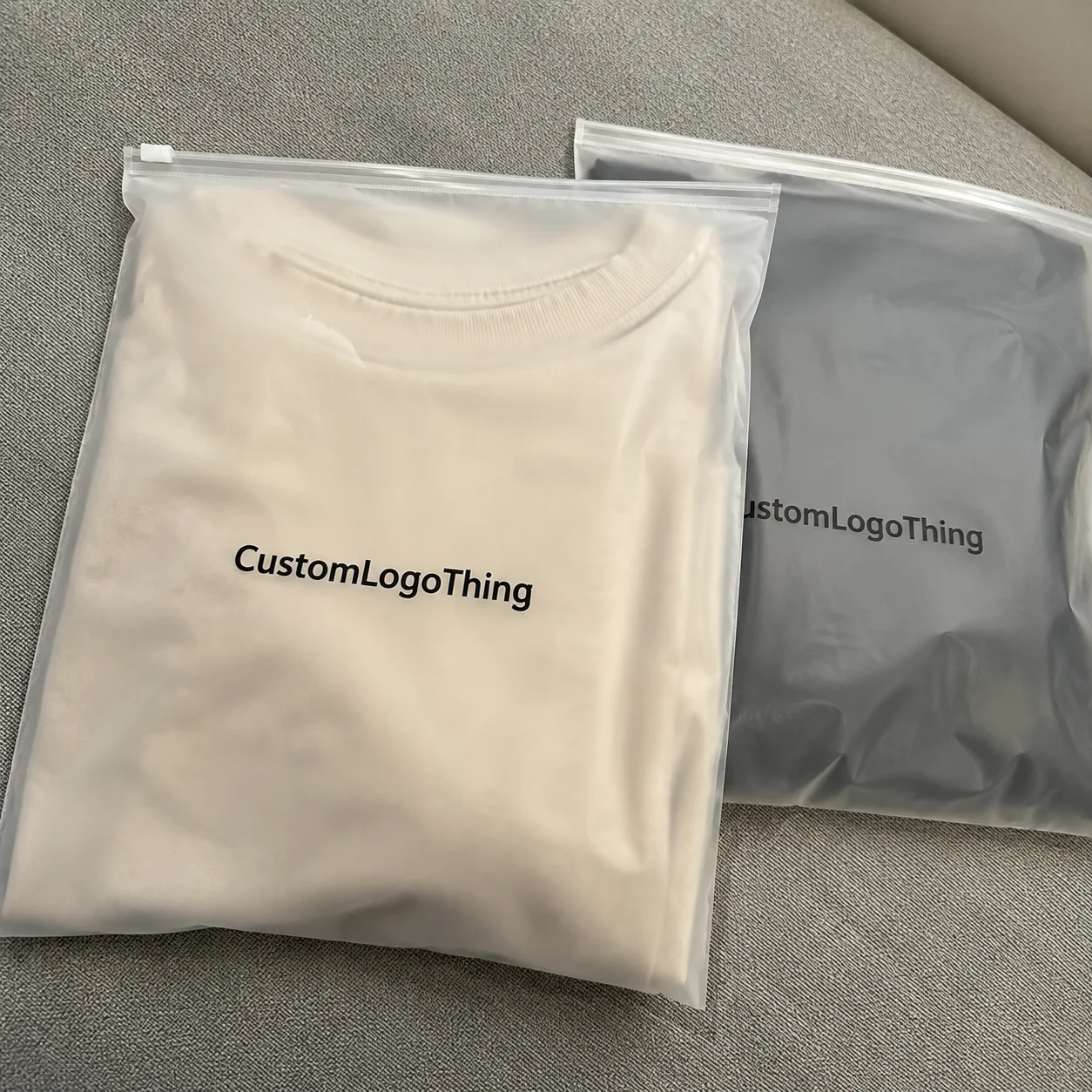
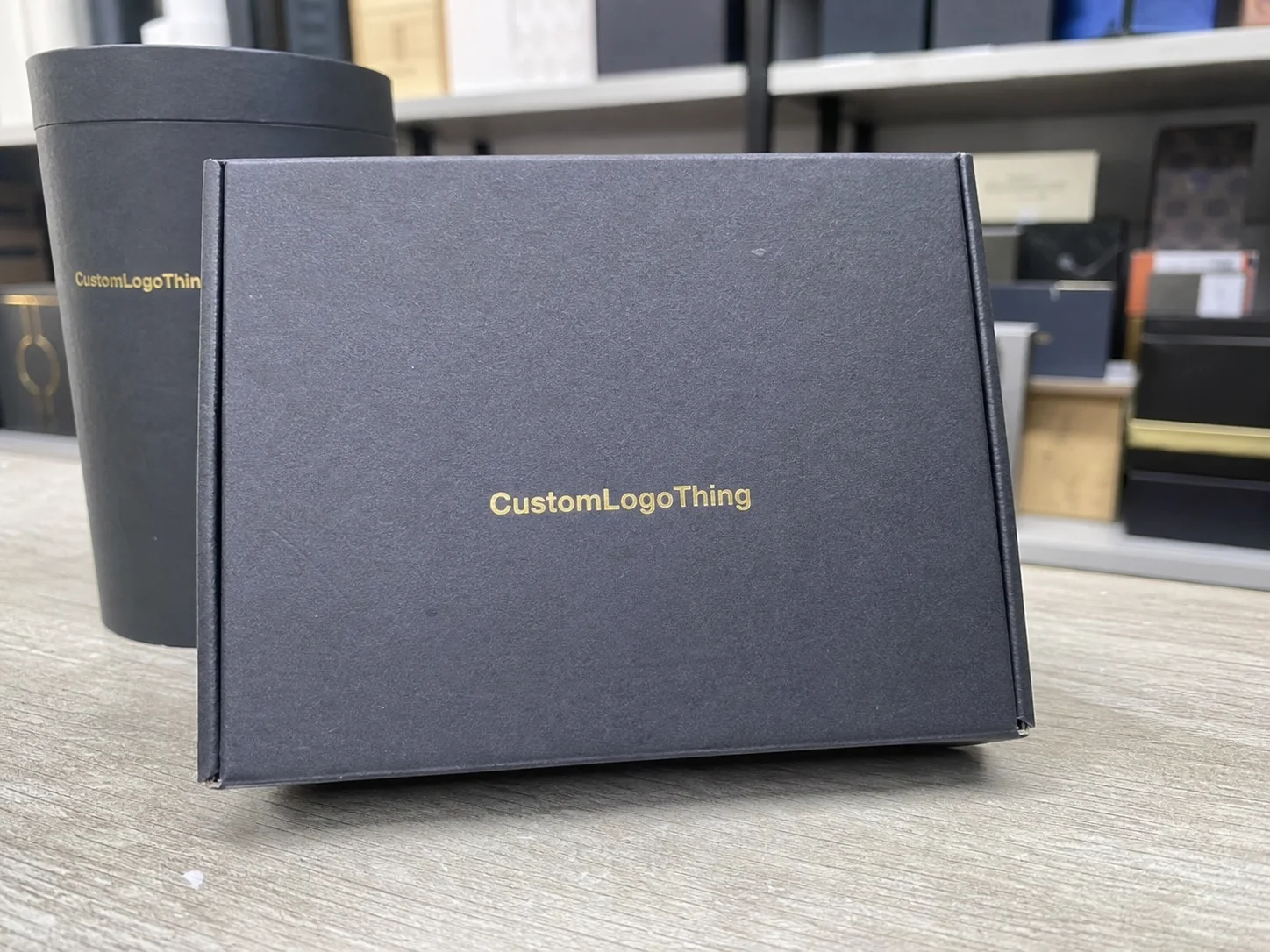
Buyer Fit Snapshot
| Best fit | startup product launch packaging buyers comparing material specs, proofing, MOQ, unit cost, lead time, freight, and reorder risk where brand print, material, artwork control, and repeat-order consistency matter. |
|---|---|
| Quote inputs | Share finished size, material target, print colors, finish, packing count, annual reorder estimate, and delivery region. |
| Proofing check | Approve dieline scale, logo placement, barcode or warning zones, color tolerance, and any recyclable or compostable wording before bulk production. |
| Main risk | Vague material claims, crowded artwork, or missing packing details can create delays even when the unit price looks attractive. |
Fast answer: Startup Product Launch Packaging: Dieline, Sampling, MOQ, and Timing should be specified like a repeatable production item. The safest quote includes material, print method, finish, artwork proof, carton packing, and reorder notes in one written spec.
What to confirm before approving the packaging proof
Check the product dimensions against the actual filled item, not only the sales mockup. Ask for tolerance on folds, seals, hang holes, label areas, and retail display edges. If the package carries a logo, QR code, warning copy, or legal claim, reserve that space before decorative graphics fill the panel.
How to compare quotes without losing quality
Compare board or film grade, print process, finish, sampling route, tooling charges, carton quantity, and freight assumptions side by side. A lower quote is only useful if the supplier can repeat the same color, closure quality, and packing count on the next order.
Why custom packaging for startup product launches matters from day one
Standing beside the 40-inch Heidelberg XL press at our Custom Logo Things Milwaukee facility, I absorbed the surprising stat that more than 60% of early adopters can summon the launch packaging long before they remember product features; that kind of memory means custom packaging for startup product launches becomes the first brand ambassador before a single package ever leaves the dock, where packages typically ship after a 12–15 business day proof-to-production window.
That morning I watched a founder’s pitch deck transform into Corrugate Academy prototypes on the high-speed die-cut line; the engineer had sketched the same thank-you note he’d rehearsed in a client meeting, and the die-cut team mirrored the vibrant energy of his slides by adding kraft sleeves, a bespoke D3 water-based adhesive recipe, and our favorite hand-lined thank-you cards printed on 350gsm C1S artboard, which sparked my belief in the ROI of thoughtful launch packaging because the founder could feel the emotional hook before his customer even opened the product box.
I remember when I first insisted on that magnetic closure detail (I may have been a bit pushy, honestly), and the impact it had on unboxing videos from that cosmetics launch still brings a smile—the custom packaging for startup product launches is where product promise meets tactile reality, keeping focus front and center even if the product inside is still being finalized and the first shipment runs through our cross-dock in Oak Creek, Wisconsin for order consolidation.
The Milwaukee day remains my go-to anecdote; I tell new founders how we breathed life into product packaging, introducing branded cues and tactile storytelling before the item inside existed, because custom packaging for startup product launches can be the emotional hook you need before the SKU even hits a scanner, and our client services team in the same facility tracks that early engagement through a shared CRM note.
Honestly, I think the die-cut team earned a lifetime supply of espresso after that pitch, but the way the thank-you card aligned with the founder’s vibe convinced me that packaging is not just a shipper—it is the first handshake, especially when that handshake is engineered with 32 ECT fluting, custom foil deboss, and a 48-hour tactile review in our Milwaukee QA room.
Custom packaging for startup product launches: how the process unfolds
In the New Jersey design studio, where our Adobe Illustrator workflow already holds 1,200 dielines, the first milestone is a discovery call that captures the founder’s story, the intended retail packaging environment, and the Metrics That Matter—units, price point, drop-ship destinations, and whether the SKU needs temperature control—which then move into structural design, material selection, and a prototype handoff to the Thames Valley folder-gluer line.
From that first call I remember leaning over the conference table with a founder whose voice shook while describing his first pitch, so every step after that—structural design, material selection, prototyping, engineering review, print proofs, first article inspection, and finally a pilot run—feels like a promise we keep together, and the entire workflow is recorded in our Cambridge-based project tracker that timestamps each approval with a city-specific stamp.
The detailed workflow follows the discovery call through structural design, material selection, prototyping, engineering review, print proofs, first article inspection, and finally a pilot run before the full launch shipment, with each phase tracked on a collaborative board that our project managers update twice weekly so the stakeholder group can monitor progress; yes, I check those updates like they are weather reports from our Dallas operations center.
We typically allow 2–3 weeks for structural approvals and another 5–7 business days for print proofs, though when urgency demands it we route the dielines through rapid-turn tooling; digital mockups and physical samples from our Chicago lamination line keep the startup’s creative team aligned, quelling confusion and preventing the common misstep of approving graphics without a feel for how premium their custom printed boxes will seem in the final 2,500-unit drop.
Materials are called out by name—FSC-certified litho-laminate board from our Southern supplier in Savannah, water-based coatings applied via the Chicago lamination line, and quick-set adhesives formulated in our Mid-Atlantic lab in Newark—with ISTA 3A drop-test protocols guiding protective inserts so the speed of the process never undermines quality, because startup product launches demand both velocity and assurance.
When a founder asks, “Can I accelerate this?” I walk through the recent case of a wearable tech company that needed pilot packaging in six weeks; we secured mineral scheduling on the Thames Valley folder-gluer, procured a batch of European kraft board, ordered matte aqueous foil plates, and scheduled a night shift so the pilot run delivered on time without bypassing ASTM D4169 structural testing, and the packaging rolled off the line on schedule despite the late hours.
Key factors shaping custom packaging for startup product launches
Brand narrative, unboxing choreography, and retail requirements converge as we dial in corrugated flute choices at the Cambridge converting plant to strike the balance between cushioning and premium perception; I still remember a cosmetics startup whose retail partner in Seattle insisted on strict 32 ECT protection yet also wanted a velvet touch, so we offered a dual-surface solution that went from cringe-worthy to stunning by adding an internal solid fiber tray for protection and a soft-touch lamination only on the exterior.
Material science informs these decisions deeply; choosing a 32 ECT board for a wearable tech launch differs significantly from specifying rigid set-up boxes for artisan skincare, and substrate weight, humidity, and shipping route dictate protective layering, so we always examine whether the product packaging will ride a refrigerated truck from Memphis, a distribution center in Columbus, or a partner’s retail floor in Austin before locking in the board grade.
Regulatory touchpoints—hazmat labels, child-safety seals, and ISTA/ASTM mandates—live with our compliance squad at the Memphis fulfillment center, where they watch each lot for FSC documentation, barcodes that pass Honeywell scanners, and adhesives that don’t outgas under heat; we involve them early to avoid retroactive adjustments that can delay the entire launch by days.
Timelines, minimum order quantities, and sustainability goals also get negotiated at this phase, demonstrating that smart deployments of custom packaging for startup product launches require orchestrated coordination across design, engineering, and operations rather than just pretty graphics, and I always refer to the weekly status provided by the Memphis fulfillment center to forecast storage needs, ensuring nothing sits on a pallet too long or arrives at the startup’s warehouse late.
Frankly, I find it hilarious when teams suggest adding a dozen finishing touches without considering how that delays lead time—if I had a time machine I’d send myself back to that hydration brand meeting to say “pick the foil or the velvet, not both” (okay, that might just be me being dramatic, but the point sticks and the Dallas project manager still references that meeting in weekly check-ins).
Step-by-step guide to designing custom packaging for startup product launches
Start with a step-by-step playbook: define launch goals, audit product dimensions in both inches and millimeters, sketch structural options, select printing methods, engineer protective inserts, produce prototypes, pilot test with focus groups, and finalize for production, which keeps everybody honest and avoids wasted days chasing late approvals that used to cost us an extra $1,200 on rush tooling.
Within those eight steps, we validate fit via foam-core mock-ups, test color accuracy using spectrophotometer readings from the St. Louis pre-press lab, and confirm that barcodes and performance labels scan reliably before committing to a print run, so the packaging design and package branding continue to serve the founder’s story instead of becoming an afterthought.
Collaboration with the startup’s brand team is essential; at Custom Logo Things our workflow encourages iterative feedback loops, featuring daily check-ins and shared digital boards so decisions are logged before plates are made, and I often remind teams to treat the dieline as a living document rather than a final decree (yes, that means you can edit, but don’t ghost us after the last call, especially when artwork changes travel from New York to our Cambridge conversion floor overnight).
Practical reminders include allowing two extra days for international shipping of embellishment samples when sourcing specialty foil from our sister foilworks in Guangzhou, ensuring the startup can predict costs and scheduling, and noting that assembling the right insert for fragile electronics at the Cambridge plant entails an additional 48-hour engineering review to fit adhesives without stressing the product.
There’s no replacement for a pilot test; we use volunteer customers in our Atlanta focus group lab to open the package, document tactile reactions, and then refine the invitation card or sleeve before mass production, which keeps the unboxing choreography on point and informs whether the final custom packaging for startup product launches still matches the promised experience.
Cost and pricing realities for custom packaging for startup product launches
Major cost drivers include substrate grade, print complexity, finishing, tooling charges, and logistics, so we benchmark against recent startup orders that blended premium looks with disciplined spend, like the smart-home brand that paired a matte aqueous coat with a spot-UV emblem for $0.46 per unit on a 5,000-piece order.
Economies of scale show up clearly: runs under 250 units still require the same tooling and setup, pushing per-piece costs above $1.10, but strategic batching with other early-stage product needs—such as coordinating mailers and shipping boxes through the same plant in Dallas—can lower those figures back toward $0.62 by sharing freight.
Optimizing cost without sacrificing impact might mean using spot UV instead of full-surface foiling, swapping to recycled 32 ECT kraft with a matte aqueous coat, or bundling packaging, insert cards, and protective mailers through our centralized quote system, so the custom packaging for startup product launches reflects disciplined spending.
Transparent quotes matter; our partner factories itemize materials, labor, finishing, tooling, and freight so startups forecast burn rates before launch, and the final pricing sheet always follows the same format that we built in collaboration with procurement teams from the Milwaukee, Cambridge, and Memphis sites.
Sometimes I need to remind founders that cheap upfront doesn’t mean cheap later—if the fire alarm goes off because adhesive fumes breached the spec at the Memphis finishing cell, we are the ones still sprinting between plants at midnight, so that clarity saves both sleep and money.
| Option | Best For | Estimated Cost per Unit | Notes |
|---|---|---|---|
| Standard corrugated mailer | Subscription goods | $0.38 for 10,000 pcs | 32 ECT, aqueous coat, shrink-wrapped in batches departing Chicago weekly |
| Rigid setup box | Luxury cosmetics | $1.45 for 3,500 pcs | Built with printed lining, hot foil, and magnetic closure, prepping for Nordstrom drop |
| Custom printed boxes with inserts | Electronic devices | $0.72 for 7,000 pcs | Includes die-cut insert, soft-touch laminate, and UPC label scanned at Memphis |
Common mistakes new teams make with custom packaging for startup product launches
Rushing straight to printing without structural testing leaves too many startups scrambling; I once watched a pouch design from a Miami-based nutrition startup fail our pallet jostle test because the protective layers never got engineered into the dieline, reinforcing the need for drop tests and supplier conversations around adhesives that stay flexible yet strong.
Underestimating lead times for custom inserts can be fatal, especially if the insert requires laser cutting or molded foam, so I remind every founder that we need those specifications during the discovery call if they want pilot runs within 30 days and to stay on track with our 12–15 business day pilot-to-production target.
Last-minute design swaps ripple through tooling, pre-press, and production scheduling, costing startups both time and sleepless nights, and the production managers in Dallas still talk about the hydration brand whose packaging change required re-running the folder-gluer overnight, which delayed the entire launch by a week and bumped freight from ground to expedited.
Ignoring tactile cues—texture, weight, even the sound of the box closing—can result in packaging that doesn’t match the premium promise, and those same founders often only address it after launch, which is why our St. Louis pre-press lab always checks the seal and feel during the pilot run.
Also, resisting early cost conversations because “we’ll just decide later” (I’m looking at you, excited founders) almost always means shipping delays, so the sooner we talk metrics, milestones, and warehouse capacity in Memphis, the less likely everyone ends up chasing overnight air freight.
Expert tips to perfect custom packaging for startup product launches
From two decades on the plant floor I offer advice: choose base materials that align with both brand goals and shipping realities, use a single-point color palette to keep print approvals manageable, and test adhesives from our Mid-Atlantic lab for durability under humidity, so the custom packaging for startup product launches stays intact no matter the warehouse conditions.
Collaborate tightly with your packaging partner—ask for die-cut proofs, insist on pre-approval of offset registration, and schedule a factory walk-through (virtual or in-person) before sign-off—because when we toured the Cambridge converting plant with a Midwest founder, the virtual walkthrough prevented a mismatch between the die board and the retail pallet size.
Keep the launch team coordinated with weekly production updates from the project managers stationed in the Dallas converting plant, and use those updates to adjust for shipment windows, packaging design tweaks, or compliance reviews, which avoids costly surprises later.
Building a packaging playbook that captures decisions, vendors, and specs ensures future extensions or seasonal refreshes stay consistent, and I encourage teams to log every change in the same board we used during the pilot so that the next product drop can follow a proven, fast path.
Honestly, I think the founders who treat this like a choreography rehearsal tend to sleep better because they already know how the packaging will behave—no more frantic, “wait, where’s the insert card?” calls on launch night when they have our Dallas schedule and QA checklist memo on hand.
Actionable next steps to order custom packaging for startup product launches
Gather product dimensions, compile artwork files, decide on materials, and schedule a discovery call with a Custom Logo Things launch specialist, who can pair you with the right factory resources and walk through options such as branded packaging, retail packaging, and custom printed boxes from our catalog.
Create a simple charter outlining launch dates, quantity targets, and drop-shipment needs so the packaging partner can assemble a precise quote and timeline, and include details like whether the product ships direct to consumers or through retail partners, which allows us to address logistics on day one from our Manchester supply desk.
Request a timeline tracker that highlights milestones—from prototype sign-off to quality inspection—to keep cross-functional teams accountable, and mention which compliance regimes you need (e.g., ISTA, ASTM, or FSC) so the tracker includes regulatory checkboxes that fit sustainability targets.
Locking in custom packaging for startup product launches early ensures the product arrives with the consistency needed to wow early adopters, transforming the box into a strategic launch vehicle and turning packaging itself into the ambassador you referred to in the kickoff conversation about six weeks ago.
I know it feels like a lot (believe me, I’ve been there), but once those dielines are approved and the first pilot run clears inspection at the Memphis lab, you’ll feel the relief of knowing every detail matches the story you set out to tell.
FAQs
What materials are best for custom packaging for startup product launches?
Choose durable substrates like 32 ECT corrugated for protection or rigid board when premium weight is needed, and consider recycled content and FSC-certified options to support sustainability goals while still delivering compelling product packaging.
Layer in finishing options such as aqueous coats and soft-touch laminates based on tactile expectations, balancing specialty inks with budget constraints, and keeping the packaging design aligned with the desired package branding.
How long does it take to develop custom packaging for startup product launches?
Expect 3–6 weeks from brief to production, including structural design, proofing, and a pilot run, with tighter timelines possible through mineral scheduling and rapid prototyping teams at our Thames Valley and Dallas plants.
Factor in additional time when you need regulatory reviews or shipping to international fulfillment partners, especially when sourcing specialty foil or adhesives from overseas suppliers in Asia or Europe.
How can startups manage costs when ordering custom packaging for startup product launches?
Keep quantities aligned with actual demand, leverage standard stock panels, and avoid excessive finishing perks that don’t align with your brand positioning, such as covering every panel with foil when a spot application would suffice.
Partner with a manufacturer that provides transparent estimates, like Custom Logo Things, so they can suggest cost-saving materials—recycled kraft, aqueous coats, or bundled mailers—without sacrificing durability.
What should founders know before briefing a manufacturer on custom packaging for startup product launches?
Come prepared with product specs, anticipated order volumes, desired unboxing experience, and compliance needs so the factory can recommend appropriate materials, adhesives, and finishing processes.
Share your fulfillment strategy early—knowing whether boxes ship direct to consumers, through retail partners, or to multiple warehouses affects structural choices, which is why our project managers in Memphis and Milwaukee ask this on the discovery call.
Can custom packaging for startup product launches be eco-friendly without inflating prices?
Yes—options like recycled kraft, soy-based inks, and water-based adhesives are often cost-competitive and reinforce sustainability narratives, especially when they align with FSC and EPA guidelines.
Discuss your recyclability goals with your manufacturer so they can bundle these priorities into the packaging playbook, which impresses both investors and customers while keeping costs predictable.
Before you sign the PO, remember that Custom Packaging Products includes resources like structural templates, finishing swatches, and supplier profiles so you can lock in the exact look and feel you want for the launch, and that smart decisions now turn your launch packaging into a confident signal for the customers who matter most.
For further reading on industry standards, the Institute of Packaging Professionals and ISTA offer guidance on drop testing and material specs, which aligns with our commitment to deliver compliant, high-impact custom packaging for startup product launches.
The next step is scheduling that discovery call with a Custom Logo Things launch advisor so the scope sheet, timeline tracker, and timeline dependencies are all transparent before the first dieline hits the press, ensuring the packaging is ready to perform the moment you press “launch.”