Buyer Fit Snapshot
| Best fit | Custom Packaging Minimalist Design projects where brand print, material claims, artwork control, MOQ, and repeat-order consistency need to be specified before quoting. |
|---|---|
| Quote inputs | Share finished size, material target, print colors, finish, packing count, annual reorder estimate, ship-to region, and any compliance wording. |
| Proofing check | Approve dieline scale, logo placement, barcode or warning zones, color tolerance, closure strength, and carton packing before bulk production. |
| Main risk | Vague material claims, crowded artwork, missing packing details, or unclear freight terms can make a low unit price expensive after revisions. |
Fast answer: Custom Packaging Minimalist Design: Material, Print, Proofing, and Reorder Risk should be specified like a repeatable production item. The safest quote records material, print method, finish, artwork proof, packing count, and reorder notes in one written spec.
Production checks before approval
Compare the actual filled-product size with the drawing, then confirm tolerance on folds, seals, hang holes, label areas, and retail display edges. Reserve space for logos, QR codes, warning copy, and material claims before decorative graphics fill the panel.
Quote comparison points
Review material grade, print process, finish, sampling route, tooling charges, carton quantity, and freight assumptions side by side. A quote is only useful when the supplier can repeat the same color, closure quality, and packing count on the next order.
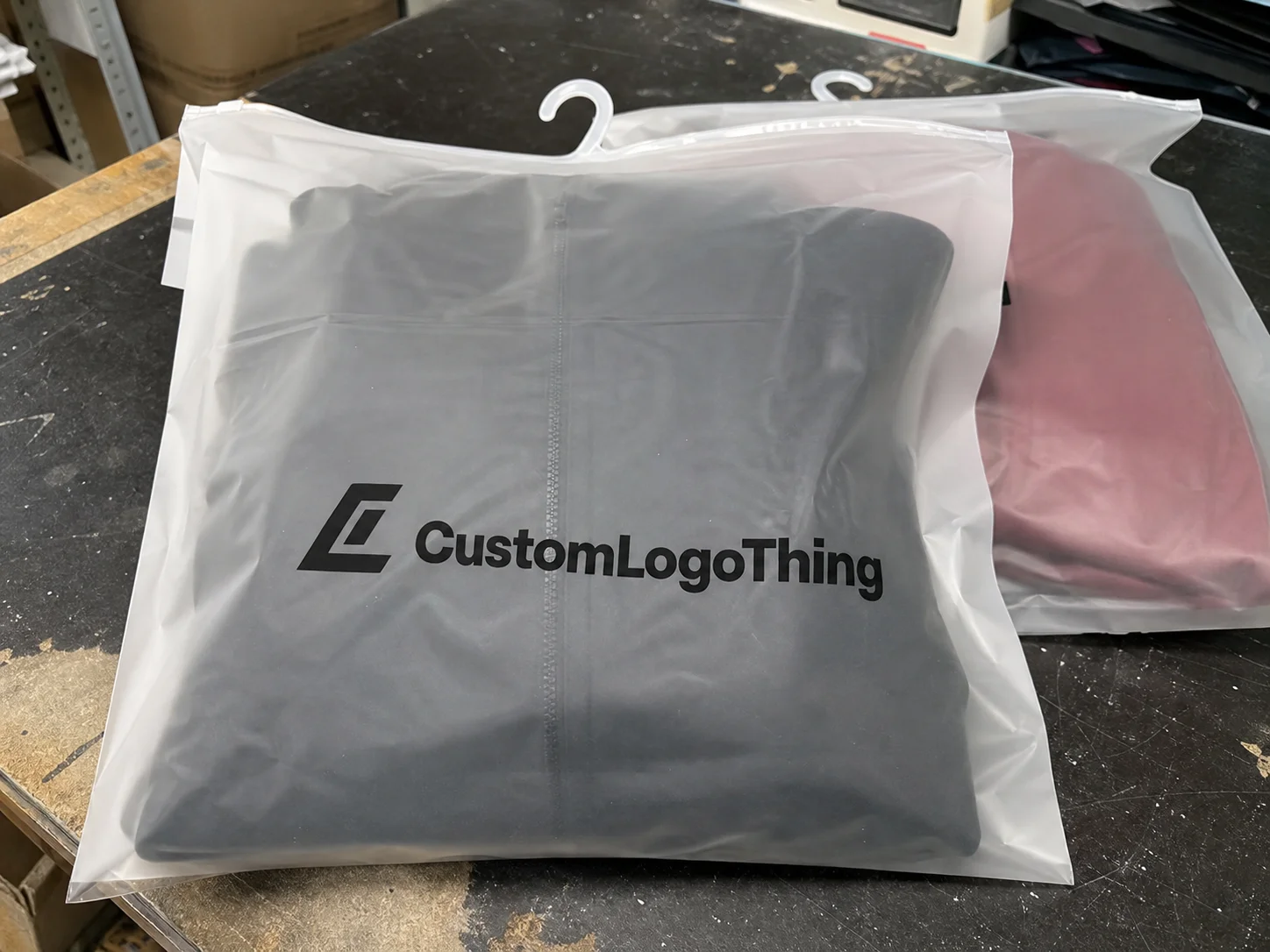
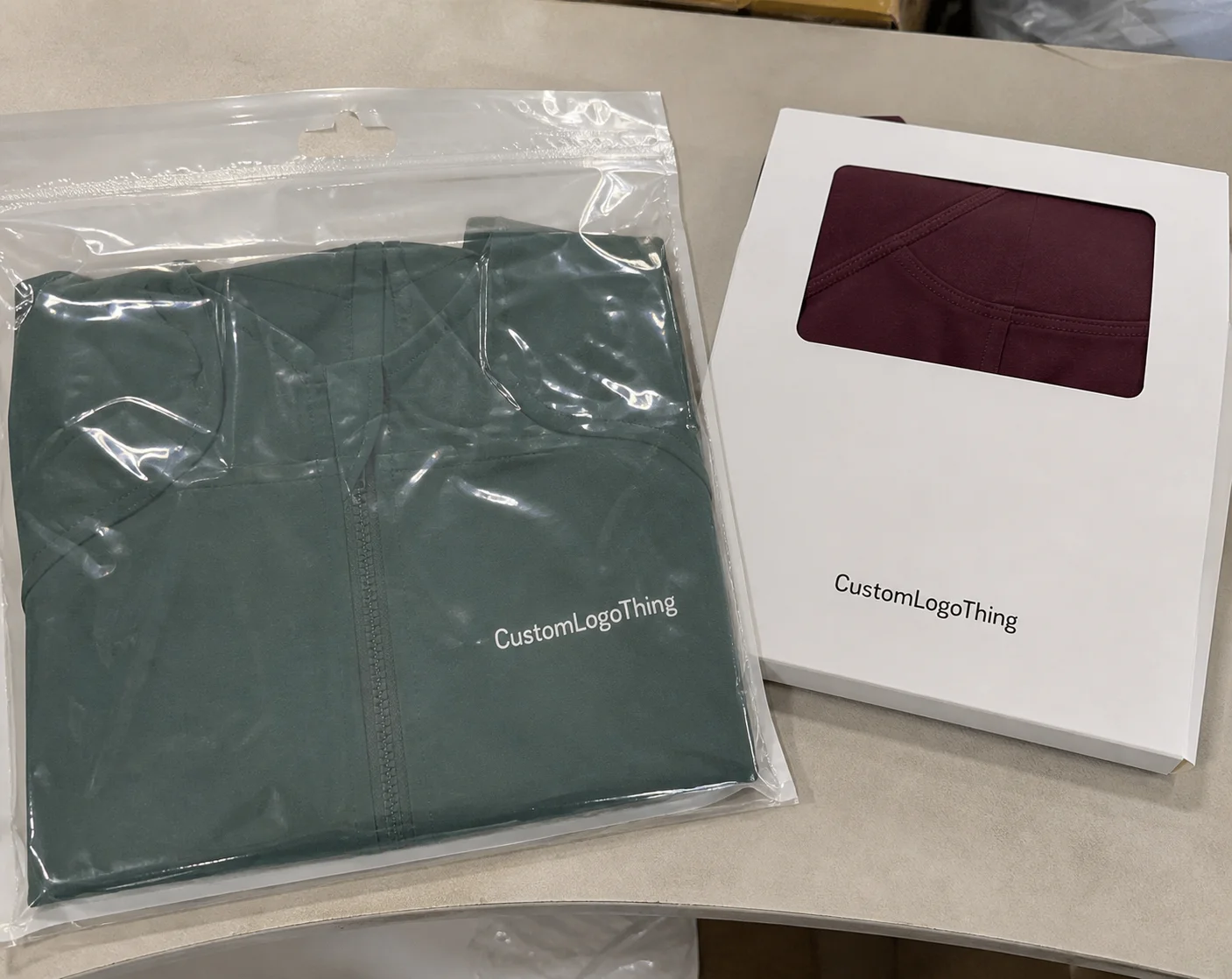
I’ve spent enough time on folding carton lines, rigid box assembly benches, and corrugated print rooms to know one thing for sure: the quietest package on the pallet is often the one that gets the most attention. The Custom Packaging Trends minimalist design 2024 conversation keeps coming up with brand teams because the cleanest cartons usually photograph better, stack cleaner, and feel more expensive in hand, even when the material bill is not especially dramatic. That combination is hard to ignore.
That surprises a lot of people the first time they see it on a live line. I remember standing in a Shenzhen folding carton plant while everyone argued over whether a simple white carton with one blind embossed logo was “too plain.” Spoiler: it outsold a heavily illustrated version in an internal shelf test because the cleaner face read faster at three feet, under warm retail lighting, and on a phone screen. That’s the kind of practical result that keeps custom packaging trends minimalist design 2024 from being just a style choice and turns it into a sales decision. Honestly, I think that’s why designers keep coming back to it after the first round of “can we add one more thing?” chaos.
Why Minimalist Custom Packaging Is Winning Attention
Minimalist packaging is not about “doing less” for the sake of it. It is about controlling what the customer sees first, second, and third. In custom packaging trends minimalist design 2024, that usually means fewer colors, more white space, a stronger type hierarchy, and a material or finish that carries part of the message instead of burying it under graphics. A good minimalist carton should still feel intentional, measured, and branded. Not empty. Not lazy. Just edited.
Plain packaging can look unfinished. Minimalist packaging looks edited. One uses restraint without a plan; the other uses restraint with a clear visual order. When I’m standing next to an offset press operator at 2 a.m., the jobs that hold up best are usually the ones where the artwork gives the ink room to breathe and the logo has a definite resting place. That is a big reason custom packaging trends minimalist design 2024 keeps gaining ground. Also, the press crew tends to appreciate not having to chase six colors across a sheet while everyone pretends registration “is basically fine.” It isn’t. We all know it isn’t.
E-commerce changed the rules too. A busy box may look impressive at full size on a designer’s monitor, but on a 120-pixel thumbnail or a shaky unboxing clip, the visual clutter can collapse into noise. Minimalist product packaging photographs with cleaner shadows, clearer edges, and more consistent color. That matters for retail packaging, too, because shoppers often make a decision in under five seconds, especially in beauty, supplements, and premium accessories. If the package has to fight for attention, the design already lost a little.
Minimalist packaging shows up most often in:
- Folding cartons for cosmetics, nutraceuticals, and small electronics
- Rigid gift boxes for jewelry, skincare sets, and PR kits
- Mailer boxes used in subscription and DTC programs
- Cosmetic sleeves where the structure stays simple but the finish feels premium
- Premium subscription packaging designed for repeat unboxing moments
I also see a sustainability angle that brand teams sometimes underestimate. Less ink coverage, fewer decorative layers, and smarter substrate selection can reduce waste and simplify recycling, depending on the construction. That does not mean every minimalist box is automatically greener, because foil, lamination, and specialty wraps can still complicate disposal, but the custom packaging trends minimalist design 2024 shift does make it easier to build a cleaner material story when the structure is planned responsibly. In other words: simpler can be smarter, but only if someone actually thinks it through.
“The best-looking minimalist box is the one that knows exactly what it is supposed to do on shelf, in transit, and on camera.”
How Minimalist Packaging Works in Production
When a packaging concept is truly minimalist, the production logic starts with structure, not decoration. I’ve watched designers fall in love with a clean front panel, only to realize the dieline forces a seam across the logo or a tuck flap lands right where the focal point should be. In a real plant, the box has to fold, glue, score, and ship correctly before it has any chance of looking elegant. That is why custom packaging trends minimalist design 2024 always needs a production-first mindset.
The sequence usually goes like this: dieline approval, surface layout, print method, then finishing. If the board is a SBS paperboard, the artwork will behave differently than it would on kraft or corrugated E-flute. If the box is a rigid setup style, the wrap paper, chipboard thickness, and corner-wrap tolerance all affect the final feel. For custom printed boxes, the cleanest creative concepts are the ones that respect those material realities from day one.
Fewer inks can help reduce press risk, especially on offset and flexographic jobs. A full-color illustration packed with tiny gradients can expose trapping issues, ink density variations, or registration drift that a minimalist layout would never trigger. On one client meeting in Guangdong, a brand team wanted a 4-color image on a cosmetic sleeve, but after we ran a 2-color test with a matte aqueous coat, the job became calmer, sharper, and easier to control on press. That is a classic custom packaging trends minimalist design 2024 lesson: simpler art can mean cleaner production.
Here are the materials I see supporting the look most often:
- SBS paperboard for crisp print and strong white surfaces
- Kraft board for natural, earthy branding with lower visual density
- Corrugated E-flute for shipping strength with a smoother printed face
- Rigid chipboard wrapped with specialty paper for premium presentation boxes
Finishes matter, but they need discipline. A soft-touch lamination on a white rigid box can feel expensive immediately, while a blind debossed logo on a matte stock gives a restrained, tactile signal without turning the face into a shiny billboard. Spot UV can work too, but I only like it when it’s used to emphasize one small detail, not the whole panel. Too much gloss fights the whole point of custom packaging trends minimalist design 2024. I’m saying this with love, but if the whole box is screaming, it isn’t minimal anymore. It’s just dressed up noise.
Factory teams also look at details most brands never see in a mockup: folding memory, glue points, score depth, and color consistency across cartons pulled from different pallets. If the type sits too close to a fold, it can crack. If the glue line creeps, the box looks crooked even when the art file is perfect. In a corrugated plant I toured outside Shanghai, the QC lead kept a stack of “good but not great” boxes at his desk just to show how a 1.5 mm misalignment could ruin a supposedly clean package. That kind of precision is why custom packaging trends minimalist design 2024 works best when operations are involved early.
For brands comparing options, this quick table usually helps clarify the tradeoffs.
| Packaging Format | Typical Material | Best Use | Approx. Budget Impact |
|---|---|---|---|
| Folding carton | 350gsm SBS | Cosmetics, supplements, small goods | $0.12-$0.35/unit at 5,000 pcs |
| Mailer box | E-flute corrugated | DTC shipping, subscription kits | $0.85-$2.10/unit at 1,000 pcs |
| Rigid box | 1.5-2.0mm chipboard | Luxury sets, gifting, PR mailers | $1.90-$6.50/unit at 1,000 pcs |
| Sleeve | 300-400gsm board | Retail overwrap, limited editions | $0.10-$0.28/unit at 10,000 pcs |
For materials and sustainability benchmarks, I often point clients to EPA recycling guidance and to industry packaging references through the Packaging Institute, because good design decisions are easier when the team is looking at real standards instead of assumptions.
Minimalist Custom Packaging production line with folding cartons, matte finishes, and clean die-cut samples on a factory table' class='blog-content-img' loading='lazy'>
Key Factors That Shape Custom Packaging Trends Minimalist Design
Brand positioning drives almost everything here. Minimalist packaging tends to work especially well for beauty, wellness, luxury food, tech accessories, and premium lifestyle products because those categories benefit from a sense of confidence and restraint. When a customer sees a clean box with one strong logo and a precise finish, the brain often fills in higher value before the product is even opened. That is one reason custom packaging trends minimalist design 2024 shows up so often in premium shelf sets and DTC launches.
Customer expectations matter just as much. A crowded label can communicate energy, but it can also read as cheap or noisy if the product itself is meant to feel refined. I’ve sat in client meetings where a marketing team wanted to “say everything” on the front panel, and the package ended up looking anxious. We stripped the design back to a stronger logo, cleaner typography, and a single supporting detail, and suddenly the package felt more trustworthy. That is not theory; it is a shelf reality I’ve seen more than once. Brands love clarity once they stop fighting it.
Sustainability expectations are another major factor. A minimal layout often uses less ink coverage and fewer decorative treatments, which can help reduce material load. That said, I always remind clients that a matte film or specialty foil can still interfere with recyclability depending on the construction, so the green story has to be honest. A smart minimalist package is not just visually quiet; it is material-aware. That is one of the most practical lessons in custom packaging trends minimalist design 2024.
Pricing is where the conversation gets real. Fewer colors can simplify setup, but the savings may be offset by premium board, specialty paper, tighter tolerances, or advanced finishing. A 2-color offset carton on 350gsm SBS can be very efficient, while a rigid box with soft-touch wrap and foil edge detail may cost far more even though the artwork itself looks simpler. I like to explain it this way: minimal graphics do not always mean minimal cost. If only that were true, every procurement team would be dancing in the hallway.
Order quantity changes the math quickly. Small runs often move through digital printing because setup costs are lower, while larger runs can benefit from offset or flexographic economics. A 1,000-unit short run might sit in the $0.40-$1.20 range for a simple carton depending on structure and finish, while a 20,000-unit run can drop much lower per piece if the spec stays stable. The tricky part of custom packaging trends minimalist design 2024 is that premium materials may hold the unit price higher even when the print is simple.
Lead time is tied to supply chain realities. Specialty papers, foil stocks, custom inserts, and imported chipboard can extend the schedule by a week or more if the line item is not available locally. I’ve seen projects slip because a brand approved artwork before confirming insert dimensions, then had to wait for a second sampling round when the product shifted by 2 mm. That is the sort of delay that turns a neat minimalist plan into a budget headache.
For brands that want a cleaner package branding direction without guessing, a strong starting point is to review Custom Packaging Products and compare structures before finalizing artwork. I always prefer that order anyway: choose the box type first, then build the visual story around it. That approach gives custom packaging trends minimalist design 2024 a much better chance of succeeding in production.
What are the biggest custom packaging trends minimalist design 2024 brands should watch?
The biggest shift is that minimal design is no longer just a luxury aesthetic. It has become a practical strategy for faster recognition, better photography, and cleaner production. In custom packaging trends minimalist design 2024, brands are leaning toward restrained palettes, tactile finishes, and structures that feel premium without needing visual clutter. That includes cleaner brand packaging, smarter use of white space, and more focus on material texture.
Another trend is the move toward fewer, stronger elements on the face of the pack. A single logo, a product name, and one tactile detail often outperform crowded panels packed with claims. I’ve seen that pattern on everything from beauty cartons to premium mailers. The package feels more honest. It also feels easier to trust, which matters a lot when shoppers are making split-second decisions on shelf or screen.
There is also more attention on hybrid minimalism: simple graphics paired with subtle foil, embossing, or specialty paper. That gives brands a premium signal without turning the box into a billboard. The best examples of custom packaging trends minimalist design 2024 keep the surface calm and let one finish carry the drama. Not five. One. The point is restraint, not costume jewelry.
Finally, brands are asking for formats that work across retail and e-commerce. A box has to look good on a shelf, survive shipping, and perform in an unboxing video. That means product packaging decisions are being made with both photography and logistics in mind. That is a healthier way to design, and frankly, a more profitable one.
Step-by-Step Process From Concept to Shelf
Step one is defining the goal clearly. Does the box need to look premium, sustainable, modern, giftable, or all four? If the answer is vague, the design will wander. I ask teams to describe what the package must communicate in three seconds or less, because that is usually the actual retail window. For custom packaging trends minimalist design 2024, that clarity matters more than a dozen mood-board adjectives.
Step two is choosing the structure. A folding carton makes sense when the product is lightweight and the presentation needs to be crisp. A mailer box fits shipping-first DTC programs. A rigid box suits gifting and premium unboxing. A sleeve can add restraint to an existing container without forcing a full redesign. Choosing the wrong format can make even elegant artwork feel awkward, and I’ve seen that happen when marketing picks a box before logistics has weighed in.
Step three is building the visual hierarchy. The eye should land on the logo, then the product name, then one supporting line, and finally any regulatory or operational information. That sounds simple, but it takes discipline to keep type sizes, spacing, and alignment under control. In custom packaging trends minimalist design 2024, whitespace is not empty space; it is the thing that makes the package feel deliberate. Honestly, whitespace does half the heavy lifting. It just doesn’t get credit because it isn’t flashy.
Step four is prototyping and testing. I never trust a digital mockup alone. A physical sample shows you how the board feels, whether the color looks warmer or cooler in daylight, and how the box behaves under retail LEDs or on a camera rig. One client in a supplier negotiation insisted the soft-gray type would hold up, but the sample disappeared completely on textured kraft stock. A quick print test saved them from a costly release mistake. That is exactly why custom packaging trends minimalist design 2024 should always include sample review.
What to check on every sample
- Logo visibility at 3-5 feet
- Type legibility at small sizes, especially 6-8 pt text
- Closure strength and opening feel
- Color consistency across different lighting conditions
- Corner wrap alignment and glue quality
Step five is approving the production files. This is where dielines, bleeds, barcode placement, and finish callouts need to be exact. A 3 mm bleed might be standard for one carton, while a rigid box wrap can require more careful allowance around edges and seams. If the product insert sits inside the box, the insert dimensions need confirmation too. Good custom packaging trends minimalist design 2024 execution depends on this boring part being done well. Boring is underrated. Boring is what keeps a launch from turning into a fire drill.
Step six is production and inspection. QC should cover print registration, glue integrity, scoring, and carton fit. On a folding carton line, even a clean design can look cheap if the registration drifts by a fraction of a millimeter. On a rigid line, a wrapped corner that lifts by 2 mm can ruin the whole premium effect. I’ve watched inspectors reject nearly perfect boxes because the minimalist style makes flaws more obvious, not less. There’s nowhere for mistakes to hide. Which, frankly, is both the beauty and the curse of this style.
Step seven is timeline planning. A typical project might move through concept, sampling, revisions, production, and freight in a few stages that each take several days or weeks depending on the spec. A simple carton with no specialty finish may move faster, while a rigid box with custom insert tooling can take longer. My rule of thumb is to build in enough room for one sample revision, because the first prototype almost always teaches you something useful. That patience is part of how custom packaging trends minimalist design 2024 turns into a reliable launch.
If the brand is serious about sustainability or transit testing, I also recommend checking standards through ISTA so the shipper and inner pack are evaluated against recognized distribution conditions rather than guesswork.
Common Mistakes Brands Make With Minimalist Packaging
The most common mistake is making the package too empty. Minimalism still needs a focal point. If the face has no clear anchor, the box feels unfinished, and unfinished usually reads as cheap. I’ve seen beautiful structural designs lose their appeal because the brand tried to be so restrained that nothing important remained on the front panel. That is a dangerous interpretation of custom packaging trends minimalist design 2024.
Weak contrast is another issue. Pale type on pale stock, or very thin fonts on a textured kraft board, can vanish under real lighting. Designers sometimes view the digital proof on a bright monitor and assume it will print with the same clarity. It won’t, especially if the board has a natural tooth or the finish absorbs light. Strong minimalist package branding usually depends on contrast more than decoration.
Ignoring structure is a mistake I wish would disappear. A gorgeous surface cannot fix a carton that opens awkwardly, crushes in transit, or feels flimsy in hand. I once reviewed a subscription box that looked excellent on a render but collapsed when stacked ten high in a fulfillment test because the board spec was too light. The client had to rework the construction, not the graphics. That is a very real lesson in custom packaging trends minimalist design 2024.
Overusing premium finishes can also break the concept. When you add foil, emboss, deboss, spot UV, and lamination all at once, the package stops feeling minimal and starts feeling busy in a different way. One subtle finish usually does more work than three flashy effects. A clean logo in blind deboss on a matte rigid box can outperform a crowded mix of shine and texture because the eye has one clear place to land.
Production realities get ignored more often than they should. Designers may pick a specialty paper with a lovely texture, then discover the material stretches during wrap, causing registration drift or corner gaps. They may specify tight tolerances without accounting for die-cut waste or labor in manual assembly. These are not small details. They decide whether the project stays on budget or gets messy halfway through the run.
Designing only for the mockup is the final trap. A render can hide a lot: color drift, texture issues, glare from a laminate, and how the box looks under fluorescent warehouse lights. Real samples expose the truth. In my experience, the strongest custom packaging trends minimalist design 2024 programs are the ones that are tested in hand, in shipper, and on camera before anybody commits to the full run.
Expert Tips for Better Results and Smarter Budgets
Use one premium signal well. That is my first rule. A single foil mark, an embossed logo, or a textured paper can carry the whole design if everything else stays restrained. I’ve seen a 1-color kraft mailer with one copper foil stamp outperform a much more expensive full-print carton because the material and finish felt intentional. That is the kind of measured decision that makes custom packaging trends minimalist design 2024 work commercially.
Pick the substrate before the artwork whenever possible. Kraft, SBS, and rigid wrap papers each change how color and contrast read, and that choice affects everything from ink density to matte coating. If a brand wants a warm, natural tone, the paper choice should support it rather than fight it. That is especially true in product packaging for wellness and food brands, where the substrate is part of the story.
Ask for physical samples, not only digital proofs. A printed sample tells you whether the coating feels too slick, whether the matte finish dulls the logo, and whether the box still feels premium after it is folded and handled twice. In one client meeting, a sales director changed his mind on a finish only after touching a soft-touch coated sample beside an aqueous-coated one. That moment saved the team from choosing the wrong tactile signal for their market.
For budget control, keep ink coverage efficient and standardize box sizes where you can. A common footprint can reduce setup complexity, simplify warehousing, and make inserts easier to reuse across product variants. Reserve custom inserts for products that actually need them, such as glass bottles, fragile vials, or multi-piece kits. Not every box needs a foam nest or a multi-part tray, and that is especially true if the goal is clean minimalism.
Align marketing, procurement, and operations early. A packaging brief that looks beautiful on paper can fail the moment it meets a fulfillment line if the closure style is awkward or the insert slows packing speed by 12 seconds per unit. I have seen that exact issue in a subscription client’s warehouse, where a premium box nearly doubled pack-out time because no one checked the folding sequence against the labor plan. That is the kind of operational friction custom packaging trends minimalist design 2024 should help avoid, not create.
Use packaging as a system. The outer shipper, inner box, insert, label, and even the tissue or sticker should all support the same minimalist story. A clean exterior with a chaotic interior feels inconsistent. A disciplined system creates stronger branded packaging, better unboxing, and a more trustworthy product experience from the first touch to the last.
What to Do Next for a Cleaner Packaging Strategy
Start with an audit of your current packaging. Lay the boxes out on a table, look at them from three feet away, and ask what feels crowded, what feels weak, and what customers actually remember. You do not need a giant redesign to get better results. Sometimes removing two graphics, tightening the type hierarchy, and switching to a better stock gives the package more presence than adding another print effect. Funny how that works, right?
Then write a one-page brief that includes the target audience, product dimensions, budget range, finish preferences, and launch date. Keep it practical. If the product ships in a 12 x 9 x 4 inch mailer, say so. If the budget needs to stay under $1.25/unit at 5,000 pieces, put that in writing. Clear numbers save time, and in packaging work, time is money very quickly.
I recommend requesting two or three sample directions: one cost-conscious minimalist option, one premium version, and one sustainability-focused concept. That comparison usually makes the decision obvious. The sales team may lean toward foil, operations may prefer a simpler board, and the compromise becomes much easier once everyone can hold the samples. That is where custom packaging trends minimalist design 2024 becomes a business conversation instead of a taste argument.
Review the samples with both operations and marketing in the room. Marketing can judge the shelf impact, while operations can catch the practical issues such as assembly time, carton stiffness, and freight efficiency. I have seen very smart teams approve a box that looked stunning but wasted three extra seconds per pack, which becomes real labor cost at scale. Better to catch that early than after the warehouse starts quietly hating the packaging.
Finally, lock the rollout plan around the production timeline. Artwork, materials, inserts, and finishing need to be confirmed before the final run starts. The best minimalist projects stay disciplined from concept through assembly, because consistency is what makes the package feel premium. That is the heart of custom packaging trends minimalist design 2024, and it is also why a clean package can sell so well when the work behind it is done properly.
For teams building a fresh package branding system, I’d also suggest reviewing a broader set of Custom Packaging Products so the outer box, insert, and shipper all work together instead of as separate decisions. That kind of coordination saves money, shortens approvals, and usually results in stronger retail Packaging That Feels designed, not improvised.
FAQs
What makes custom packaging trends minimalist design different from plain packaging?
Minimalist design is intentional and branded, with careful use of typography, spacing, materials, and one or two focal details. Plain packaging usually means limited thought or decoration, which can look generic rather than premium. A minimalist package should still feel complete, polished, and connected to the product story.
Which materials work best for minimalist custom packaging?
SBS paperboard, kraft board, corrugated E-flute, and rigid chipboard are common choices depending on protection and presentation needs. Textured wraps and matte stocks often enhance a clean look without requiring heavy graphics. The best material depends on whether the box must ship, display, or gift the product.
Does minimalist packaging cost less to produce?
Sometimes, but not always, because fewer ink colors can reduce print complexity while premium paper, finishing, and rigid construction can increase cost. Small runs may cost more per unit than large runs due to setup and tooling. The real value question is whether the design improves perceived quality, reduces waste, or supports stronger sales.
How long does a minimalist packaging project usually take?
A simple project may move from concept to production in a few weeks, while custom structures or specialty finishes can take longer. Timeline depends on sampling, revisions, material availability, and print method. Approving dielines and physical samples early helps prevent delays.
How can I make a minimalist box stand out without adding clutter?
Use one strong brand marker such as embossing, foil, or a distinctive paper texture. Rely on proportion, whitespace, and typography hierarchy instead of extra imagery. Test the package in hand and on camera to make sure the clean design still feels memorable.