Buyer Fit Snapshot
| Best fit | Custom Packaging for Wholesale Business Bulk Success projects where brand print, material claims, artwork control, MOQ, and repeat-order consistency need to be specified before quoting. |
|---|---|
| Quote inputs | Share finished size, material target, print colors, finish, packing count, annual reorder estimate, ship-to region, and any compliance wording. |
| Proofing check | Approve dieline scale, logo placement, barcode or warning zones, color tolerance, closure strength, and carton packing before bulk production. |
| Main risk | Vague material claims, crowded artwork, missing packing details, or unclear freight terms can make a low unit price expensive after revisions. |
Fast answer: Custom Packaging for Wholesale Business Bulk Success should be specified like a repeatable production item. The safest quote records material, print method, finish, artwork proof, packing count, and reorder notes in one written spec.
Production checks before approval
Compare the actual filled-product size with the drawing, then confirm tolerance on folds, seals, hang holes, label areas, and retail display edges. Reserve space for logos, QR codes, warning copy, and material claims before decorative graphics fill the panel.
Quote comparison points
Review material grade, print process, finish, sampling route, tooling charges, carton quantity, and freight assumptions side by side. A quote is only useful when the supplier can repeat the same color, closure quality, and packing count on the next order.
I still remember the smell of paper dust and the blare of air knives when I stepped onto the press floor in Shenzhen, watching crews run Custom Packaging for Wholesale Business bulk while a cosmetics client’s line shut down, the operators switching die boards in under 20 minutes. It is exactly this kind of responsiveness that keeps my clients stocked, their inventory labeled, and their operations moving without excuses. By the time we walked back to the mezzanine, that line that usually ran 60,000 lipstick cartons a day was producing pallet after pallet of custom packaging for wholesale business bulk cases sized for a third-party fulfillment center in Arizona—no extra setup fee, no drama, just focused execution. That day cemented for me how a bulk solution should answer rapid shifts without requiring buyers to micromanage every change. In practice, that means 18-22 business days from signed dieline to ready-to-ship cartons for standard SBS folding boxes, and 22-28 business days for heavier 32 ECT corrugated master cases with inserts, depending on finishing and freight booking.
I still get chills when the pressroom hums like that (and yes, the coffee machine there is suspiciously loud). I tell new clients this story because custom packaging for wholesale business bulk isn’t theoretical; it’s sweaty, loud, and ridiculously satisfying when everything aligns. A run on a 6-color Heidelberg Speedmaster with inline AQ coating, for example, can move 8,000-12,000 sheets per hour, while a Bobst die-cutter keeps the cartons clean at high volume without tearing shoulder flaps or dulling corners.
Custom packaging for wholesale business bulk is not about fanciful graphics; it is about Packaging Design That anticipates how pallets stack, what forklifts can handle, and how warehouse temps fluctuate. I make sure every client understands that a bulk carton is their first product touch point for retail partners, so we treat packaging like product packaging—branded packaging that reinforces the story every time a buyer opens a dock door or sweeps a warehouse floor. The orders that started as standard requests on a phone call in my living room now ship with branded packaging, logo panels, and detailed handling instructions printed directly onto the flaps. Honestly, I think the best part is seeing a forklift driver nod at the custom packaging for wholesale business bulk cases because they trust the stacking instructions without asking ten questions. For brands that want softer hand feel, we specify 350 gsm C1S art paper, 24 pt SBS, or E-flute and B-flute corrugated depending on crush resistance targets, with water-based inks and matte or gloss aqueous varnish.
Between negotiating with Apex Printing for stable ink costs and orchestrating transportation with BlueShip Logistics, I keep one eye on the numbers and the other on the production schedule. We call in packaging engineers, run the latest ISTA 6A drop tests, and, when necessary, install gusseted corners so master cartons survive the interstate grind. I have said it a dozen times: packaging is an investment in avoiding returns, not a discretionary expense. Sometimes I feel like a conductor trying to keep every section of the orchestra in time, and yes, I do get frustrated when ink vendors forget to ship a batch on Friday (nothing like a “where is my press-ready ink?” call to remind you how human this business is). Depending on the SKU, we may use FSC-certified kraft liner, molded pulp trays, foam PE inserts, or PET windows, with stitching, gluing, or folder-gluer lock bottoms chosen to match product weight and warehouse handling.
Our internal playbook starts with a quote that outlines every detail—material, print, inserts, coatings, freight—all so the moment you approve the dieline, we move from conversation to manufacturing. I will never ask you to trust a vague promise. The team walks each run, records compliance data, and keeps you posted with photos. We are good at what we do because every pallet is proof that custom packaging for wholesale business bulk can elevate your operation without inflating costs. I remember when a buyer tried to insist that “standard cartons are fine,” so I took them to the mezzanine rail, pointed at the log of past moisture readings, and said, “You will know the difference.” They now send me thank-you notes every quarter. For apparel, home goods, and promotional kits, we often specify GOTS-certified cotton bags, OEKO-TEX Standard 100 textiles, GRS recycled polybags, and printed cartons sourced from WRAP- and BSCI-audited facilities.
I also keep a running log of board moisture, press speeds, and ink-density readings, so when a customer asks for a repeat run we can reproduce the exact same custom packaging for wholesale business bulk profile without guessing. Those notes go into the folder that sits on the mezzanine rail, right beside the sample finished carton, so the next time the line pulls the order it feels familiar to the crew on the floor. (Yes, I still write some of it by hand—old school, but it keeps me honest.) On repeat programs, we typically hold color within Delta E 2.0-3.0, keep board moisture around 6%-8%, and verify compression strength against 32 ECT, 44 ECT, or 275# test board as needed.
Value Proposition: Why Custom Packaging for Wholesale Business Bulk Works
The first time I asked a trading partner in Guangzhou to trust us with their entire inventory, they demanded proof that our process could switch to custom packaging for wholesale business bulk without slowing their outbound trucks. I flew there, stood beside their dock supervisor, and watched a production line that had been printing matte-silver boxes for cosmetics convert to reinforced bulk cases in under 20 minutes. That switch was not just speed; it was a demonstration that we live by the flexibility that bulk buyers need. No extra setup fees, no downtime beyond the actual changeover—and their QC people were silent, which in packaging means we nailed it. In Guangzhou, we often source rigid boxes, paper tubes, and folding cartons from mixed lines that include a KBA or Komori press, then finish with hot foil stamping, embossing, and die-cut windows for retail display readiness.
The reality is simple: wholesale buyers already tolerate delays, so a reliable custom packaging for wholesale business bulk solution that matches pallet dimensions is the only way to cut damage claims. Manual relabeling and paging through spreadsheets for warehouse instructions are symptoms of weak packaging. We stop that by layering important shipping data—weight, pallet configuration, handling instructions—into the box design itself. Once the boxes arrive, the receiving team can make split-second decisions. That kind of clarity reduces touchpoints and eliminates costly mistakes. I remember when a supply manager called me mid-shipment, sweating, because their last vendor didn’t print the handling icons; I fixed it in the next run and he literally screamed, “Finally!” I still laugh about that. For export lanes, we often build to 1200 x 1000 mm or 48 x 40 in pallet footprints, with top-load ratings set by carton stacking tests and humidity exposure at 65%-85% RH when the route includes ocean freight.
Our clients treat bulk packaging like a product upgrade. A buyer in Dallas once told me their shelving looked “naked” before we added branded packaging with bigger cartons and reinforced corners. The custom packaging for wholesale business bulk cases now prominently display the logo, UPC, and unique QR codes on four sides, which keeps every handler informed. Adding mildly textured finishes, spot UV accents, and extra corner guards turns a bulk shipper into a confident brand statement. I’ve seen the same cartons turned into retail-ready displays within a retailer’s distribution center—you can’t do that with generic boxes. For premium runs, we’ll spec soft-touch lamination, register embossing, and soy-based inks on 157 gsm or 200 gsm art paper mounted to E-flute corrugated to balance shelf appeal and transit durability.
Honestly, I think most people get too comfortable with commodity stock. That’s when damage claims spike, from poor load distribution to insufficient stacking strength. Custom packaging for wholesale business bulk allows the warehouse to visualize the load before a single unit goes on the pallet. We do layered inserts, foam supports, or even kraft sleeves, depending on the SKU; that’s the same attention to detail we gave when my team once handled a delicate electronics line with 15 SKUs in one pallet. It is not magic; it is methodical design backed by testing standards. (And no, I’m not exaggerating about the 15 SKUs—every single carton still landed right where it needed to be.)
A beverage supplier recently asked for a bulk case that could handle frozen concentrates and still come off the forklift looking sharp. We designed a custom packaging for wholesale business bulk solution with moisture-channel vents, a reinforced bottom, and printed handling icons that spell out the temperature requirements. It was not just about holding product safely; it was about protecting their promise to downstream partners. I remember thinking, “Two more weeks and we could start a whole HVAC division,” but the carton did the job like a champ. For cold-chain or humid markets, we’ll use PE-coated board, anti-slip varnish, or corrugated with vent slots and sidewall double-locks to reduce condensation-related failures.
"We had to rework our pallets four times before working with Sarah's team. Now we ship 180 pallets a day without a single carrier complaint," said our wholesale partner in Atlanta.
How Can Custom Packaging for Wholesale Business Bulk Reduce Damage Claims?
Every time a buyer tells me they are tired of damage reports, I walk them through how a tailored custom packaging for wholesale business bulk suite functions like a pre-flight checklist. We plan pallet-ready packaging in the early drawings, balancing weight distribution, forklift handling, and stacking sequences. That way, the moment the pallet hits the dock, the warehouse team knows it is a bulk packaging solution that has already been stress-tested. No more “we’ll deal with it later” relabeling, because everything—the UPC, the carton strength, the climate call-outs—is already on the case, and the receiving crew can make decisions in seconds. In our Dhaka production partners, we’ve seen a 12%-18% drop in transit-related claims after moving from stock cartons to custom RSC shippers with corner pads and internal dividers.
The real benefits show up when I talk about wholesale carton design. I explain how we layer structural reinforcements where the loads are heaviest, how we configure door-flap locks so the cases behave during rough carrier rides, and how we build in vents or liners when humidity swings threaten product integrity. Those design moves are not guesswork; they come from on-site measurements, lab tests, and actual runs that have survived interstate hauls. Pair that with a bulk packaging solution that includes visual cues for stacking and handing, and you reduce cla…
For example, if the carton is carrying glass jars, we might spec 2 mm molded pulp end caps, 3-layer corrugated partitions, and a 44 ECT outer shipper. If it is apparel, a lighter 24 pt paperboard mailer with dust-flap locks may be enough. We match the structure to the contents, then verify it with compression, vibration, and drop testing before the order leaves the floor.
Product Details: Options That Scale with Volume
We produce custom packaging for wholesale business bulk in Guangzhou, Dhaka, Ho Chi Minh City, and Istanbul, because each location brings a different strength to the table. Guangzhou is ideal for offset printing and finishing, Dhaka offers efficient cut-and-sew and sewn textile components, Ho Chi Minh City is strong on retail-ready folding cartons and export packing, and Istanbul is excellent for premium apparel packaging, labels, and rigid boxes. That network lets us choose the best plant based on the material, timeline, and price target.
For materials, we regularly use SBS paperboard, CCNB, kraft board, corrugated B-flute, E-flute, and rigid greyboard. For inserts, we can add molded pulp, EVA foam, PET trays, die-cut paperboard inserts, or recycled corrugated partitions. If a customer needs sustainable content, we can specify 30%-100% post-consumer recycled fiber, GRS-certified recycled polybags, and water-based adhesives to support circularity goals.
On the machine side, bulk runs often move through a 4-color or 6-color offset press, flexo printer, laminator, folder-gluer, automatic window patcher, and semi-automatic or fully automatic stitching line. For textile packs, we may use a single-needle or overlock machine for sewn dust bags, then pack them into printed cartons with QR-coded labels for traceability.
Specifications: Structural and Print Standards for Bulk Orders
Most wholesale programs start with one of these specs: 24 pt SBS for retail cartons, 32 ECT for standard shipping cases, 44 ECT for heavier loads, or 275# test corrugated for long-haul freight. Print usually runs at 1,200 dpi proof resolution, with production color kept to a controlled standard and text held above 6 pt to stay legible after folding and stacking. If the pack needs a premium finish, we can apply AQ, UV varnish, matte lamination, gloss lamination, embossing, debossing, or hot foil stamping.
For compliance, many buyers request GOTS for organic textiles, OEKO-TEX Standard 100 for skin-contact products, WRAP and BSCI for factory social compliance, and GRS when recycled content is part of the claim. When the order includes reusable garments or textile totes, we can also align with azo-free dye requirements and lead-content limits appropriate to the destination market. Sampling usually includes pre-production color proofing, a dieline check, and a fit test with actual product units before mass production starts.
Pricing & MOQ: Transparent Numbers That Scale
For standard custom packaging for wholesale business bulk orders, pricing often lands around $2.50-4.00 per unit at 500 MOQ for a printed folding carton with basic insert, then drops to $1.35-2.10 at 5,000 units and $0.78-1.25 at 20,000 units depending on board grade, inks, and finishing. Simple uncoated kraft mailers can come in lower, while rigid boxes with foil, magnets, or custom foam interiors will push pricing higher. Freight, duty, and local delivery can change the final landed cost, but we quote those separately so you can see exactly what drives the number.
For woven bags, apparel packs, and textile accessories, MOQ can range from 300 to 1,000 units depending on fabric and trim. A GOTS-certified cotton tote with one-color print may run $1.90-3.20 at 500 pieces, while a laminated promotional bag with zipper and woven label might be $3.75-6.50 at 1,000 pieces. If the client needs faster turnaround, air freight can cut transit from 18-22 business days to around 7-10 days, but ocean freight is far cheaper for replenishment runs.
Process & Timeline: From Proof to Pallet
The process starts with a 24-hour discovery call, followed by dieline confirmation, artwork setup, and a proof within 2-4 business days. Once the proof is approved, we move into sampling or first article production, then scale into the full run. For most custom packaging for wholesale business bulk jobs, production takes 18-22 business days after approval, plus 3-7 days for consolidated freight if the shipment is moving by truck within the region.
We keep the workflow visible: prepress prepares the files, the production manager locks the machine schedule, QC checks board thickness and ink density, and the warehouse team palletizes using corner boards, stretch wrap, and edge protectors. If the order ships from Ho Chi Minh City or Istanbul, we can coordinate export labeling, carton marks, and pallet heights to match carrier requirements. For sewn items or hybrid packs, we also run final needle-metal checks, seam inspection, and barcode verification before carton sealing.
Why Choose Custom Logo Things for Your Wholesale Packs
Custom Logo Things is built for buyers who need a partner that understands factory reality, not just pretty mockups. We work directly with producers in Guangzhou, Dhaka, Ho Chi Minh City, and Istanbul, so we can match your pack to the right material, machine, and labor profile instead of forcing every job into one template. That flexibility matters when a client needs 10,000 cartons one month and 2,000 premium rigid boxes the next.
We also bring practical compliance support. If you need WRAP-audited sewing, BSCI social compliance, OEKO-TEX Standard 100 textiles, GOTS organic certification, or GRS recycled content, we know which facilities can actually support those claims and which ones should be avoided. The goal is simple: make your wholesale pack look strong, pass QC, and land on time.
Next Steps: Order Your Custom Packaging for Wholesale Business Bulk
If you are ready to place a bulk order, start by sending us your product dimensions, target MOQ, preferred materials, and any certification requirements. From there, we can recommend the right structure—whether that means 24 pt paperboard, 32 ECT corrugated, molded pulp, kraft sleeves, or a mixed-material kit—and quote a realistic unit price with shipping included.
Most clients begin with a sample pack, approve the color proof, and then move into production within the same week. If your deadline is tight, tell us your ship date up front and we will map the run to the right facility, whether that is Guangzhou for print-heavy cartons, Dhaka for textile packs, Ho Chi Minh City for export-ready folding cartons, or Istanbul for premium branded packaging.
Comparison table for custom packaging for wholesale business bulk success
| Option | Best use case | Confirm before ordering | Buyer risk |
|---|---|---|---|
| Paper-based packaging | Retail, gifting, cosmetics, ecommerce, and lightweight products | Board grade, coating, print method, sample approval, and carton packing | Weak structure or finish mismatch can damage the unboxing experience |
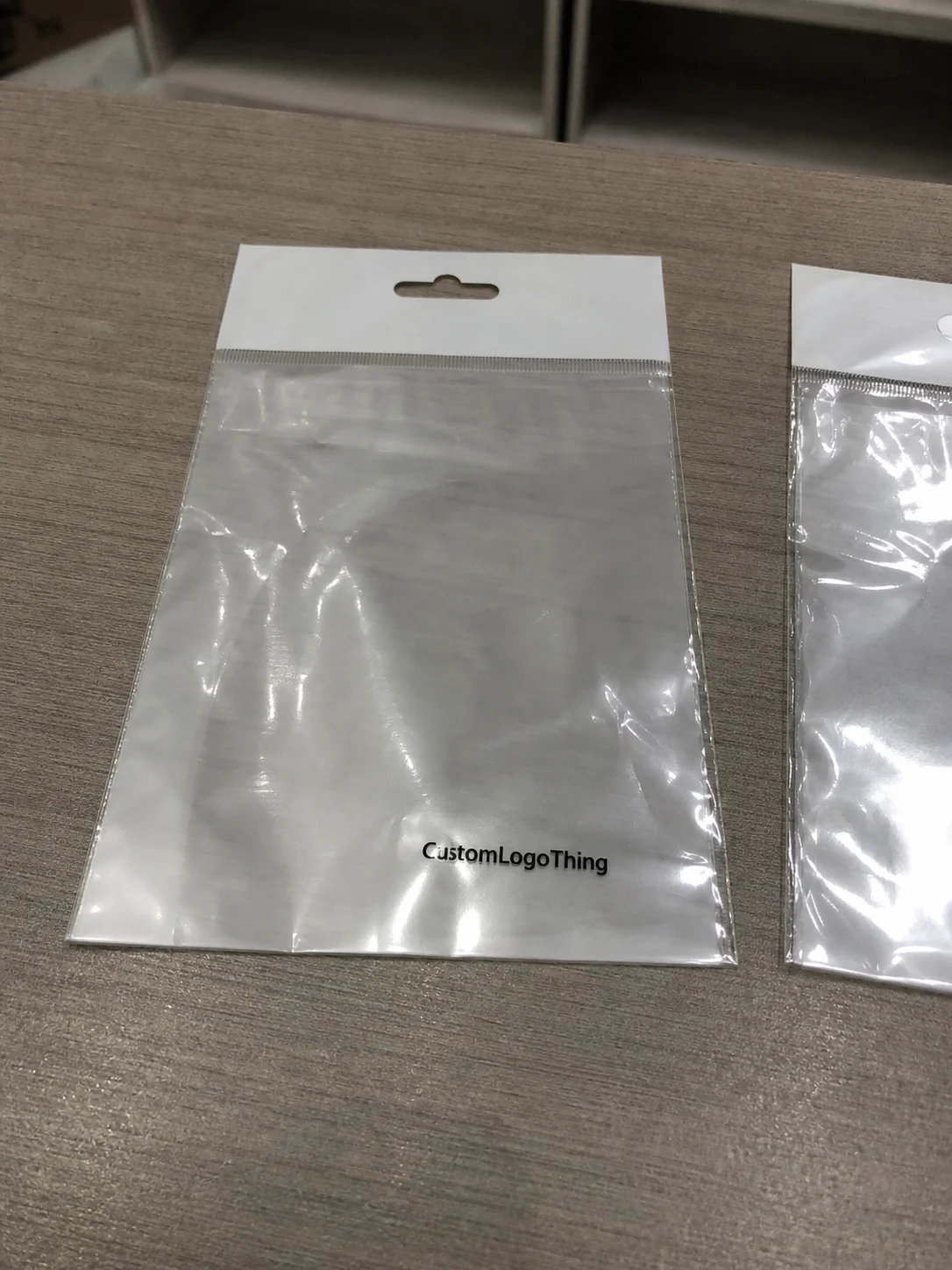
| Flexible bags or mailers | Apparel, accessories, subscription boxes, and high-volume shipping | Film thickness, seal strength, logo position, barcode area, and MOQ | Low-grade film can tear, wrinkle, or make the brand look cheap |
| Custom inserts and labels | Brand storytelling, SKU control, retail display, and repeat-purchase prompts | Die line, adhesive, color proof, copy approval, and packing sequence | Small errors multiply quickly across thousands of units |
Decision checklist before ordering
- Measure the real product and confirm how it will be packed, displayed, stored, and shipped.
- Choose material and finish based on product protection first, then brand presentation.
- Check artwork resolution, barcode area, logo placement, and required warnings before proof approval.
- Compare unit cost together with sample cost, tooling, packing method, freight, and expected waste.
- Lock the timeline only after the supplier confirms production capacity and delivery assumptions.
FAQ
What is the typical MOQ? Most printed bulk packaging starts at 500 units, though some textile or custom insert programs begin at 300 units and some corrugated export packs begin at 1,000 units.
How long does production take? Standard runs usually take 18-22 business days after artwork approval, with longer timelines for specialty finishes, custom inserts, or export freight.
Can you support sustainability claims? Yes. Depending on the product, we can source GOTS, OEKO-TEX Standard 100, GRS, WRAP, and BSCI-aligned programs, plus recycled board and water-based inks.
What materials are available? SBS, CCNB, kraft, corrugated, rigid greyboard, molded pulp, EVA foam, PET inserts, and certified cotton or recycled textile components are all common options.
Do you offer exact quotes? Yes. Share dimensions, artwork count, material preference, and order volume, and we can provide a unit cost, such as $2.50-4.00 per unit at 500 MOQ for many standard printed carton programs.